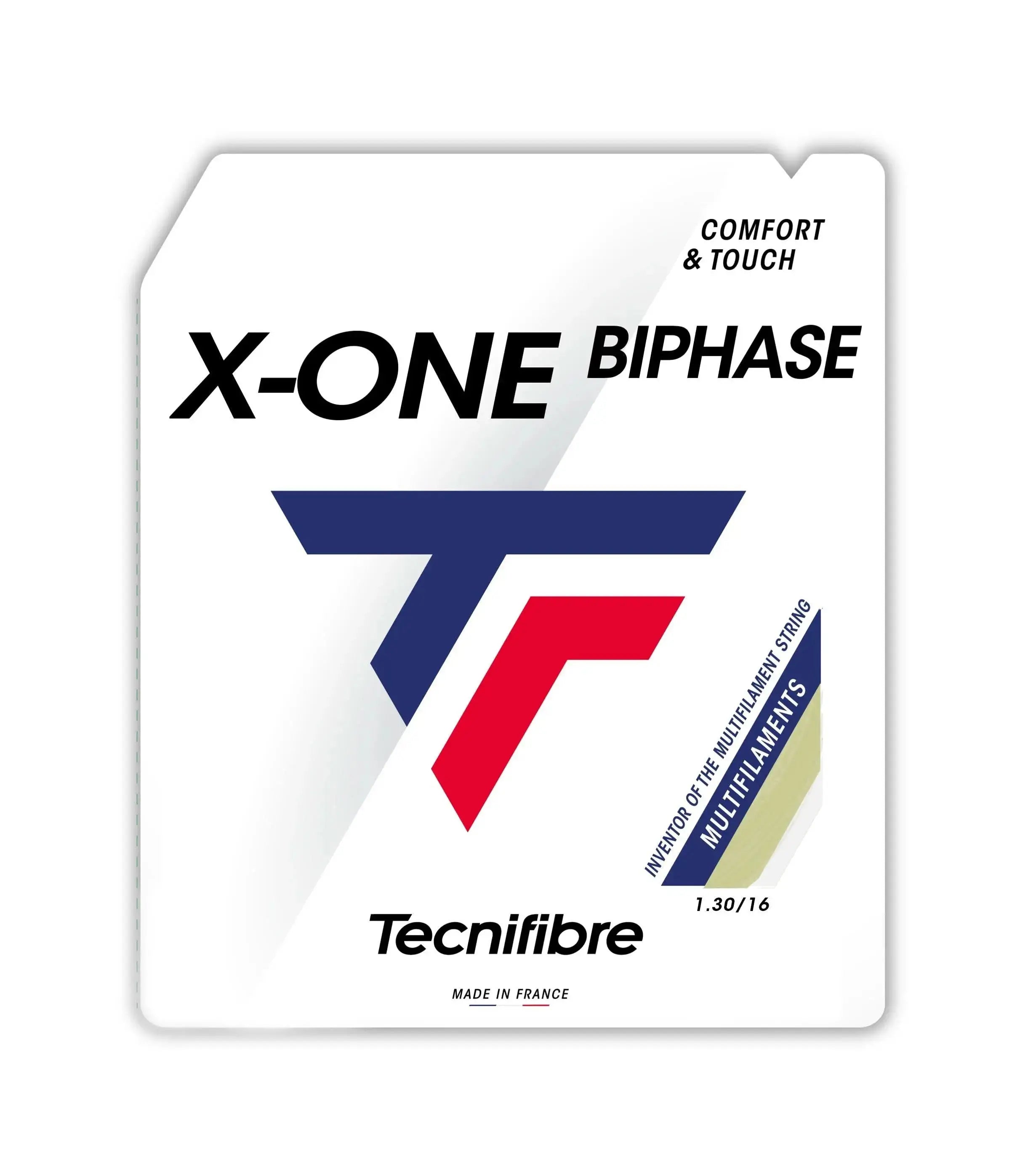
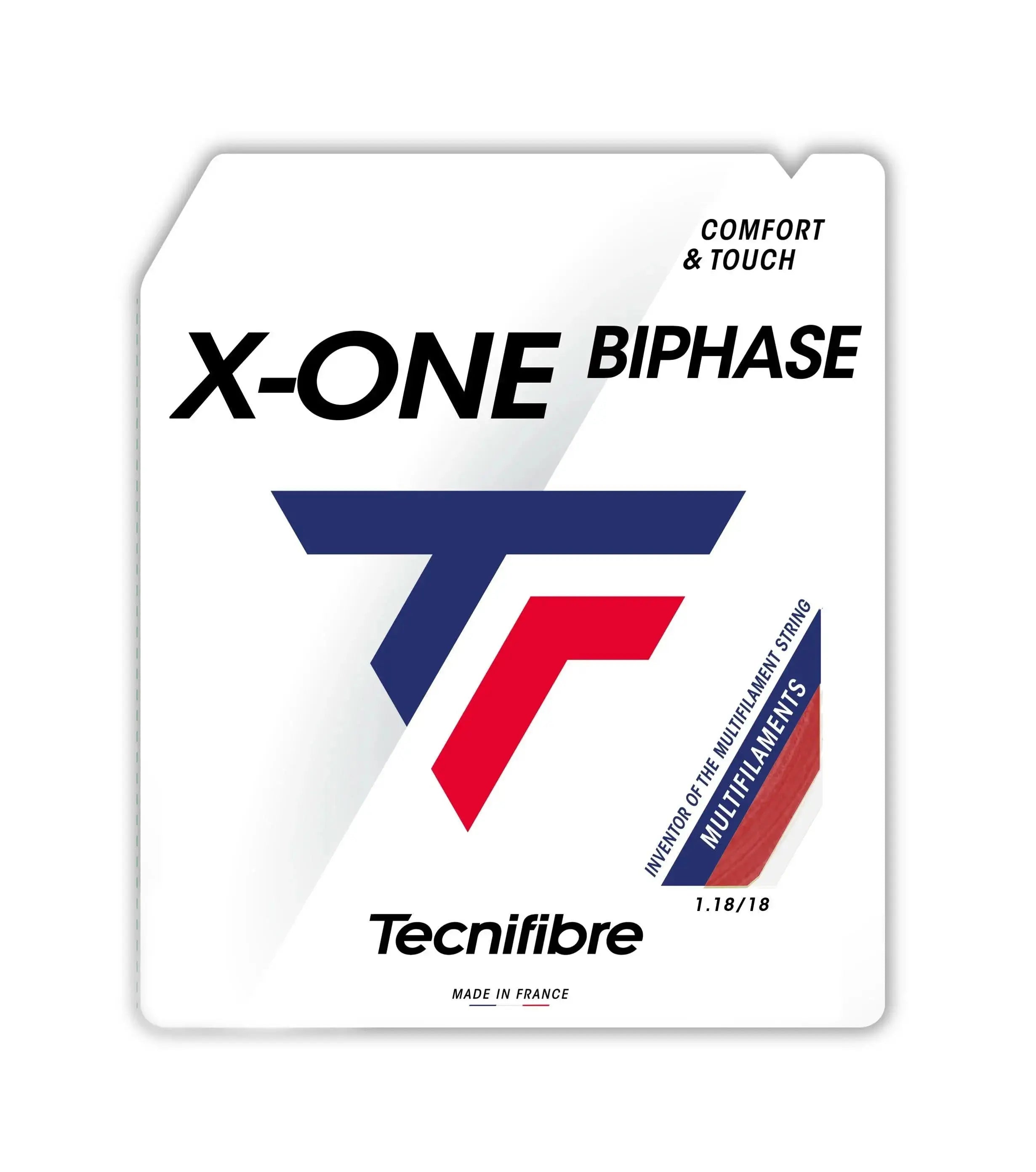
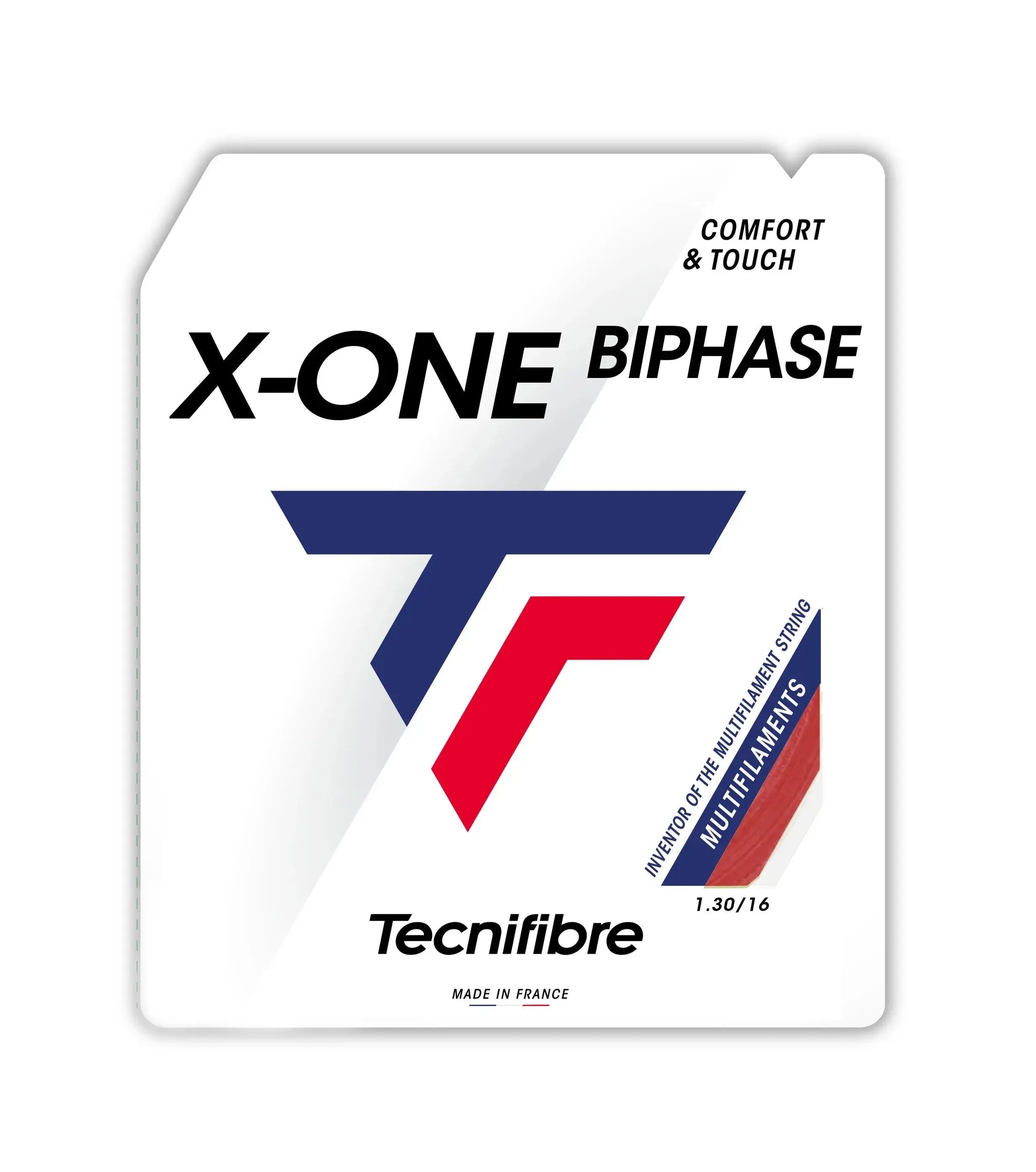
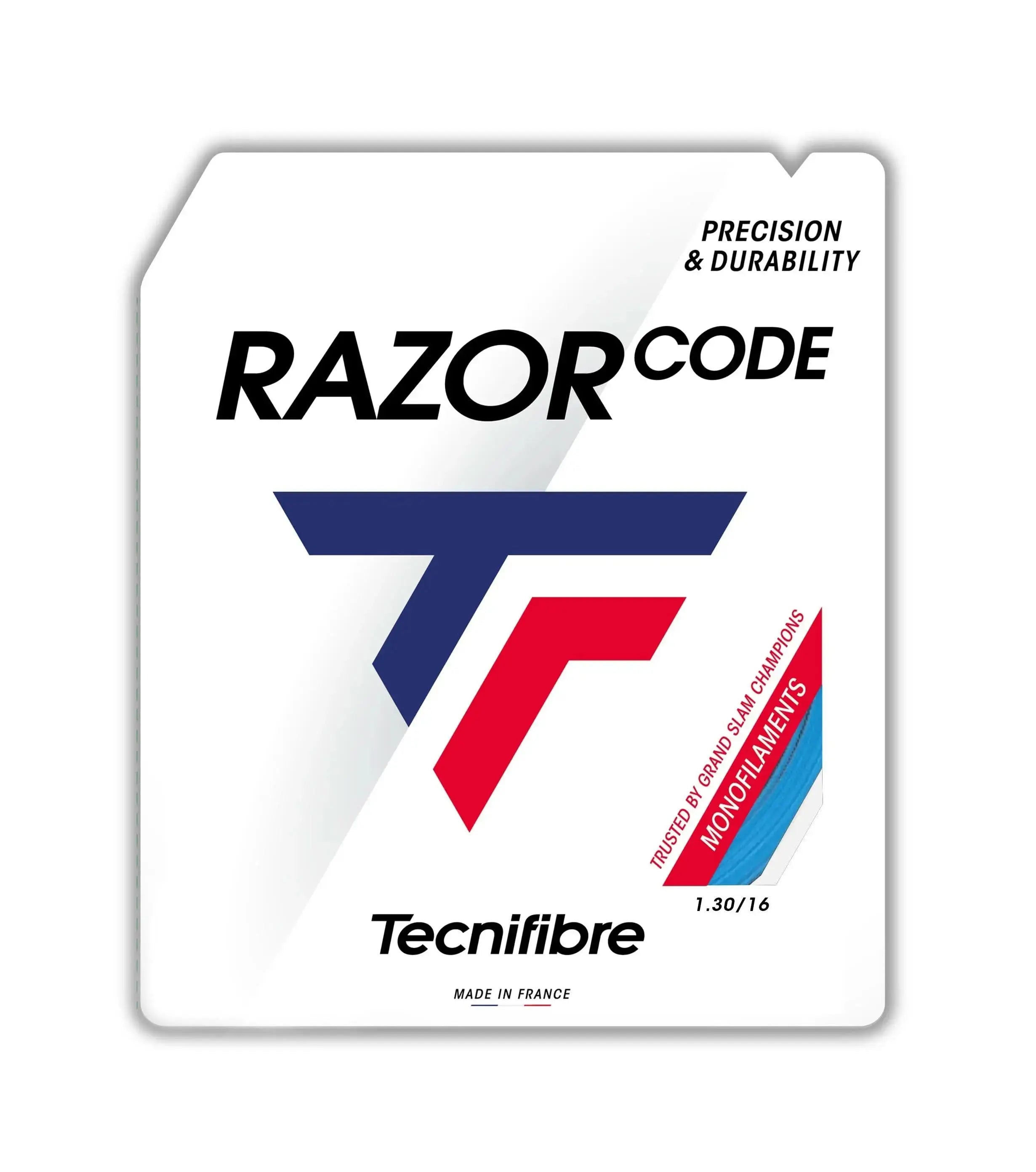
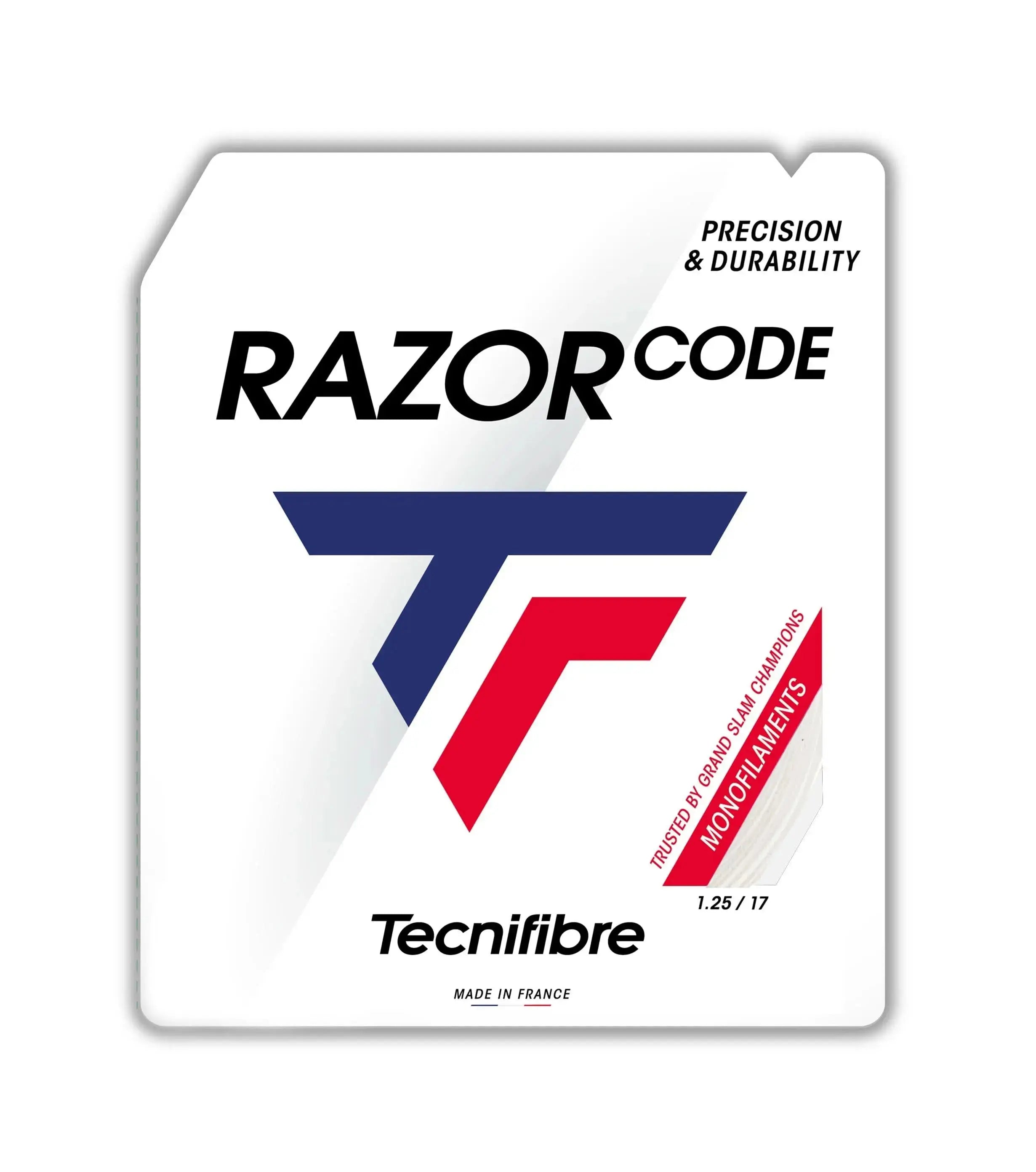
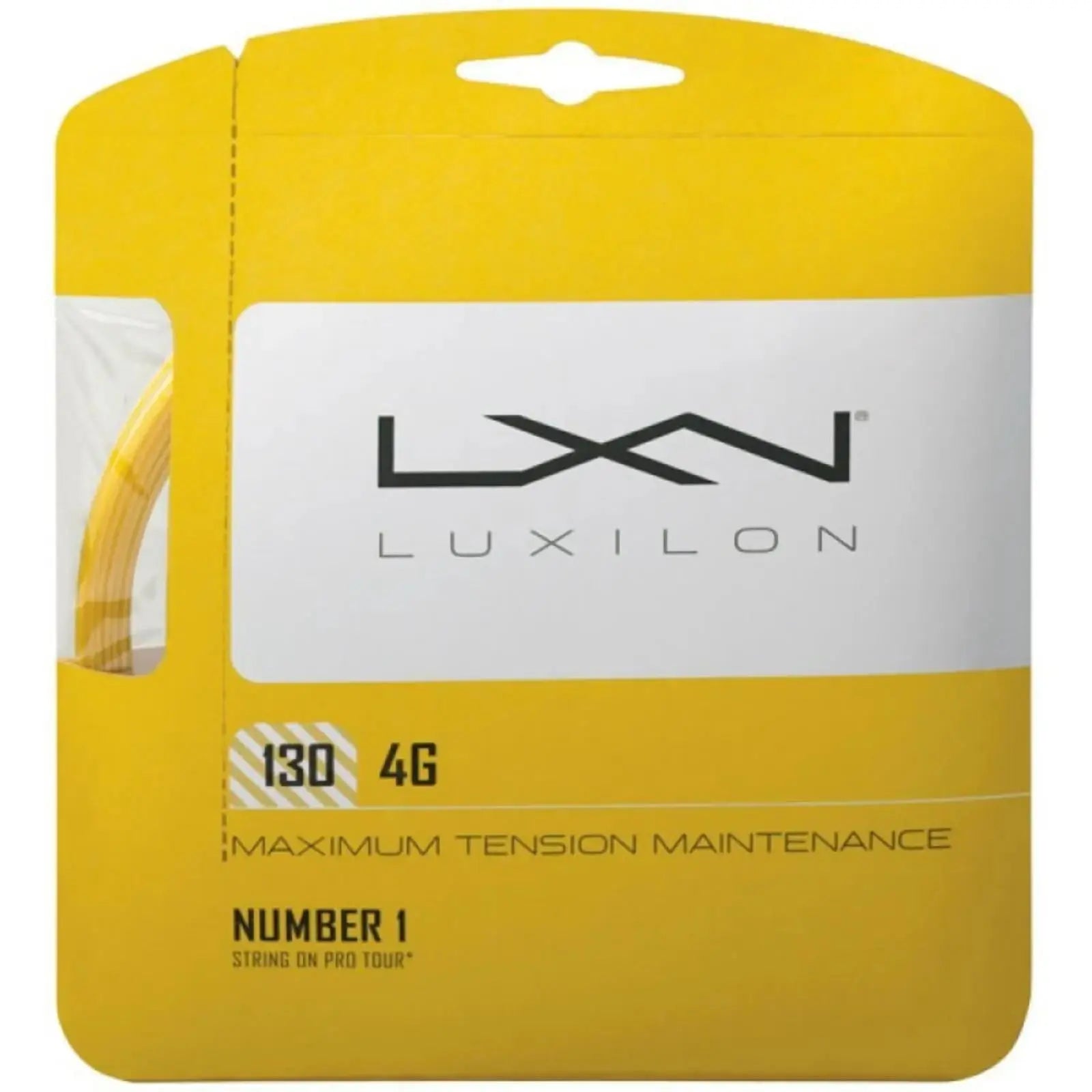
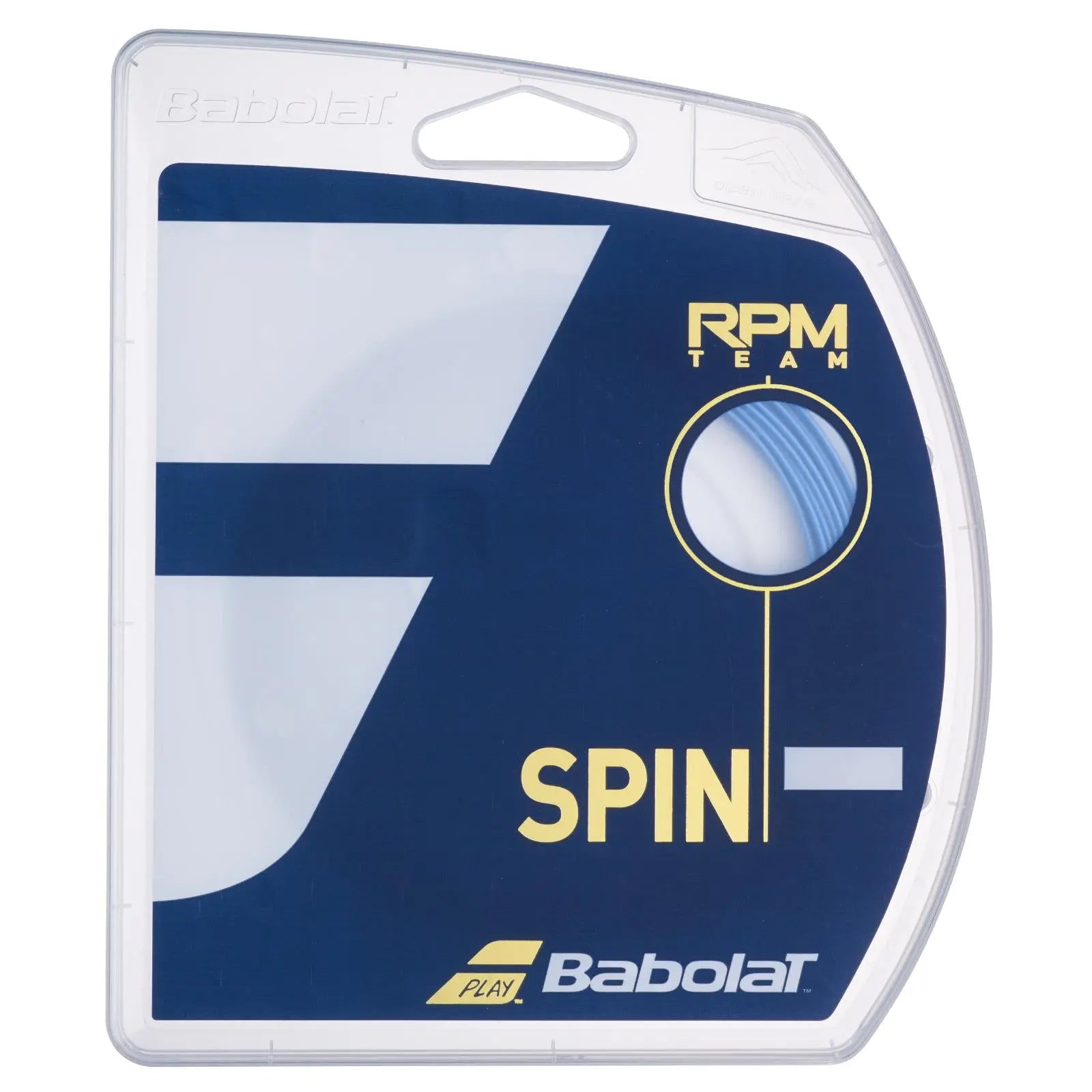
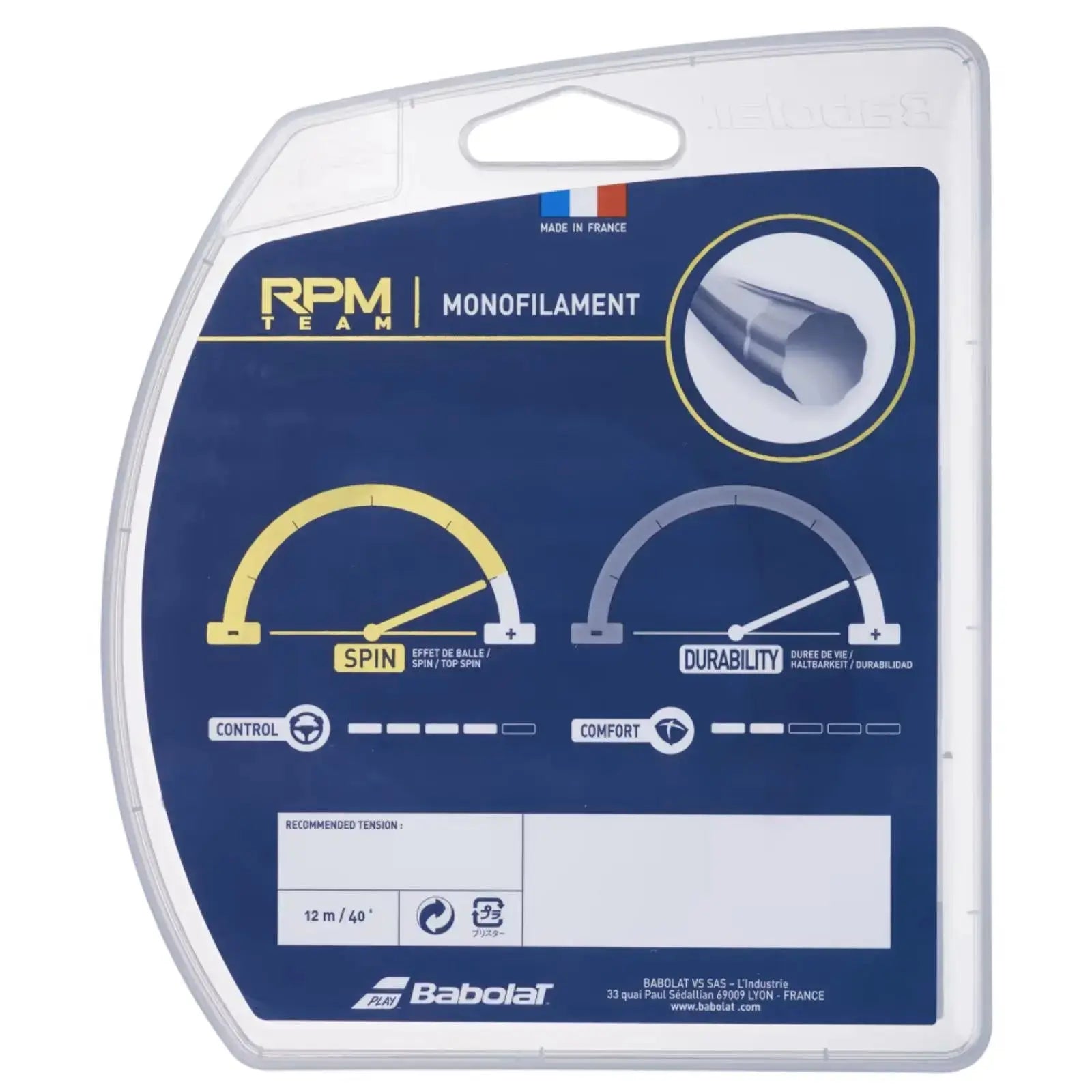
TENNIS STRINGS
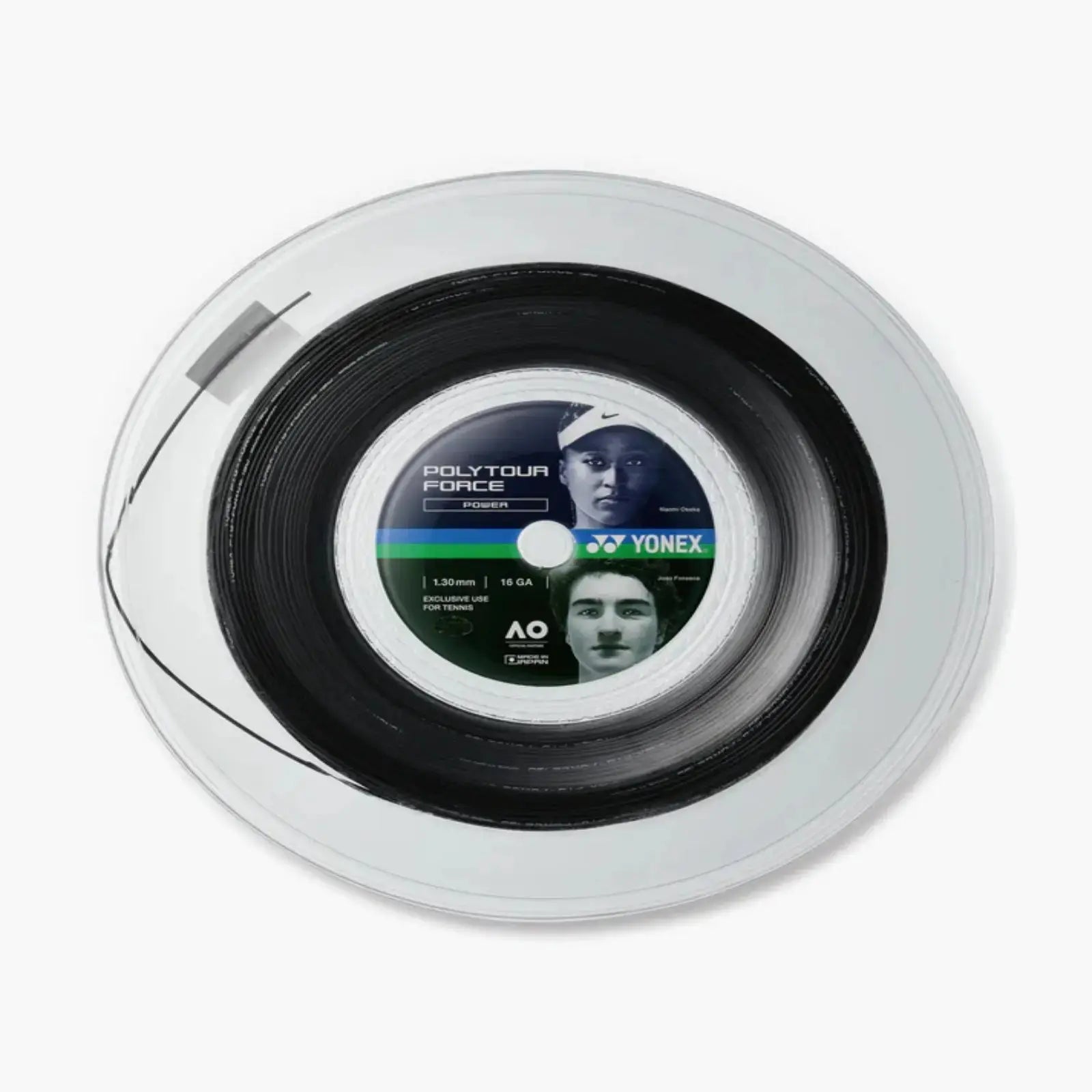
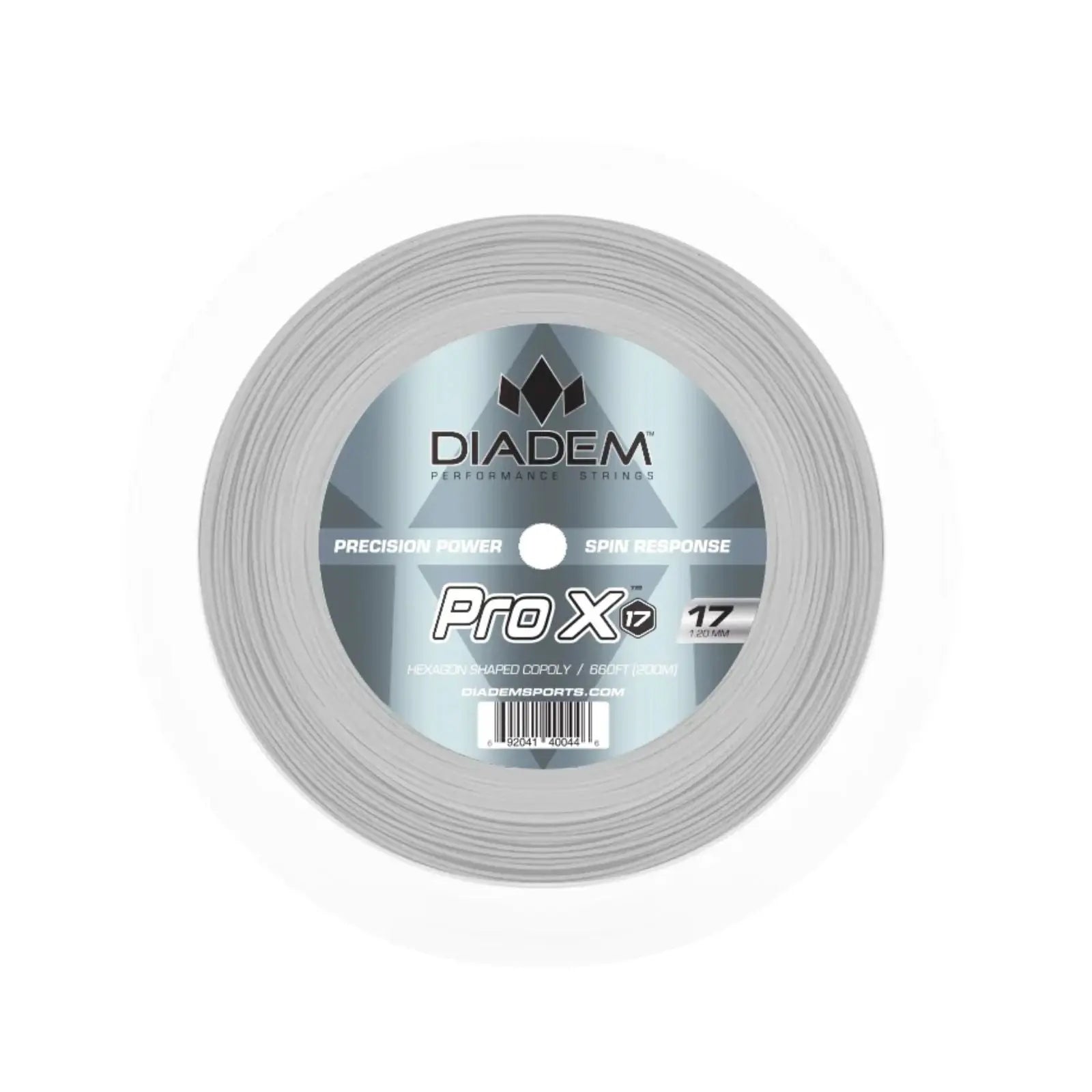
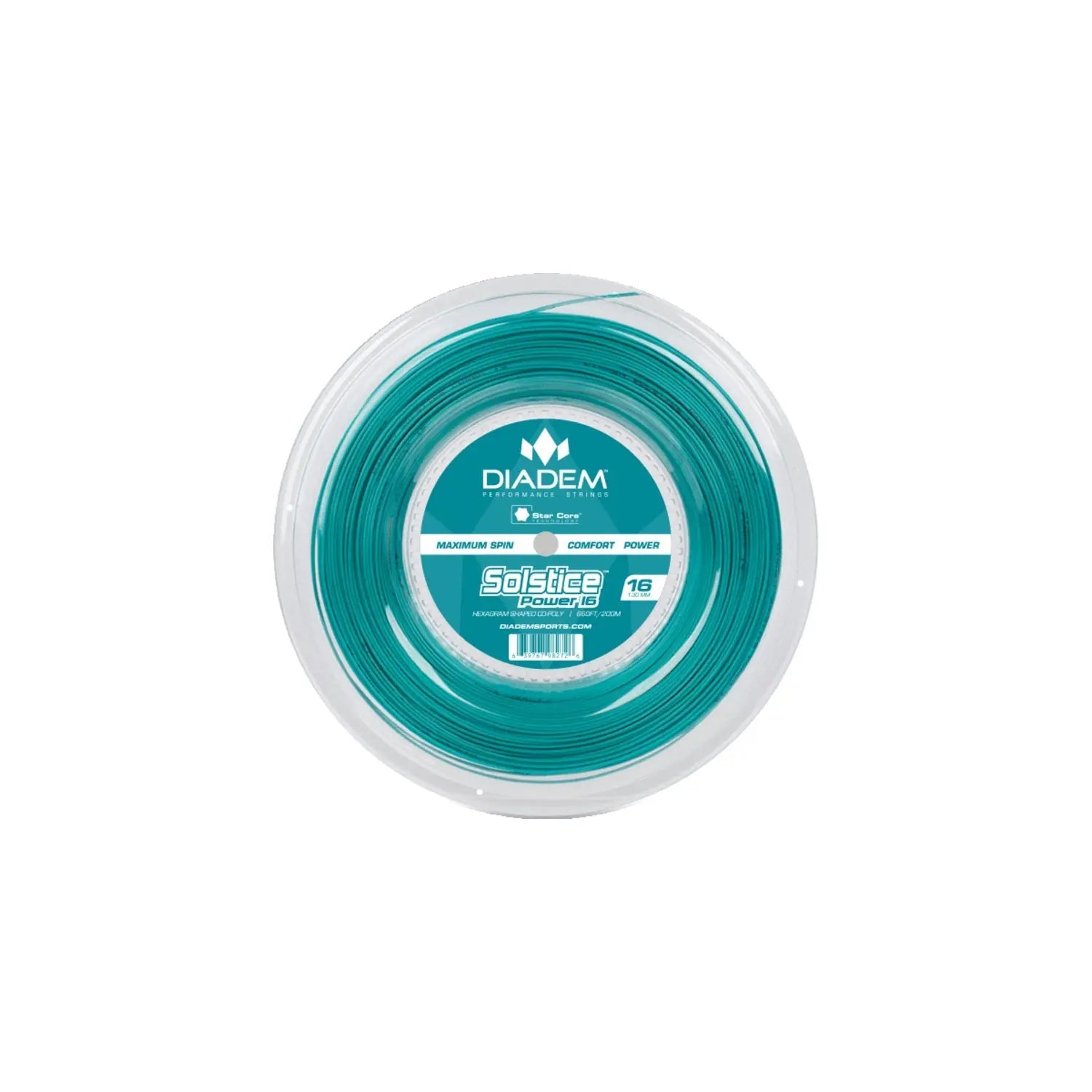
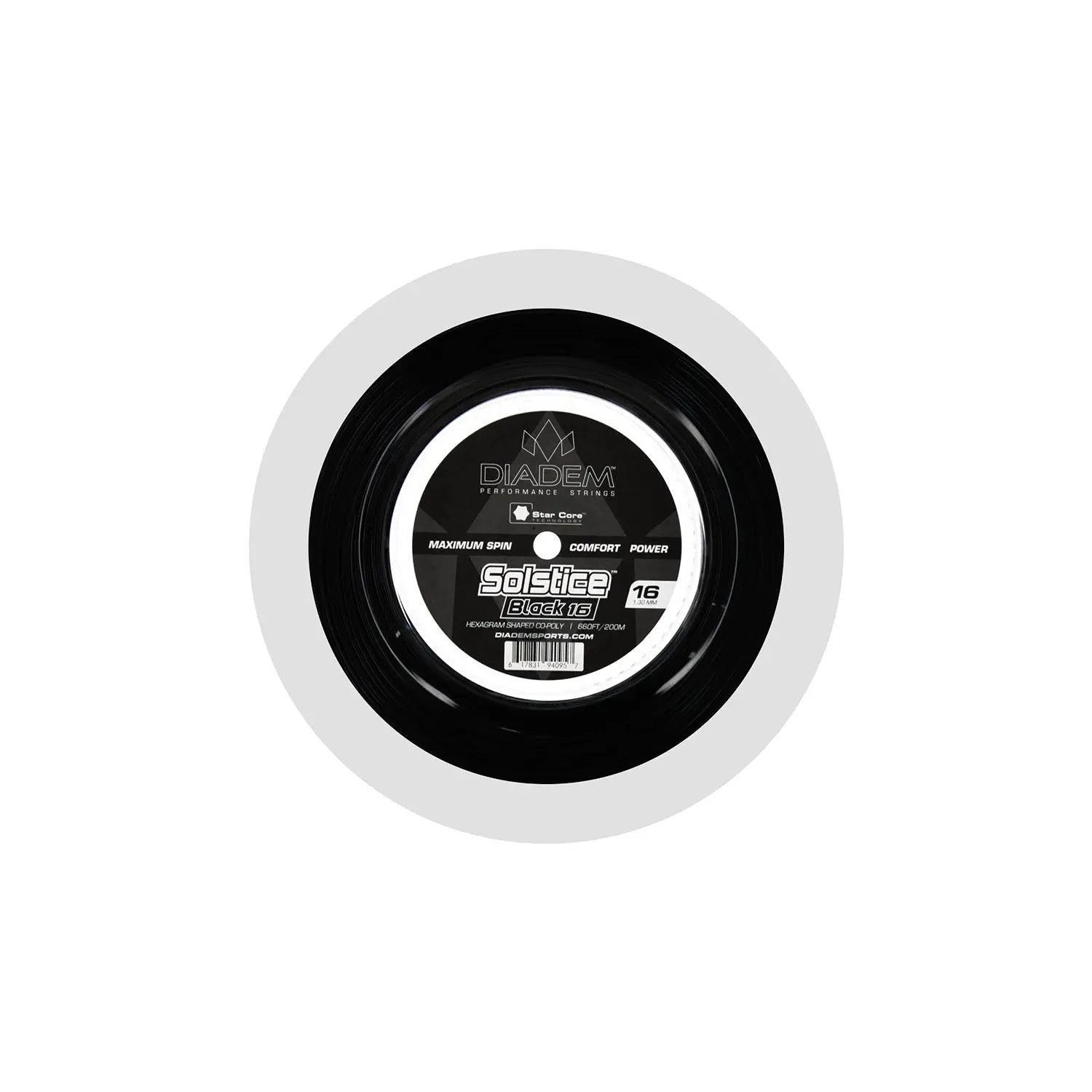
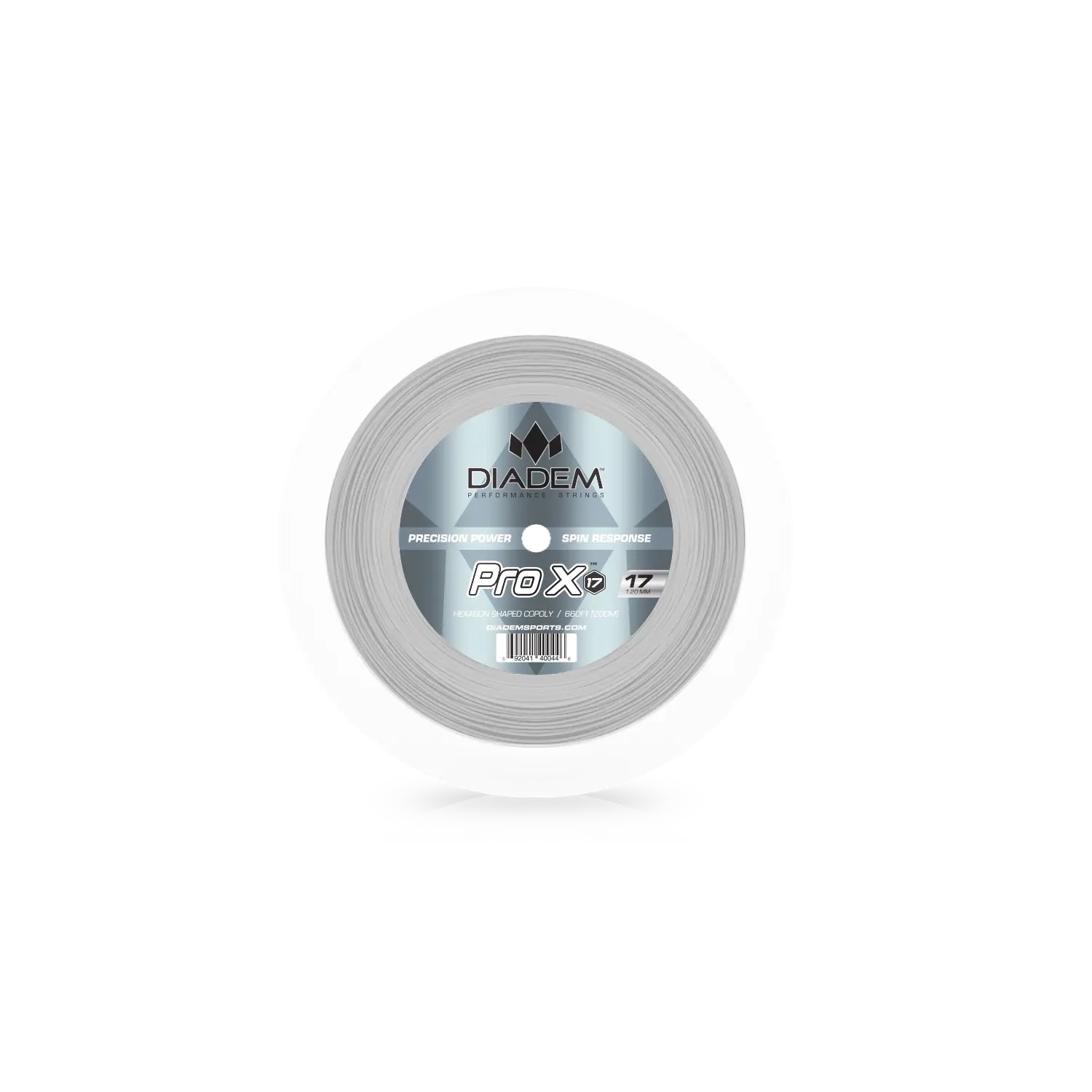
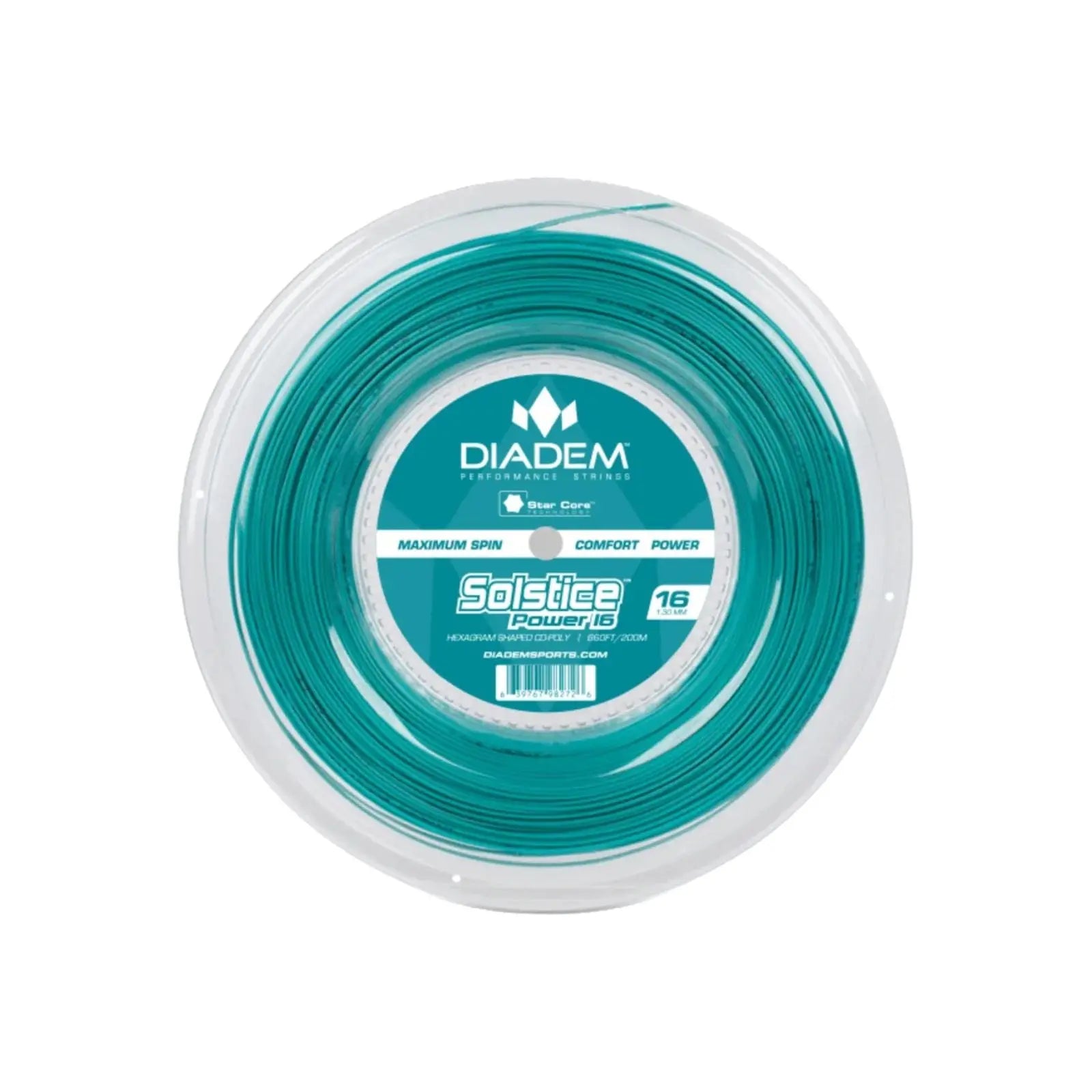
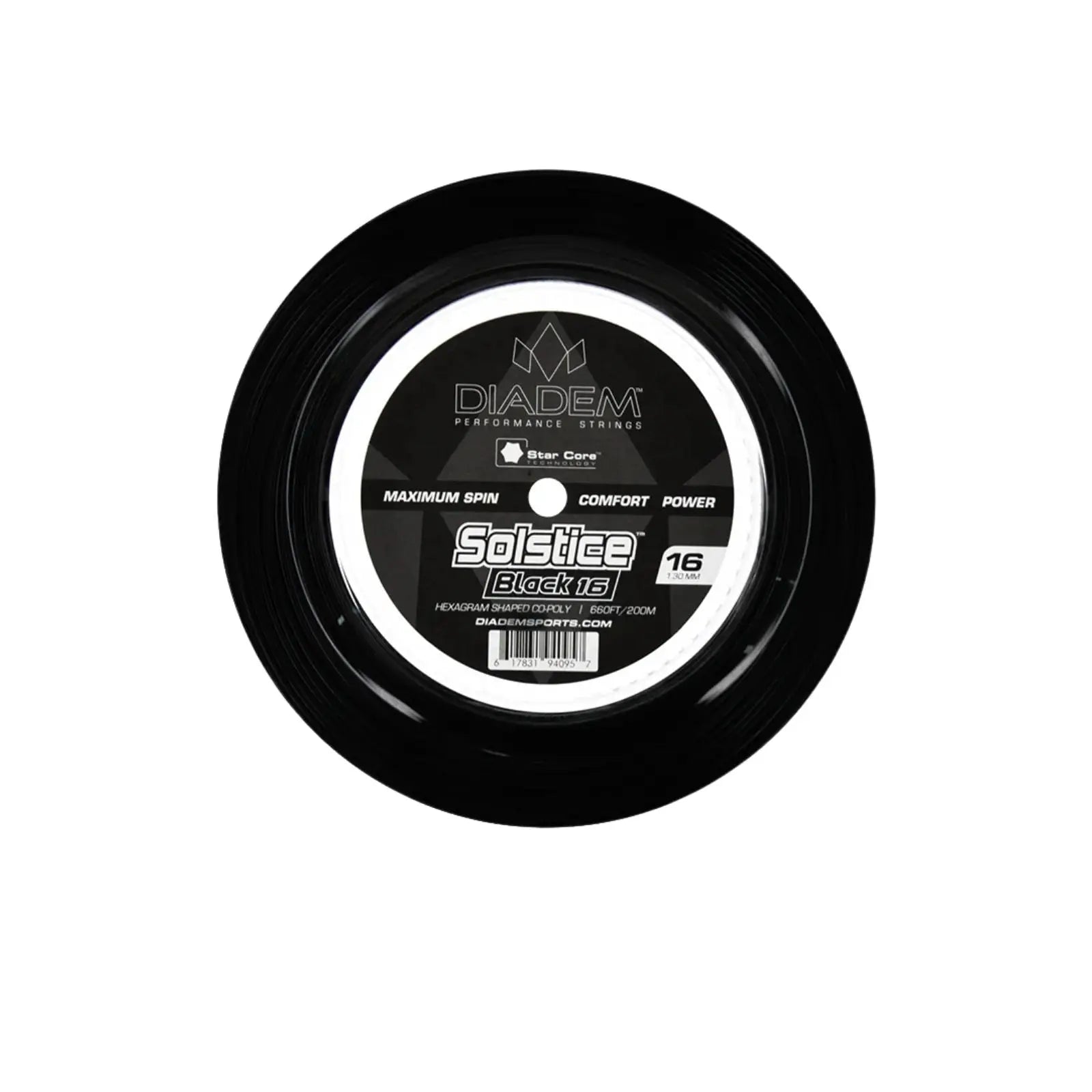
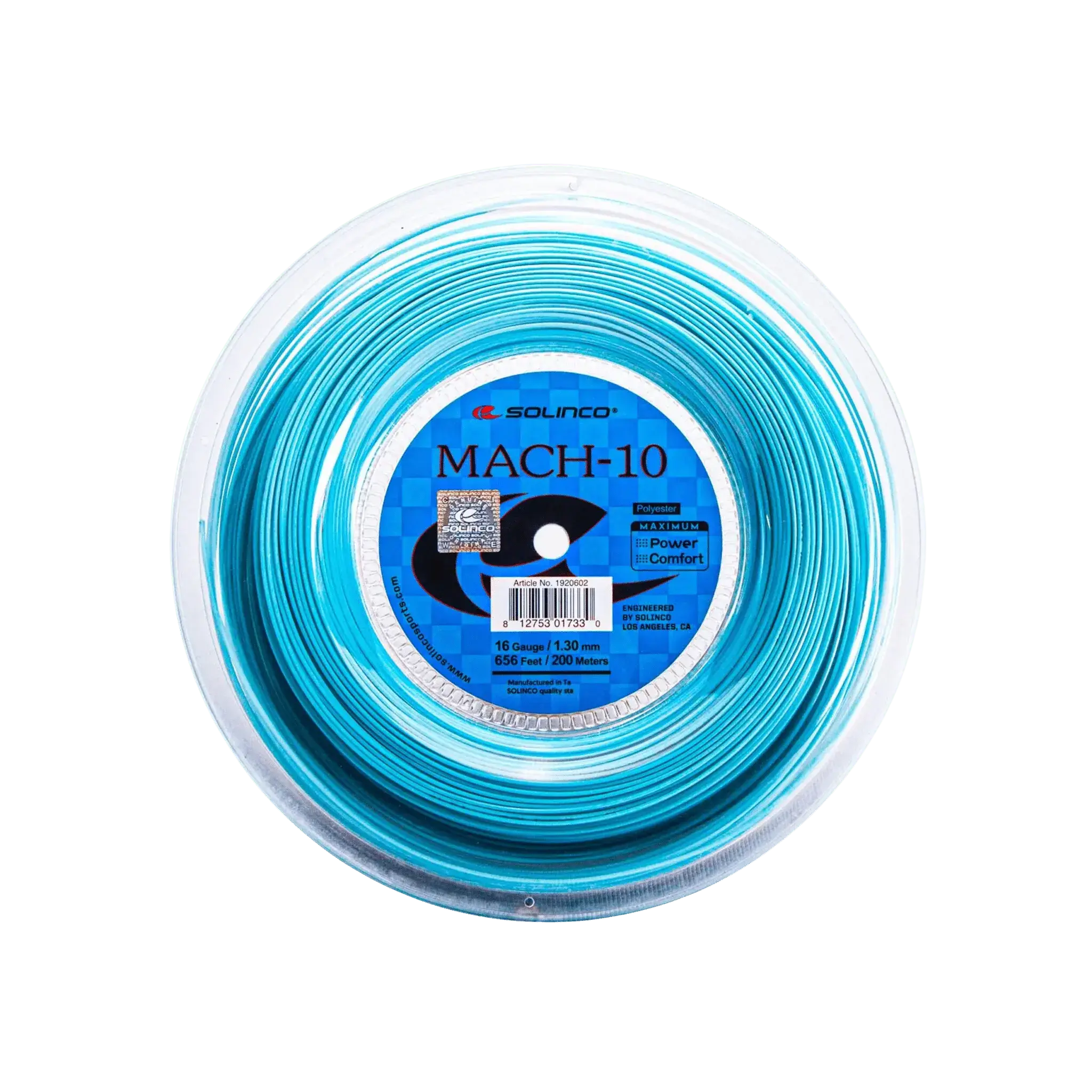
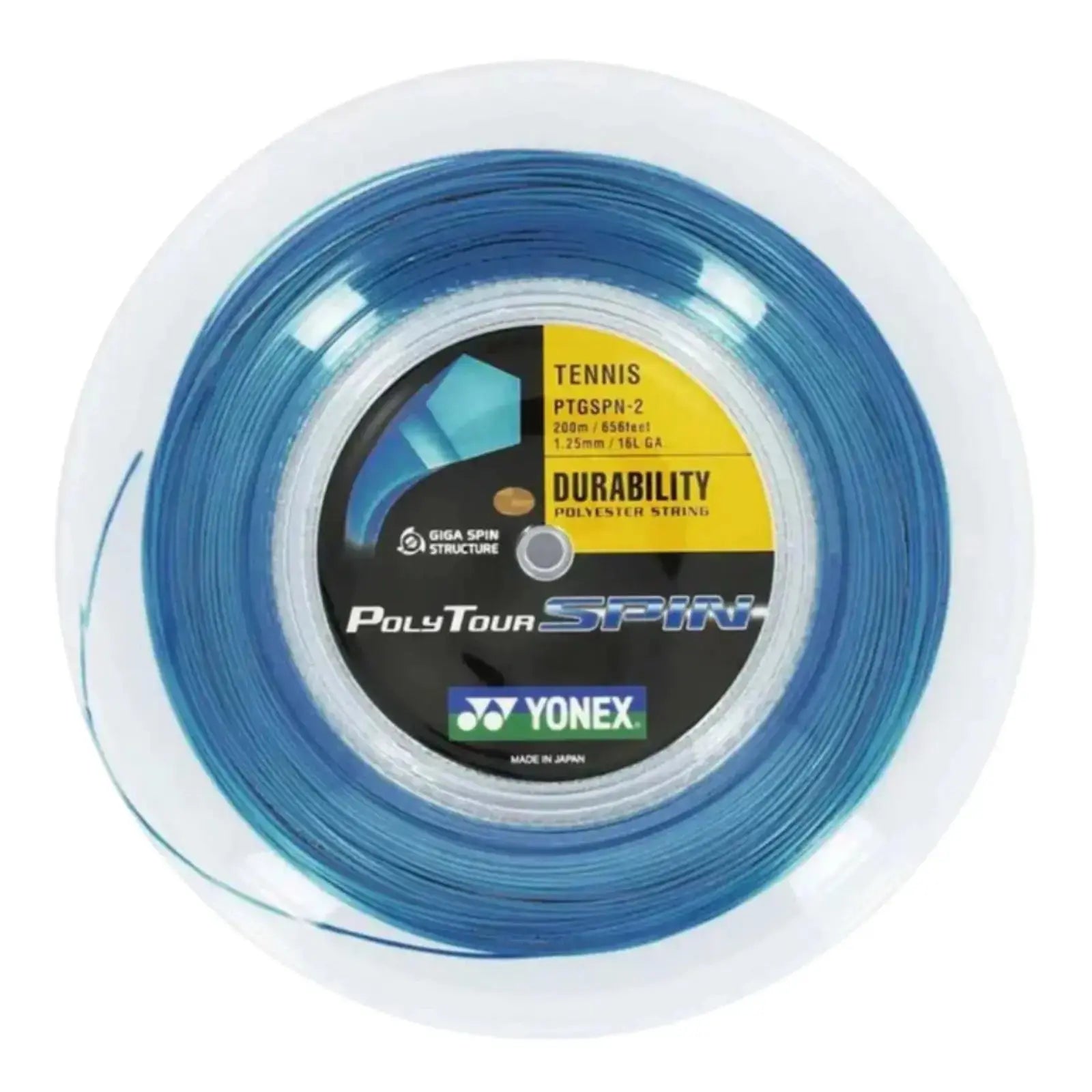
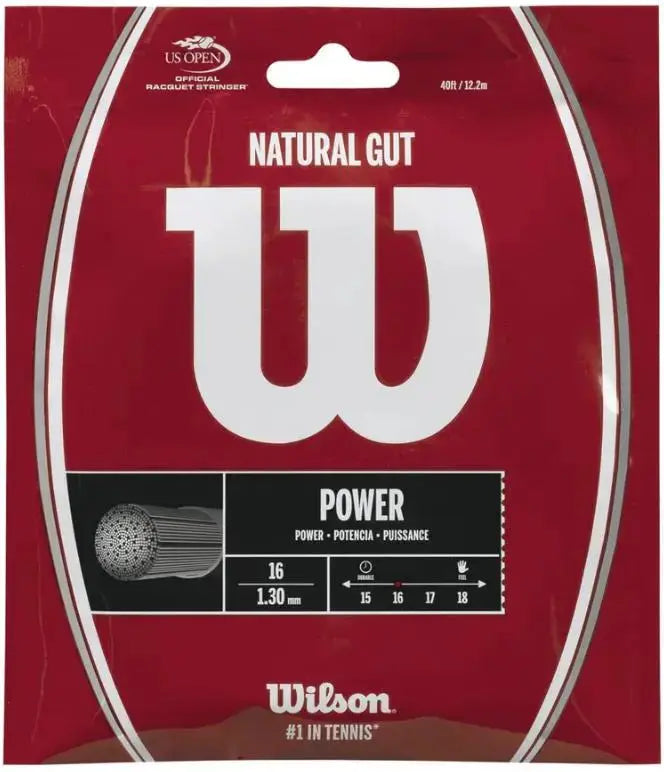
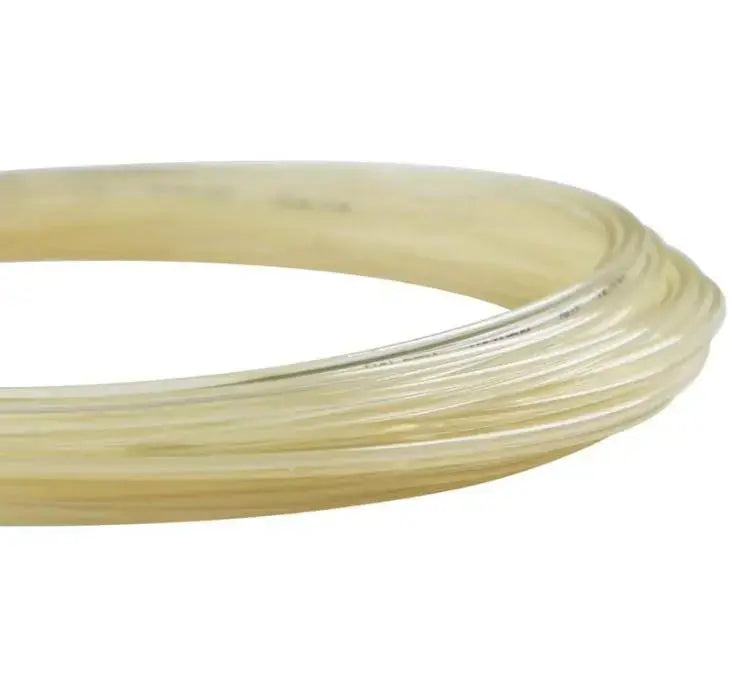
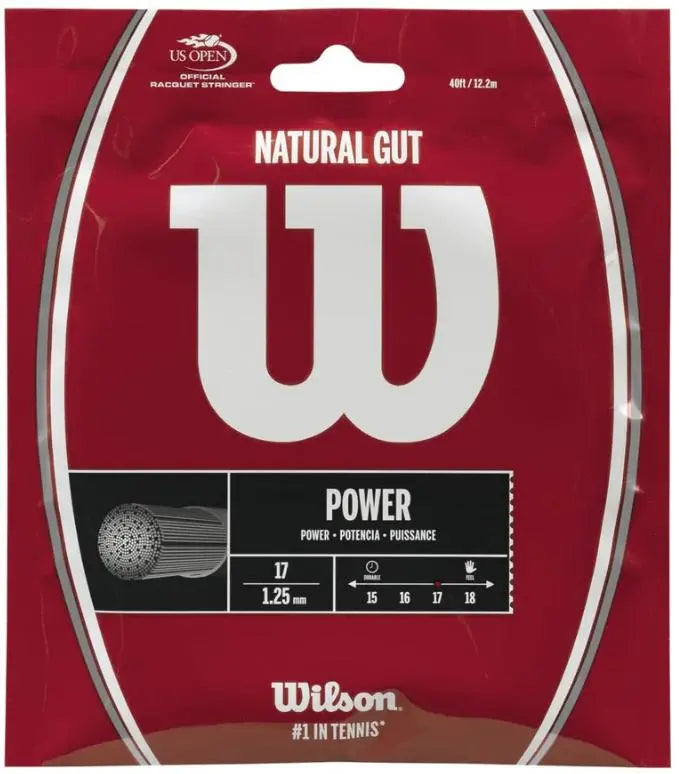
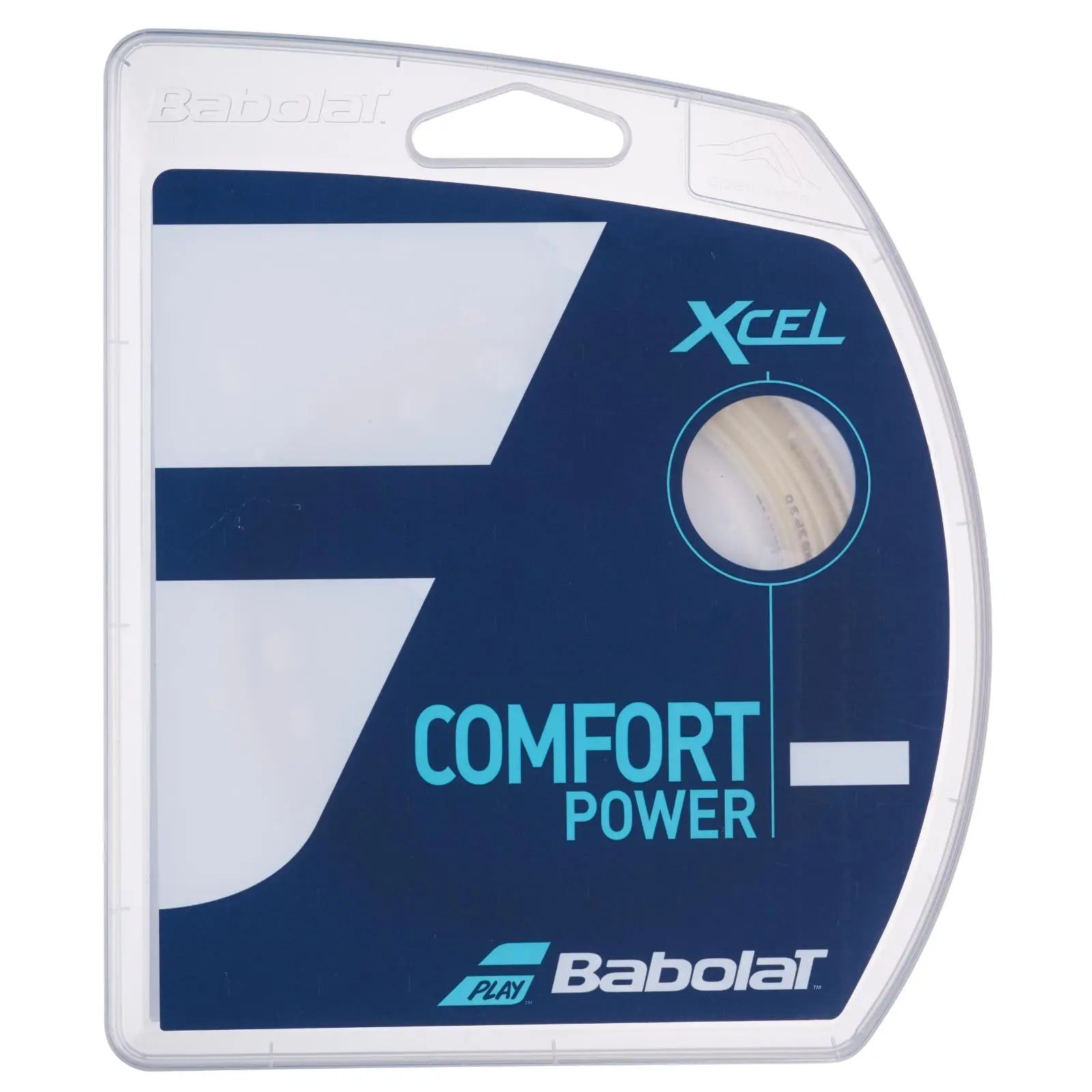
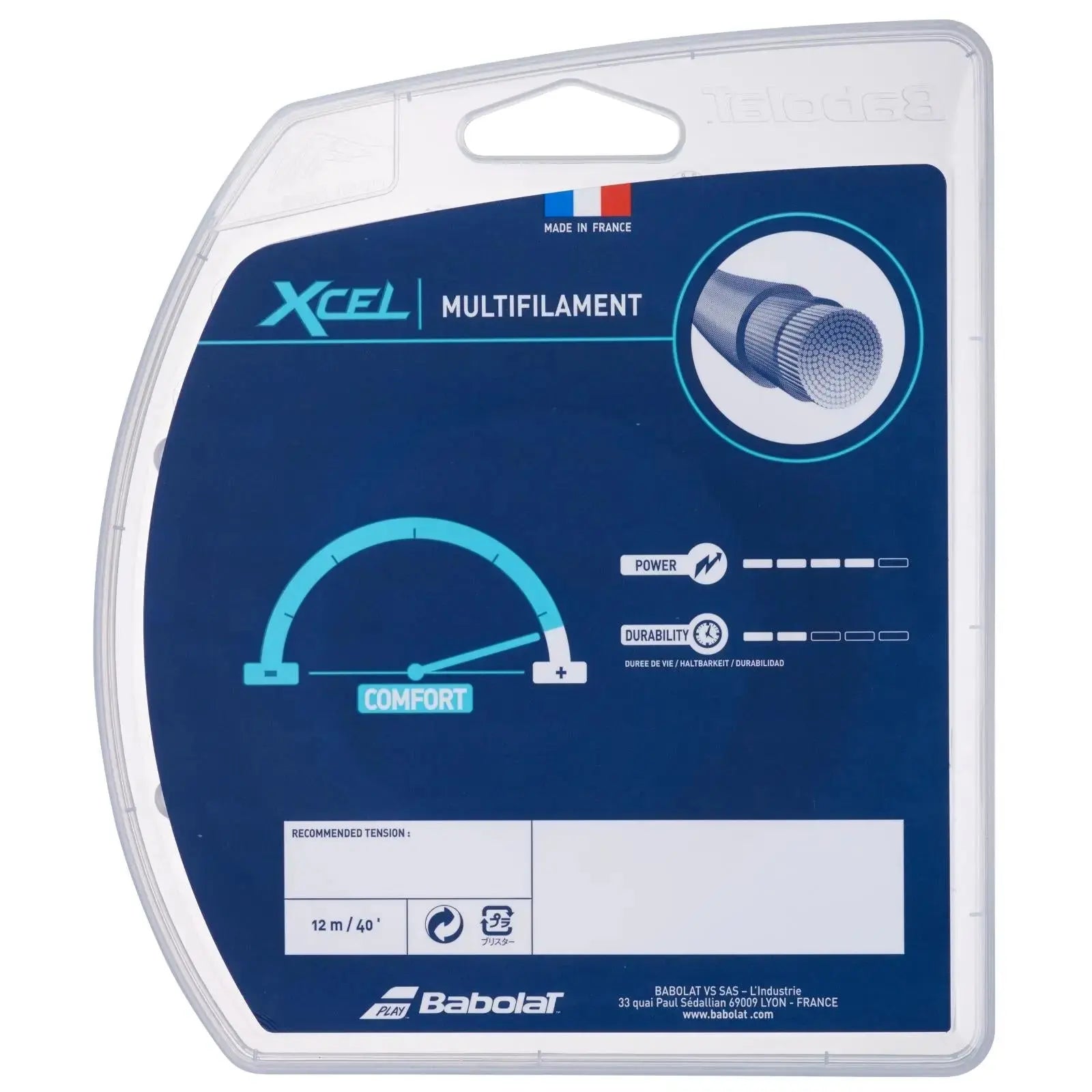
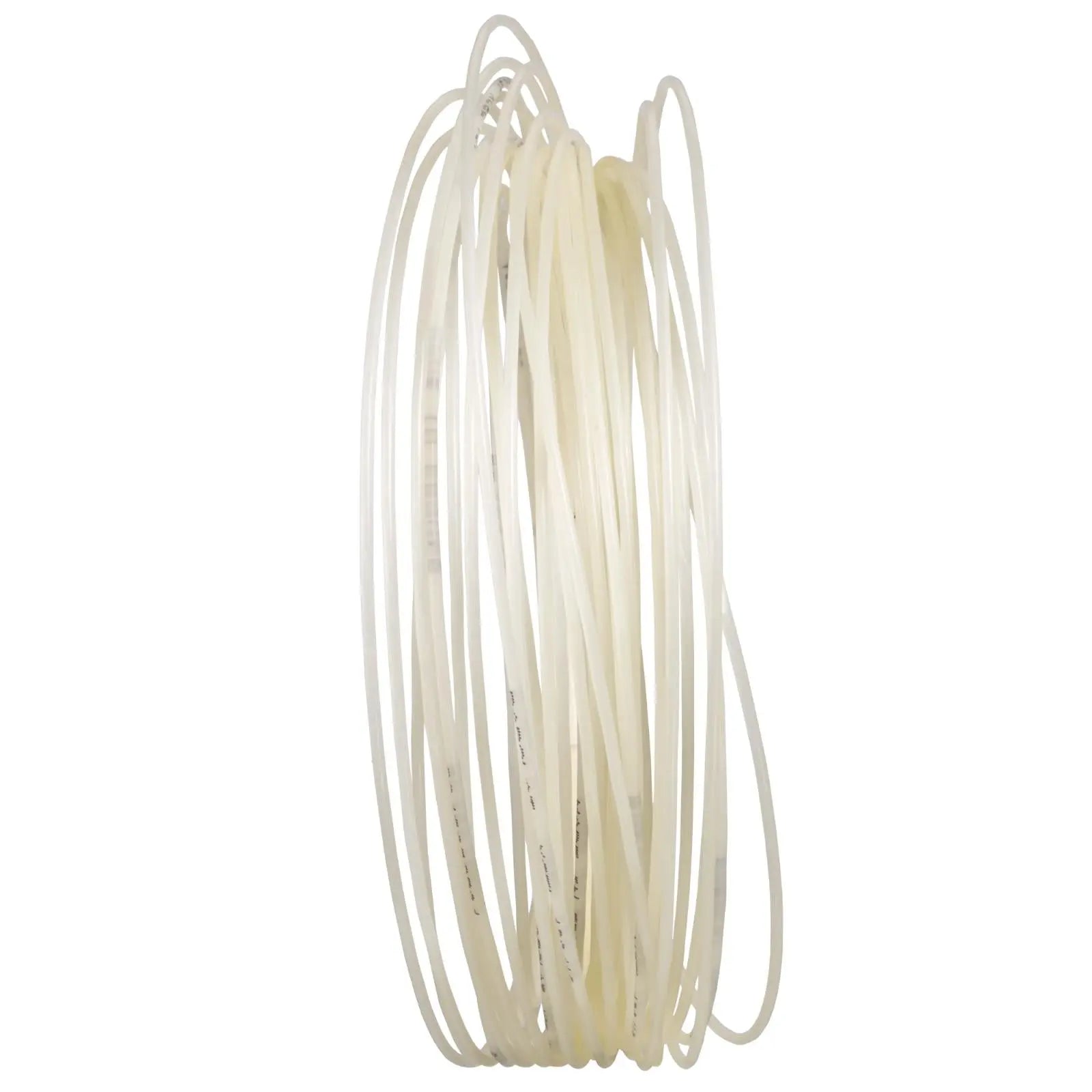
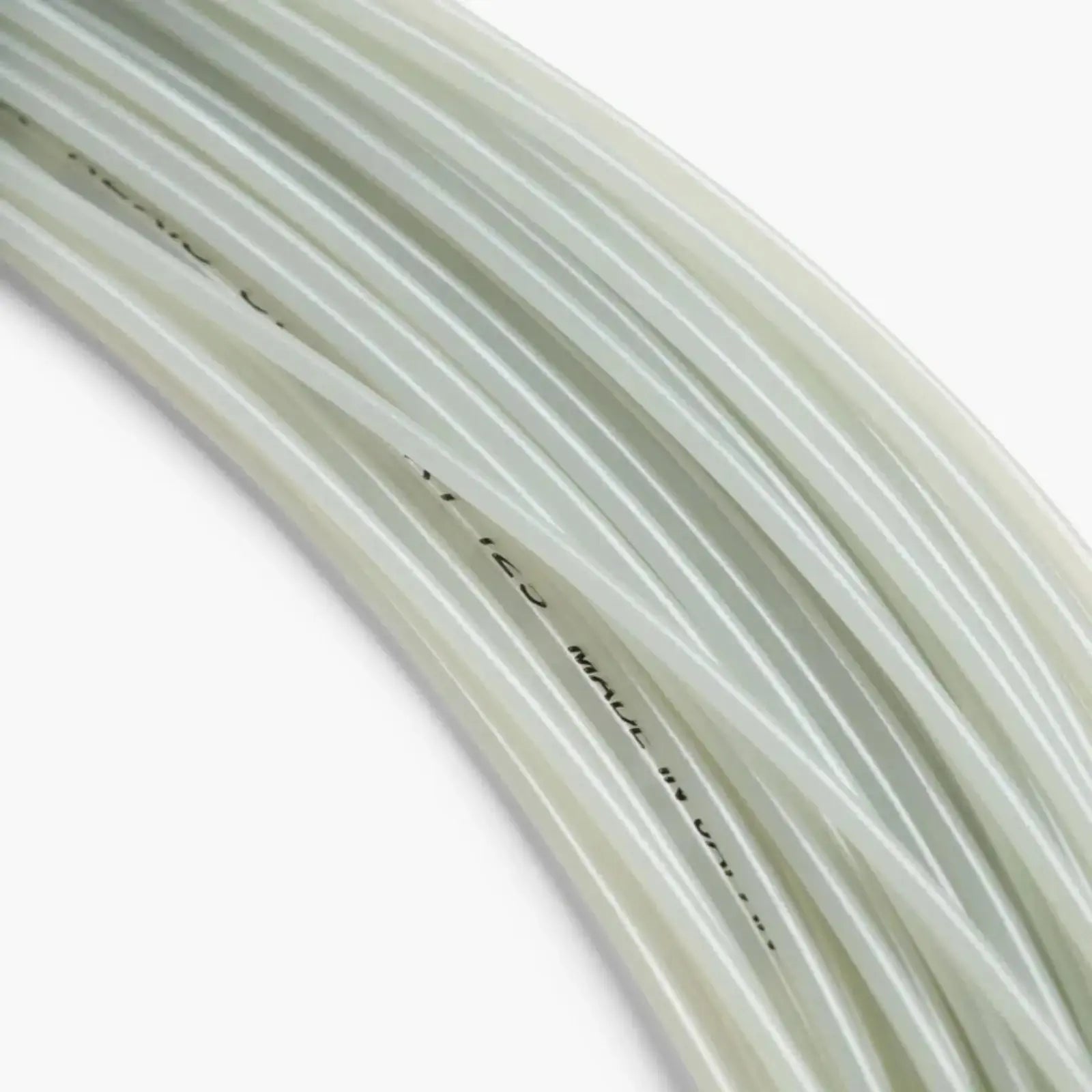
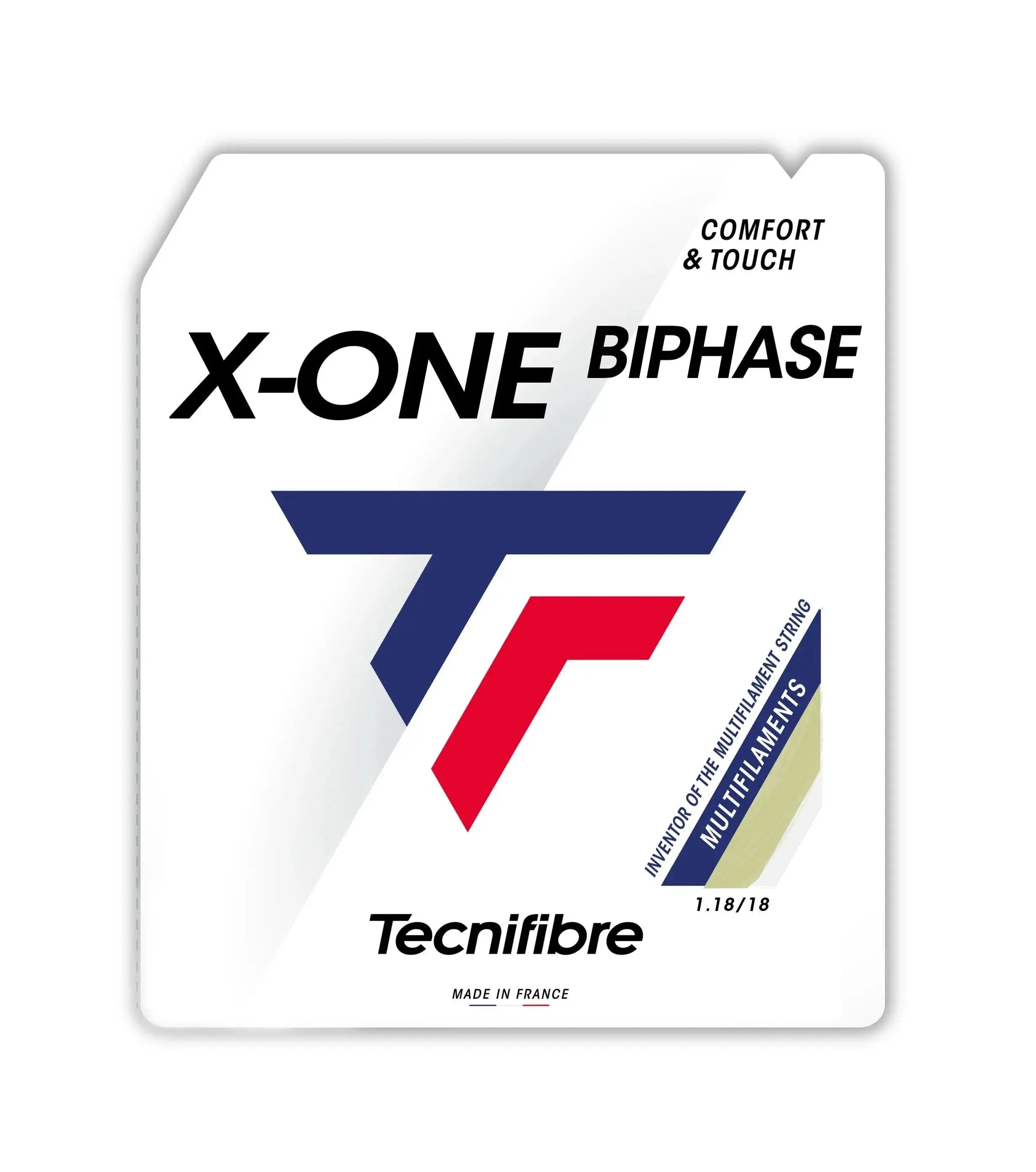
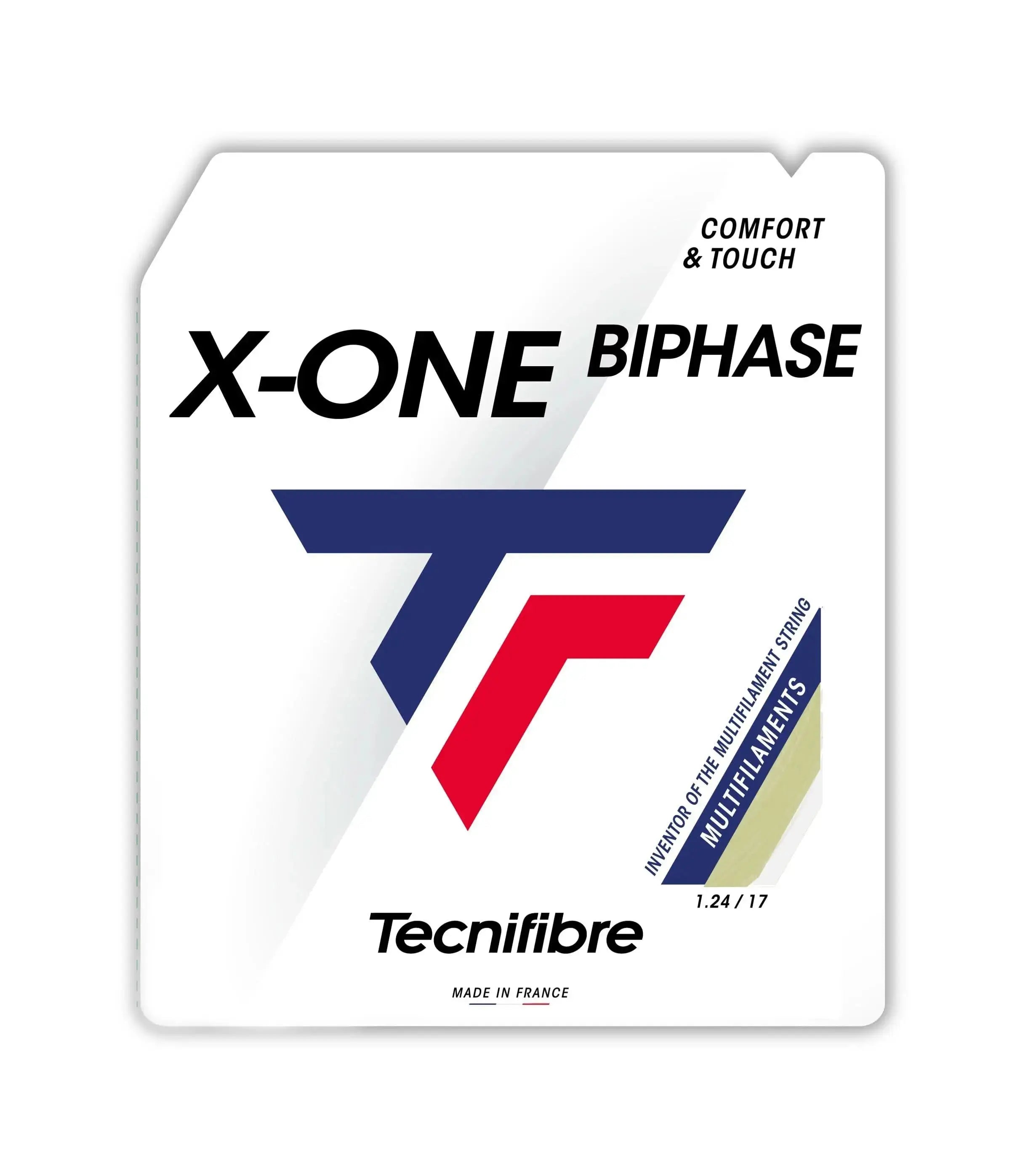
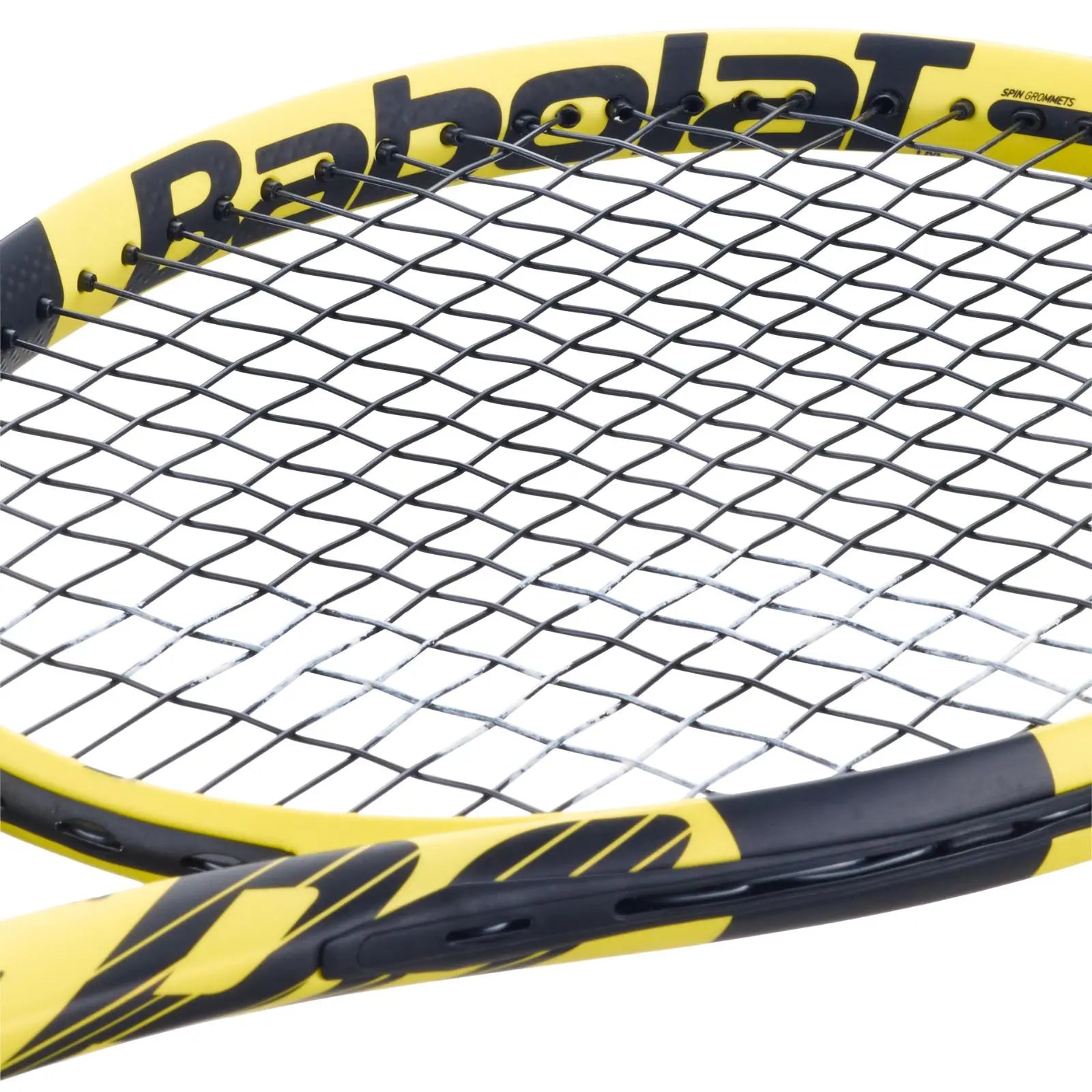
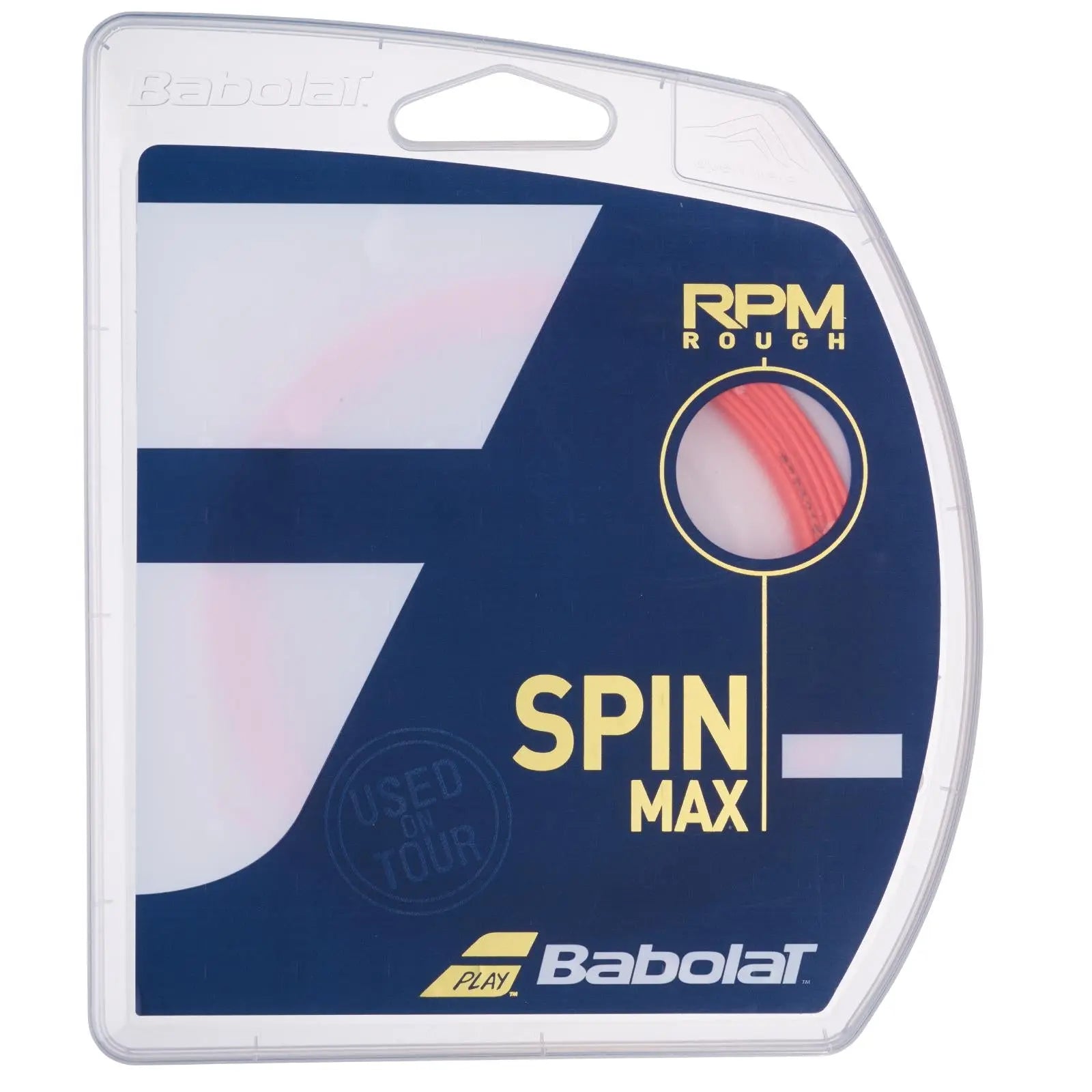
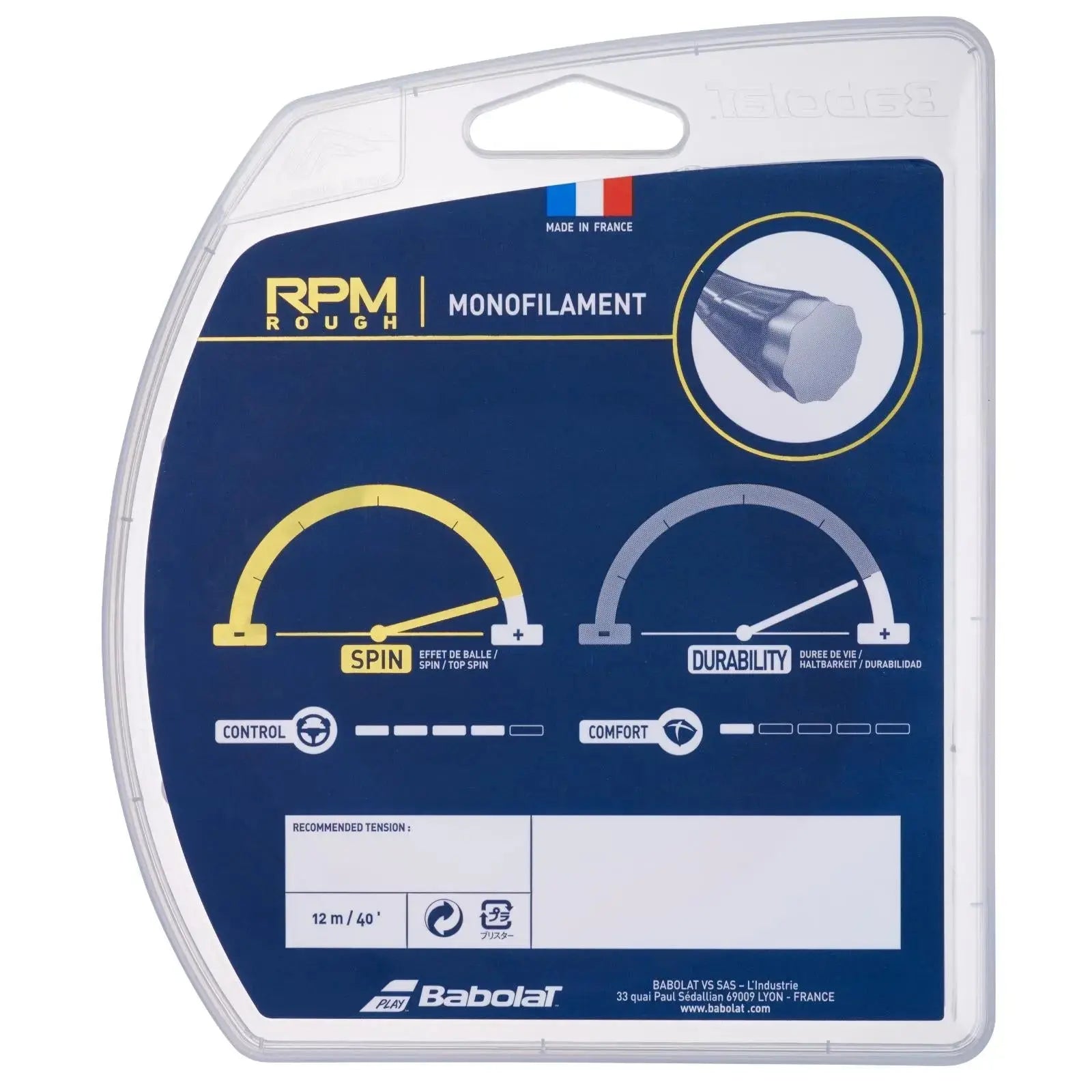
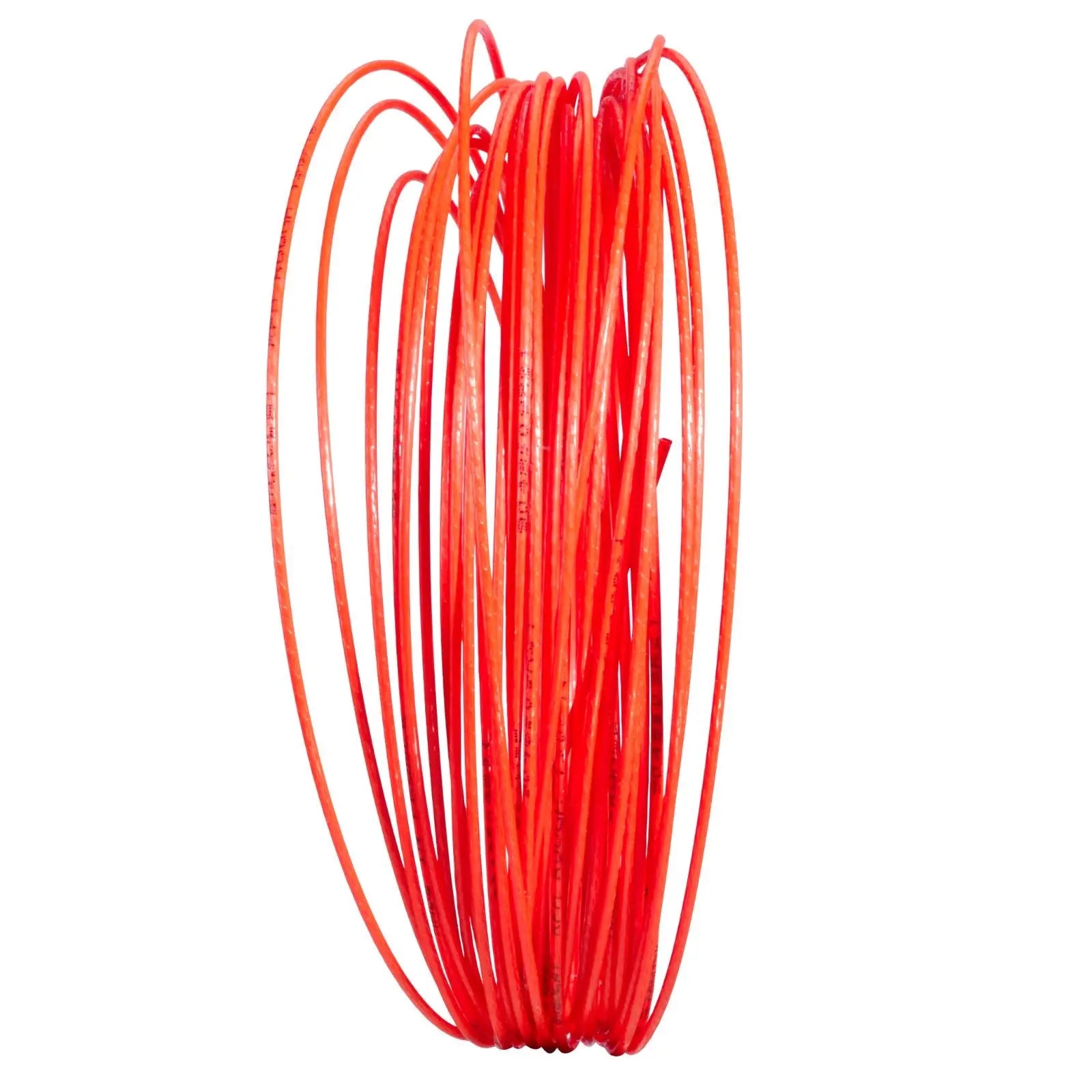
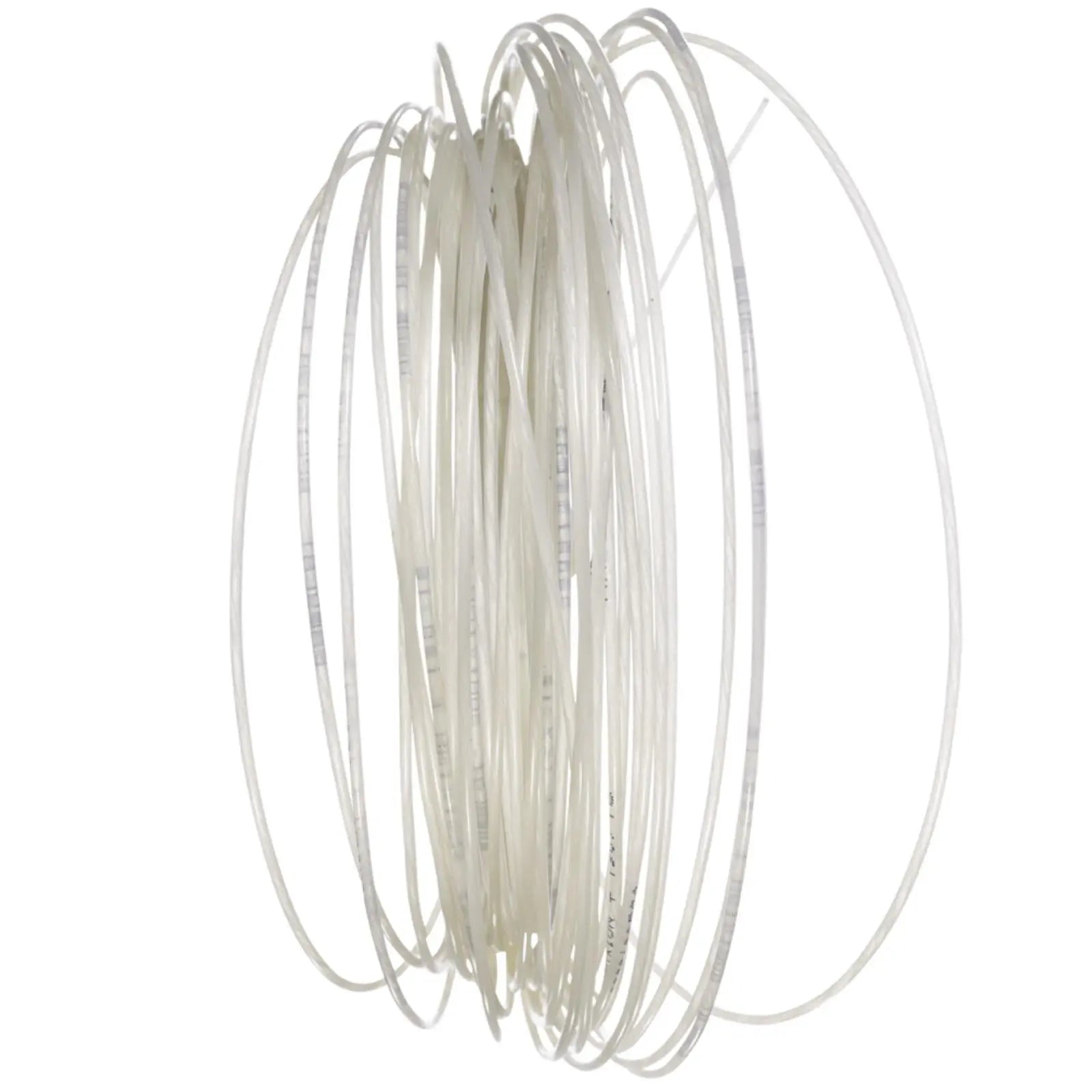
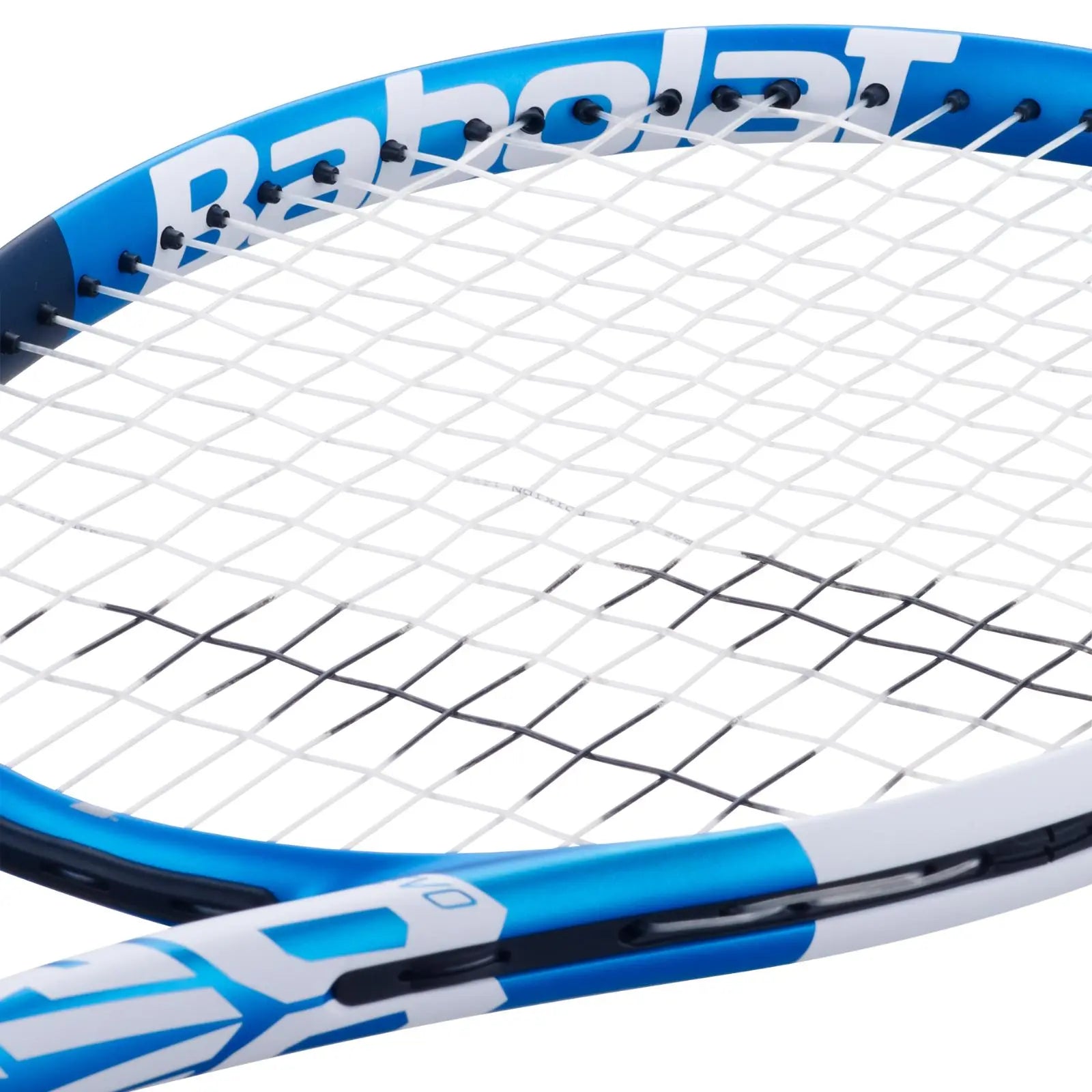
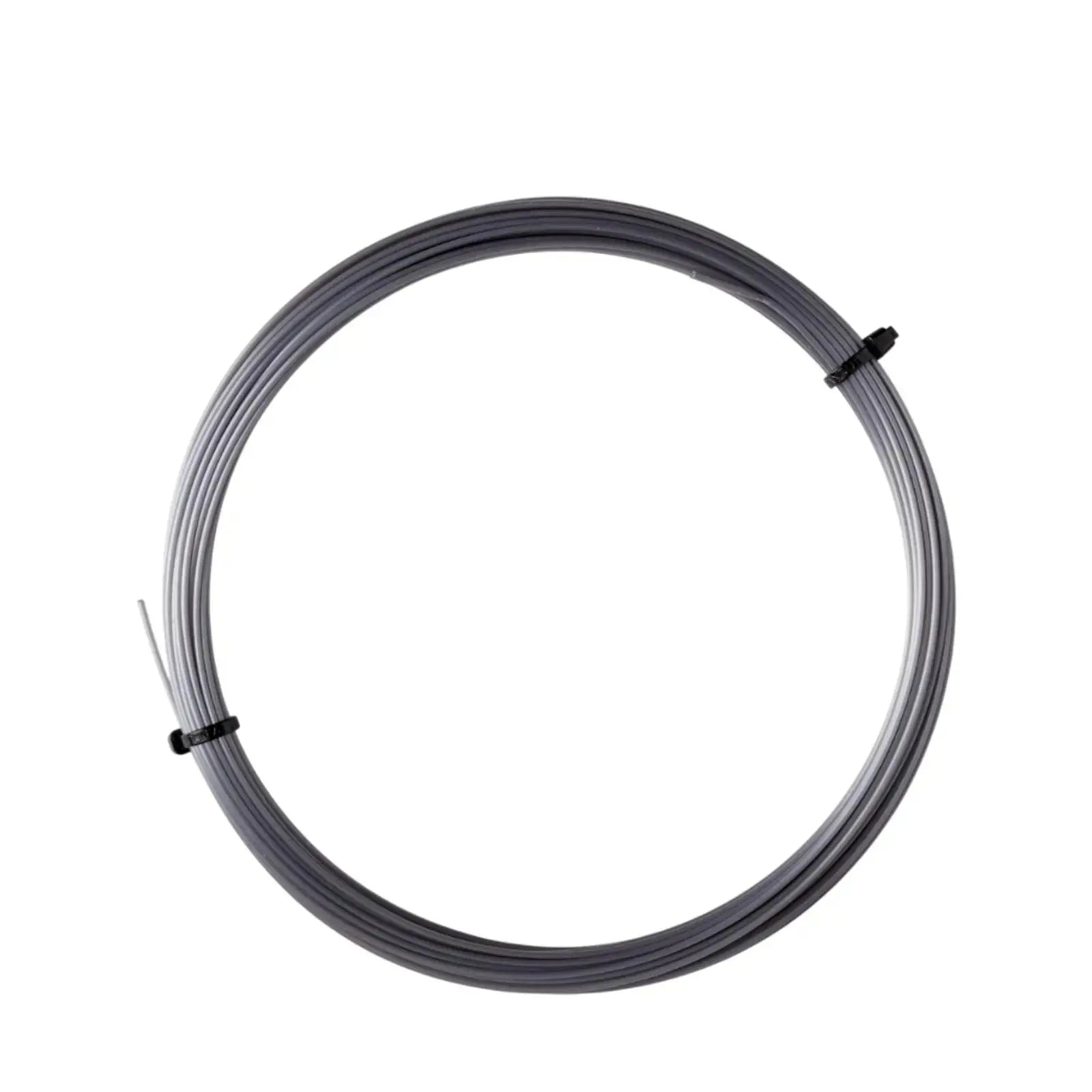
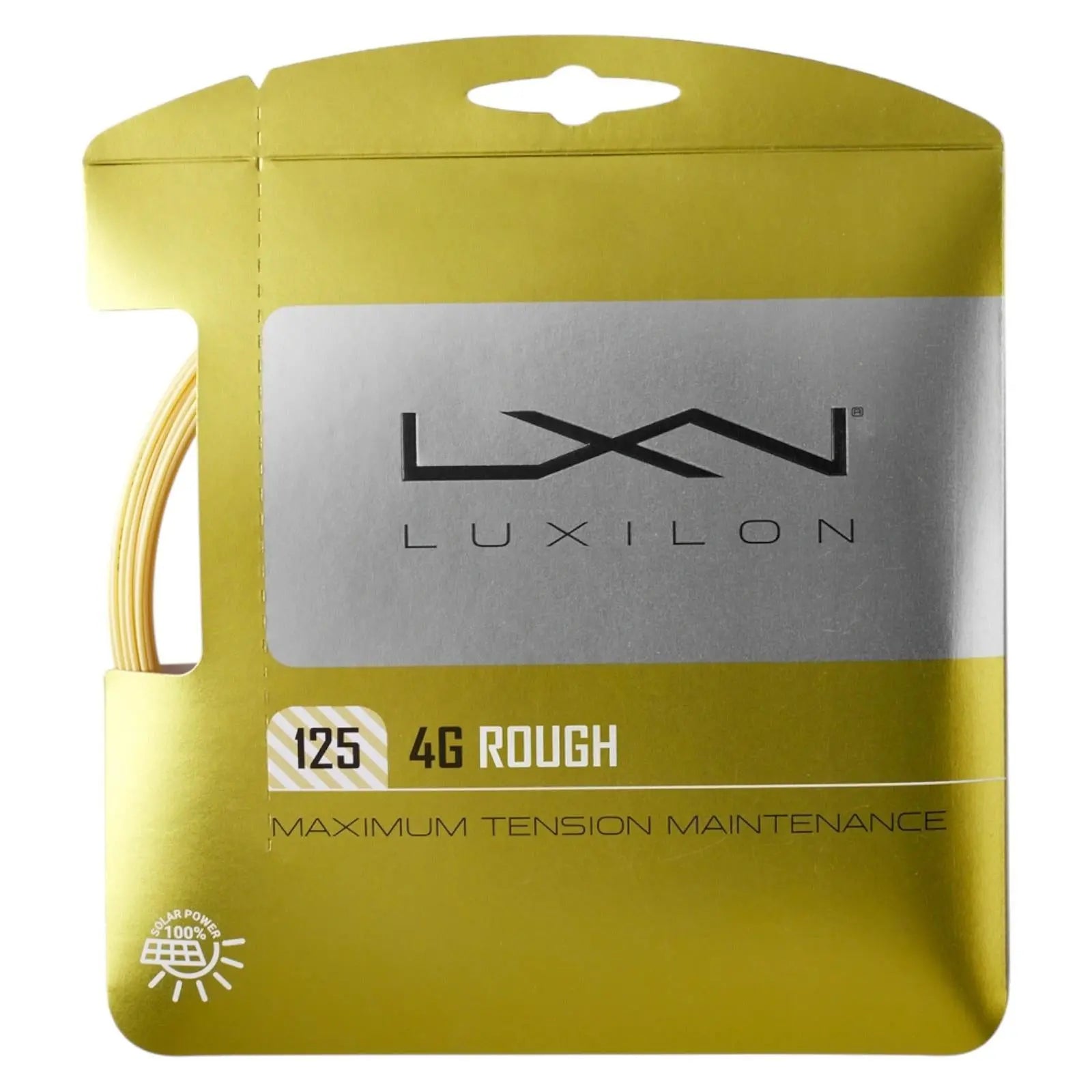
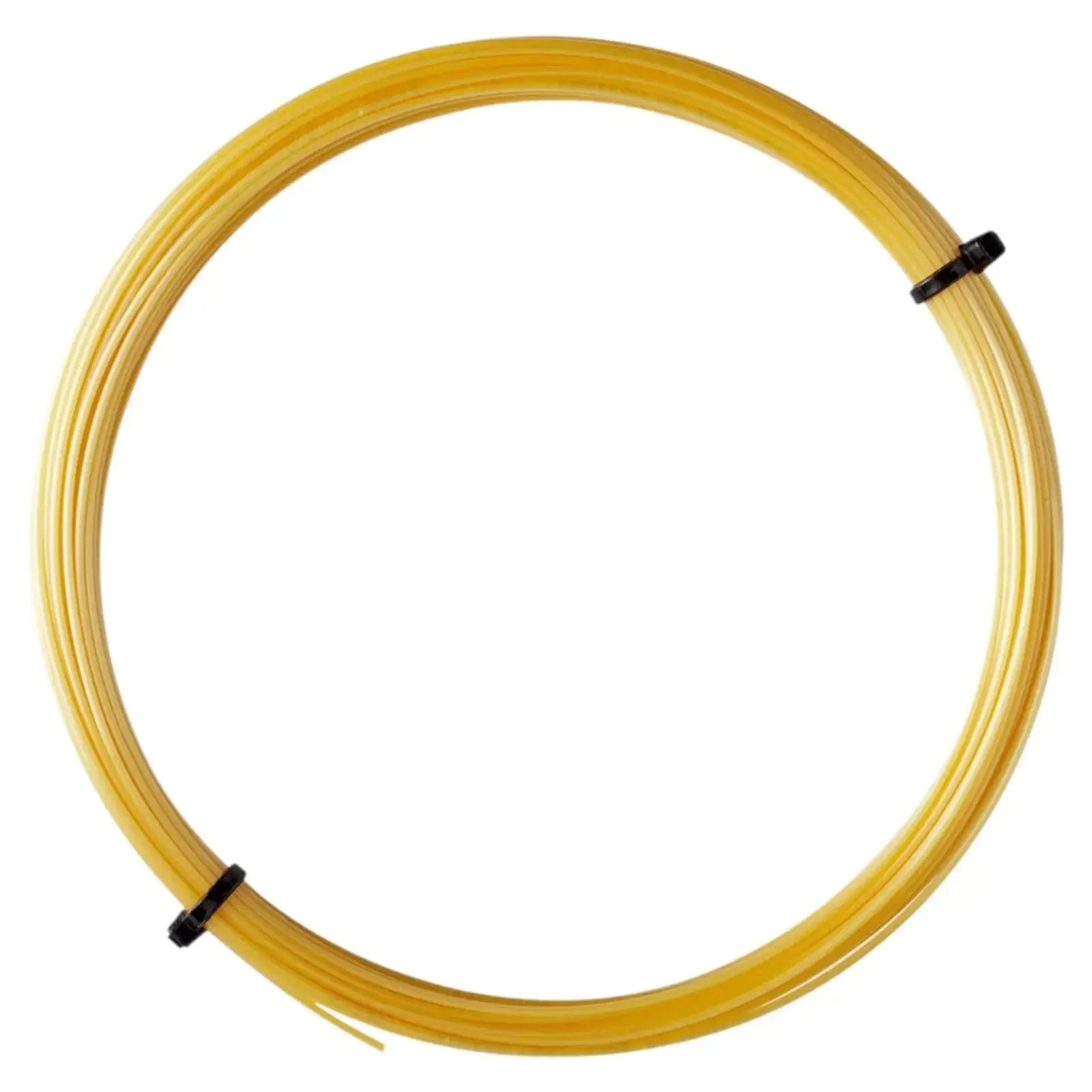
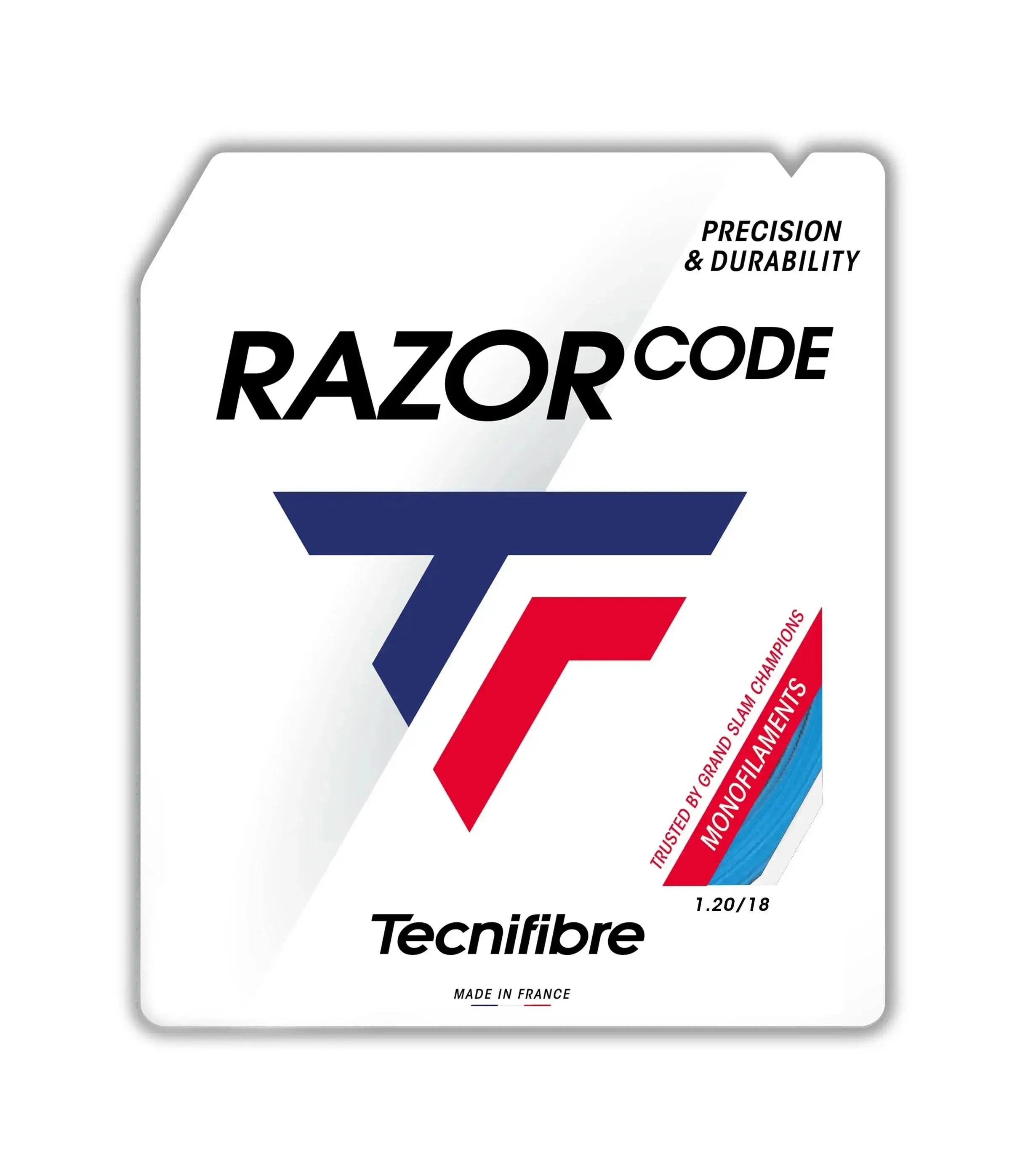
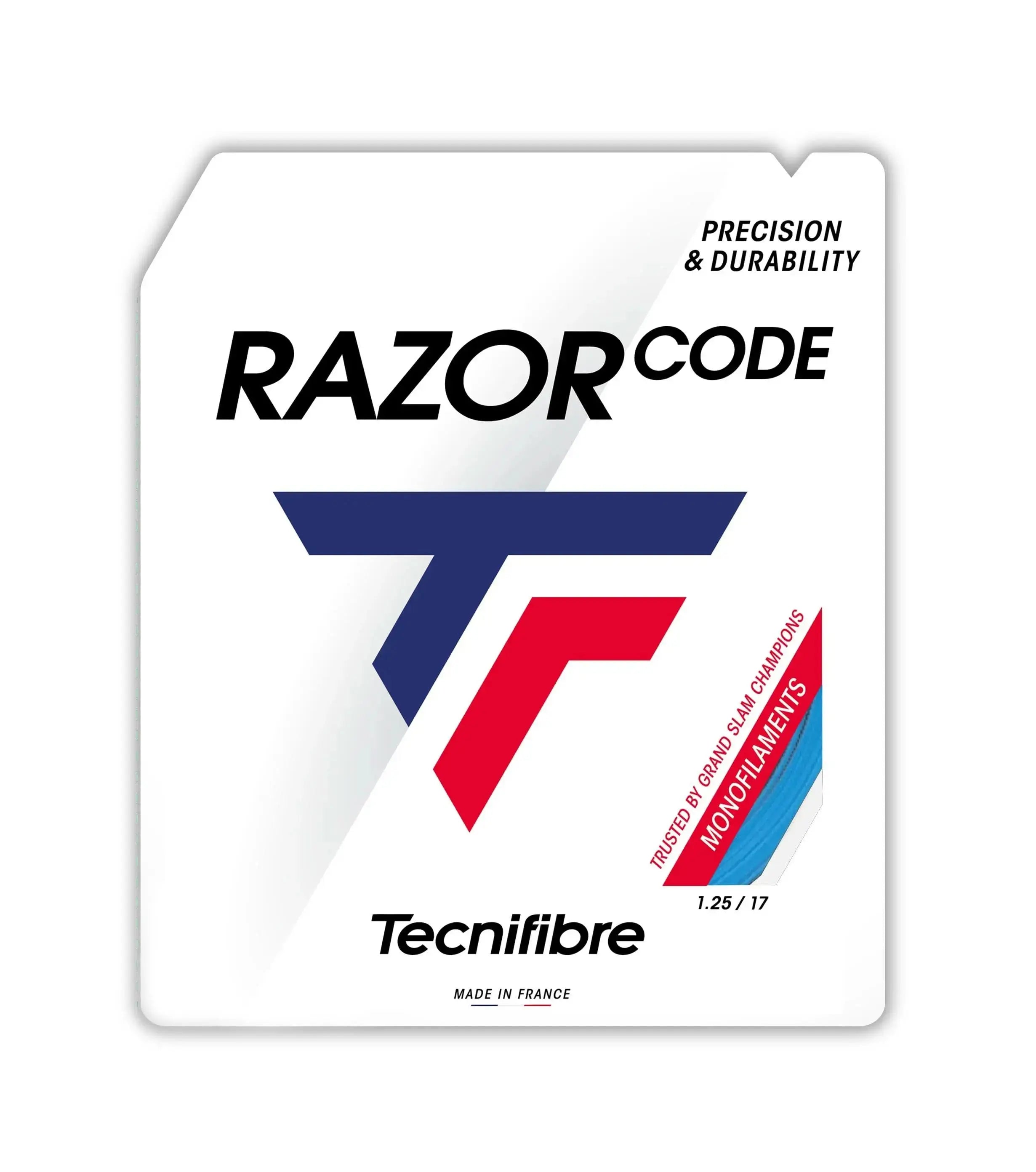
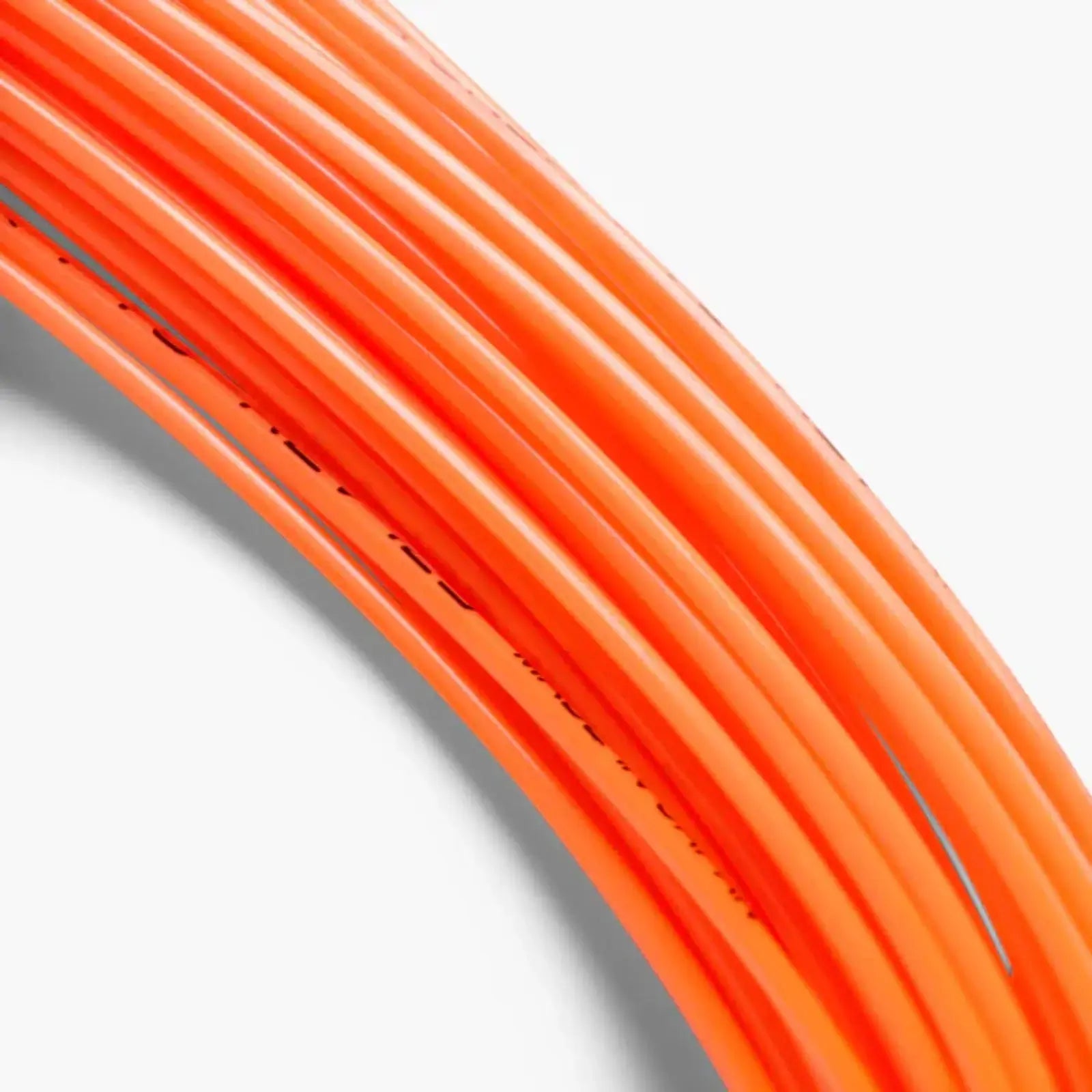
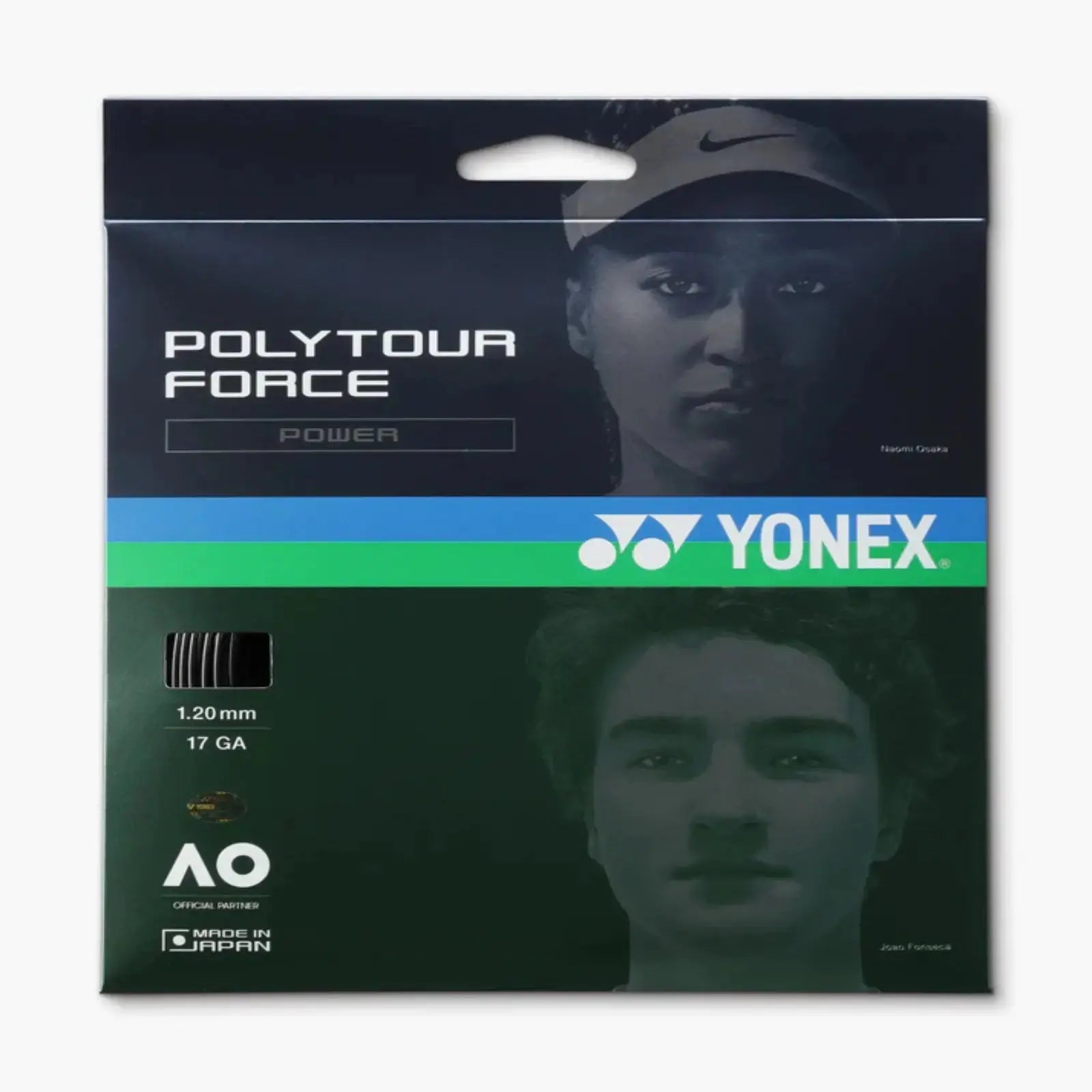
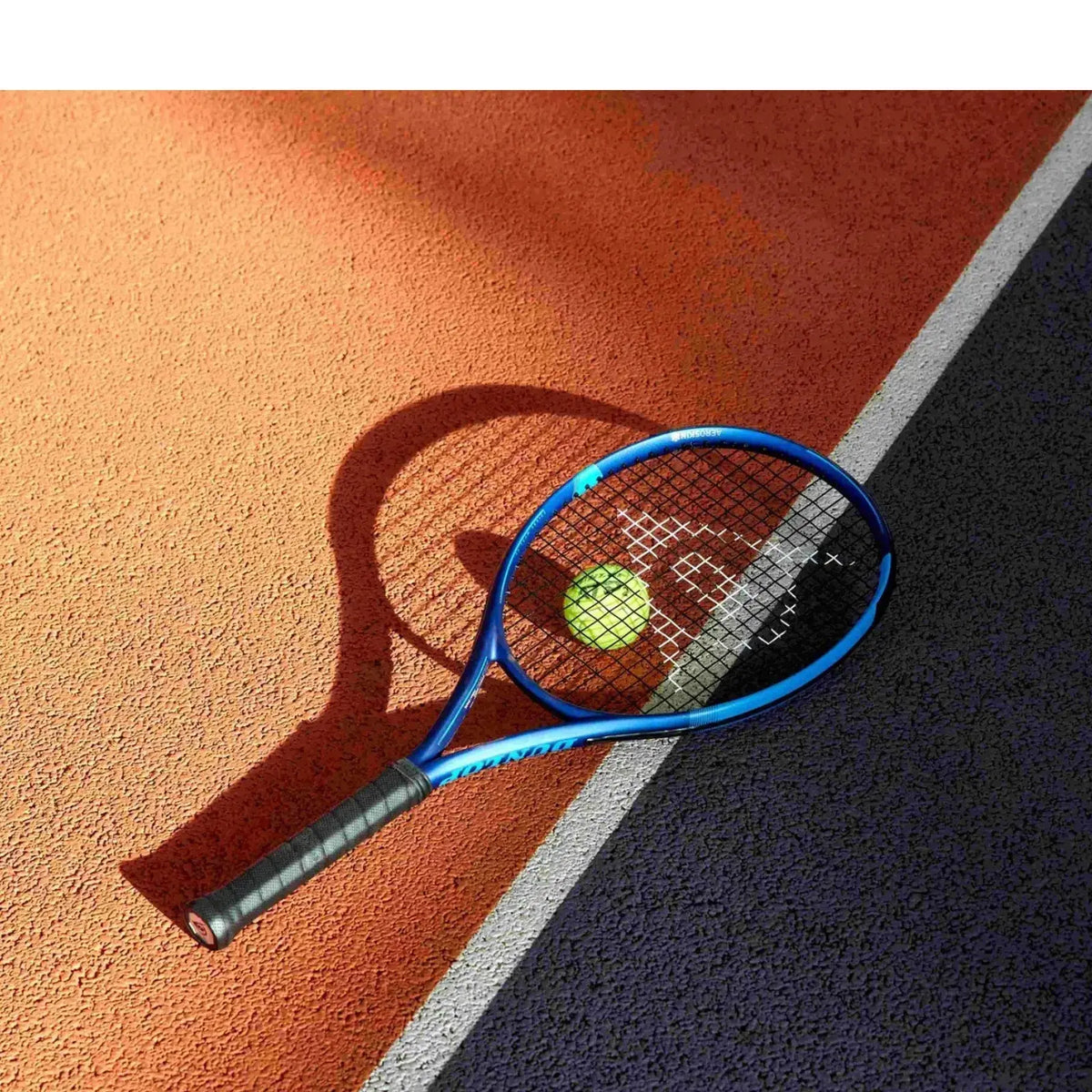
Tennis strings selected to match different playing styles and comfort needs.
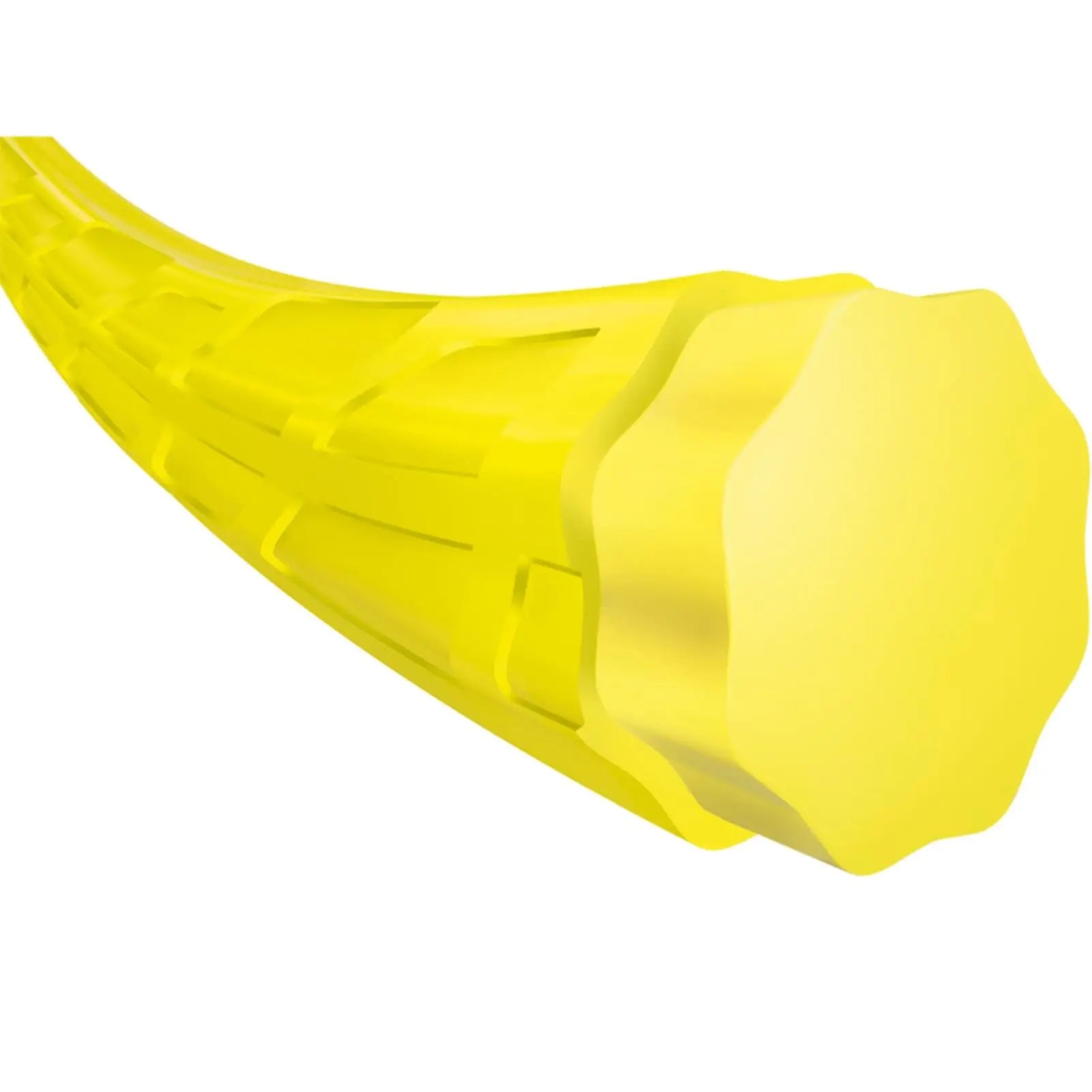
At Sturdy Racquets, our tennis string range includes options for players seeking comfort, control, spin, and durability. With a variety of materials and gauges available, tennis strings can significantly influence how a racquet feels and performs on court.
Whether you re a beginner looking for arm-friendly comfort or an experienced player fine-tuning control and spin, our collection makes it easy to find the right string for your game.
Why Tennis Strings Matter
Tennis strings play a major role in how a racquet performs. They affect power, control, spin, feel, and comfort often more than the racquet frame itself. Choosing the right string can help reduce arm strain, improve consistency, and enhance overall performance.
At Sturdy Racquets, we stock a curated range of tennis strings to suit different skill levels and playing styles.
Types of Tennis Strings
Our tennis string collection includes:
Each string type offers different benefits depending on your needs.
How to Choose the Right Tennis String
When selecting tennis strings, consider:
-
Comfort Important for beginners and players with arm sensitivity
-
Control & Spin Favored by experienced players
-
Durability Useful for frequent hitters or string breakers
-
Gauge (Thickness) Thinner strings offer more feel; thicker strings last longer
The right string choice can improve both comfort and confidence on court.
Tennis Strings by Player Level
If you re unsure, comfort-focused strings are a safe starting point.
Trusted Tennis String Brands
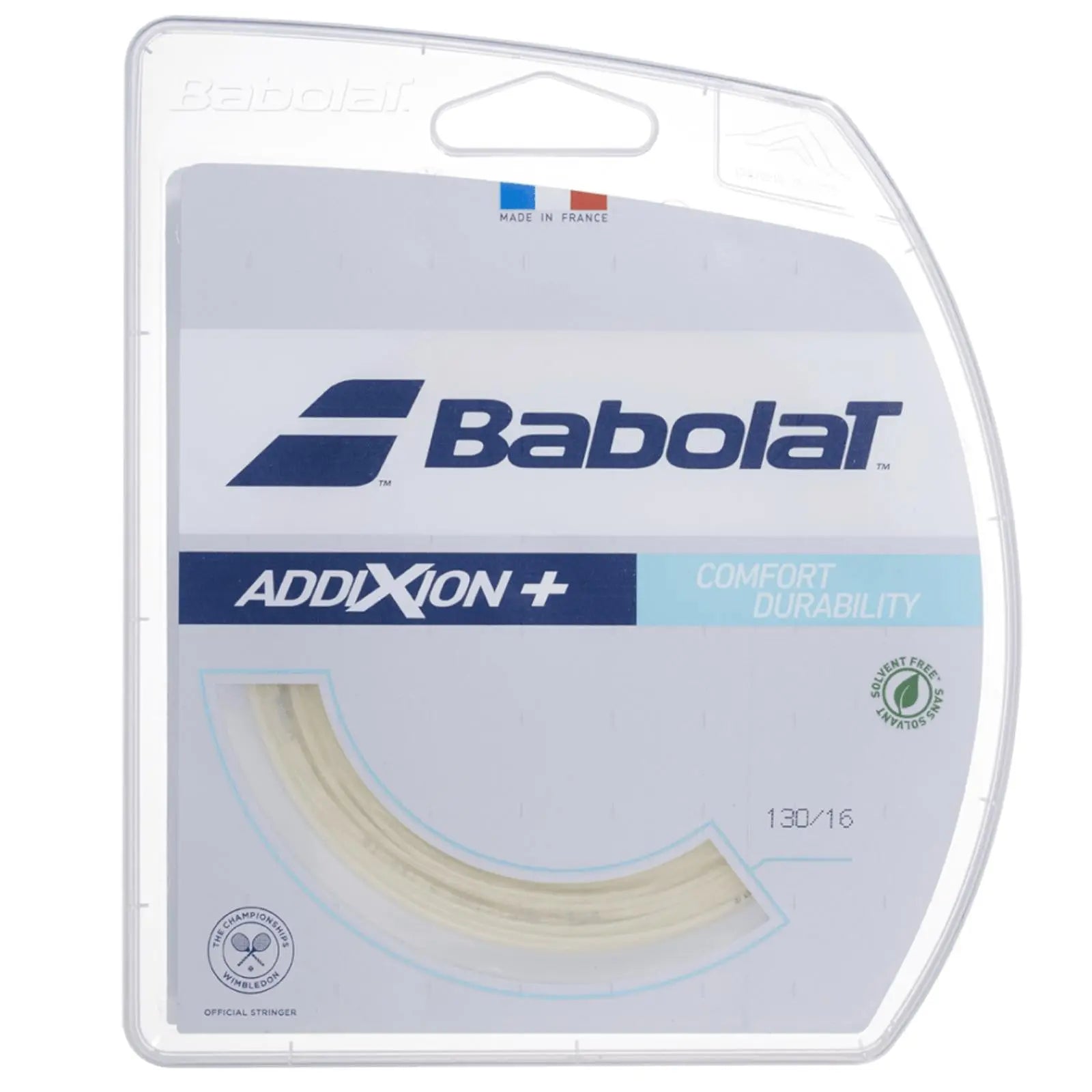
At Sturdy Racquets, we stock tennis strings from trusted brands, including:
Each string is selected for consistency, quality, and performance.
Complete Your Setup
Pair your strings with:
Tennis Strings Frequently Asked Questions
What type of tennis string should I choose?
The right tennis string depends on your playing style and comfort needs. Beginners often prefer softer strings for comfort, while advanced players may choose strings that offer more control and spin.
Do tennis strings really make a difference?
Yes. Tennis strings significantly affect how a racquet feels and performs, influencing power, control, spin, and comfort more than many players realise.
Which tennis strings are best for arm comfort?
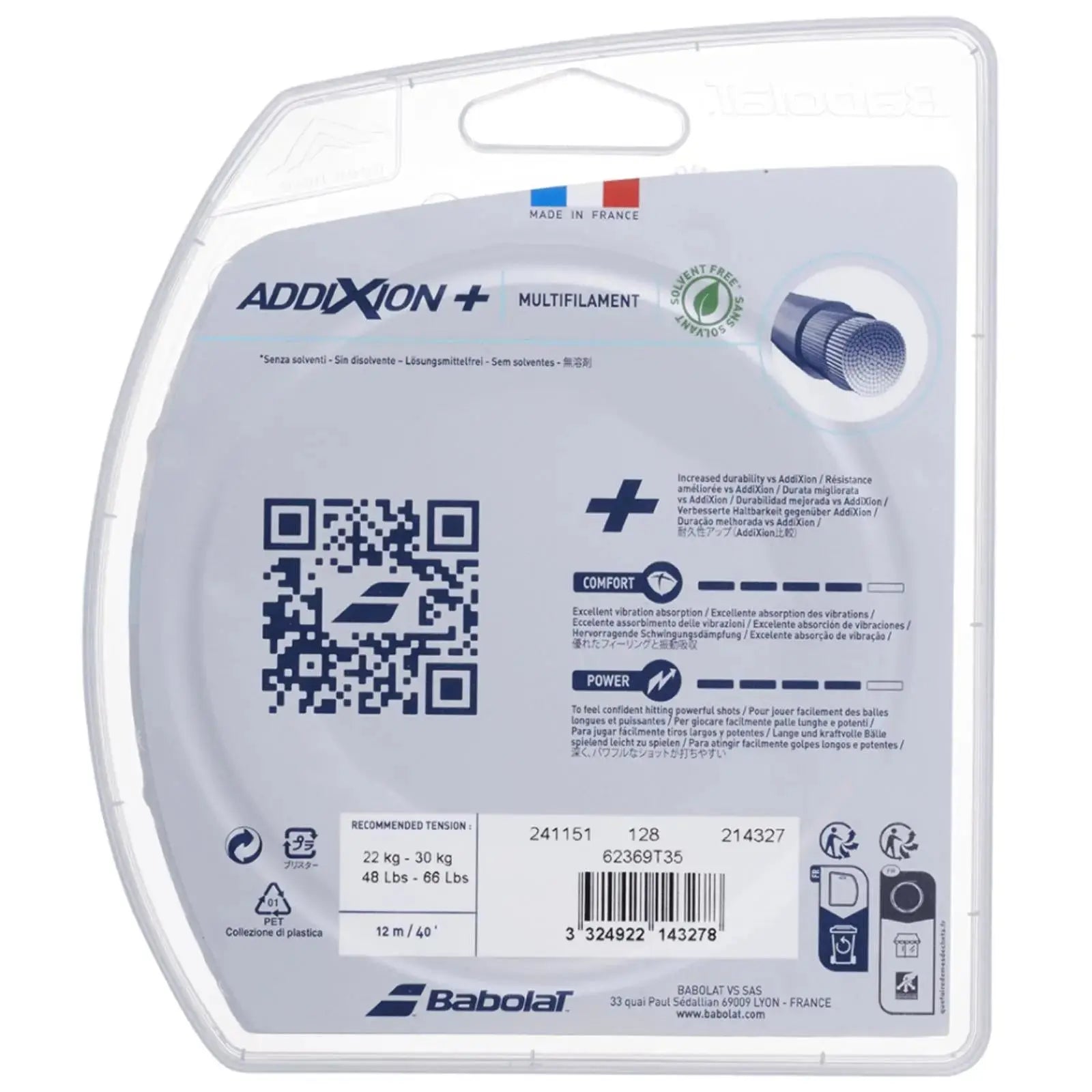
Multifilament and synthetic gut strings are generally more arm-friendly and are often recommended for beginners or players with arm sensitivity.
How often should tennis strings be replaced?
Most players should restring when strings lose tension or break. Frequent players may restring every few months, while casual players may restring less often.
Are expensive tennis strings better?
Not always. The best string is one that suits your playing level and comfort preferences, not necessarily the most expensive option.