



Is your favourite shot suddenly letting you down? That reliable forehand now flies long, and the 'pop' you once loved has vanished, replaced by a dull thud. You might even be feeling a new twinge in your arm after a match. If you're left wondering what's wrong with your game, you're not alone. It?s one of the most common frustrations we see on the court, and the solution is often simpler than you think. The key is learning how to know when your tennis strings are dead.
Playing with worn-out strings is an unforced error you don't have to make! As your friendly racquet specialists, we're here to give you the expert advice you need. This guide breaks down the seven tell-tale signs-from changes in sound and feel to a drop in performance-that your racquet is crying out for a restring. You?ll gain the confidence to make the right call, protect your arm from unnecessary strain, and bring that fantastic feel back to your game. Let's get your gear back in top-notch shape!
Key Takeaways
- Trust your hands and arm-a noticeable loss of power and 'pop' on impact is the number one sign your strings have lost their life.
- Listen to your racquet on contact. A crisp 'ping' turning into a dull 'thud' is a clear signal that your strings are no longer performing at their best.
- Learning how to know when your tennis strings are dead isn't just about waiting for them to break; time and usage degrade performance even if they look fine.
- Once you've identified dead strings, cut them out immediately to prevent uneven tension from potentially warping and damaging your racquet frame.
What Are 'Dead' Tennis Strings, Really?
Have you ever felt like your game has hit a wall? Your best shots are suddenly flying long, the ball feels dull off the racquet, or you notice a jarring vibration up your arm. It?s a hugely frustrating feeling, but we?re here to help you solve it. The problem might not be your technique-it could be your equipment. When we talk about 'dead' strings, we?re not just referring to a string that has physically snapped. We mean a significant loss of tension and elasticity, the two magic ingredients that give a fresh set of strings that crisp, powerful, and comfortable feel you love.
Learning the signs is the first step to playing your best tennis. For a fantastic visual guide on how to know when your tennis strings are dead, check out this video:
Beyond Broken: Why Unbroken Strings Can Ruin Your Game
One of the biggest misconceptions in tennis is that strings are fine until they break. In reality, a string?s performance drops dramatically long before it snaps. Think of it like driving a car with flat tyres-the car still moves, but you have almost no control, comfort, or performance. Playing with dead strings forces you to swing harder and less accurately to get the same result, leading to bad habits and even potential injury.
Tension Loss vs. Elasticity: The Two Killers of Performance
Understanding what makes strings "die" helps you know what to look for. It comes down to two key factors that work against you:
- Tension Loss: This starts the moment your racquet is strung. As tension drops, the string bed becomes a loose, unpredictable trampoline, launching the ball with less control. This is why you might find your shots sailing past the baseline.
- Loss of Elasticity: This is when the string material itself becomes stiff and loses its ability to stretch and snap back into place. The result is a harsh, "boardy" feel that kills power and sends shockwaves to your arm.
Different Tennis string materials, such as durable polyesters or comfortable multifilaments, lose these properties at very different rates. This is why there's no single rule for how often to restring-it all depends on your string, your racquet, and your game.
The Feel Test: What Your Hands and Arm Are Telling You
Forget the calendar for a moment. The most reliable method for how to know when your tennis strings are dead is to simply listen to what your racquet tells you on court. Your hands and arm are fantastic judges of performance, and they don't lie. If the feeling on impact suddenly changes or feels 'off', that?s the first and most important signal that your strings have lost their magic and are ready for a refresh.
The Missing 'Pop': Diagnosing a Lack of Power
Remember that fantastic, crisp 'pop' you get from a freshly strung racquet? It?s a combination of sound and feel-an explosive sensation that tells you the strings are efficiently storing and returning energy. When strings die, this satisfying feedback vanishes. You'll start to hear a dull thud instead of a clean pop. To compensate for the loss of easy power, you'll find yourself swinging harder and muscling the ball just to get the same pace, which often leads to timing issues and frustrating unforced errors.
From Pocketing to 'Boardy': When Control Disappears
Great strings provide a confident sense of 'ball pocketing'. This is that brief, crucial moment where the stringbed cups the ball, allowing you to feel it, load it with spin, and direct it with pinpoint accuracy. Dead strings lose this vital elasticity. The stringbed starts to feel either mushy or stiff like a board, causing the ball to launch off unpredictably. If your shots are suddenly sailing long for no apparent reason, it?s a classic sign your stringbed is no longer helping you control the ball.
Is That Tennis Elbow? How Dead Strings Hurt Your Arm
This is a critical sign you should never ignore. Fresh, elastic strings act as a fantastic shock absorber, dampening the harsh vibrations from ball impact before they reach your arm. As strings lose their playability, they become stiff and transfer that shock directly to your wrist, elbow, and shoulder. Noticing increased arm soreness or a jarring sensation after a match is a major red flag. In fact, major publications agree that ignoring these early signs your strings need replacing can contribute to nagging injuries like tennis elbow. Protecting your body is just as important as winning the point!
The Sound & Sight Test: Your Eyes and Ears Know the Truth
Beyond the subtle changes in how your racquet feels, your eyes and ears offer some of the most reliable evidence. Your game might feel a bit flat, but these clear auditory and visual cues are the undeniable proof that a restring is overdue. Learning to spot these signs is one of the easiest ways to answer the question of how to know when your tennis strings are dead. Let's break down what to look and listen for.
Listen for the 'Thud': The Sound of Dead Strings
Next time you're on the court in Melbourne or Perth, really listen to the sound of the ball hitting your stringbed. A racquet with good tension and responsive strings will create a sharp, satisfying 'ping'. It?s the sound of energy being transferred effectively into the ball. In contrast, dead strings produce a dull, muted 'thud'. This hollow sound is a classic sign of significant tension loss. It means the strings are absorbing energy instead of returning it, forcing you to swing harder for the same result.
Visual Clues: Notching and Fraying
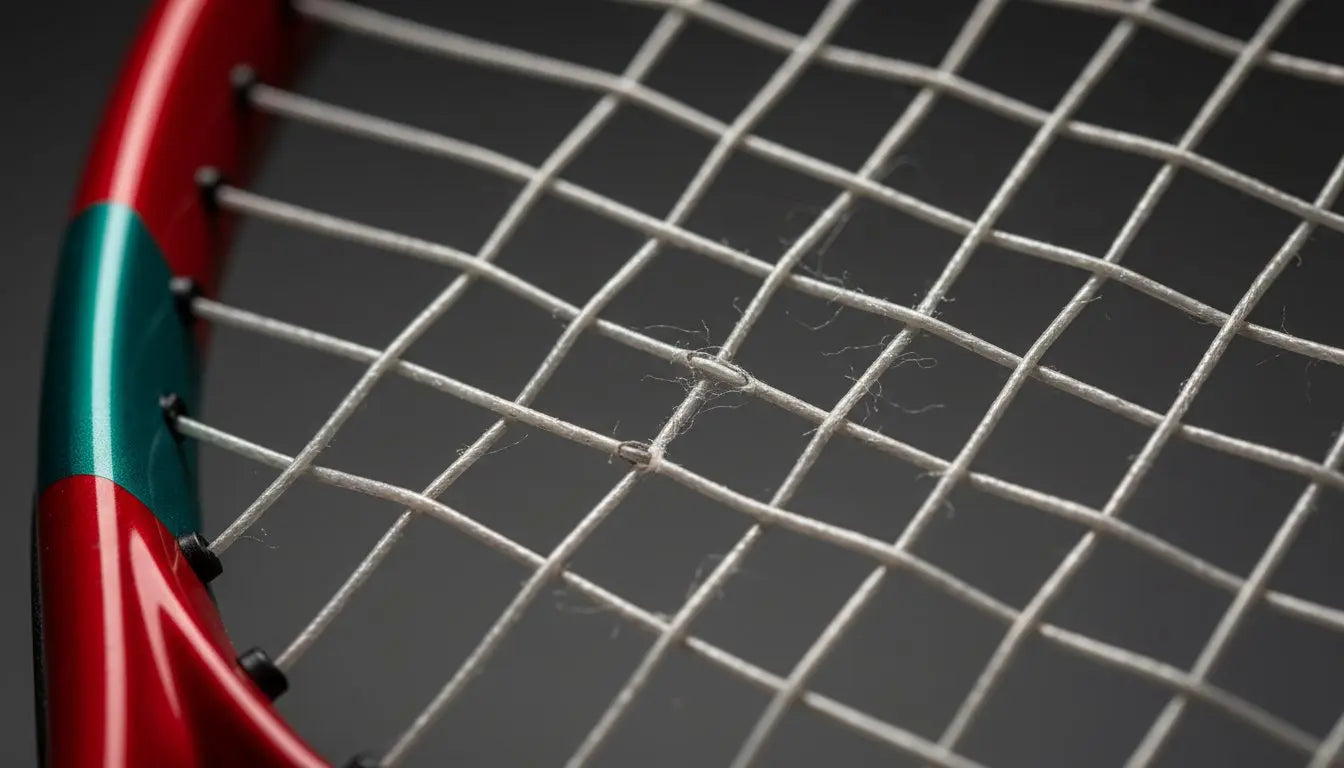
A quick visual inspection can tell you everything. Look closely at the intersections of your main and cross strings. See those little grooves worn into the strings? That's 'notching', and it's a major performance killer. These notches lock the strings in place, completely stopping them from sliding and snapping back to create spin. Your topspin will flatten out, and your slices will lose their bite. If you use multifilament or natural gut strings, also look for 'fraying', where the outer fibres start to look fuzzy and unravel-a sure sign they're about to break.
The 'Snap-Back' Test: A Quick Check on Court
This simple test is a game-changer, especially for the thousands of Aussie players using polyester strings. On your next change of ends, use your finger to pull a main string (one of the vertical ones) to the side. A fresh, elastic string will instantly and sharply snap back into its original position. If the string moves slowly, feels stiff, or stays crooked, its elasticity is gone. This is more than just a cosmetic issue; it's a fantastic indicator of performance loss and directly impacts your ability to generate spin and play with consistency.
String Lifespan: How Often Should You *Really* Restring?
One of the most common questions we hear is, "Can't I just wait for my strings to break?" While this seems logical, it's a major mistake that could be hurting your game and even your arm. The best way how to know when your tennis strings are dead isn't waiting for that loud *snap*. Long before a string breaks, it loses its tension and resilience, becoming ?dead? and unresponsive. Playing with dead strings forces you to swing harder for the same results, which can lead to poor form and potential injuries like tennis elbow.
Even if your racquet is just sitting in its bag, time is a factor. Strings are under constant tension and naturally lose their elasticity over months. This brings us to a classic piece of tennis wisdom: restring as many times per year as you play per week.
- Play once a week? Restring at least once a year.
- Play three times a week? Aim for a fresh set every four months.
This is a fantastic starting point, but it's not a perfect rule for everyone. Your ideal frequency depends heavily on your choice of string and how you play.
How String Material Dictates Lifespan
Not all strings are created equal. Polyester strings, favoured by competitive players for their control and spin, lose tension the fastest. They are incredibly durable and will feel dead long before they ever break. In contrast, softer multifilament and synthetic gut strings hold tension better but will show visible fraying as they wear out. Natural gut offers the best tension maintenance but is the most fragile and sensitive to weather.
Your Playing Style Matters
Are you a hard-hitting baseliner who rips heavy topspin on every shot? You're going to put your strings through a lot more stress than a touch player who relies on flat shots and placement. Aggressive styles wear out strings significantly faster. To make it simple, here?s a quick guide:
| Player Type & Frequency | Recommended Restringing Schedule |
|---|---|
| Competitive Baseliners (4+ times/week) | Every 3-6 weeks |
| Regular Club Player (2-3 times/week) | Every 2-4 months |
| Casual/Social Player (1 time/week or less) | Every 6-12 months |
Ultimately, paying attention to how your racquet feels is the key. If you're not sure which string is right for you or when to book your next restring, our knowledgeable team is always here to help. Get in touch for some friendly, expert advice!
Your Strings Are Dead. Now What? Your Action Plan
You've done the hard part-learning how to know when your tennis strings are dead. Now comes the exciting bit: taking action to get your racquet back to its peak performance. Ignoring dead strings doesn't just hurt your game; it can also damage your racquet. Follow this simple three-step plan to get back on the court with power, control, and that fantastic fresh-string feeling.
Why You Should Cut Your Strings Out (The Right Way)
Even after a string breaks or goes completely dead, the remaining strings exert uneven pressure on your racquet's frame. This can lead to warping and permanent damage to your expensive gear. The fix is simple: cut them out immediately. To do it safely, start in the middle and cut the main and cross strings in an alternating, outward pattern. This small step is crucial for protecting your investment.
Choosing Your Next Set of Strings
A restring is the perfect opportunity to fine-tune your racquet's feel. Ask yourself: did you love your previous string setup? If the answer is yes, stick with what works! But if you felt you were missing a bit of power, wanted more spin, or needed extra comfort for your arm, now is the time to experiment. The right string can completely transform your game.
Not sure where to start? Explore our huge range of tennis strings to find your perfect match.
Why a Professional Restring is a Game-Changer
While it might be tempting to find the cheapest restringer, a professional service is a true game-changer. Our expert stringers use calibrated, top-of-the-line machines to ensure perfectly consistent tension across the entire string bed-something you just can't get with older or uncalibrated equipment. This precision delivers reliable performance and feel every time you play. Plus, an experienced technician knows how to handle your frame correctly, avoiding costly damage and ensuring maximum playability.
Ready for that crisp, responsive feel again? Book your professional restringing at our Melbourne shop today!
Don't Let Dead Strings Kill Your Game
Paying close attention to your racquet's feel, sound, and appearance is crucial. A dull 'thud' instead of a crisp 'ping', a noticeable loss of power, and visible notching in the string bed are all undeniable signs. Now that you have a clear answer to how to know when your tennis strings are dead, it?s time to take action and reclaim your performance on the court.
A professional restring is the single best way to restore the power, control, and precision you love. At Sturdy Racquets, our team of passionate players provides fantastic, expert advice to match you with the perfect string. We use professional, calibrated stringing machines to guarantee a top-notch result, and with a fast turnaround service at our Brooklyn, VIC store, you won?t miss a beat.
Get that new racquet feeling! Book a professional restringing service with our experts.
Step back onto the court with confidence and play your best tennis yet!
The Invisible Decline: The Science Behind 'Dead' Tennis Strings
Ever hit a forehand that felt perfect, only to watch it sail long for no reason? Or maybe you've noticed you have to swing much harder just to get the ball deep into your opponent's court. If so, you've likely experienced 'dead' strings. It?s that dull, lifeless feeling where the ball just doesn't pop off the racquet like it used to. This isn't just in your head; it's a real, measurable decay in your equipment's performance.
To see how this impacts your game and your arm, check out this fantastic explanation from the team at Tennis Spin:
The main culprit behind dead strings is a process called creep-an irreversible loss of tension. From the moment your racquet comes off the stringing machine, the strings are under constant stress and begin to stretch permanently. This gradual elongation is the primary reason your racquet's performance changes over time, even when it's just sitting in your bag.
String creep is the gradual, permanent stretching of your strings under constant tension, robbing your racquet of its designed control and predictability.
Tension Loss vs. Elasticity: The Two-Fold Problem
Think of a brand-new rubber band: it's tight and snaps back instantly. Now, picture one that's been stretched out for weeks. It's longer, looser, and has lost its 'snap'. This is exactly what happens to your strings, creating two distinct issues:
- Tension Loss: As strings lose tension, the stringbed becomes softer and acts more like a trampoline. This increases the launch angle of the ball, often causing you to hit long. You lose the crisp control you once had.
- Elasticity Loss: This is about the material's ability to deform and snap back. When elasticity is gone, the stringbed doesn't pocket the ball as effectively. This reduces power, dampens feel, and forces your arm to absorb more shock. This lack of cushioning is one of the biggest playing with old tennis strings risks.
How String Material Affects Its Lifespan
Not all strings die the same way, and understanding this can help you choose the right setup for your game. The way a string degrades is directly tied to its material composition. For a deeper look into the science behind tennis strings, you'll see how different polymers and natural fibres respond uniquely to impact and tension.
- Polyester: A favourite among advanced players for its control and spin. However, it loses tension and elasticity very quickly. A poly string often feels 'dead' long before it ever breaks.
- Multifilament/Synthetic Gut: These strings are much better at holding tension and are far more comfortable than polyester. Their tell-tale sign of ageing is fraying, which happens just before they snap.
- Natural Gut: The gold standard for holding tension and providing exceptional feel and power. Its main weakness is its susceptibility to moisture and the harsh Australian climate, which can shorten its fantastic lifespan.
Risk #2: The Physical Toll and Increased Injury Risk
Forget about hitting the ball out for a moment. This is the single most important reason to change your strings regularly. While poor performance is frustrating, one of the biggest playing with old tennis strings risks is something far more valuable: your health.
Fresh strings act like a tiny shock absorber, flexing on impact to cushion the ball and return energy. When strings go "dead," they lose this essential elasticity. The result? A harsh, unforgiving string bed that transfers significantly more shock and vibration directly to your hand, wrist, elbow, and shoulder. This isn't about performance anymore; it's about prevention.
The Direct Link to Tennis Elbow and Wrist Pain
Think of hitting a ball with a wooden plank versus a trampoline-that's the difference between dead and fresh strings. The harsh vibrations from old strings fatigue the small muscles and tendons in your forearm with every single shot. To make matters worse, you'll subconsciously grip the racquet tighter to control the unpredictable response, creating a perfect storm of vibration and tension. This combination is a well-known recipe for common tennis injuries like tennis elbow and chronic wrist pain. For players using polyester, understanding the dangers of playing with poly strings that have lost tension is especially critical, as their stiffness can amplify these harmful forces.
Forced Overcompensation and Poor Biomechanics
When your strings lose their power and "pop," your body has to make up the difference. To get the same depth on your shots, you'll start muscling the ball, forcing your arm and shoulder to do work that your strings and technique should be handling. This leads to unnatural strain and can easily lead to rotator cuff issues or other overuse injuries. Even worse, you're actively training your body to use incorrect, inefficient form. You're building bad habits that can be incredibly difficult to unlearn later, long after you?ve finally restrung your racquet.
Ultimately, a regular restring isn't a luxury; it's essential maintenance for your body. It's a smart, simple investment in your long-term health on the court, helping you play the game you love for years to come, pain-free.
This focus on long-term health also extends to post-game recovery. Many athletes incorporate natural wellness products into their routines, and the premium herbal blends from Rastaman Stew offer a great way to relax and recuperate.
This focus on long-term health shouldn't stop with your joints. Proper oral health is just as crucial for an athlete's overall well-being and performance. For those interested in comprehensive care, you can discover Star Dental Care.
The Smart Solution: A Proactive Restringing Strategy
We?ve explored the problems, but the good news is that the solution is simple and entirely within your control. Shifting from a reactive mindset (waiting for a string to break) to a proactive one is the single best thing you can do for your equipment and your body. Think of it like changing the oil in your car; regular restringing is essential maintenance that ensures peak performance and prevents costly damage down the line. Now that you understand the playing with old tennis strings risks, it?s time to create a smart schedule.
When to Restring: Rules for Different Players
A fantastic starting point for club players is the classic rule of thumb: restring as many times per year as you play per week. If you play twice a week, aim for two restrings a year. This simple guideline accounts for the natural tension loss that happens even when your racquet is just sitting in your bag. For more specific advice, here are our expert recommendations:
- Casual Players (1-2 times/week): To maintain good playability and comfort, you should restring every 3-4 months. This prevents the strings from going completely dead and helps protect your arm.
- Competitive Players (3+ times/week): With more frequent play, strings lose their responsiveness much faster. Plan to restring every 4-6 weeks to ensure consistent performance when it matters most.
- Polyester String Users: Poly is a special case. It loses tension dramatically faster than it breaks. Regardless of how often you play, you should restring after 15-20 hours of court time to avoid the harsh, board-like feel that leads to arm issues.
Frequently Asked Questions
Can dead tennis strings cause tennis elbow?
Yes, they absolutely can. When strings lose their elasticity, they don't absorb as much shock from the ball's impact. This means more vibration travels up your arm, increasing the stress on your elbow and forearm tendons. Playing with fresh strings is a fantastic way to cushion the impact and help prevent common injuries like tennis elbow, keeping you on the court and playing your best.
How long do polyester tennis strings typically last?
Polyester strings are prized for control and durability, but they lose tension faster than other types. For a competitive player, a poly string bed might only offer peak performance for 10-15 hours of play. A great rule of thumb is to restring as many times per year as you play per week. If you play twice a week, aim for at least two restrings per year to maintain good playability.
Is it bad to play with old or dead tennis strings?
Playing with dead strings is an unforced error that can really hurt your game! You'll lose a significant amount of power, feel, and control, which often causes players to swing too hard and develop bad habits to compensate. Beyond performance, the increased vibration from dead strings can also lead to arm discomfort. A fresh restring is a simple, effective way to elevate your game and play more safely.
Do tennis strings lose tension even if I don't play?
They sure do. From the moment a racquet is strung, the strings are under constant tension and immediately begin to stretch and relax. This process, known as "creep," happens whether the racquet is in your bag or on the court. While polyester strings lose tension fastest, all strings go stale over time. That?s why we recommend restringing at least once a year, even if you only play occasionally.
What's the difference in feel between dead polyester and dead multifilament strings?
This is a fantastic question as the feel is quite different. Knowing how to know when your tennis strings are dead often comes down to this. A dead polyester string feels harsh, stiff, and board-like, with very little power or ball pocketing. In contrast, a dead multifilament or synthetic gut string tends to feel mushy and overly springy, making it difficult to control the ball's direction and depth.
How do I know what tension to string my racquet at?
Your racquet's frame will have a recommended tension range, which is the perfect place to start. As a general guide, lower tensions provide more power and comfort, while higher tensions offer more control. Your string choice also matters! Our knowledgeable team is always here to provide expert advice. A quality restring in Australia typically costs between A$40 and A$60, so getting the tension right is a worthwhile investment.
Is it worth restringing a cheap or old tennis racquet?
That's a great question! For a very inexpensive racquet, say under A$70, the cost of a professional restring (typically A$40-A$60) might not be the best value. However, for a quality older frame you love, a fresh set of strings can make it feel brand new again! It's an exceptional way to revitalise a trusty racquet and get more life out of your gear. If the frame is in good condition without any cracks, we highly recommend it.
Share:
Natural Gut vs Polyester Strings: The Ultimate Player's Guide
Same-Day Racquet Stringing in Melbourne: Get Back on Court Today