
That extra inch of length on your paddle might actually be the reason you're missing more dinks at the kitchen line. While the promise of extra reach is tempting, many players find that the narrower face of a longer paddle leads to frustrating edge hits and less stability during fast resets. Choosing between an elongated vs standard pickleball paddle is a zero-sum game of geometry where you trade leverage for a forgiving sweet spot.
We know how it feels to stand at the net wondering if you should grab a longer paddle for more reach or a wider one for a bigger sweet spot. With the 2026 USAP regulations now requiring the new PBCoR .43 rebound standard and a maximum combined dimension of 24.0 inches, making the right choice is essential for your confidence on the court. This guide will help you discover how paddle shape transforms your power, reach, and control so you can choose the perfect gear for your playing style. We will explore the physics of each design, compare performance for singles versus doubles, and ensure you are ready to play under the latest equipment rules.
Key Takeaways
- Master the latest 2026 USAP equipment standards, including the 24-inch dimension limit and the new PBCoR .43 rebound requirements for tournament play.
- Explore how the physics of leverage in elongated paddles can increase your tip speed for more powerful drives and overheads.
- Understand why standard "Wide Body" paddles offer superior stability and a larger sweet spot for consistent dinks and resets.
- Directly compare swing weight and maneuverability to decide between an elongated vs standard pickleball paddle based on your reaction time needs.
- Follow our expert decision matrix to match your specific playing style and court position with the ideal paddle geometry for your game.
Understanding Pickleball Paddle Dimensions and USAP Regulations
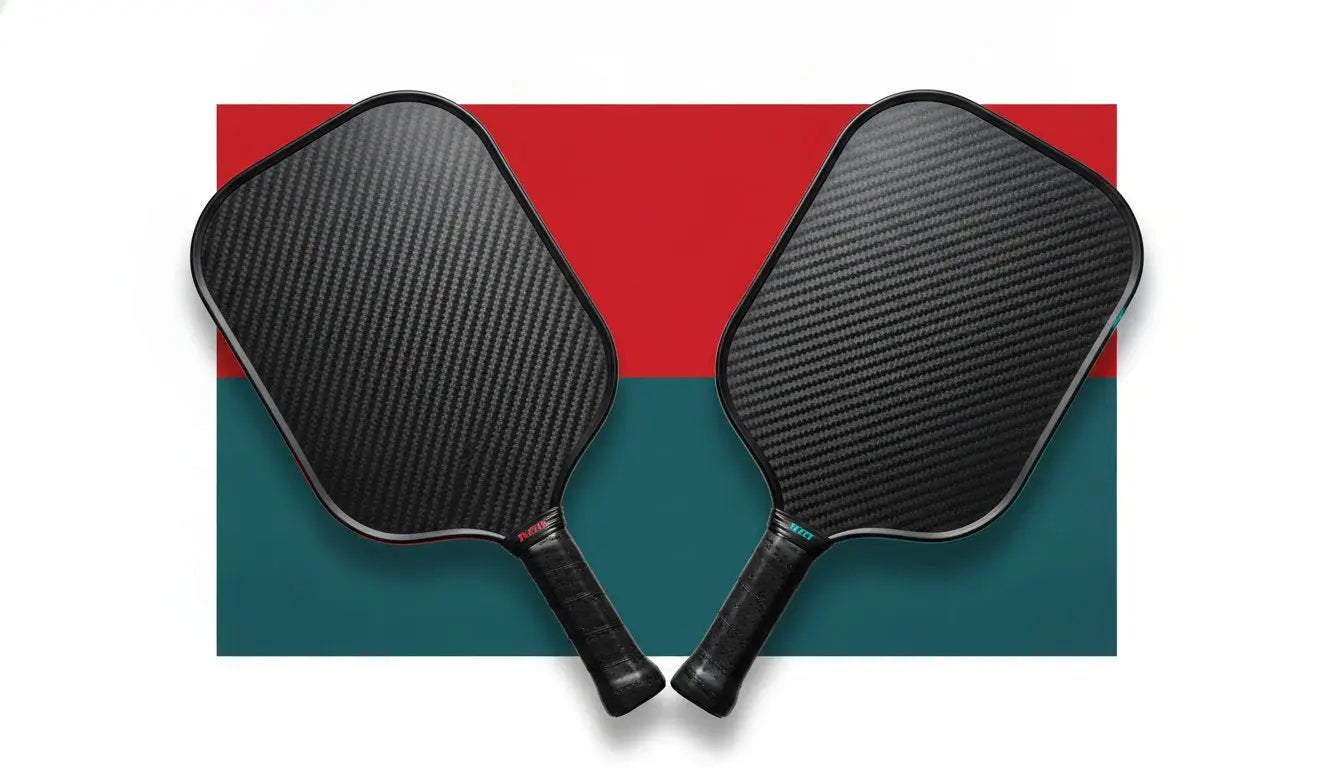
Every piece of equipment on a sanctioned court must follow strict USA Pickleball (USAP) guidelines to ensure fair play. These regulations dictate the physical limits of your gear, specifically focusing on the surface area and length. A standard paddle typically measures 16 inches long by 8 inches wide, providing a balanced, rectangular shape that feels familiar to most players. In contrast, an elongated paddle stretches the limits of length, usually reaching 16.5 to 17 inches while narrowing the width to 7 or 7.5 inches. The 24-inch rule is the governing constraint for all professional paddle designs.
To better understand how these dimensions affect your game, watch this helpful video:
The Geometry of Trade-offs
The math behind an elongated vs standard pickleball paddle is simple but restrictive. Because the combined length and width cannot exceed 24 inches, you cannot simply add length without sacrificing width. If a manufacturer produces a paddle that is 17 inches long, the maximum allowable width is only 7 inches. This creates a significant shift in the gear's physics. Even a half-inch change in length alters the balance point of the racquet, moving the weight further toward the tip and increasing the "swing weight." Understanding what is pickleball helps players appreciate how gear has evolved from simple wooden slabs to these highly engineered, aerodynamic tools.
Why Shape Influences Your Playstyle
The surface area of your paddle directly dictates where the "sweet spot" lives. On a standard shape, the sweet spot is more centralized and wider, which helps when you're battling at the kitchen and need stability. As the sport of pickleball grows more competitive, many players are moving toward elongated shapes to gain leverage. A longer face moves the hitting center further from your hand, which creates more speed at the tip but also makes the paddle less forgiving on off-center hits. If you're looking for a deeper dive into materials and core tech, having pickleball paddles explained can clarify how these shapes interact with carbon fiber or honeycomb cores to produce power or control.
The Elongated Pickleball Paddle: Maximising Reach and Leverage
The elongated paddle is the go-to choice for players who want to dominate from the baseline. By stretching the length to the maximum allowed under USAP Regulations, these paddles offer a distinct advantage in reach. This extra length is especially helpful for groundstrokes and overhead slams. An extra inch can be the difference between a winner and a missed opportunity. However, this shape is a specialized tool. Because the total dimensions are capped at 24 inches, an elongated paddle is naturally narrower than a standard one. This requires a higher level of precision from the player. You aren't just gaining reach; you're trading away a bit of width, which makes off-center hits more punishing.
The narrower profile means your margin for error is slimmer. If you hit the ball slightly off-center, you'll feel the paddle twist in your hand. This is why we often suggest these for players who have already developed consistent ball-striking skills. For those who can handle the precision, the rewards are immense. You can reach dinks that stay low and wide, or dig out balls that are almost touching the ground. It's a high-performance choice for an aggressive, all-court game. If you're looking to refine your setup, choosing professional equipment tailored to your style is the first step toward better results.
Power through Leverage and Tip Speed
Physics plays a huge role in the elongated vs standard pickleball paddle debate. A longer paddle acts as a more efficient lever. During a full swing, the tip of an elongated paddle travels through a larger arc than a standard one in the same amount of time. This results in higher tip speed and significantly more power behind every drive. Many intermediate pickleball paddles use this geometry to help developing players generate pace without needing massive physical strength. You get a natural "whip" effect that is perfect for deep serves and heavy returns.
Singles Strategy and Defensive Reach
In singles, you cover the entire court alone. The elongated shape is the dominant choice here because those extra millimeters of reach help you retrieve balls that would be out of range for a wider paddle. Former tennis players often find this transition natural. They are used to the longer feel of a tennis racquet and appreciate the extra leverage on the backhand side. The trade-off happens at the kitchen. In situations where the ball is close to your body, a longer paddle can feel unwieldy. It's harder to "reset" a fast volley when the hitting surface is further from your hand. This shape excels when you have room to swing, but requires fast hands during close-quarters exchanges.
The Standard Shape Paddle: Prioritising Control and Sweet Spot Consistency
While the elongated design focuses on reach and leverage, the standard shape remains the gold standard for stability. In the elongated vs standard pickleball paddle debate, this traditional geometry wins for players who value a reliable, consistent response every time the ball makes contact. A wider face provides a more centralized sweet spot, which is vital during high-pressure rallies. This shape is often referred to as "Wide Body" because it prioritizes width over length, usually measuring around 8 inches across. This design choice isn't just about surface area; it's about how the paddle behaves when you don't hit the ball perfectly.
One technical advantage often overlooked is "Twist Weight." Because the weight is distributed further from the center axis in a wider paddle, the face is less likely to rotate in your hand on off-center hits. This means your blocks and resets remain accurate even if the ball catches the edge of the paddle. For doubles players who face a barrage of fast shots at the net, this resistance to twisting provides a massive boost in confidence. You can focus on your positioning knowing your equipment will hold steady during impact.
The Forgiving Sweet Spot
Standard shapes are the preferred choice for beginner pickleball paddles because they offer a higher margin for error. A wider paddle face increases the effective hitting area by up to 15% compared to narrow models. This extra width reduces frustrating mishits during fast exchanges, allowing you to keep the ball in play longer. Many expert recommendations on pickleball paddles highlight this forgiving nature as the primary reason why recreational players should stick with a traditional width until their ball-striking becomes highly consistent.
Mastery at the Kitchen Line
Doubles players spend the majority of their time at the non-volley zone, where reaction time is everything. Standard paddles usually have a lower swing weight, which allows for faster hands during net volleys. You can move the paddle into position quicker than you could with a longer, head-heavy model. This speed is paired with incredible feel and touch. When you're dinking, the stable face gives you the confidence to place the ball with surgical precision. Choosing pickleball gear that supports this high-frequency, high-accuracy game is the best way to improve your win rate in doubles. It's about playing a smart, controlled game rather than relying on pure power.
Comparing Performance: Power, Spin, and Manoeuverability
The choice between an elongated vs standard pickleball paddle ultimately comes down to how you want the gear to feel during a high-speed rally. While we've discussed the basic dimensions, the real difference lies in the physics of the swing. A paddle isn't just a static object; it's a tool that interacts with air resistance and impact forces. Choosing the right shape requires balancing the need for raw power with the necessity of defensive stability.
Spin potential is a common point of confusion for many players. While surface texture is the primary driver of grit, paddle shape influences the "arc" of your swing. An elongated paddle provides a longer lever, allowing you to create a larger, more aggressive pulling motion across the ball. This is excellent for deep, driving topspin. Standard paddles, however, allow for a tighter "roll" on the ball because the hitting surface is closer to your hand. This provides better feedback for those delicate, spinning dinks that barely clear the tape.
Swing Weight vs. Twist Weight
Swing Weight measures how heavy the paddle feels when you're actually moving it through the air. Because elongated paddles place more mass further away from your hand, they naturally have a higher swing weight. This helps with power but can lead to fatigue over a long tournament day. Twist Weight is equally vital but often ignored. It measures the resistance to rotation on off-centre impacts. Standard paddles excel here; their wider profile keeps the face from turning when you catch a ball near the edge. If you find your paddle "spinning" in your grip during fast blocks, you likely need the higher twist weight of a standard shape.
Aerodynamics and Hand Speed
Manoeuverability is a tale of two different physical advantages. The narrower profile of an elongated paddle allows it to cut through the air with less resistance, which can help with overhead speed. In contrast, the shorter lever of a standard paddle is mechanically easier to manipulate in tight spaces. During a "firefight" at the net, the standard shape often feels faster because you don't have to move as much mass as far to get into position. Before committing to a new shape, review our pickleball equipment checklist to ensure your entire kit is optimized for performance.
Ready to upgrade your game with gear that matches your specific swing style? Explore our full range of performance pickleball equipment to find your perfect fit today.
How to Choose the Right Paddle Shape for Your Game
Choosing between an elongated vs standard pickleball paddle isn't just about following the latest pro trends. It's about finding an extension of your arm that feels natural during a high-stakes dink battle. While the 2026 equipment standards have changed how paddles are built, the fundamental choice of shape remains a personal decision based on your unique mechanics. Selecting performance pickleball paddles requires a deliberate match between your physical strength and the paddle's center of gravity.
Determining Your Player Profile
Your playing style is the best indicator of which geometry will serve you best. Use this quick guide to see where you land:
- Power and Reach: If you play singles or take an aggressive "alpha" role in doubles, choose an elongated paddle. The extra leverage helps you put away points from the baseline.
- Resetting and Precision: If your game is built on soft hands, resets, and winning through consistency, the standard shape is your best friend.
- Athletic Background: Former tennis players usually find the transition to elongated paddles seamless. If you come from a table tennis background, the shorter, wider face of a standard paddle often feels more intuitive for your wrist-flick shots.
Don't overlook grip length during this process. Elongated paddles often feature longer handles to accommodate two-handed backhands. Standard paddles sometimes use shorter handles to maximize the hitting surface within the USAP dimension limits. Ensure your grip feels secure before committing to a specific model.
Testing and Transitioning
Never judge a paddle by a single game. You should test a new shape for at least 2-3 full sessions before making a final decision. Your muscles need time to adjust to the different balance points. This is especially true when moving to an elongated model. These paddles are often "head-heavy," which creates more torque on your tendons. If the swing weight is too high for your current forearm strength, you run a real risk of developing "Pickleball Elbow."
Many players make the mistake of buying what their favorite pro uses without considering that pros have elite hand speed and years of conditioning. For most recreational and intermediate players, a paddle that is too long or too heavy can actually hinder development. Seeking expert advice when selecting high-quality sport equipment ensures you don't end up with a tool that works against your natural swing. Whether you want the reach of a long blade or the stability of a wide body, the right choice is the one that keeps you confident and injury-free on the court.
Elevate Your Game with the Perfect Shape
Mastering the court in 2026 requires more than just skill; it requires gear that matches your physical mechanics. We've explored how the choice between an elongated vs standard pickleball paddle defines your ability to reach wide drives or hold steady during intense net volleys. While elongated models offer unmatched leverage for power hitters, the standard wide body shape remains the ultimate choice for doubles players who prioritize a massive, forgiving sweet spot. Your equipment should never be a hurdle to your performance.
Our team of local racquet specialists is here to help you navigate these technical trade-offs with expert advice and a premium selection of top-tier paddle shapes. We are passionate about supporting your journey from the first serve to the final trophy. With national shipping across Australia, we make it easy to access the latest technology designed for the modern game.
Explore our full range of performance pickleball gear today to find the equipment that feels like a natural extension of your arm. We can't wait to see you crushing your next match with total confidence and the perfect paddle in hand!
Frequently Asked Questions
Is an elongated paddle better for beginners?
Standard paddles are typically better for beginners because they provide a larger, more forgiving sweet spot. When you're first learning the game, hitting the ball off-center is very common. A wider face helps you keep rallies going and reduces the frustration of edge hits that often occur with narrower, elongated models.
Why do most professional pickleball players use elongated paddles?
Professionals often choose elongated shapes to maximize their reach and leverage on the court. Since they have elite hand speed and consistent ball-striking, they can handle the narrower face and higher swing weight. This shape helps them generate the massive power and spin needed for modern, aggressive tournament play.
Can a pickleball paddle be both elongated and wide?
No, a paddle cannot be both maximum length and maximum width due to strict USAP regulations. The combined length and width, including any edge guard and butt cap, must not exceed 24.0 inches. If a manufacturer builds a paddle at the maximum 17-inch length, the width is mathematically restricted to just 7 inches.
How does paddle shape affect the spin I can generate?
Shape influences spin by changing the mechanics of your swing arc. An elongated paddle provides a longer lever, which is excellent for creating the aggressive pulling motion needed for heavy topspin drives. Standard paddles allow for a tighter roll on the ball, which helps with precision spin during delicate kitchen exchanges.
Does an elongated paddle make your arm tired faster?
Yes, an elongated paddle can cause arm fatigue faster because it usually has a higher swing weight. Since more of the paddle's mass is located further from your hand, your forearm and shoulder muscles must work harder to move it. This increased leverage can lead to strain if you aren't used to the head-heavy feel.
What is the maximum length allowed for a pickleball paddle in Australia?
The maximum length allowed is 17.0 inches. Australia follows the global standards set by USA Pickleball, which also require that the total length and width don't exceed 24.0 inches. Any paddle exceeding these dimensions is considered illegal for sanctioned tournament play and is restricted to recreational use only.
Should I choose a standard paddle for doubles play?
Standard paddles are often the best choice for doubles because they offer superior stability during fast net volleys. The wider profile provides a higher twist weight, meaning the paddle won't rotate in your hand when you catch a ball near the edge. This stability is vital for the quick resets and dink rallies common in doubles.
How does grip length factor into the elongated vs standard debate?
Grip length is a major factor because it consumes part of the total 24-inch dimension limit. In the elongated vs standard pickleball paddle comparison, elongated models often feature 5.5 to 6 inch handles to support two-handed backhands. Standard paddles often use shorter handles to maximize the width and surface area of the paddle face.
Share:
Pickleball Paddle Grip Size Importance: The Ultimate 2026 Performance Guide
Essential Tennis Equipment for Beginners: The Complete 2026 Starter Guide