



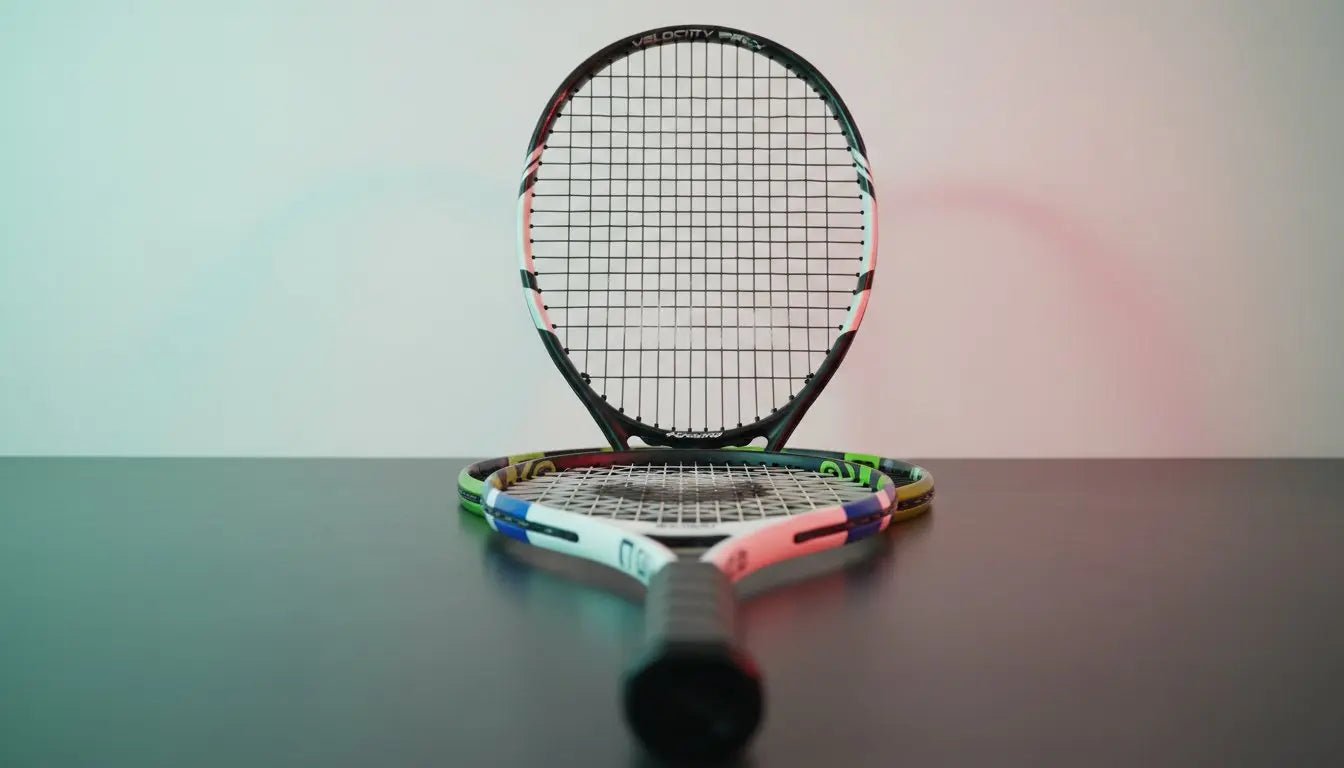
Staring at a wall of tennis racquets, with prices ranging from a friendly A$50 to a pro-level A$400+, can feel a little overwhelming. You wonder if that premium frame will really add more power to your serve, or if your current racquet is the source of that nagging arm pain. It?s the question every player, from weekend social hitters to aspiring club champs, eventually asks: is an expensive tennis racquet worth it for my specific game?
We get it. As passionate players and gear specialists, we?re here to help you avoid those unforced errors in your equipment choices. In this expert breakdown, we?ll cut through the confusing tech talk about graphite composites, head sizes, and string patterns to reveal the real-world differences. Our goal is to give you a clear understanding of what extra money actually buys, so you can confidently choose the perfect racquet that fits your skill level, your budget, and your ambitions on the court.
Key Takeaways
- The price gap isn't just branding; it's the advanced materials inside the frame that directly impact your power, control, and on-court comfort.
- The 'best' racquet is the one that matches your skill level. Using a high-performance frame too early can actually hinder your development.
- The answer to is an expensive tennis racquet worth it changes as you improve. For intermediate players, it's often the single best investment to elevate your game.
- Learn the clear signs that your current equipment is holding you back and find out if a new racquet is the key to breaking through a plateau.
What's the Real Difference Between a $50 and a $300 Racquet?
When you're standing in front of a wall of racquets, it's easy to wonder if the price tag really matters. Is a A$300+ racquet from a top brand like Wilson or Babolat genuinely better than a A$50 department store special? The short answer is a resounding yes. The difference goes far beyond the brand name; it's about the advanced science, materials, and precision engineering packed inside the frame.
To see these differences in action and get some fantastic advice on choosing the right frame for you, check out this helpful video from Gladiators Tribe:
Material Composition: From Aluminum to Graphite Composites
Your basic A$50 racquet is typically made from aluminum. While it?s durable enough for a casual hit, it?s also heavy, stiff, and transfers a lot of harsh vibration to your arm. In contrast, premium racquets use sophisticated composite materials like graphite, carbon fibre, and basalt. These materials are lighter, stronger, and far better at absorbing shock. This results in:
- More power with less effort from you.
- Greater comfort and a reduced risk of tennis elbow.
- Better feel and connection to the ball.
Manufacturing & Technology: Precision vs. Mass Production
The real magic in a high-end racquet is how those advanced materials are used. Premium frames feature complex internal layups, with different materials strategically placed to fine-tune flex, stability, and power. This dedication to innovation is part of a long history of racquet technology that has transformed the game. They also boast patented technologies designed to enlarge the sweet spot and dampen vibrations. Cheaper racquets are usually made from a simple, single-piece mold with none of this top-notch engineering.
Quality Control & Consistency
When you're trying to figure out if is an expensive tennis racquet worth it, consistency is a huge factor. Top brands have incredibly strict quality control standards. This means if you buy two of the same model, their weight and balance will be almost identical, ensuring a consistent playing experience. Cheaper, mass-produced racquets often have significant variations from one frame to the next, meaning you never quite know what you're getting.
How a Premium Racquet Actually Impacts Your On-Court Performance
Let's be clear: a A$400 racquet won't magically turn you into Ash Barty overnight. A better racquet isn't a shortcut to becoming a pro, but it is a tool designed to help you play your best tennis more often. It?s about making the game easier, more comfortable, and ultimately, more enjoyable. So, when asking is an expensive tennis racquet worth it, the answer lies in how its advanced technology can complement your skills and help you develop your game.
Power and Depth of Shot
Premium racquets are typically built from stiffer, lighter graphite composites. This construction is incredibly efficient at transferring energy from your swing directly to the ball. The result? You get more pop and depth on your shots without having to swing out of your shoes. Even on slightly off-centre hits, the racquet does more of the work for you, helping you keep your opponent on the back foot.
Control and Precision
Ever hit a powerful shot that just flies wide? Cheaper alloy racquets can twist and flex on impact, spraying the ball unpredictably. The advanced materials in premium frames provide exceptional torsional stability, minimising this twisting. This translates directly to better directional control, giving you the confidence to aim for the lines and play with fantastic precision.
Comfort and Injury Prevention
This might be the most important, yet underrated, benefit. The harsh vibrations from ball impact can travel up your arm, leading to fatigue and even injuries like tennis elbow. Premium racquets incorporate sophisticated vibration-dampening technologies right into the frame. Modern materials like graphite are far superior to old-school aluminum at absorbing these shocks. In fact, recent advances in composite materials have been a game-changer for creating frames that are both powerful and incredibly arm-friendly.
Feel and Feedback
A top-notch racquet communicates with you. It provides clear feedback on every shot, letting you feel whether you struck the ball cleanly in the sweet spot or caught it on the frame. This connection is crucial for your development, as it allows you to make micro-adjustments to your swing and technique. It's the difference between swinging a blunt instrument and wielding a precision tool.
The Deciding Factor: Matching the Racquet to Your Skill Level
There?s no single "best" tennis racquet. The perfect frame for a touring pro could be a nightmare for a weekend player. Choosing a racquet that?s too advanced can actually hurt your game, leading to frustration and poor technique. The most important step in buying a new racquet is being honest about your current ability. Let's break down what to look for at each stage of your tennis journey.
For the Absolute Beginner
If you're new to the game, grabbing the latest A$400 pro-level frame is an unforced error. These racquets are demanding and unforgiving, designed for players with flawless technique. Instead, your focus should be on making consistent contact and having fun! Look for a budget-friendly graphite or graphite-composite frame in the A$100-A$200 range. Your priorities should be:
- A larger head size (102-110 sq. in.): This provides a bigger sweet spot, offering more forgiveness on off-centre hits.
- A lighter weight: This makes the racquet easier to swing as you develop your strokes.
- Easy Power: The frame should do some of the work for you, helping you get the ball over the net with ease.
For the Improving Intermediate Player
This is where the question of is an expensive tennis racquet worth it truly comes into play. Once you've developed consistent strokes and can rally with confidence, a premium racquet (A$200-A$350) offers fantastic benefits. You can now appreciate the subtle feedback and control that a more advanced frame provides. The technology behind modern frames is incredible, with ongoing Advances in Tennis Racket Design leading to frames that offer a perfect blend of power, control, and feel. This is the ideal time to invest in a racquet that complements your unique playing style, whether you're a baseline grinder or an all-court attacker.
For the Advanced/Competitive Player
At this level, you generate your own power and your game is built on precision and consistency. Your racquet is a surgical tool, not a sledgehammer. Advanced frames are designed to give you maximum control under pressure. They are typically heavier, have smaller head sizes (95-100 sq. in.), and are more flexible to enhance feel and ball pocketing. An expensive tennis racquet is worth it here because it offers the pinpoint accuracy needed to hit your targets and execute your strategy against tough opponents. These racquets reward great technique and punish sloppy shots, making them perfect for the serious competitor.
When Is It Time to Upgrade? 5 Signs You've Outgrown Your Racquet
Ever hit a perfect shot in your mind, only to watch the ball fly off in a different direction? Many players wonder if their equipment is holding back their progress. While a new frame isn't a magic fix for everything, upgrading at the right time is a crucial step to unlocking your potential on the court.
Look for these clear signs during your next few matches. If you find yourself nodding along to two or more, it?s a strong signal that your current racquet is limiting your game. This checklist will help you decide if it's time to invest and finally answer the question: is an expensive tennis racquet worth it for you?
1. Your Technique and Swing Speed Have Improved
When you first started, a lightweight, forgiving racquet was your best friend. But now, things have changed. You've outgrown it if:
- Your beginner racquet feels too light or 'flimsy' when you take a faster, more aggressive swing.
- You are consistently finding the sweet spot and have developed reliable, repeatable strokes.
- You're no longer just trying to get the ball over the net; you're aiming for specific targets and demanding more precision.
2. You're Craving More Power or More Control
As your game develops, you'll need to fine-tune your power-to-control ratio. Are you generating plenty of racquet head speed, but your shots feel disappointingly soft? A more advanced frame can translate your energy into explosive power. Conversely, if you're hitting rockets that frequently sail long, you likely need a racquet with a control-oriented design to help you rein it in and paint the lines. A new racquet can re-balance this equation perfectly.
3. You're Experiencing Arm Pain or Discomfort
This is a big one. Any recurring soreness in your wrist, elbow, or shoulder after playing is a major red flag. Older or basic aluminium racquets are notorious for transmitting harsh vibrations directly to your arm. Ignoring this can lead to frustrating injuries like tennis elbow. Modern racquets are engineered with fantastic vibration-dampening technologies. If you're feeling the strain, an upgrade isn't just a luxury-it's essential for your health. Our experts can help you find an arm-friendly racquet that's perfect for you.
Final Verdict: Is an Expensive Racquet Worth It for You?
After weighing all the factors, the answer to whether an expensive racquet is worth it truly depends on your level and commitment to tennis. For a beginner, a cheap, A$50 aluminium racquet is a false economy that can hinder development and even cause injury. A far smarter investment is a mid-range graphite frame (around A$150 - A$220) that provides the stability and feel needed to learn proper technique.
For intermediate and advanced players, the answer is an enthusiastic yes. At this level, premium technology in stability, power, and spin potential makes a tangible difference on the court. The right high-performance racquet is the single most effective equipment upgrade you can make to elevate your game and play with more confidence.
Ultimately, the conversation shouldn't be about the price tag, but about the value you receive. It's about finding the frame with the right technology, comfort, and specifications for your swing. So, is an expensive tennis racquet worth it? Absolutely, when it?s the right racquet for you. The best value always comes from perfectly matching the racquet's features to your specific needs.
How to Get the Best Value
Getting top-tier performance doesn't always mean paying a top-tier price. Here are a few expert tips to maximise your investment and ensure every dollar counts:
- Look for last year's models: Racquet technology evolves, but often in small increments. You can frequently find previous-generation high-performance models at a significant discount without sacrificing much performance.
- Invest in professional stringing: The strings are the engine of your racquet. A premium frame with old or cheap strings is like a sports car with flat tyres. Fresh, quality strings tailored to your game make a massive difference.
- Remember this golden rule: A A$150 racquet with a fresh, professional string job will almost always outperform a A$300+ racquet with worn-out or factory-standard strings.
The Importance of Expert Advice
It?s tempting to buy the same racquet your favourite pro uses, but this is a classic mistake. Their frames are heavily customised and designed for the power and precision of an elite athlete. The most valuable part of buying a new racquet isn't the frame itself-it's getting the right advice.
A specialist can analyse your playing style, physical strength, and on-court goals to recommend a frame that complements your game, not works against it. This guidance ensures you don't waste money on a racquet that's too heavy, too stiff, or simply wrong for your swing. Ready to find your perfect match and avoid an unforced error in your purchase? Chat with our racquet experts today!
The Final Verdict: Making the Right Investment in Your Game
Ultimately, the price tag isn't the most important factor-it's the technology, feel, and suitability for your skill level. A premium racquet can unlock fantastic power and control for an intermediate player, but the best investment is always the one that complements your unique style of play. So, when you ask the question, is an expensive tennis racquet worth it, the answer isn't a simple yes or no. The real value comes from matching the right equipment to your personal goals on the court.
Making that choice can feel overwhelming, but you don?t have to do it alone. At Sturdy Racquets, our team of passionate players provides the expert advice you need to find the perfect gear. With professional, in-store stringing services and reliable Australia-wide shipping, we?re here to support every step of your tennis journey.
Ready to find your perfect match?
Find the perfect racquet for your game and budget. Shop our range!
Frequently Asked Questions
Will an expensive tennis racquet fix my bad technique?
An expensive racquet is a fantastic tool, but it won't magically correct poor technique. Think of it as an amplifier; it enhances what you're already doing. A high-performance frame can add power, control, and feel to a solid swing, but it can also highlight flaws. The best investment for fixing bad technique is always coaching and practice. Once your fundamentals are sound, an upgraded racquet will help you take full advantage of your skills on the court.
How much should a beginner spend on their first proper tennis racquet?
For your first proper tennis racquet in Australia, a budget of A$100 to A$200 is a fantastic starting point. This price range moves you beyond basic alloy frames into high-quality graphite or composite models from leading brands. These racquets offer a much better combination of power, forgiveness, and comfort, which is essential for developing your strokes. Investing in this range will make learning the game more enjoyable and help you improve much faster.
Is it better to buy a more expensive racquet or get my current one restrung?
For most club players, restringing is the single most effective and affordable performance upgrade. Fresh strings, which can cost around A$40-A$60, will restore life, power, and feel to your current frame. Before you decide if is an expensive tennis racquet worth it, get a professional restring. If you feel your game has truly outgrown the racquet?s specifications (e.g., it?s too light), then it?s the right time to explore a new, more advanced model.
Do expensive racquets break less easily than cheap ones?
Not necessarily. Expensive racquets are built from advanced materials like graphite and carbon fibre, which are engineered for performance and feel, not maximum impact resistance. While incredibly strong for playing tennis, a forceful impact with the court can still cause a crack. Cheaper aluminium racquets might dent instead of cracking, but they lack performance. The lifespan of any racquet depends more on how you care for it than how much it costs.
Why do professional players use such expensive and demanding racquets?
Professionals use top-tier racquets because they are finely tuned instruments that reward elite-level technique. These frames are often heavier, more flexible, and have smaller sweet spots to provide maximum control, feel, and feedback. A pro?s perfect mechanics can unlock the immense power and precision these racquets offer. For most amateur players, however, these same racquets would feel unforgiving and difficult to control, making the game harder to play.
Can I find a good quality tennis racquet for under A$200?
Absolutely! The sub-A$200 price point is a sweet spot for exceptional value. You can find fantastic racquets from world-class brands like Babolat, Wilson, and Head that are perfect for beginners, juniors, and intermediate club players. These models feature great technology that provides an excellent blend of power, control, and comfort. You don?t need to break the bank to get a top-notch racquet that will help you play great tennis and enjoy your time on court.
Share:
7 Common Mistakes to Avoid When Buying a Tennis Racquet
7 Clear Signs You Need a New Tennis Racquet