



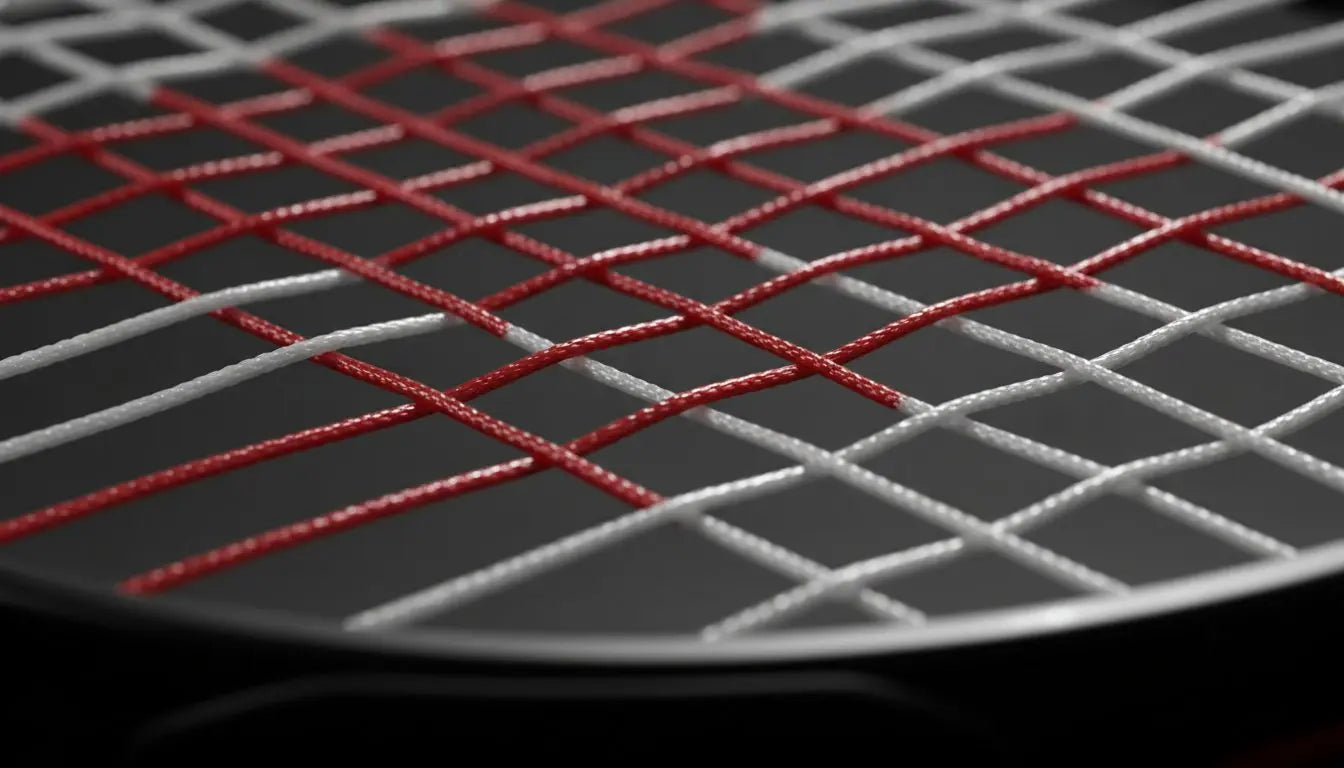
Did you know that over 68% of players now reach for advanced polyester tennis strings to gain a competitive edge in spin and control? While the racquet frame provides the chassis, your strings are the true engine that executes every shot you hit. If you've ever felt the sting of tennis elbow or noticed your shots flying long because your strings lost tension after only three matches, you know exactly how much the wrong setup can hold you back.
We understand that finding the right balance between power and comfort can feel like a guessing game. You deserve a setup that complements your specific racquet and protects your arm from harsh vibrations. In this guide, we'll show you how to select the perfect strings to transform your performance and durability on the court. We'll explore the top-rated materials for 2026, the benefits of hybrid stringing, and how to dial in your tension for maximum feel. Our goal is to provide the expert guidance you need to make informed decisions and stay ahead of the competition.
Key Takeaways
- Learn why choosing the right material, like natural gut or multifilament, is essential for maximizing comfort and protecting your arm from injury.
- Discover how to select tennis strings that perfectly match your player level and specific performance goals for the 2026 season.
- Understand the technical trade-offs between string gauge and tension to find your personal sweet spot for spin, power, and durability.
- Find out how to transition from beginner setups to versatile intermediate tennis strings as your game and swing speed evolve.
- Explore why professional racquet stringing and precision customization are the final steps to unlocking your equipment's full potential.
Why Tennis Strings Are the Engine of Your Game
Think of your racquet as a high-performance sports car. The frame is the chassis, providing stability and aerodynamics, but the tennis strings are the engine. They are the only part of your equipment that actually makes contact with the ball. This single point of contact determines how much power you generate, how much control you have over placement, and how much shock travels up your arm upon impact.
Experienced players often live by the 50/50 Rule. This principle suggests that at least half of your racquet's overall performance is dictated by the string bed. If you have an elite frame but old, low-quality strings, you're essentially putting budget tires on a Ferrari. Even the best tennis racquets for beginners require a thoughtful setup to help new players develop their strokes without fighting their equipment. Choosing the right Tennis string materials and properties is the fastest way to customize your game for better results.
To better understand how your equipment setup affects your on-court performance, watch this helpful video:
The Impact of Fresh Strings on Performance
Tension loss is a silent performance killer. Most tennis strings begin losing their elasticity the moment they come off the stringing machine. When strings "die," they lose their ability to snap back into place. This forces you to swing harder just to get the ball deep into the court, which quickly leads to inconsistent depth and increased arm strain. Following a regular racquet restringing schedule keeps your racquet feeling predictable. It's the best way to ensure your equipment supports your technique rather than working against it.
Common Misconceptions About String Price
Price doesn't always equal performance for every individual. While natural gut is often called the gold standard for feel, it might be a poor choice for a high-speed baseline hitter who breaks strings every few days. You have to balance durability with playability based on your specific budget and playing style. Using the cheapest possible nylon might save a few dollars today, but it can actually hinder your technical development. If you can't feel where the ball is landing on the strings, you won't get the feedback needed to improve your touch and precision. Finding that middle ground is key to long-term success.
Comparing Tennis String Materials: From Power to Precision
Choosing the right material for your tennis strings is the most direct way to alter how your racquet feels at impact. Each material offers a distinct profile of power, control, and durability. Natural gut remains the gold standard for players who prioritize comfort and tension maintenance. While it often costs $40 or more per set, its unmatched elasticity provides a "pocketing" feel that synthetic options struggle to replicate. It's the ultimate choice for those who want the ball to stay on the strings a fraction longer for better touch.
Multifilament strings, typically priced between $10 and $25, mimic the structure of natural gut by weaving together thousands of tiny fibers. They're the best synthetic alternative for anyone prone to tennis elbow. On the other end of the spectrum, synthetic gut is the versatile, budget-friendly option for casual club play. Usually costing between $8 and $12, it provides a solid balance of playability for beginners who aren't yet breaking strings frequently.
Polyester, or co-poly, strings are built for a completely different purpose. Favored by over 68% of advanced players for their spin potential and durability, these strings are stiff and require high swing speeds to "activate." They're perfect for baseline grinders who need the strings to snap back quickly to generate heavy topspin. However, because they're much stiffer than nylon-based options, they can be taxing on the body if used incorrectly.
Soft vs. Stiff Strings: Protecting Your Arm
Understanding the scientific principles of string performance helps clarify why material choice affects your body. Stiff polyester strings don't absorb much energy, meaning more vibration travels into your wrist and elbow. This is why junior players should typically avoid full polyester setups until their technique and strength are fully developed. For those struggling with discomfort, selecting comfortable tennis strings for arm health is a non-negotiable step to staying on the court. Multifilament constructions excel here by dissipating shock throughout the fiber core.
The Rise of Hybrid Stringing
You don't have to choose just one material. Hybrid stringing involves using one type of string for the mains (vertical) and another for the crosses (horizontal). This setup offers a "best of both worlds" scenario. For example, putting polyester in the mains provides durability and spin, while natural gut or multifilament in the crosses softens the overall feel. It's a common configuration among professional players who want to maintain control without sacrificing their arm health. If you're ready to upgrade your setup, exploring the latest performance gear and accessories can help you find your perfect match.
Mastering Technical Specs: Gauge and Tension
Once you've picked your material, the next step is dialing in the technical specifications. String gauge is the numerical measurement of a string's diameter in millimeters. Most players find their sweet spot with a 16L or 17 gauge. Thinner strings, like a 17 or 18 gauge, offer enhanced spin potential and a softer feel because they bite into the ball more effectively. However, the trade-off is durability. If you're a heavy hitter who breaks gear often, you might prefer a thicker 15 or 16 gauge for maximum longevity.
Tension is the other half of the performance equation. You'll usually find a recommended tension range printed right on your racquet frame, typically between 50 and 60 pounds. It's a great idea to start in the exact middle of that range and adjust based on your results. Finding the right balance requires patience, but it's the only way to ensure your tennis strings are working for you rather than against you. Small adjustments can lead to massive improvements in your confidence from the baseline.
In Australia, our extreme climate plays a massive role in how your gear performs. Heat causes materials to expand and lose tension faster, which can make your racquet feel like a butterfly net on a 35-degree day. To combat this, many local players raise their tension by two or three pounds in the summer. Conversely, when the temperature drops in winter, strings become stiffer and less forgiving. Dropping your tension during the colder months helps maintain a comfortable feel and prevents unnecessary arm jar. This local knowledge is what separates a prepared player from one struggling with inconsistent gear.
The Relationship Between Tension and Power
Lower tension creates what experts call the trampoline effect. This allows the string bed to deflect more, storing energy and snapping it back into the ball for easy power. If you find your shots are landing short, dropping your tension can help. Higher tension produces a board-like feel. While you'll have to work harder to generate pace, you'll gain significant directional control. This is ideal for players with long, fast swings who want to keep the ball inside the lines. If you're looking to experiment, checking out high-quality tennis strings with different properties can help you find your perfect setup.
When to Change Your String Gauge
Knowing when to switch gauges can save you both money and frustration. If you're breaking your current setup in under 10 hours of play, it's a clear sign you need a thicker string for better durability. On the flip side, if you're struggling to generate depth or feel like you've lost your touch at the net, a thinner gauge might be the answer. Thinner options provide more elasticity and better feedback. For those using advanced performance tennis racquets, a thinner gauge often helps unlock the racquet's true potential for spin and precision.

Choosing the Best Strings for Your Player Level
Selecting your setup isn't just about picking a material; it's about achieving "String-to-Racquet Synergy." A powerful frame paired with an overly elastic string can lead to a lack of control, while a control-oriented racquet with stiff strings can feel like hitting with a piece of wood. Finding the right match for your current skill level is the fastest way to see improvement on the scoreboard. Your tennis strings should work in harmony with your racquet's stiffness and weight to maximize your natural strengths.
Beginners should prioritize comfort and easy depth. At this stage, you likely aren't swinging fast enough to benefit from stiff polyesters. Instead, multifilament or synthetic gut strings provide the necessary forgiveness to keep the ball in play. As your game evolves, you'll want to move toward versatile intermediate tennis strings that offer a better balance of control and durability for longer rallies. Advanced players, however, need the maximum spin and predictability of high-performance polyesters to keep their heavy shots inside the lines.
Special care is needed for junior players. Their growing joints are much more susceptible to vibration and shock. Soft strings are critical here to prevent early-onset injuries and build confidence. If you need help finding the right combination for your specific player level, we invite you to browse our professional sports gear to find your perfect match.
Strings for the Power Hitter
High-swing speeds generate massive energy. To harness this, you need the control provided by a stiffer string bed. Stiffer strings allow for "snap-back," where the mains slide across the crosses and spring back into place to produce heavy topspin. Matching these strings with performance tennis racquets ensures you aren't wasting energy. The frame provides the stability, while the strings provide the rotation needed to pull the ball down into the court before it sails long.
Strings for the Touch and Volley Specialist
If your game is built on finesse and net play, you need a setup that emphasizes ball-pocketing. This sensation occurs when the ball sinks into the string bed, giving you more feedback for precise placement. Natural gut and high-end multifilaments are the leaders in this category. Match-day readiness is also about being prepared for any situation. Keeping a spare racquet with fresh strings in a well-organised tennis bag ensures you never lose your "feel" during a tight set or a sudden change in court conditions.
Professional Stringing and Top Collection Picks
You've done the hard work of researching materials and gauges. Now, you need a professional to bring that setup to life. Professional installation is just as critical as the quality of the string itself. Even the most advanced tennis strings won't perform correctly if they are notched, twisted, or pulled inconsistently during the stringing process. A high-quality electronic machine and an expert hand ensure that every knot is secure and every individual string sits at the exact tension you requested. If you've ever felt a "dead spot" in a brand-new set, it's often the result of poor installation rather than a faulty product.
At Sturdy Racquets, we take a precision-first approach to racquet customization. We understand that a one-pound difference in tension can change your ball depth by several feet. With over 77 curated options in our national collection, we help you navigate the technical specs we've discussed to find your perfect match. It's about more than just a transaction; it's about finding the exact setup for your swing speed and frequency of play. Your equipment isn't truly complete without essential tennis accessories like dampeners and lead tape to fine-tune the final balance of your frame.
Standout Strings from Our 2026 Collection
- The all-rounder: A high-quality synthetic gut is the perfect starting point for club players. It provides a predictable, solid feel without a high price tag.
- The spin machine: For those who swing big from the baseline, a textured polyester provides the "bite" needed to generate aggressive topspin and keep the ball in the court.
- The arm-saver: If you struggle with vibration or past injuries, a premium multifilament offers the closest feel to natural gut while protecting your joints.
- The pro choice: World-class natural gut remains the gold standard for those who demand ultimate tension maintenance, comfort, and touch.
Completing Your On-Court Setup
Pairing your new setup with fresh overgrips ensures you maintain total control during long matches. A worn-out grip can lead to the racquet twisting in your hand at impact, which ruins the performance benefits of your new tennis strings. We also recommend that serious players carry at least one spare racquet with an identical setup. This prevents a mid-match string break from ending your day prematurely. When you're ready to upgrade your game, you can browse our full range of professional tennis strings to find the setup that fits your unique style.
Take Control of Your Court Performance
Your racquet is only as good as the engine inside it. By now, you understand how material choice and tension can either protect your arm from injury or unlock massive spin potential. Whether you're a beginner seeking comfort or an advanced hitter needing the durability of a modern polyester, the right setup is waiting for you. Mastering these technical details is the fastest way to ensure your equipment supports your technique rather than working against it. Small adjustments to your gear often lead to the biggest breakthroughs in your game.
We're here to help you navigate these choices with expert advice from passionate racquet specialists who live for the sport. With over 77 tennis strings curated specifically for Australian players and our professional in-store stringing services, your gear will always be match-ready. Don't let dead strings or incorrect tension hold back your progress on the court any longer. You deserve a setup that feels as good in the third set as it did during the warm-up.
Shop our full collection of performance tennis strings and feel the difference in your very next match. We're excited to help you find your perfect setup and watch you dominate the baseline with total confidence.
Frequently Asked Questions
How often should I restring my tennis racquet?
You should generally restring your racquet as many times per year as you play per week. If you hit the court three times a week, aim for three restrings annually to maintain performance. However, competitive players often find that tennis strings lose significant tension and "snap-back" long before they actually break. If you notice your shots are landing shorter or feeling inconsistent, it is likely time for a fresh setup.
What is the best tennis string for tennis elbow?
Natural gut and multifilament strings are the premier choices for players struggling with tennis elbow. These materials are much softer than polyester and absorb a higher percentage of the shock upon impact. Multifilaments weave together thousands of microfibers to create a dampened feel that protects your arm. Avoiding stiff polyester strings is the most effective equipment change you can make to reduce vibration and prevent further irritation to your joints.
Do thinner tennis strings break more easily?
Yes, thinner strings typically break more frequently than thicker ones because they have a smaller diameter and less material to wear through. While a 17 or 18 gauge provides superior spin and feel, it will snap faster under heavy hitting. If you find yourself breaking a set in under 10 hours of play, switching to a thicker 15 or 16 gauge will provide the durability you need to stay on the court longer.
Can I use the same strings for pickleball and tennis?
No, you cannot use the same strings for both sports because pickleball paddles don't actually use strings. While tennis racquets rely on a string bed for power and spin, pickleball paddles feature a solid face with a honeycomb core. We offer specialized equipment for both sports, but the technologies are entirely separate. If you are looking to improve your game in either discipline, it is important to use the specific gear designed for that surface.
What is the difference between polyester and co-poly strings?
Co-poly strings are a modern evolution of traditional polyester that include chemical additives to make the material softer and more flexible. Standard polyester is often criticized for being extremely stiff and losing tension rapidly. Co-polys address these issues by providing better "feel" and improved tension maintenance while still offering the durability and spin potential that advanced players crave. Most high-performance tennis strings on the market today are technically co-polyesters.
How do I know if my tennis strings have 'gone dead'?
You can tell your strings have gone "dead" when you lose control over your ball depth or feel a sudden increase in arm vibration. Visually, you might notice deep notches where the strings cross or that they no longer snap back into their original position after a shot. When the elasticity is gone, the string bed feels like a board, forcing you to swing harder to achieve the same results you once got with ease.
Is natural gut string worth the extra cost for a club player?
Natural gut is absolutely worth the investment for club players who prioritize arm health and long-lasting playability. Unlike synthetic options, natural gut maintains its tension almost until the moment it breaks. This means you won't have to deal with the "dead" feeling that affects cheaper strings after just a few matches. Its unmatched comfort and pocketing sensation make it a top choice for anyone who wants a premium experience on every shot.
Share:
What String Tension Should I Use? The 2026 Tennis Guide to Power and Control
Pickleball Paddle Grip Size Importance: The Ultimate 2026 Performance Guide