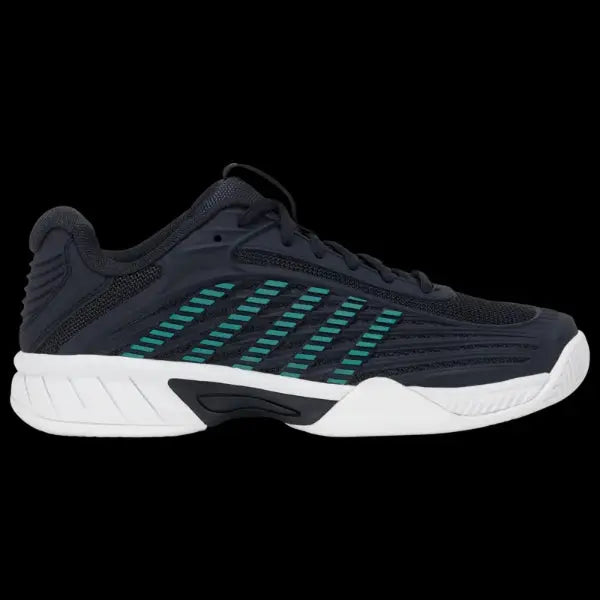
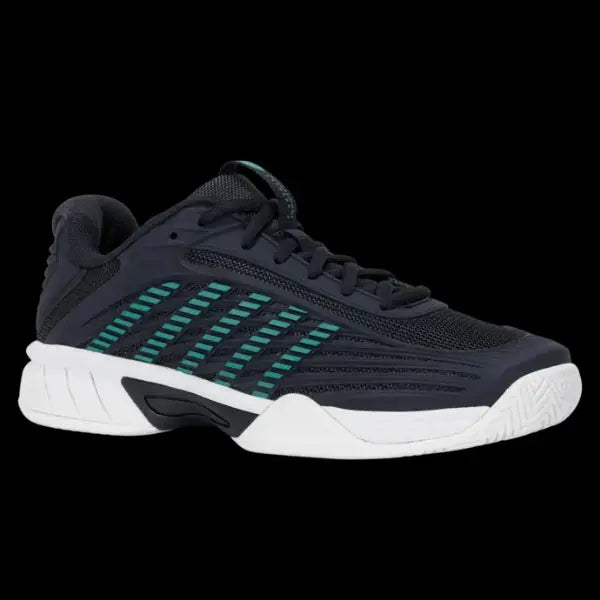
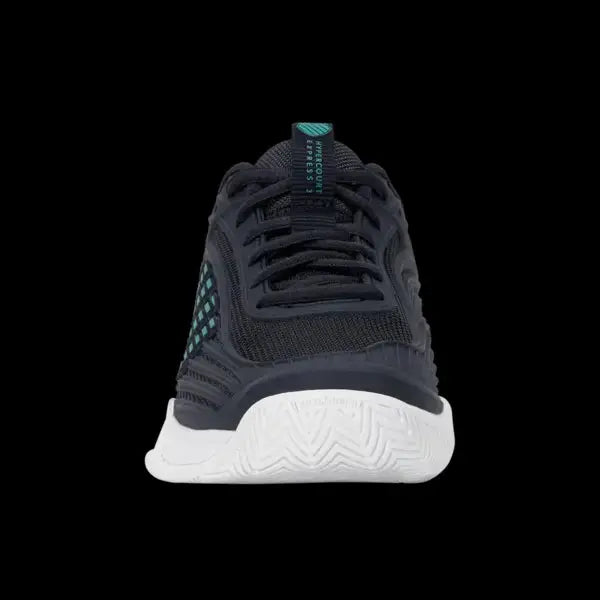
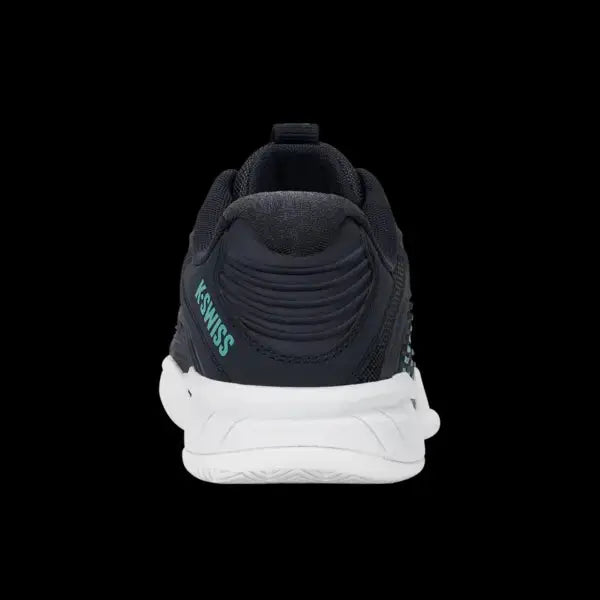
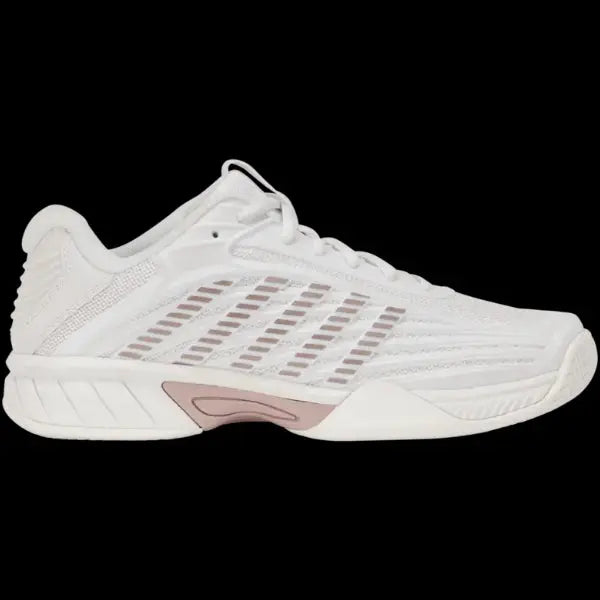
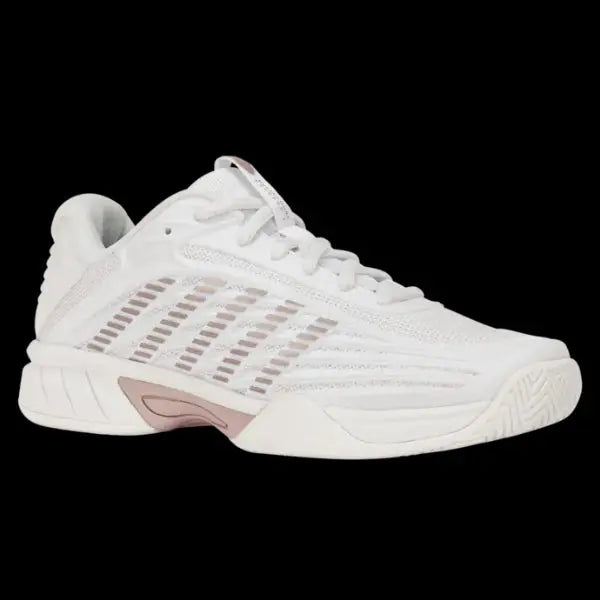
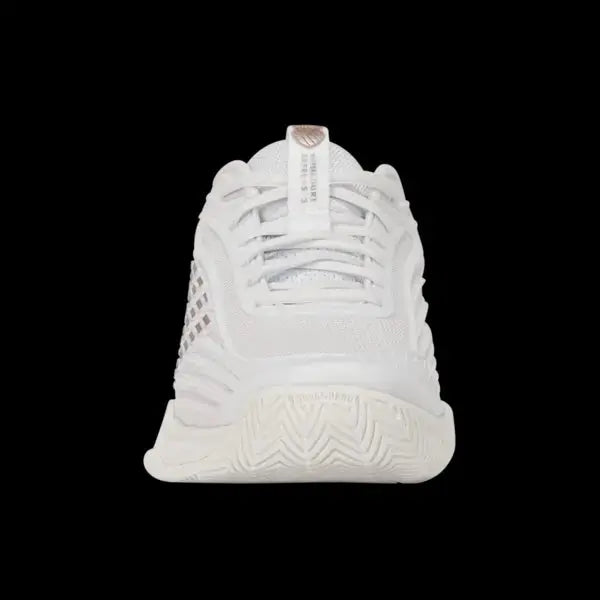
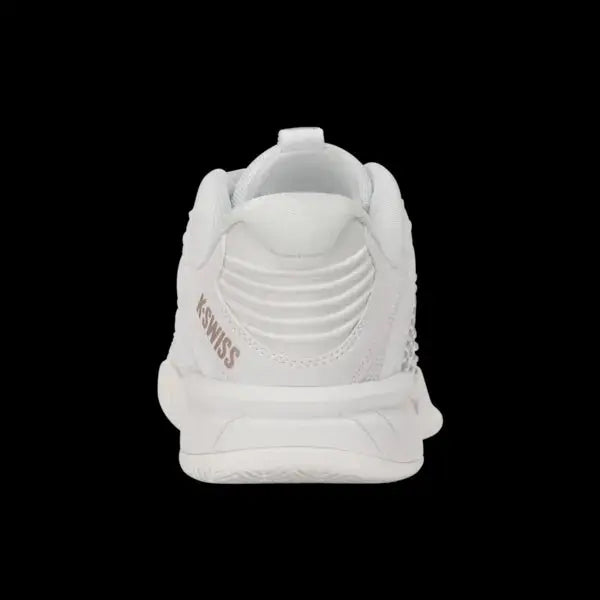
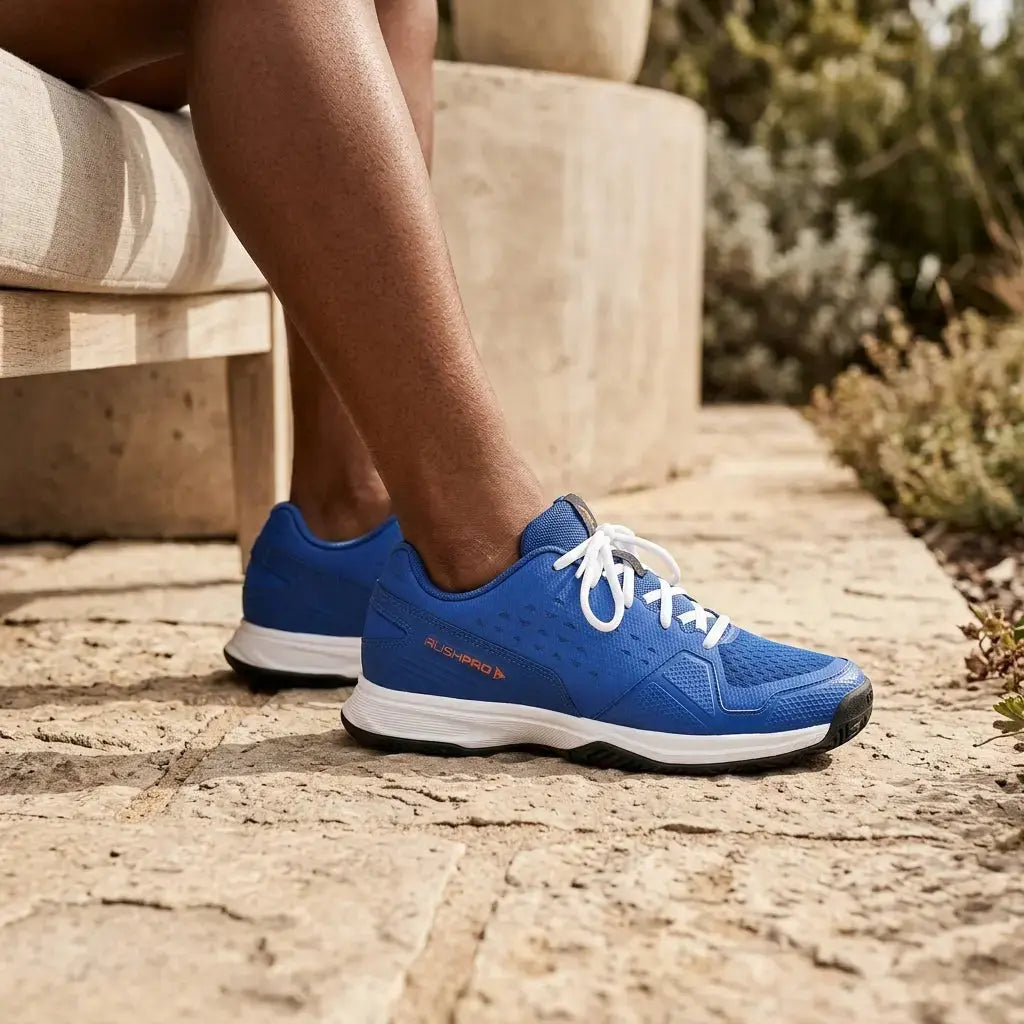
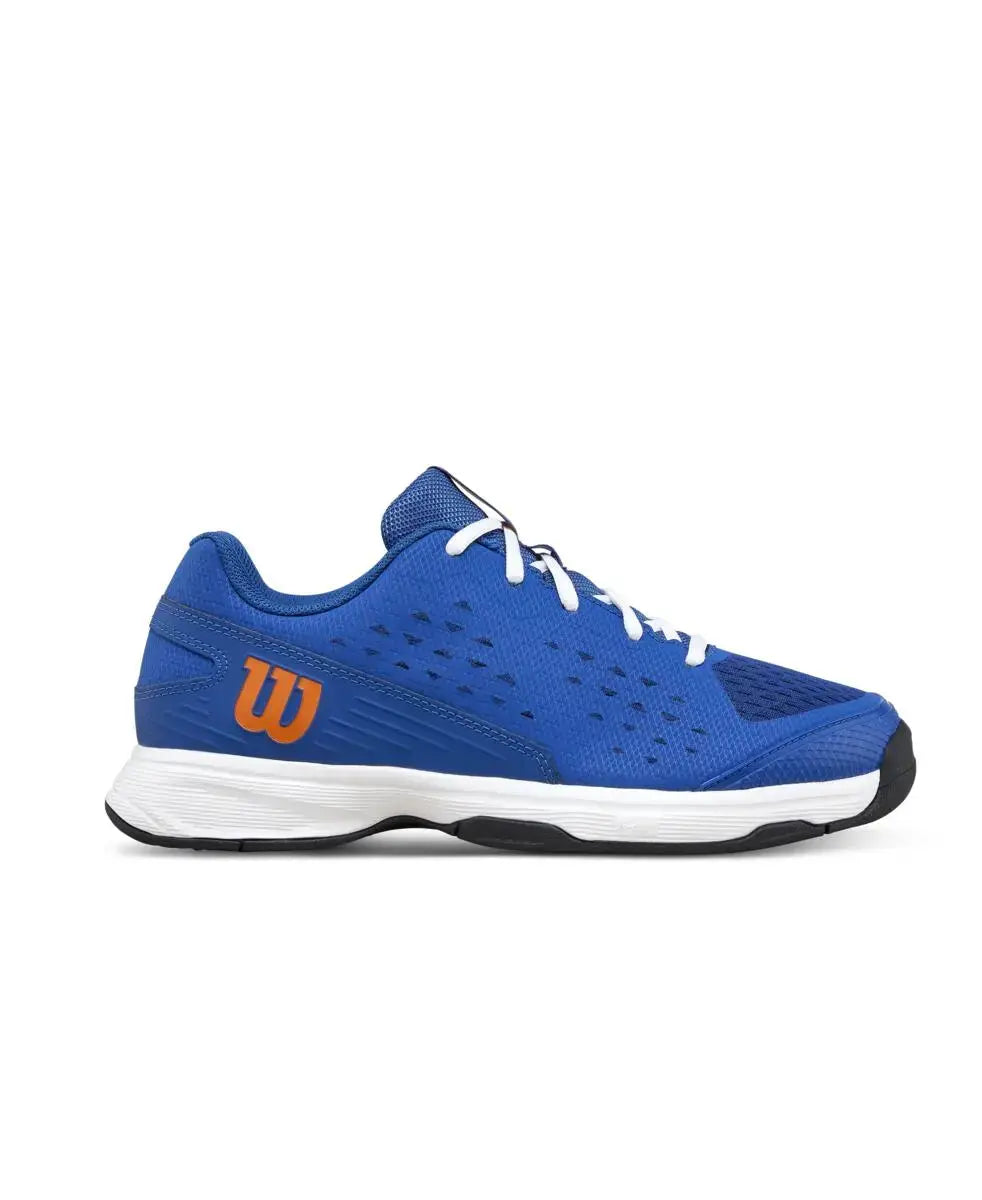
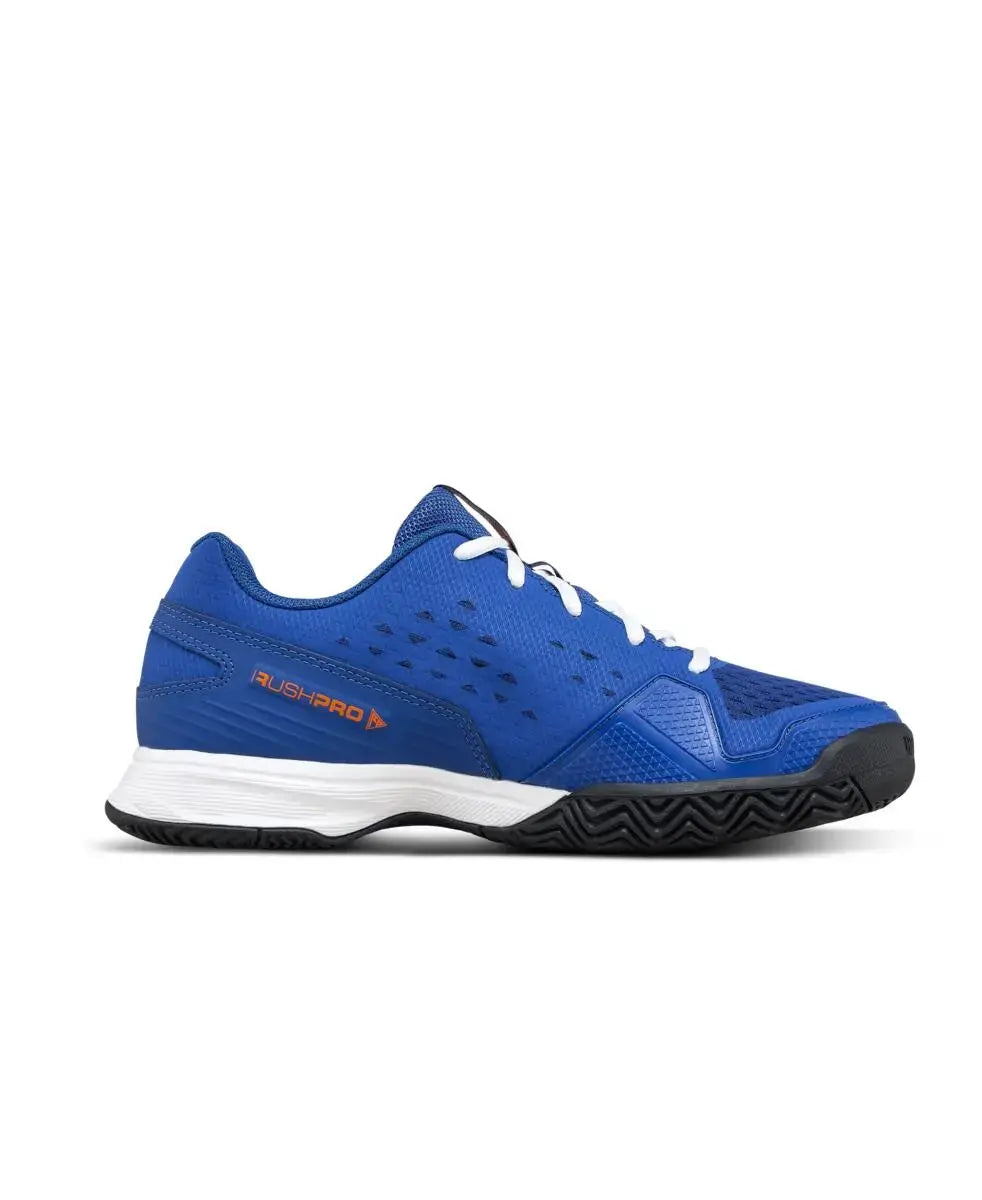
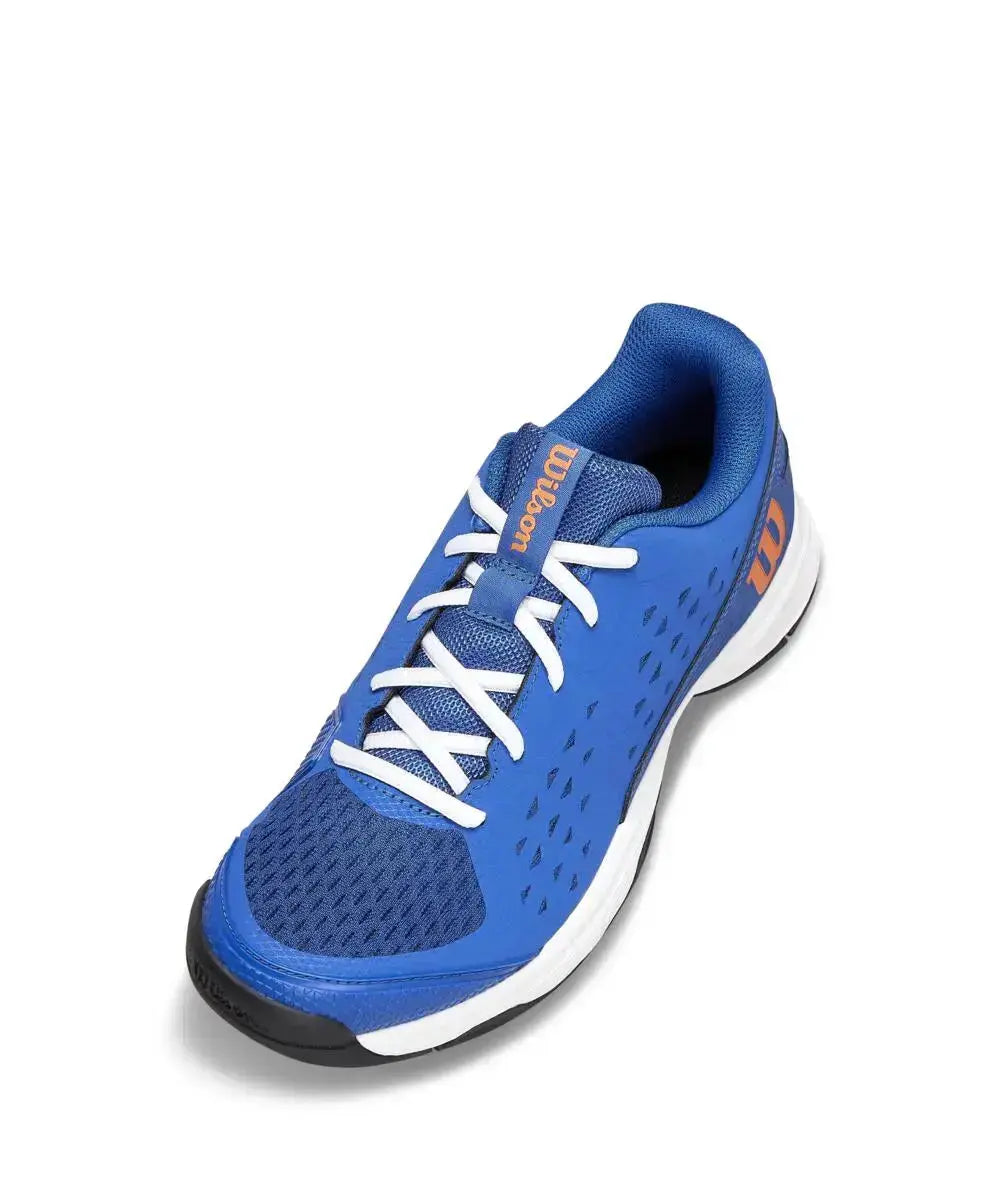
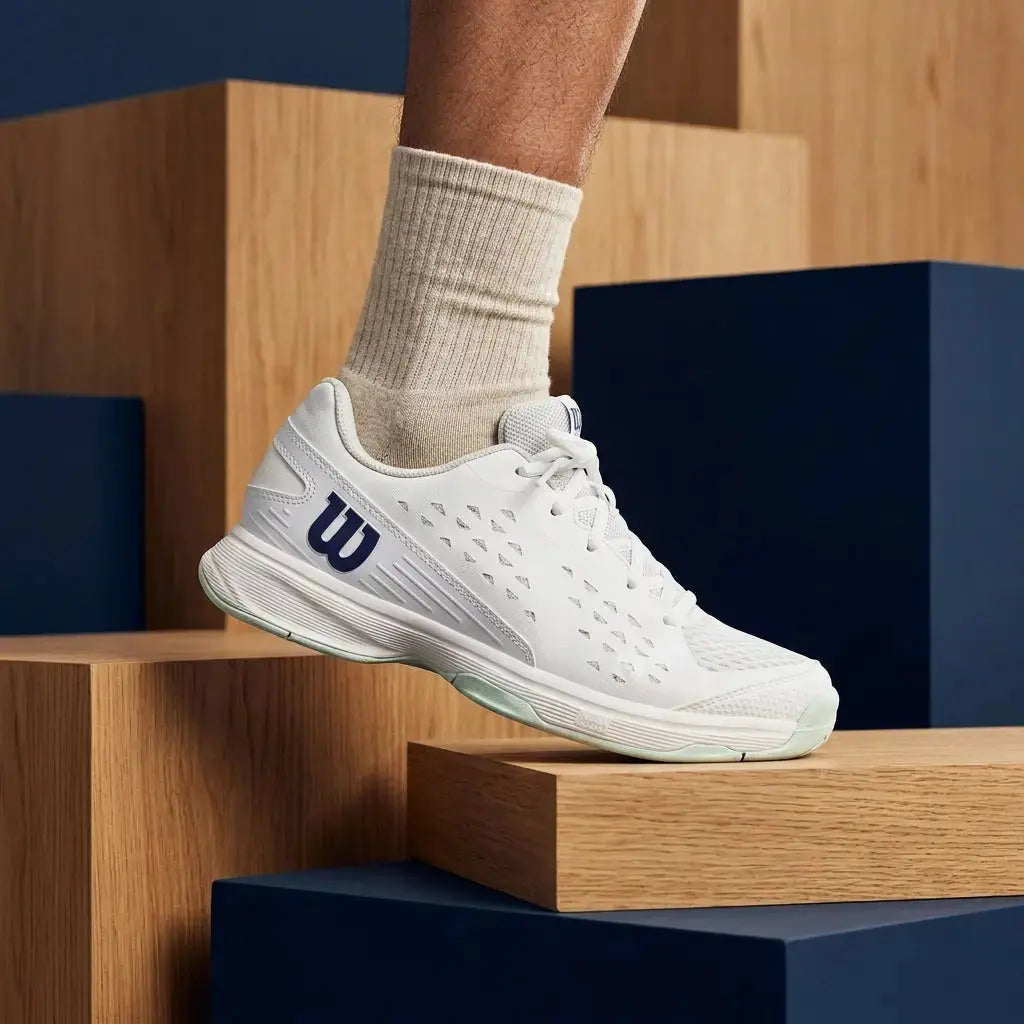
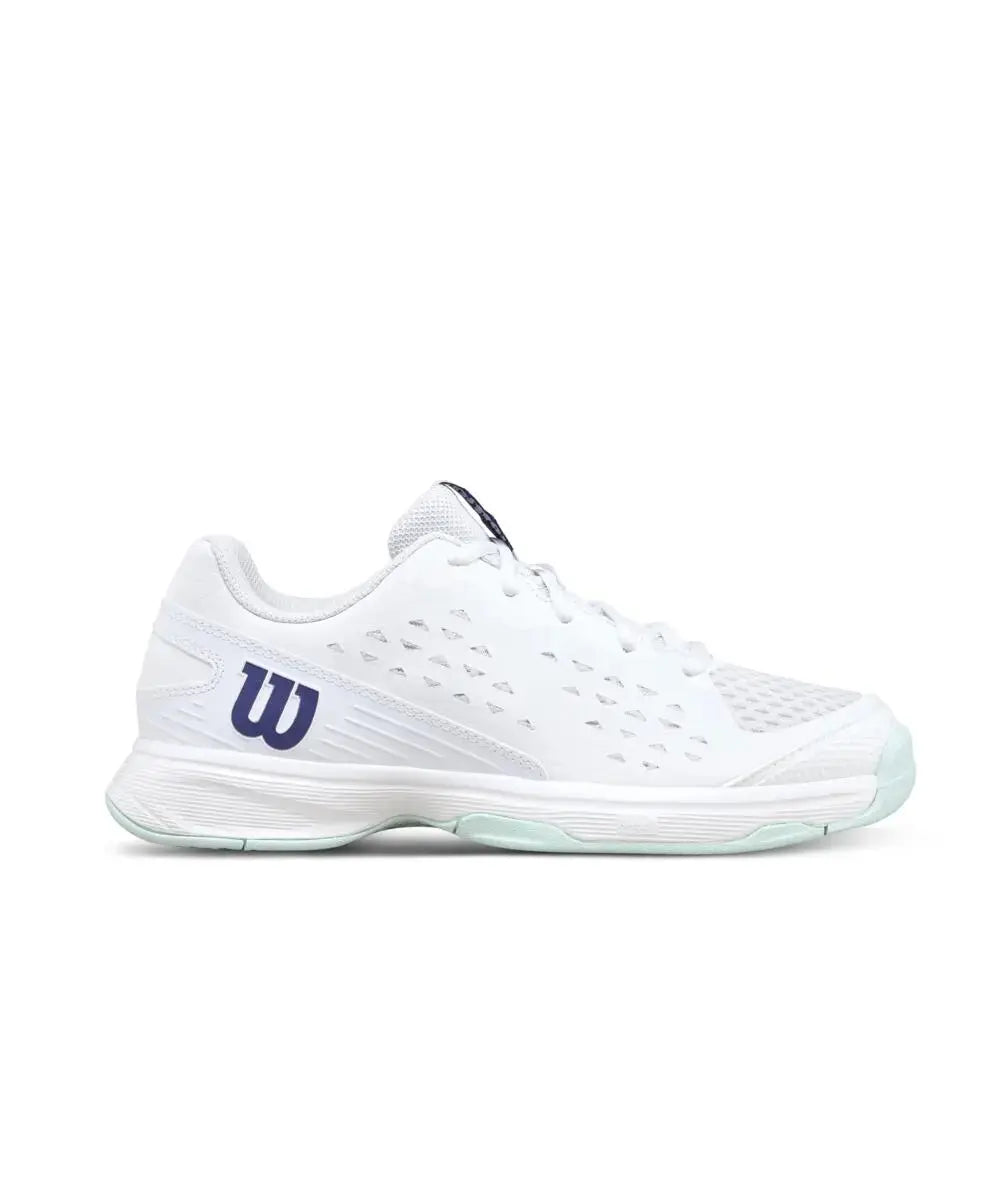
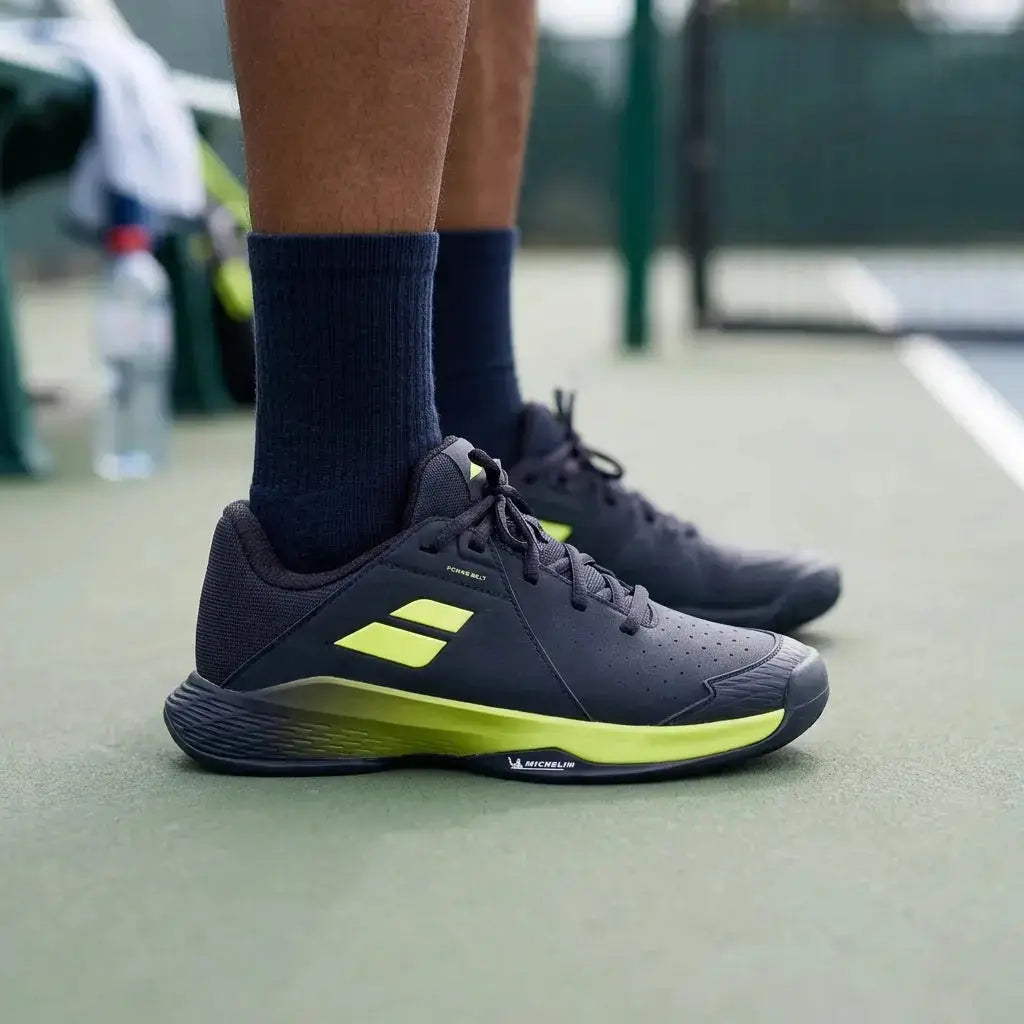
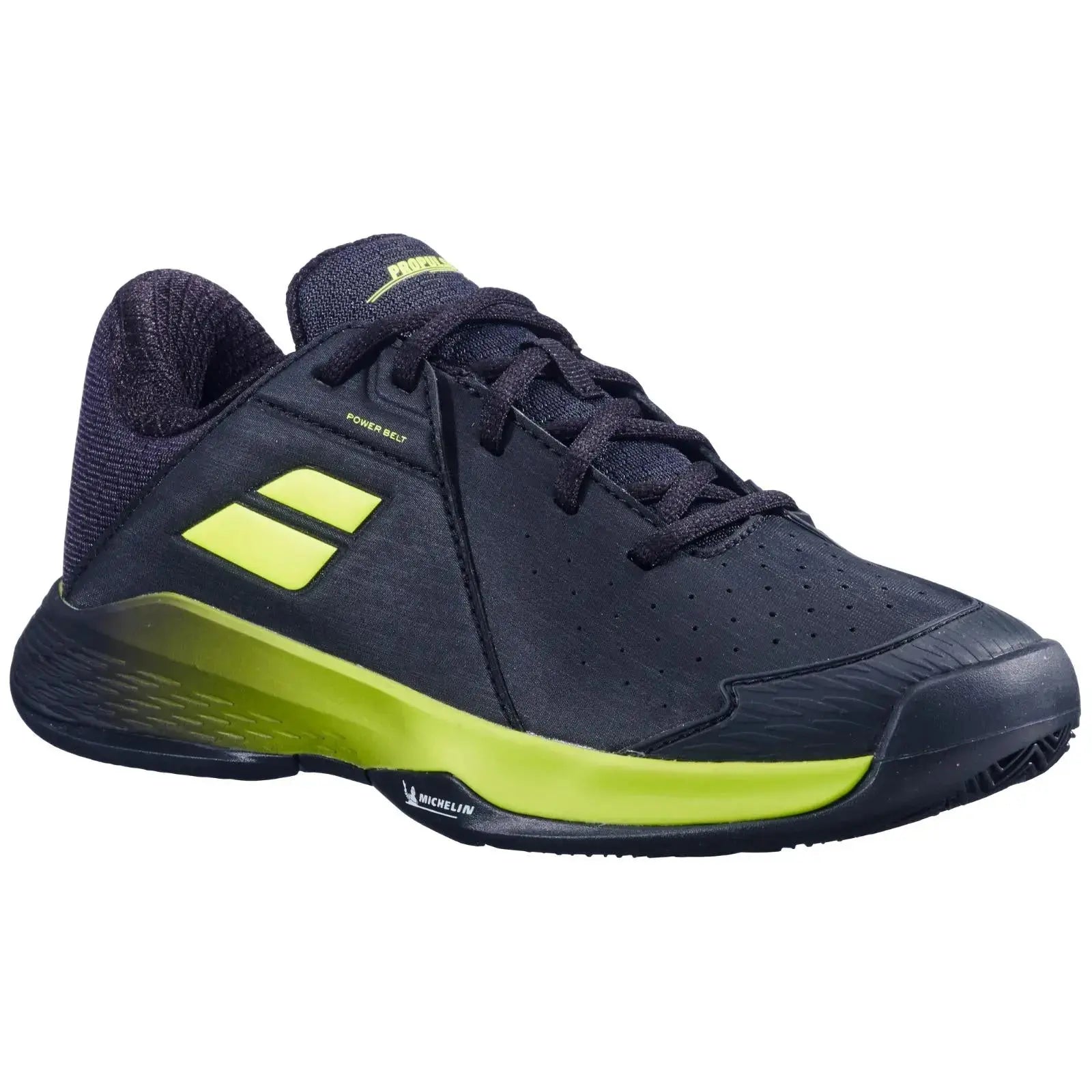
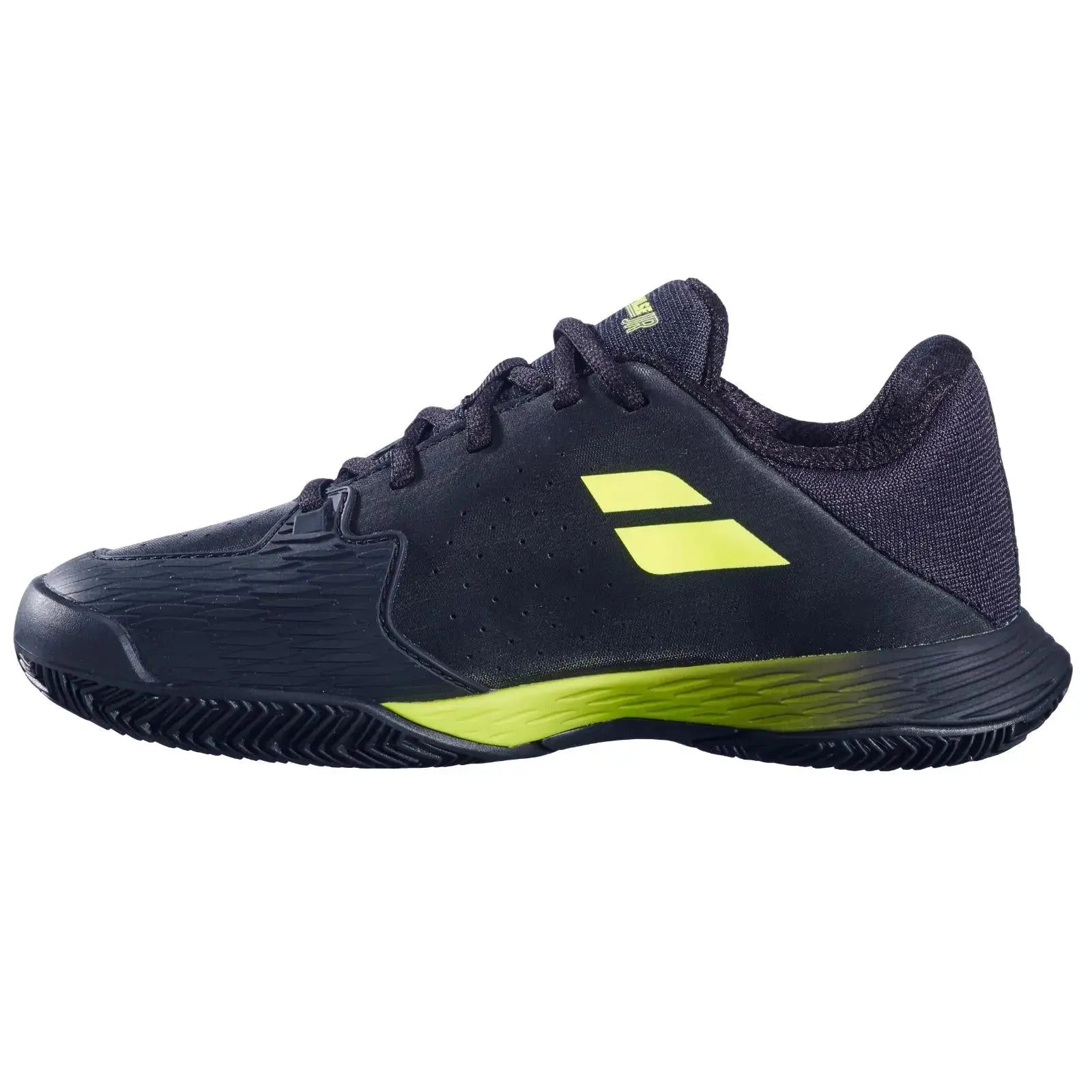
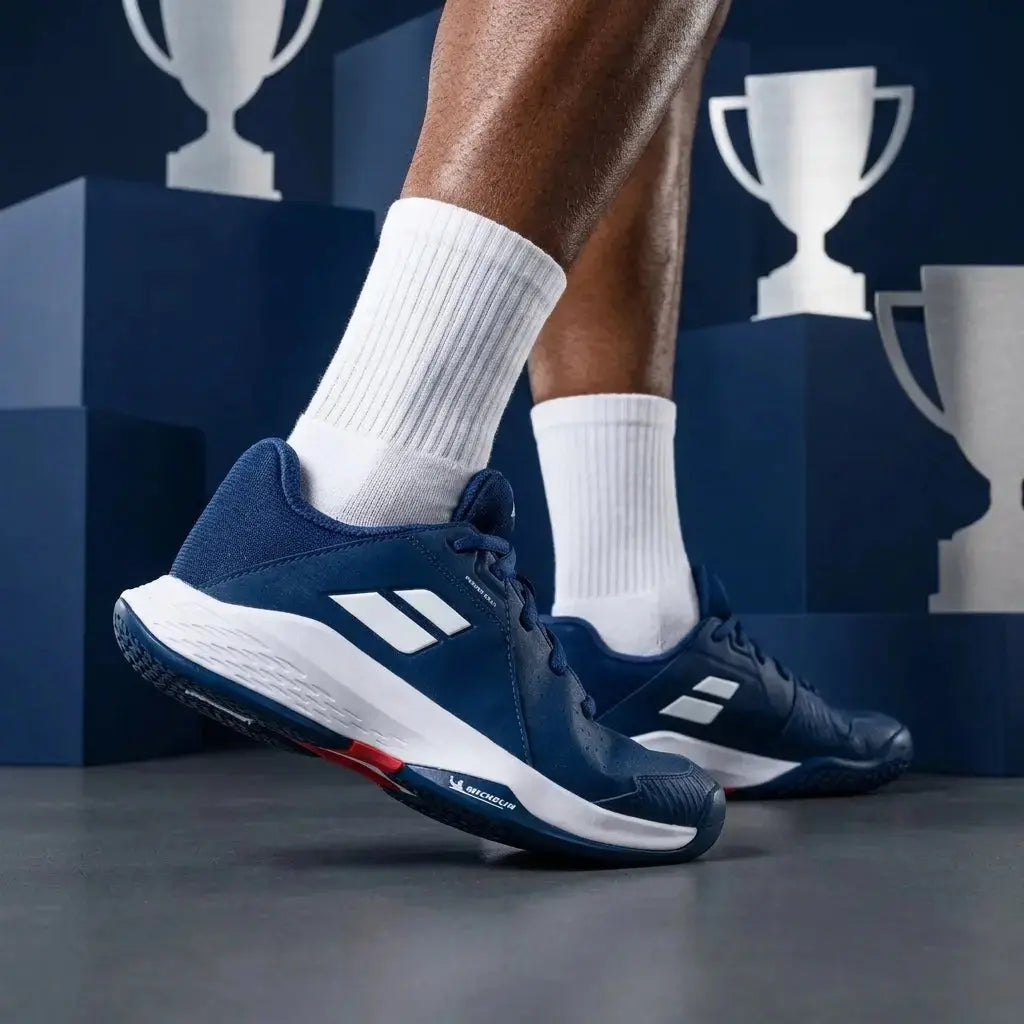
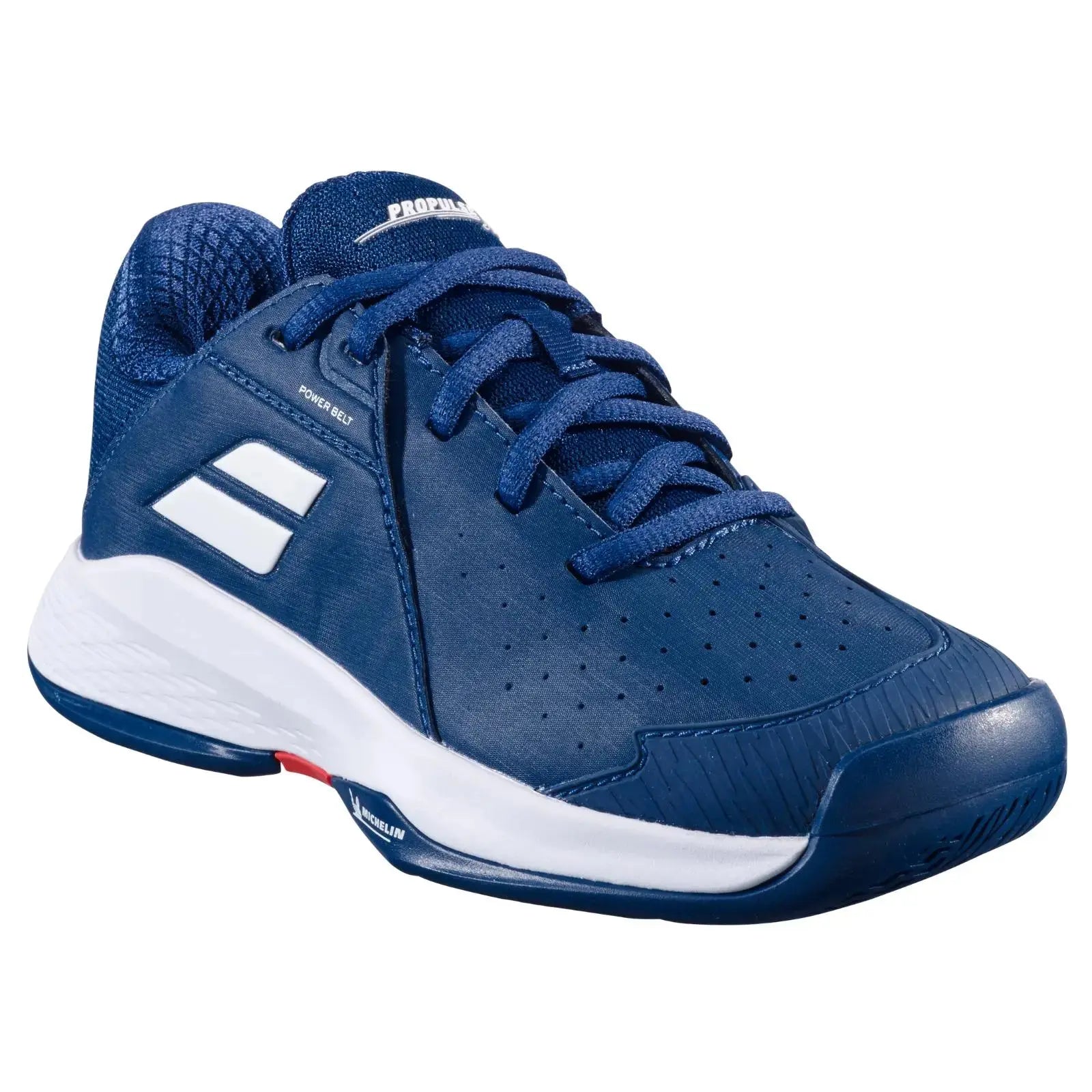
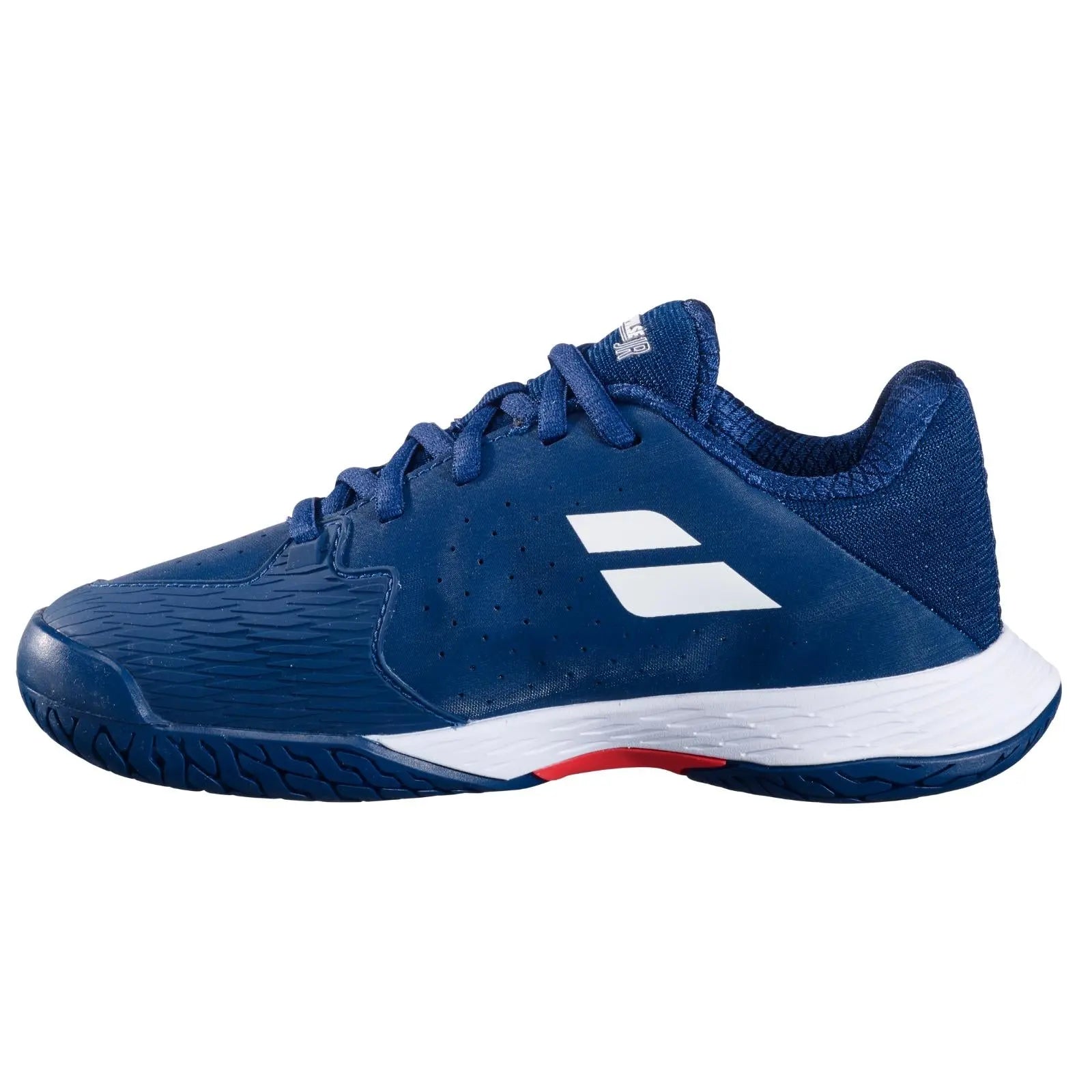
Tennis shoes selected to support growing feet and safe movement on court.
At Sturdy Racquets, our range of junior tennis shoes is carefully selected from trusted tennis brands to support comfort, stability, and confidence for young players. Designed specifically for junior foot shapes and on-court movement, these shoes help provide the grip and support needed for training, school tennis, and match play.
Ideal for beginners and developing junior players across all court surfaces.
Why Junior Tennis Shoes Matter
Junior tennis shoes play an important role in helping young players move safely and comfortably on court. Tennis involves quick starts, stops, and side-to-side movement, which requires more support than everyday or running shoes can provide.
Shoes designed specifically for junior players help promote proper movement, reduce slipping, and support growing feet during training and matches.
Who Are Junior Tennis Shoes For?
Junior tennis shoes are ideal for:
-
Kids learning tennis for the first time
-
Junior players attending coaching sessions
-
School and club tennis programs
-
Developing players transitioning into regular match play
Using the right footwear helps young players build confidence and focus on improving their skills.
Key Features to Look for in Junior Tennis Shoes
When choosing junior tennis shoes, consider:
-
Lateral Support Stability for side-to-side movement
-
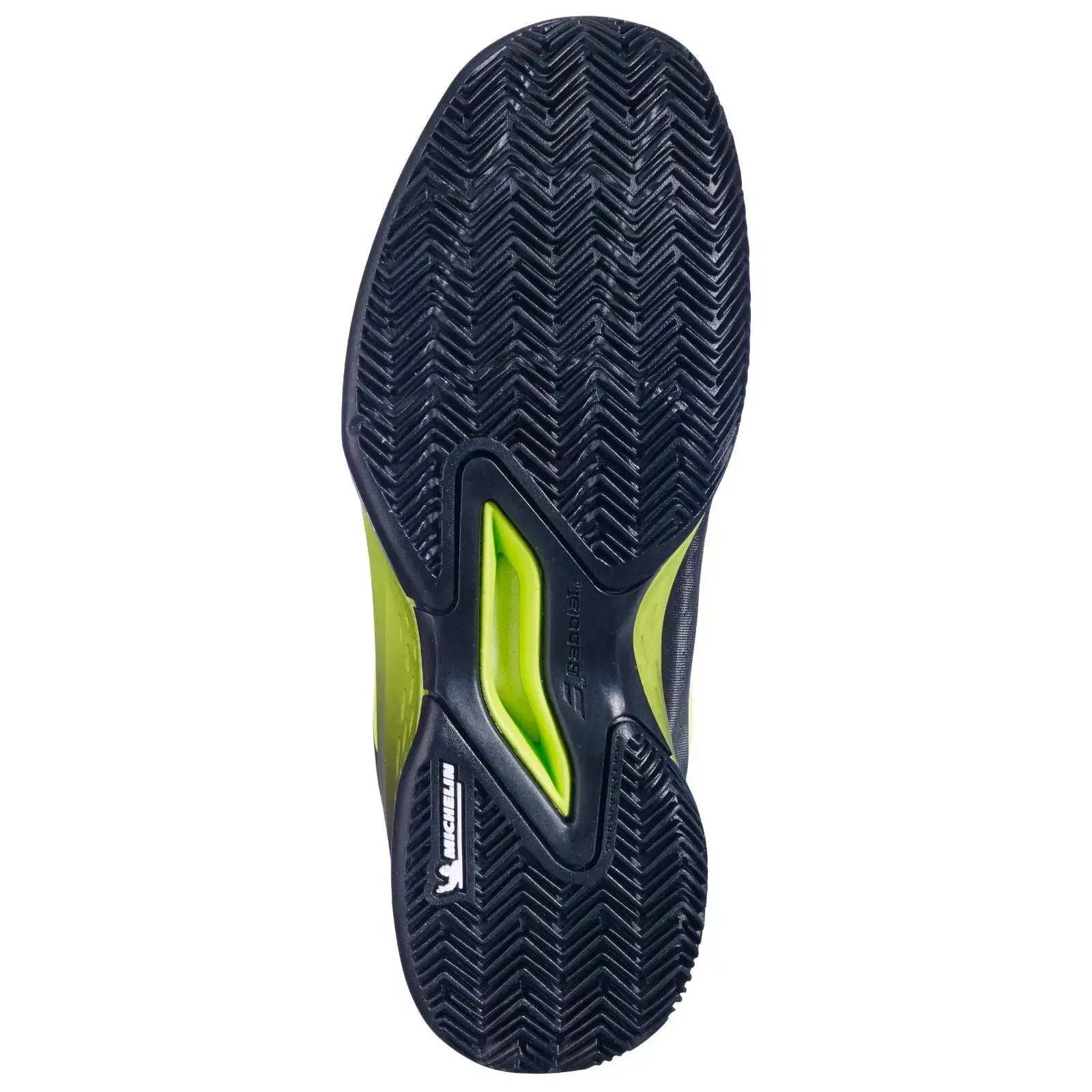
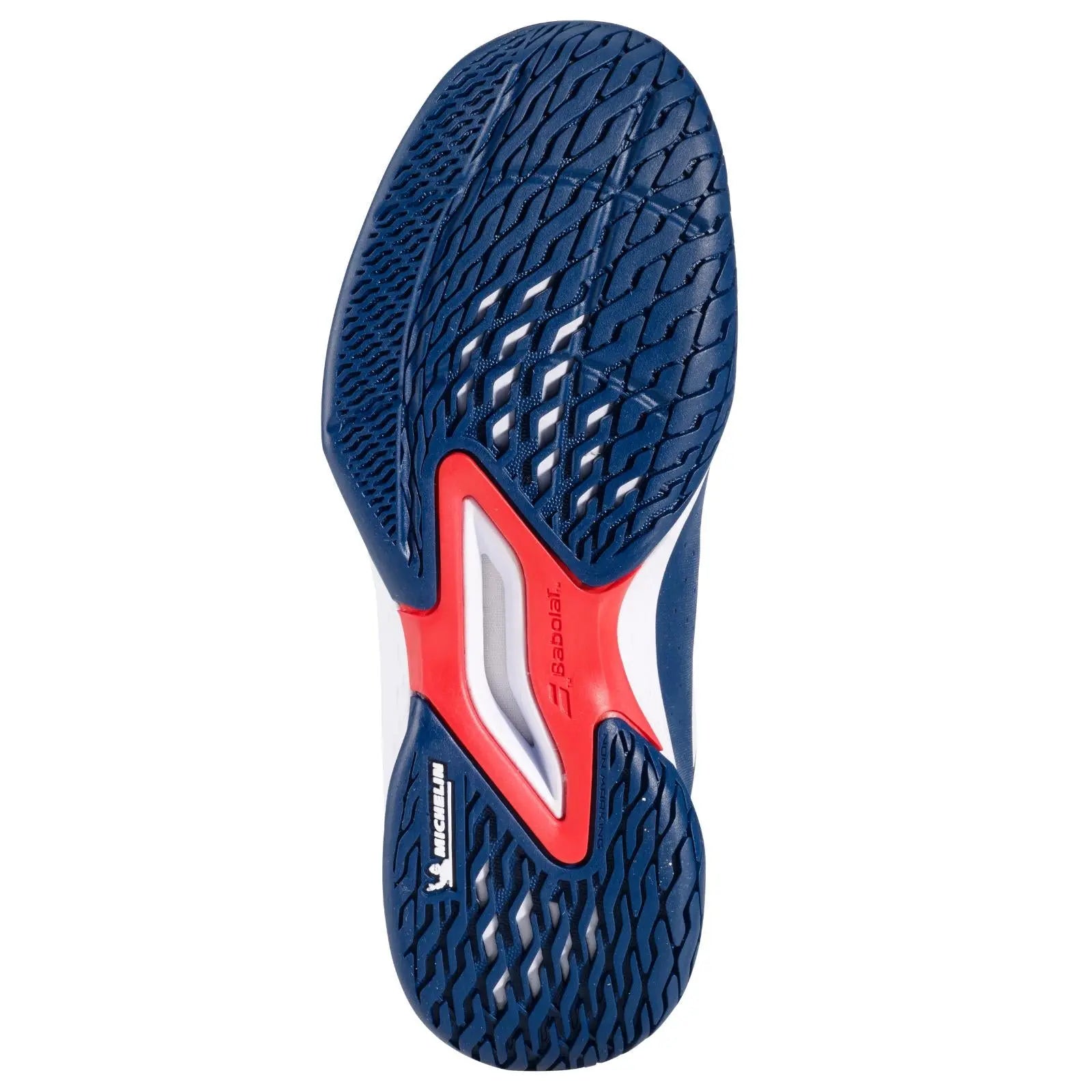
Court Grip Traction suitable for tennis surfaces
-
Comfort & Cushioning Support for growing feet
-
Durable Construction Built to handle regular use
-
Secure Fit Helps prevent foot movement inside the shoe
Junior Tennis Shoes by Court Surface
Most junior tennis shoes are designed as all court shoes, making them suitable for hard courts and common school or club surfaces. This versatility makes them a practical option for most junior players.
Trusted Junior Tennis Shoe Brands
At Sturdy Racquets, we stock junior tennis shoes from trusted performance brands, including:
Each model is selected for comfort, durability, and junior-friendly design.
Complete Your Junior Setup
Pair junior tennis shoes with:
Junior Tennis Shoes FAQs
Why do juniors need tennis-specific shoes?
Tennis-specific shoes provide lateral support and grip needed for quick movement on court. Regular or running shoes don t offer the same level of stability.
Are junior tennis shoes different from adult tennis shoes?
Yes. Junior tennis shoes are designed for smaller, growing feet and are generally lighter and more flexible than adult models.
Can junior tennis shoes be used for other sports?
They can be used occasionally, but they re best suited for tennis courts where grip and side-to-side support are important.
How should junior tennis shoes fit?
Junior tennis shoes should feel secure but comfortable, with enough room for toes to move and proper support around the heel and midfoot.
Are all junior tennis shoes suitable for hard courts?
Most junior tennis shoes are designed as all court shoes, making them suitable for hard courts and common school or club surfaces.