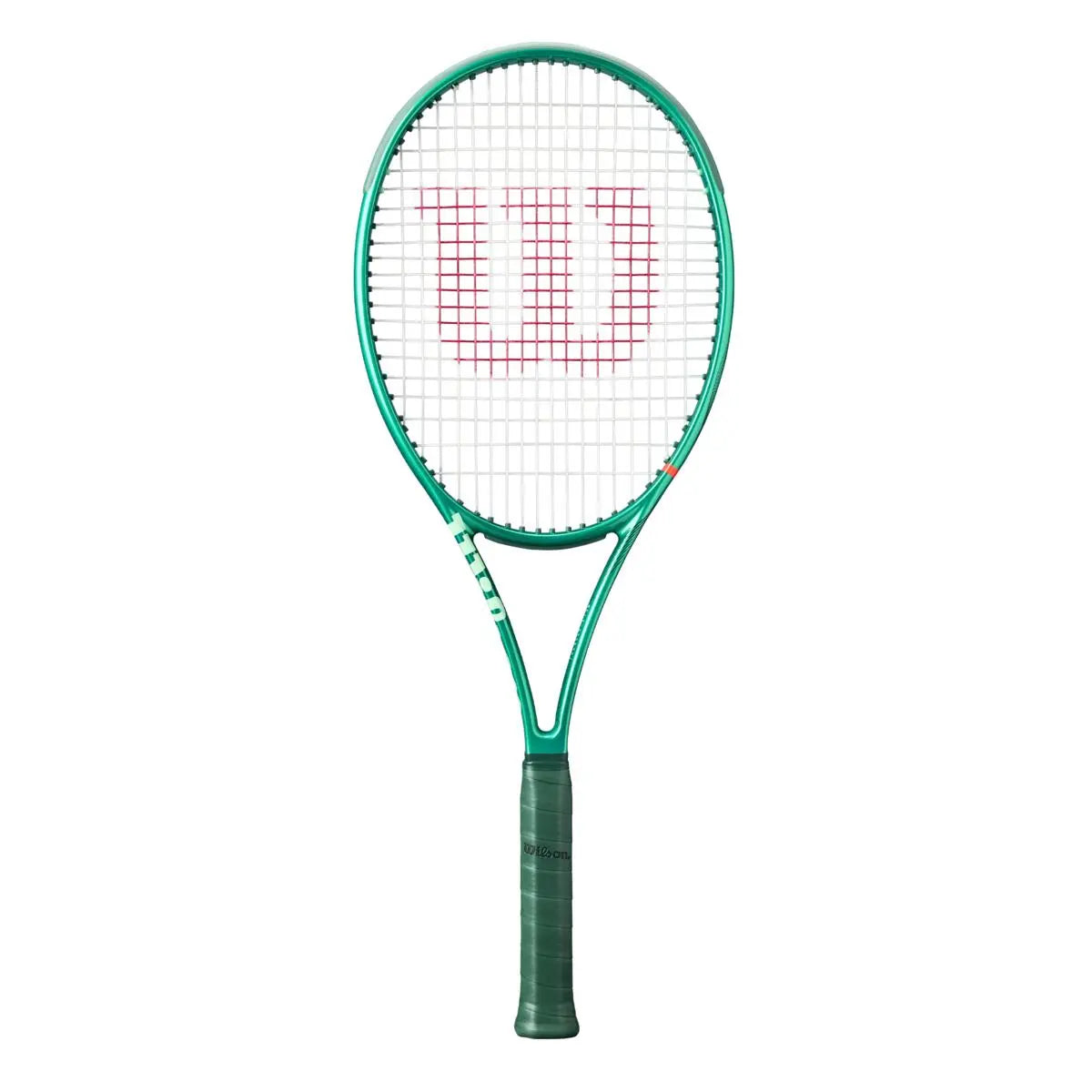
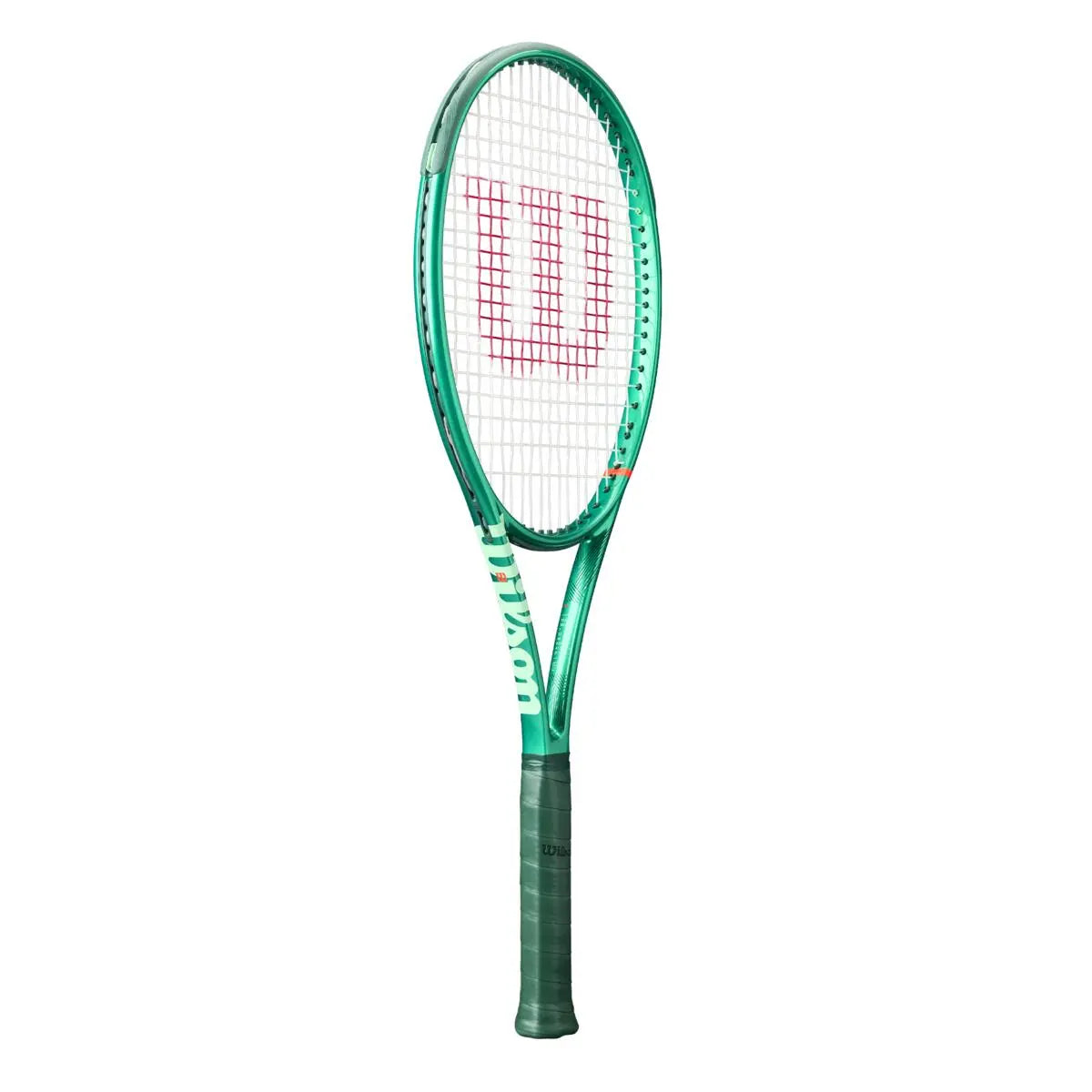
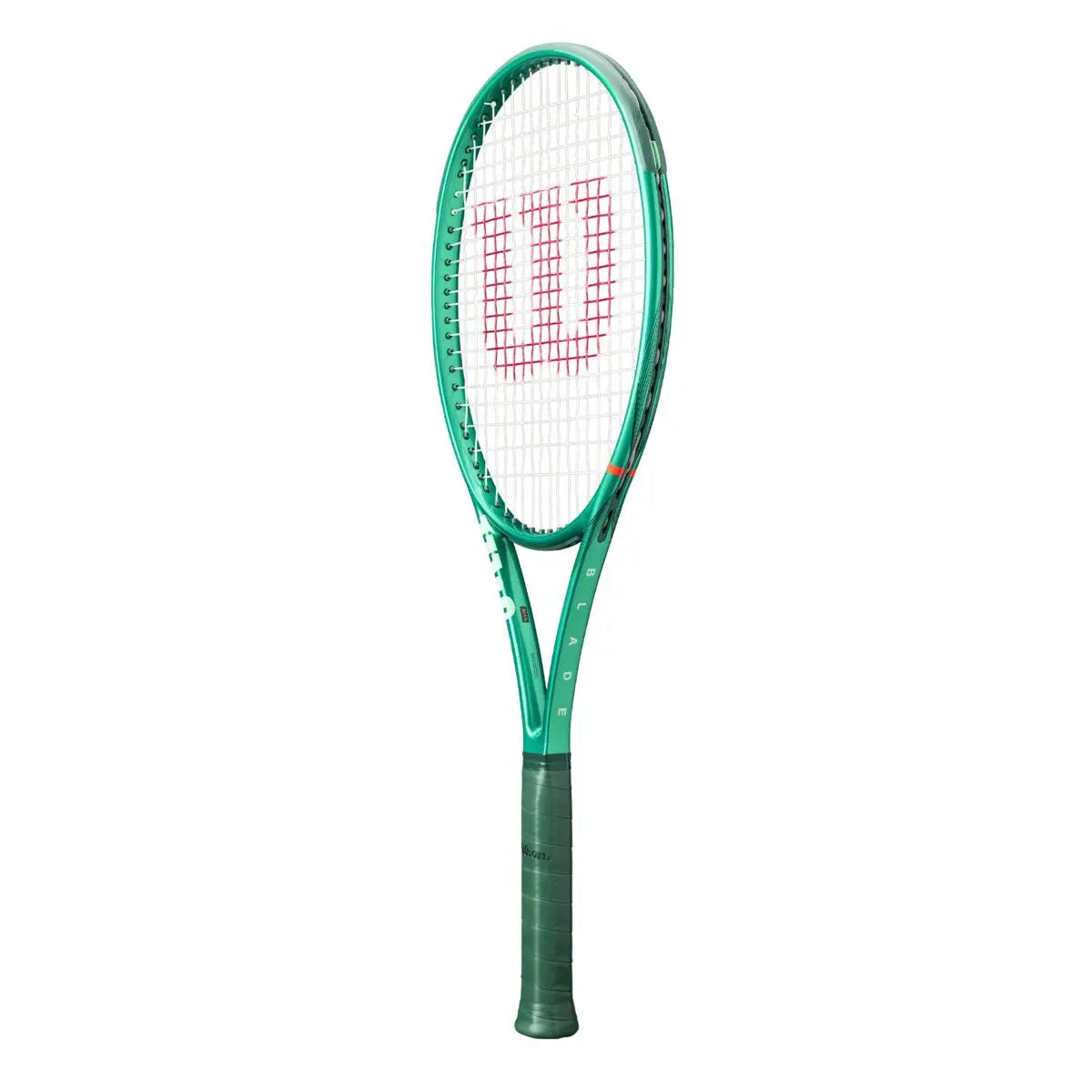
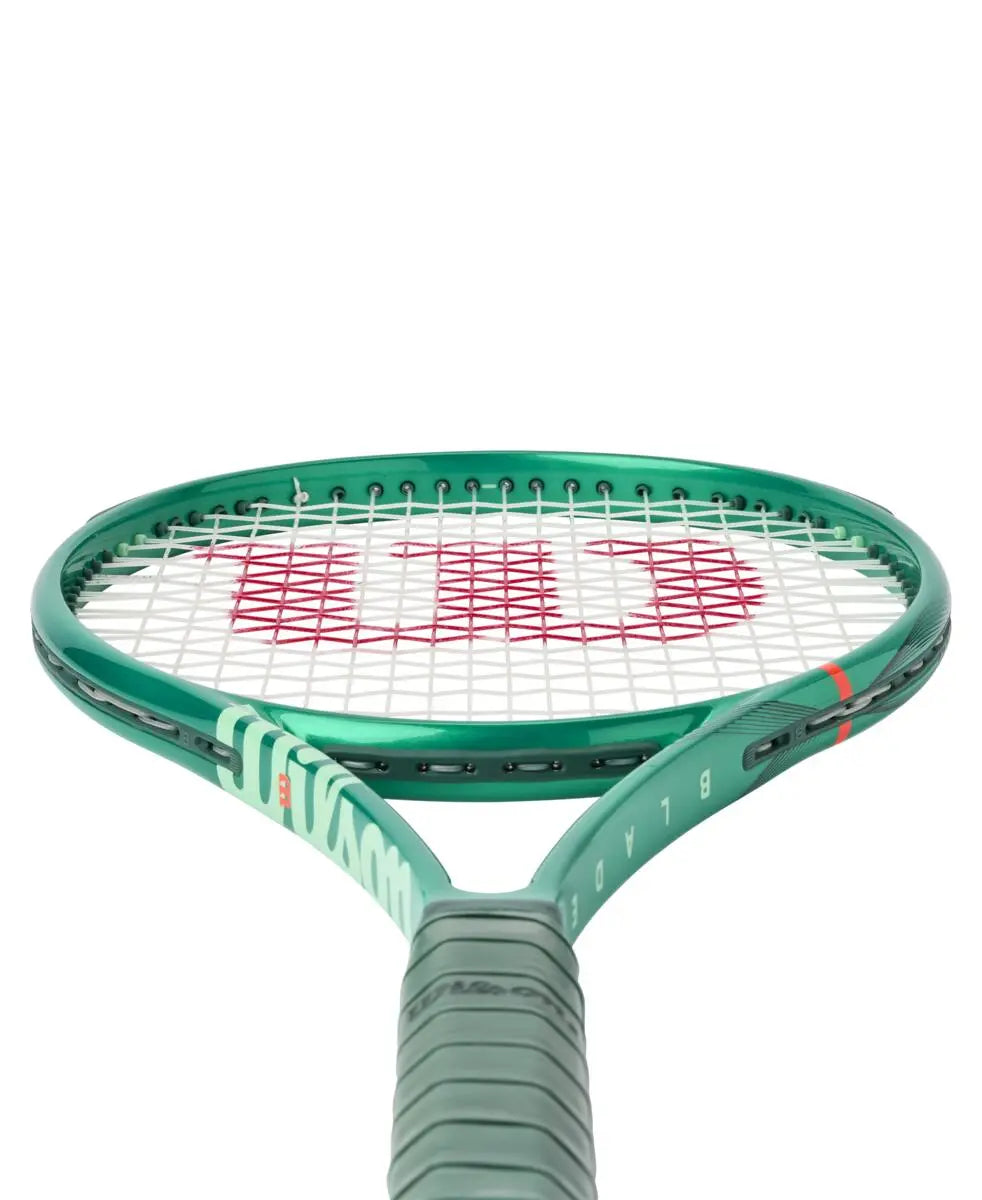
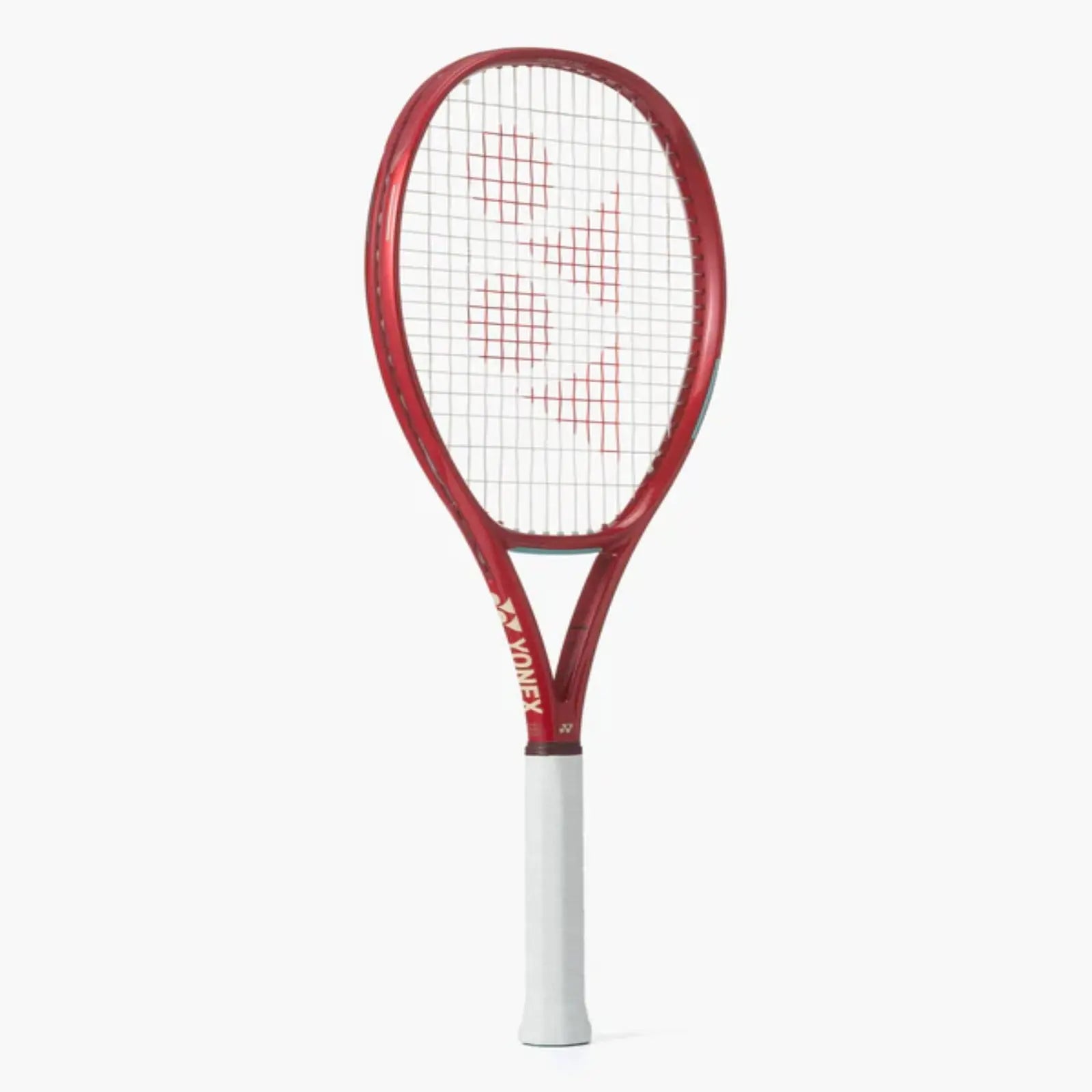
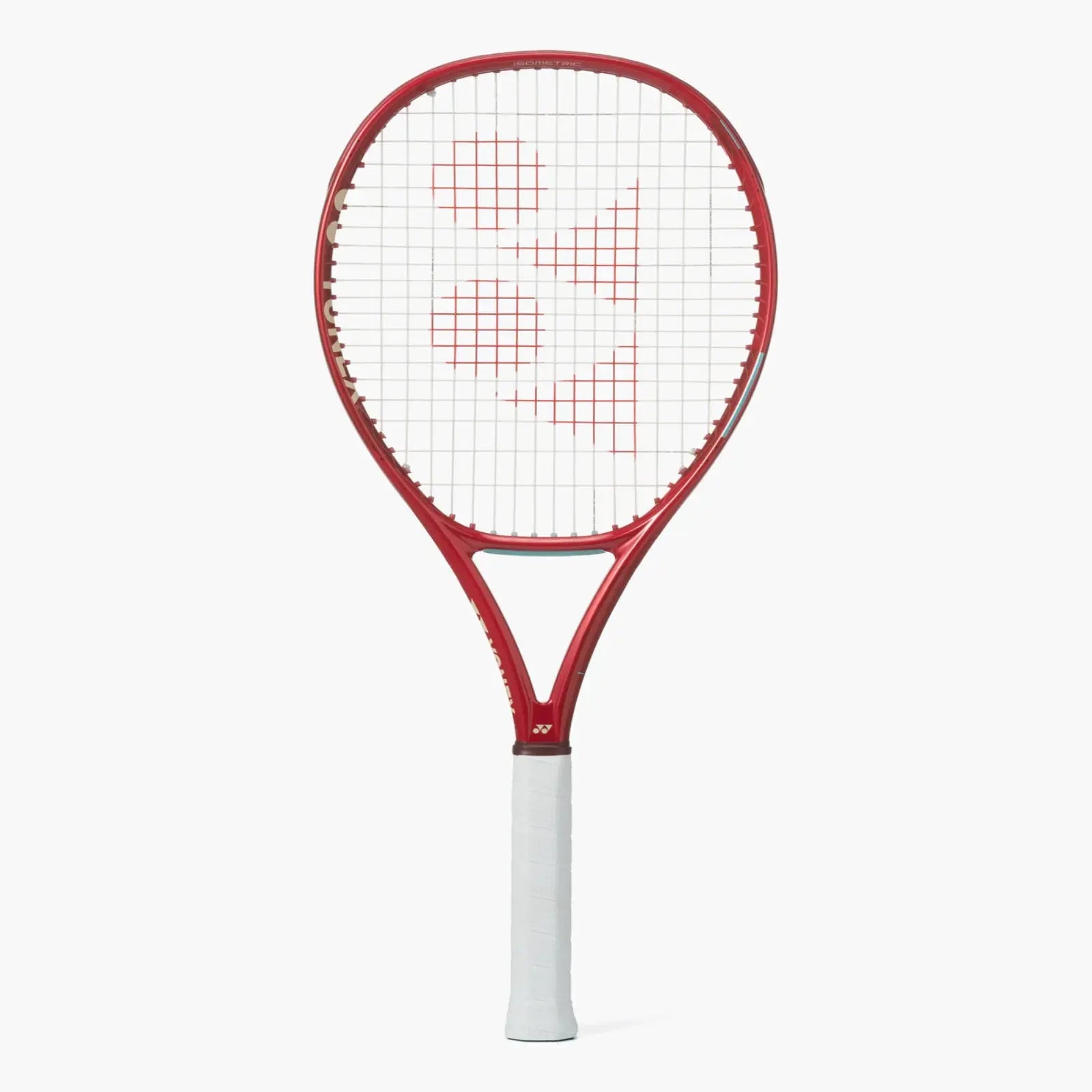
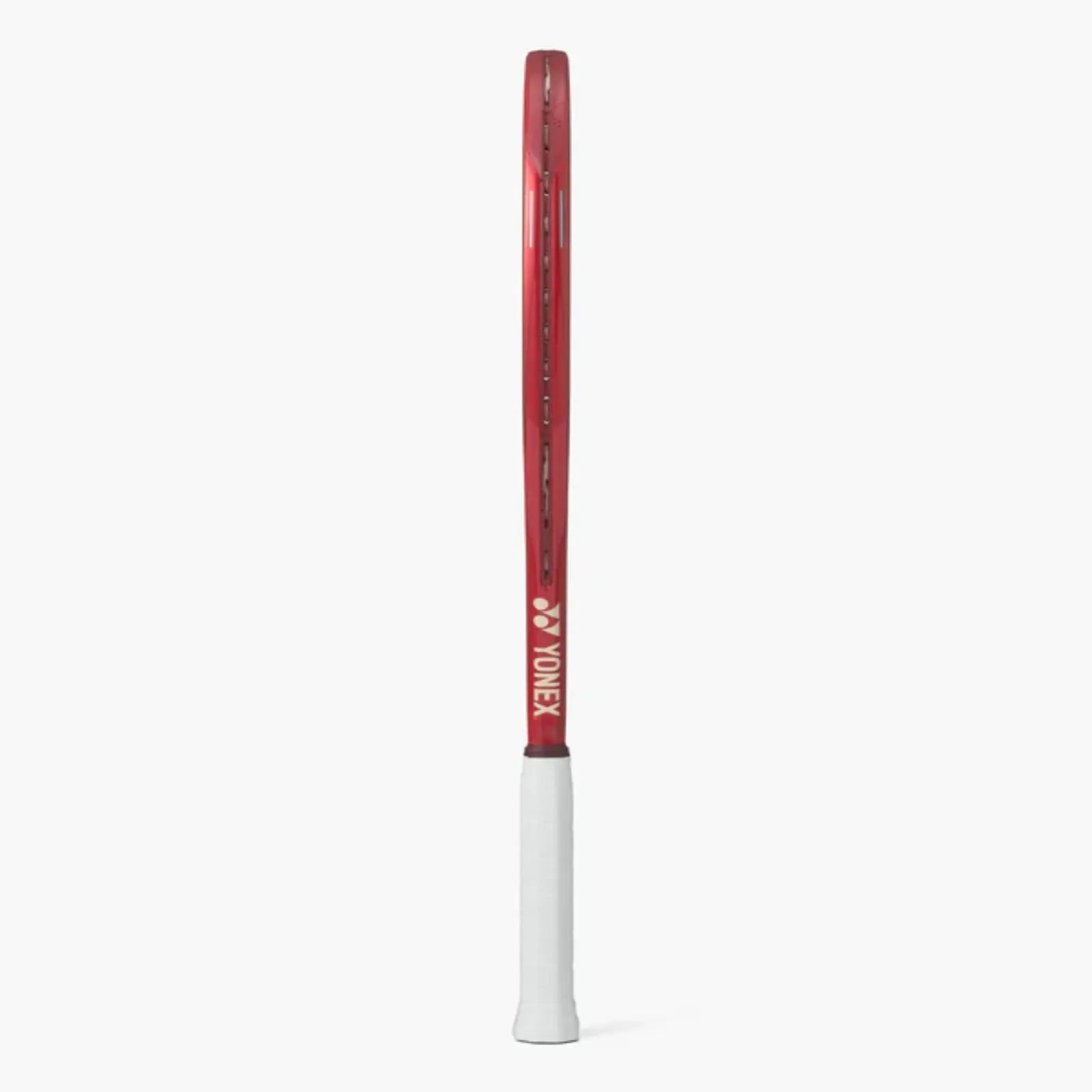
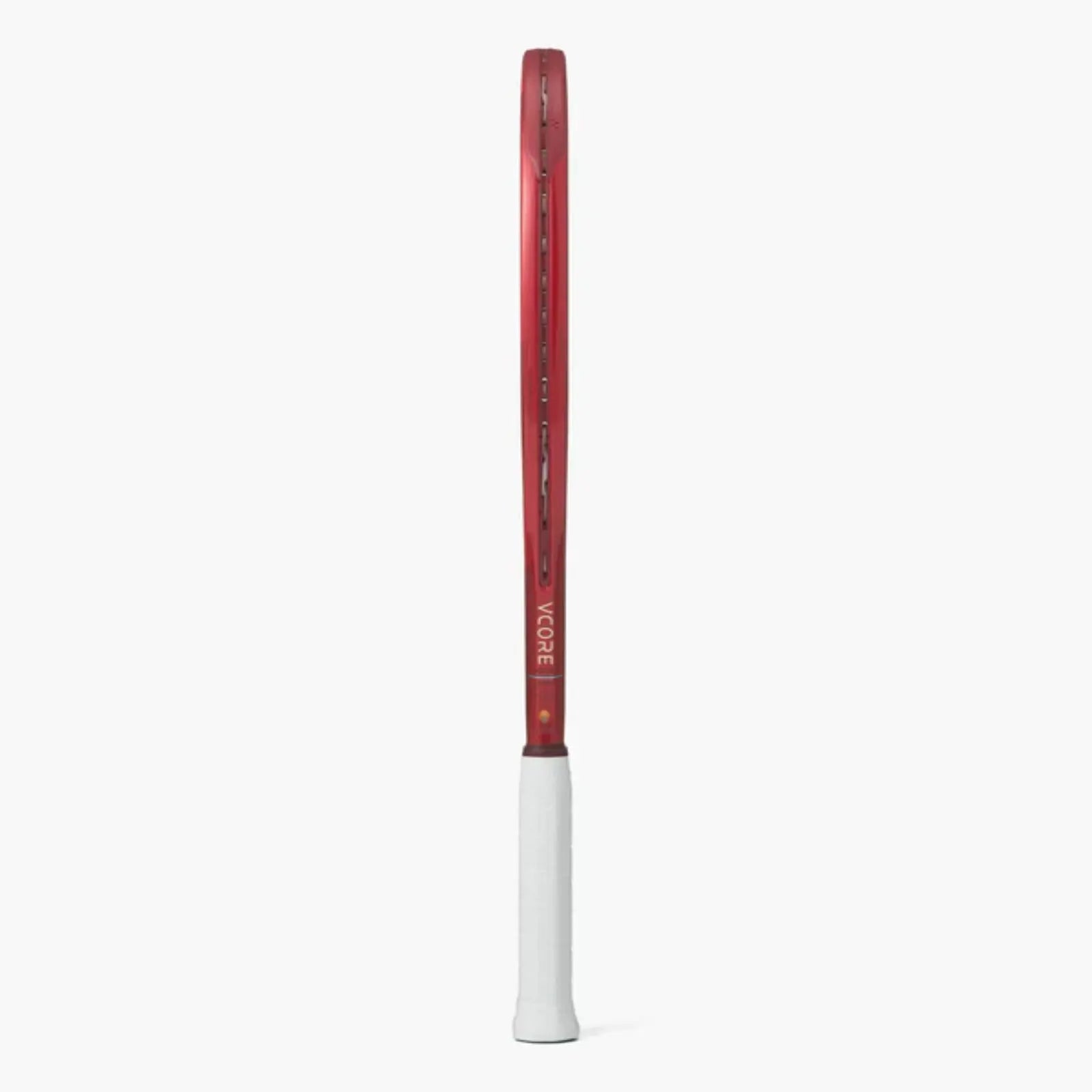
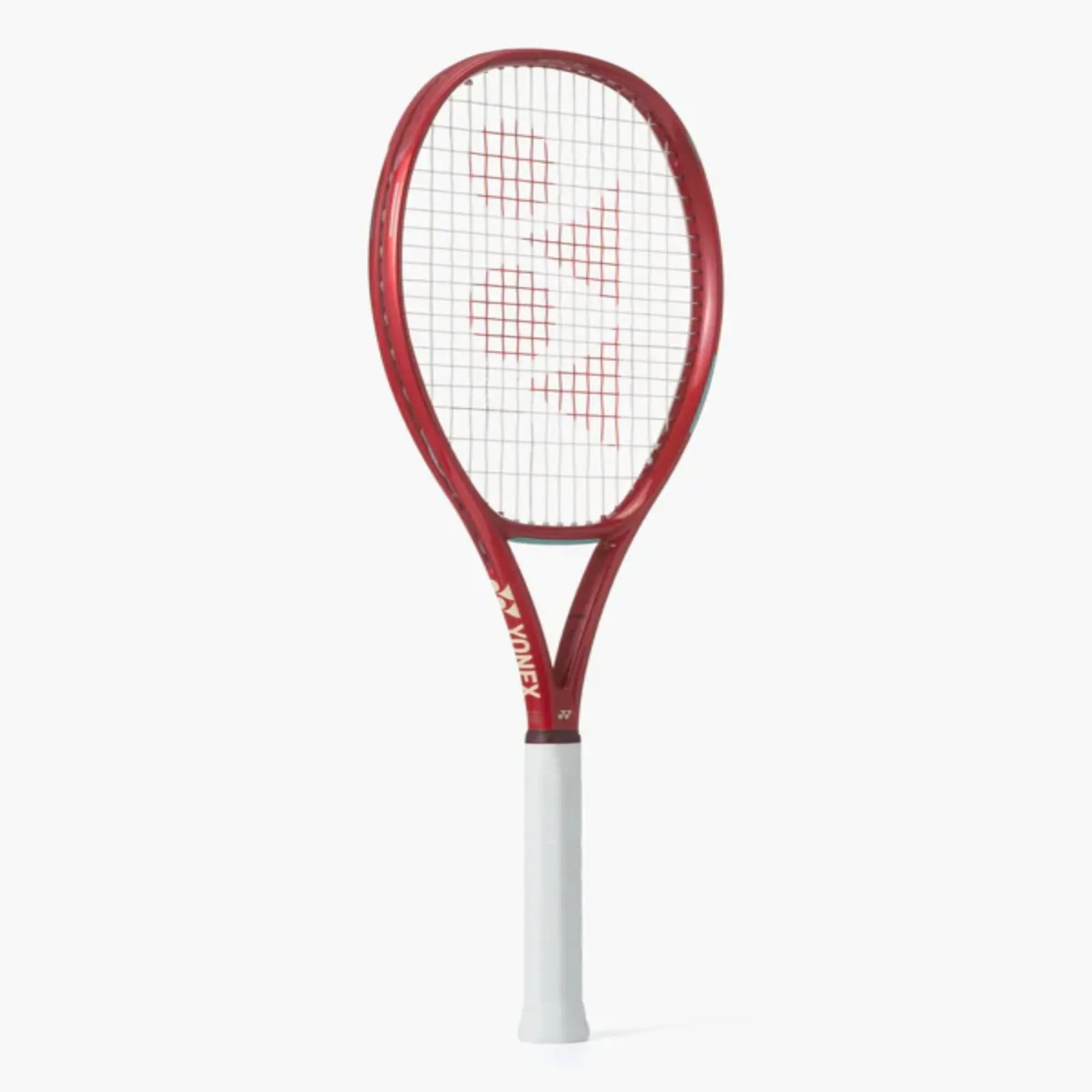
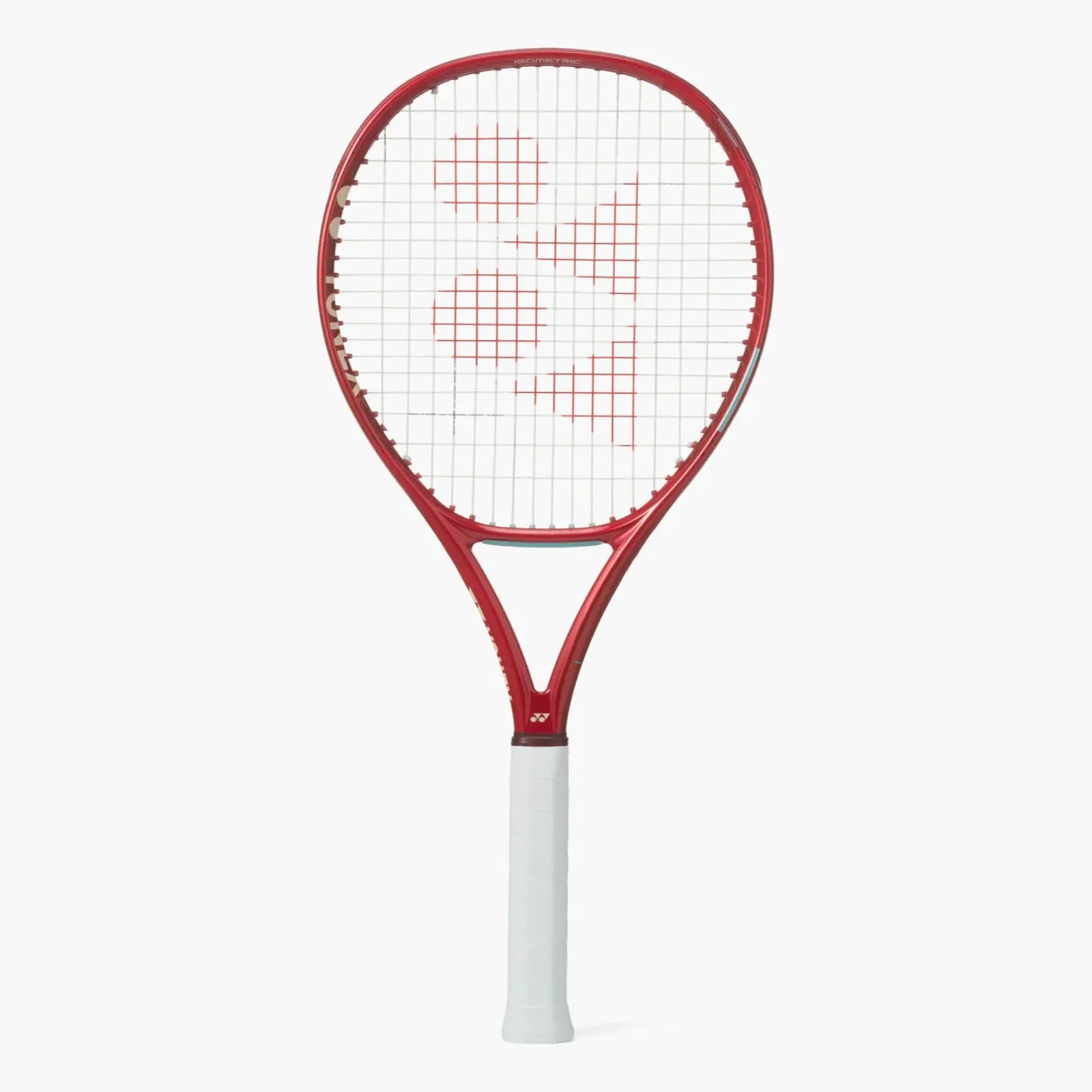
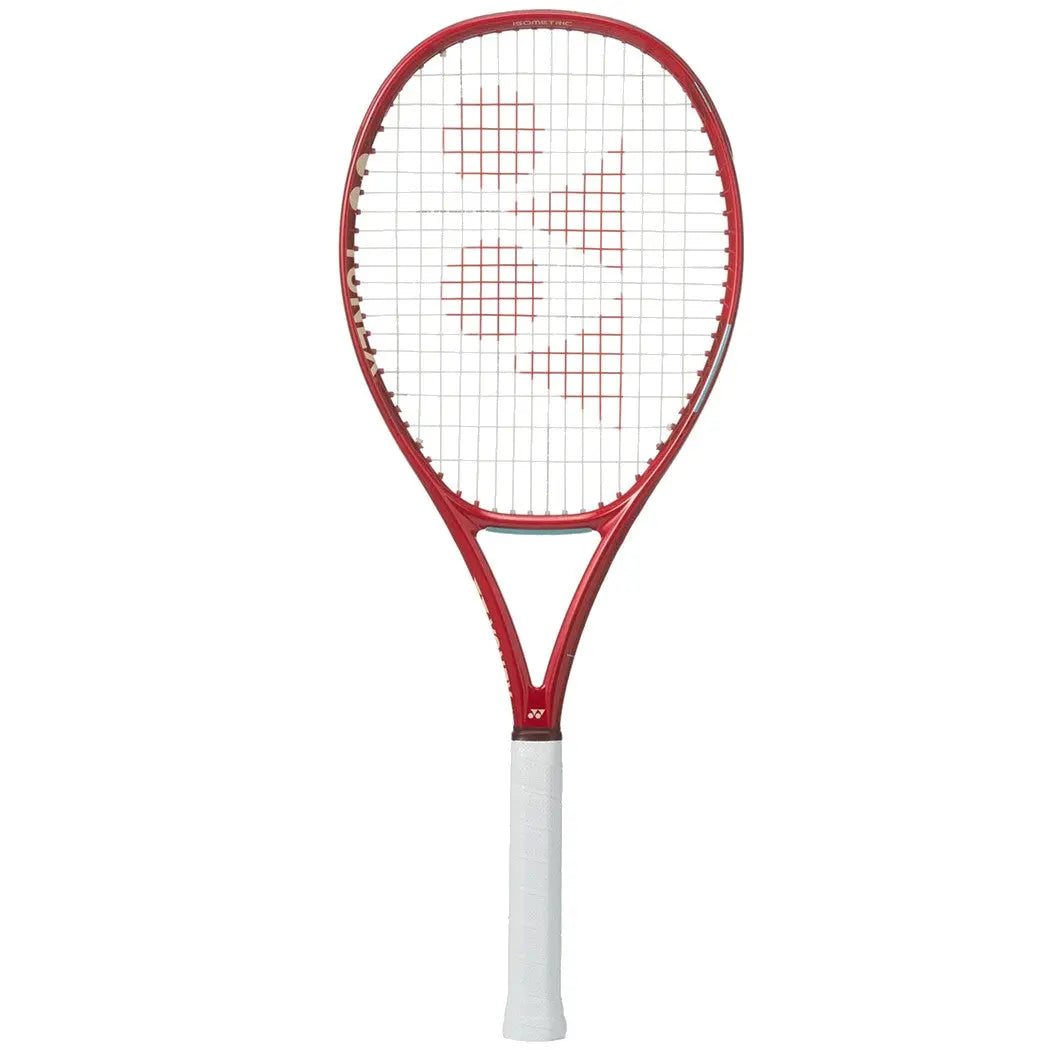
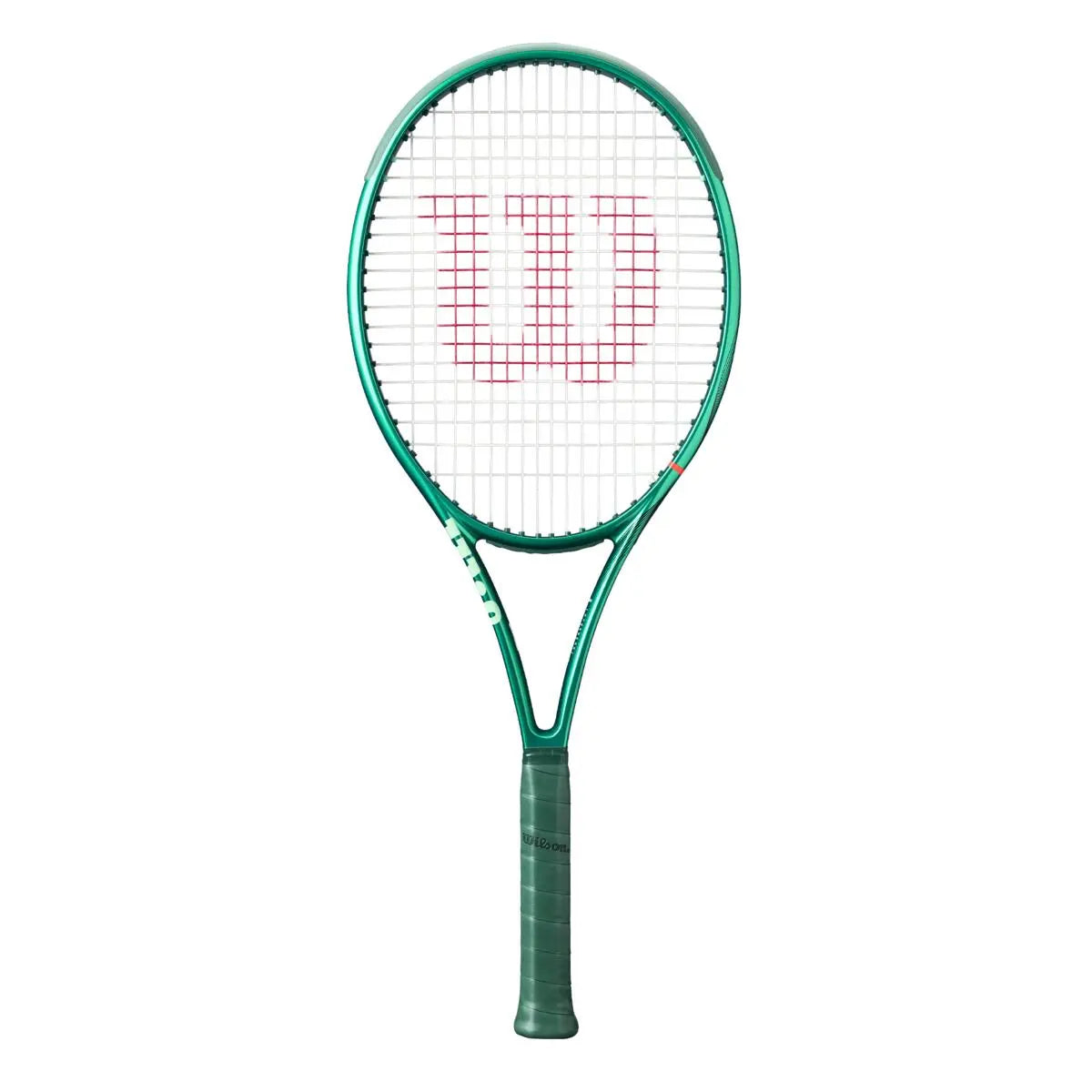
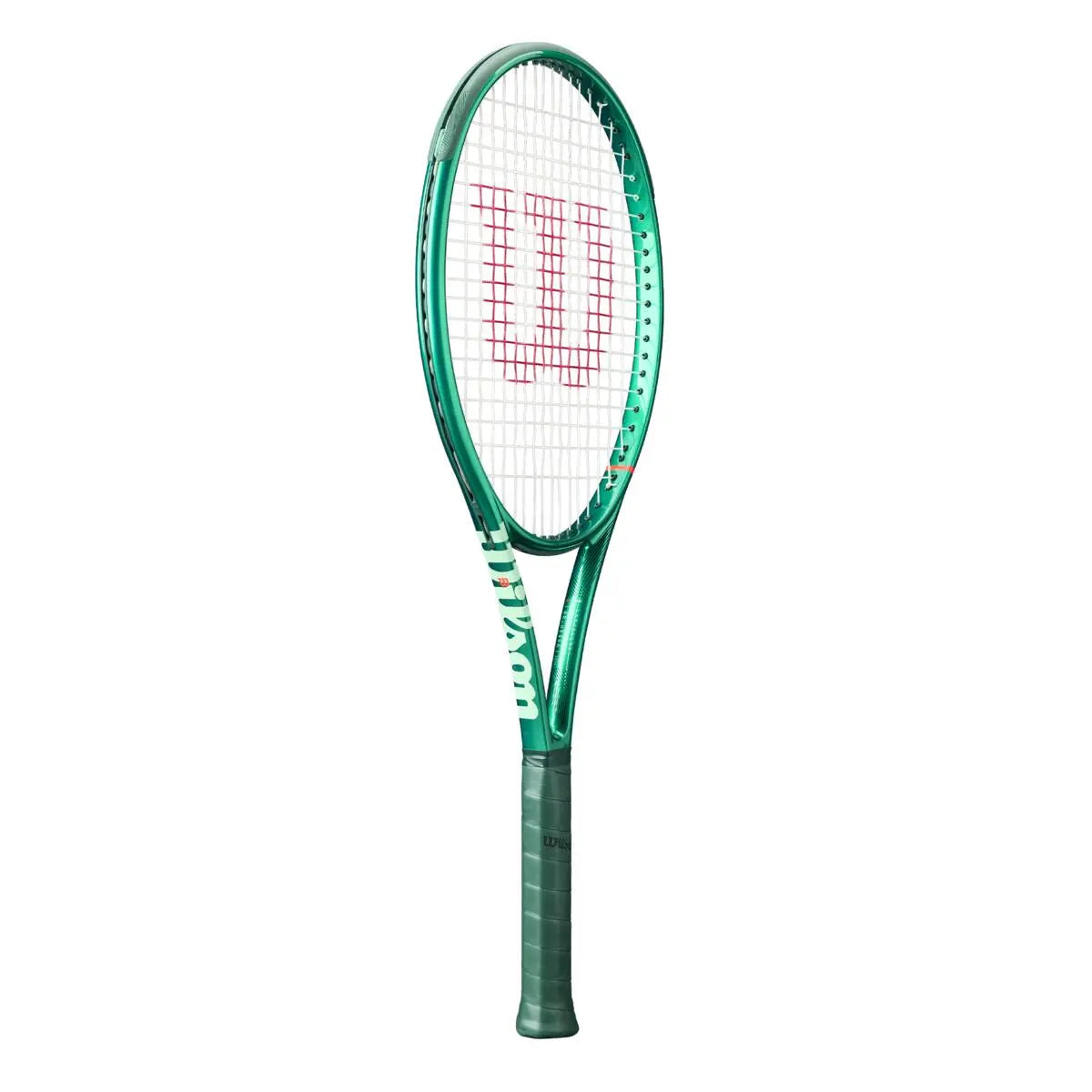
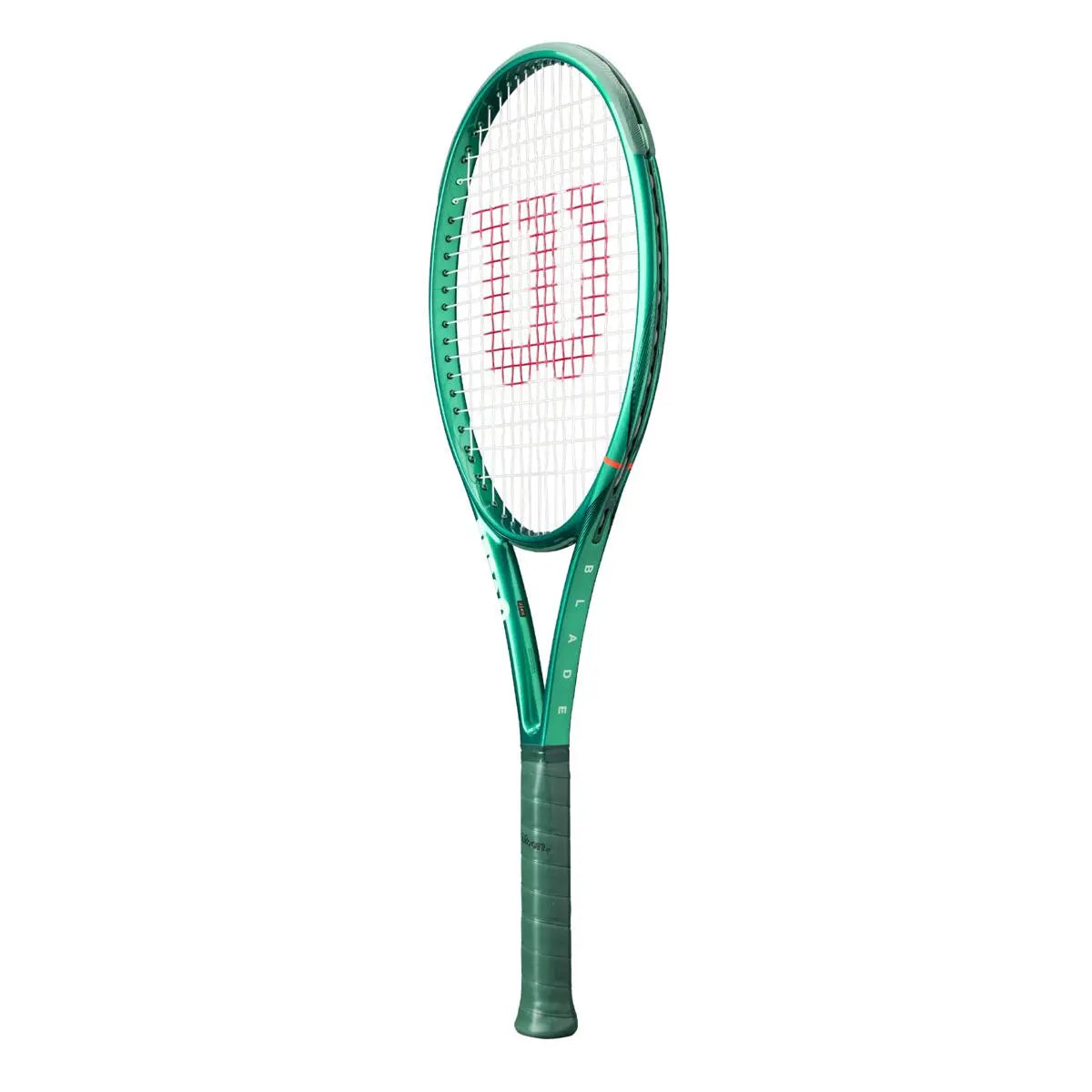
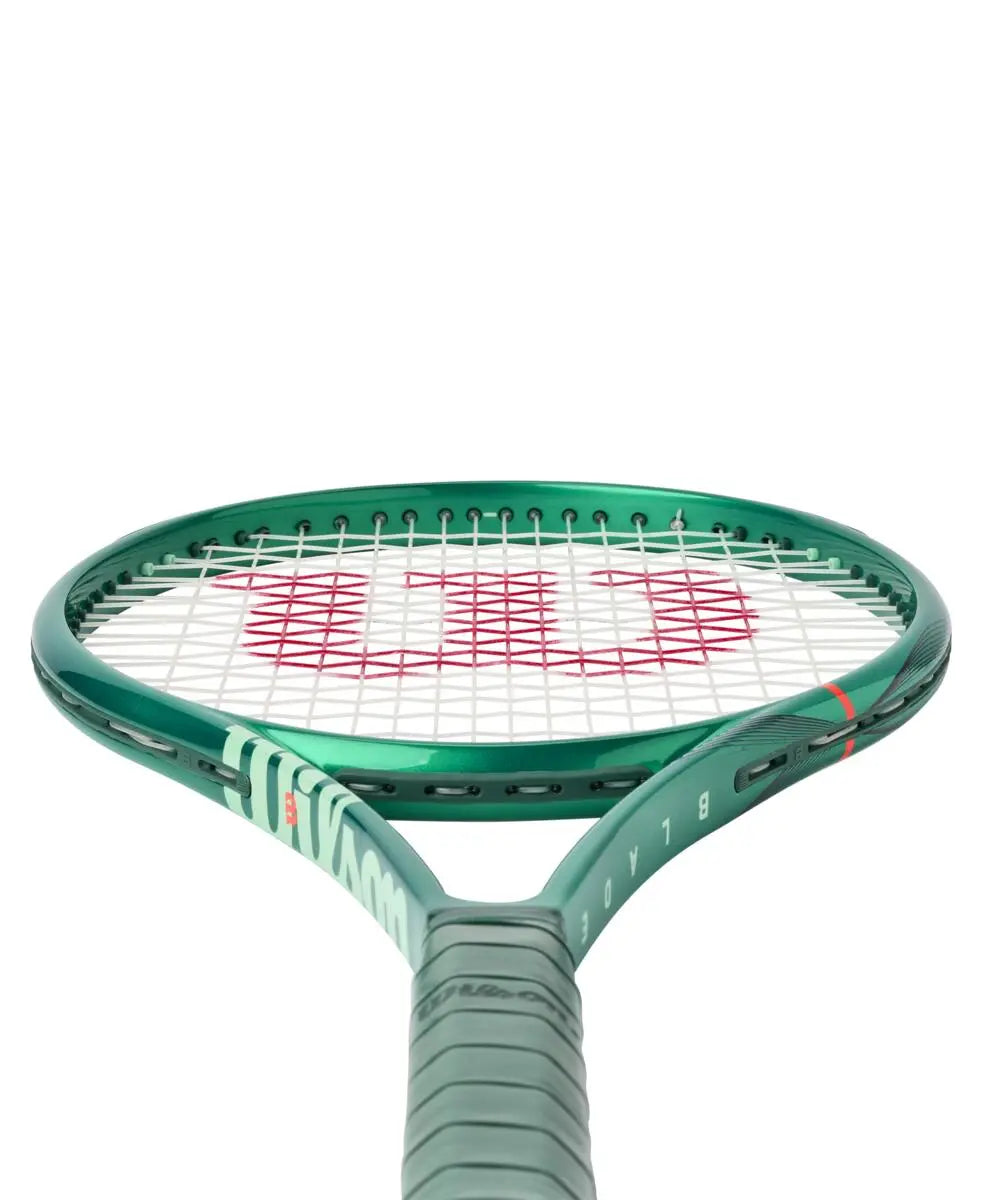
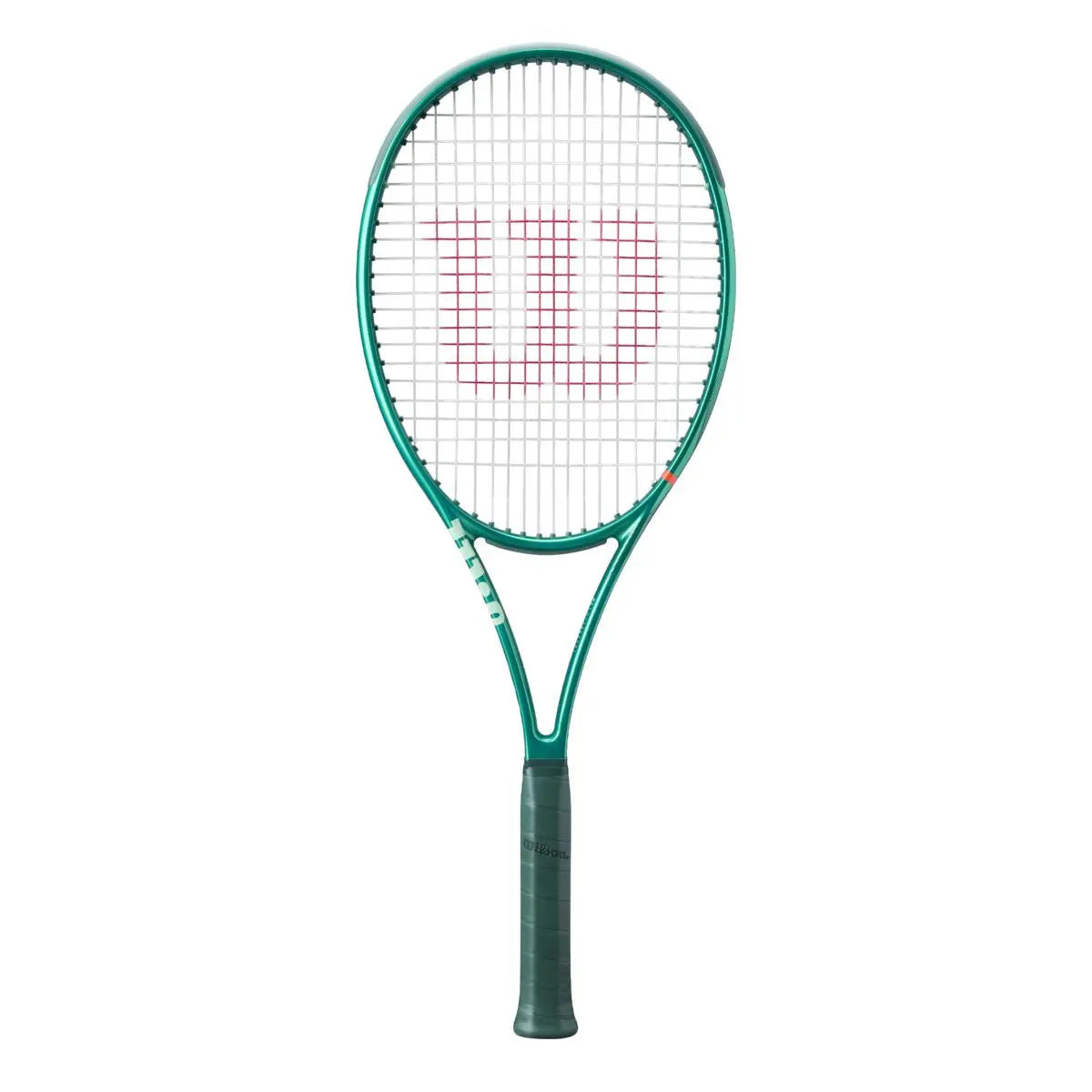
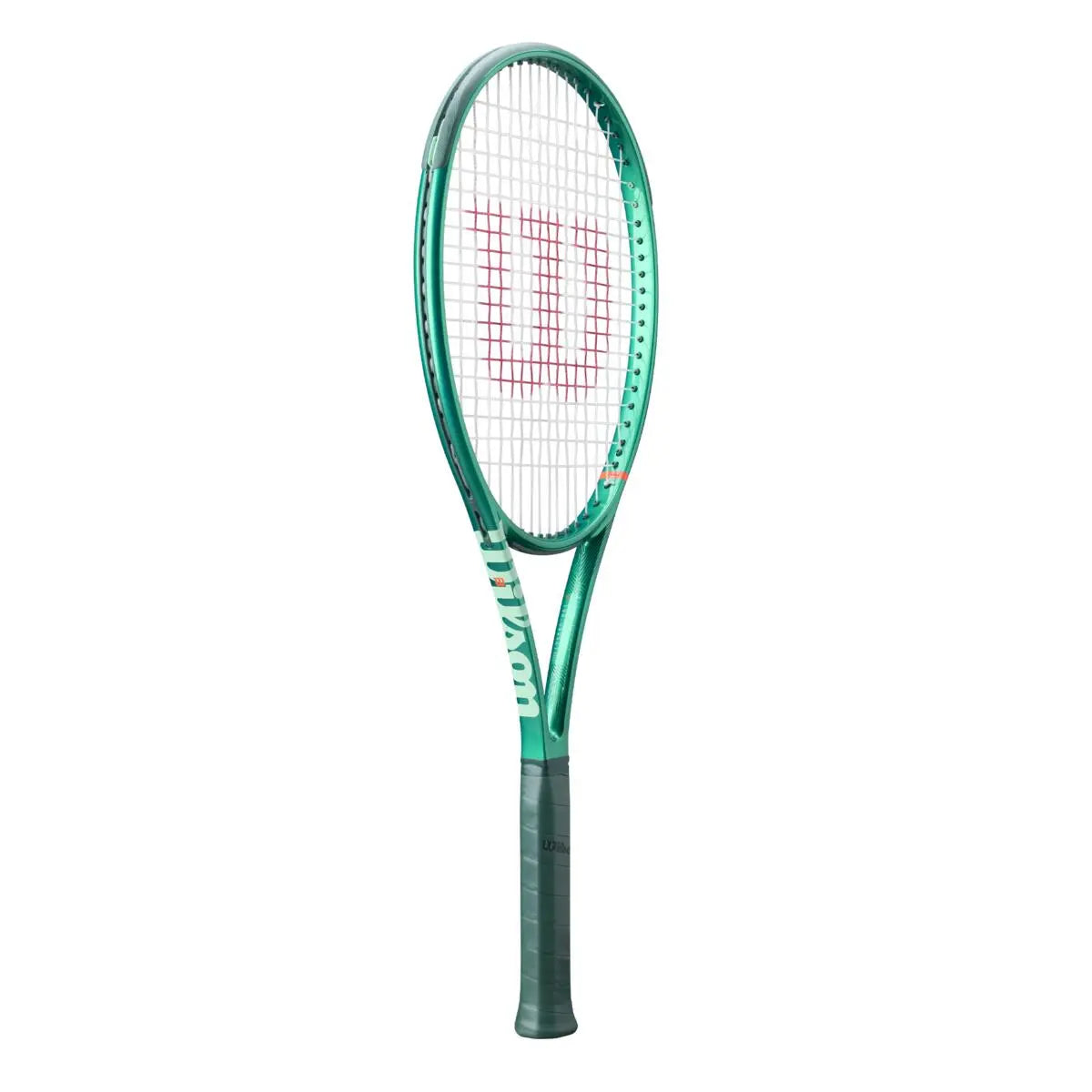
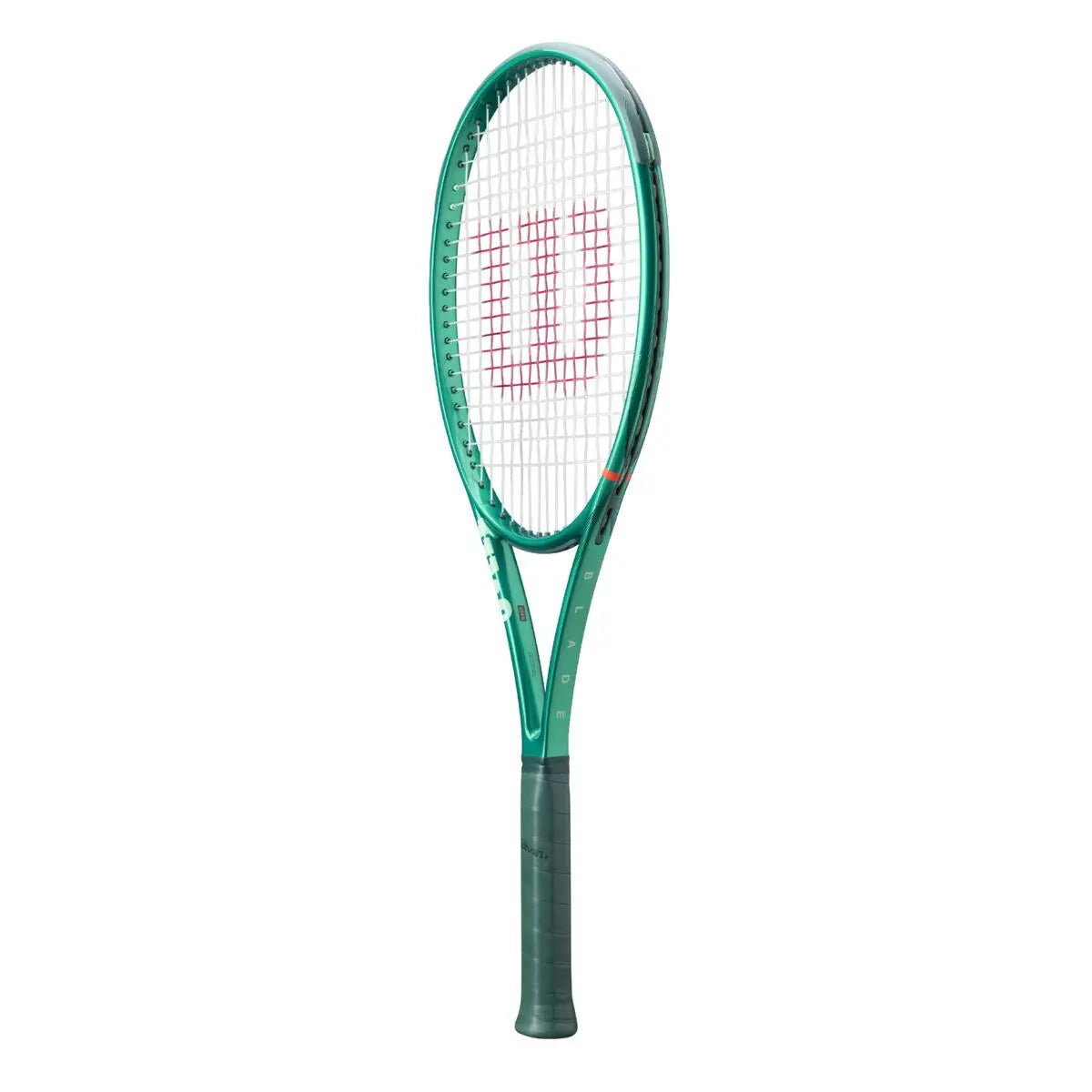
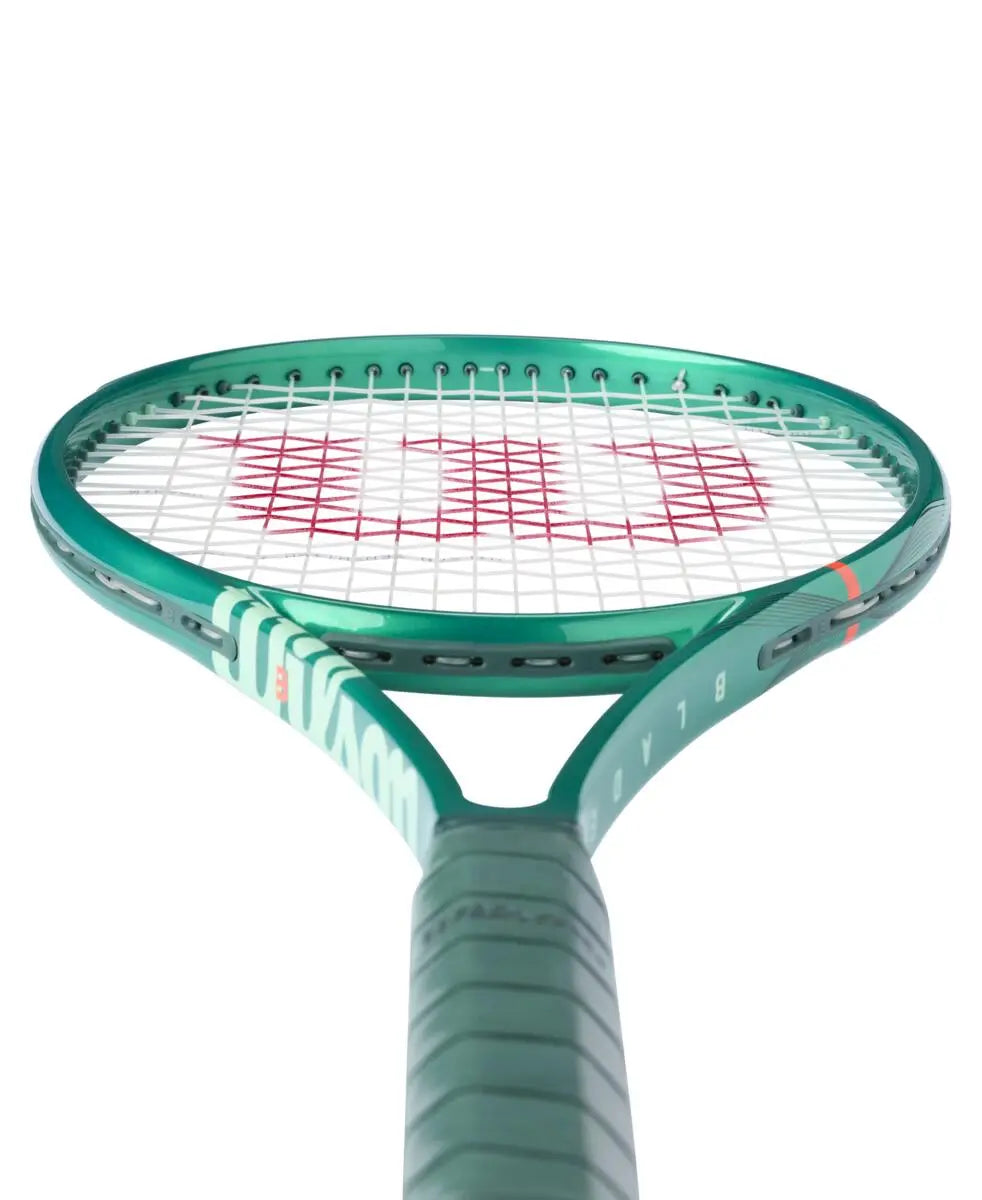
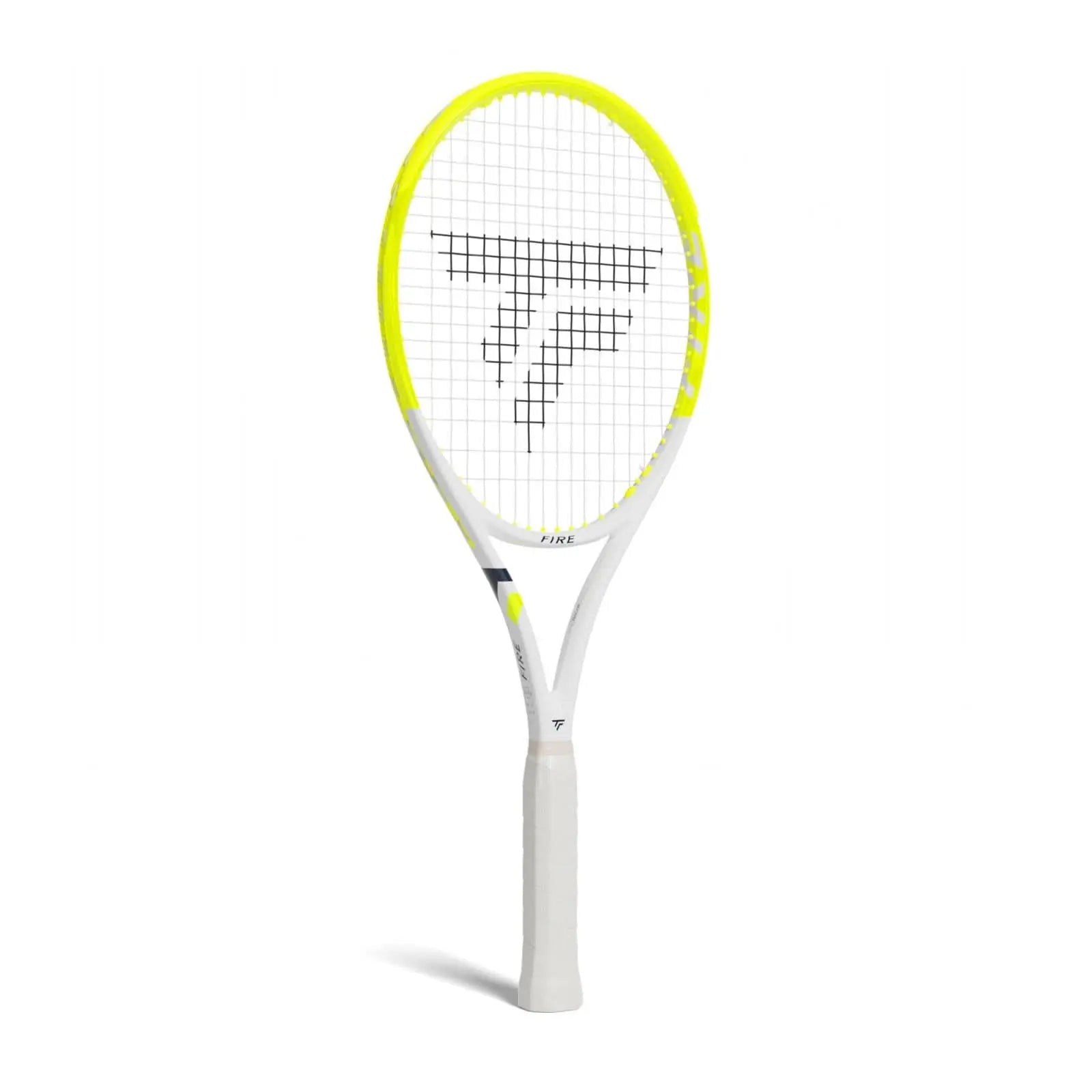
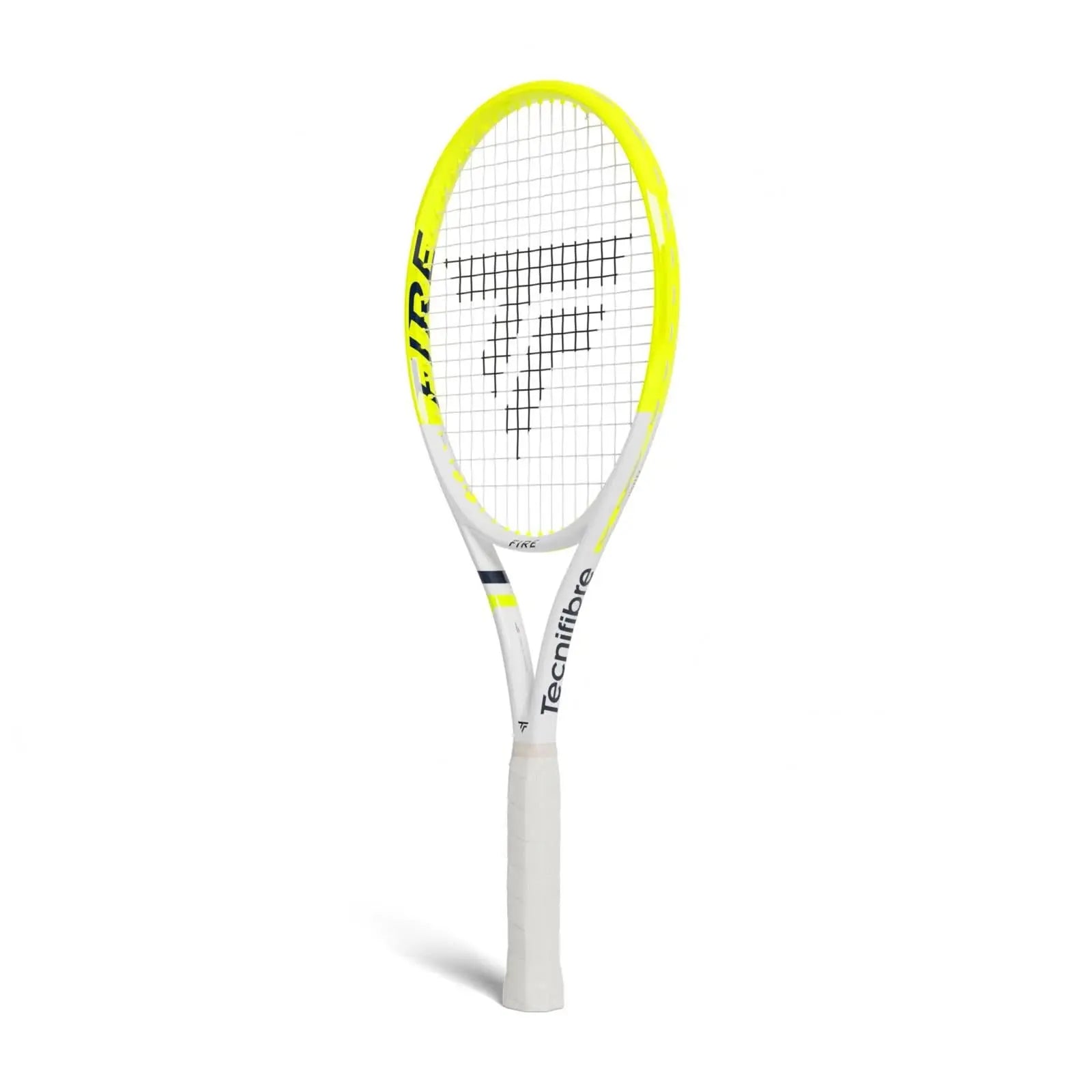
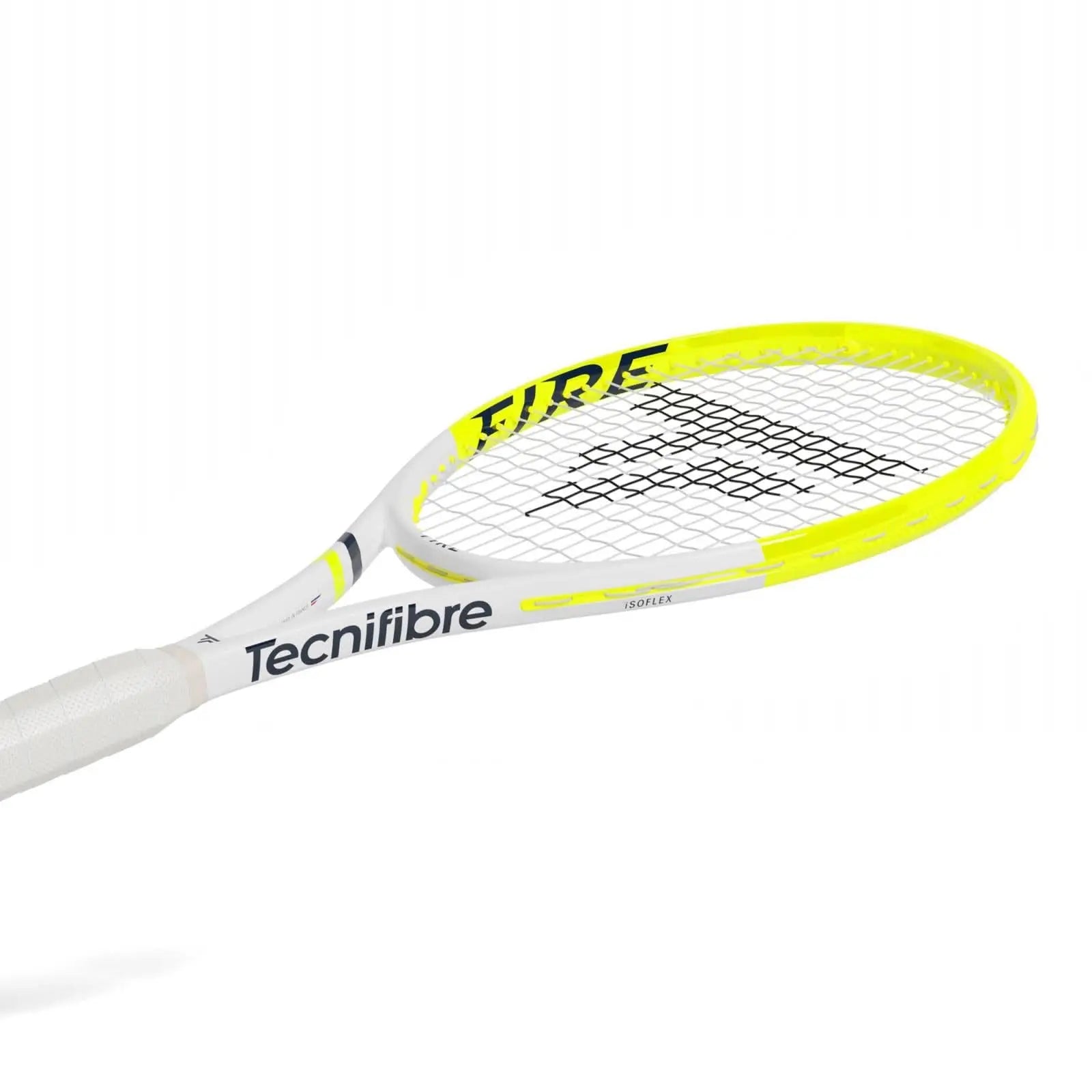
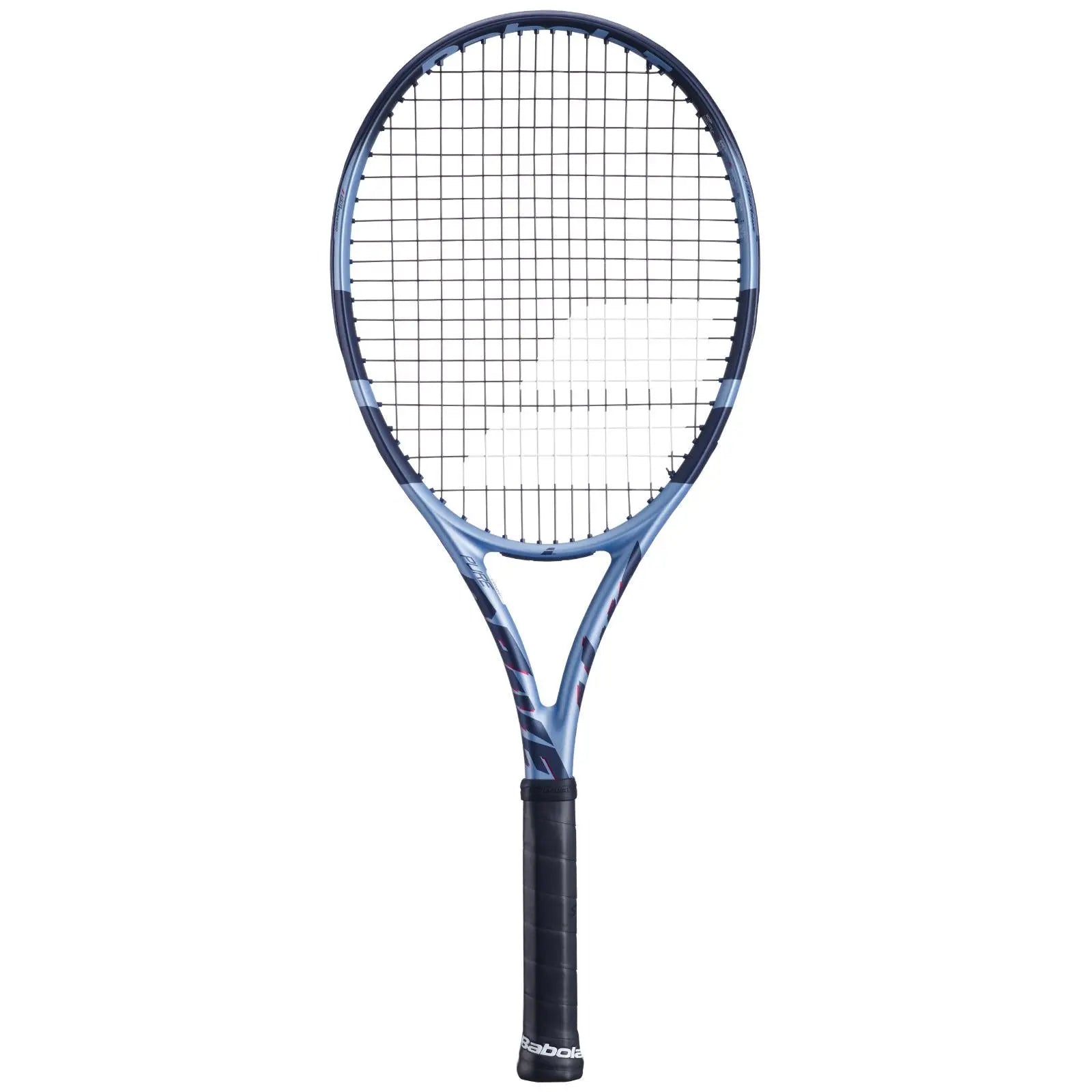
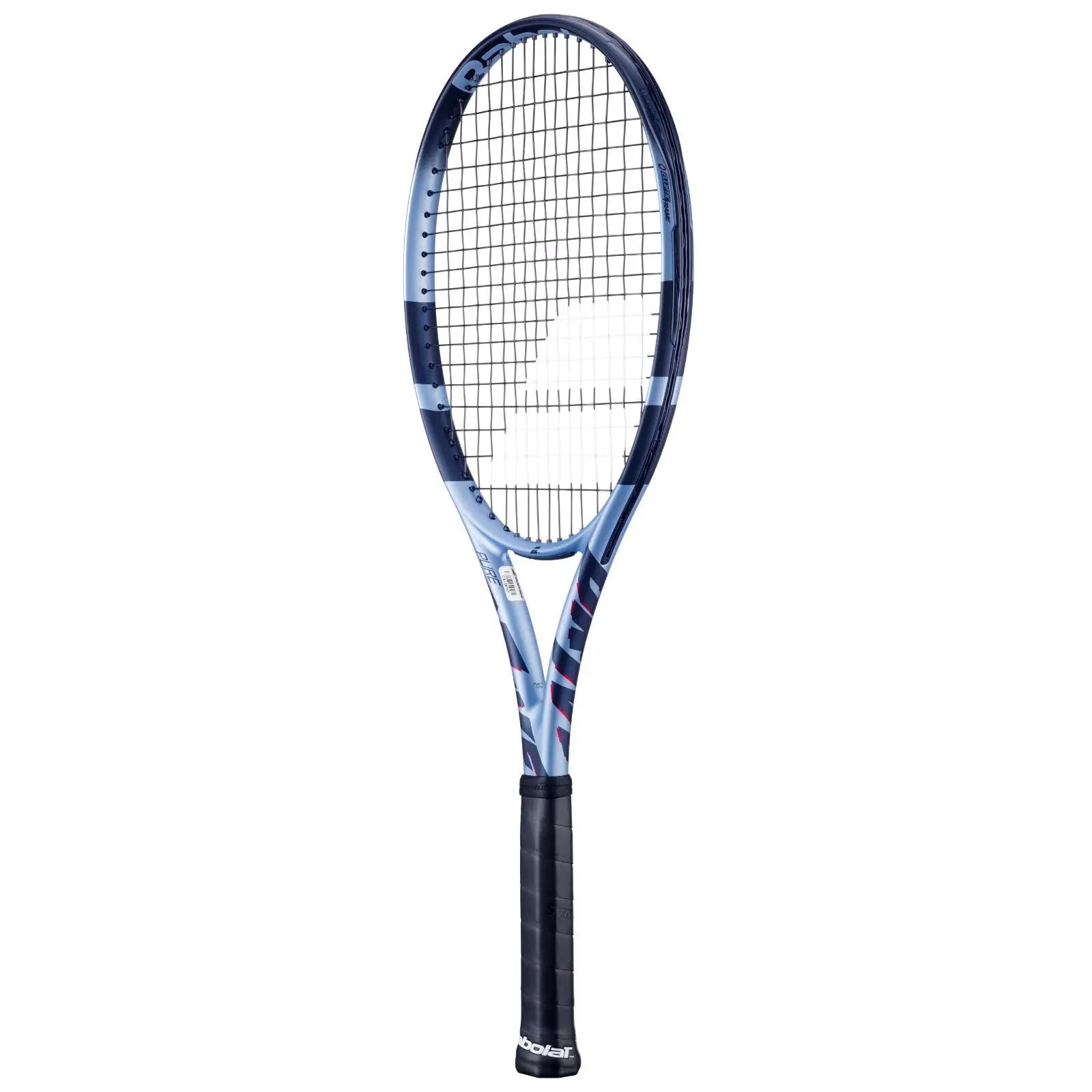
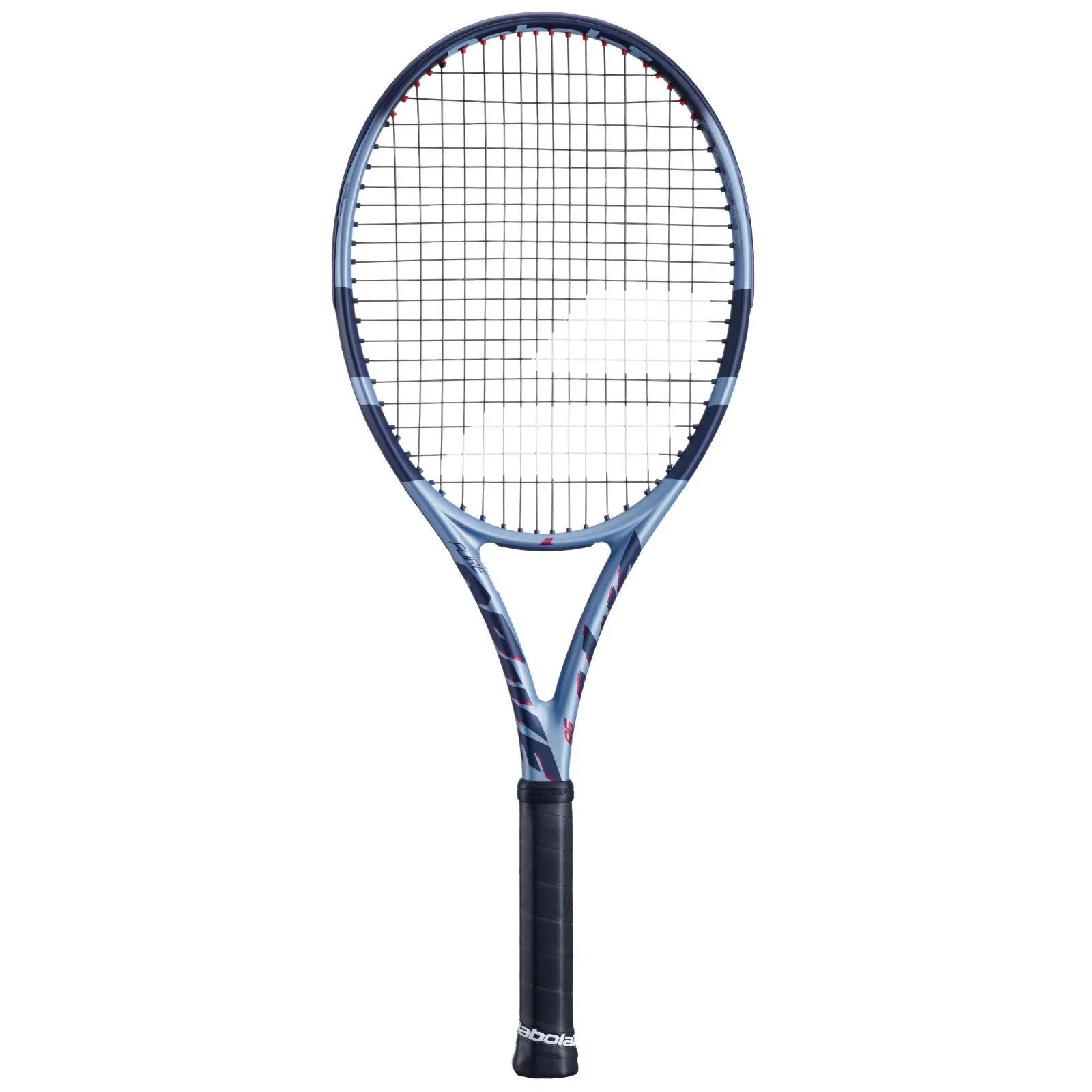
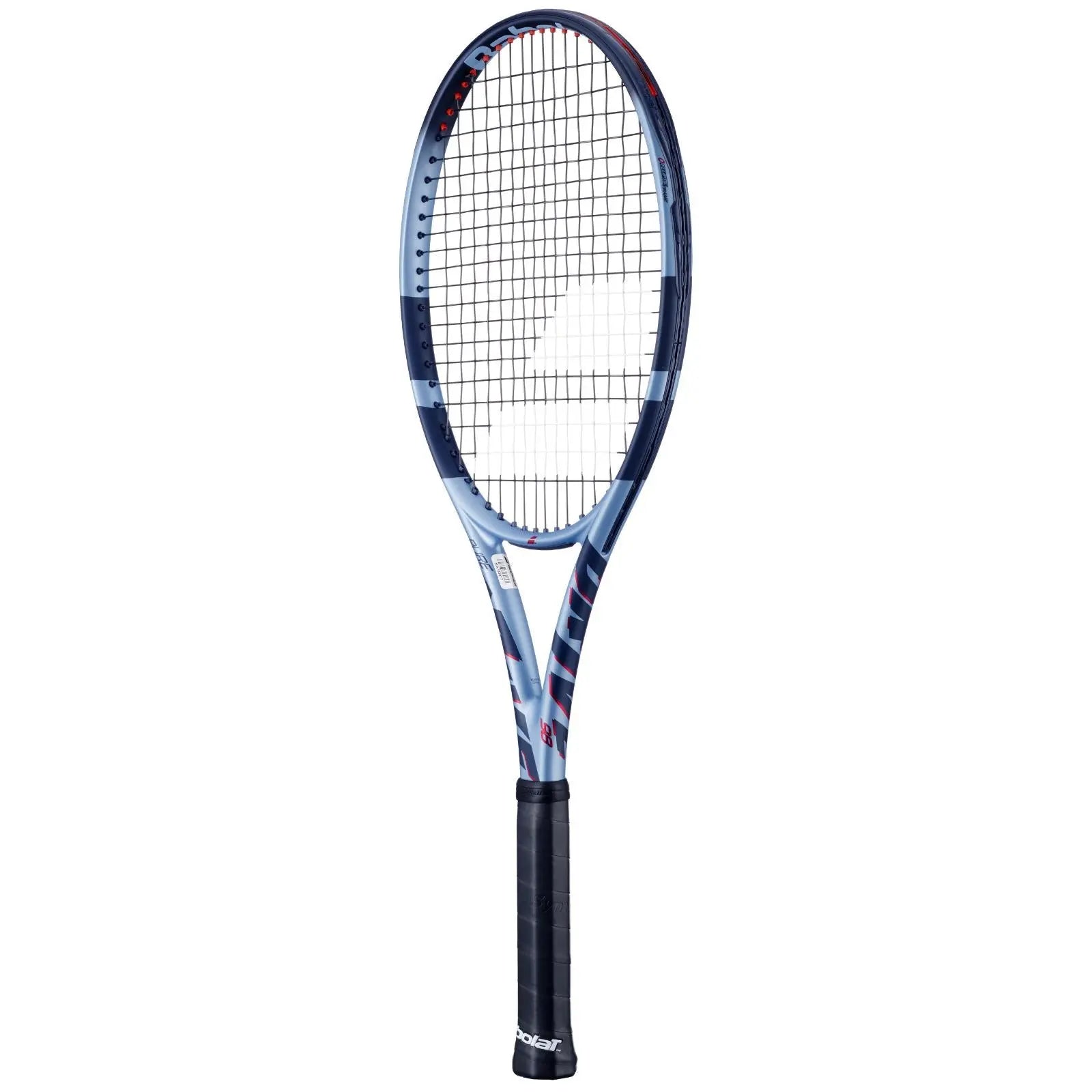
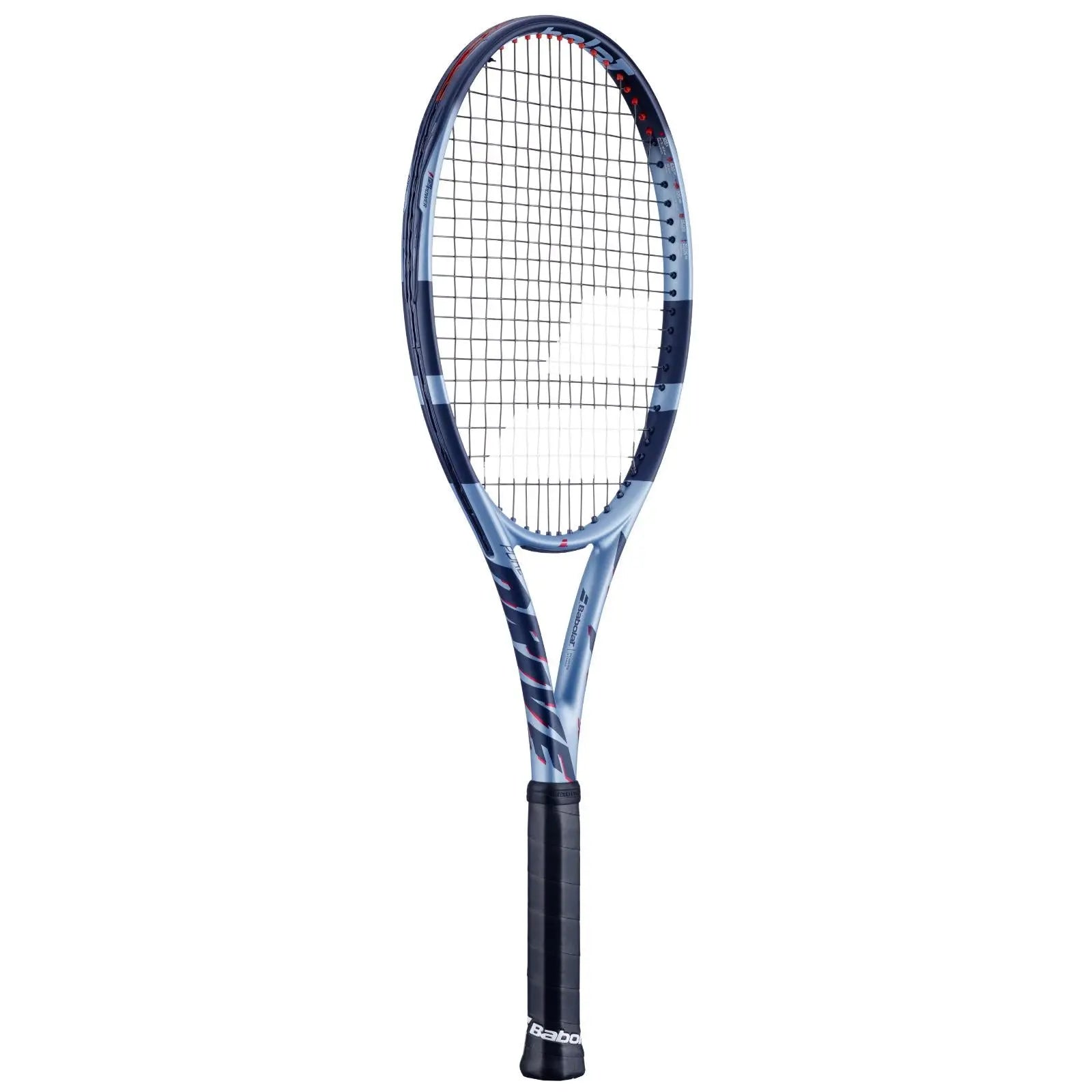
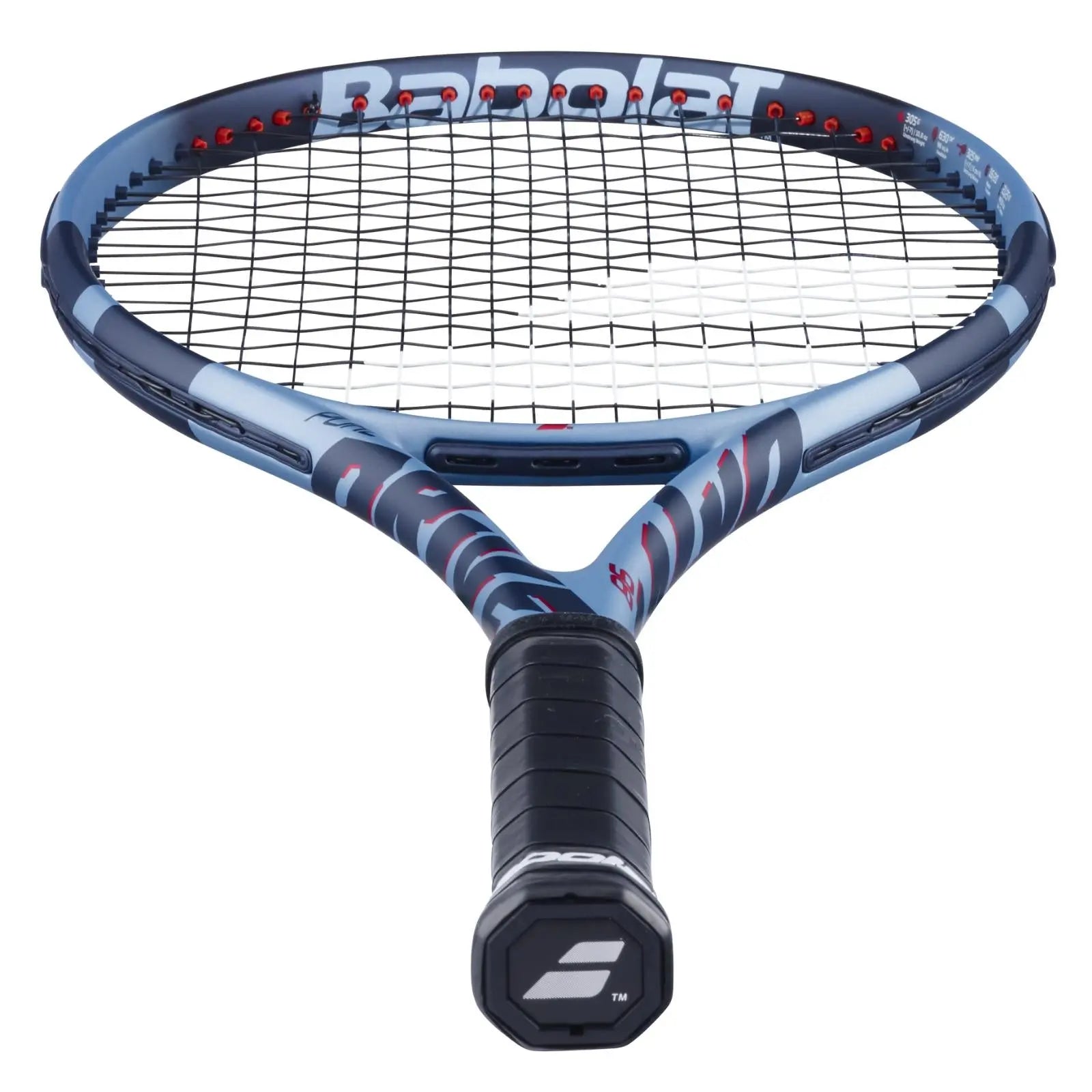
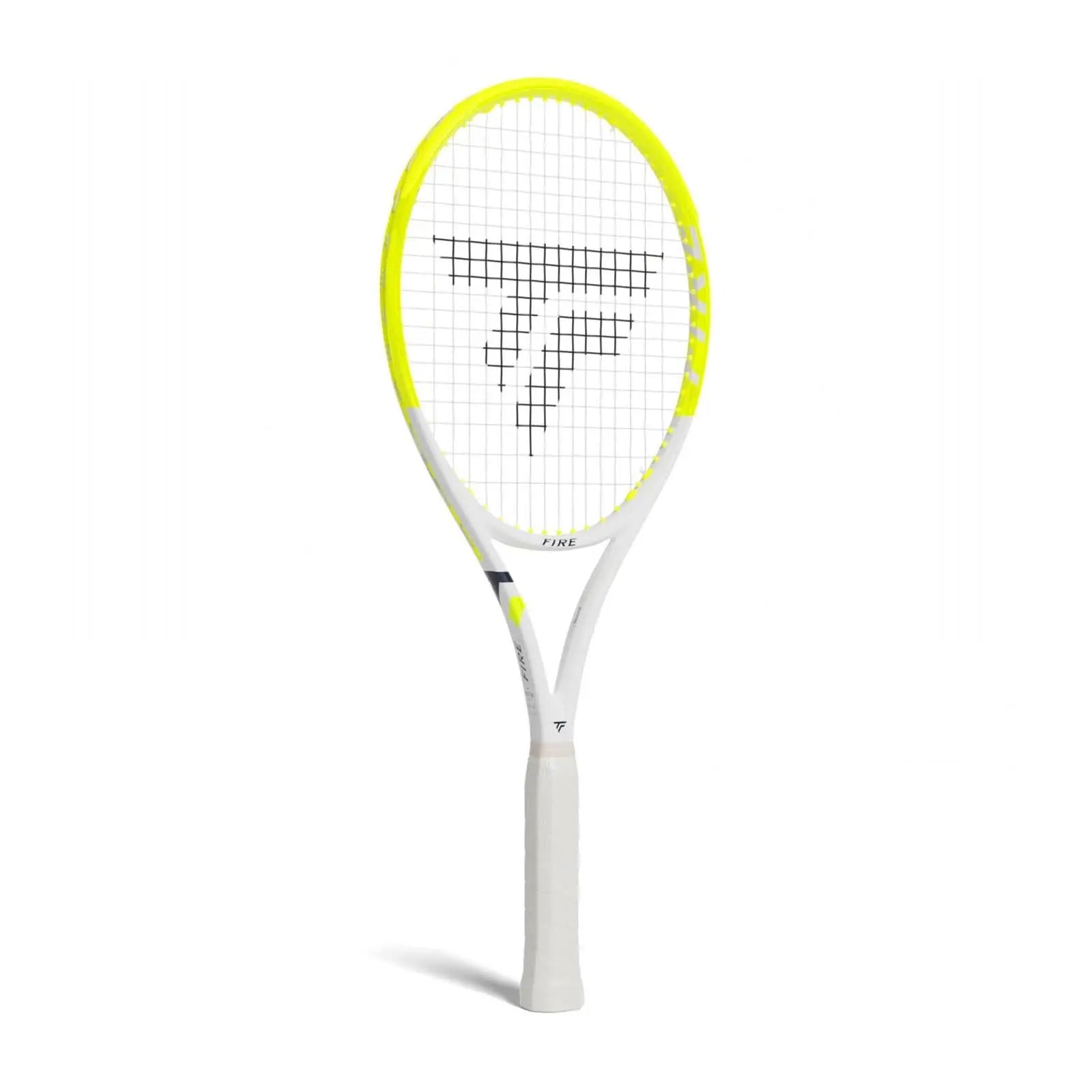
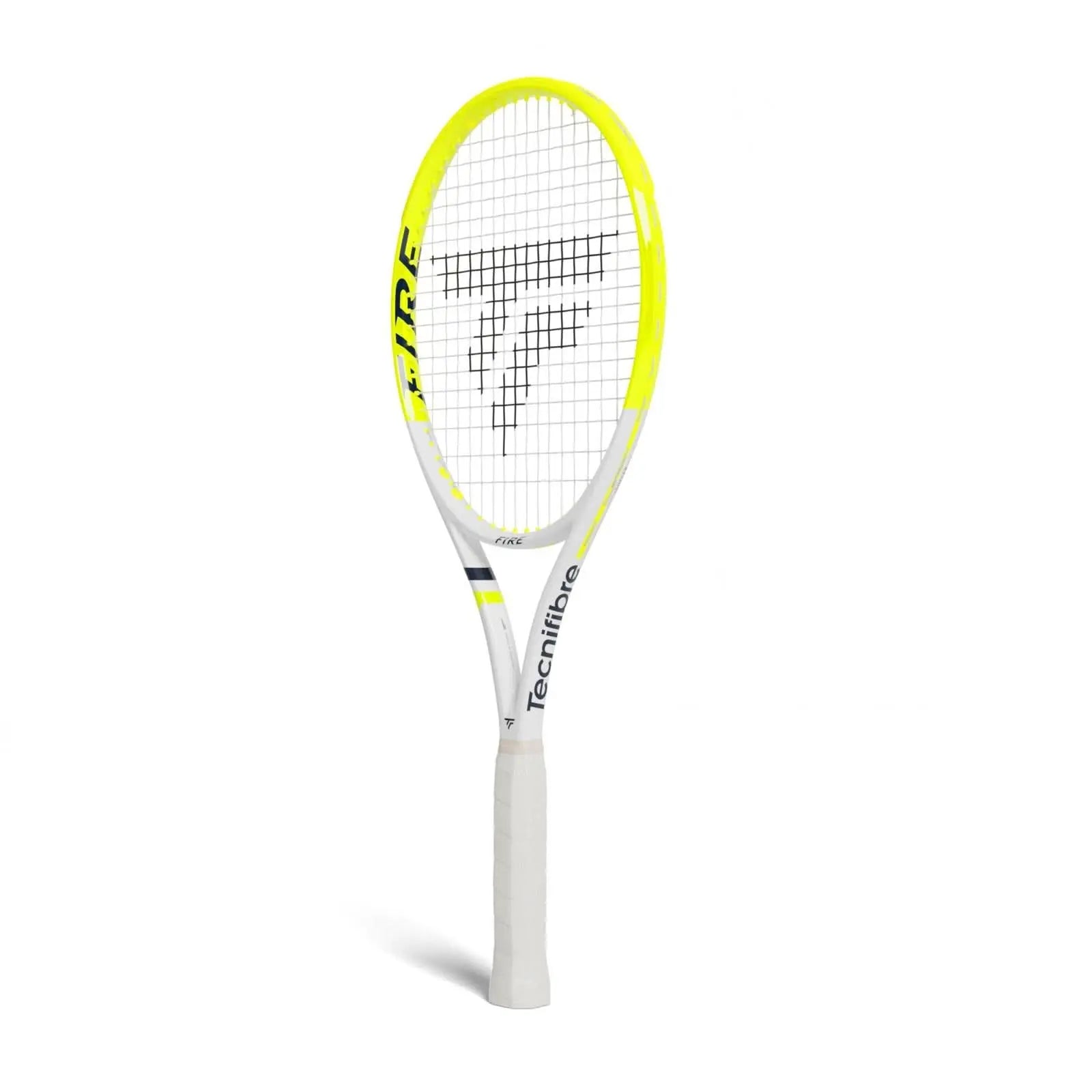
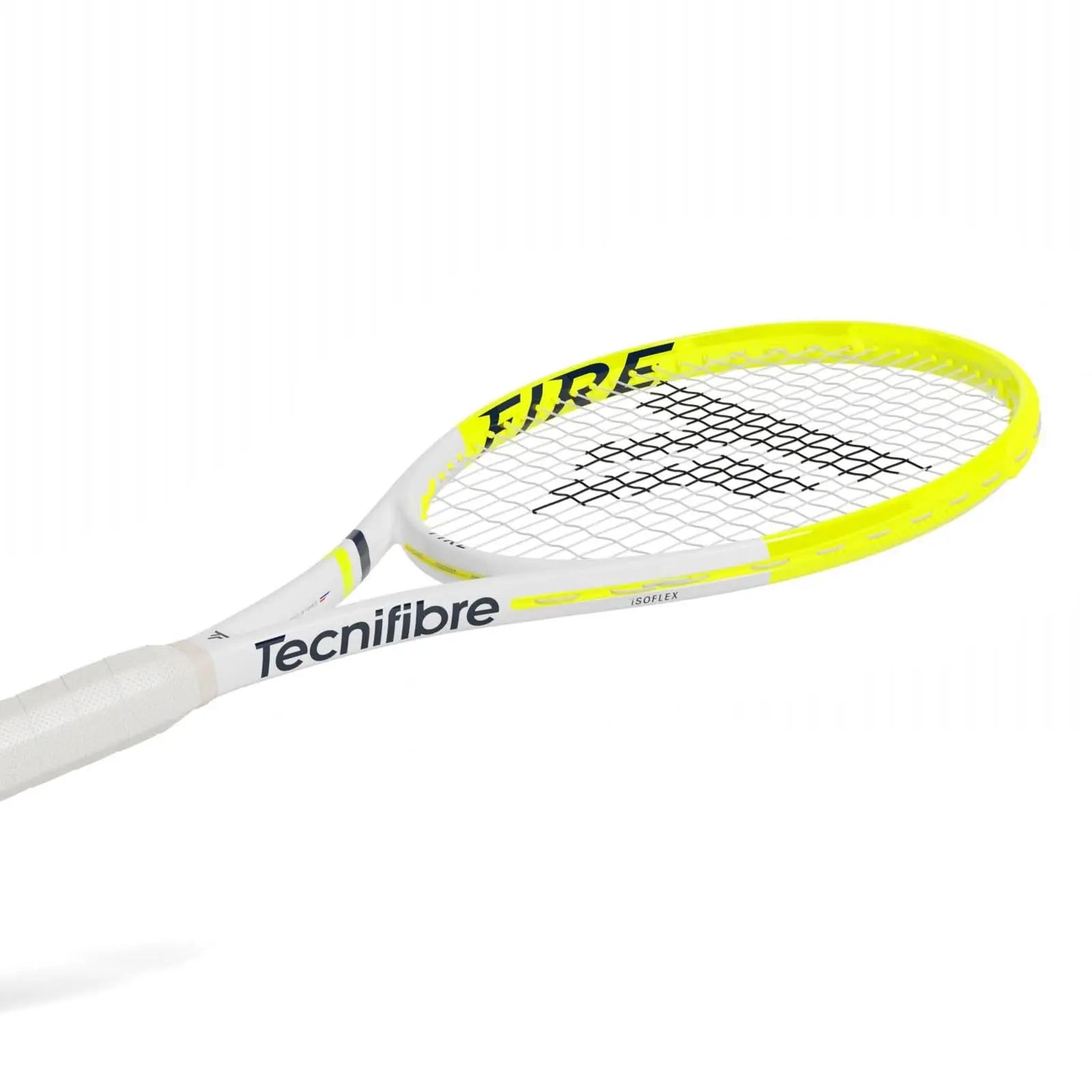
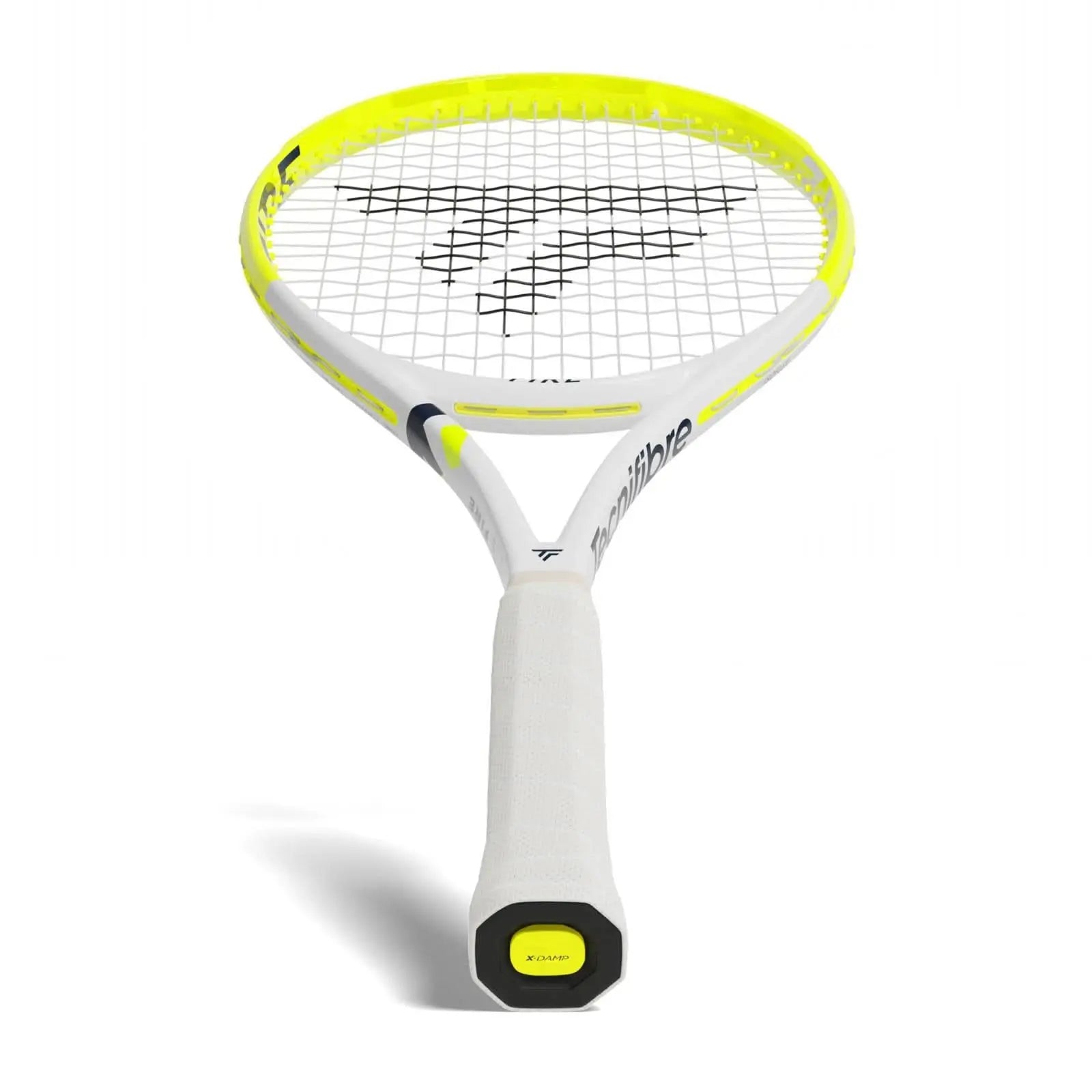
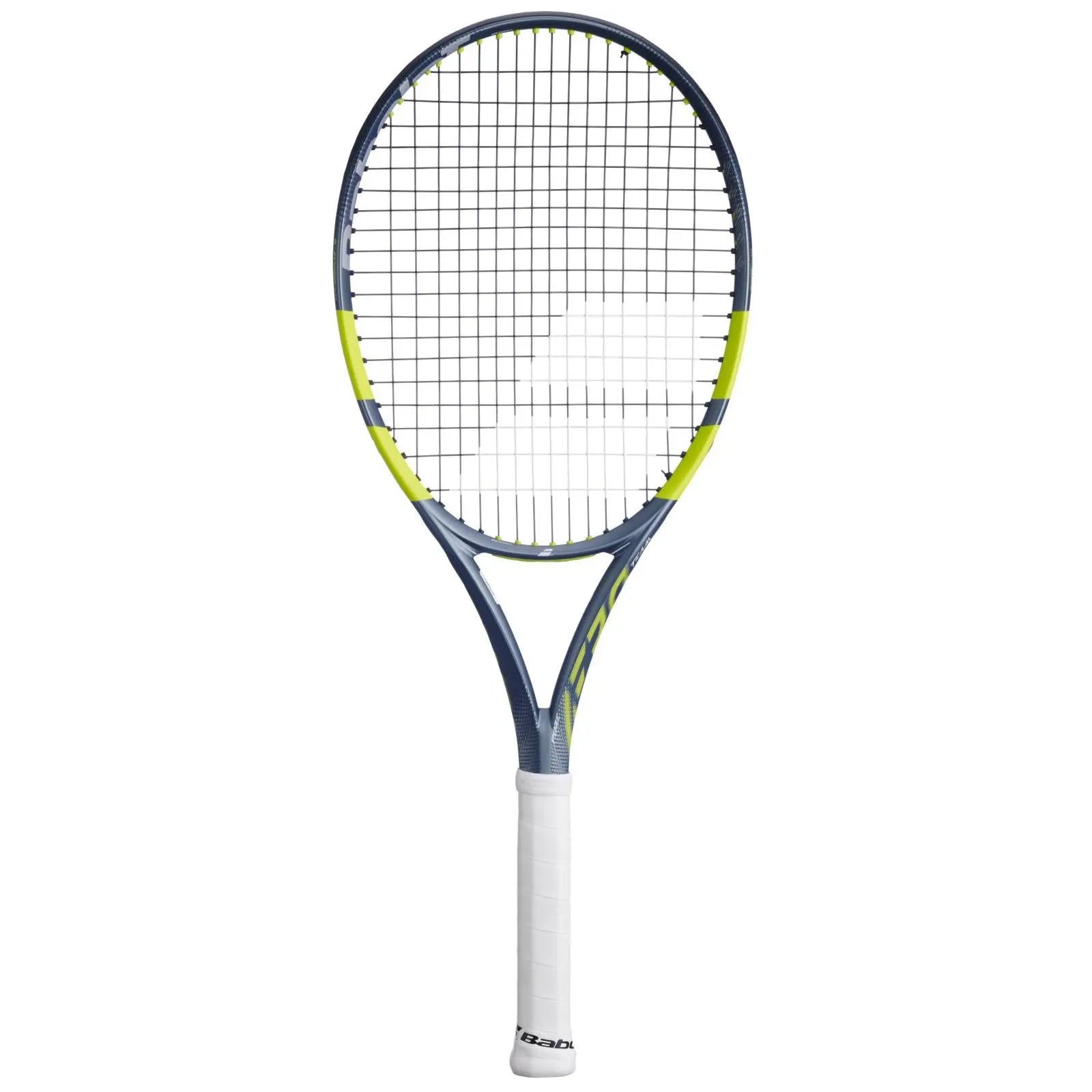
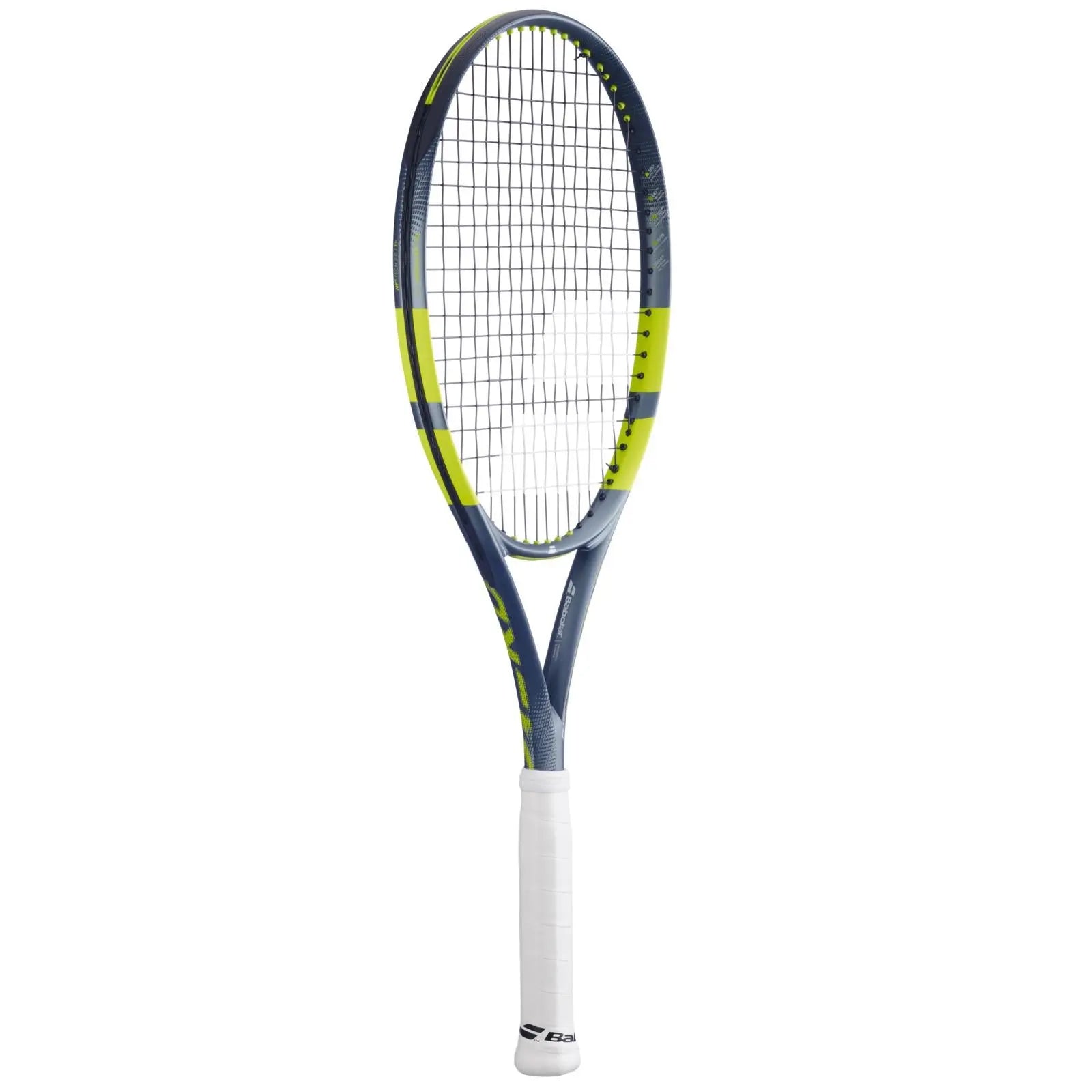
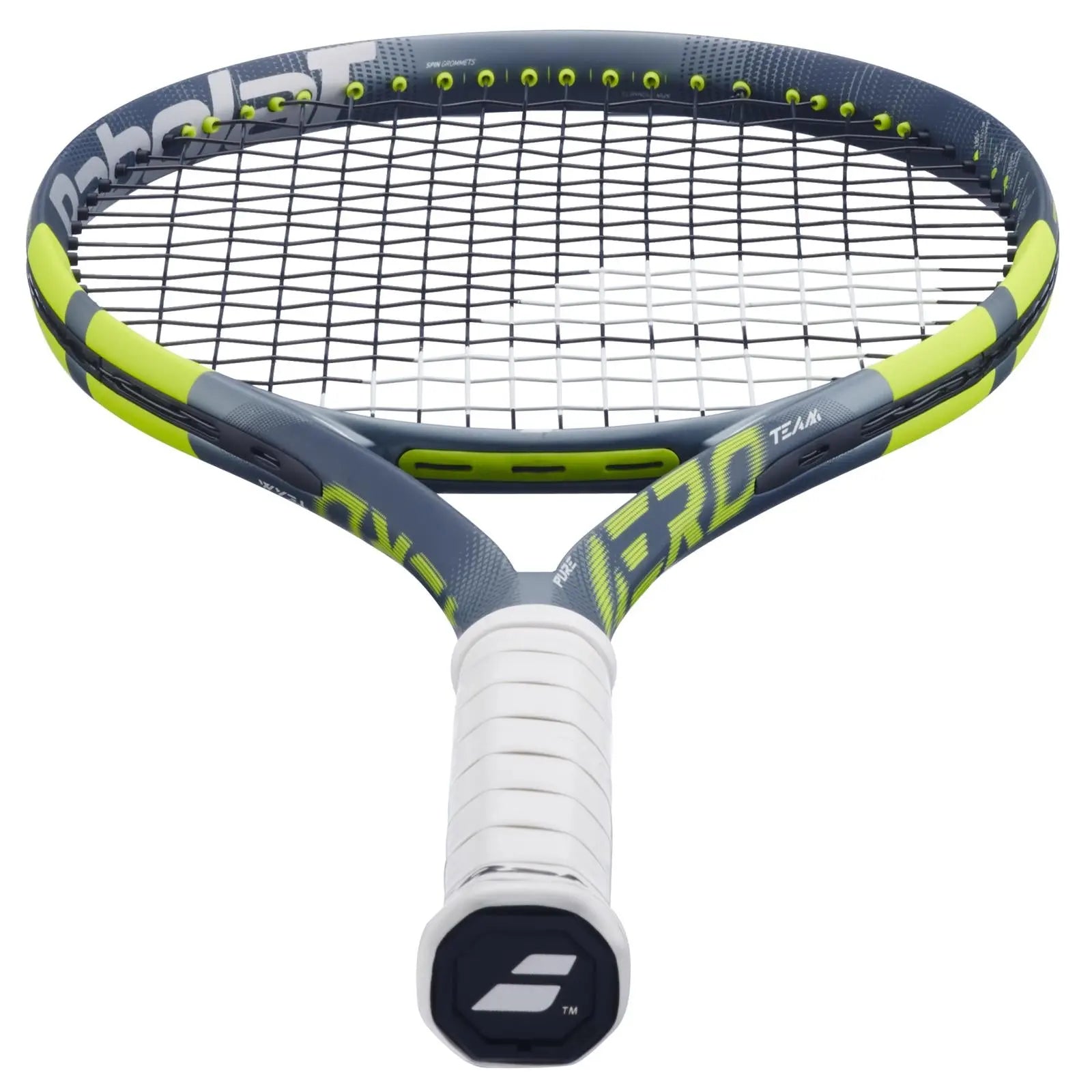
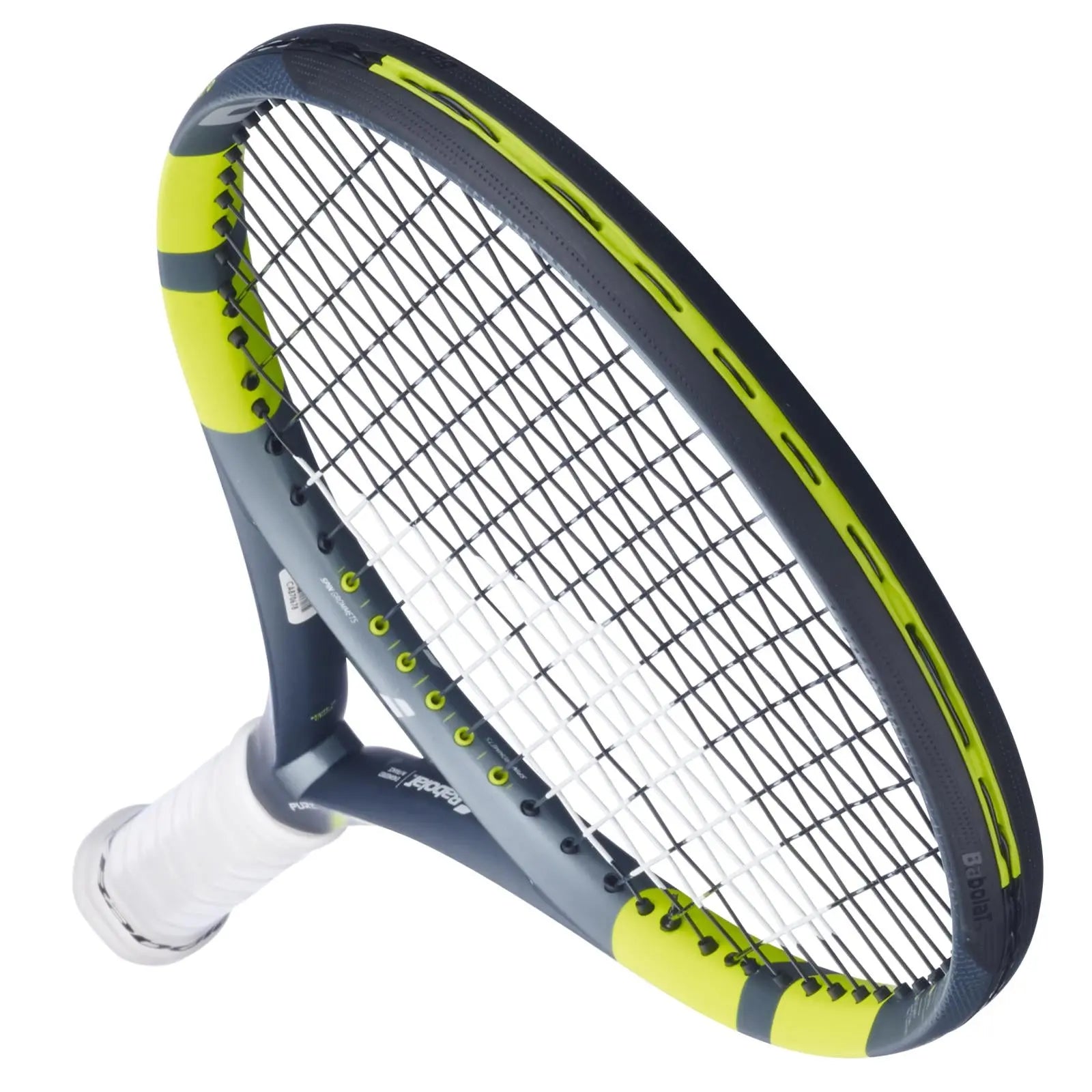
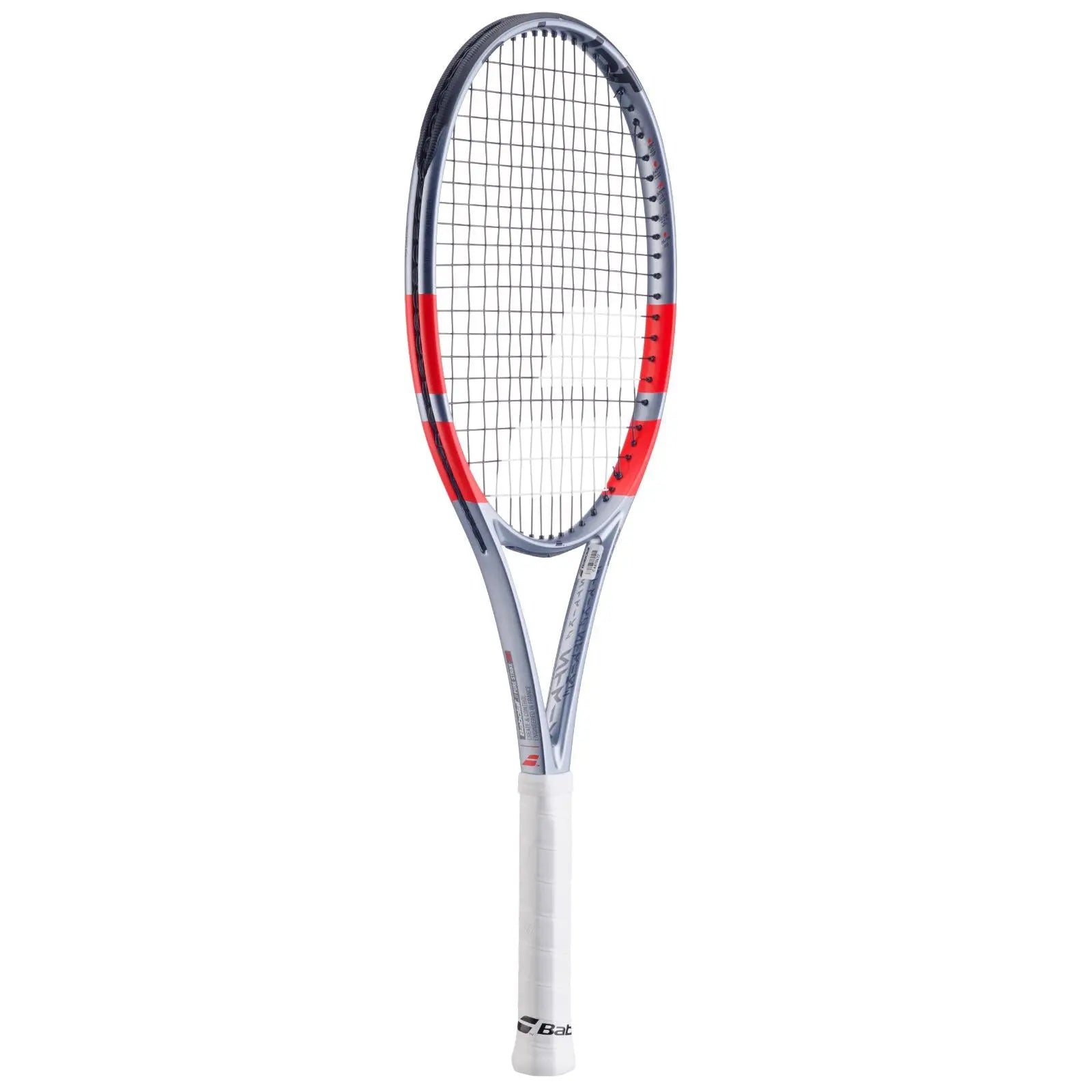
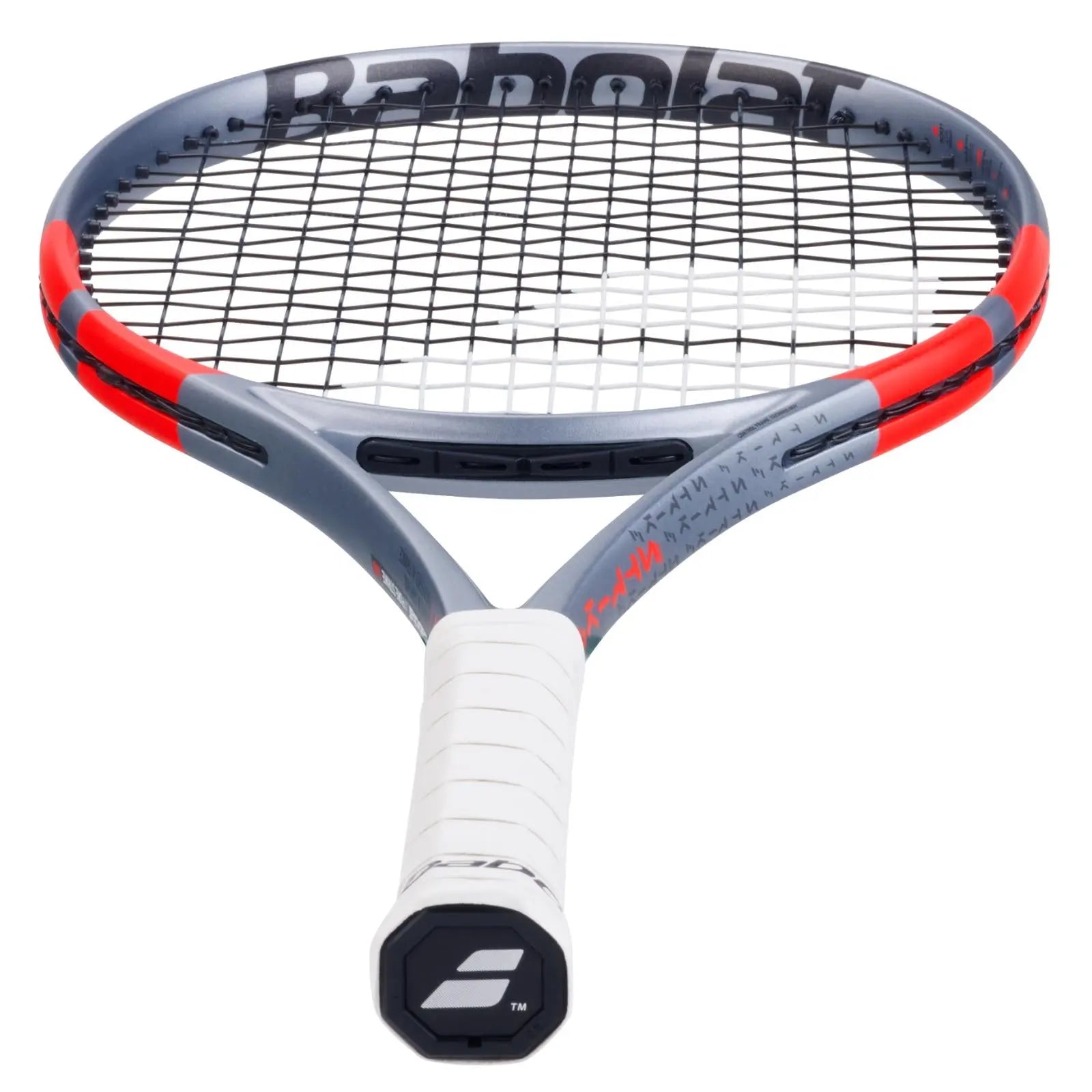
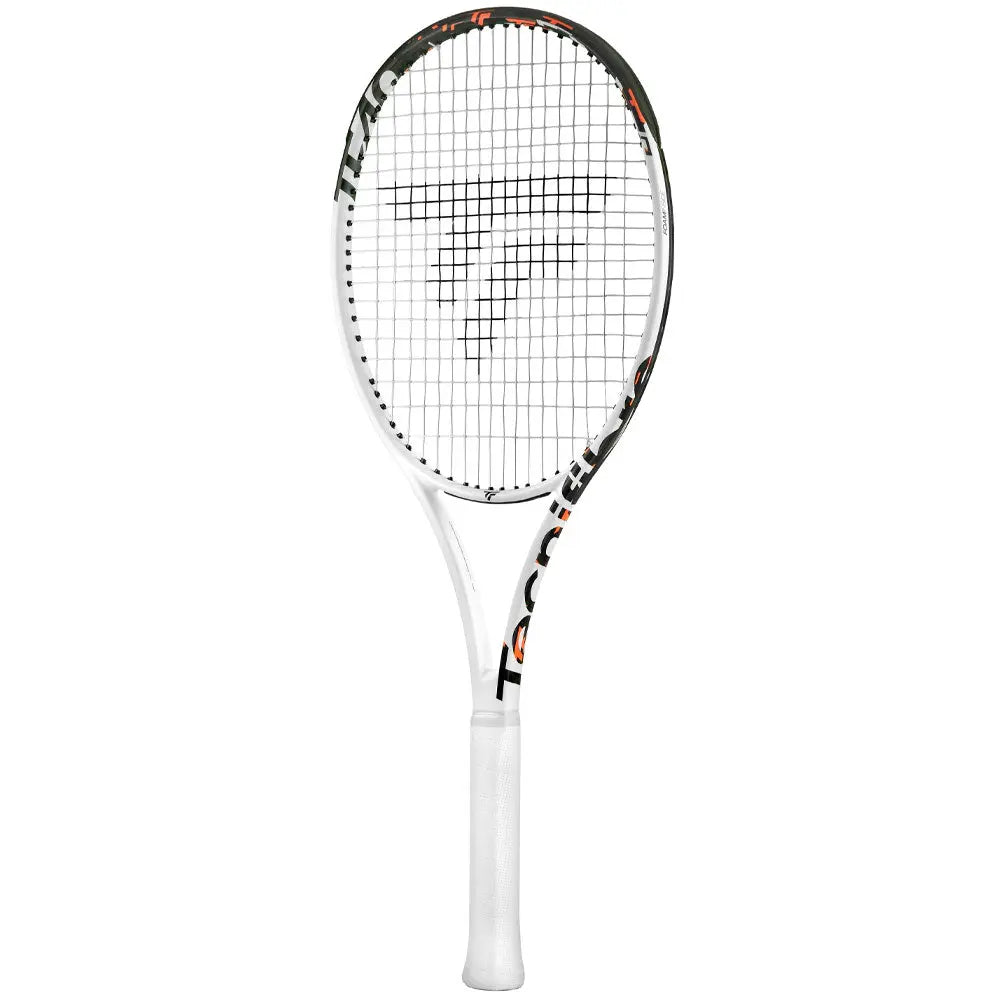
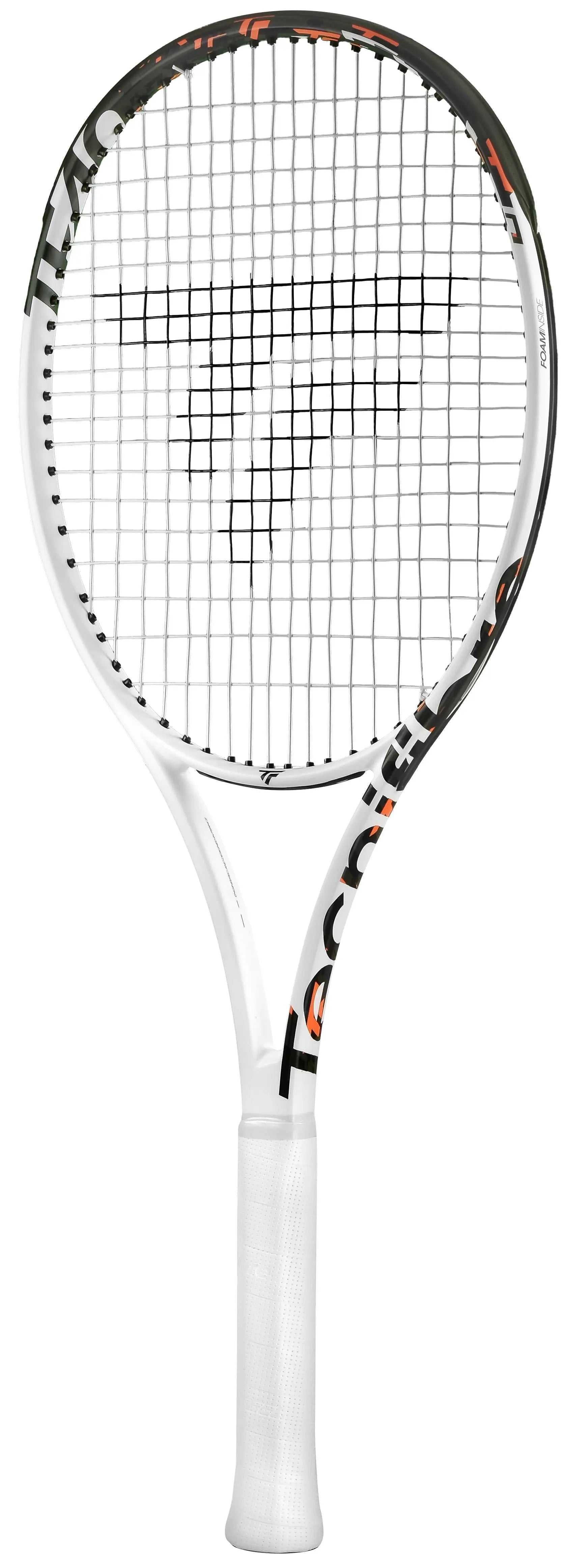
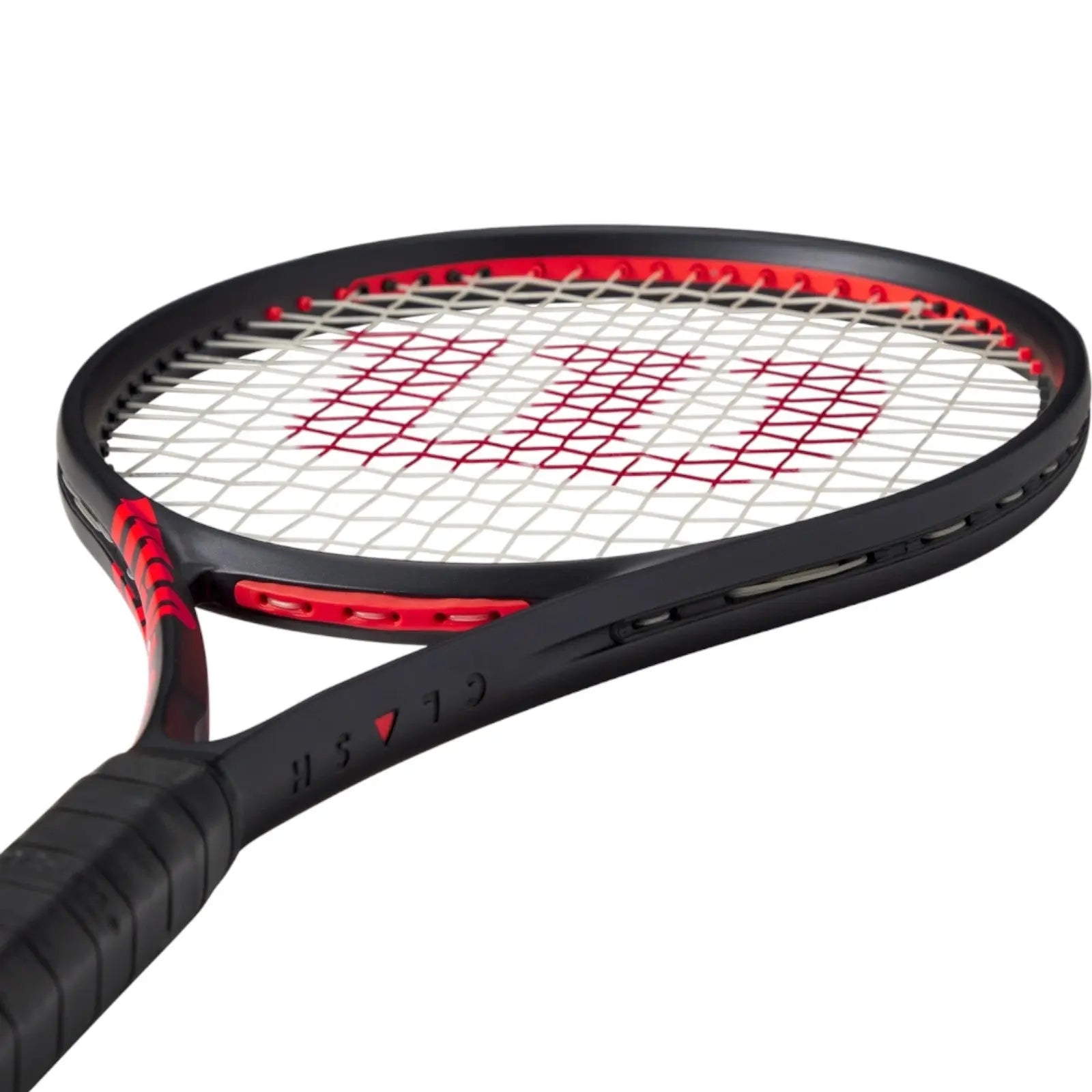
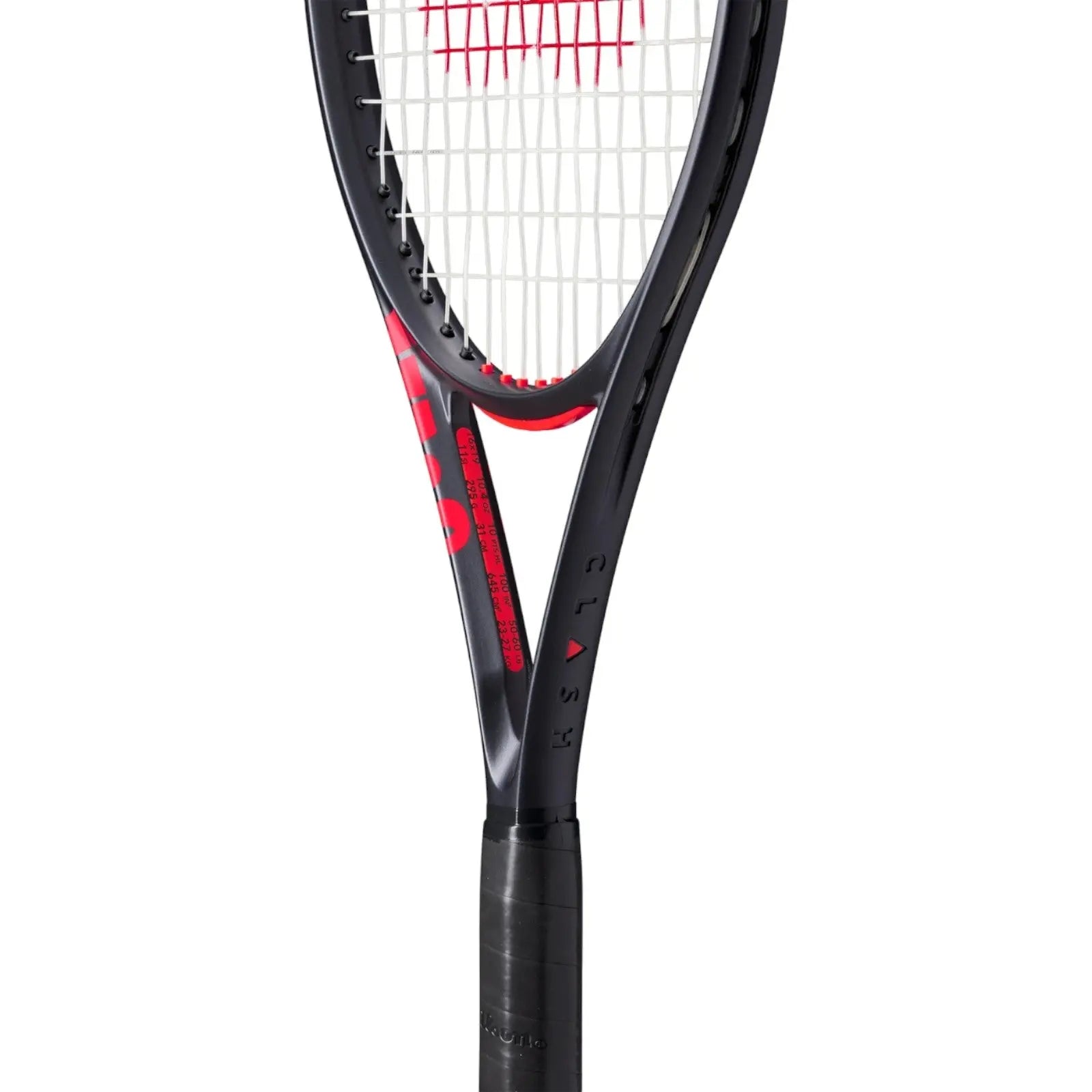
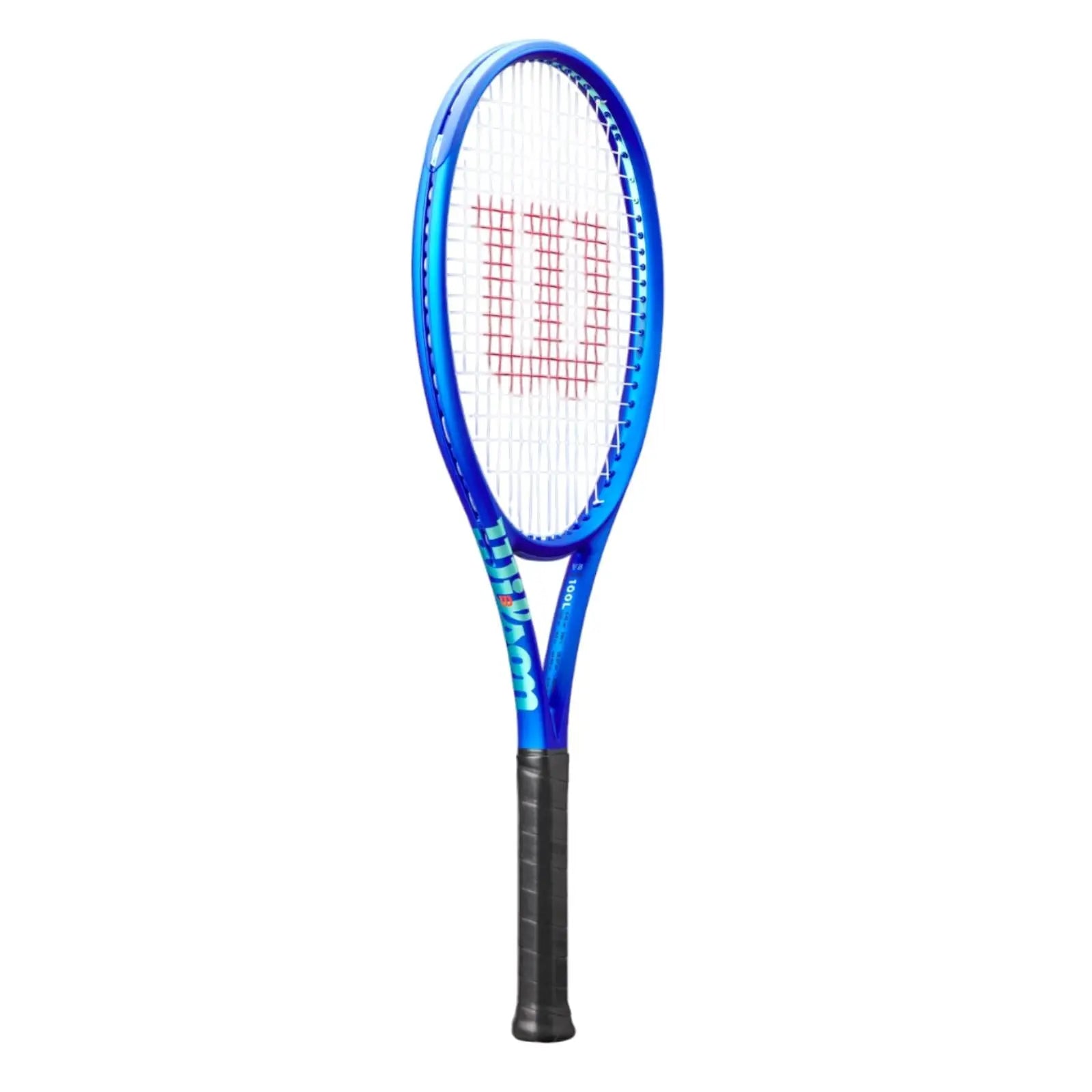
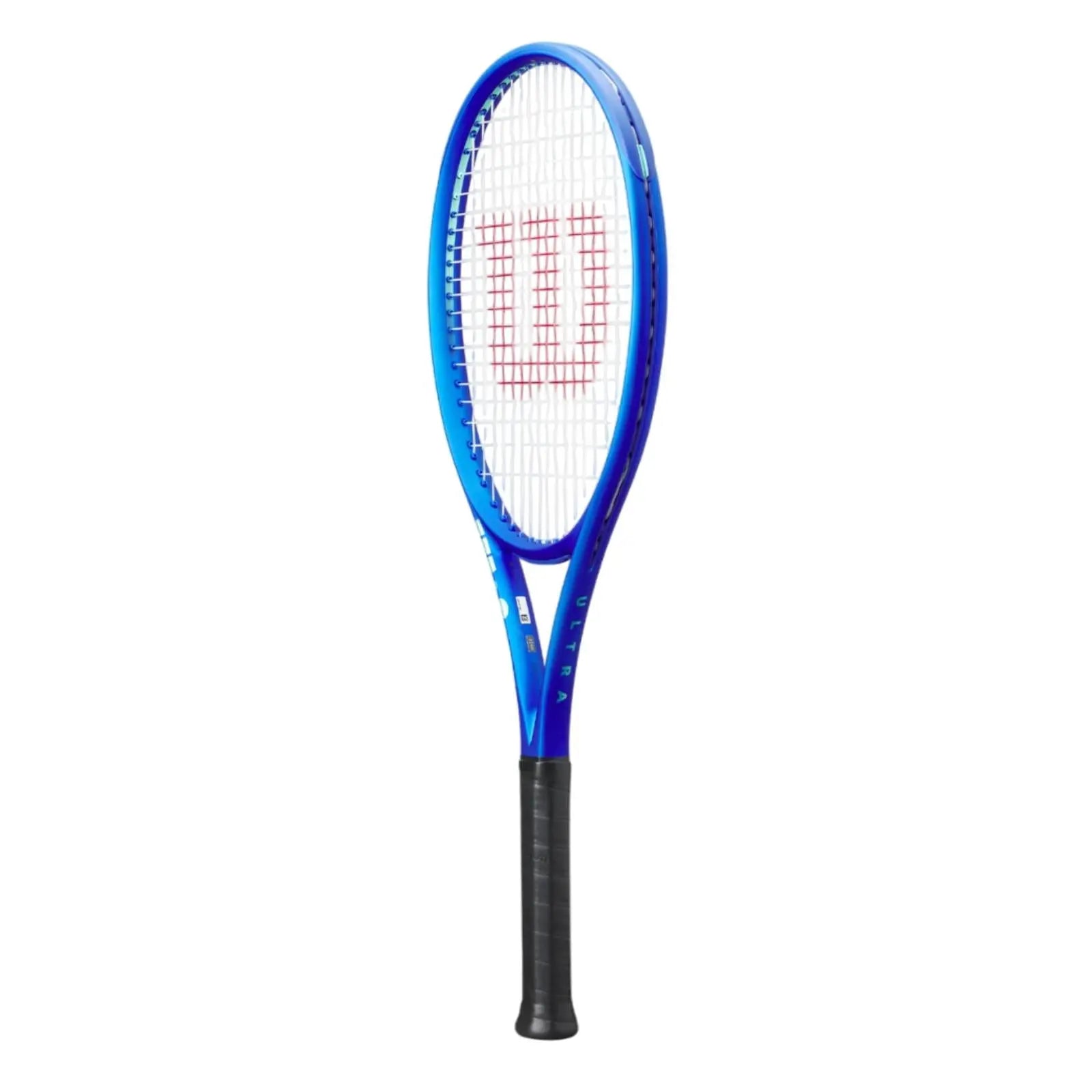
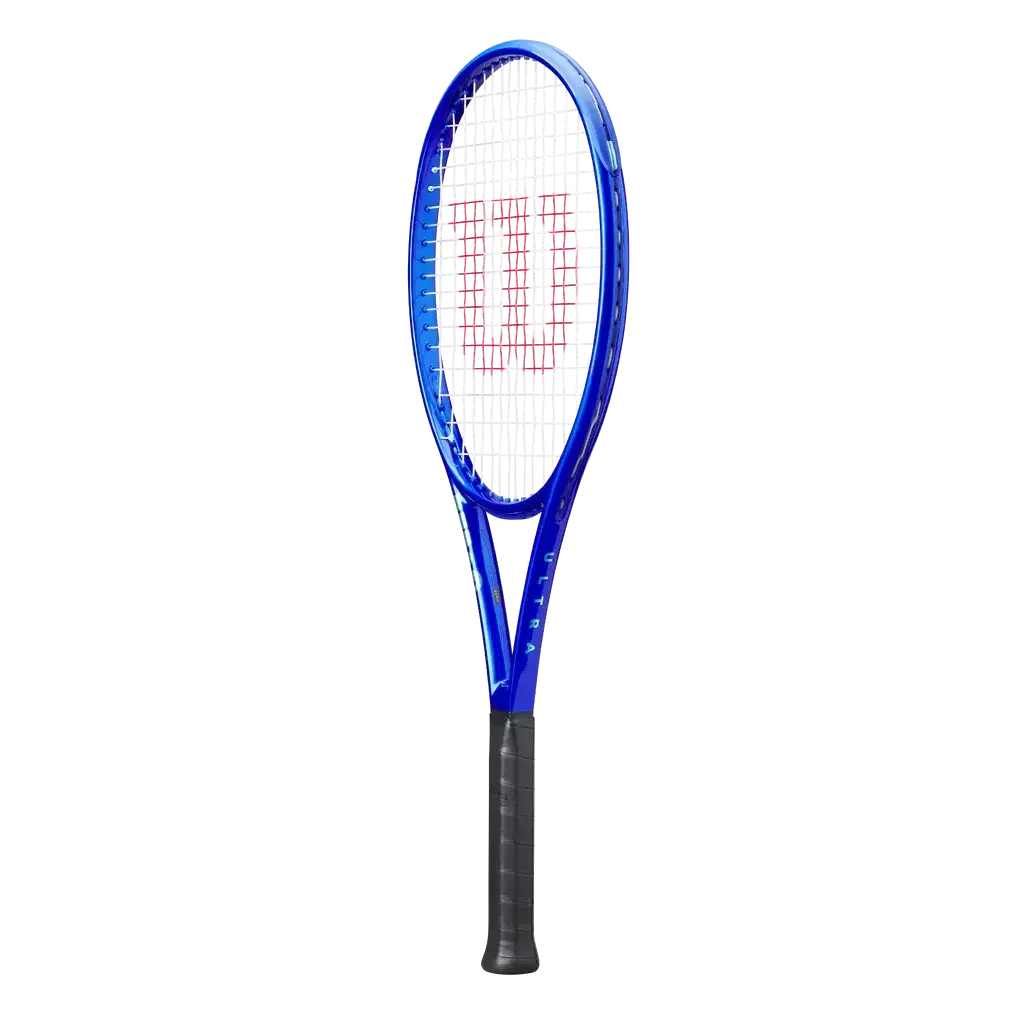
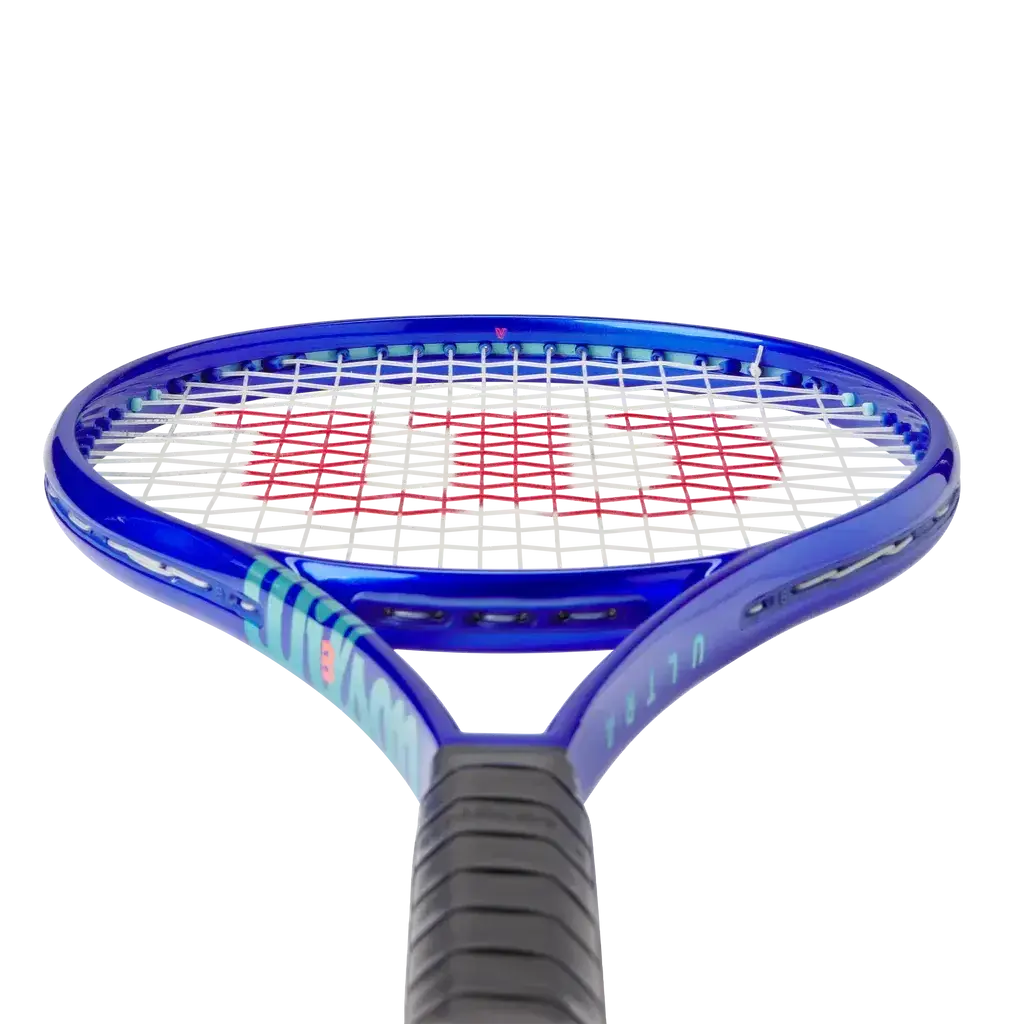
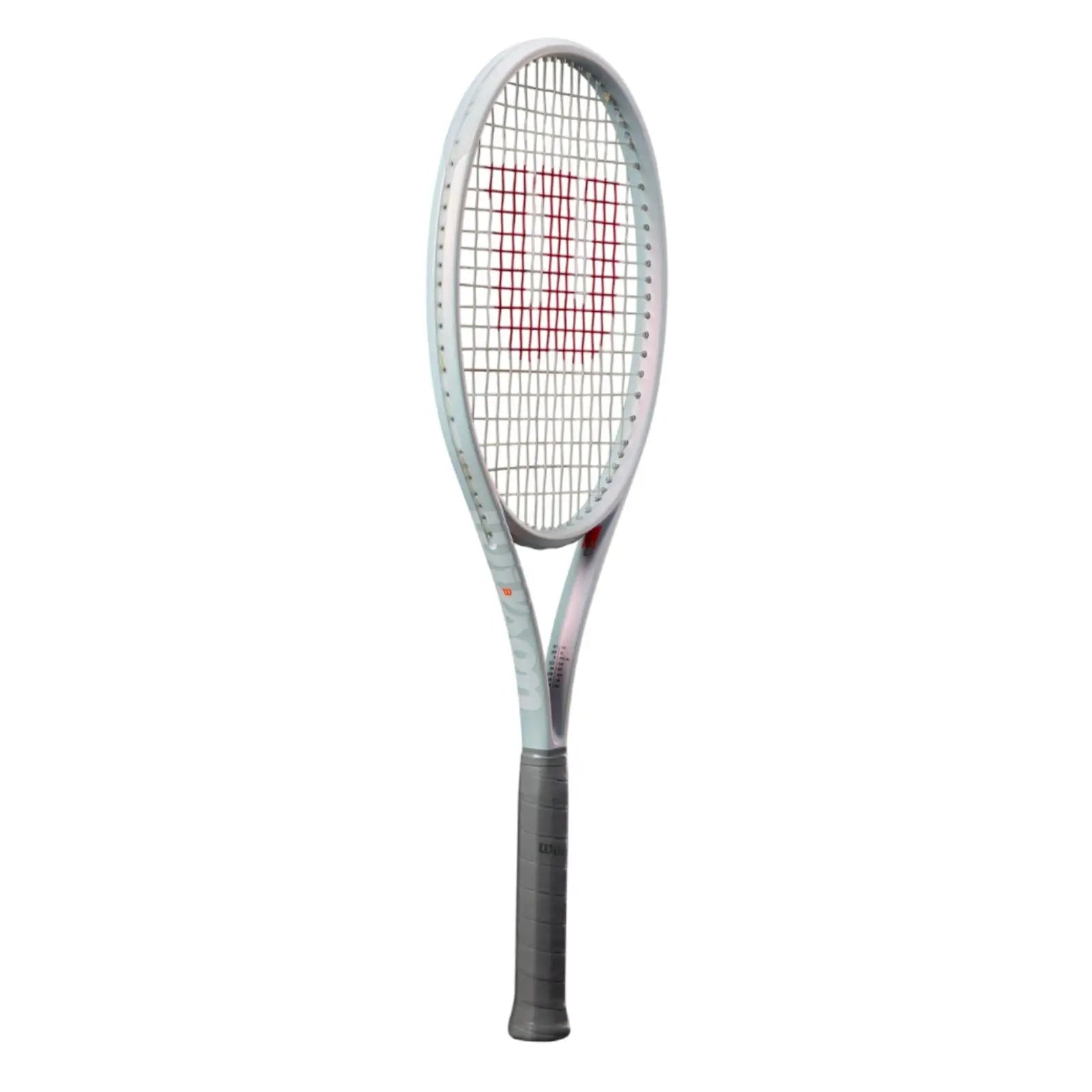
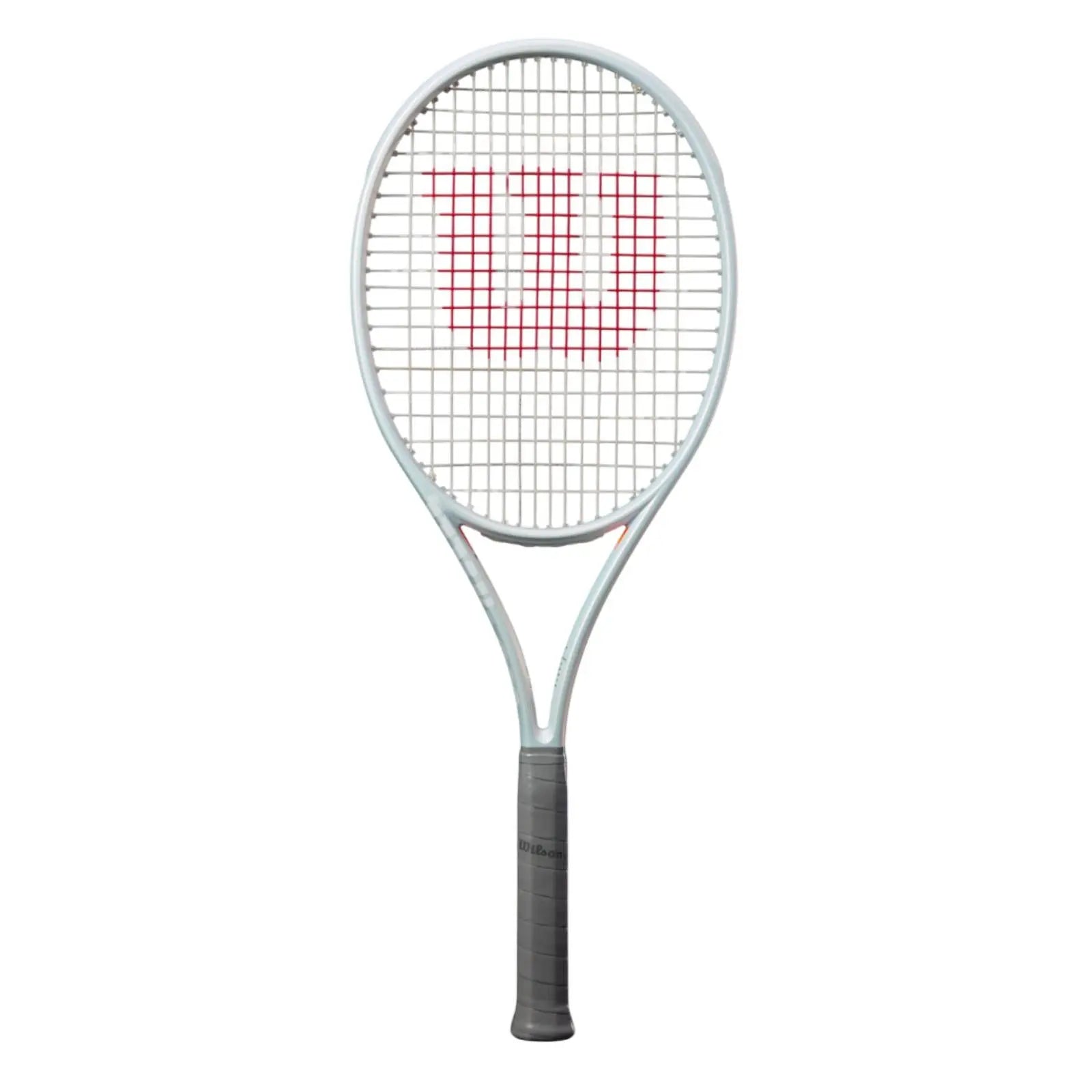
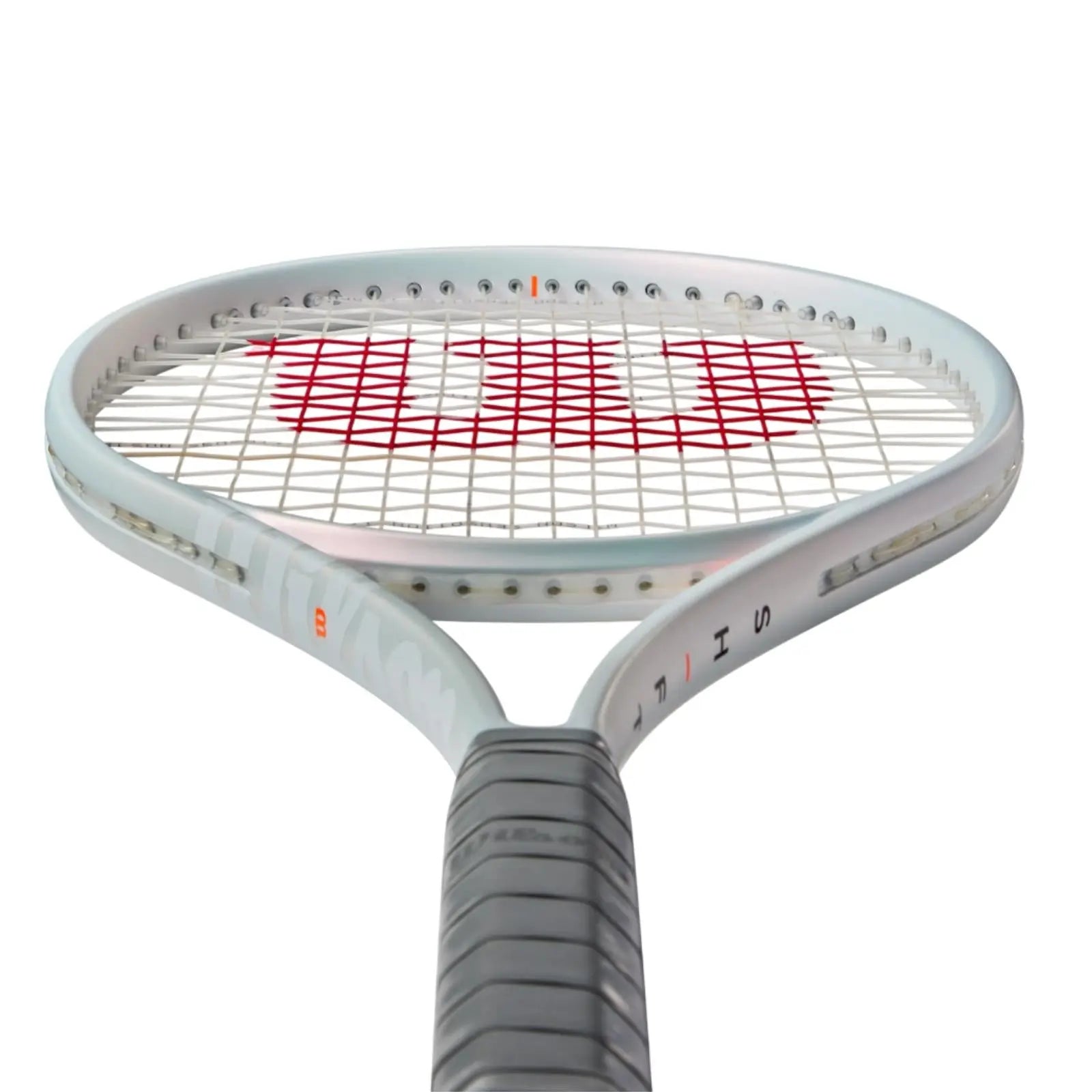
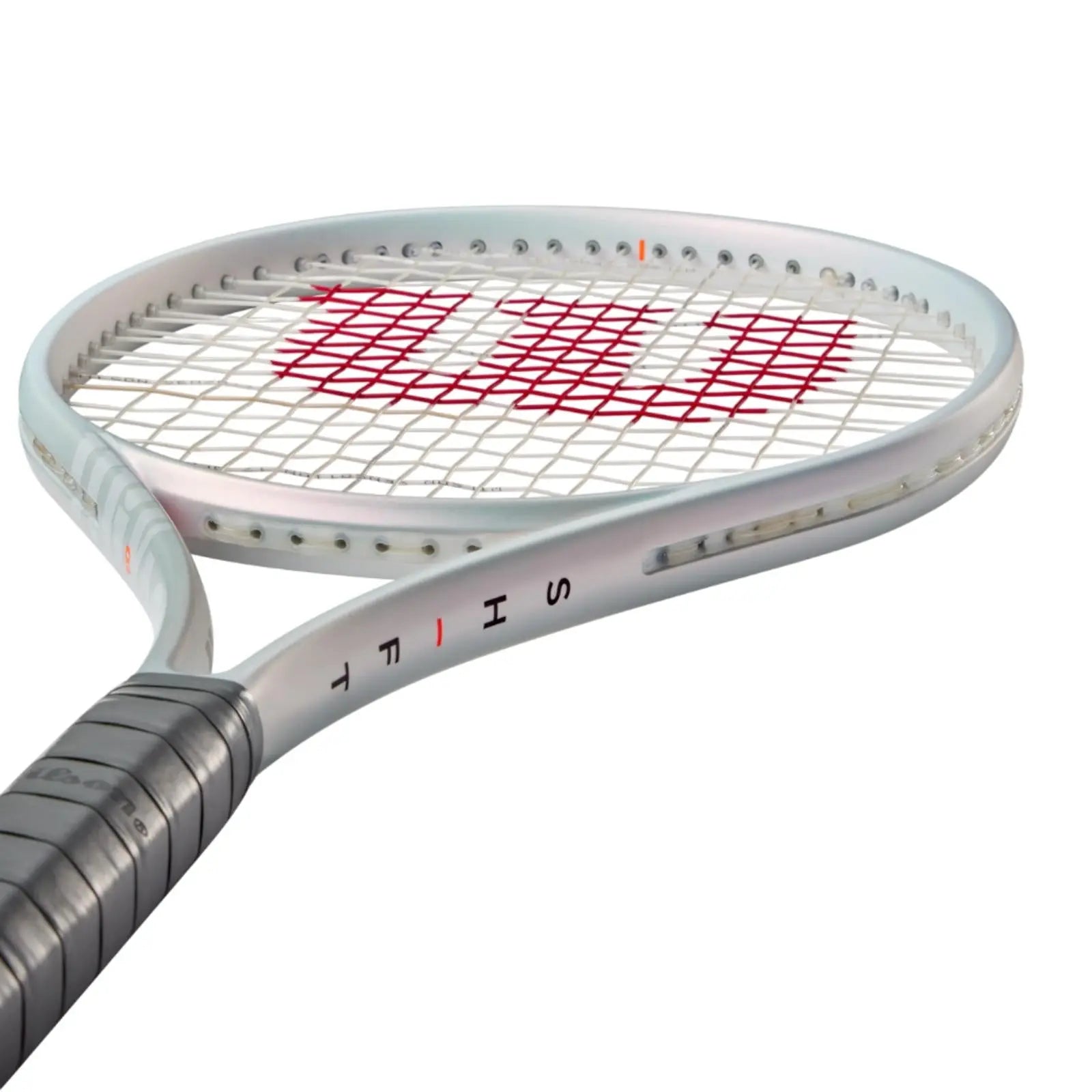
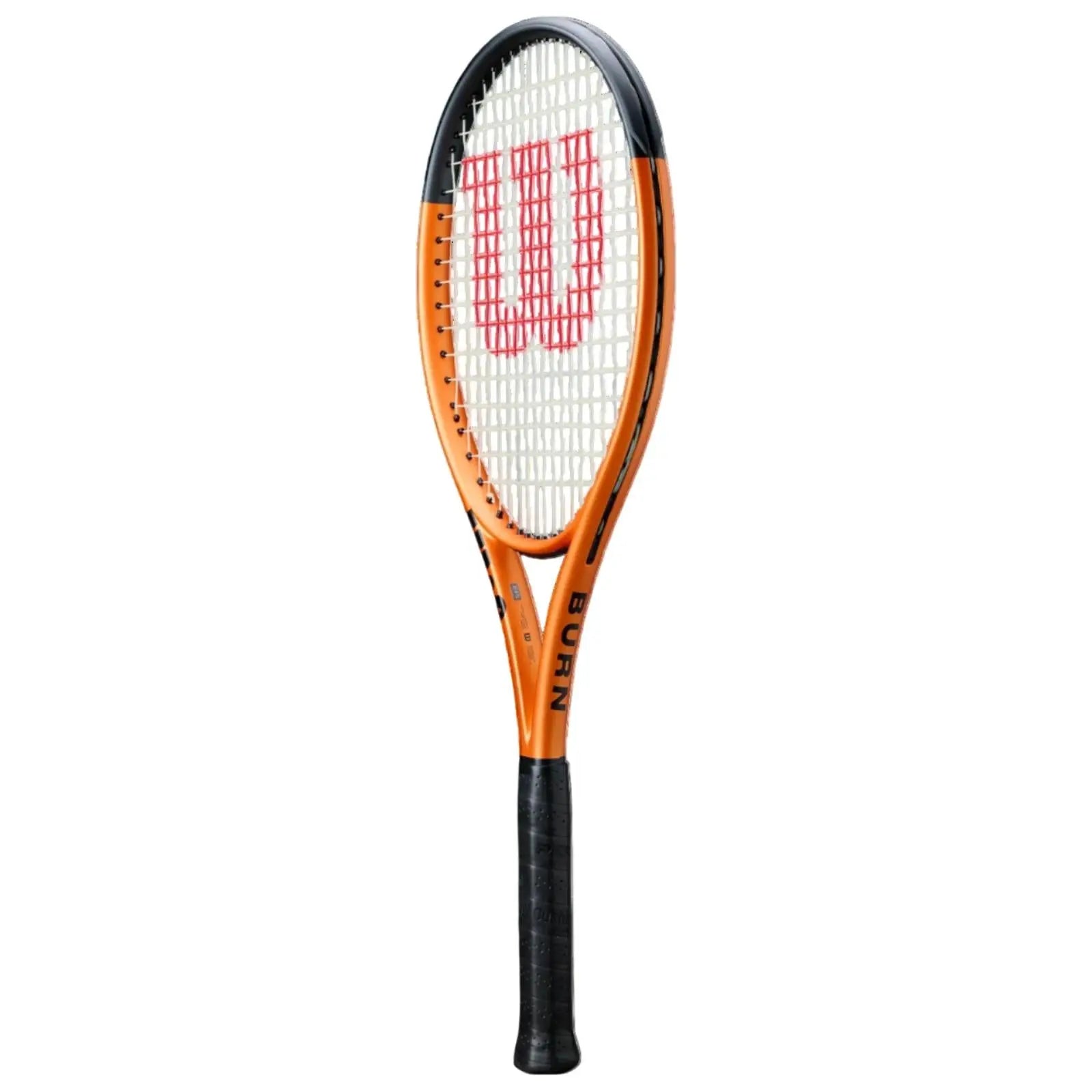
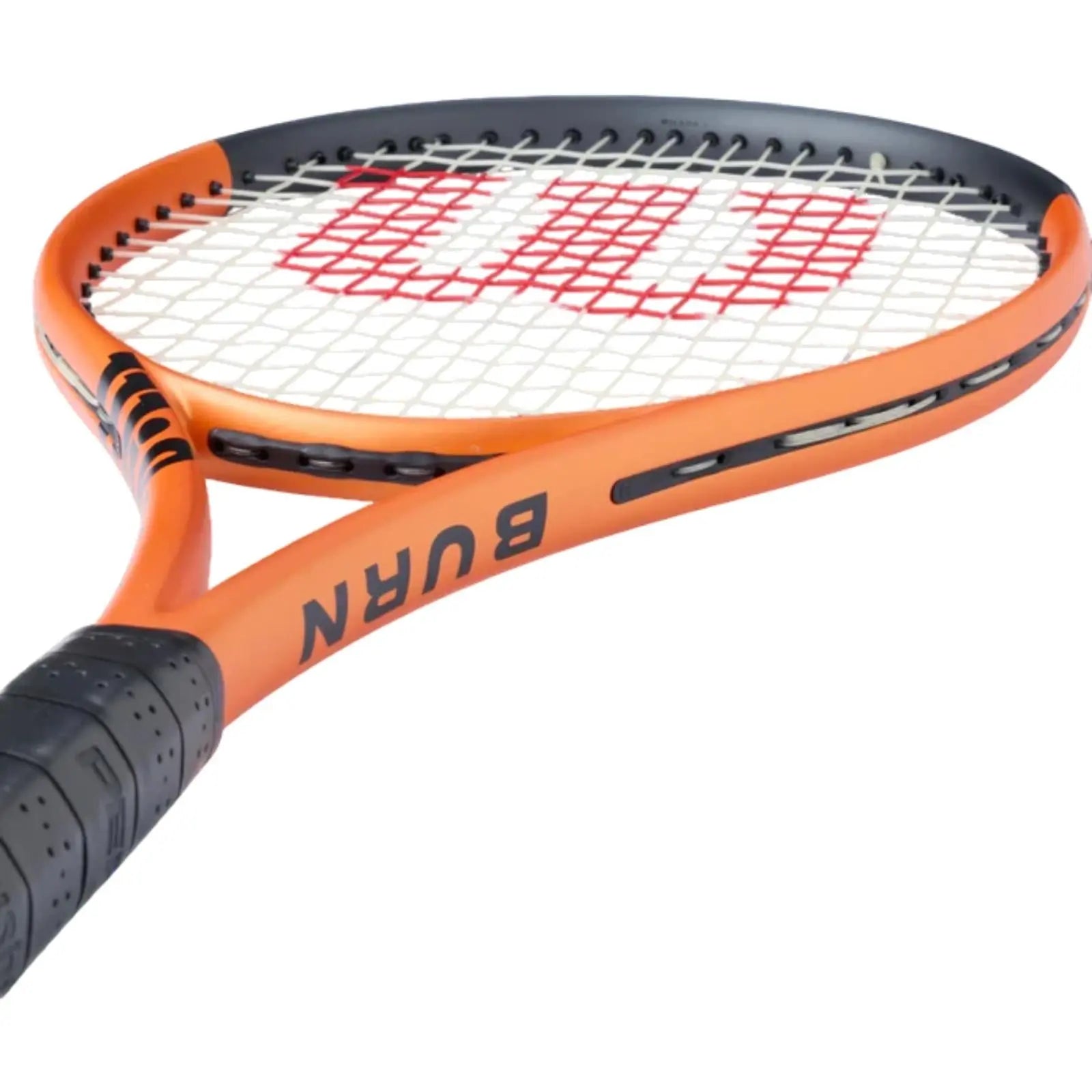
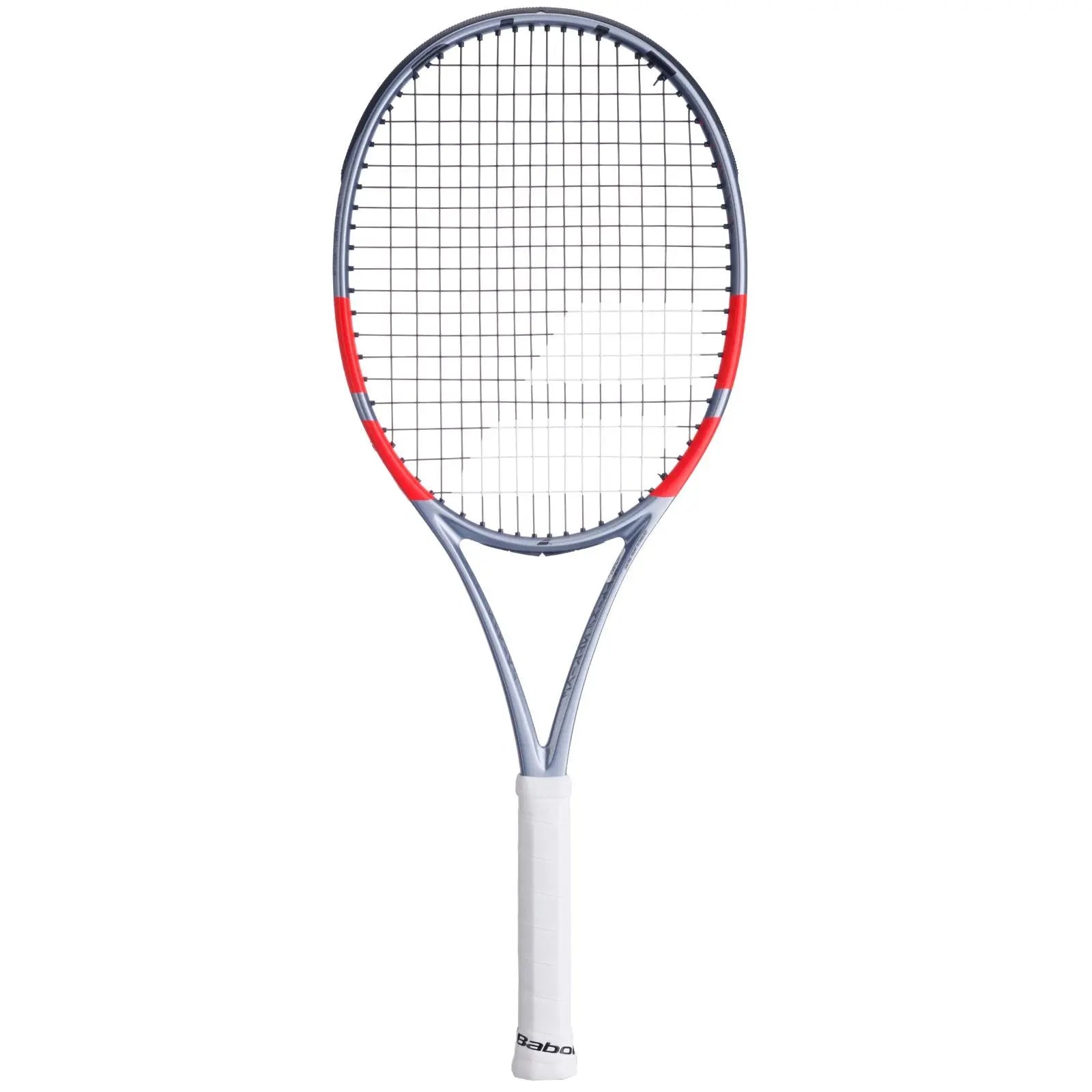
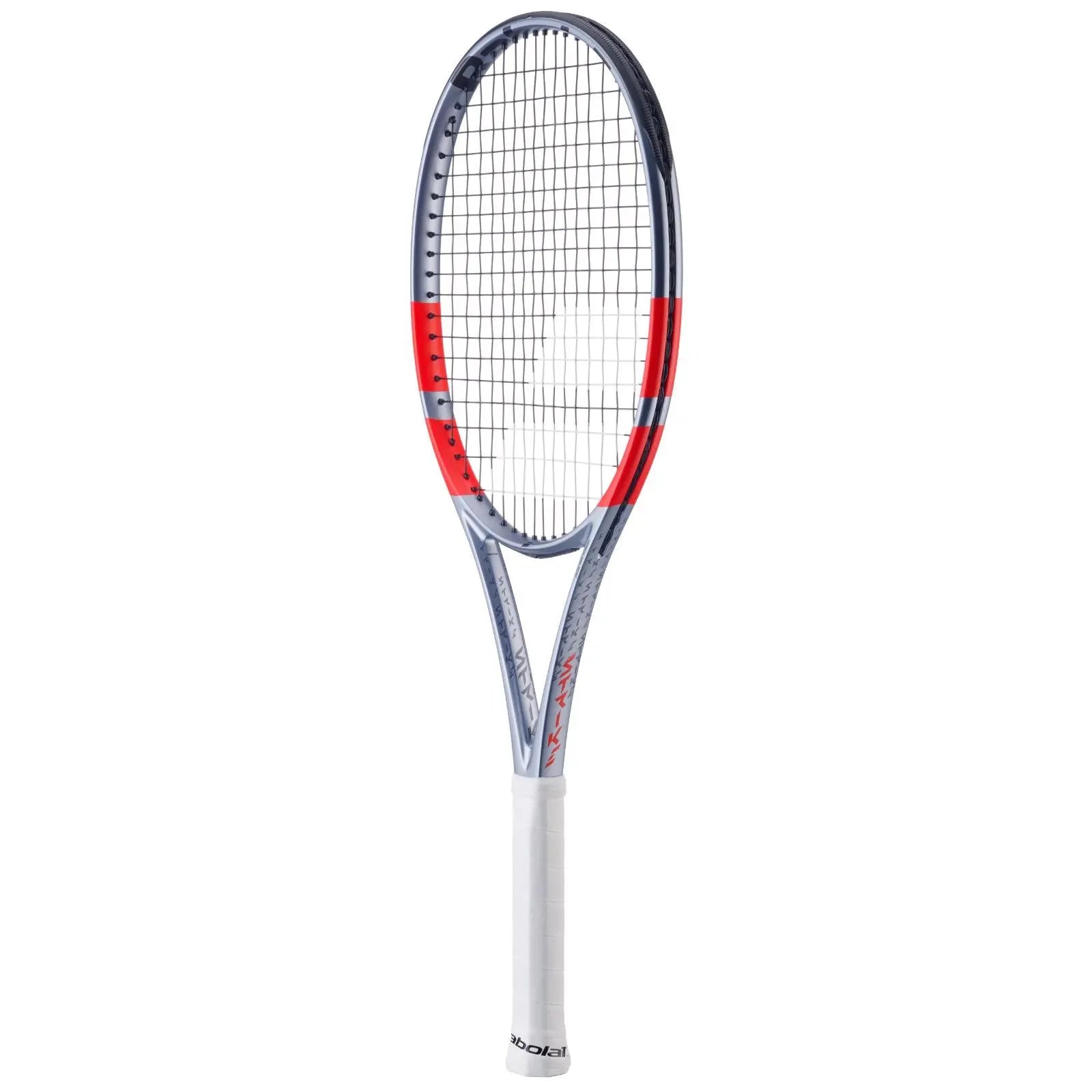
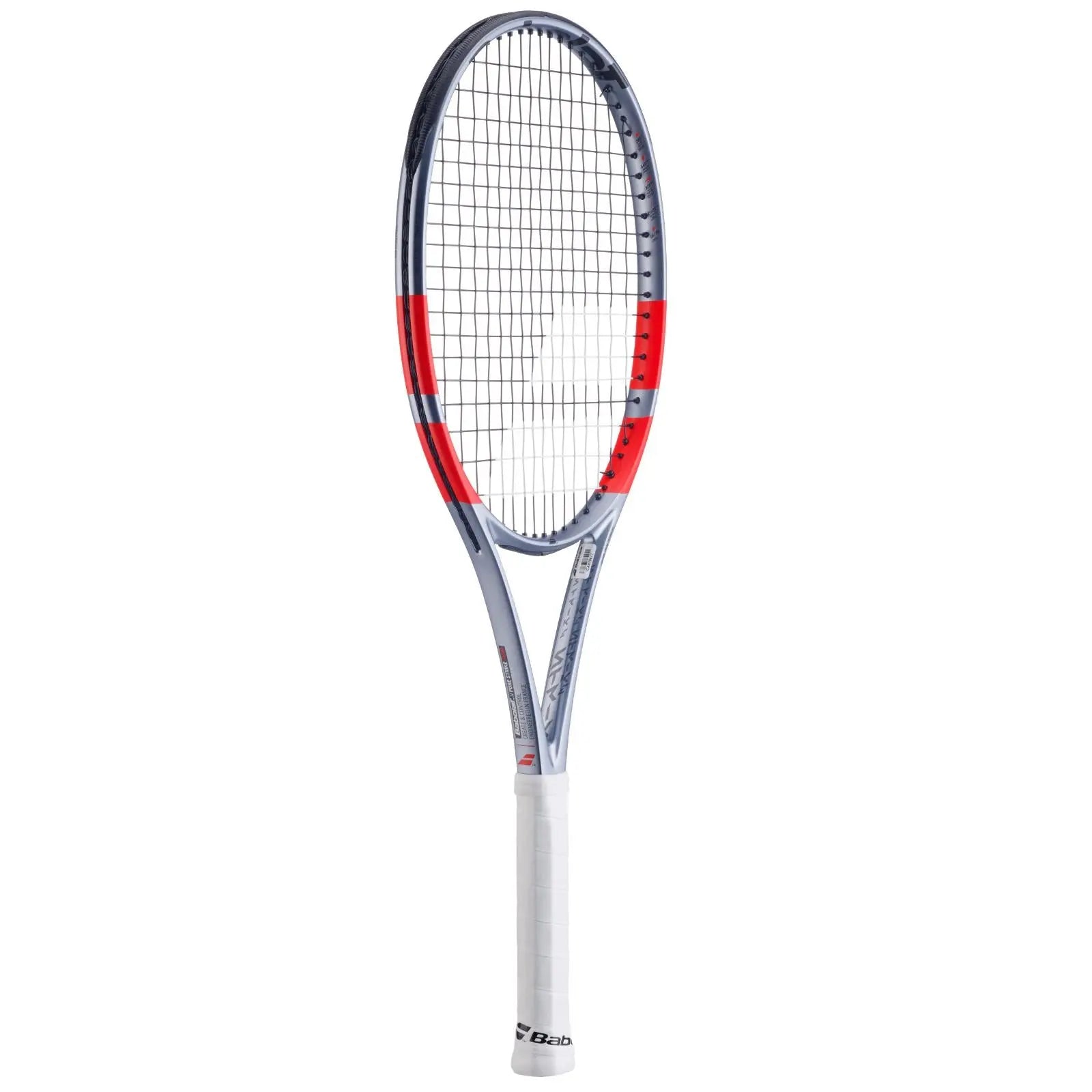
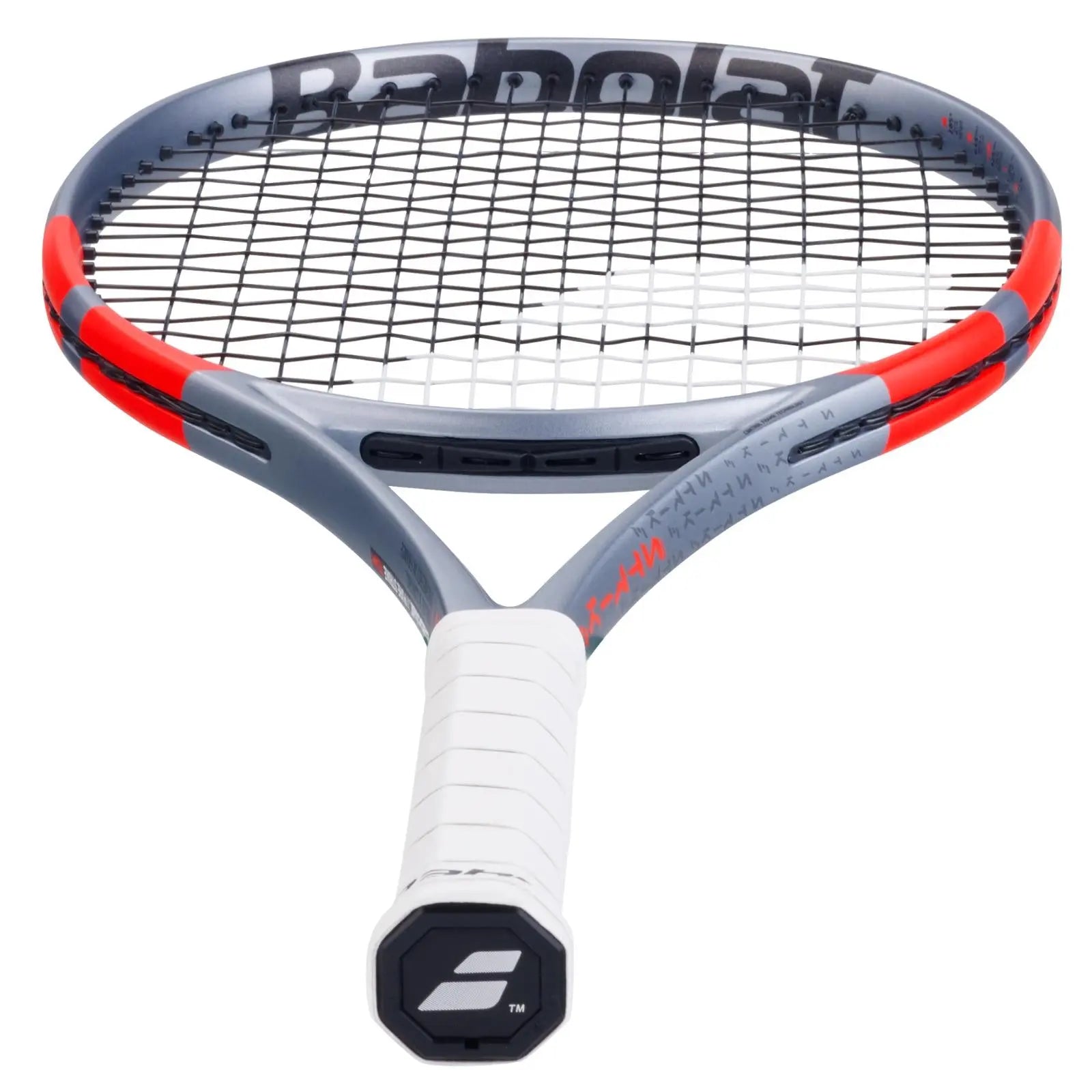
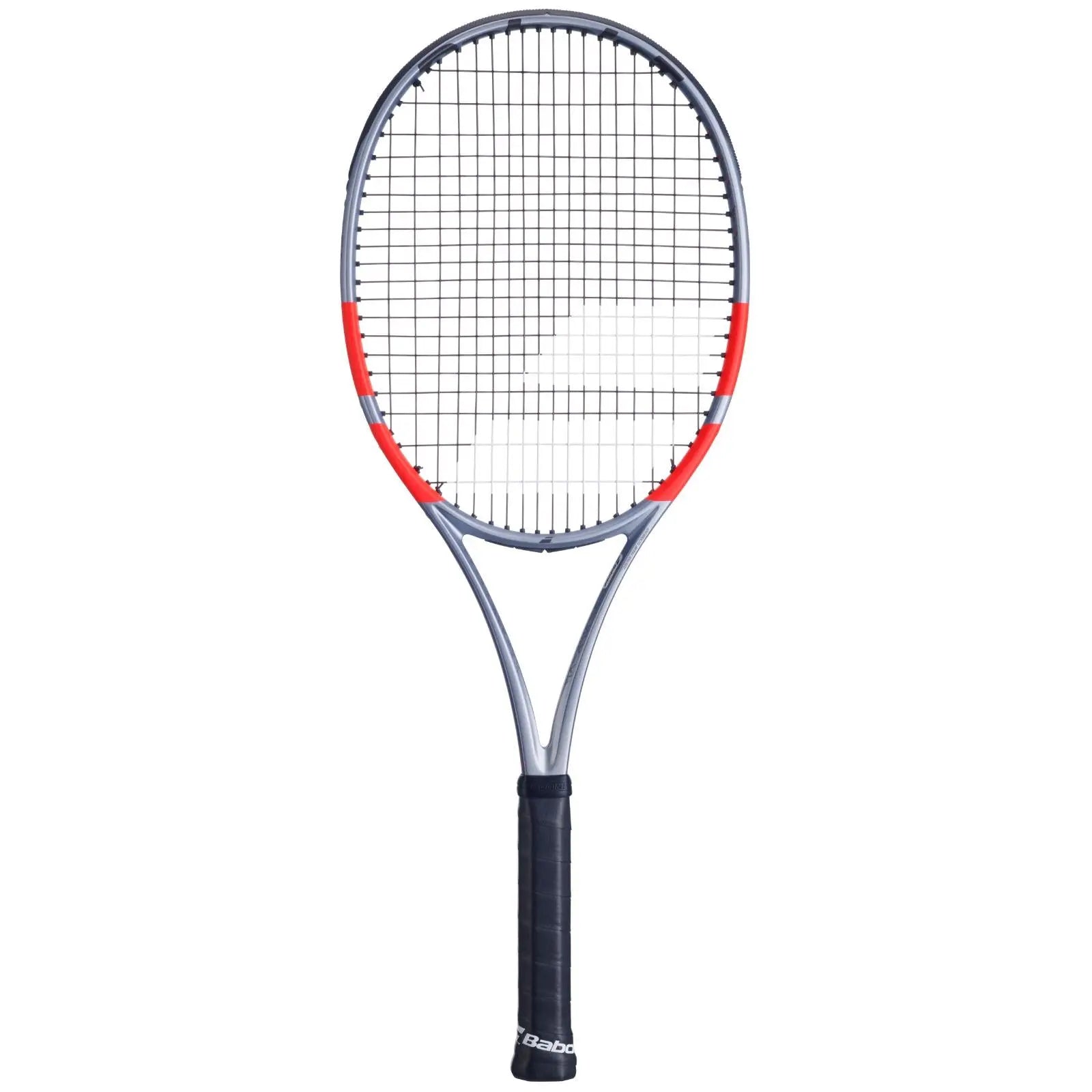
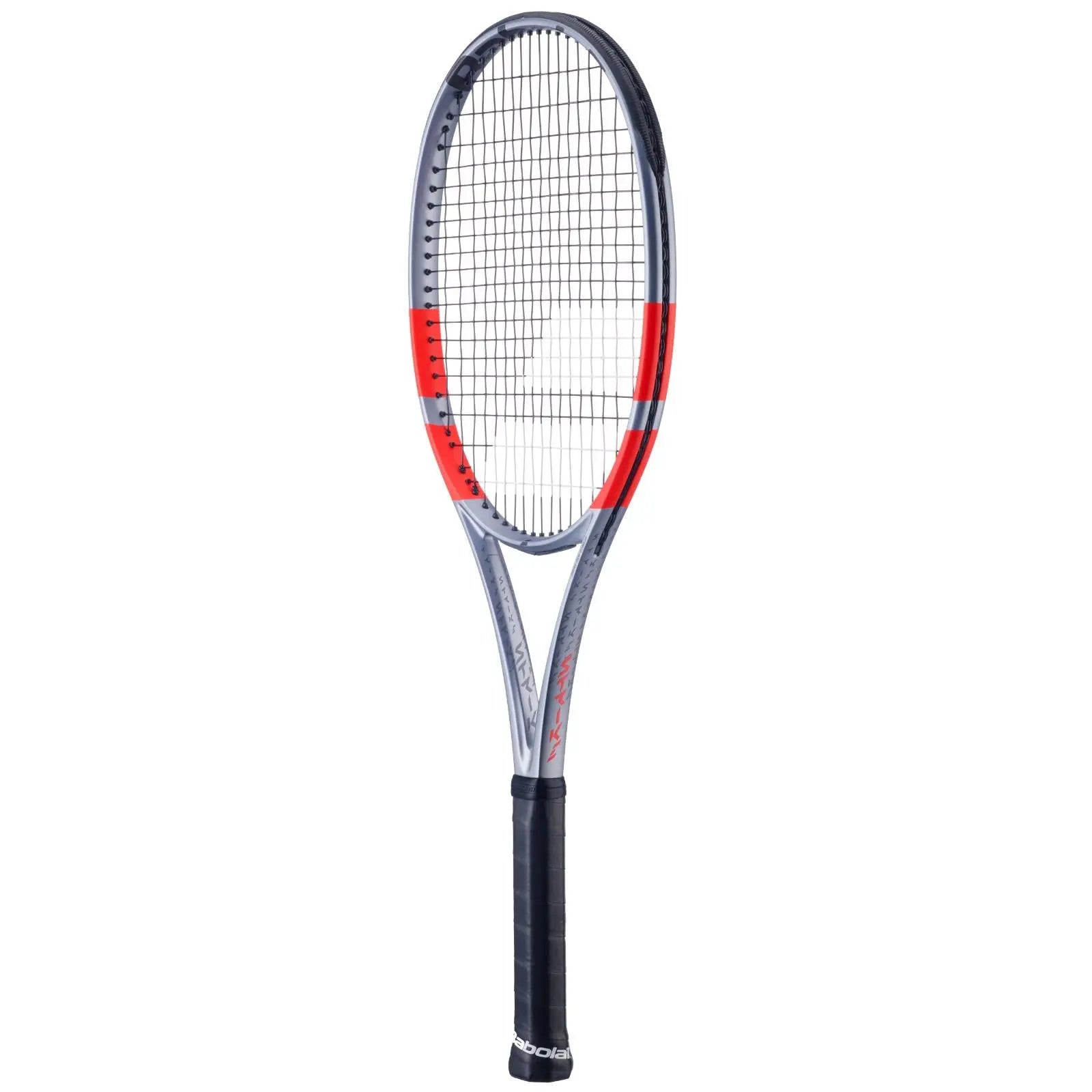
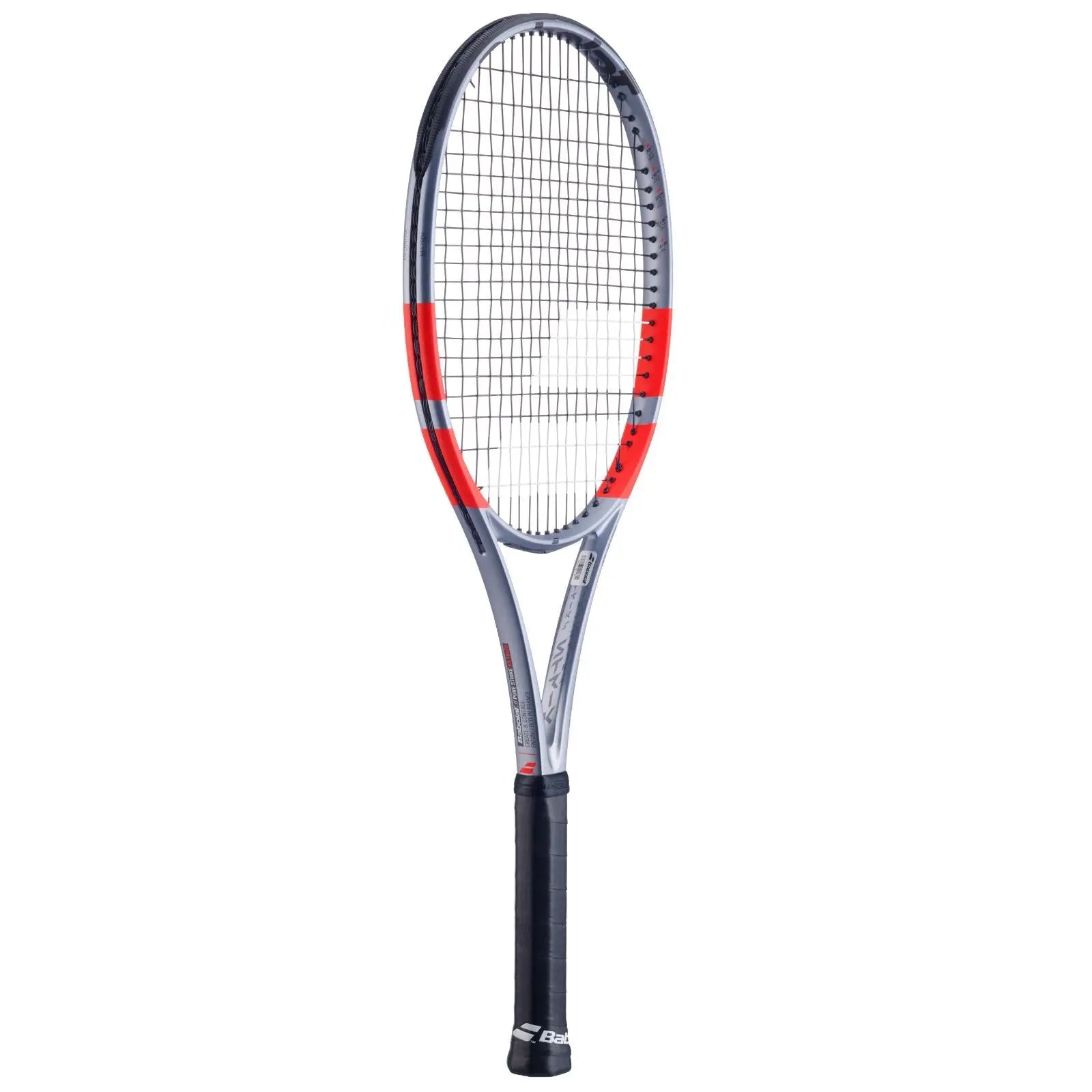
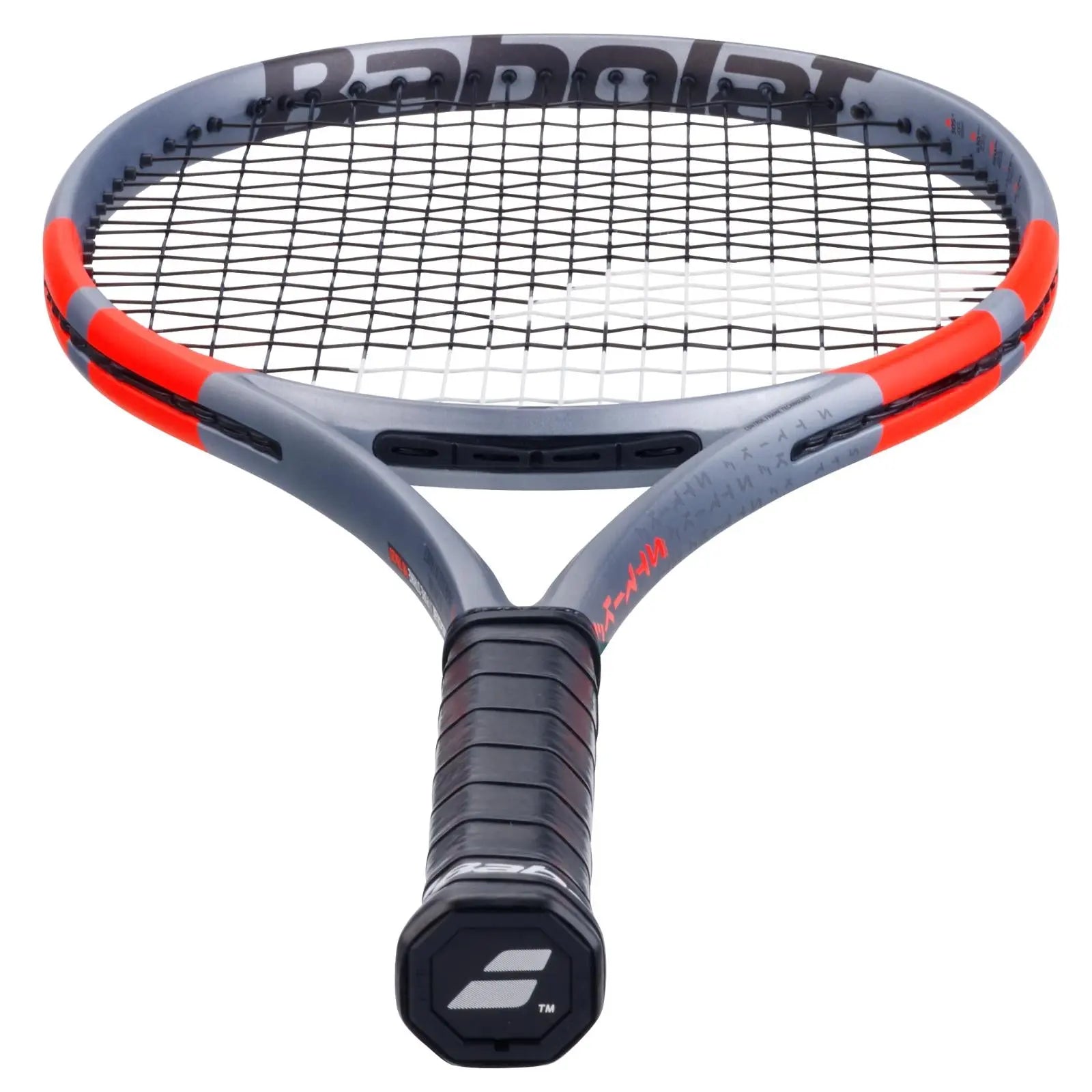
Performance Tennis Racquets
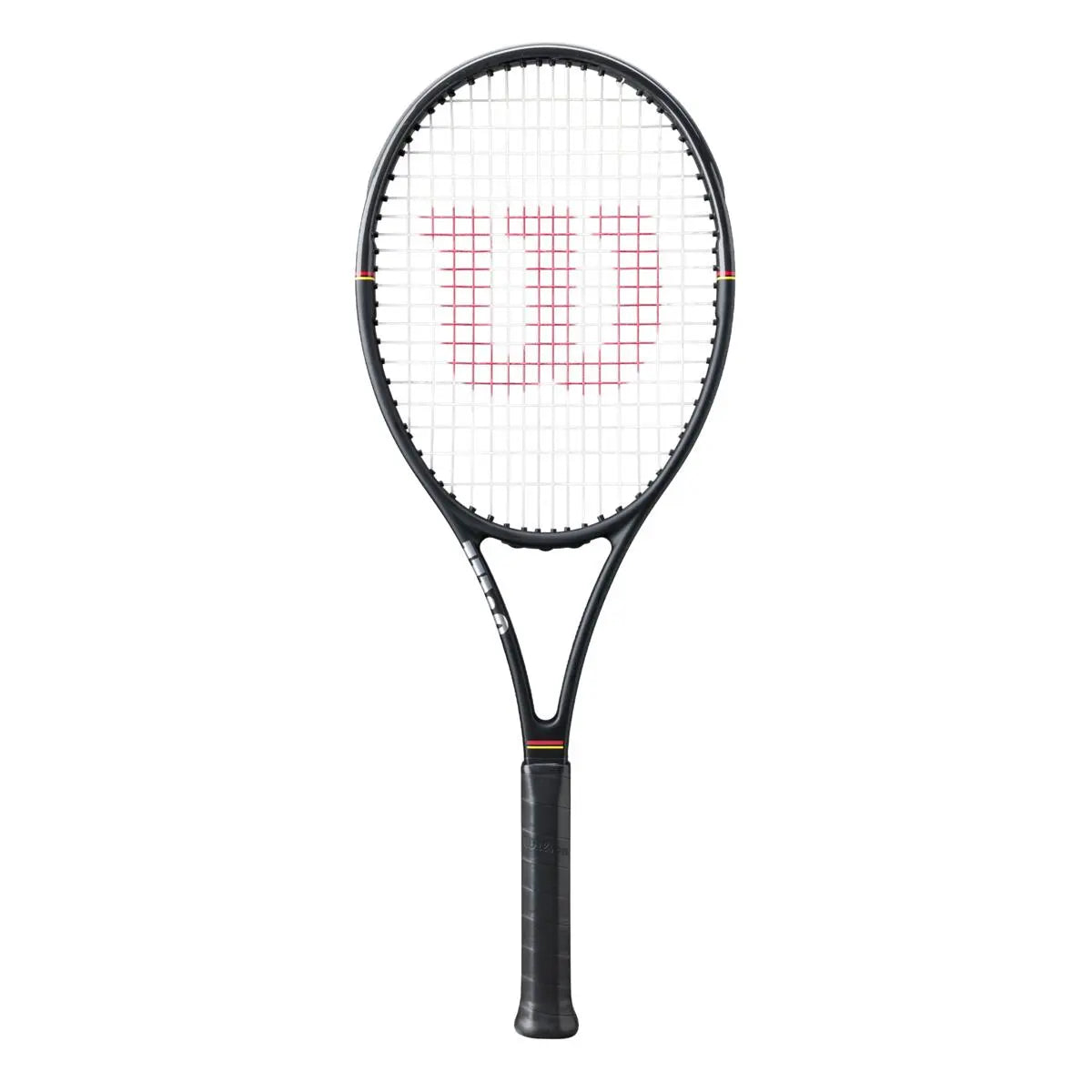
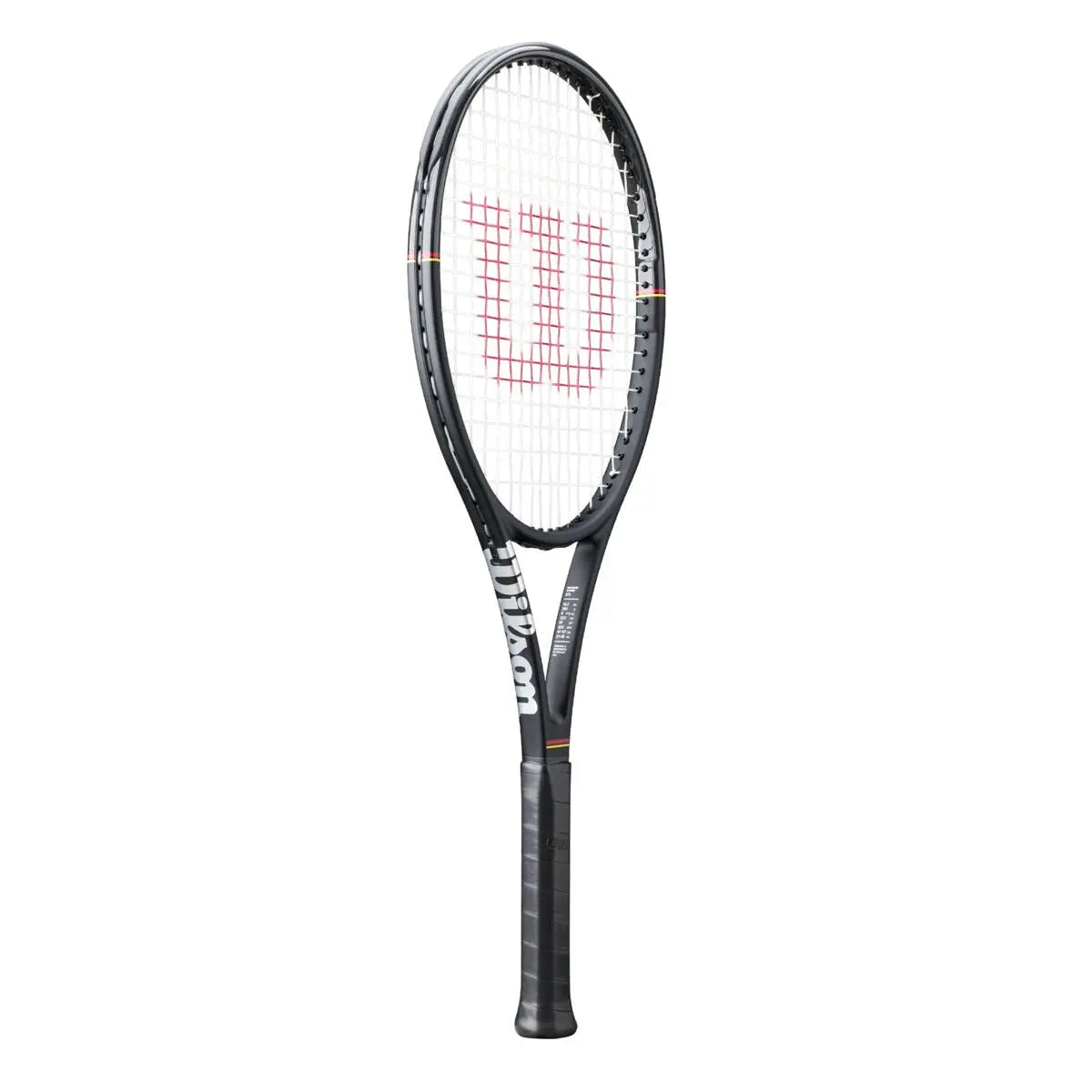
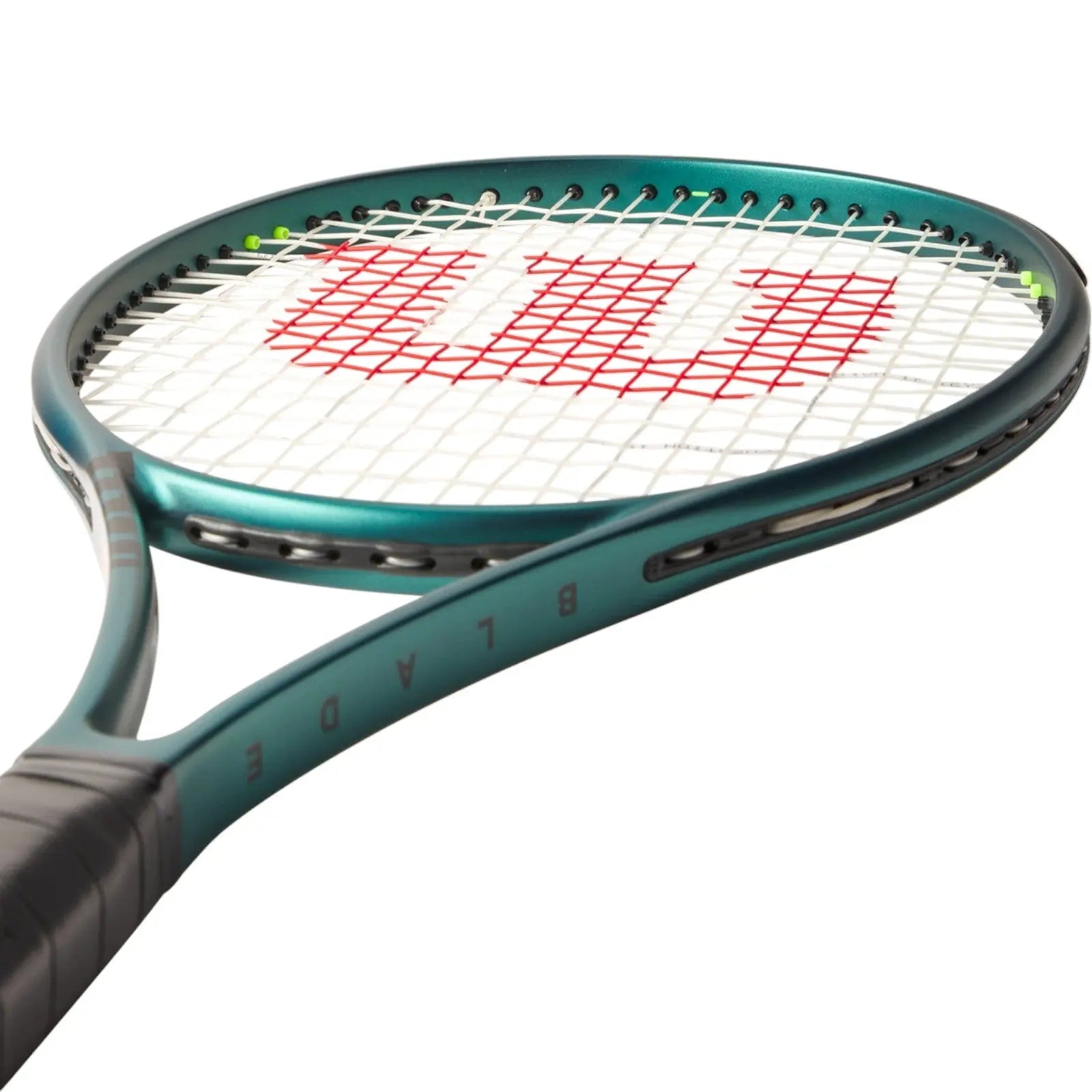
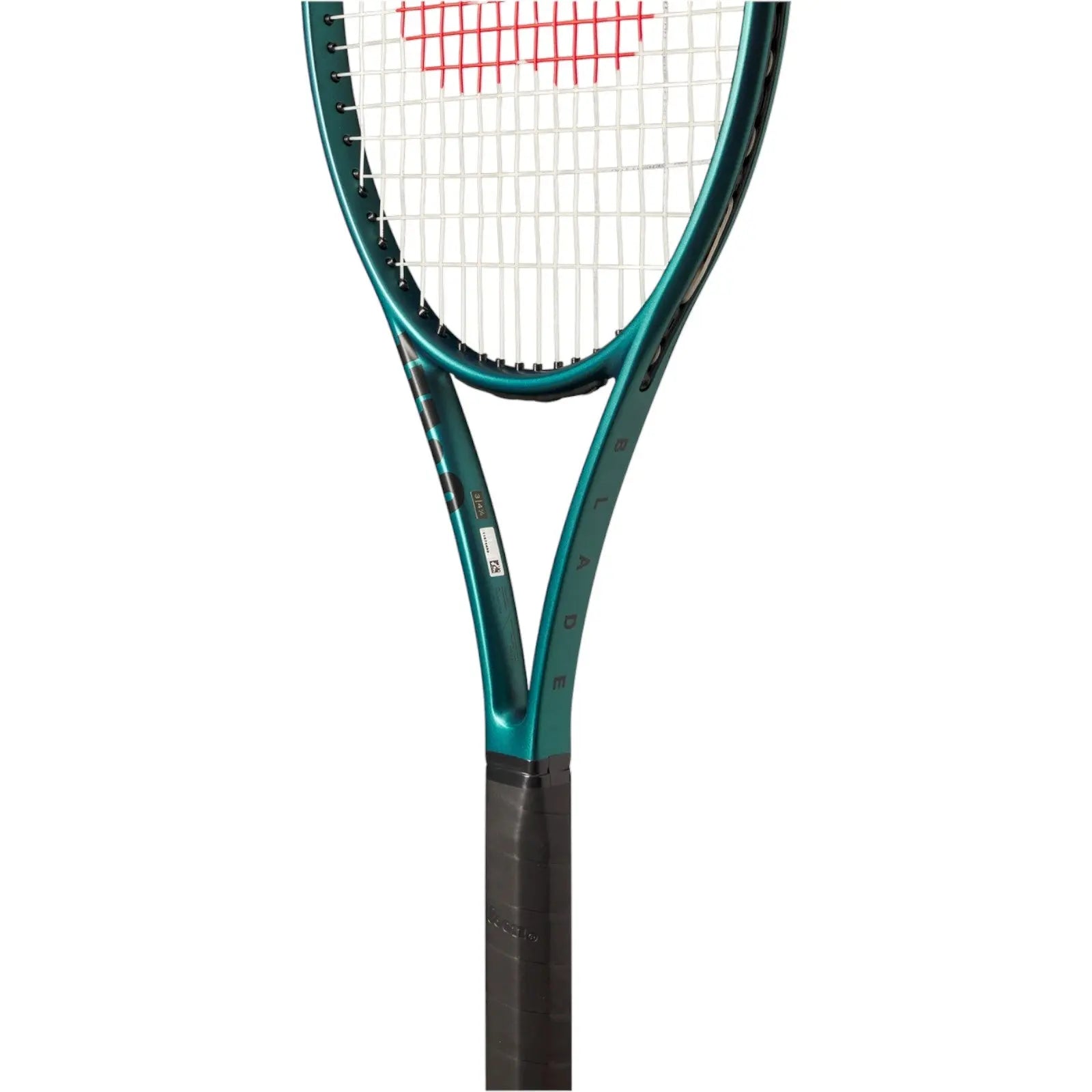
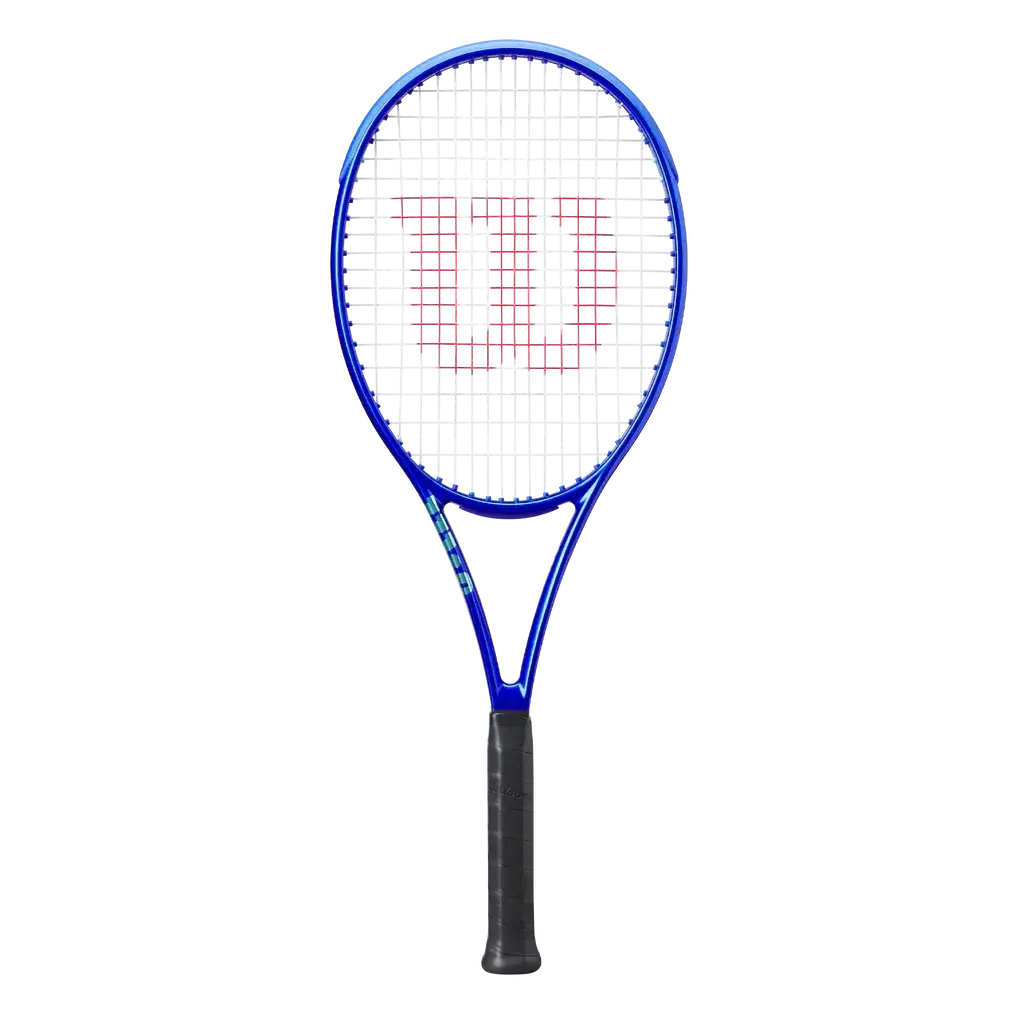
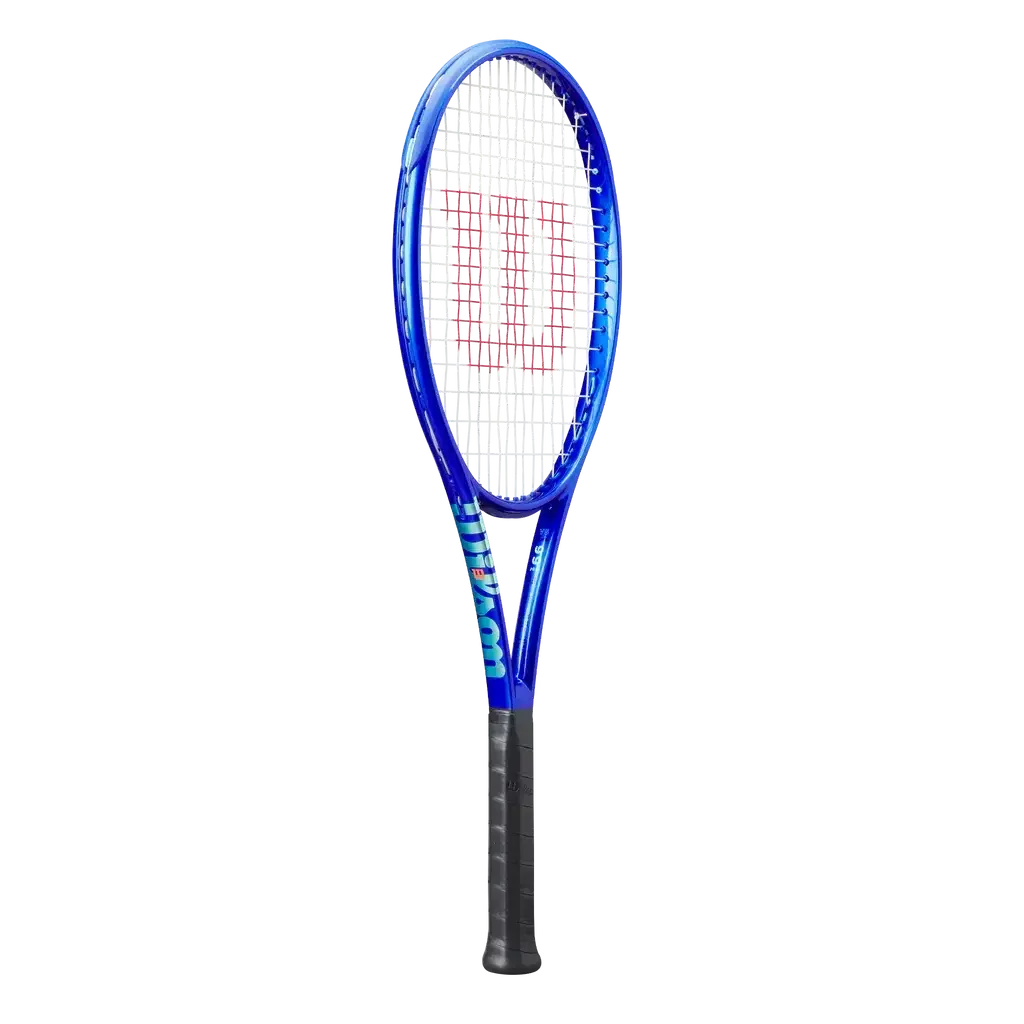
These are the racquets serious players use. Tournament players, club champions, and anyone who wants total control over every shot — this is the gear that’ll take you to the next level. Performance racquets are heavier, have smaller heads, and they don’t do the work for you. The trade-off? Once you know how to use them, you can hit shots you couldn’t even attempt with a lighter racquet.
What makes a racquet a “performance” racquet?
Performance racquets are built for control, not forgiveness. They reward good technique — clean ball contact, fast swings, and proper footwork — with shots that go exactly where you aim. They won’t help you if you mishit, though, so they’re only worth using if your fundamentals are solid.
Here’s what defines them:
-
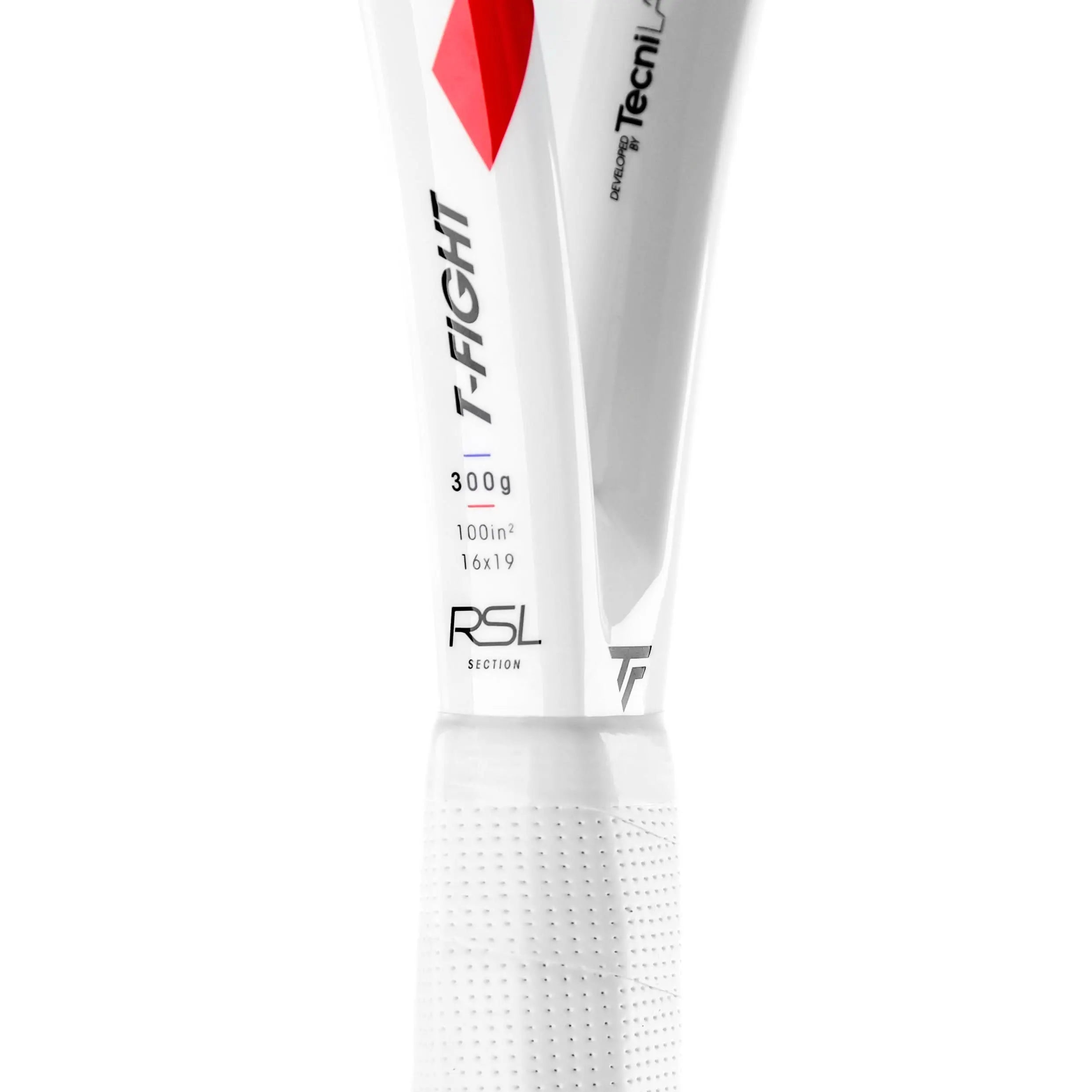
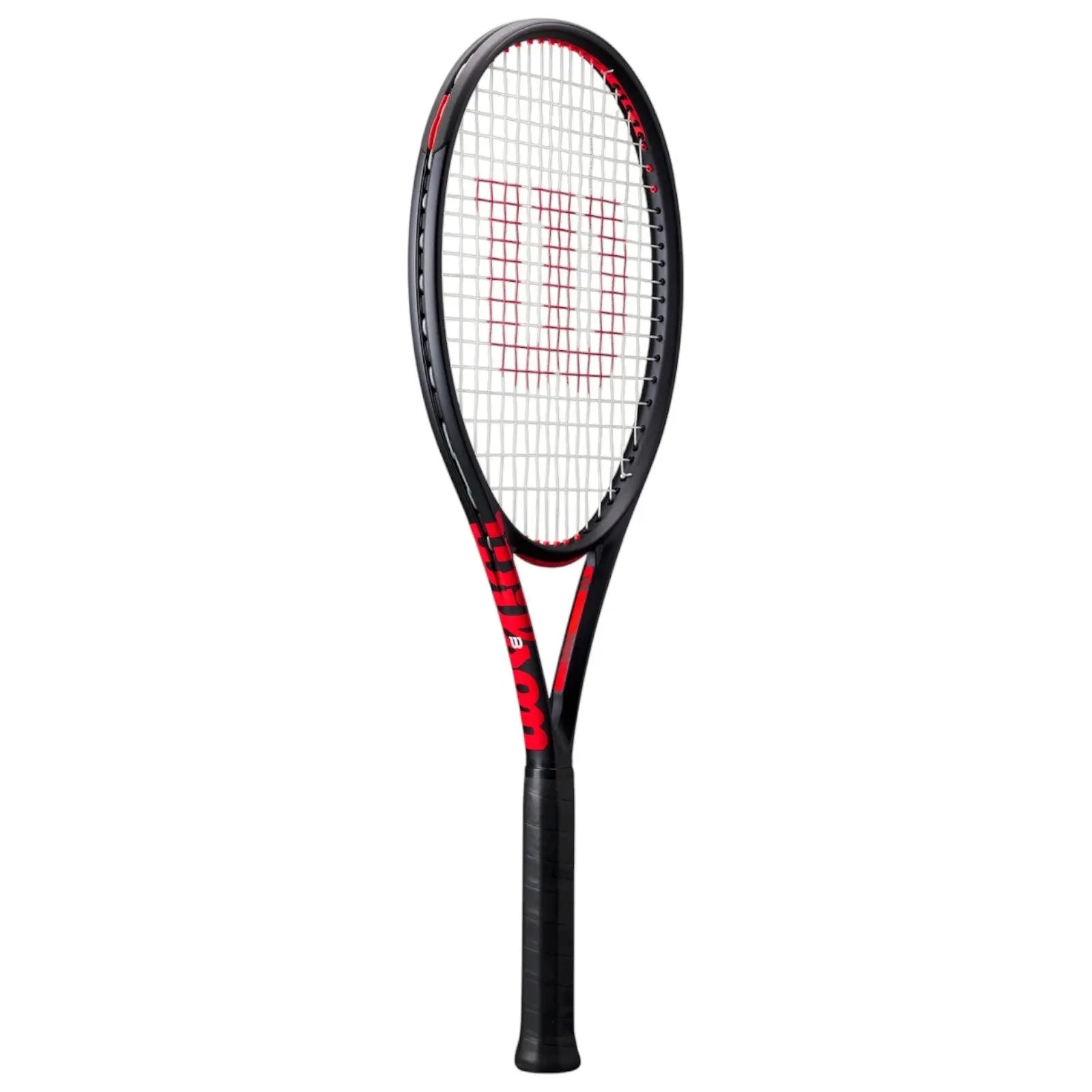
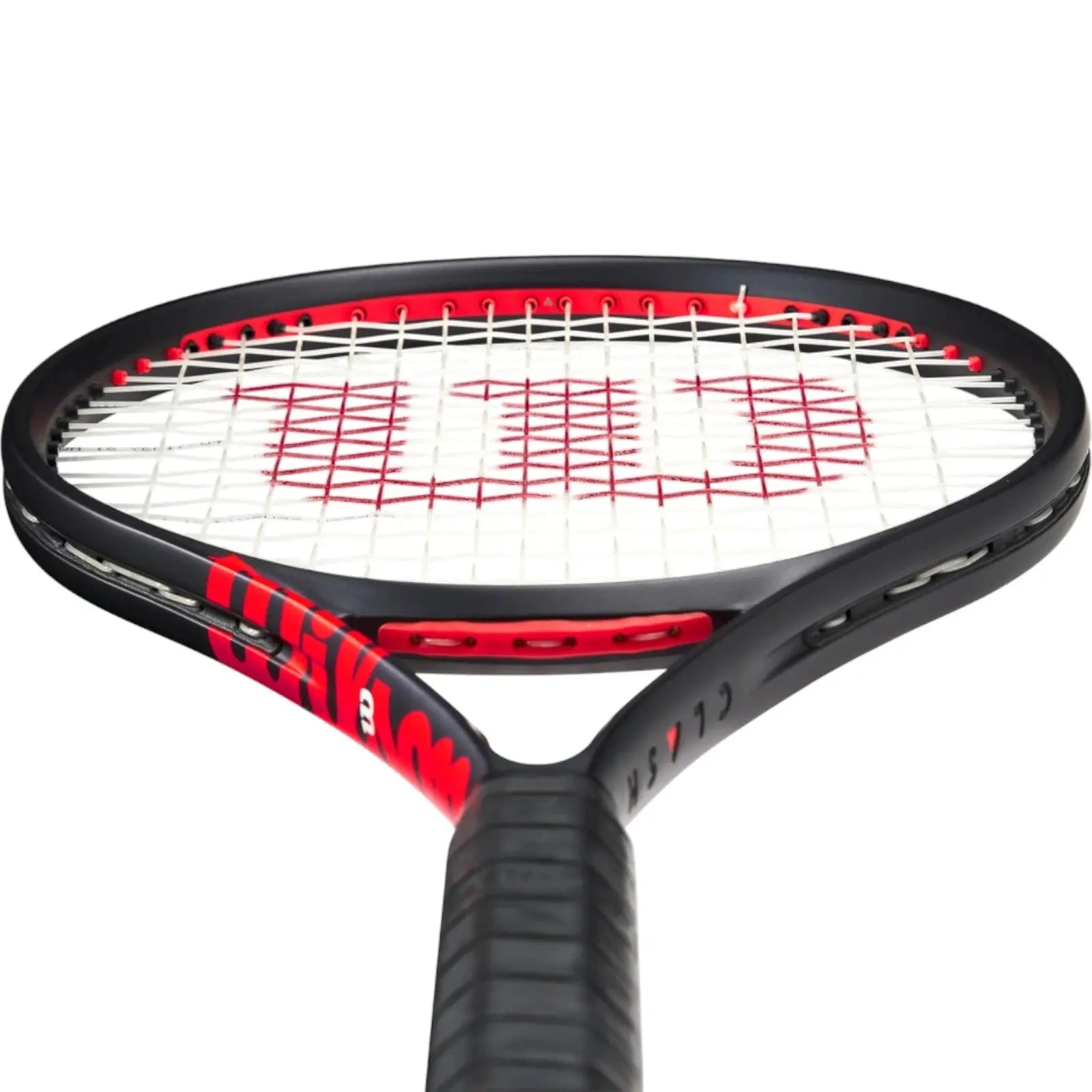
Small head (95–100 sq in): Less margin for error, but every clean hit goes exactly where you want.
-
Heavier (300–340g+): The weight pushes through the ball, so it doesn’t get knocked around by hard incoming shots.
-
Handle-heavy: Most of the weight sits in the grip area. This keeps the racquet quick to swing, even though it’s heavy overall.
-
Dense or open strings: 16x19 patterns give you spin; 18x20 patterns give you pinpoint control. Pick based on your style.
-
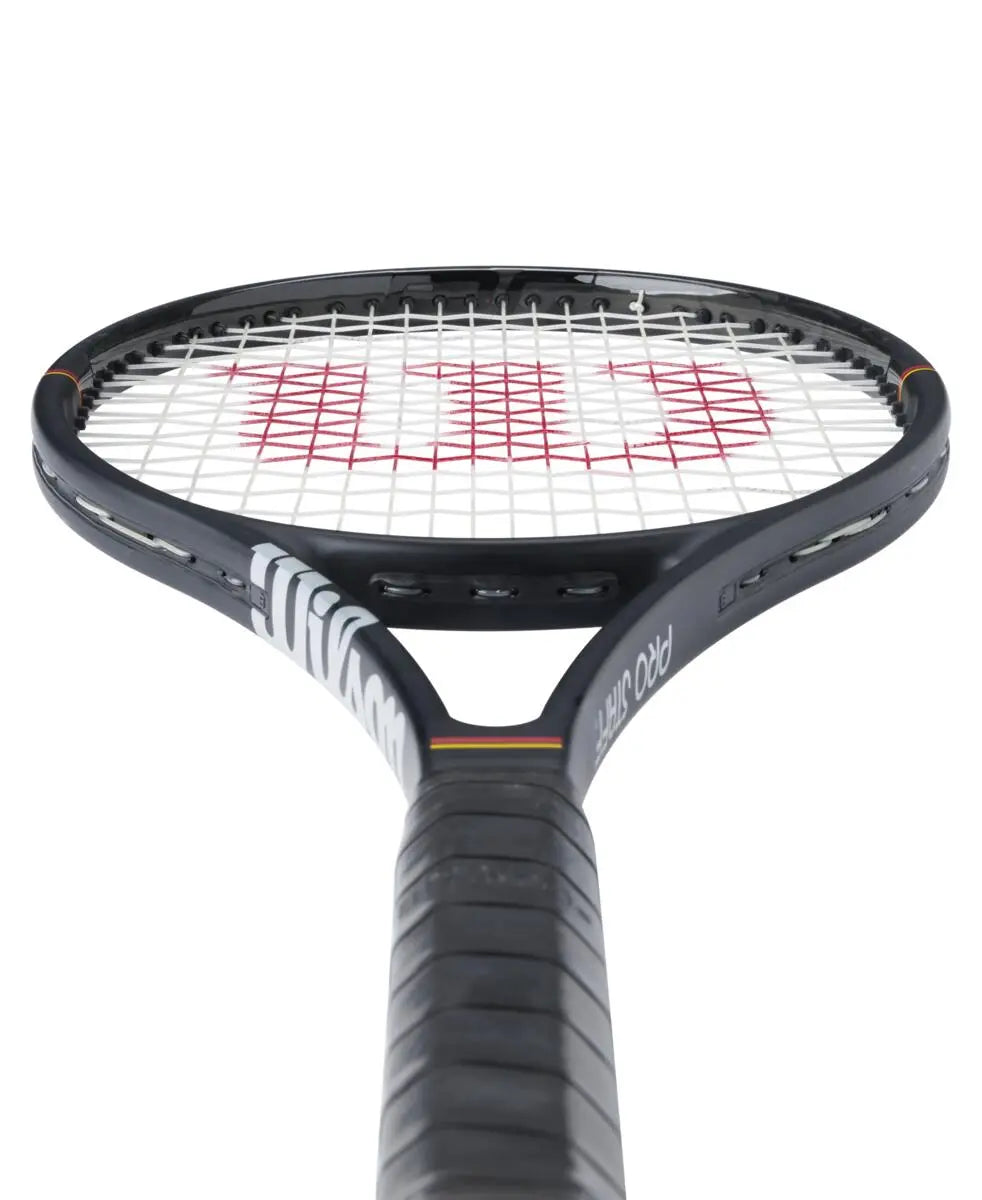
Thinner frame: Thinner frames flex more, giving you better feel for the ball — you can feel exactly where it hits.
-
Premium materials: Better graphite layups and carbon fibre reinforcement give you a more solid, professional feel.
These racquets are basically what the pros use. Some have small differences from the retail version — but the underlying frames are the same models you’ll see on TV.
Is a performance racquet right for you?
Probably yes, if you:
- Play tournaments or club pennant/A-grade competitions
- Have years of regular play under your belt
- Can hit through the ball with consistent technique
- Want more precision and less “random pop” from your racquet
- Generate your own pace and don’t need help from the racquet
- Don’t mind a racquet that punishes a bad swing
If you’re still figuring out how to hit through the ball or your shots are inconsistent — stay in the intermediate range a bit longer. Performance racquets will frustrate you, not help you.
Performance vs intermediate — the real differences
| What to compare |
Intermediate |
Performance |
| Head size |
98–105 sq in |
95–100 sq in |
| Weight (no strings) |
275–300g |
300–340g+ |
| Where the weight sits |
Balanced |
Handle (handle-heavy) |
| Where the power comes from |
Racquet + player |
Mostly the player |
| Sweet spot |
Medium-large |
Smaller, more precise |
| Easier to use? |
Easier |
Harder — rewards good technique |
The mental switch when moving up: you become the source of power. The racquet just translates your swing into a shot. If you’re hitting it well, the result is amazing precision. If you’re off, the racquet won’t bail you out.
Spin player or control player?
Performance racquets generally come in two flavours:
-
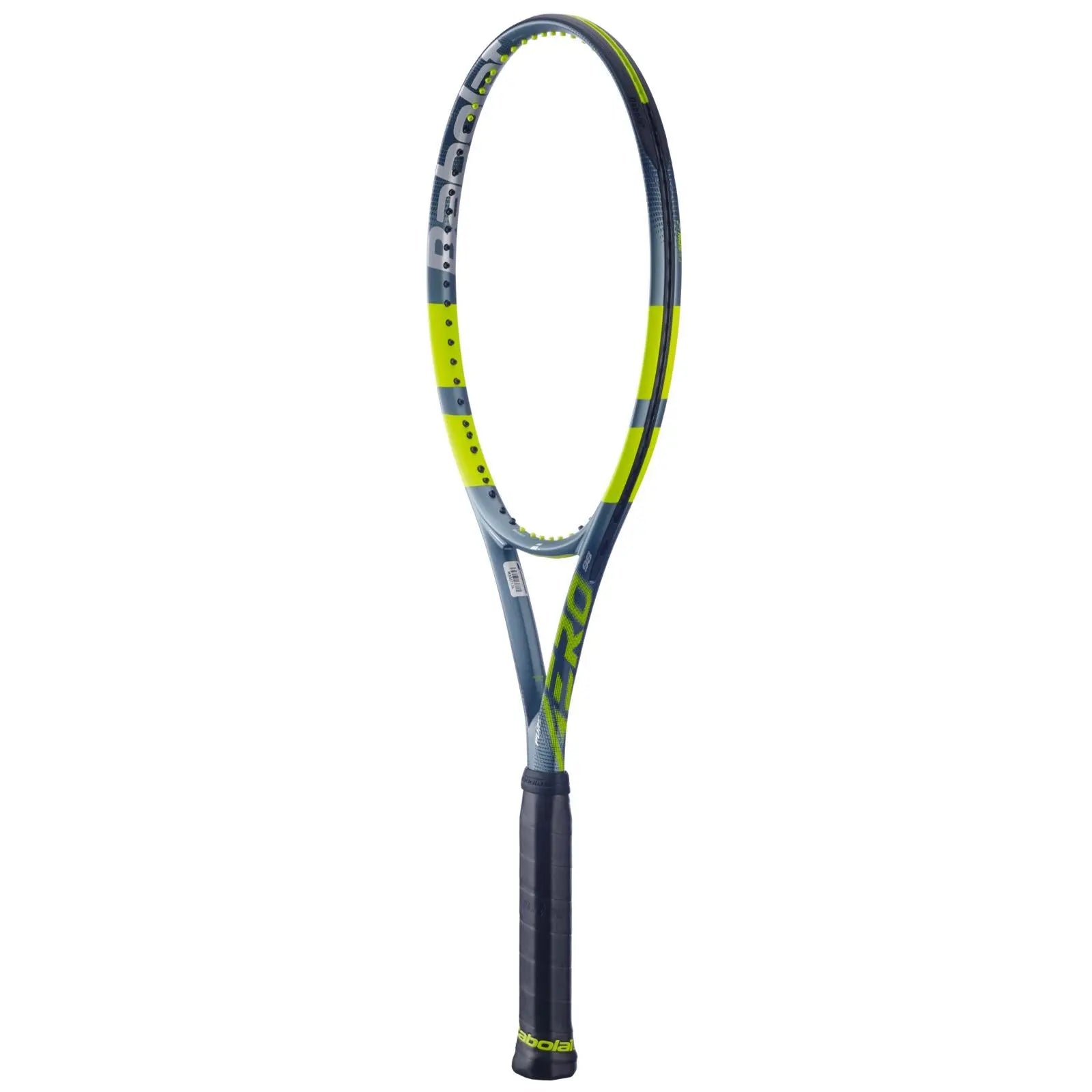
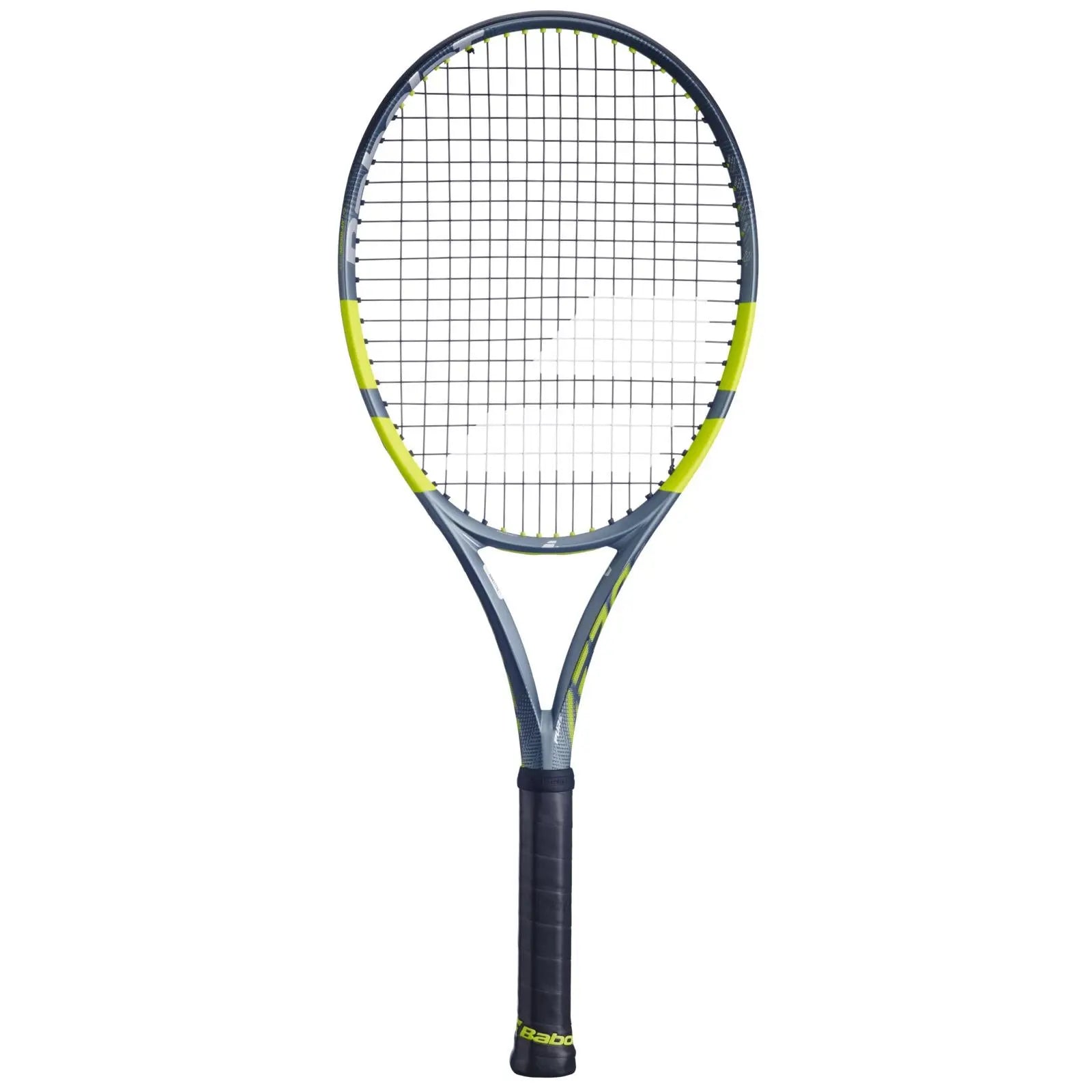
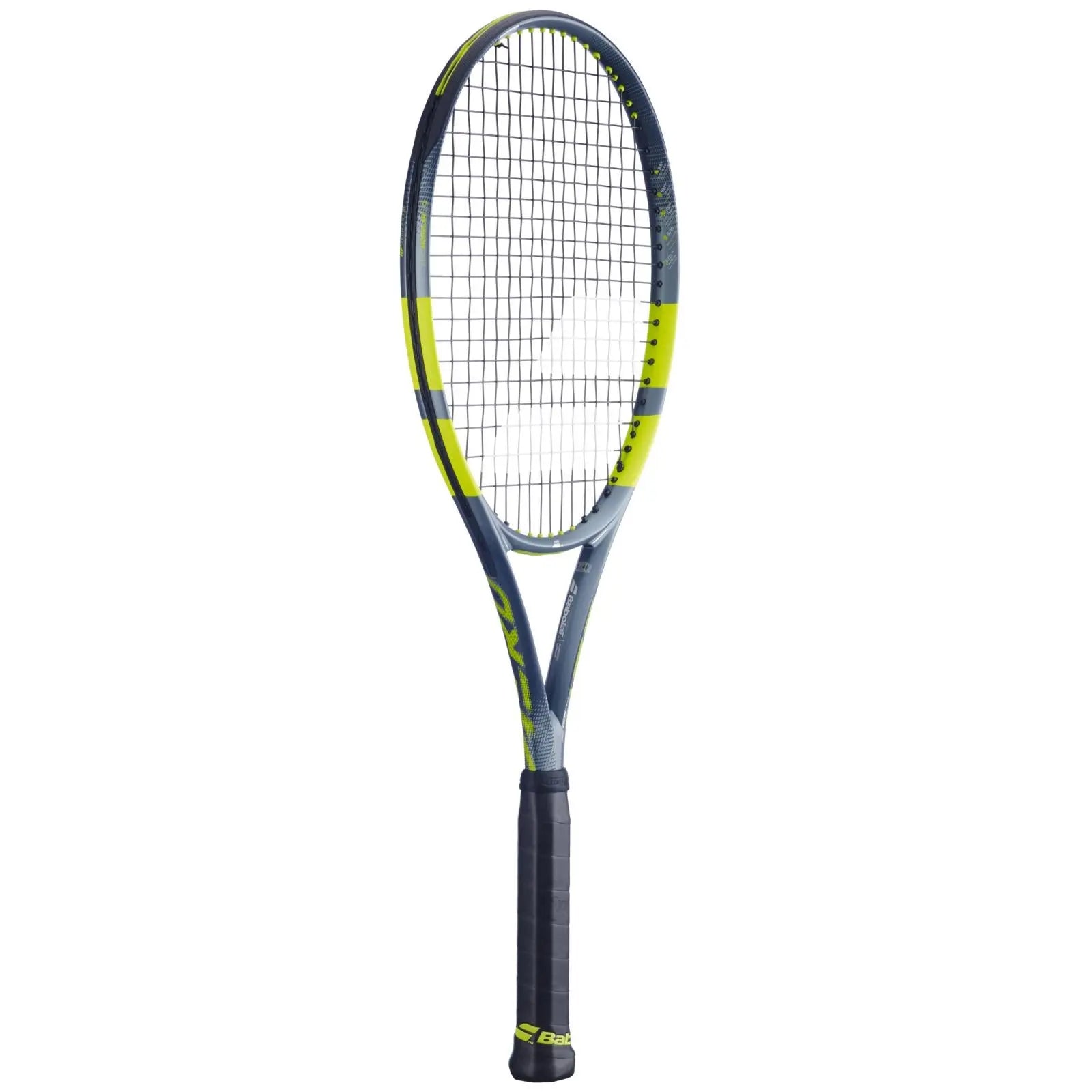
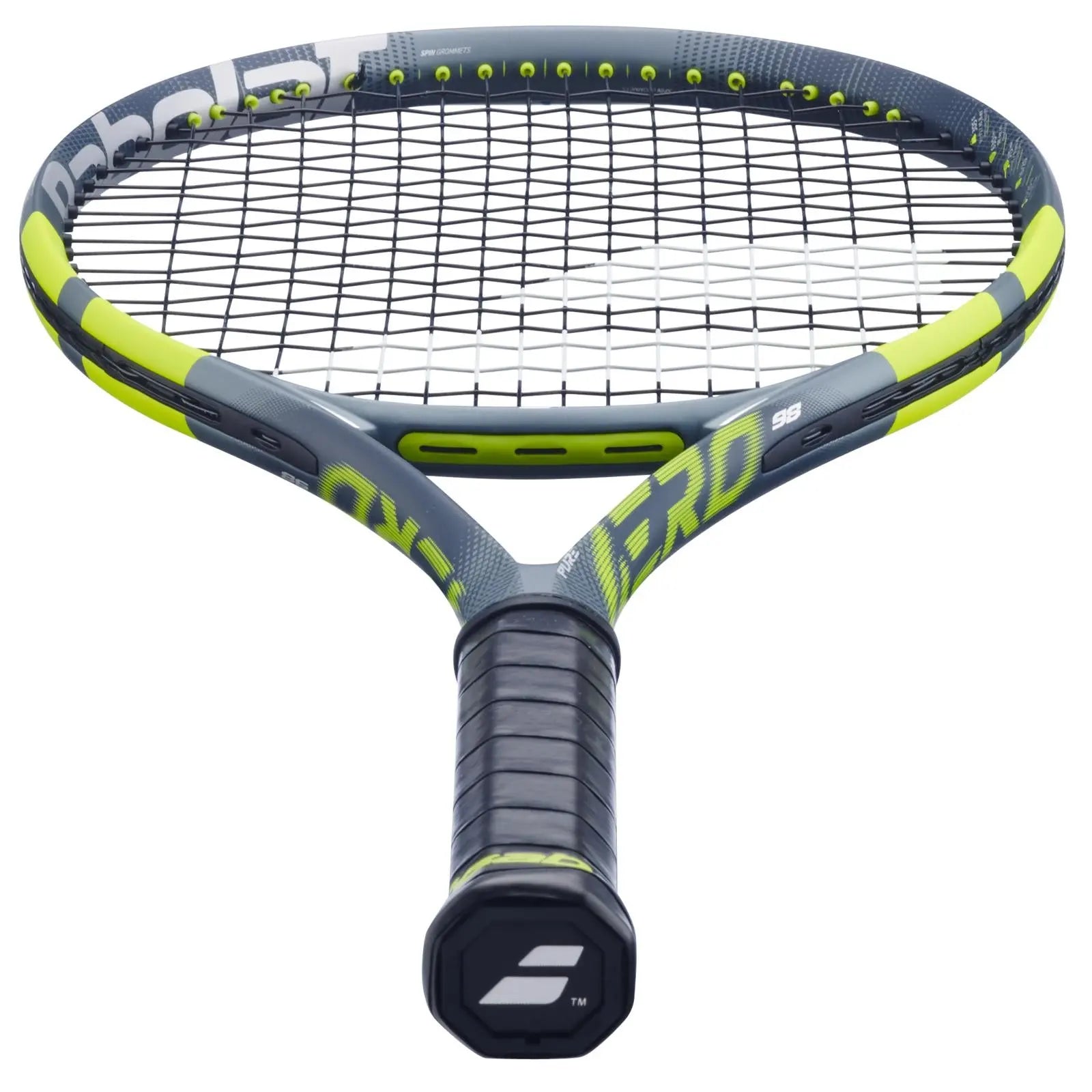
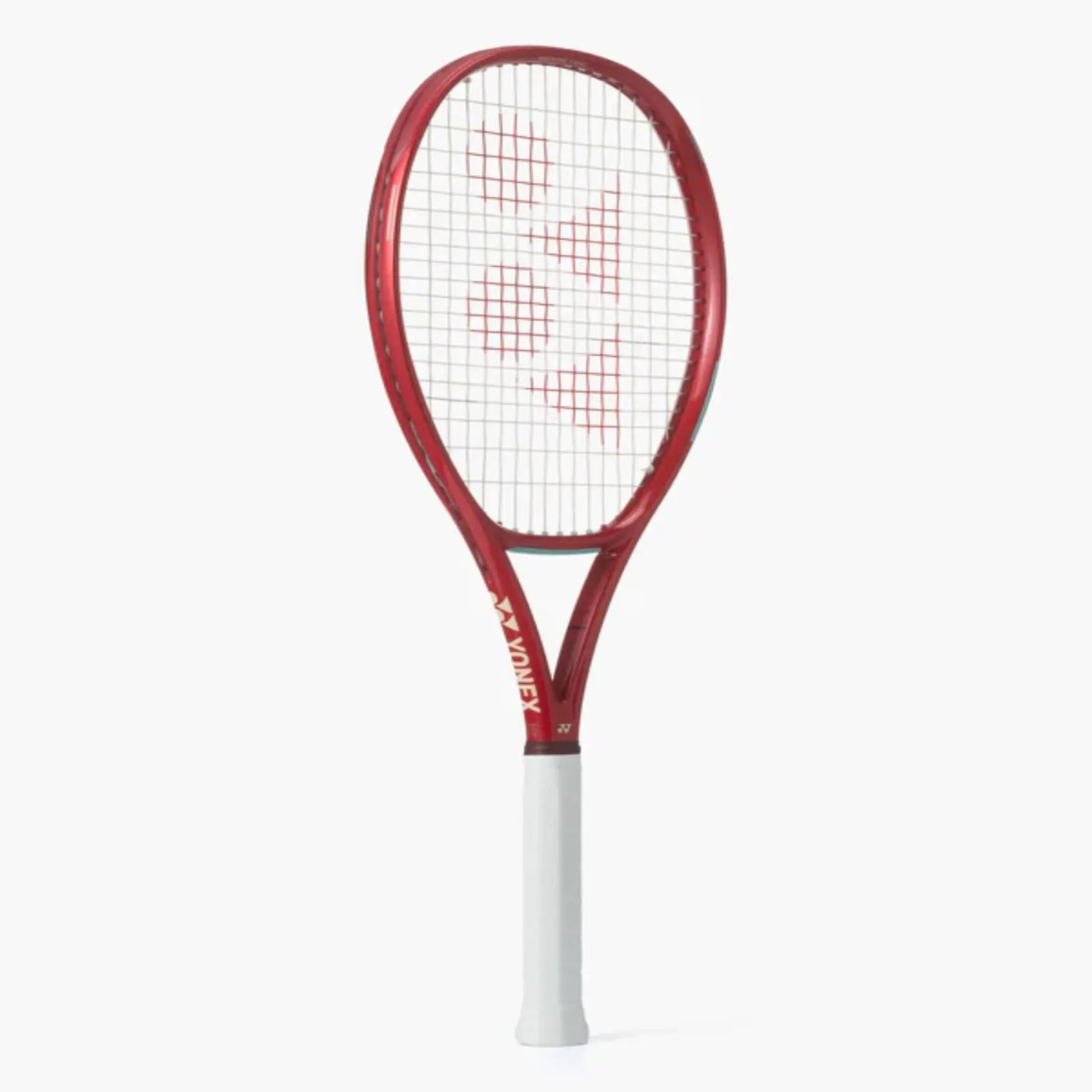
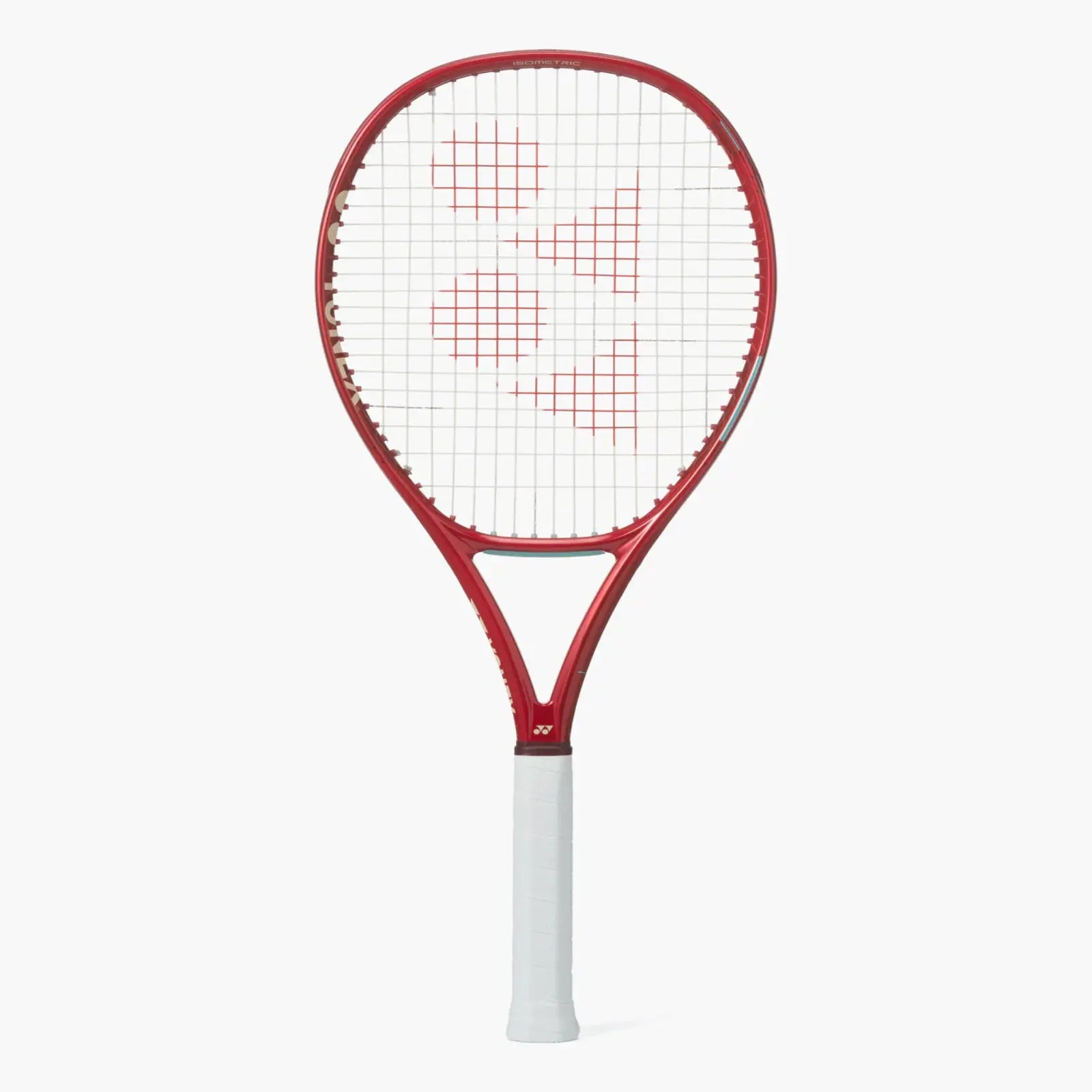
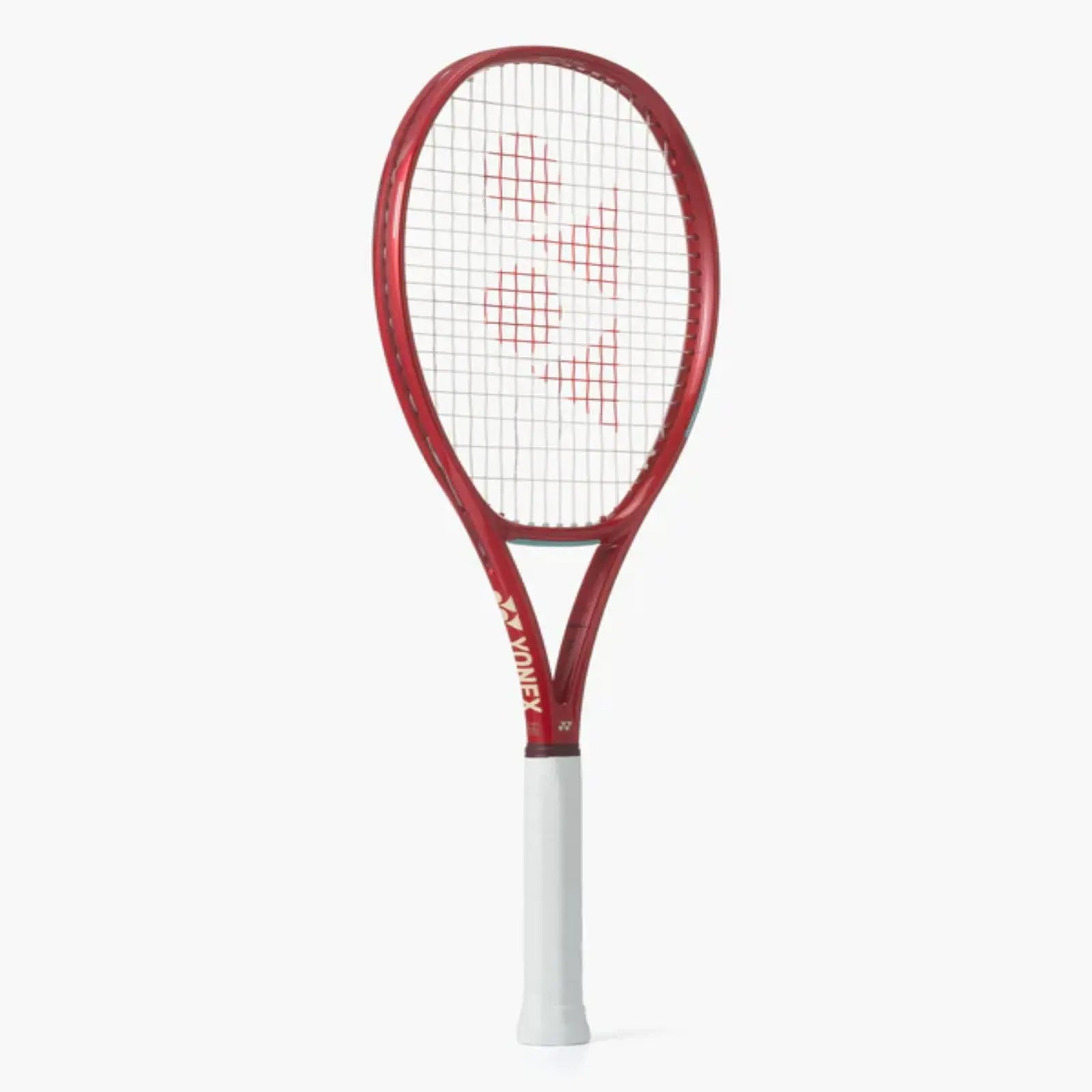
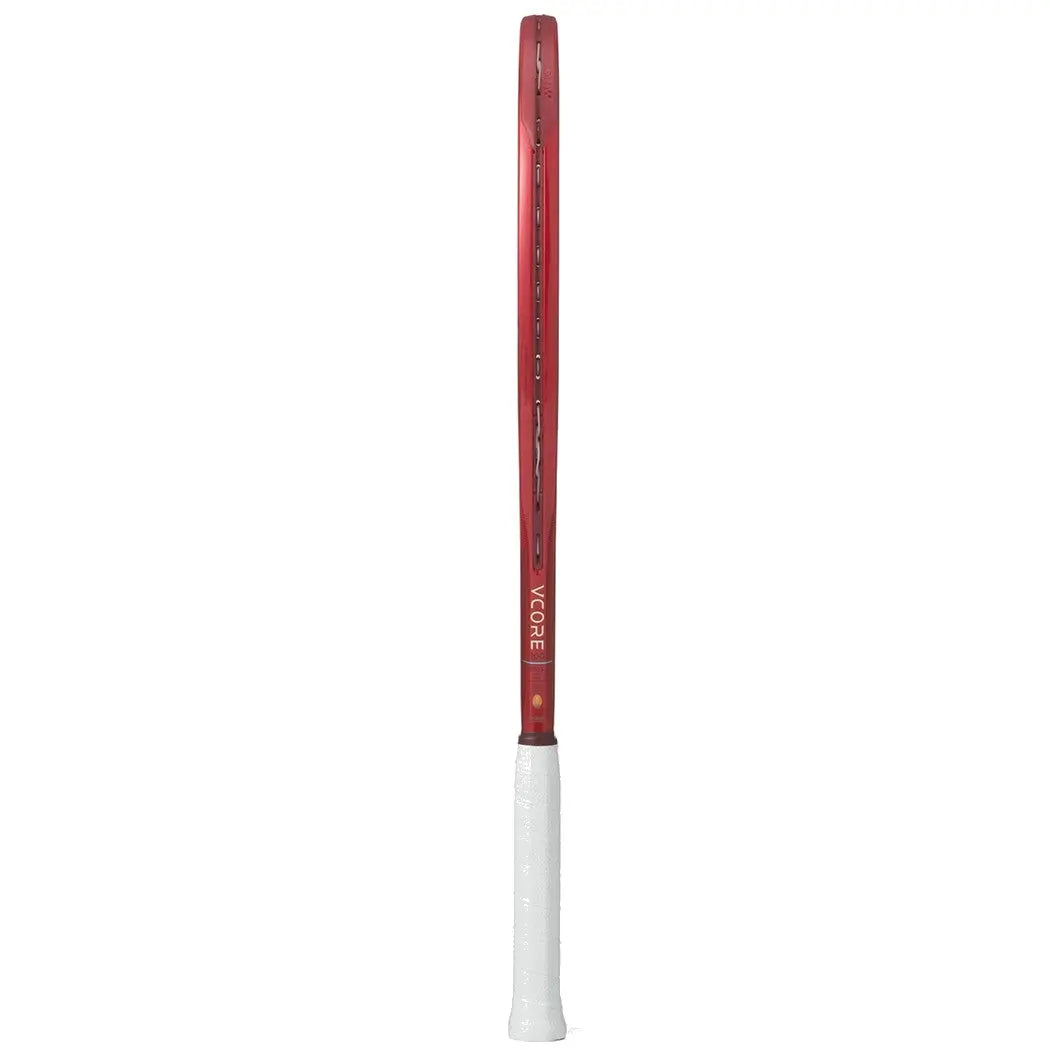
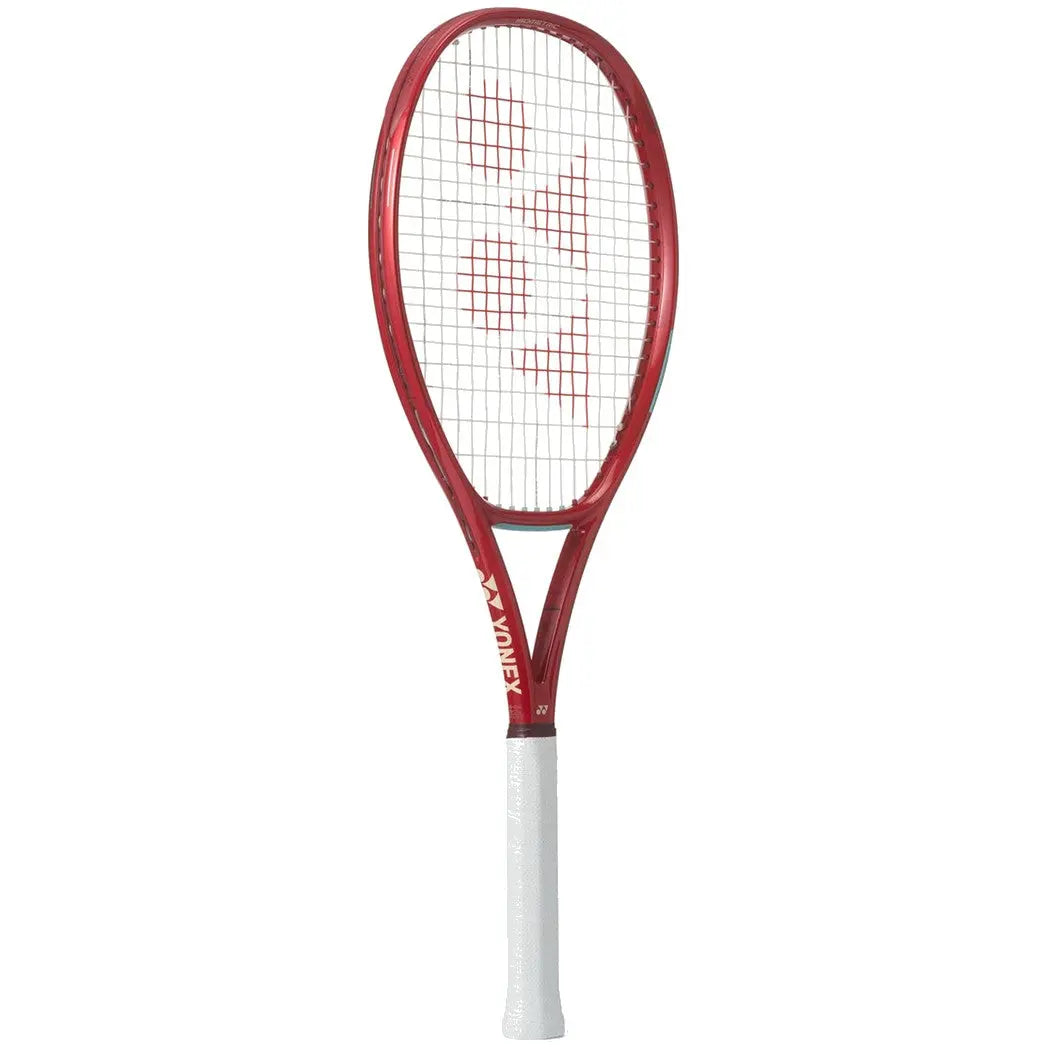
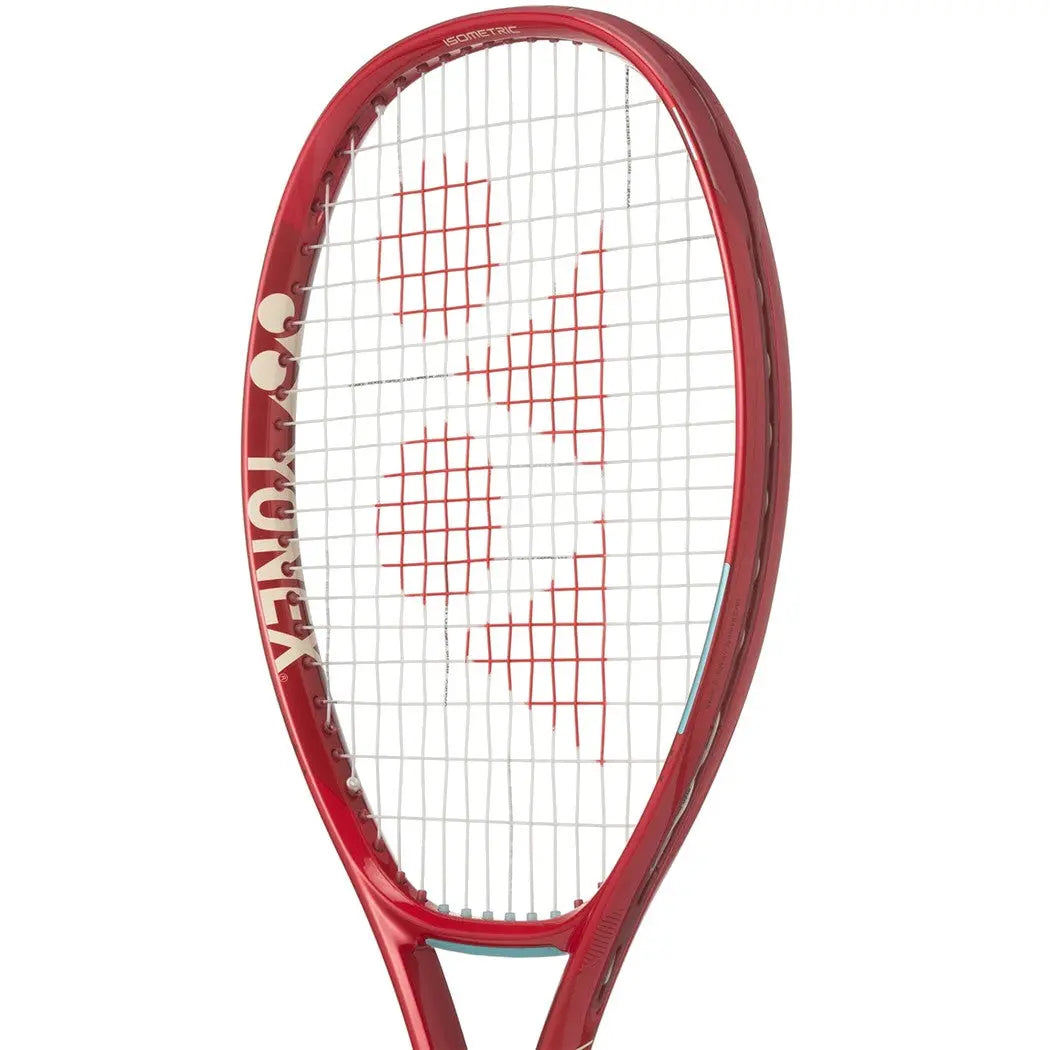
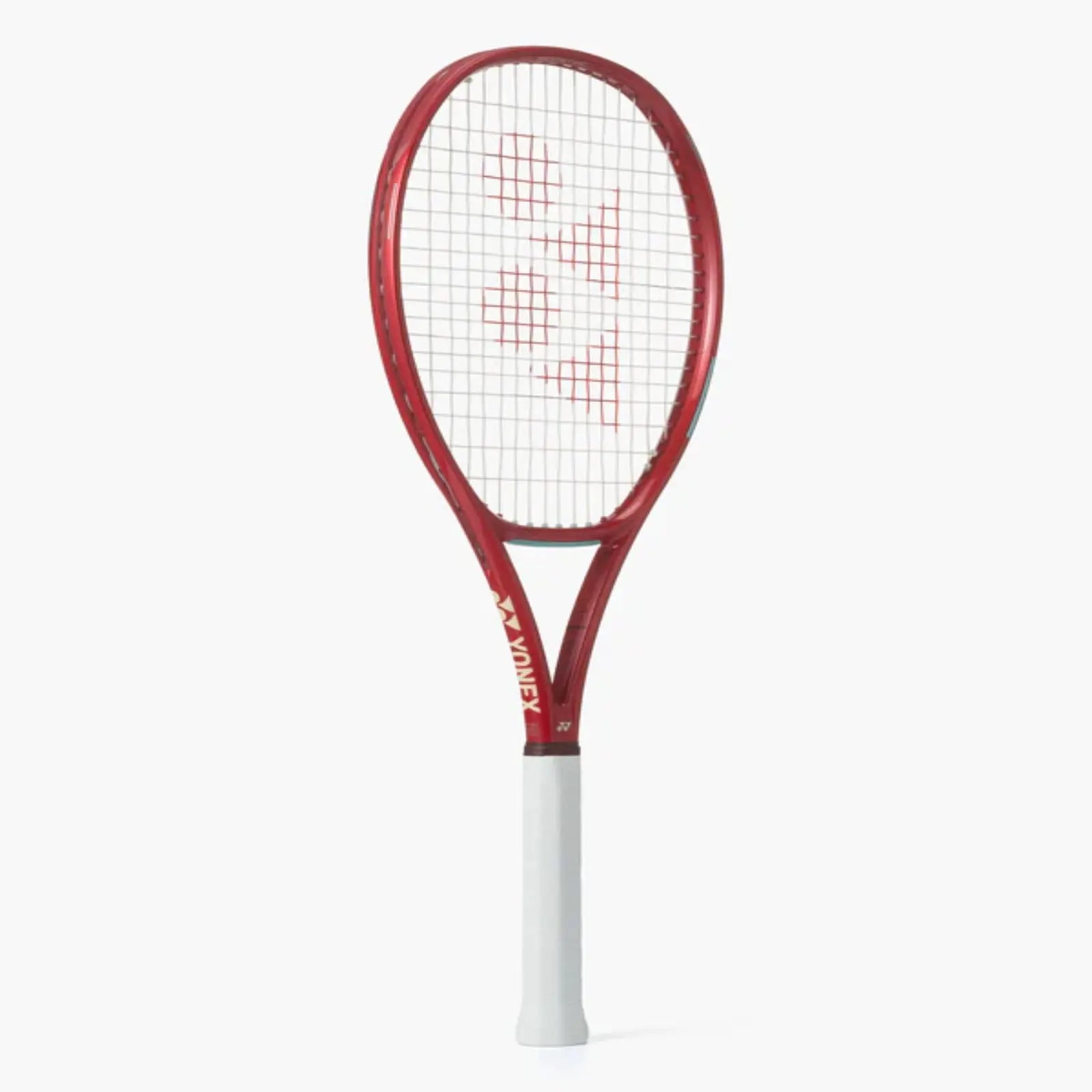
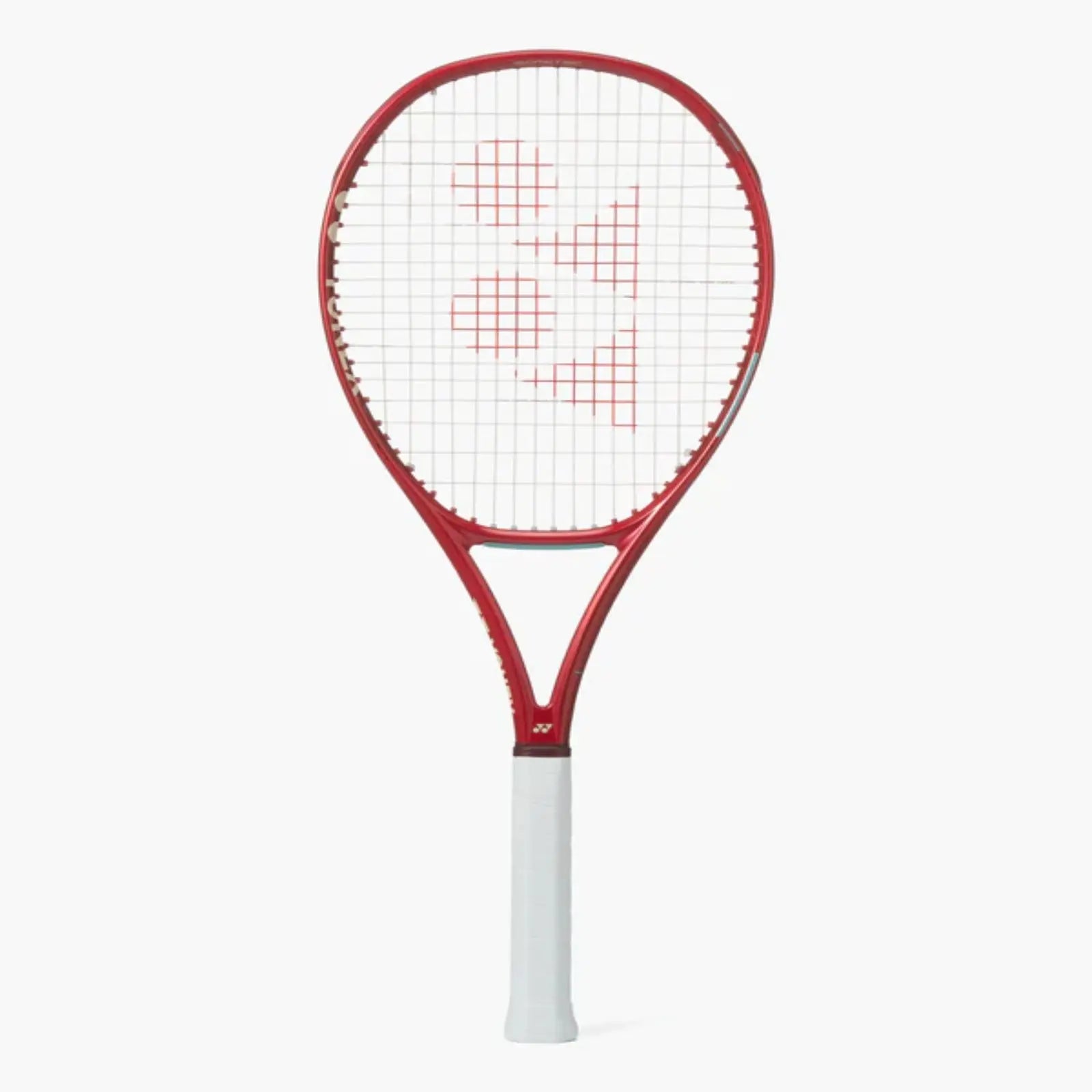
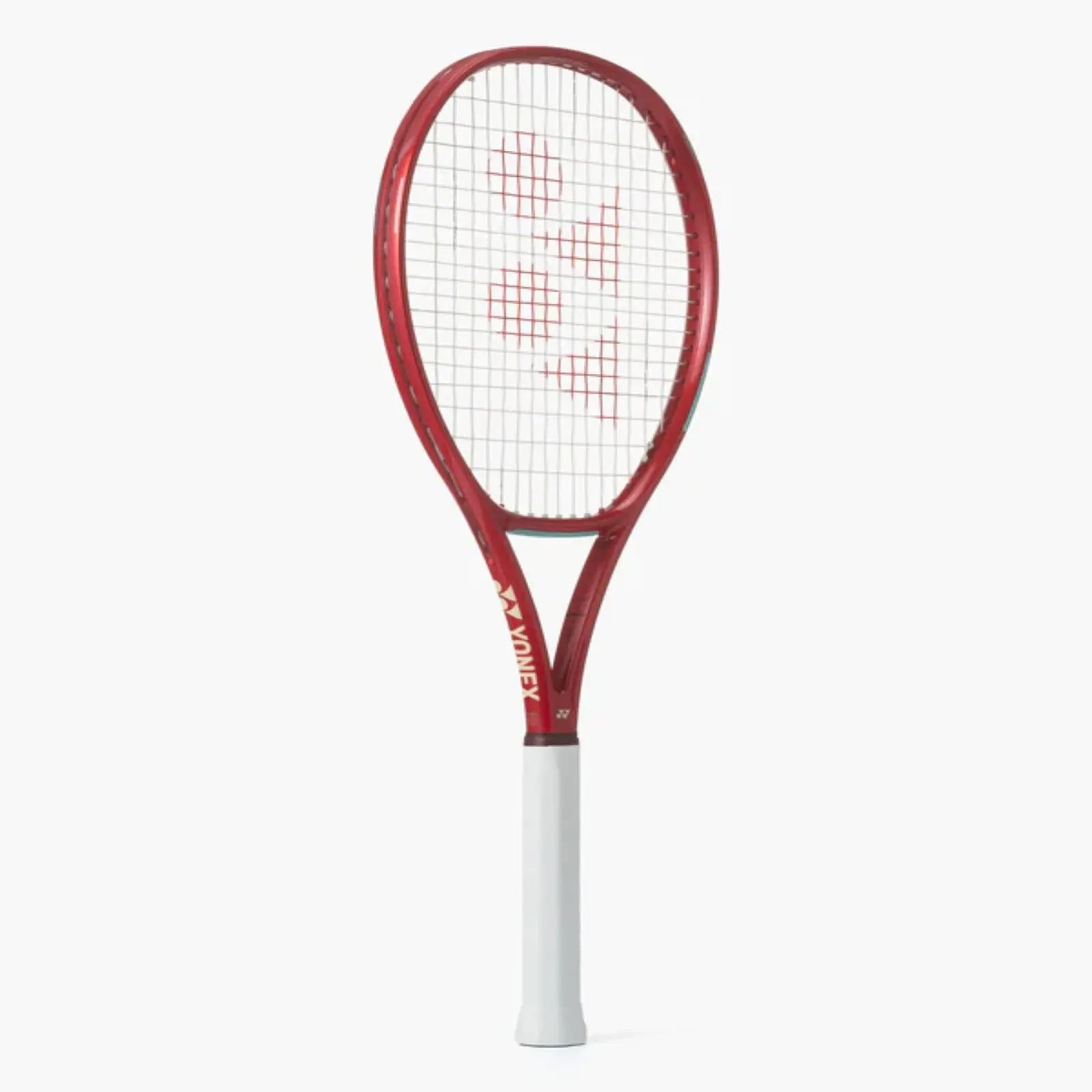
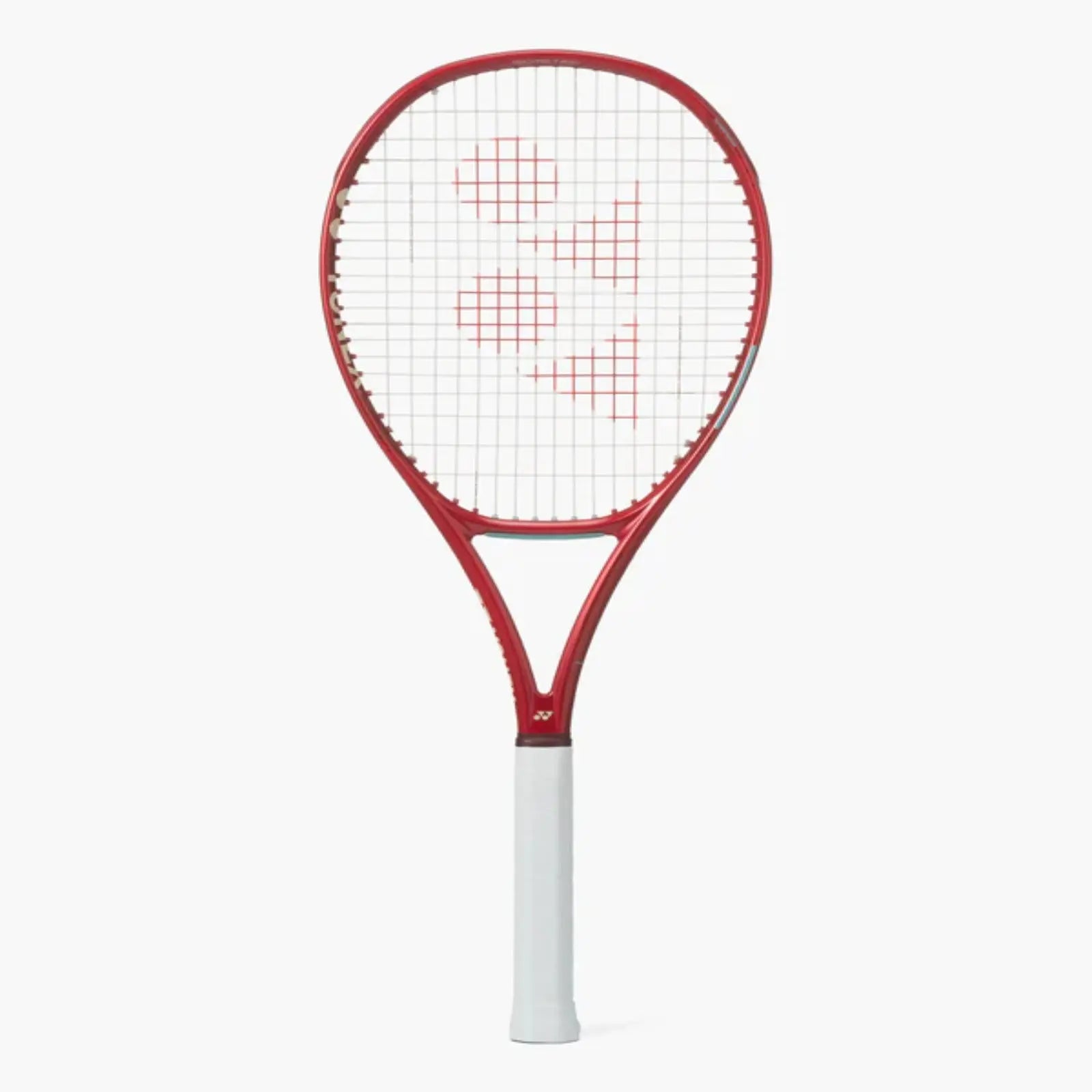
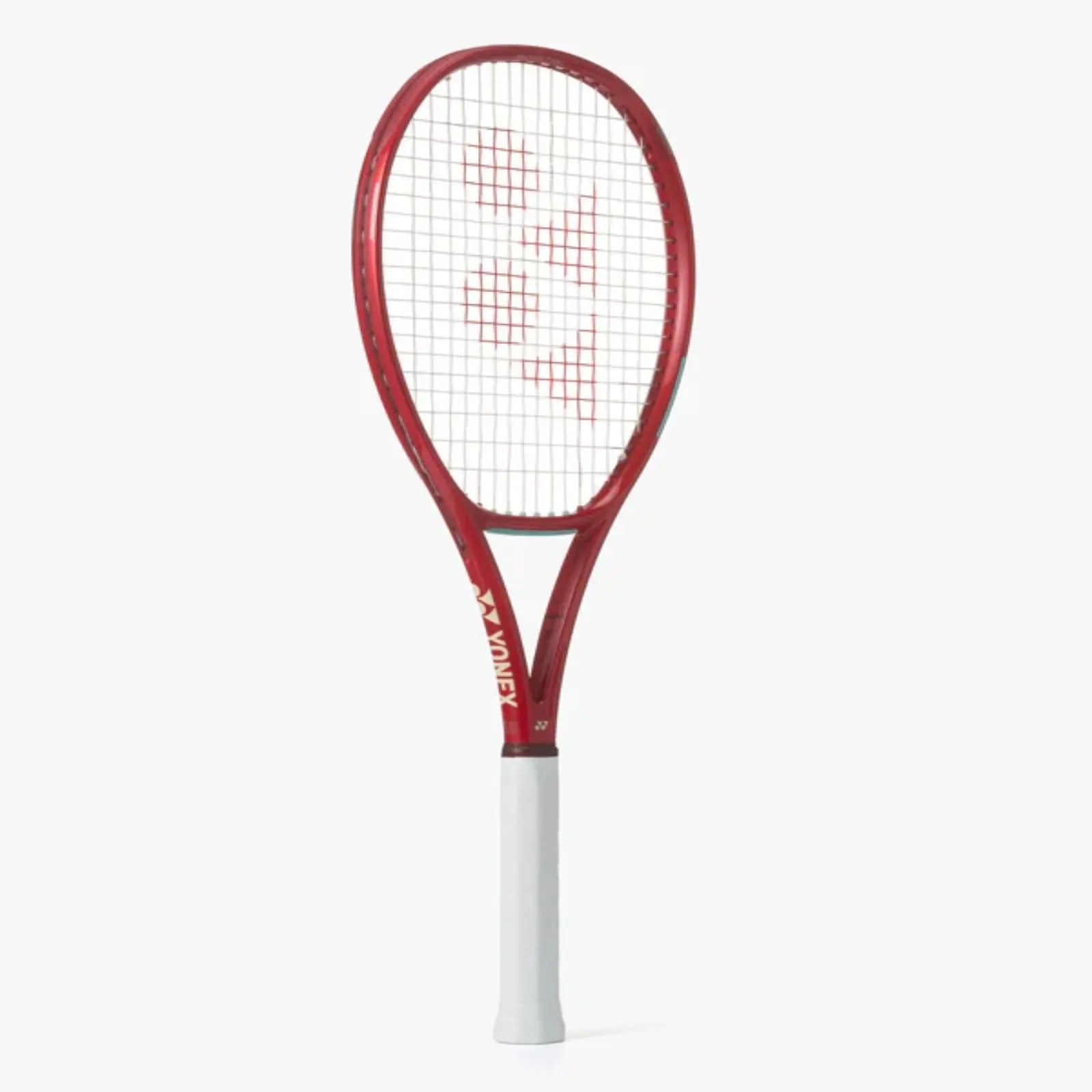
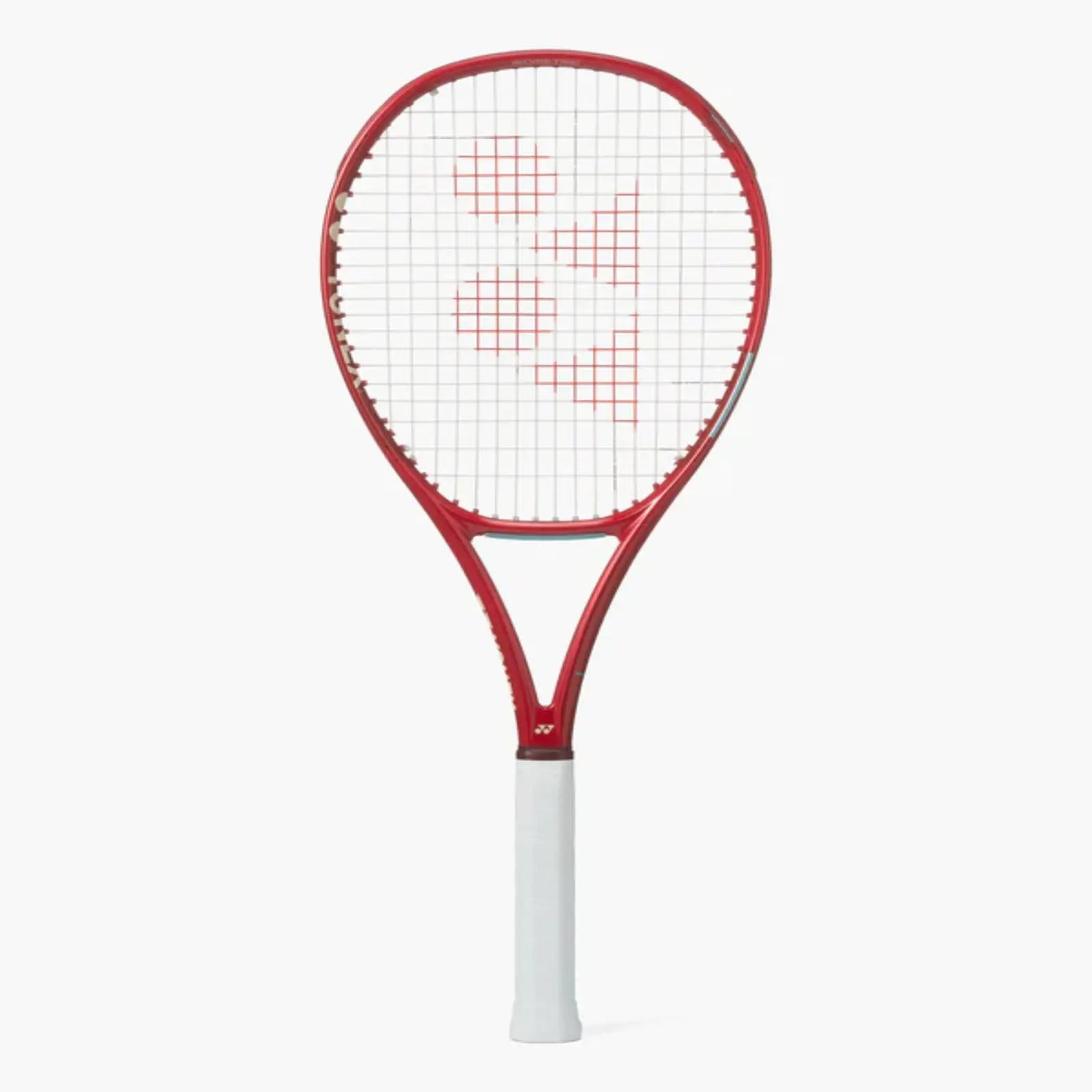
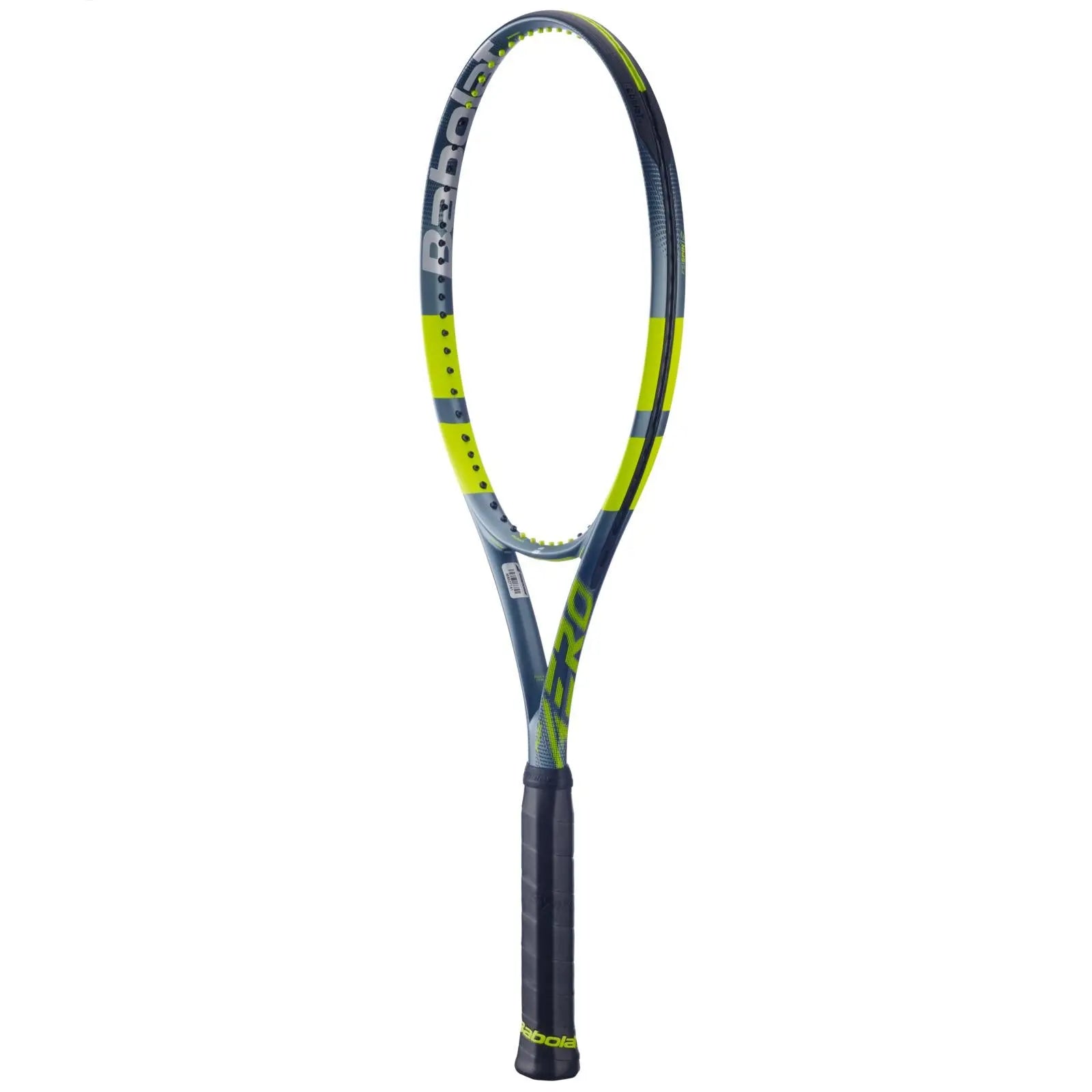
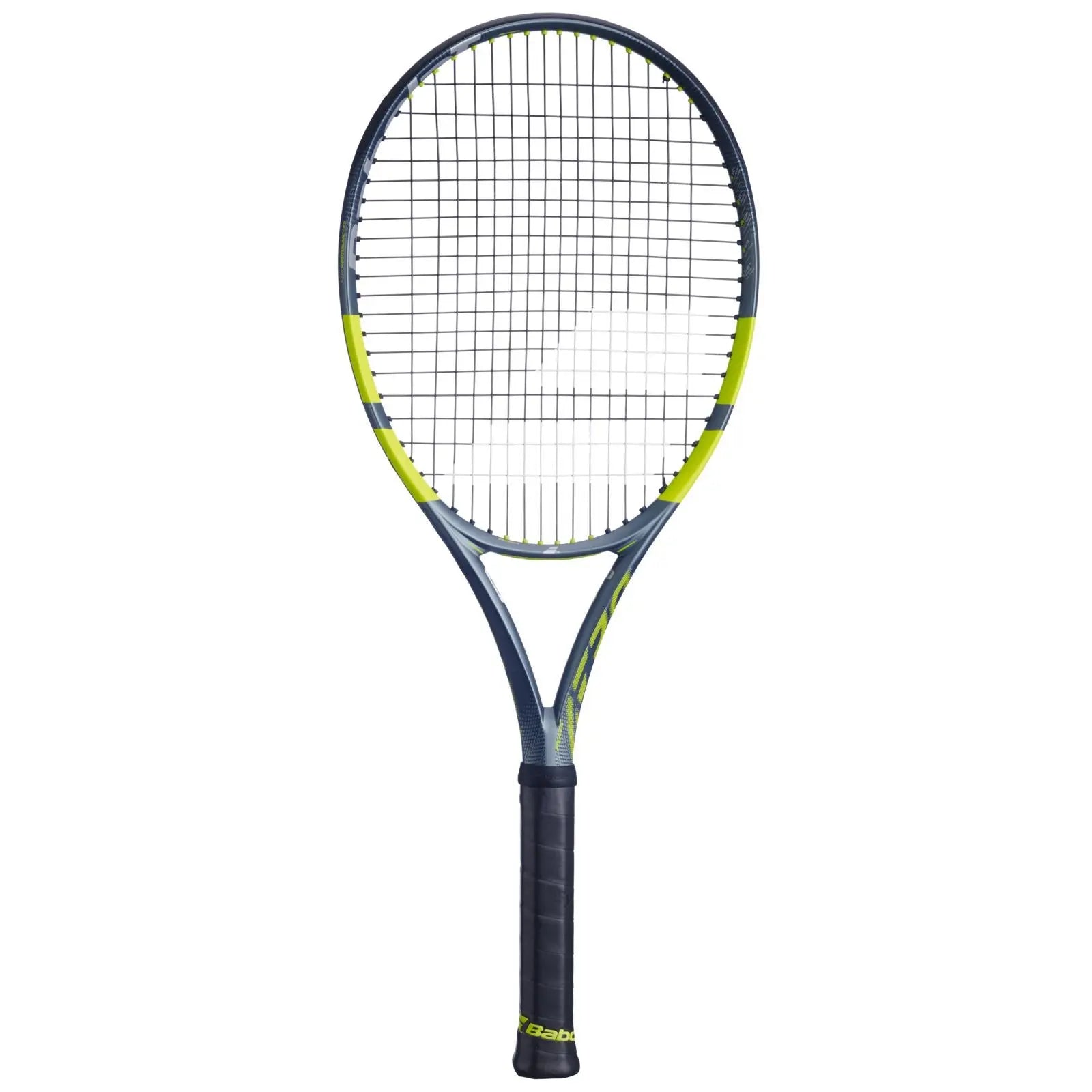
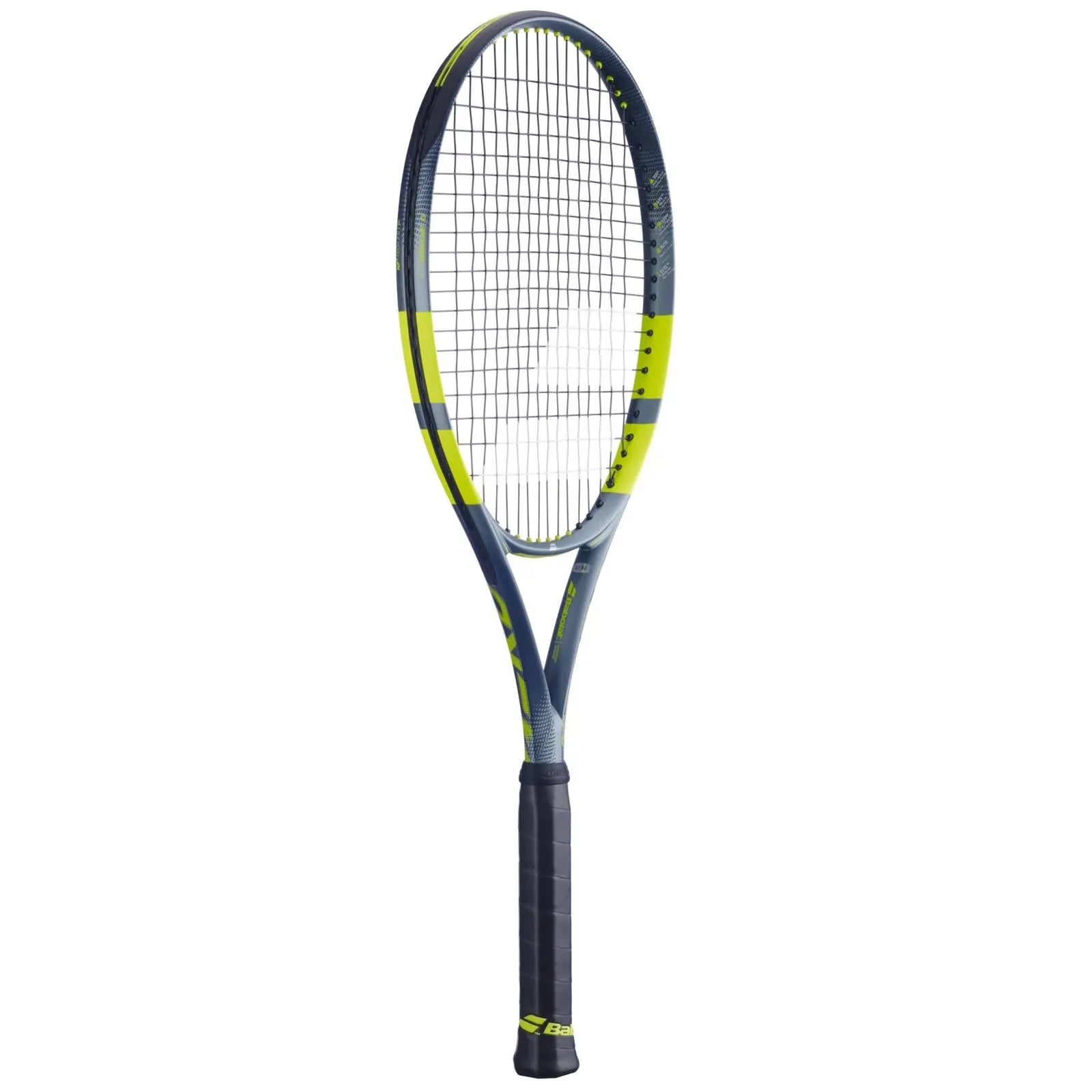
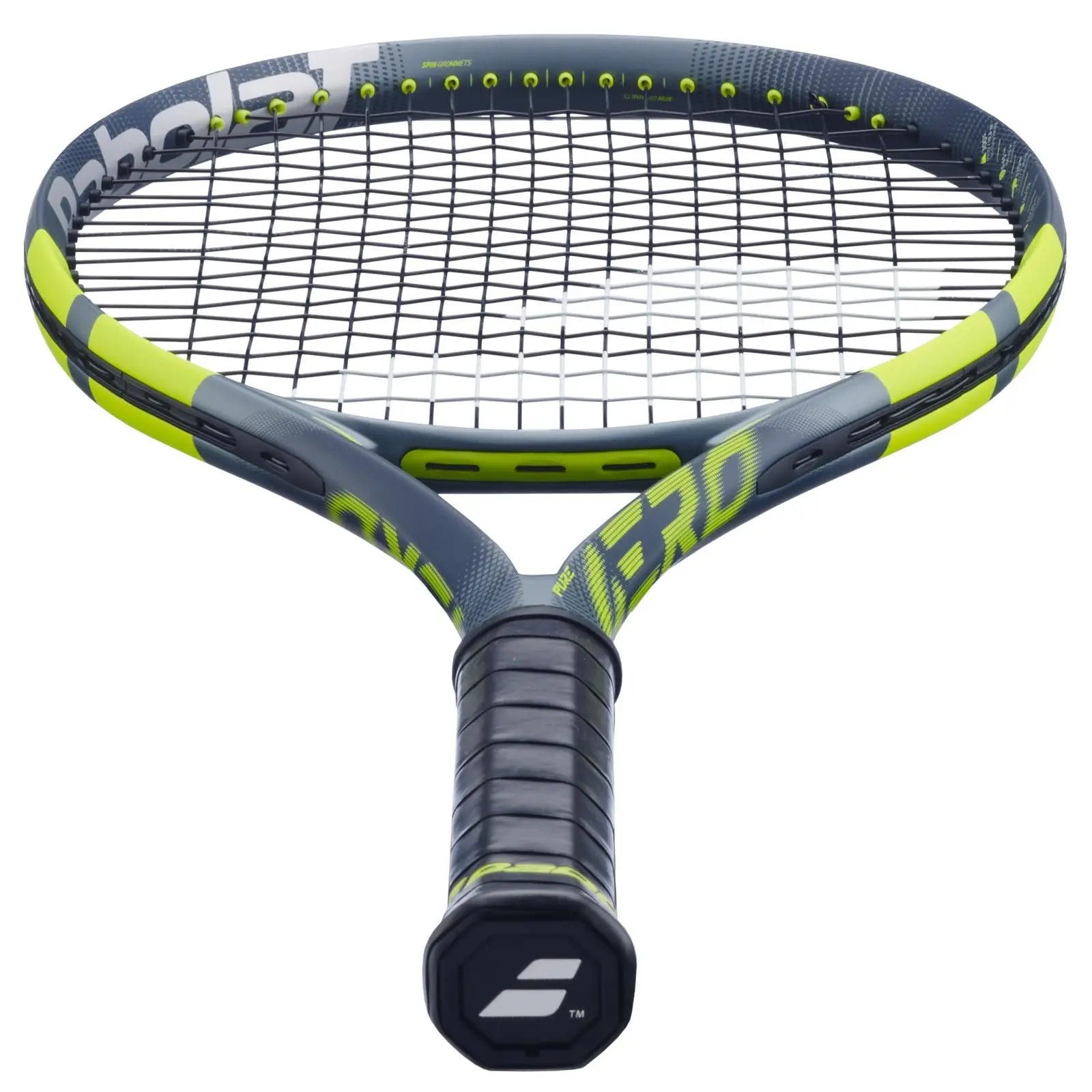
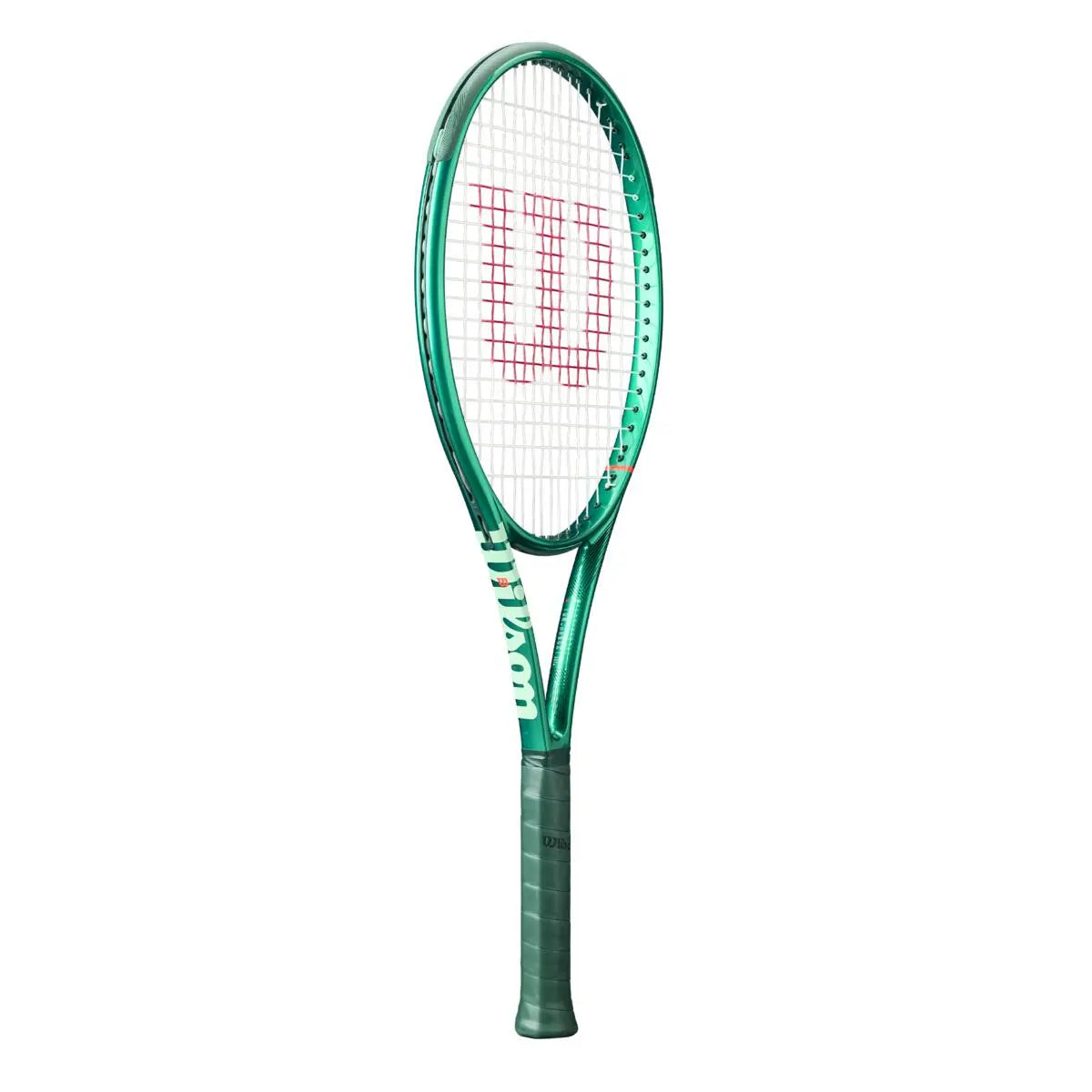
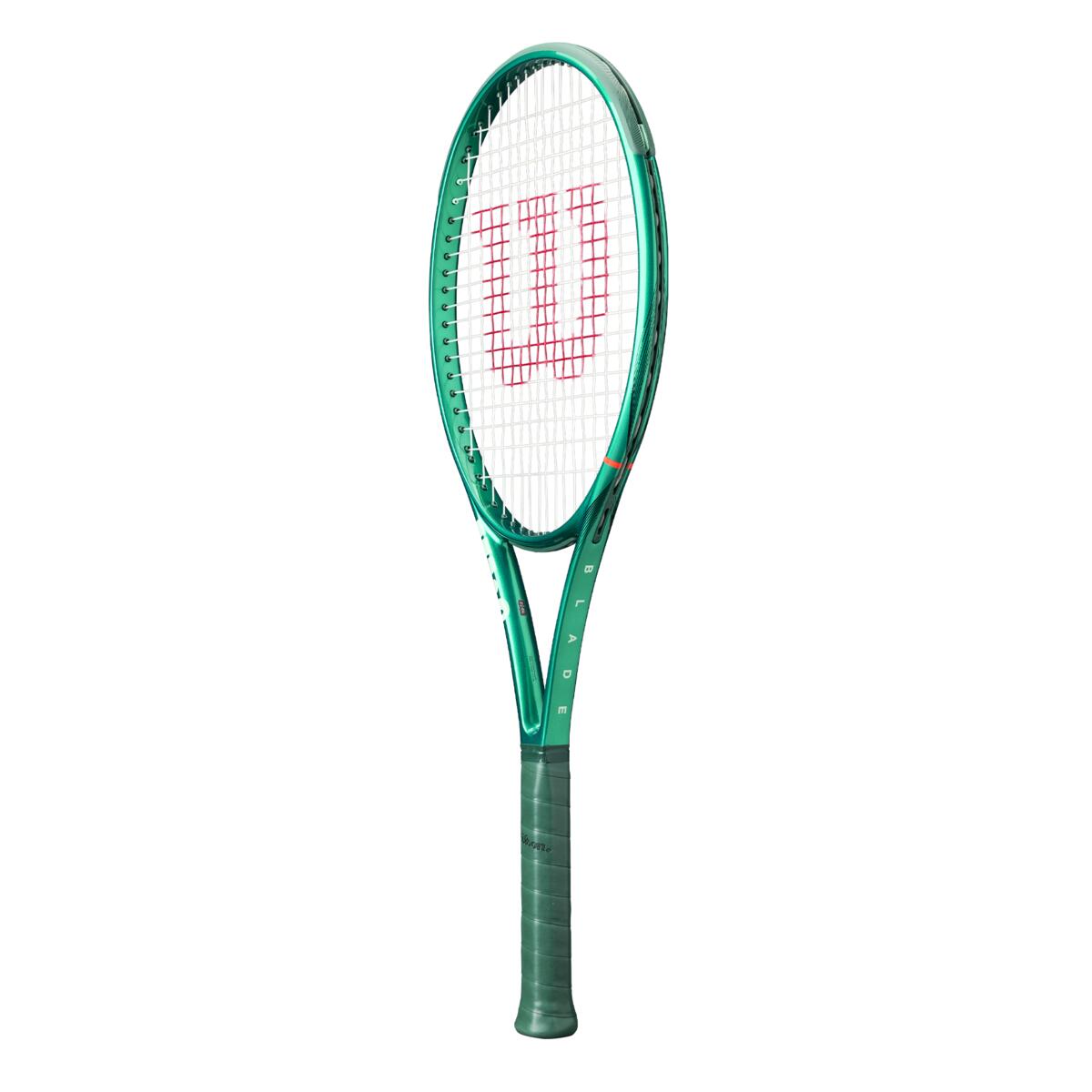
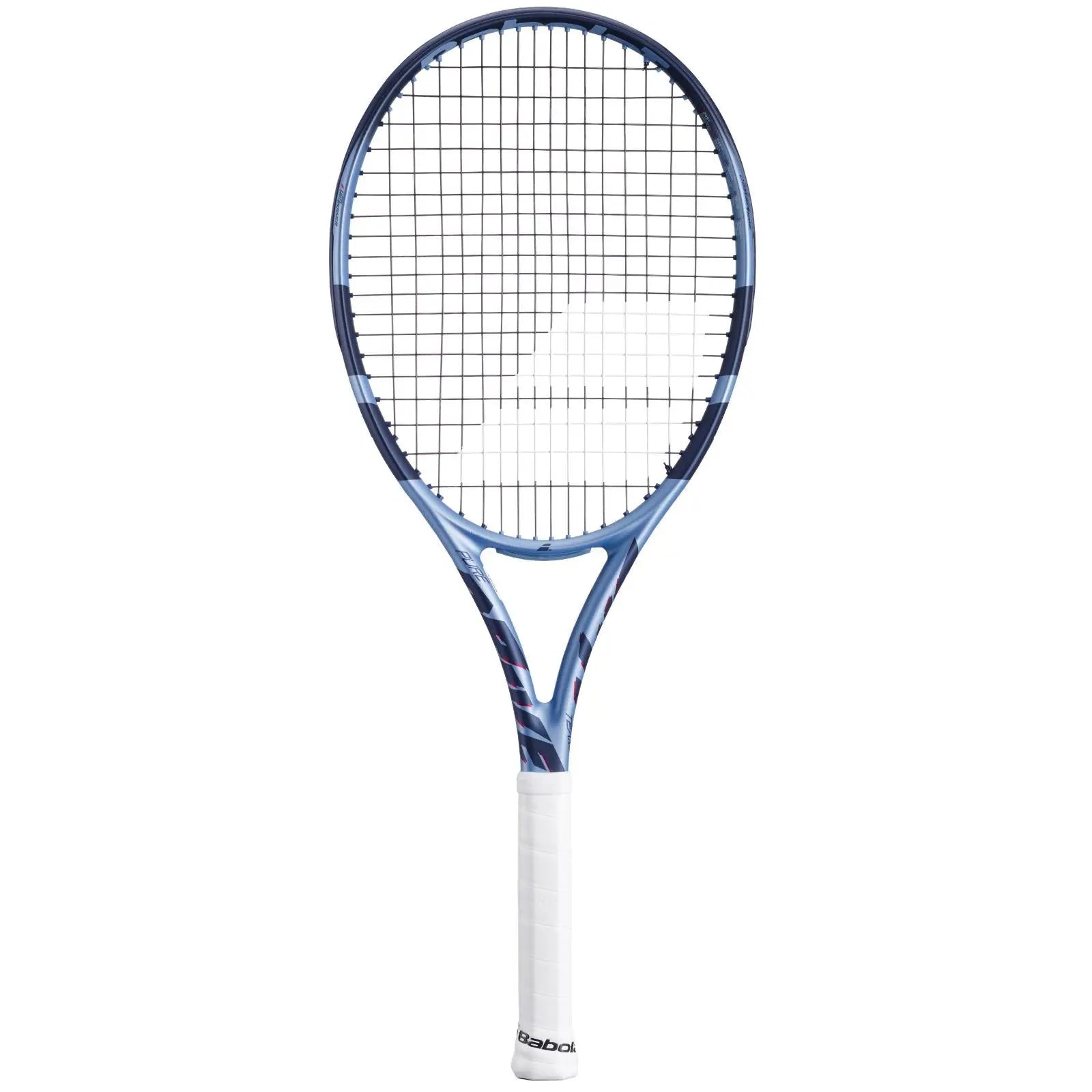
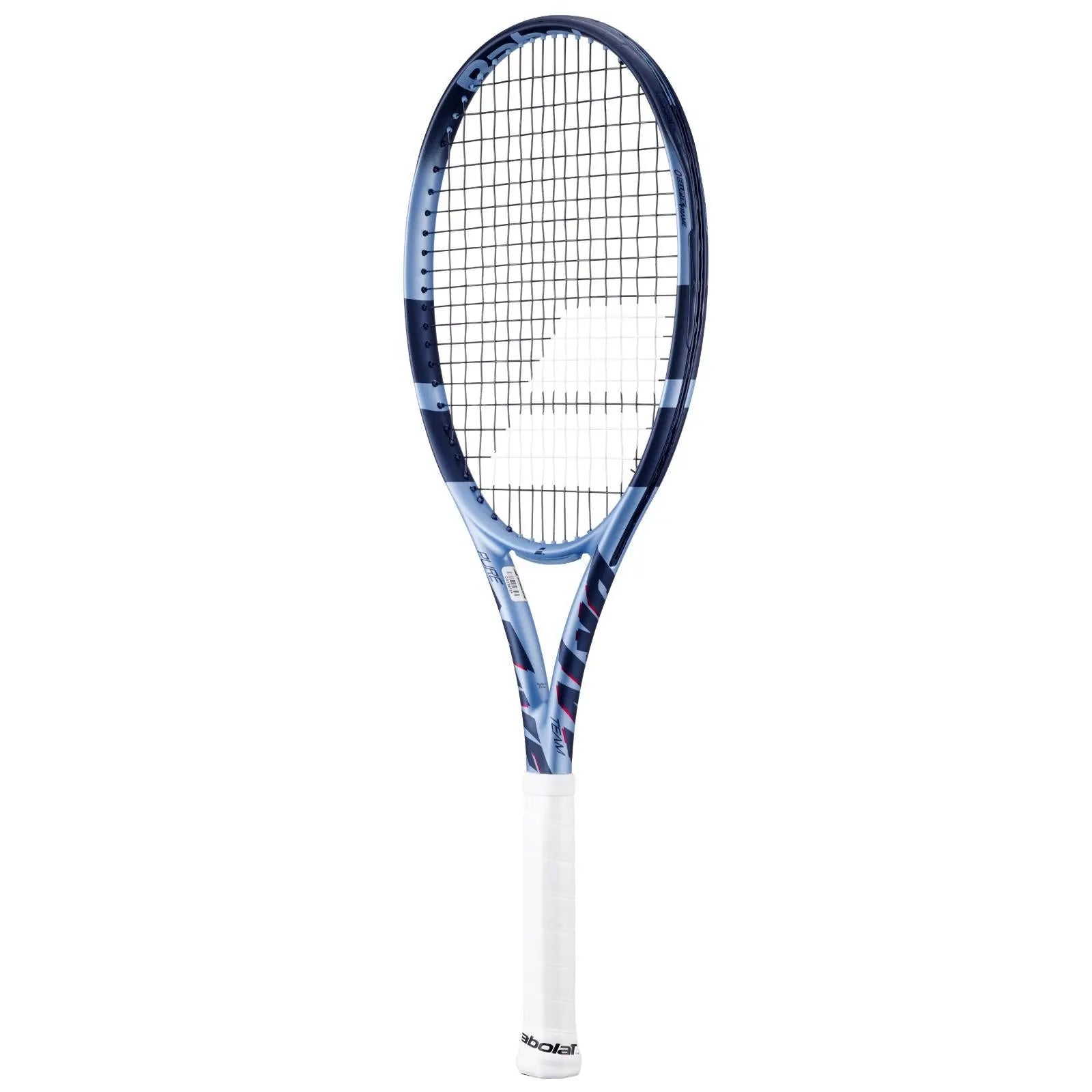
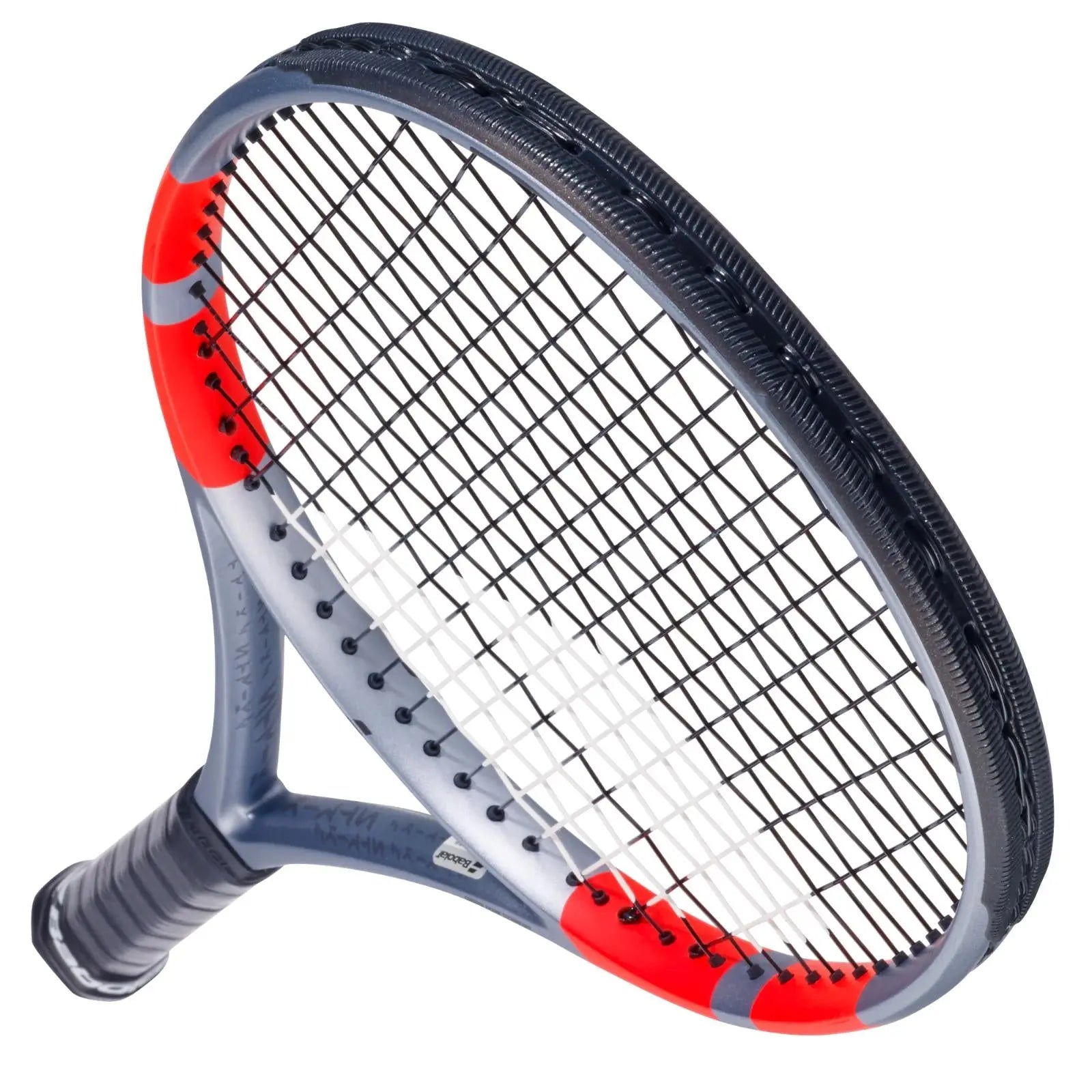
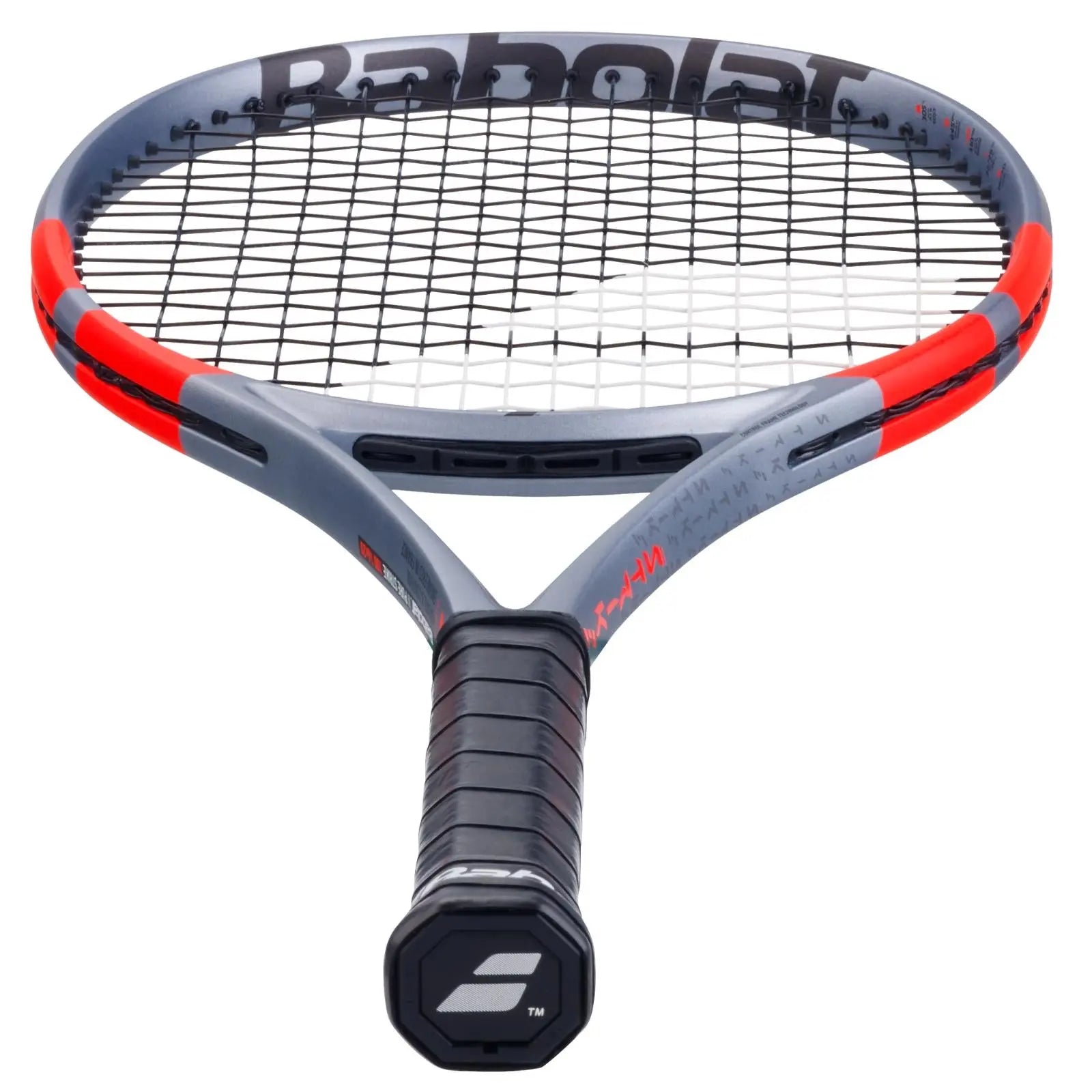
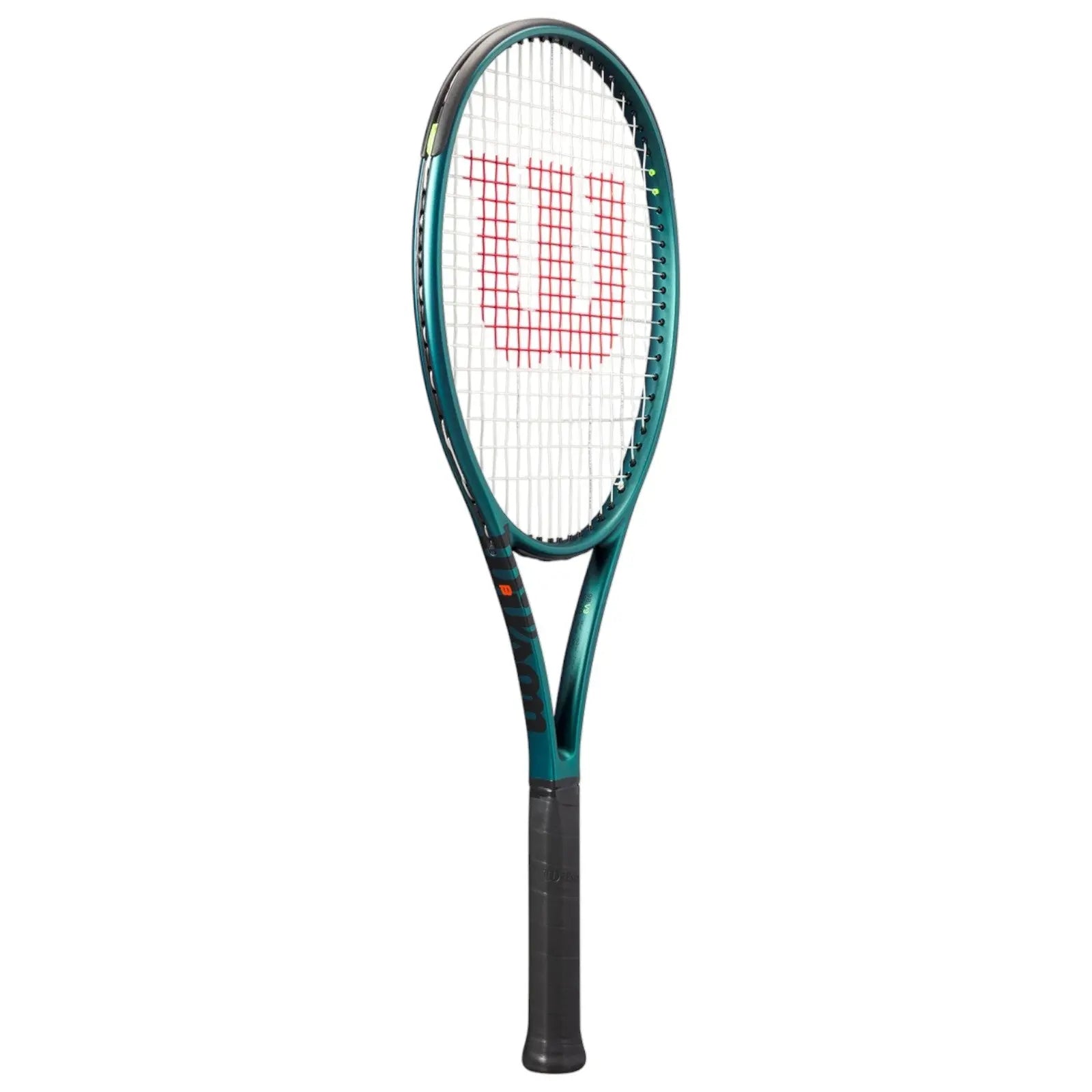
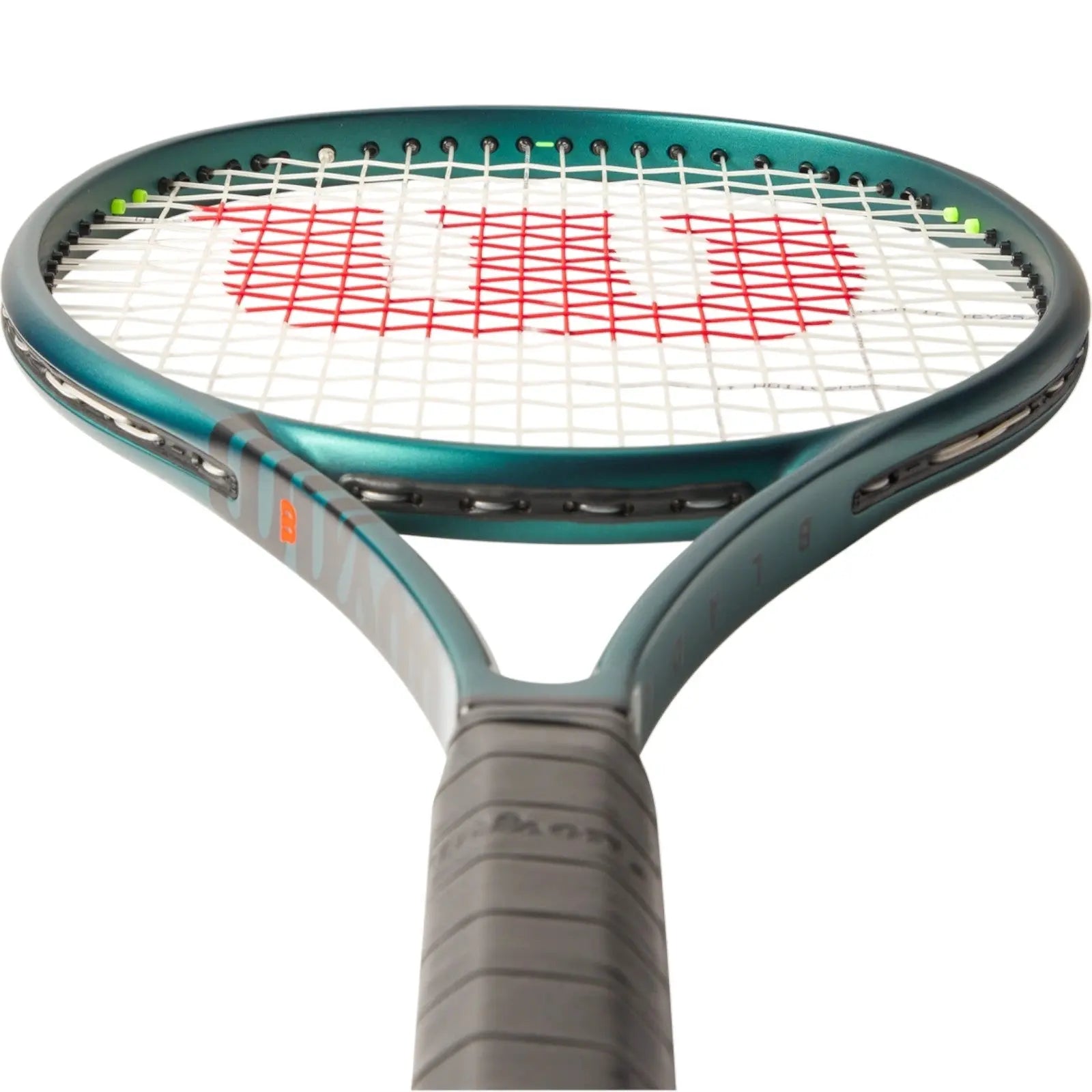
Spin racquets (open 16x19 strings): Babolat Pure Aero, Wilson Blade 98 16x19, Yonex VCORE 98. These are for players who hit lots of topspin and heavy shots from the baseline.
-
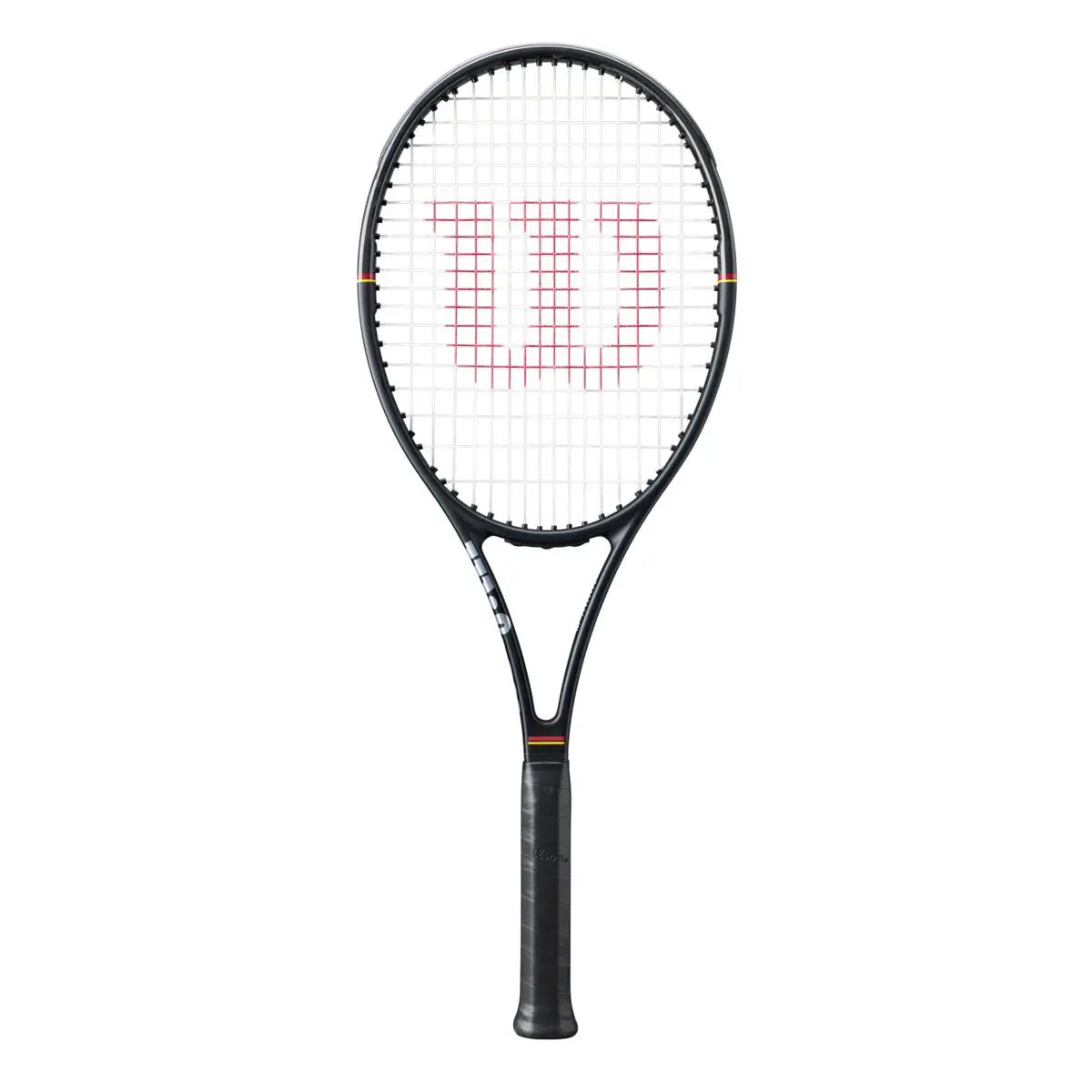
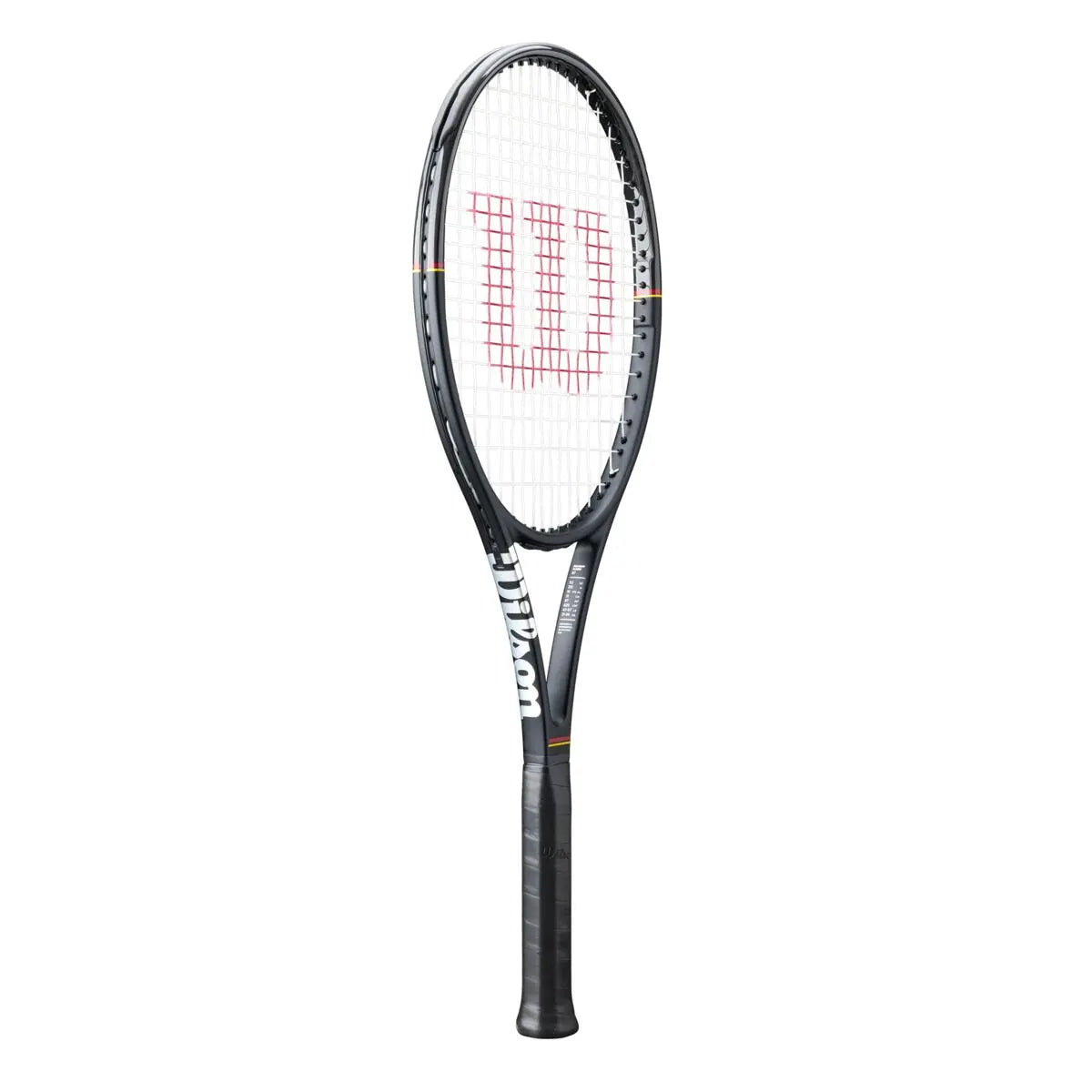
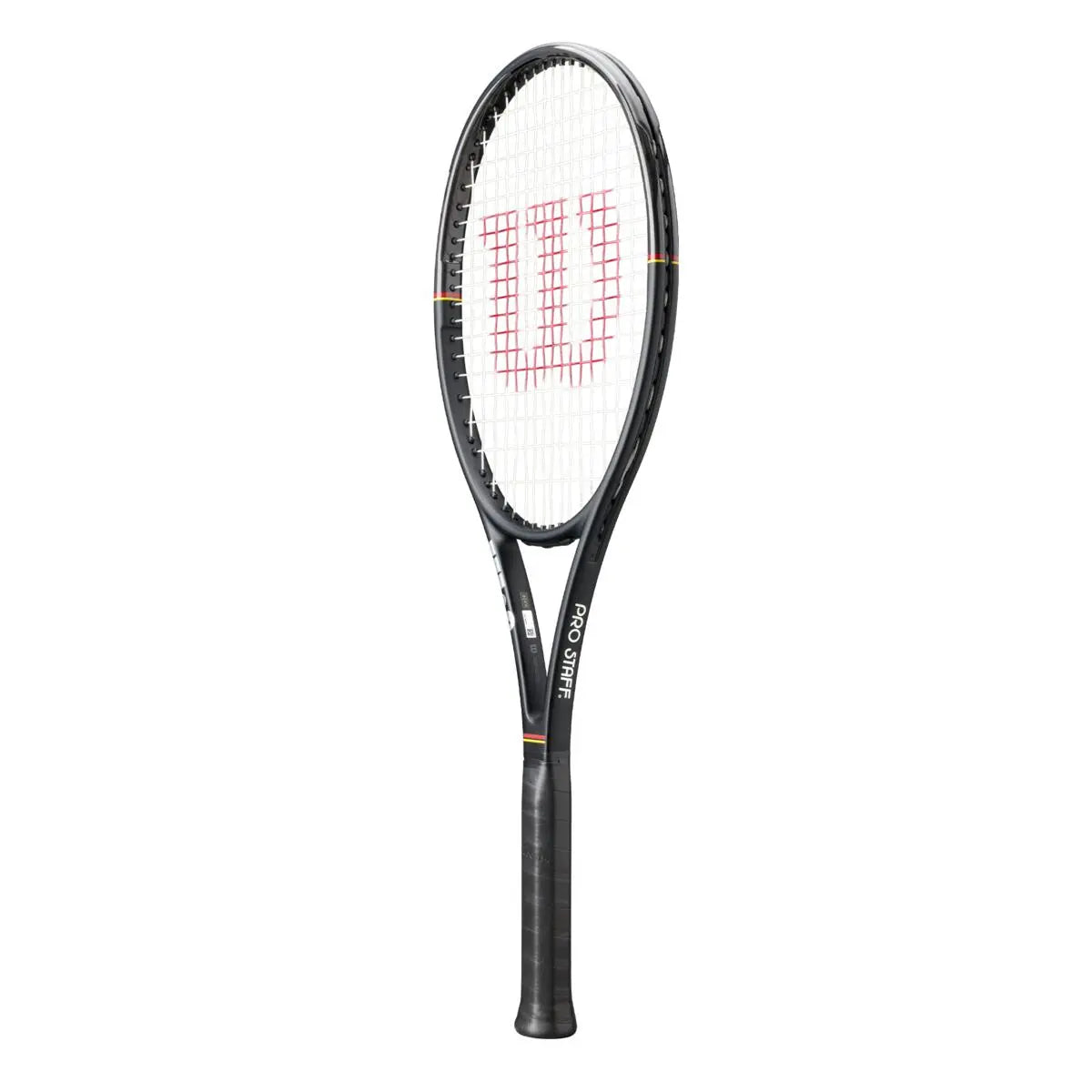
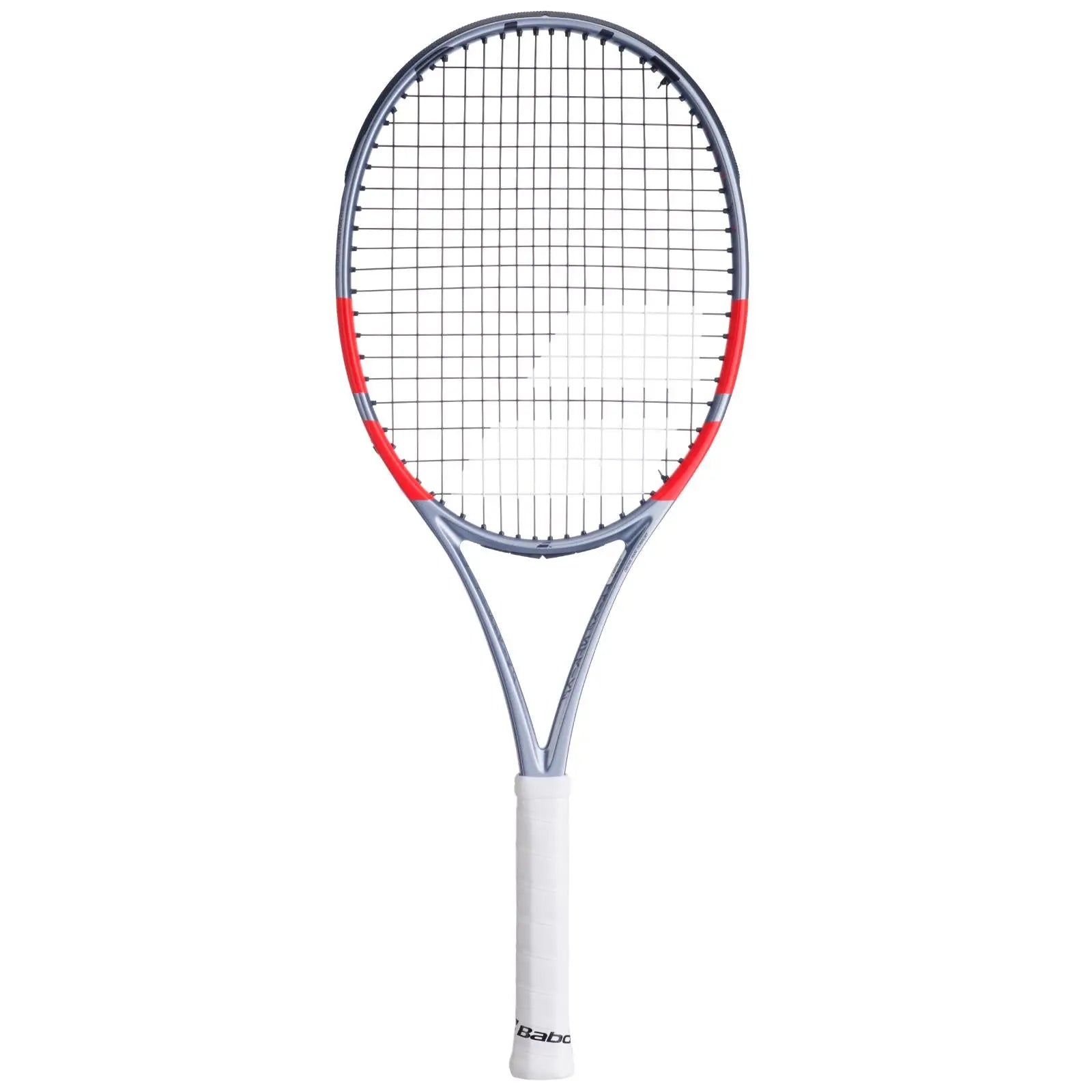
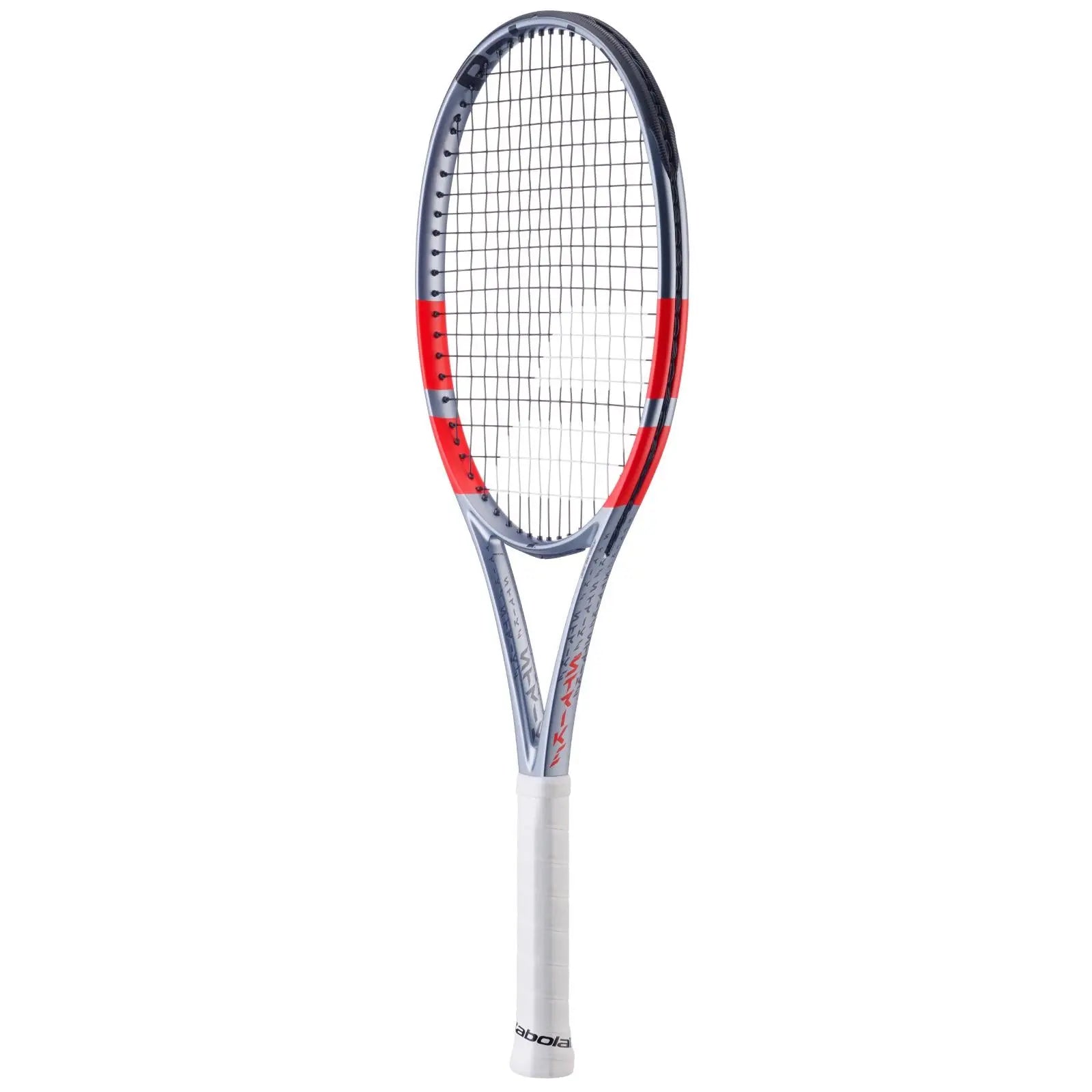
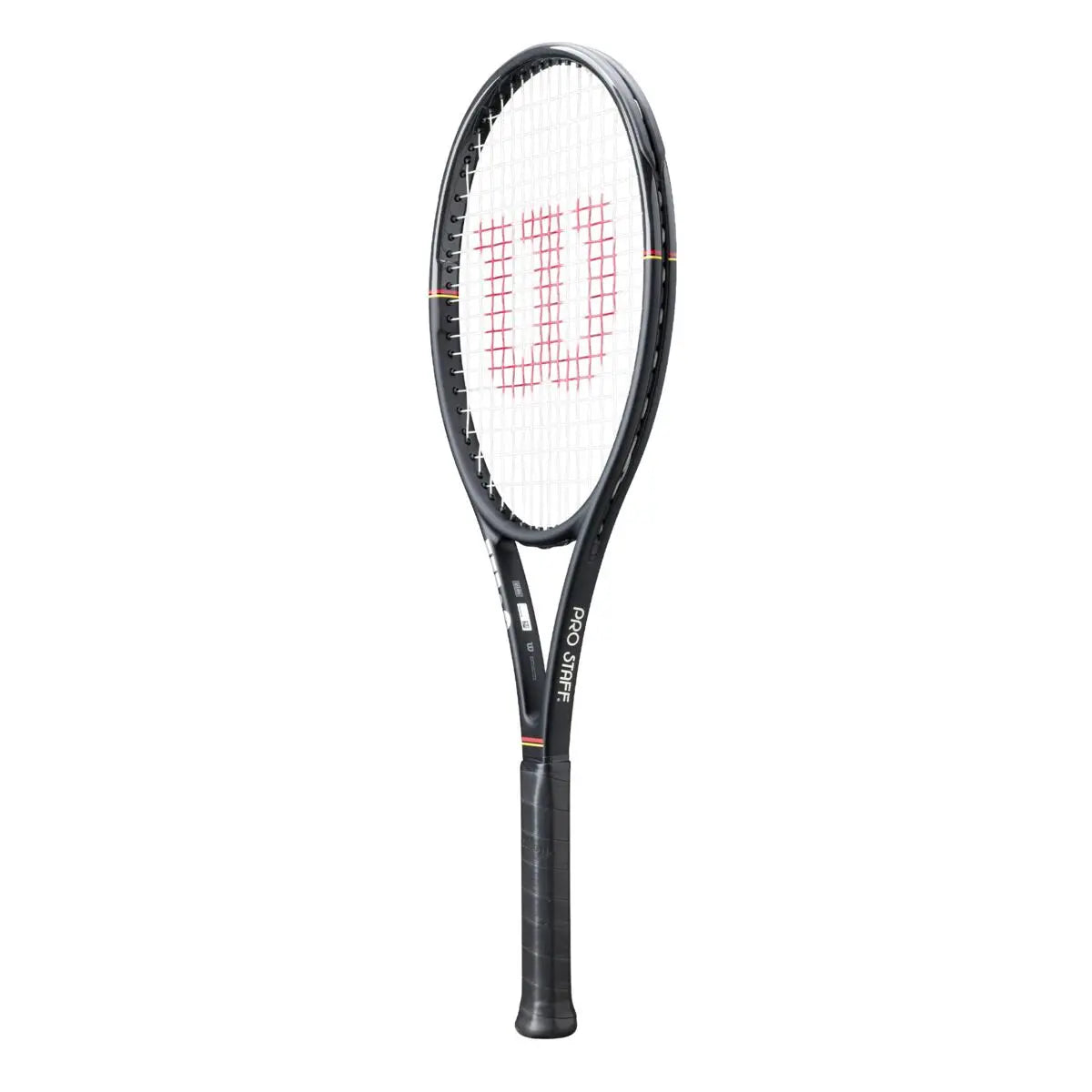
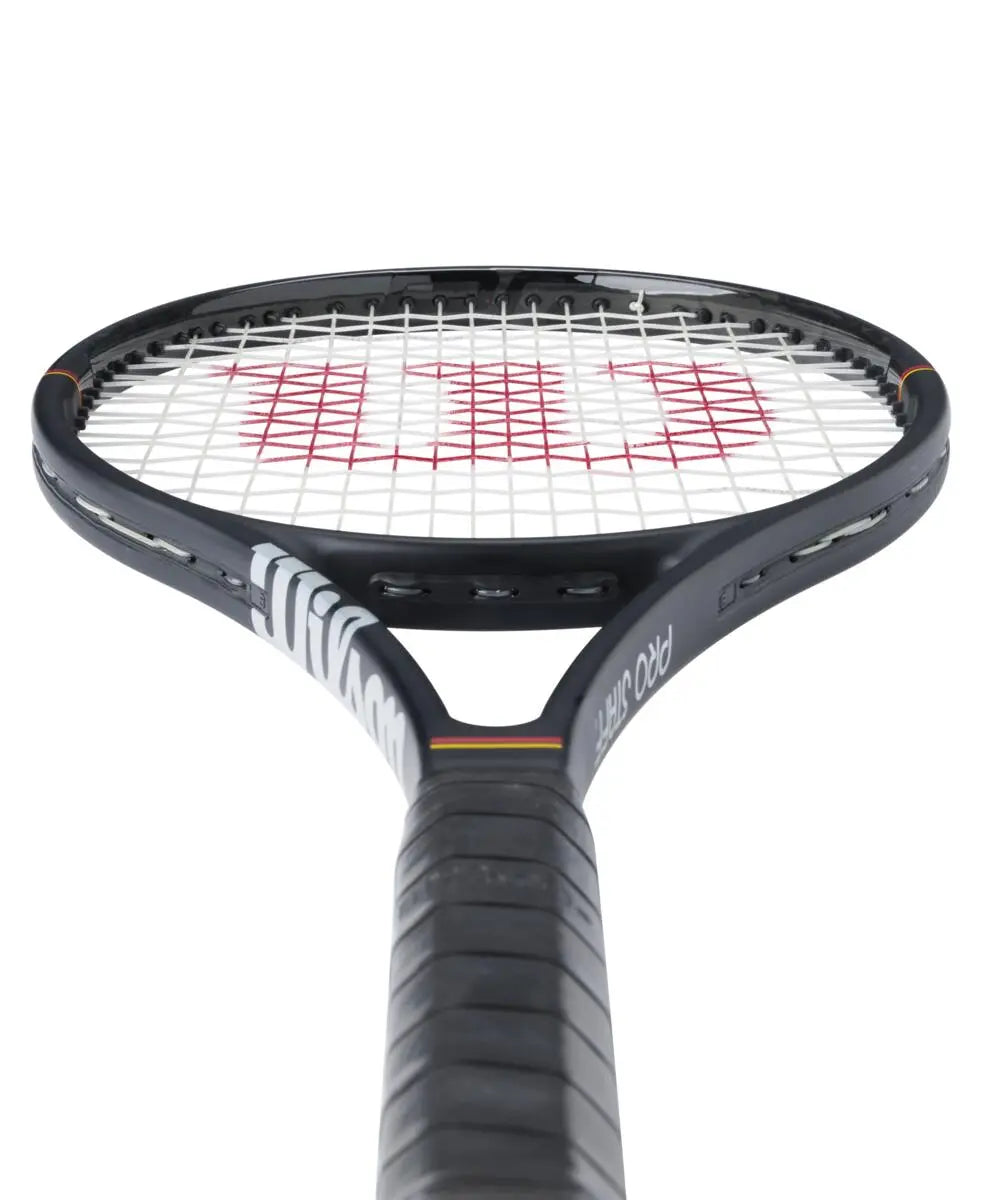
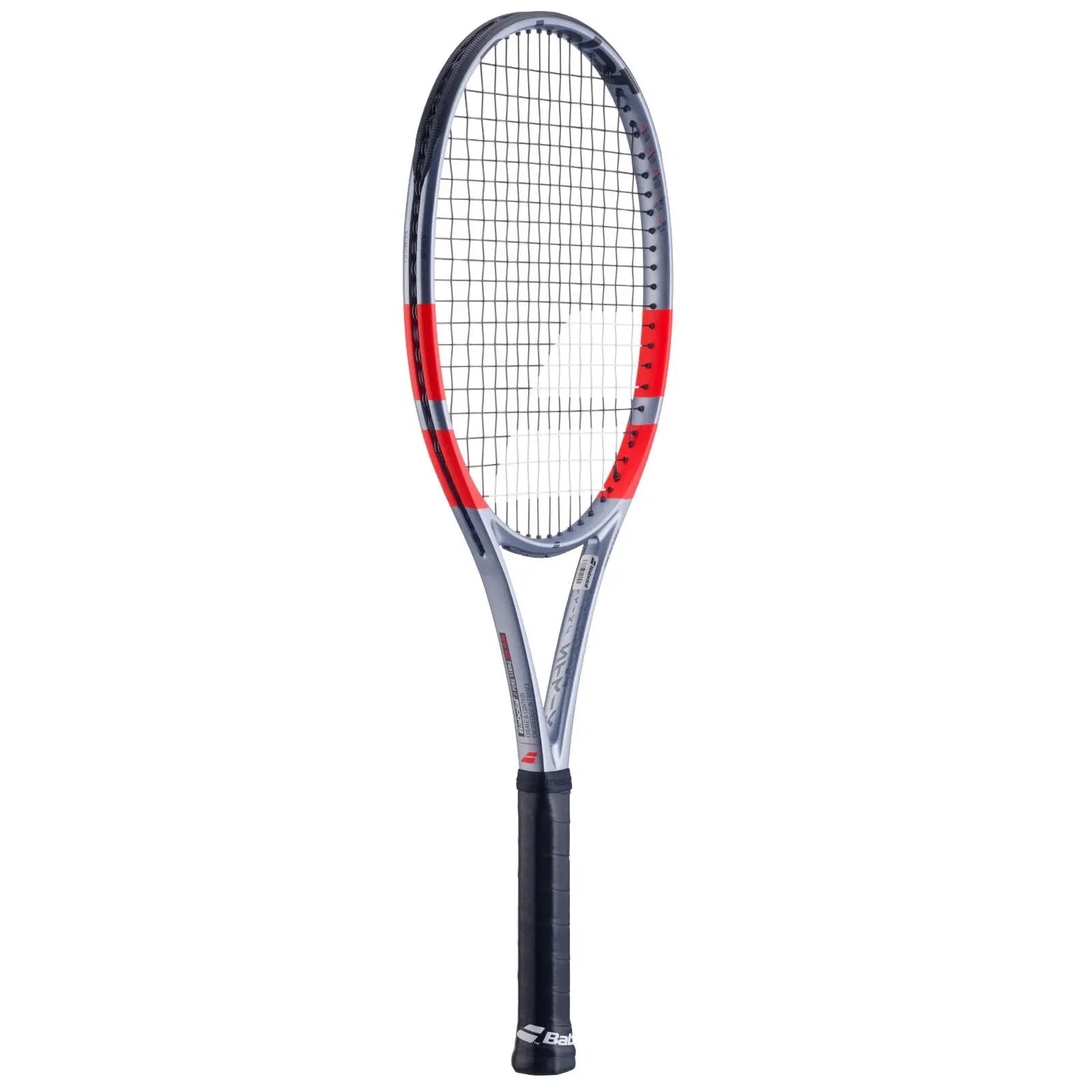
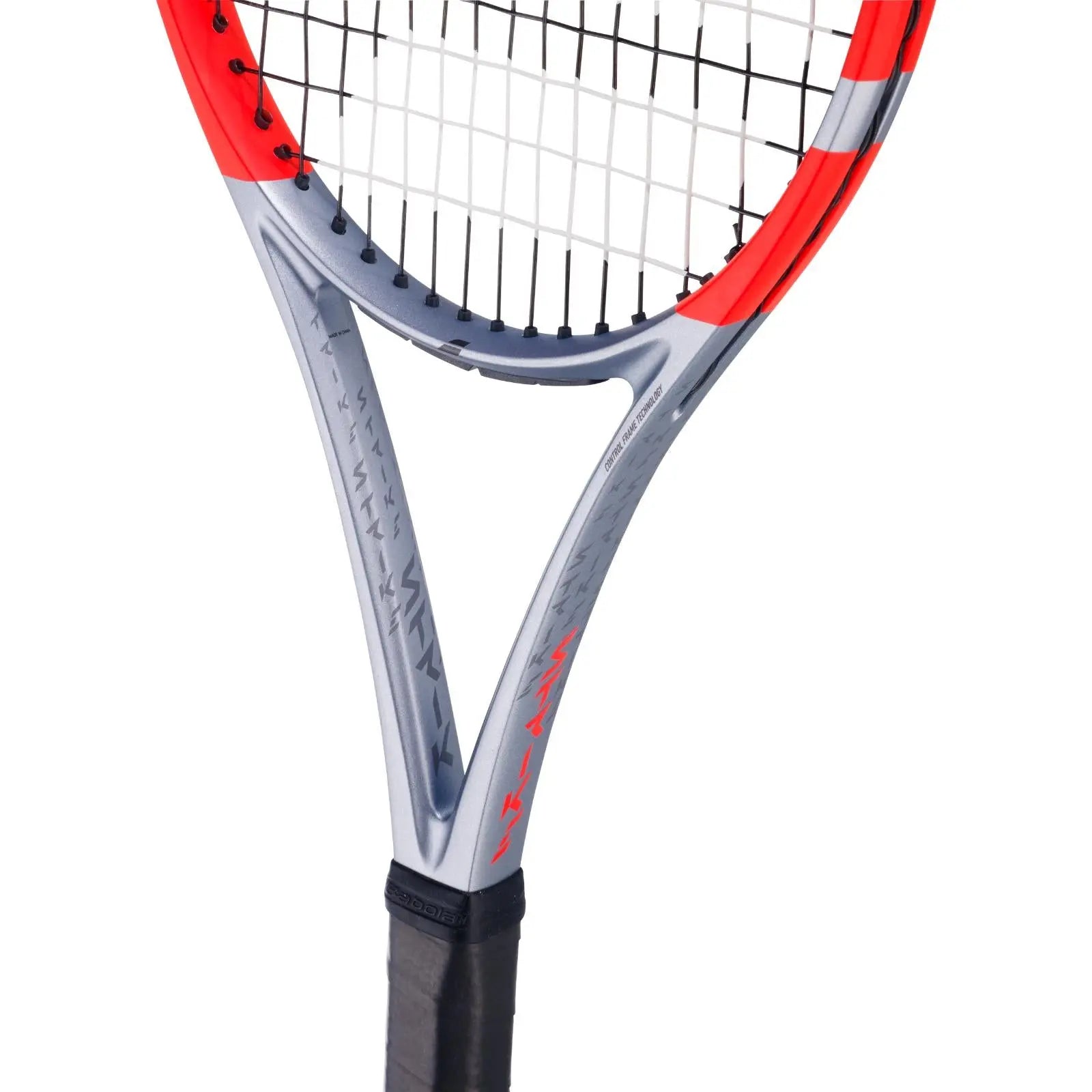
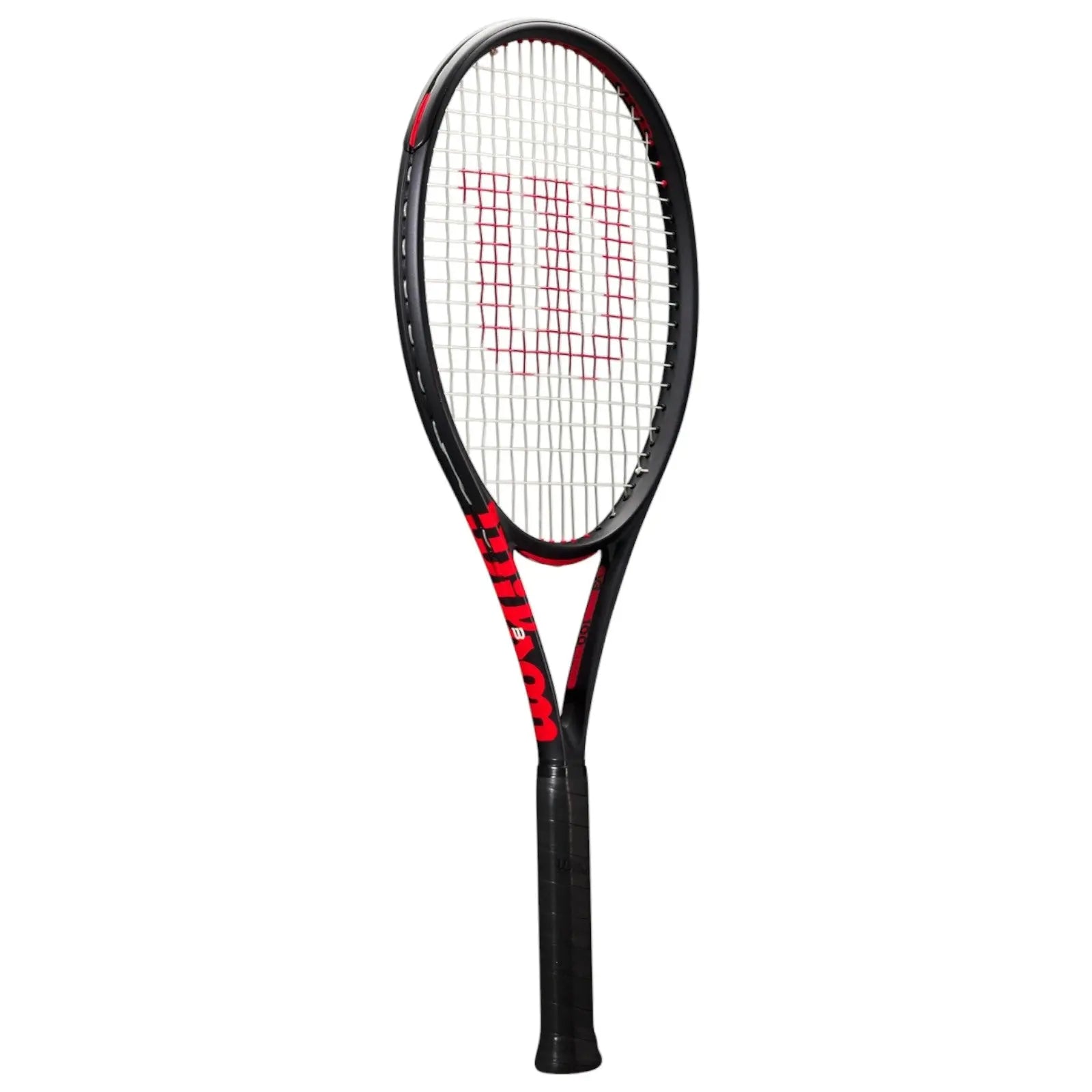
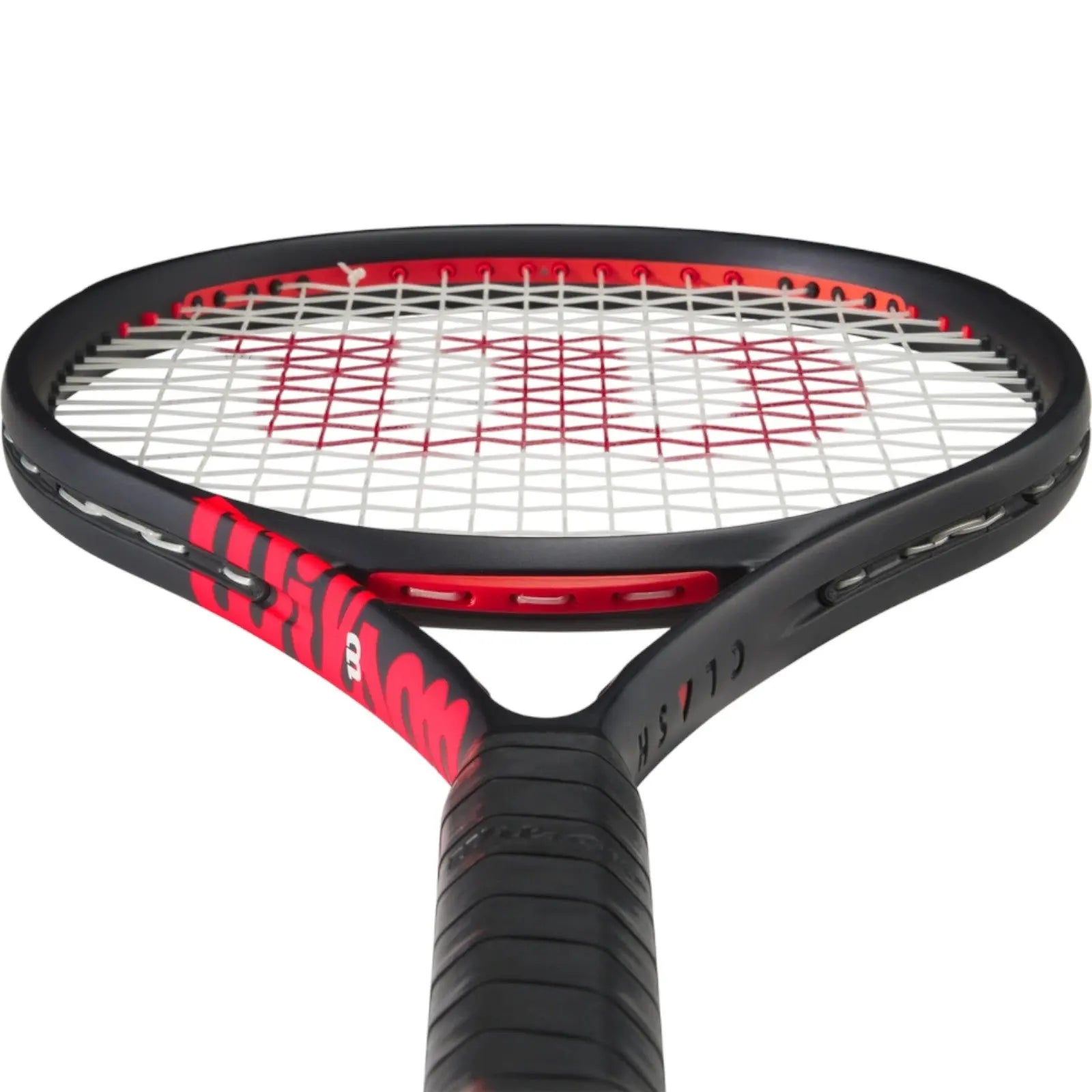
Control racquets (dense 18x20 strings): Wilson Pro Staff, Babolat Pure Strike 18x20, Head Prestige. These are for flat hitters and players who want maximum accuracy.
If you’re not sure which suits you, the 16x19 spin racquets are easier to switch into — they’re a bit more forgiving.
Top performance racquet brands
-
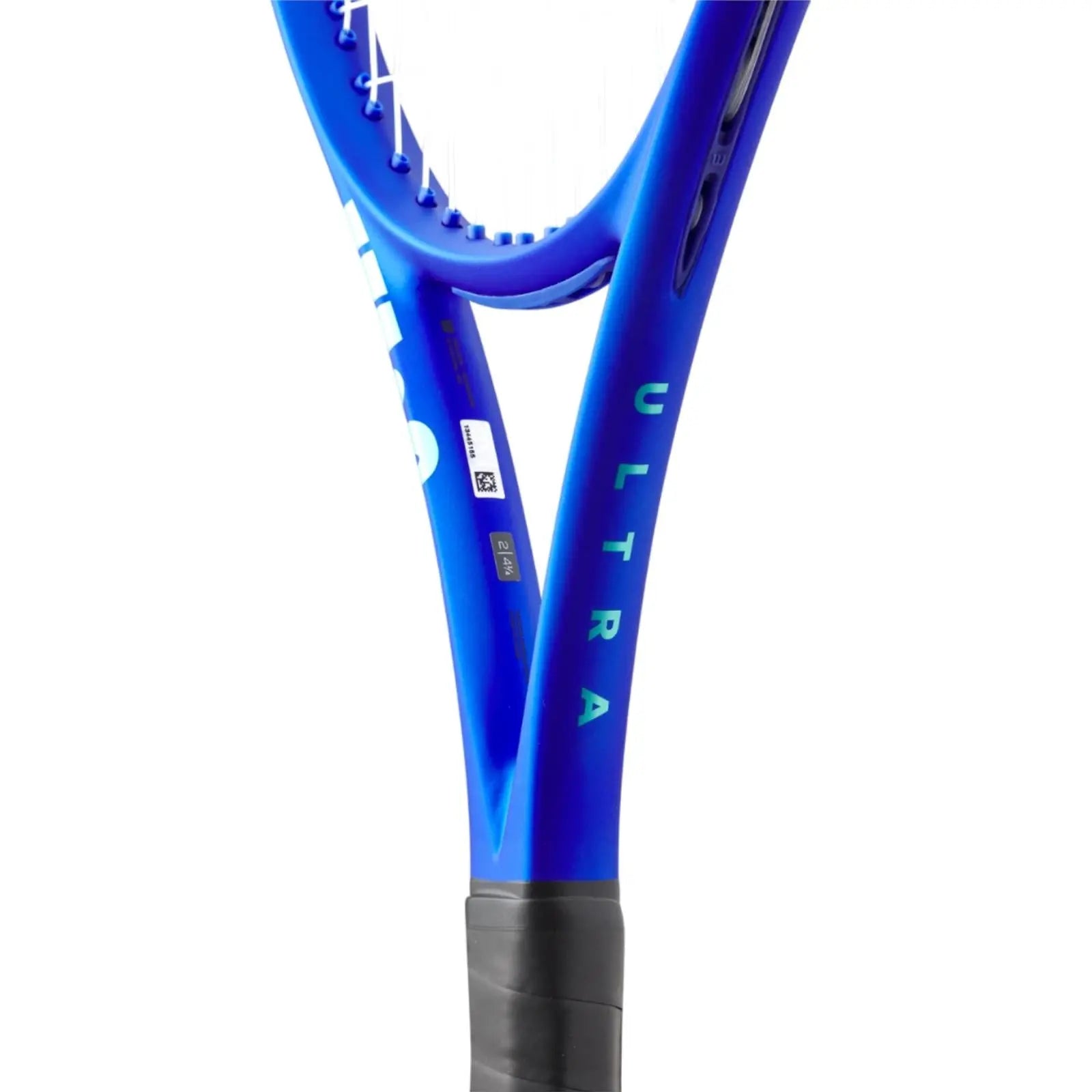
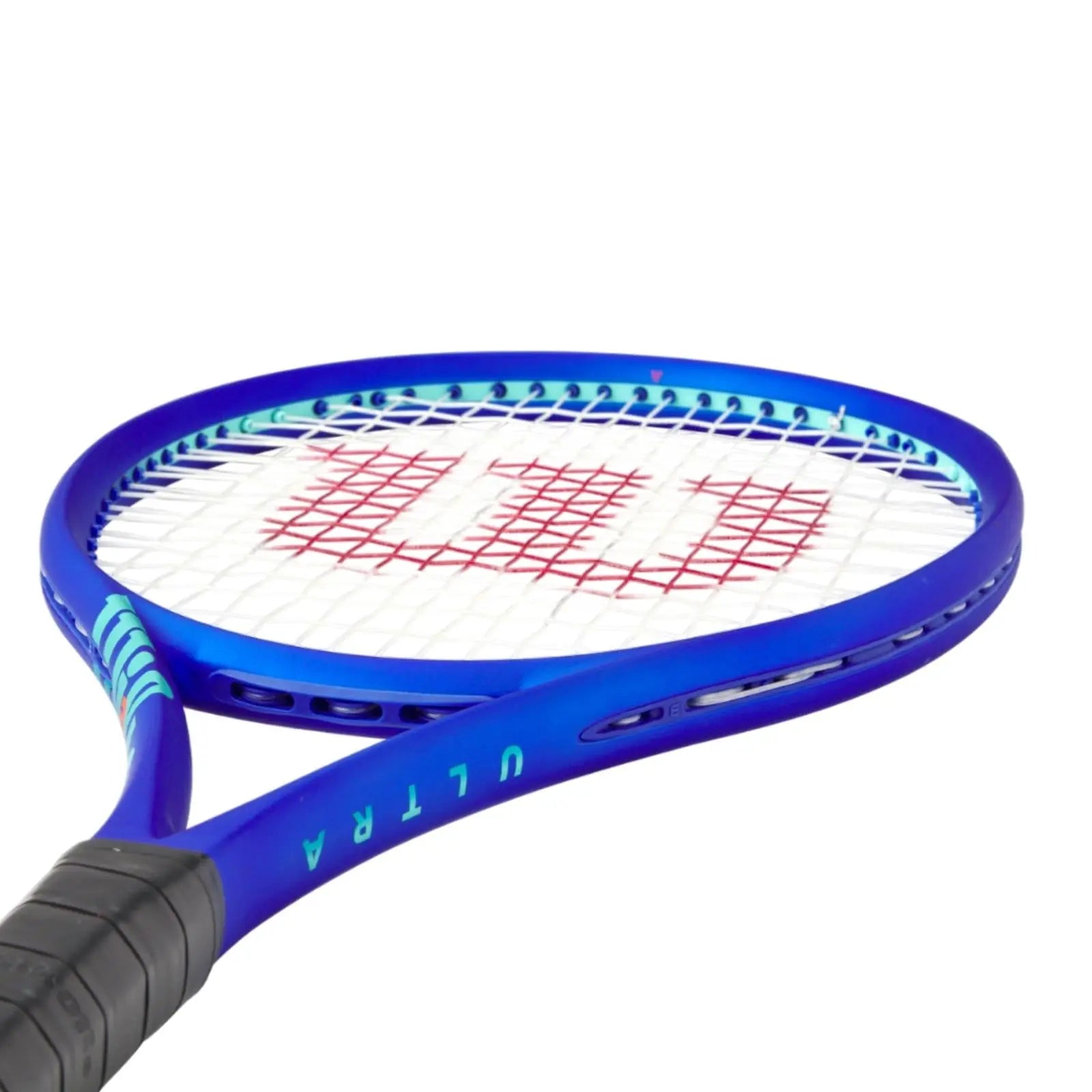
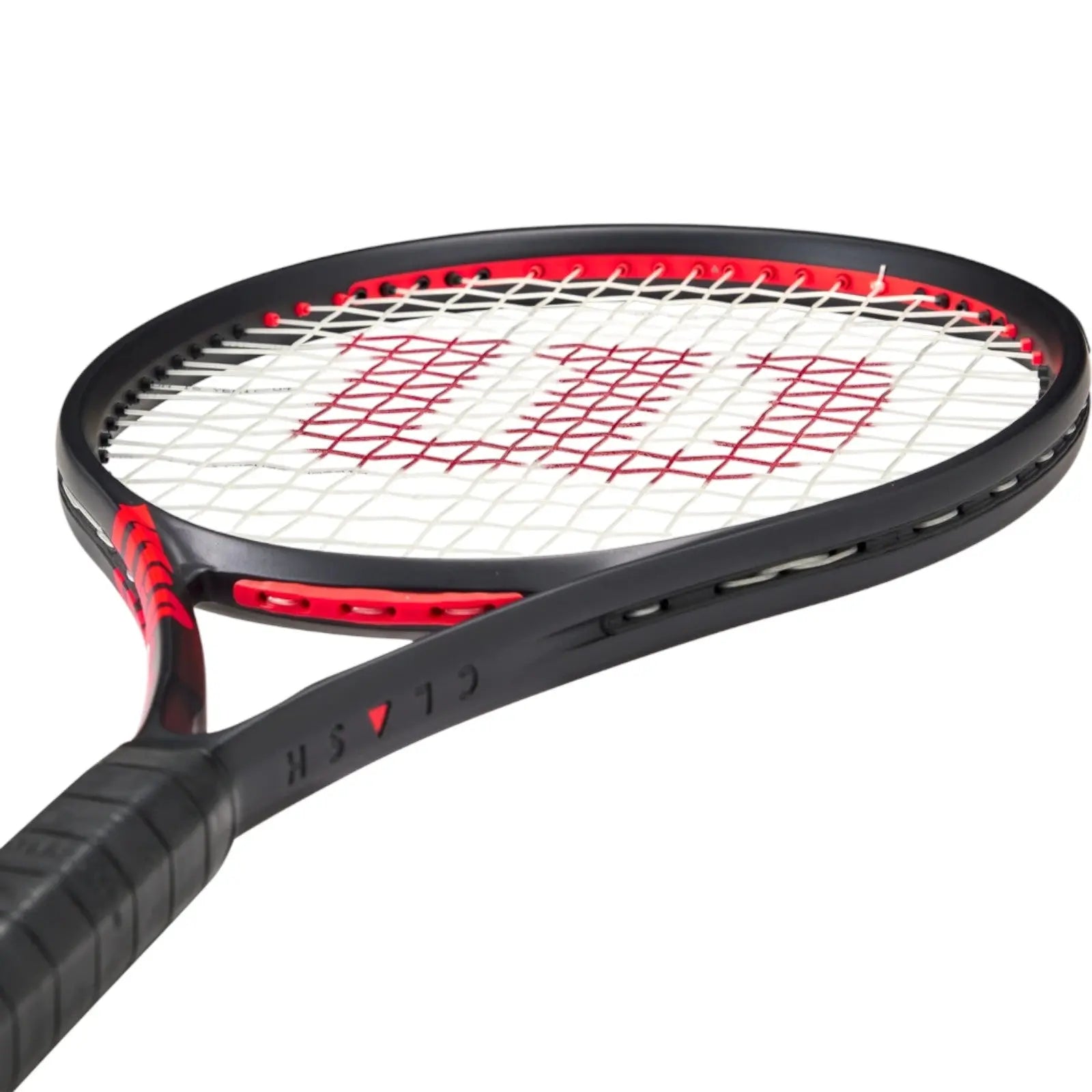
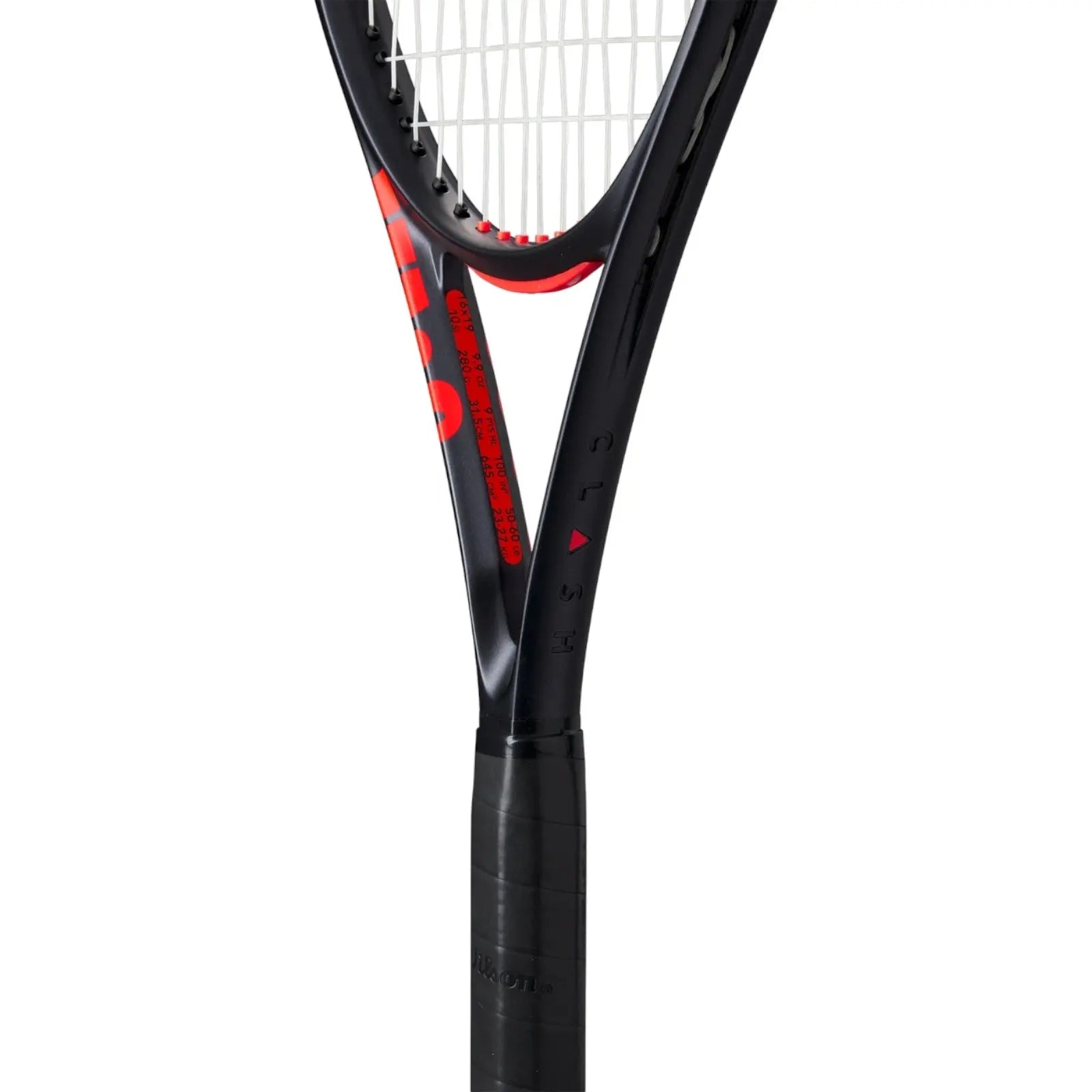
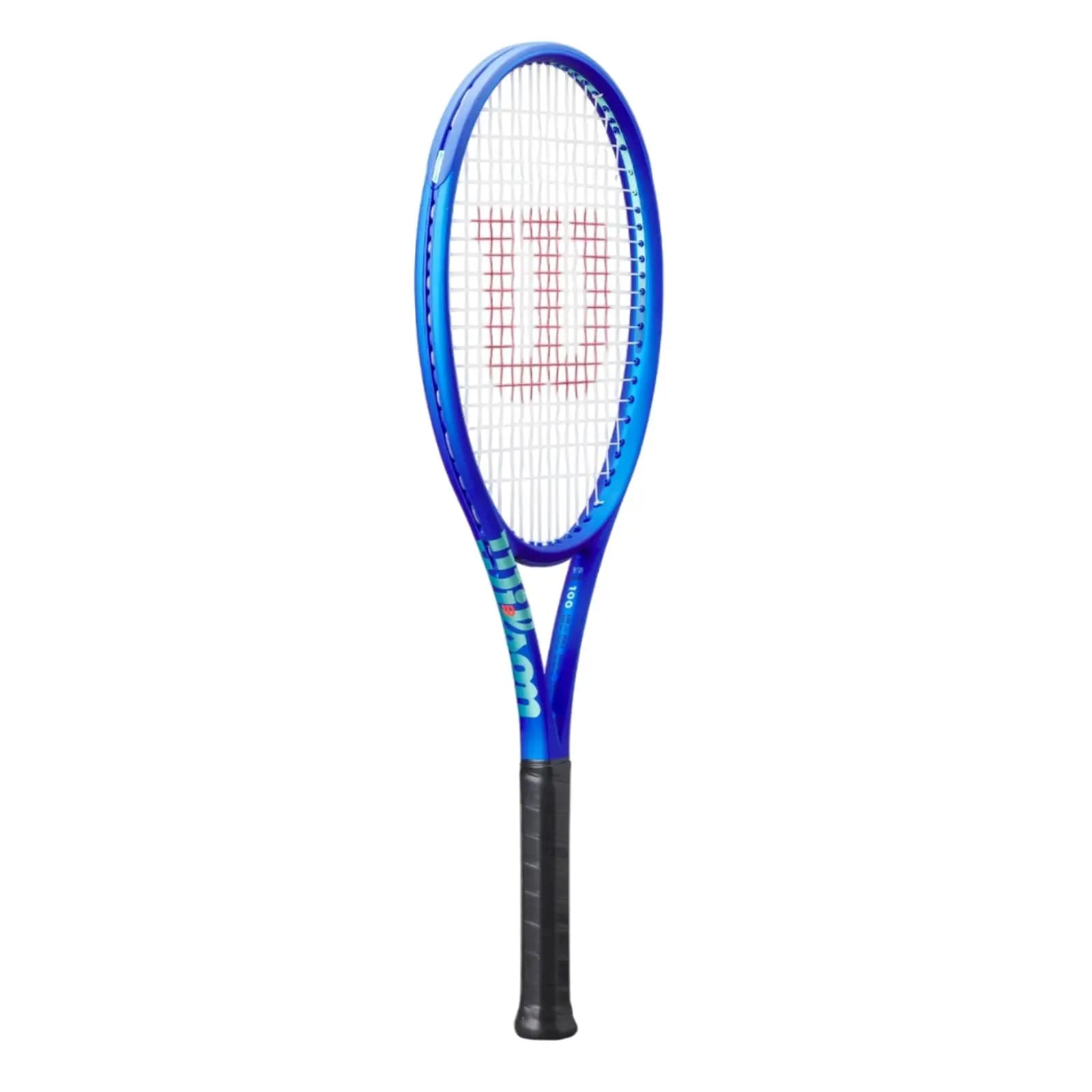
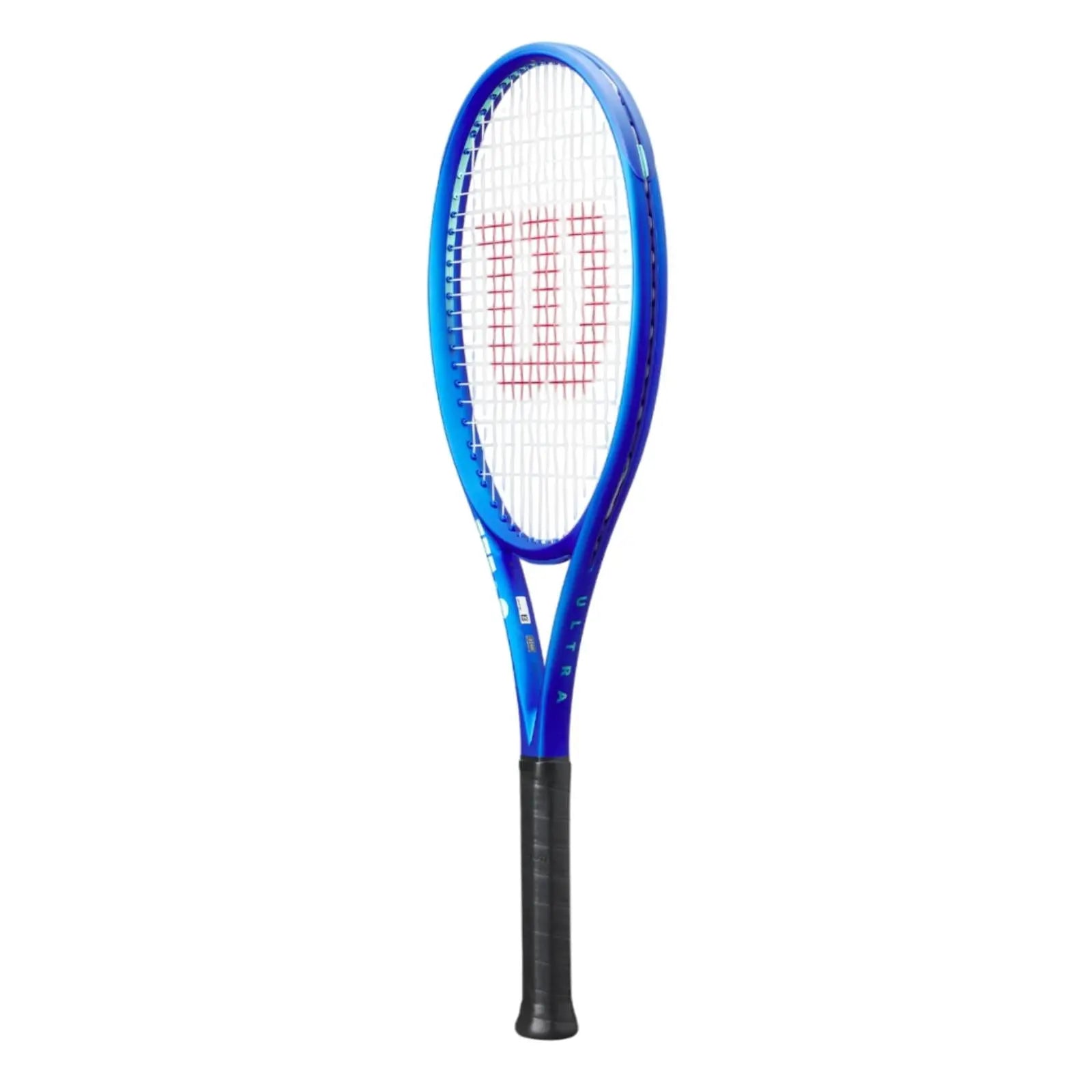
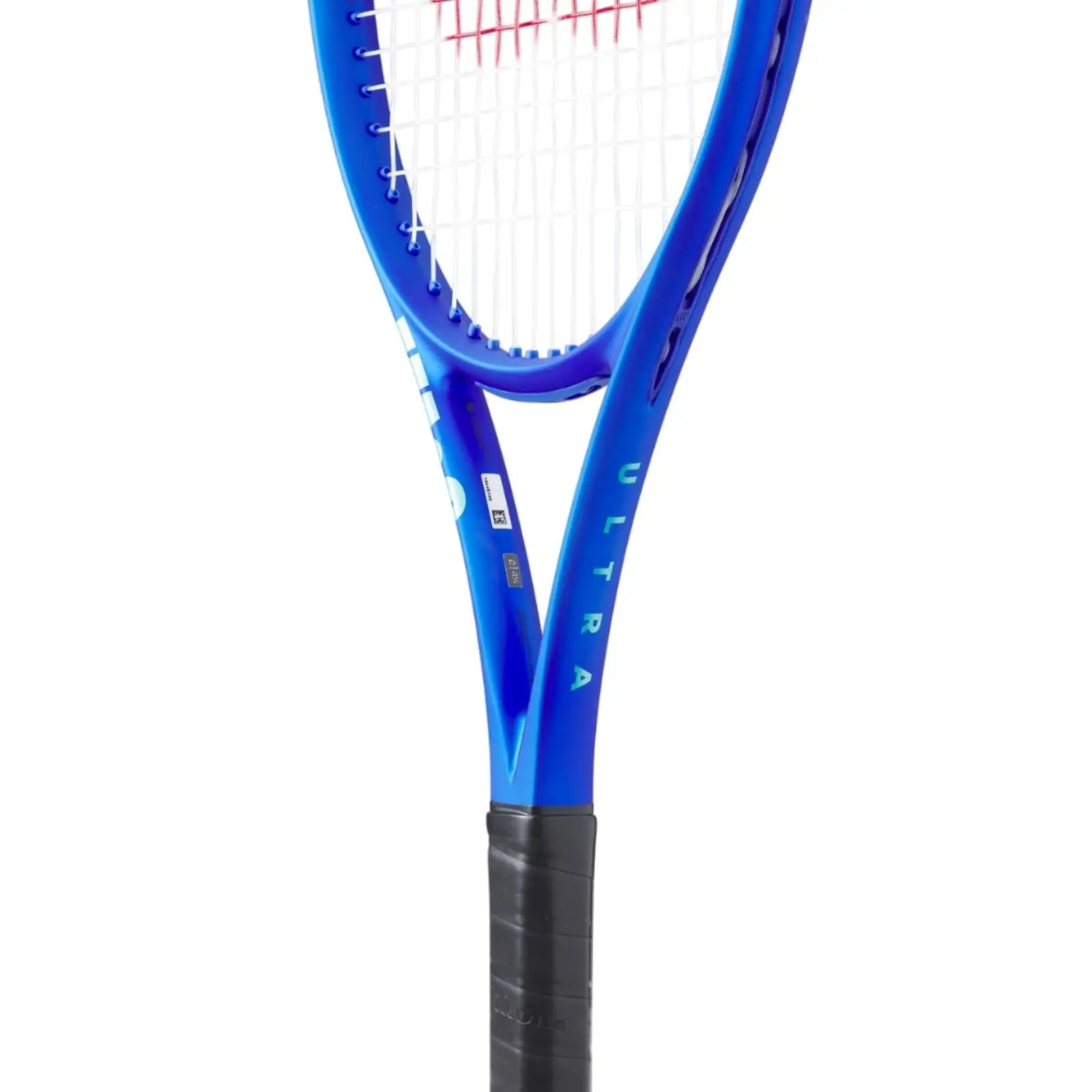
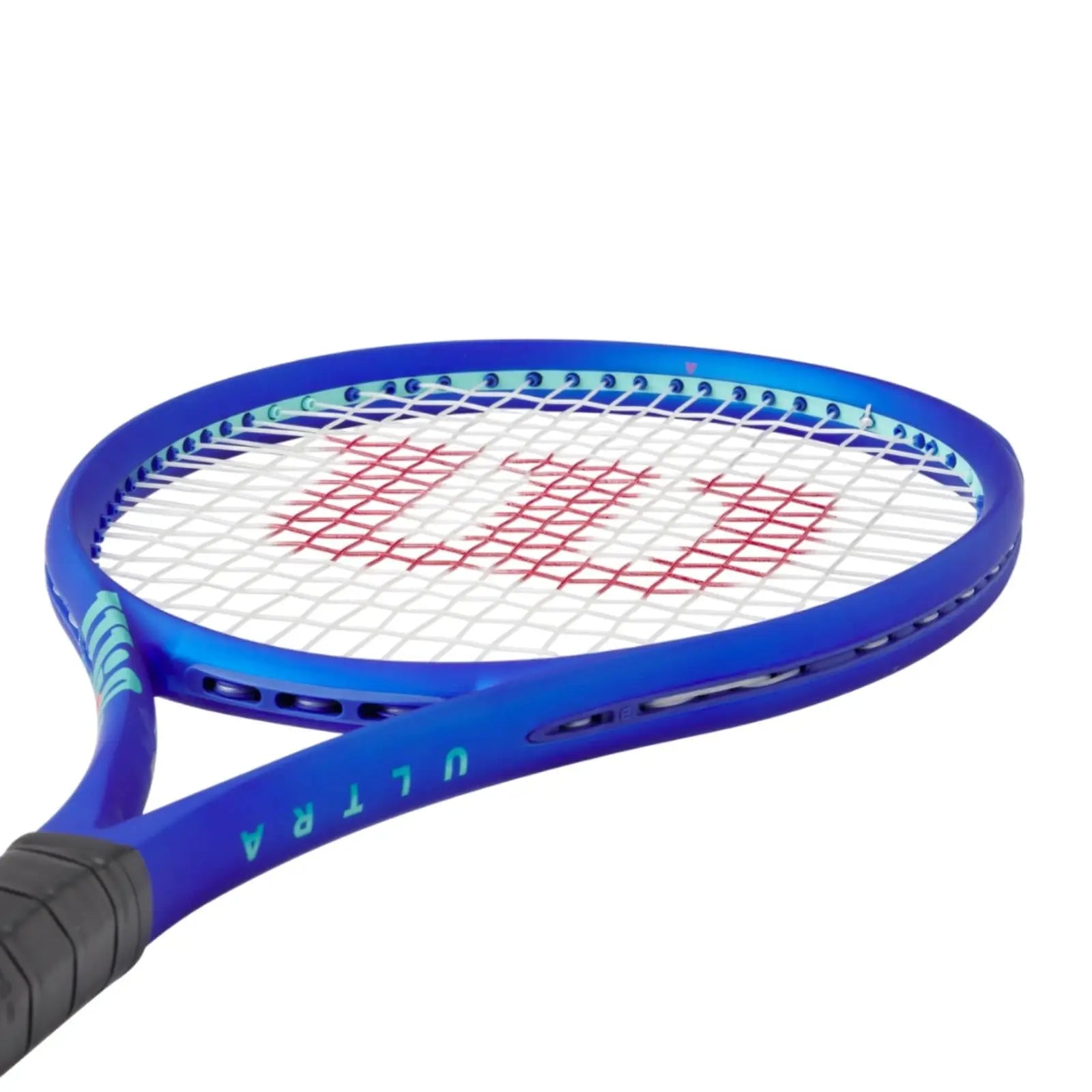
Wilson — Pro Staff, Blade and Ultra Tour racquets used by legends like Federer
-
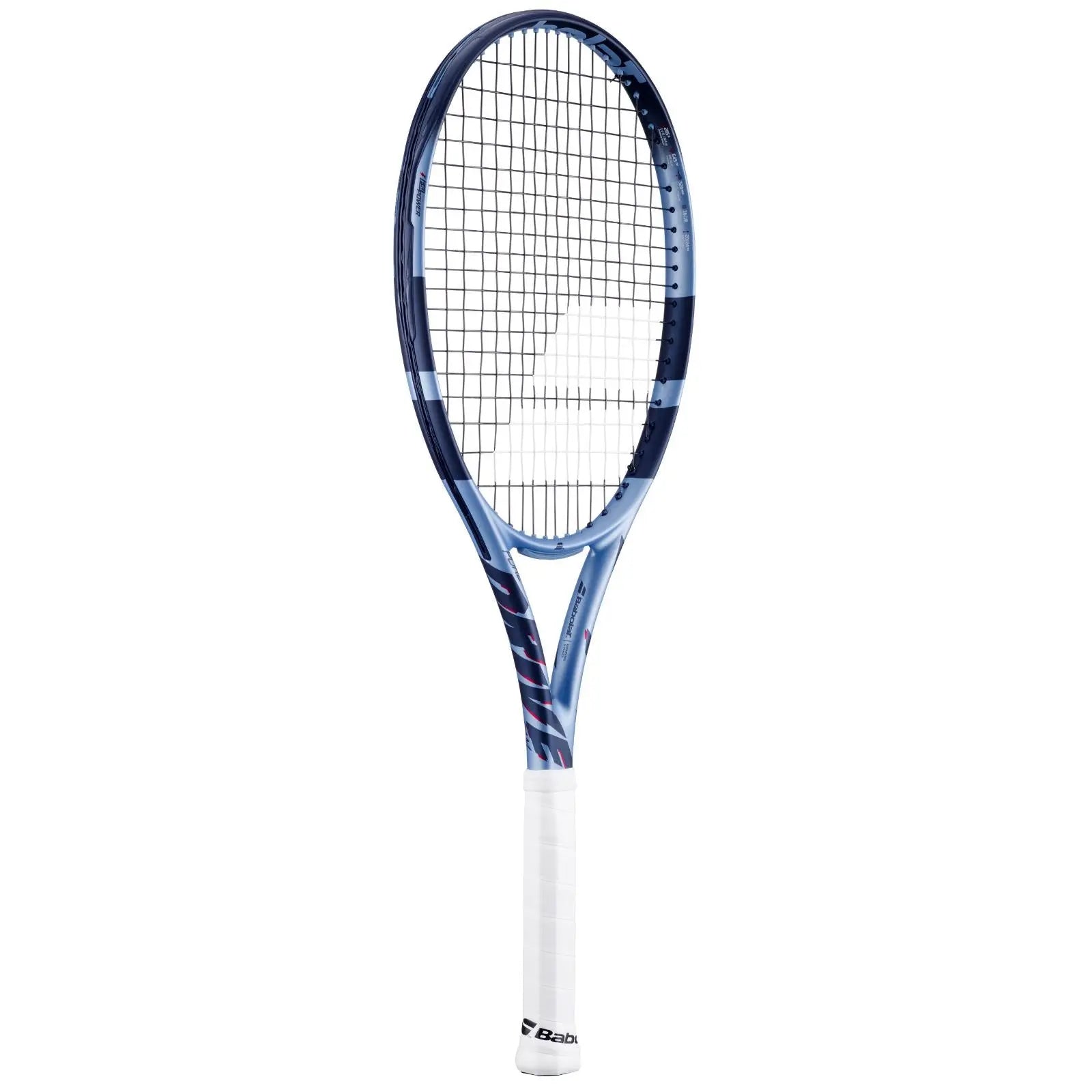
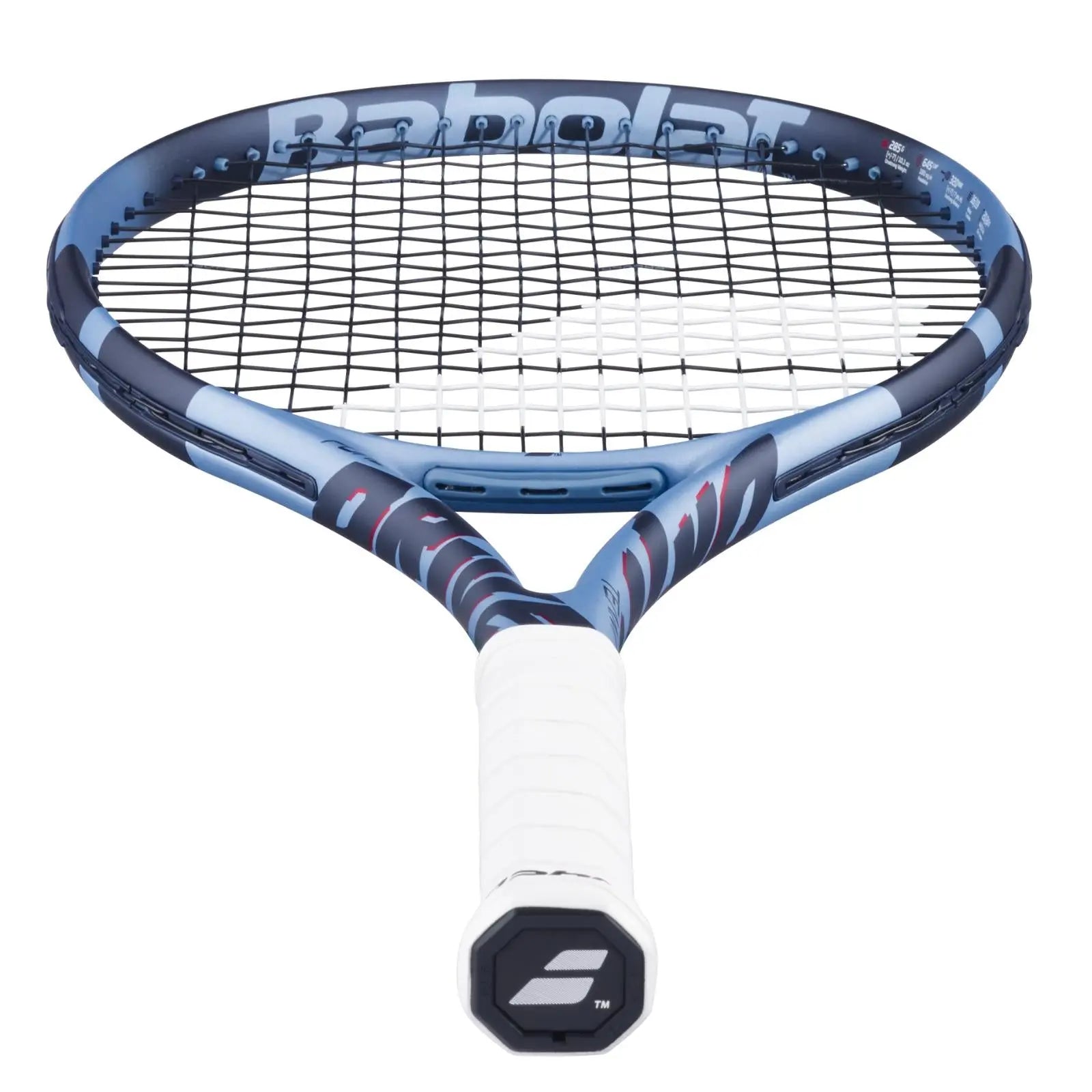
Babolat — Pure Aero (Nadal’s racquet), Pure Strike and Pure Drive Tour
-
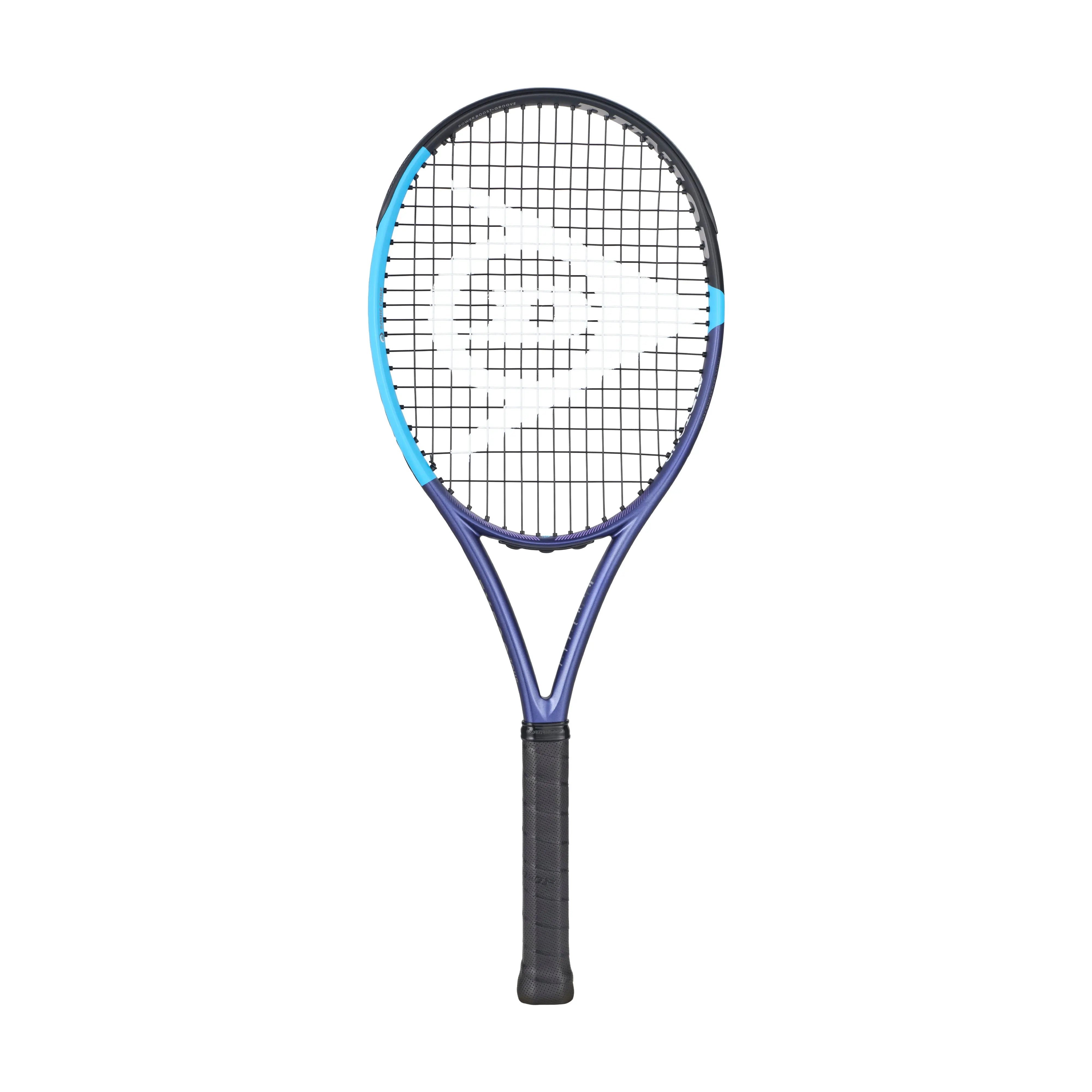
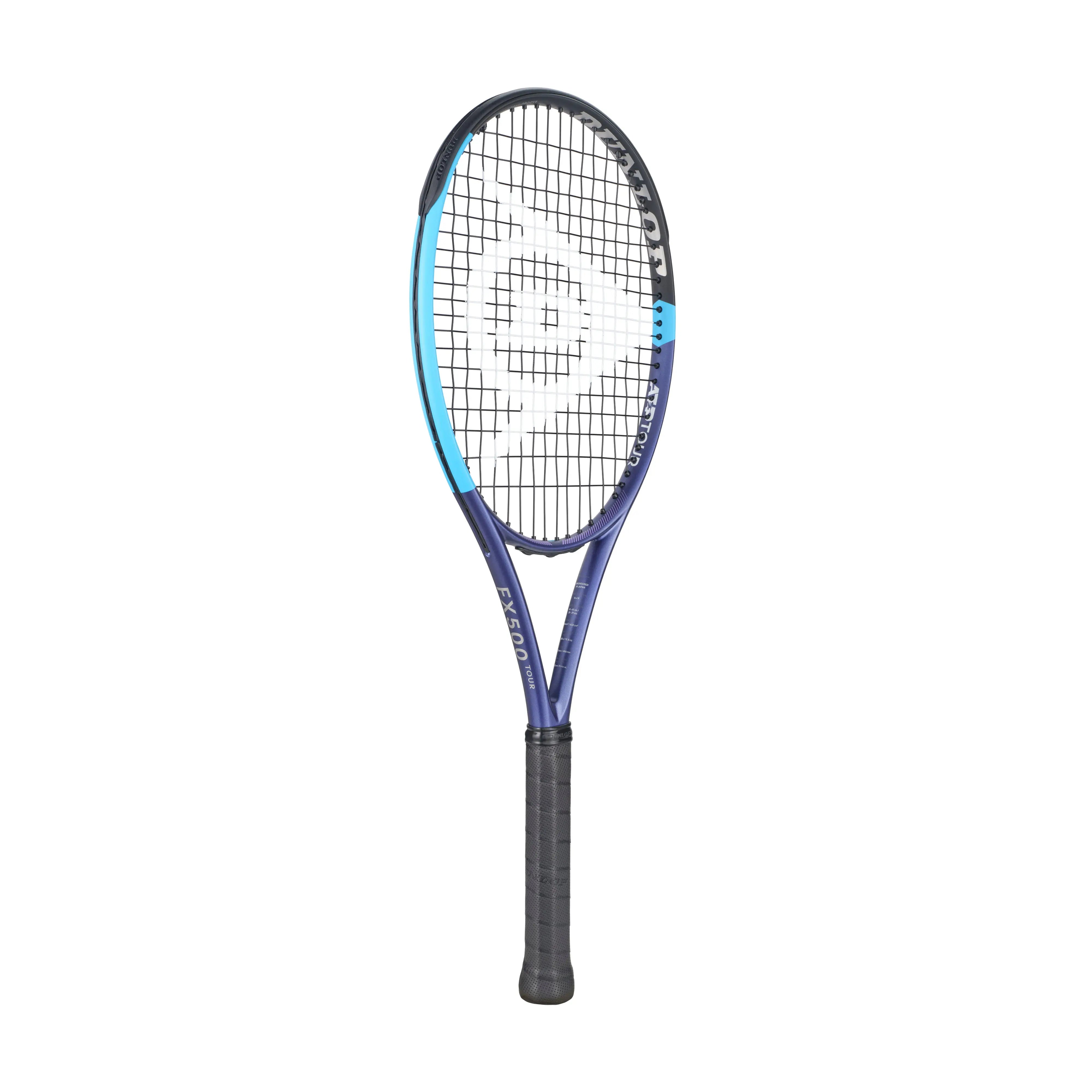
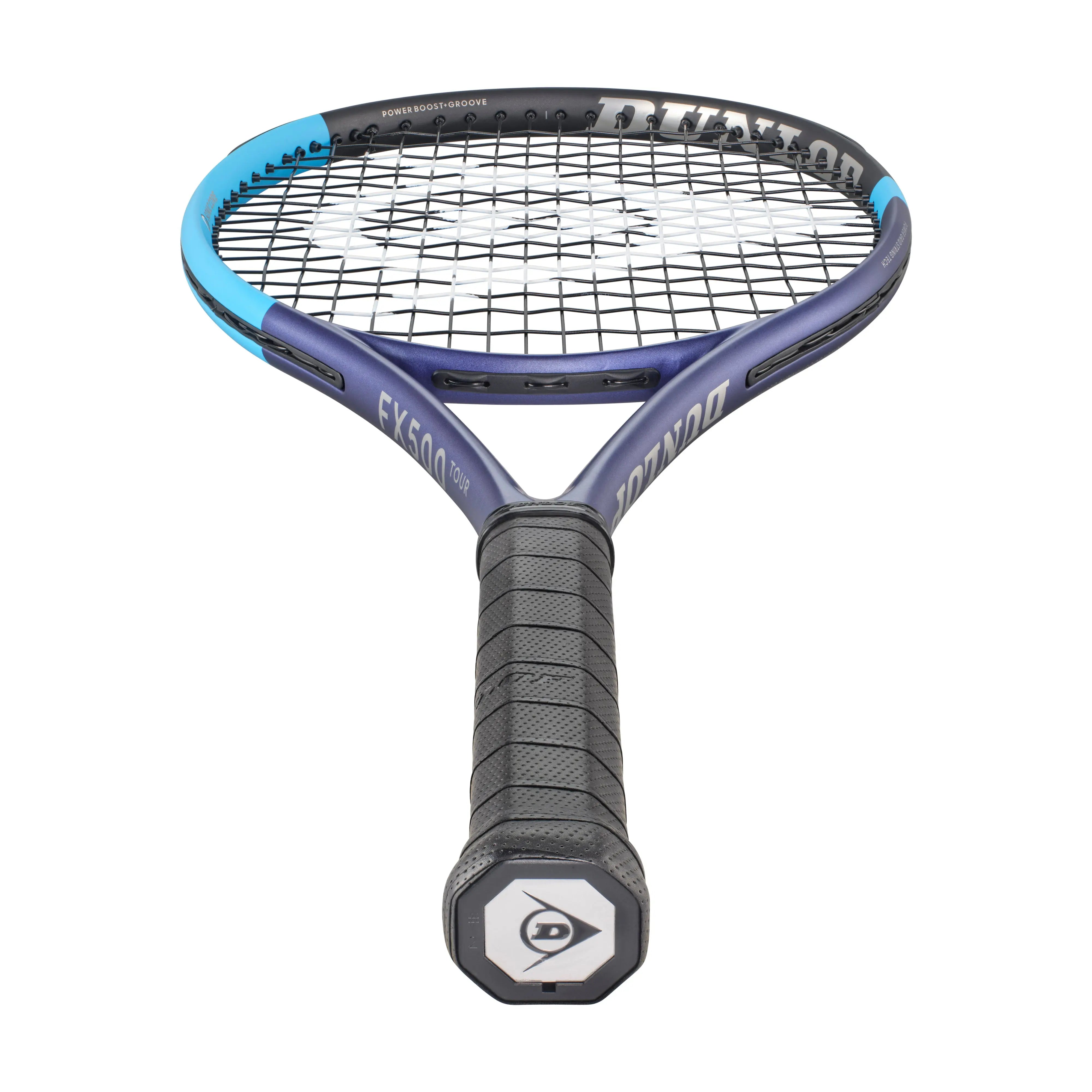
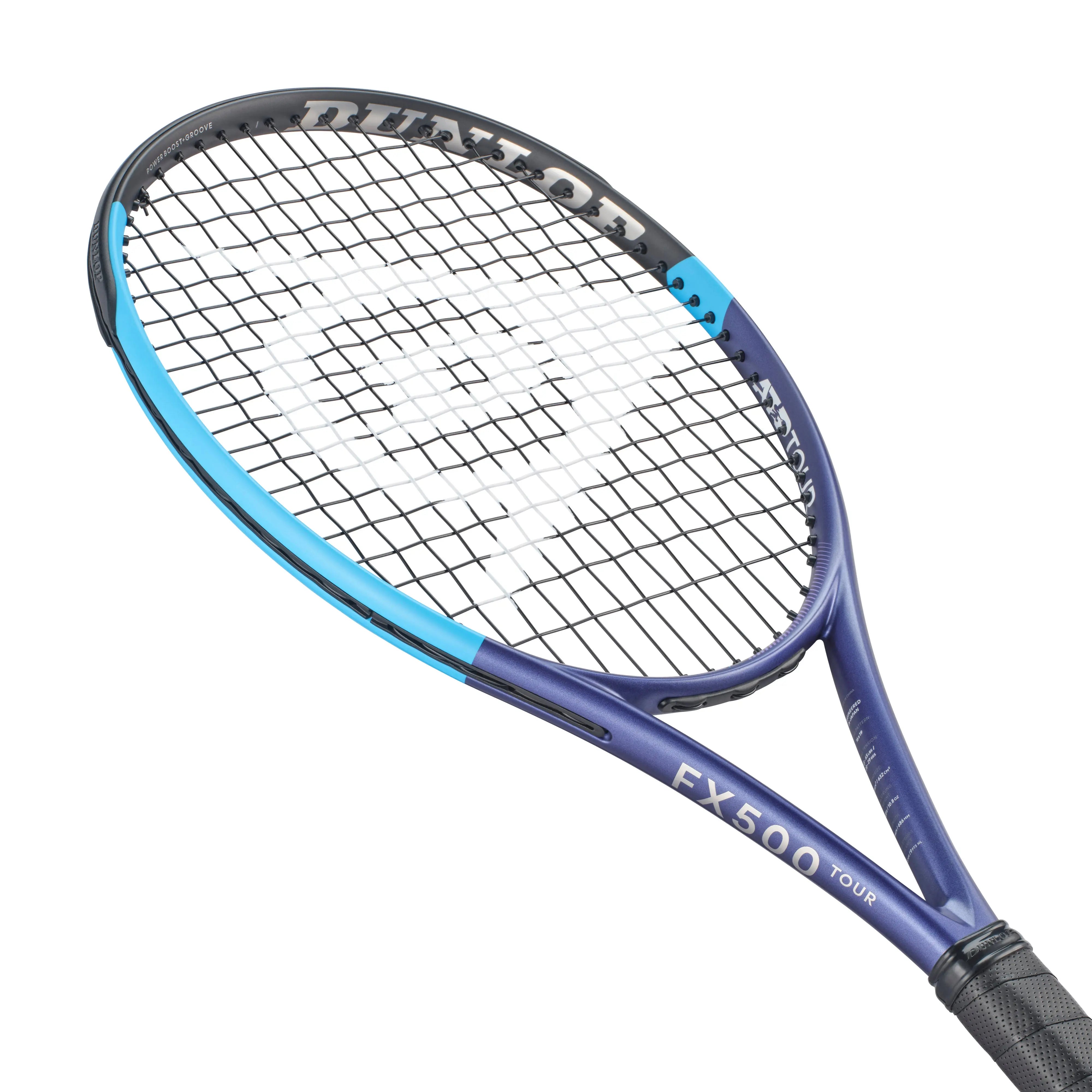
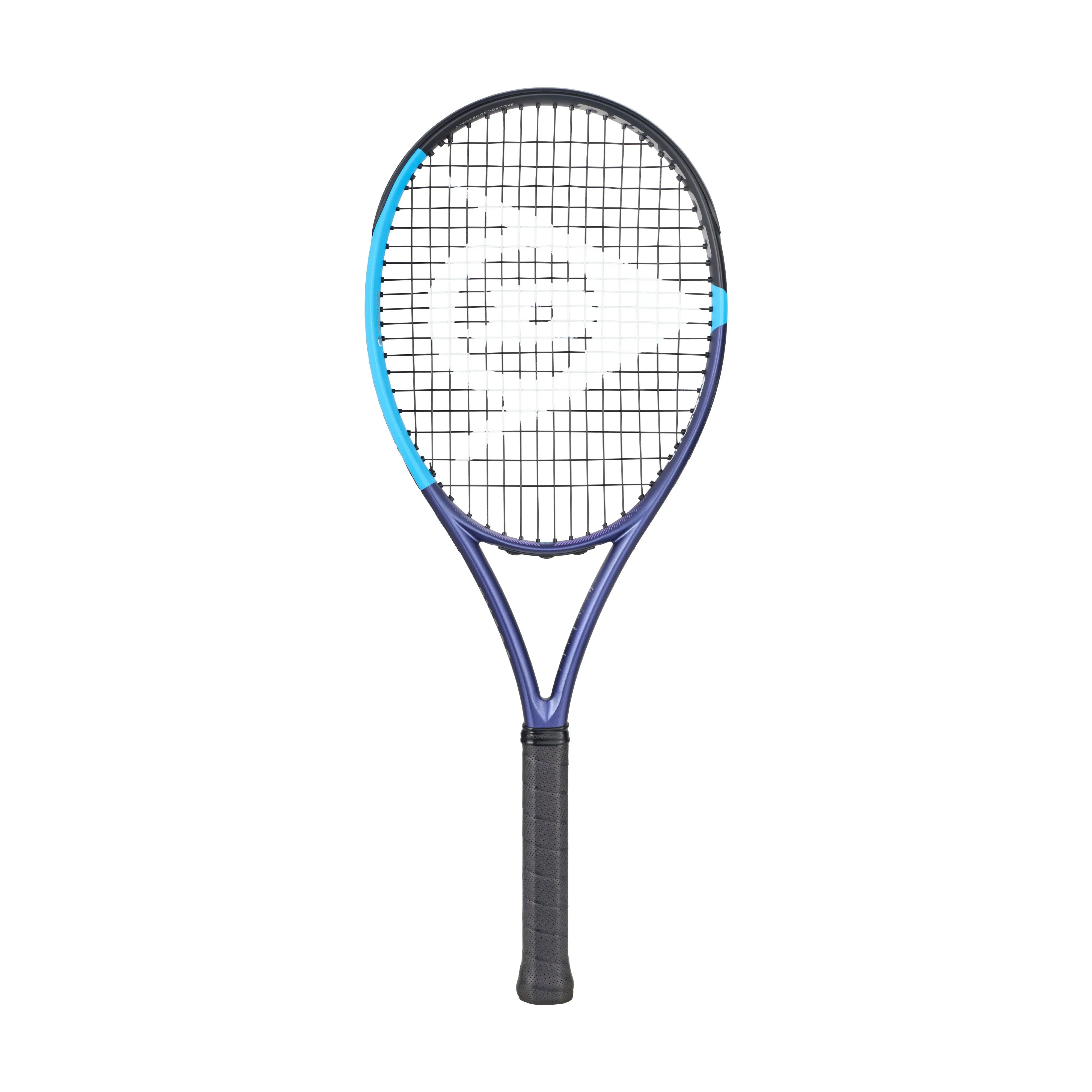
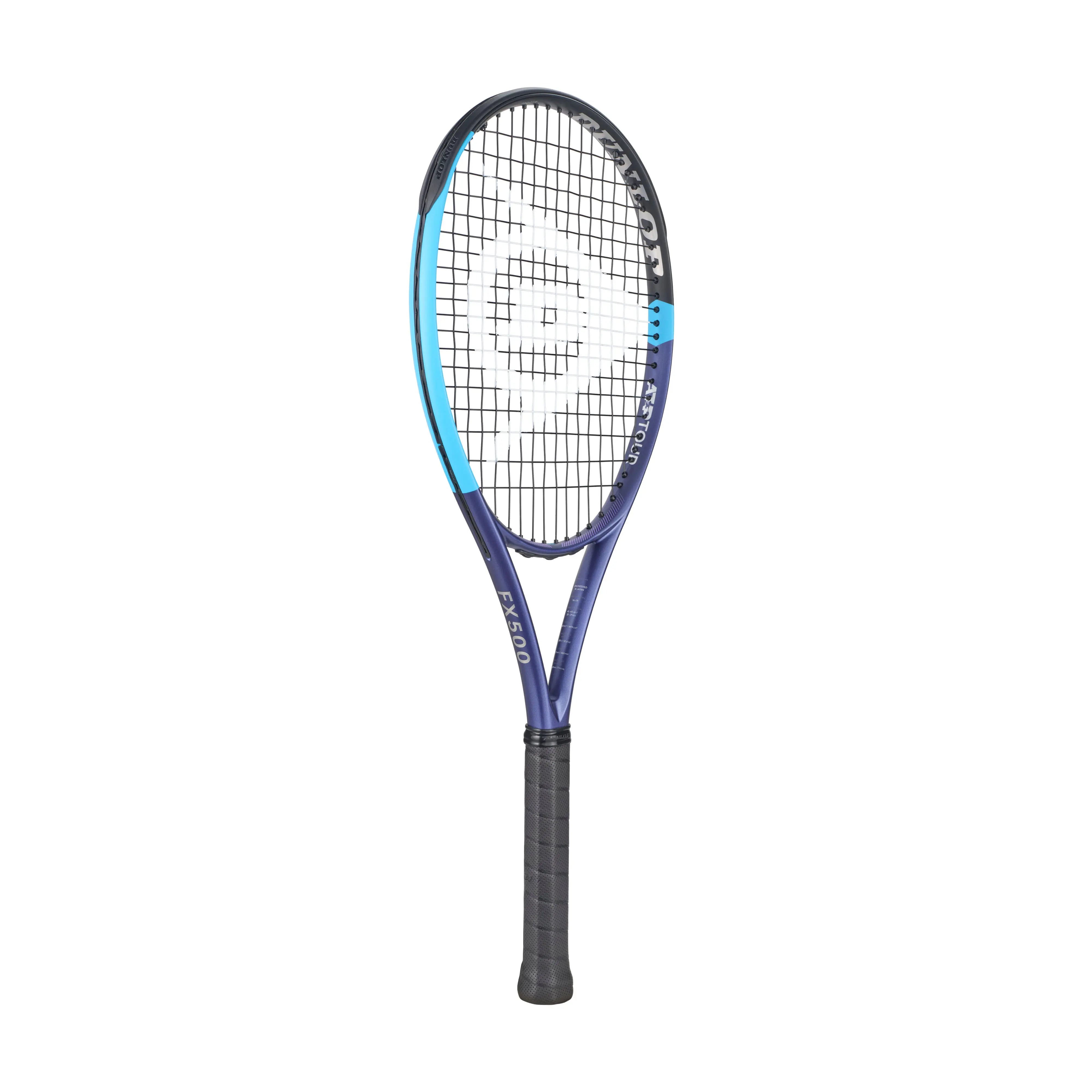
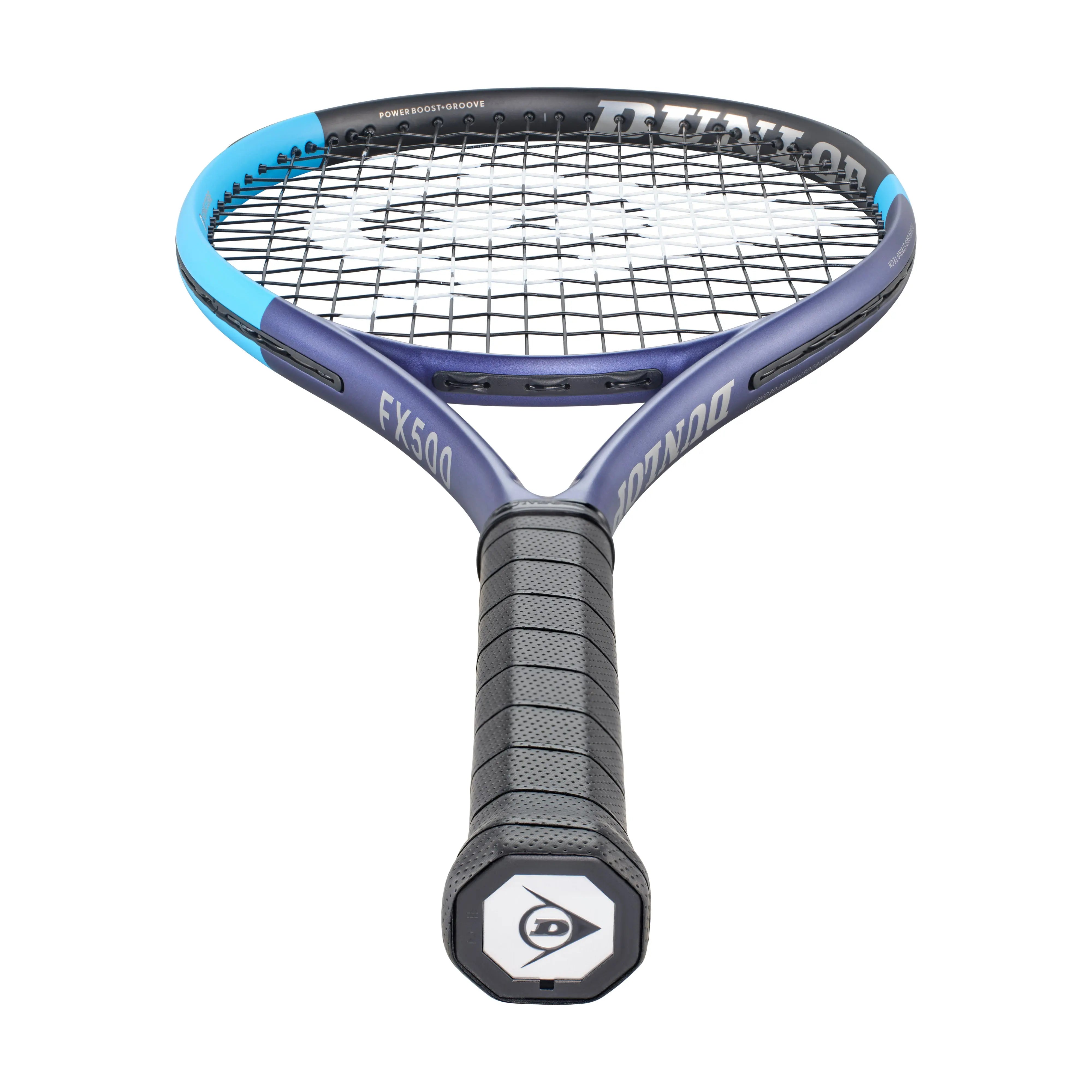
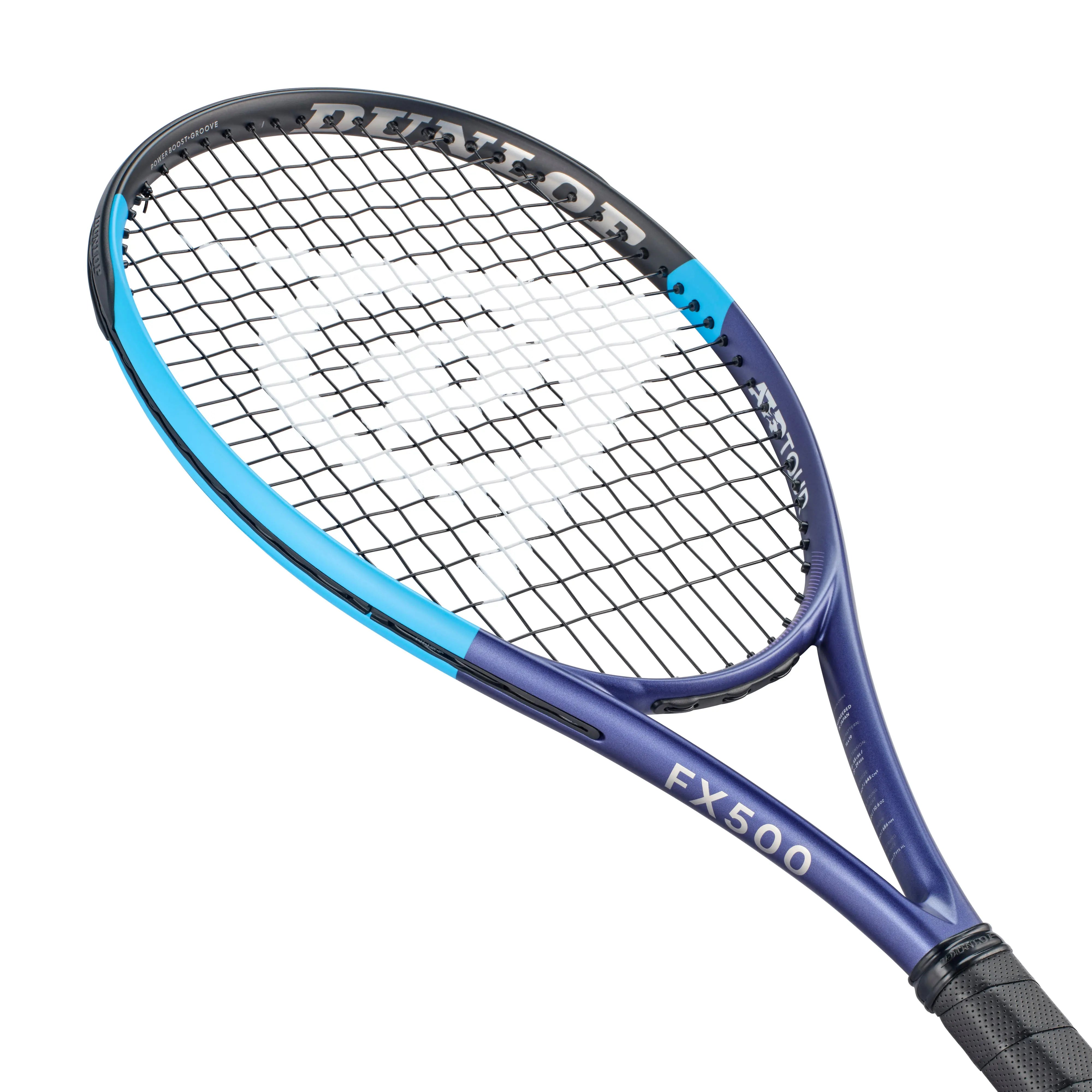
Dunlop — CX 200 Tour and FX 500 Tour for tournament-grade play
-
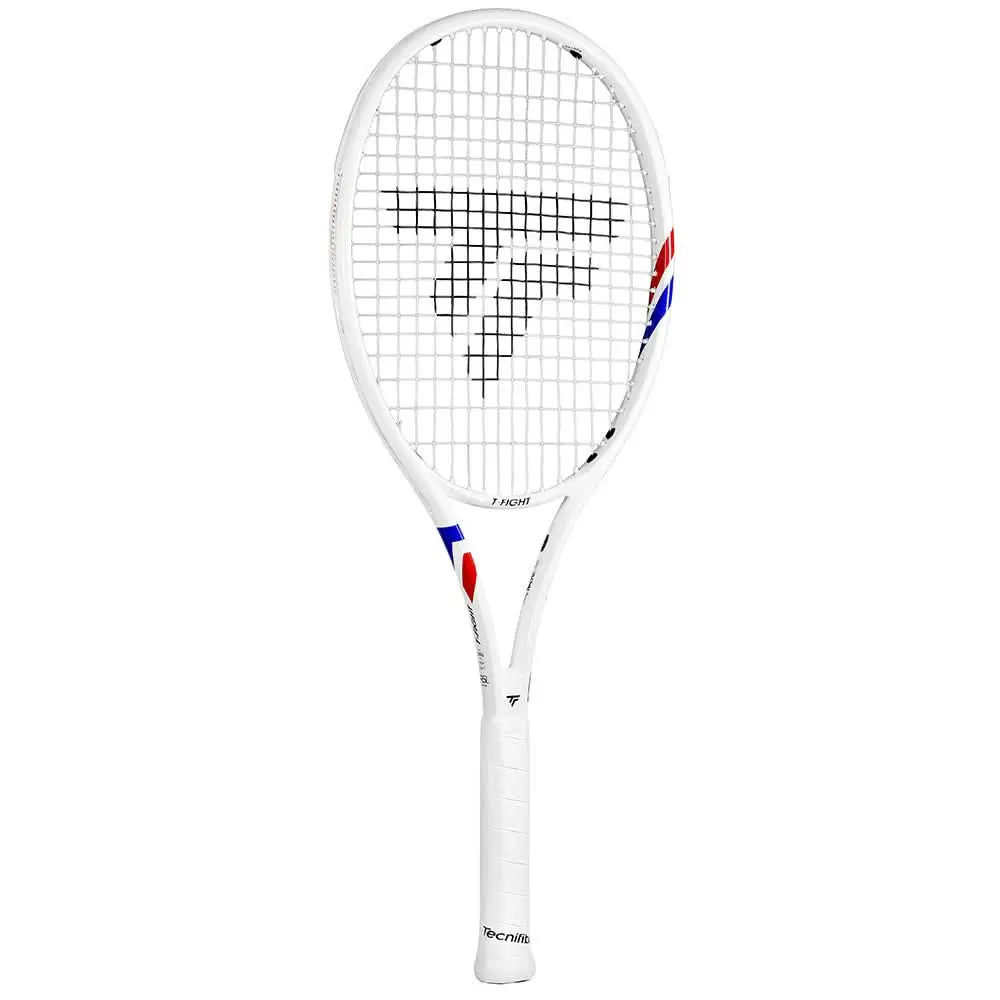
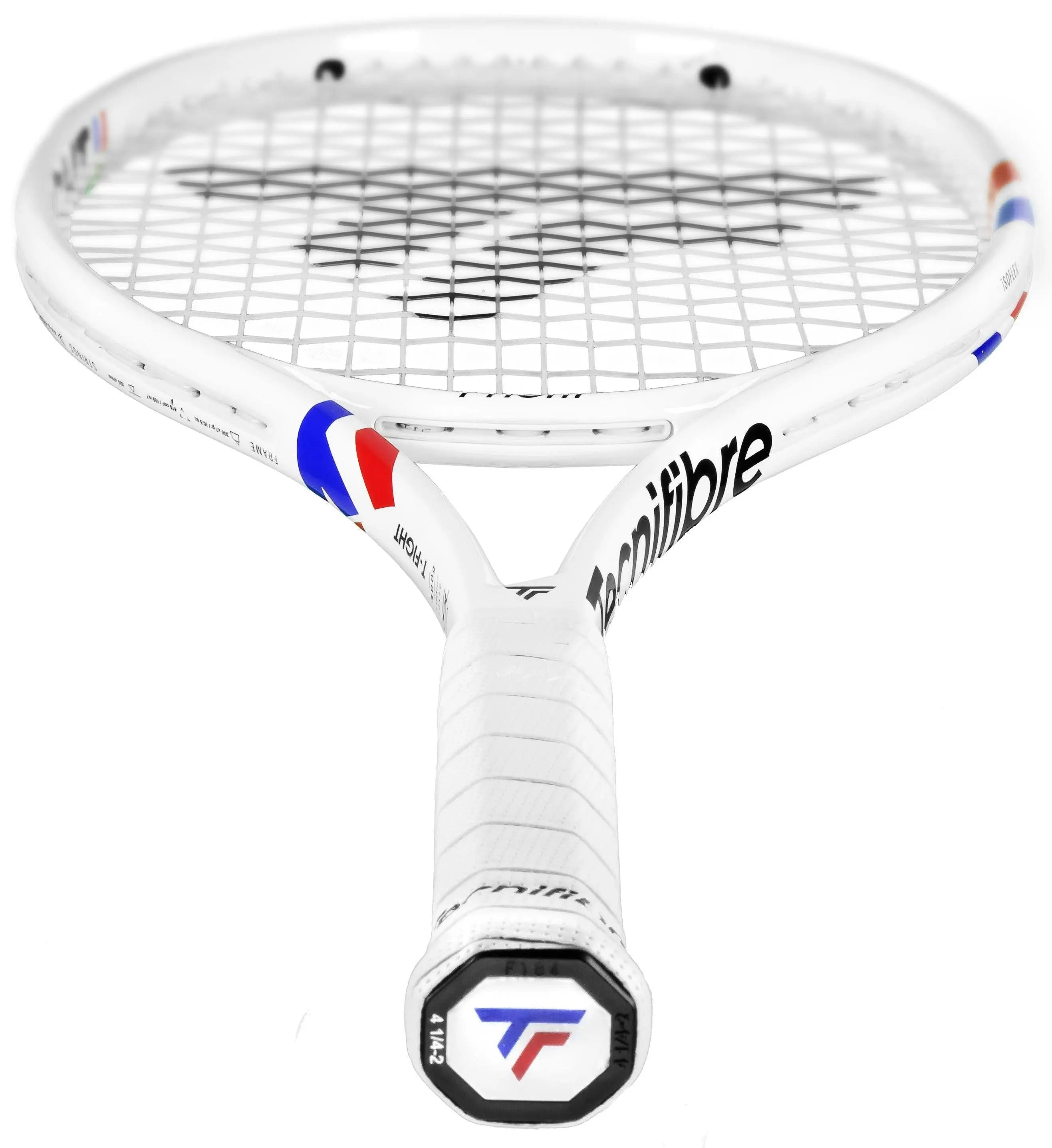
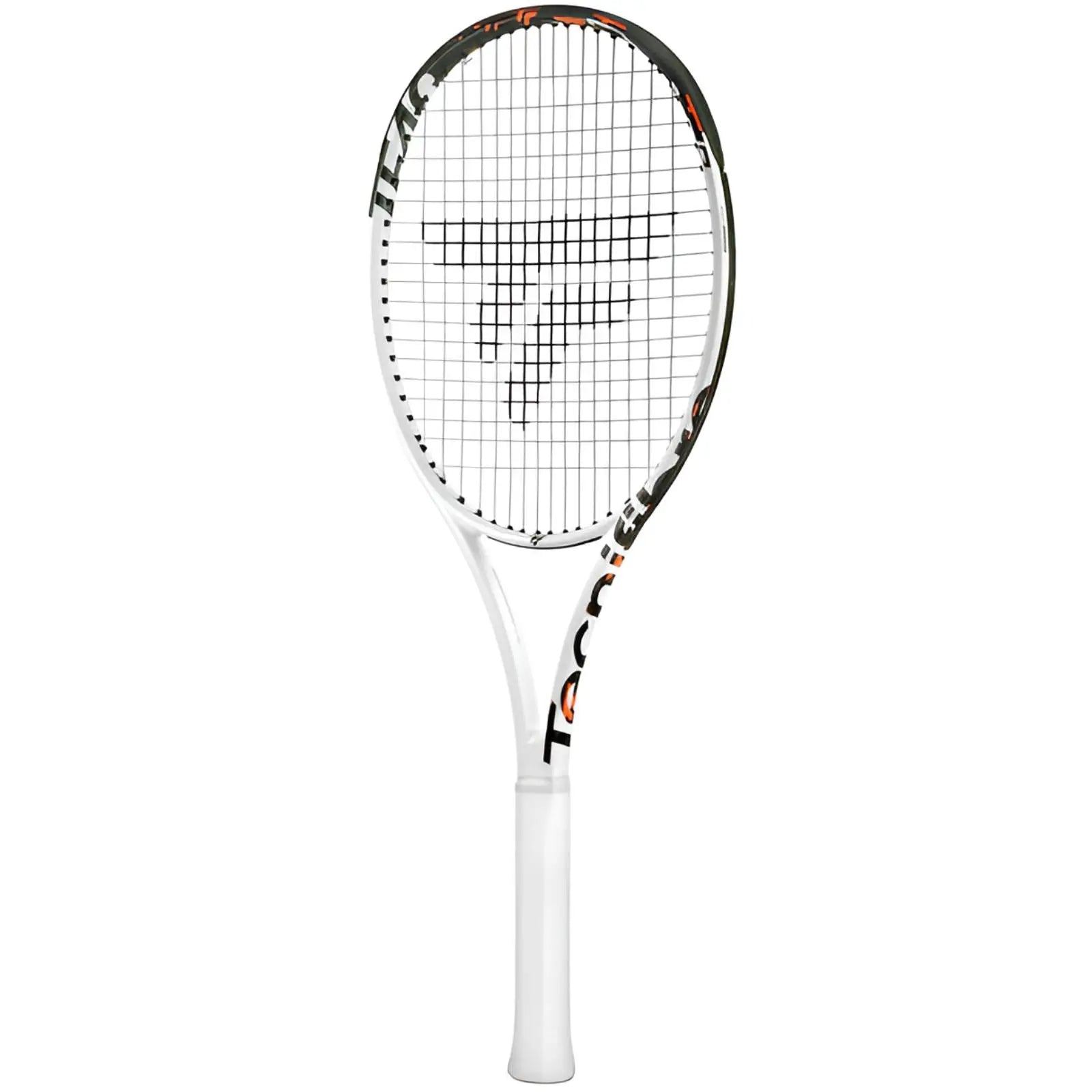
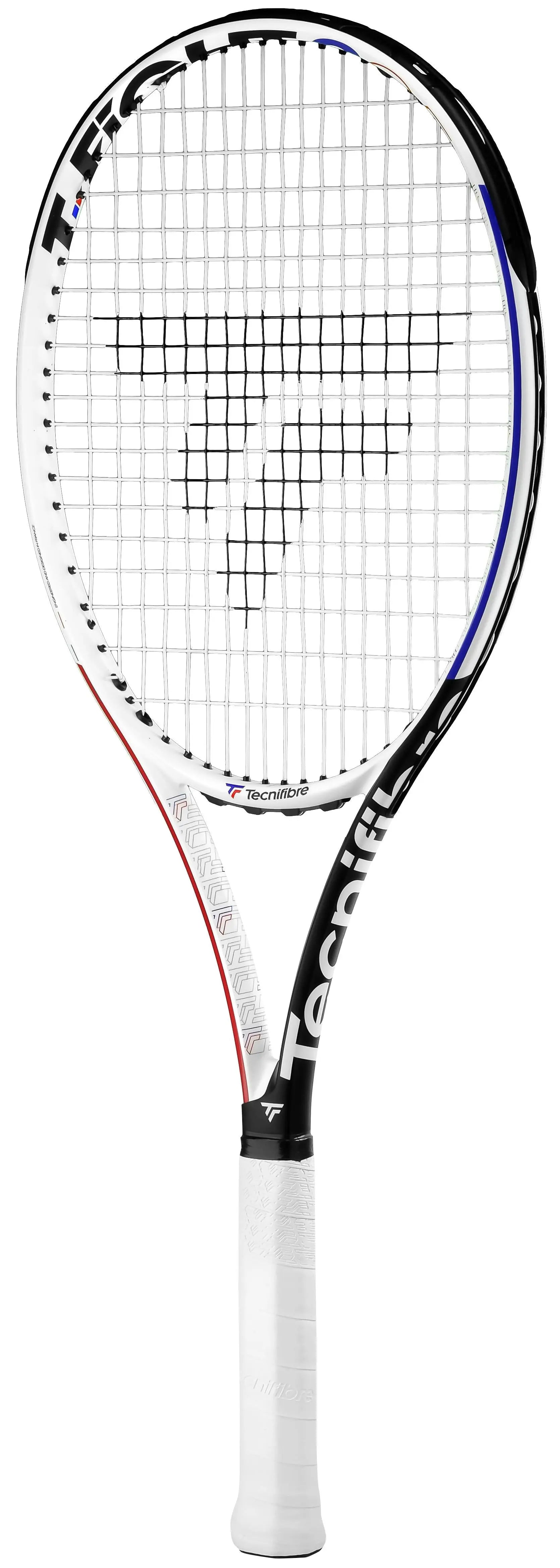
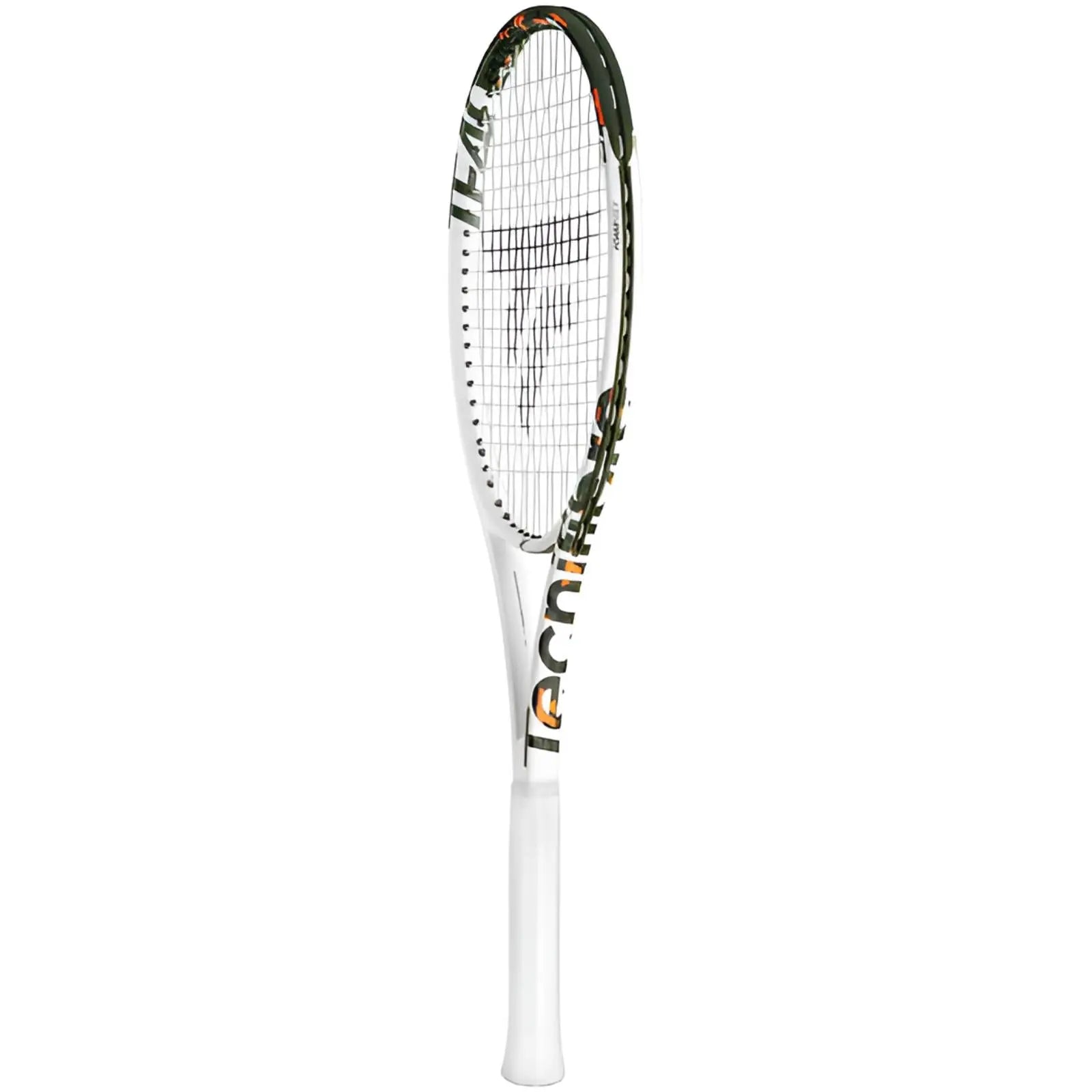
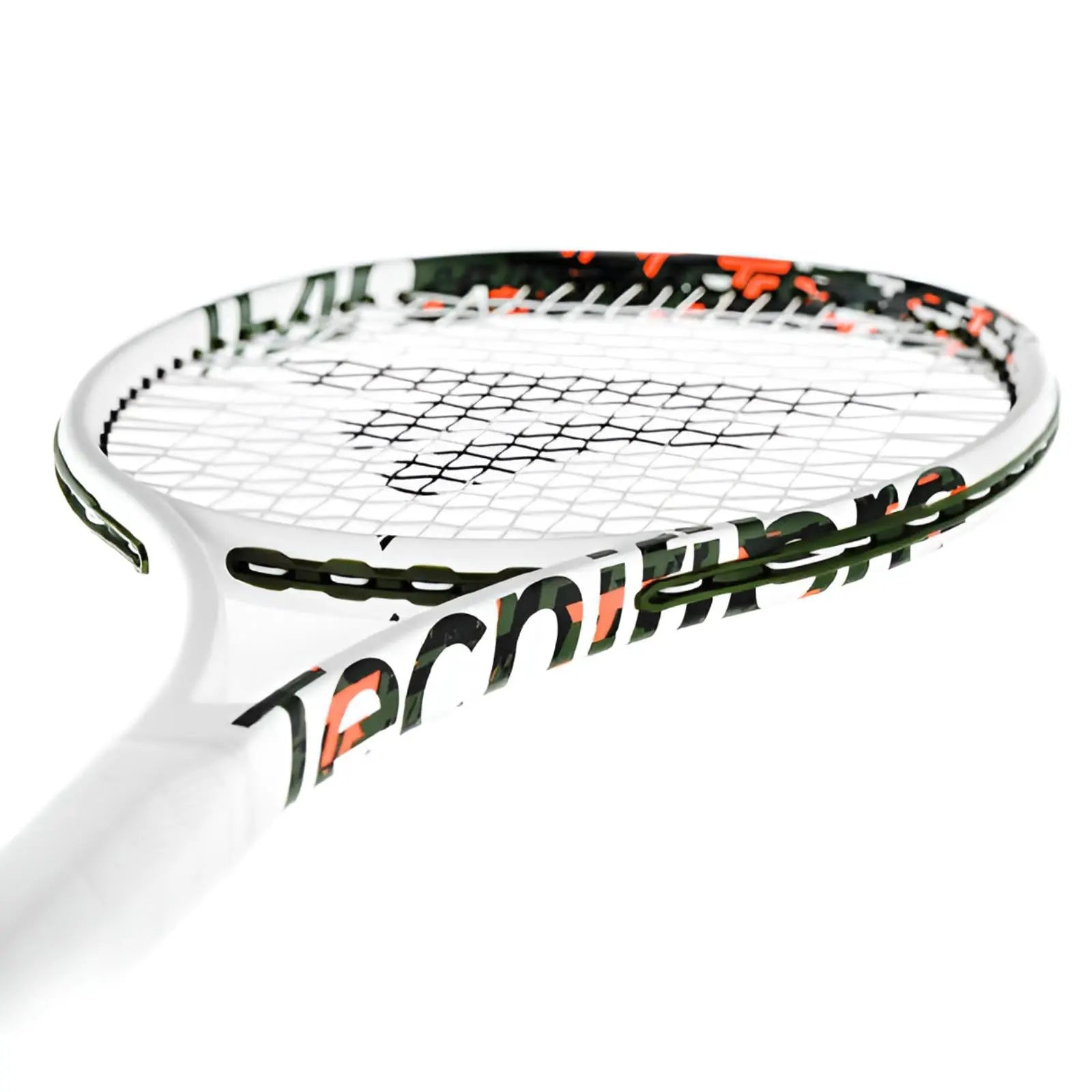
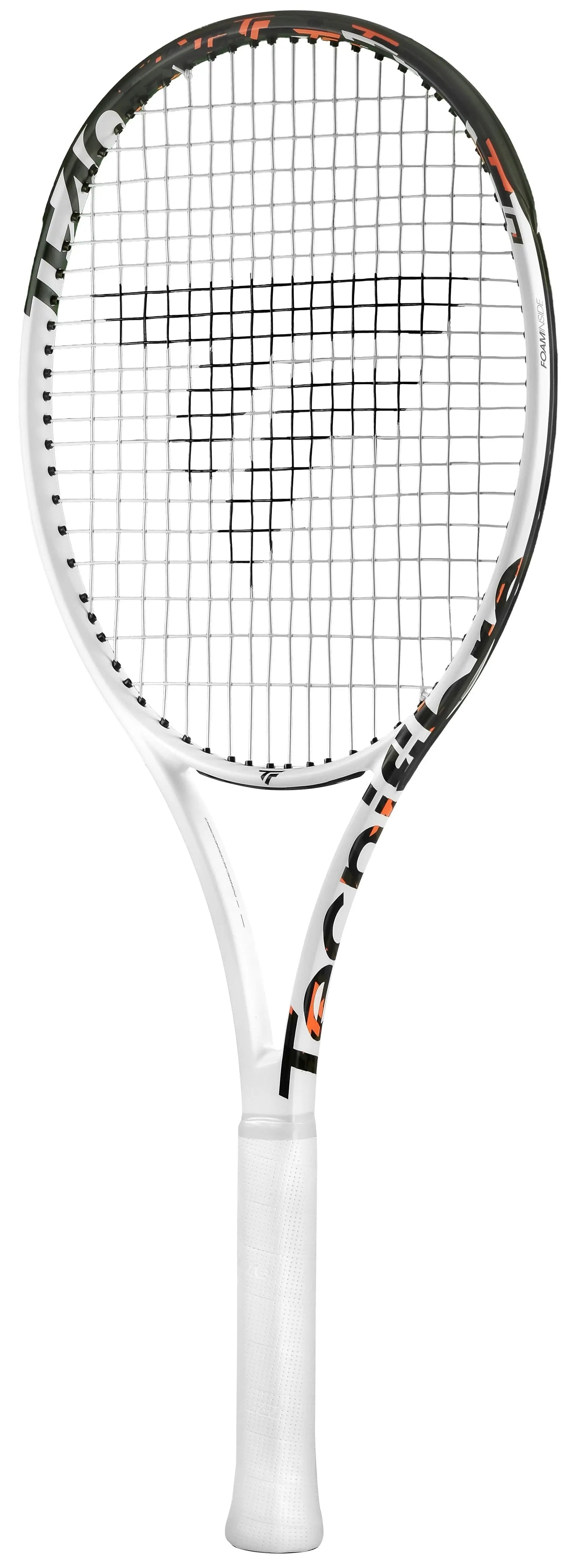
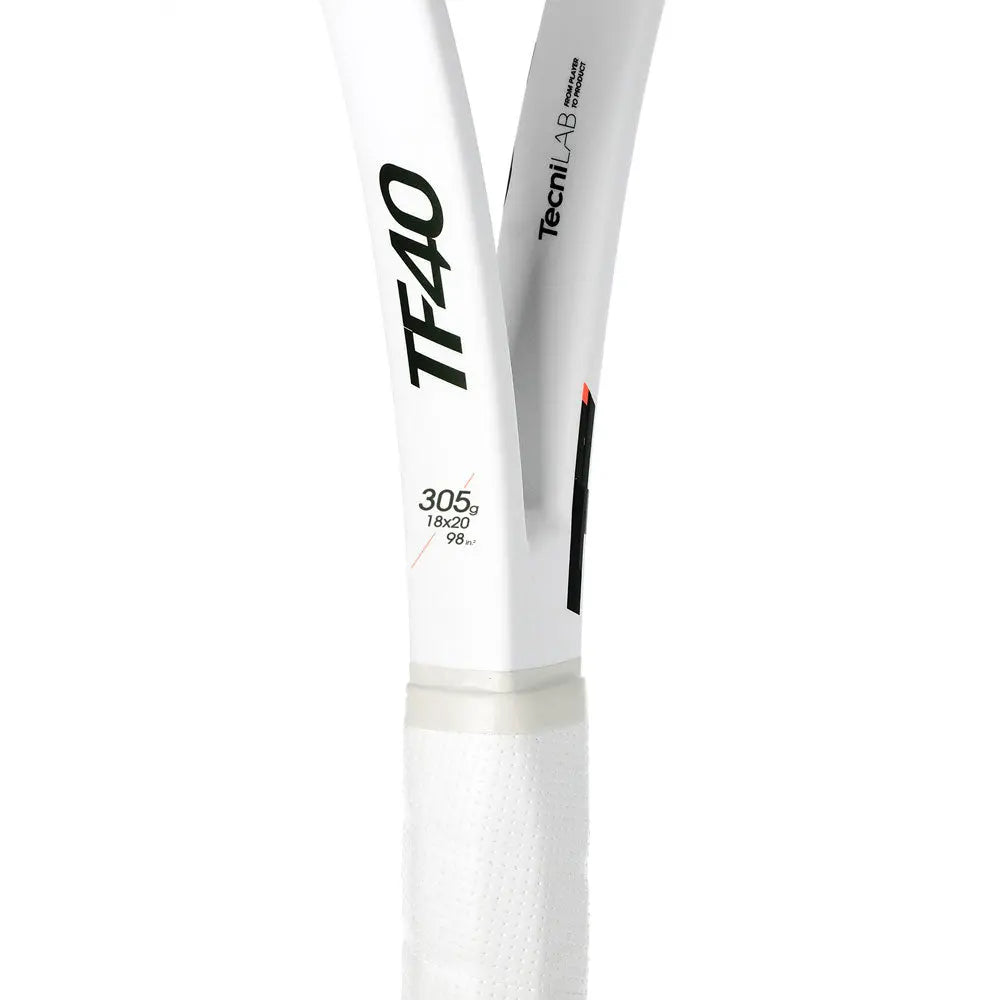
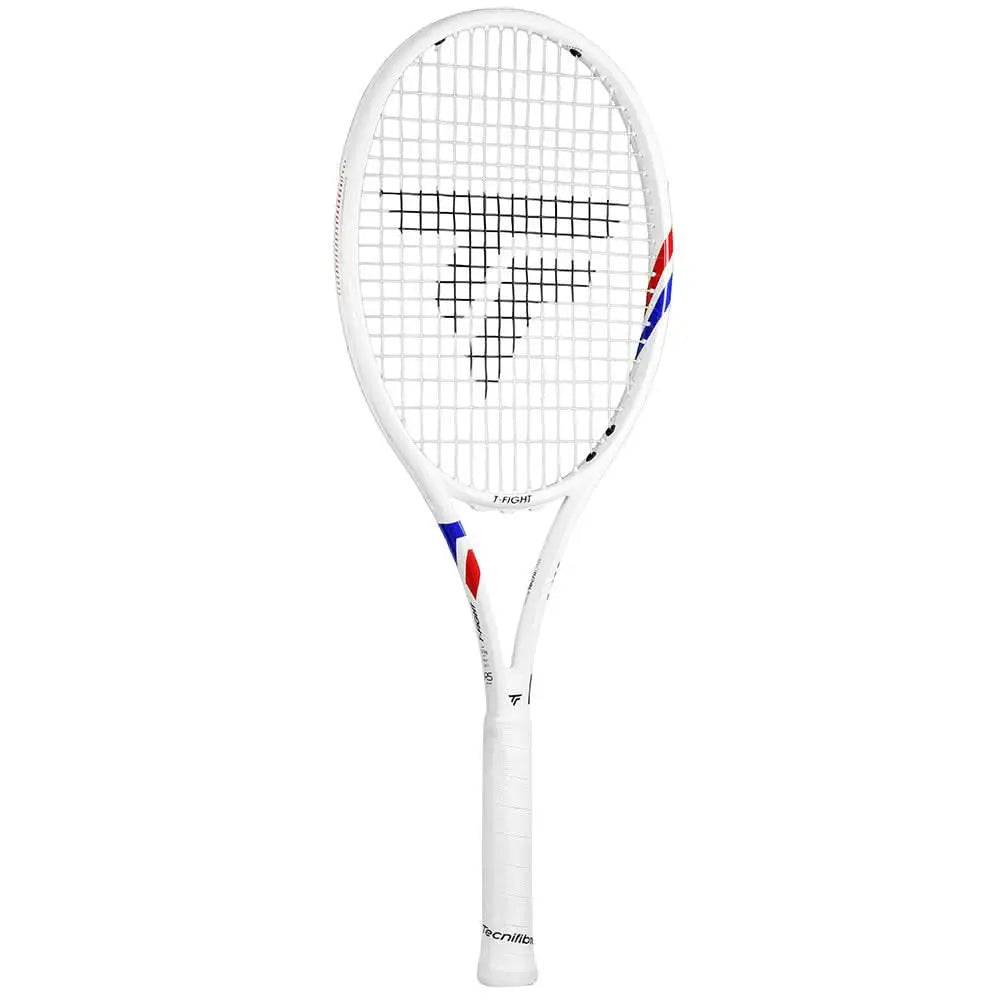
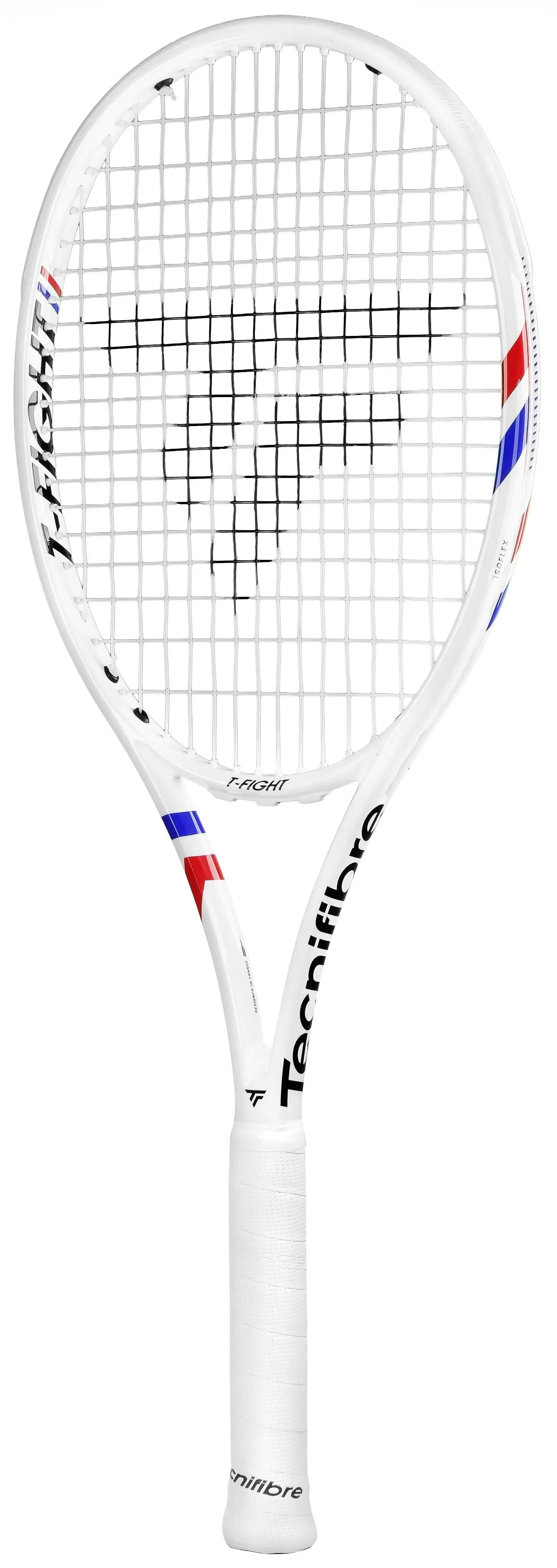
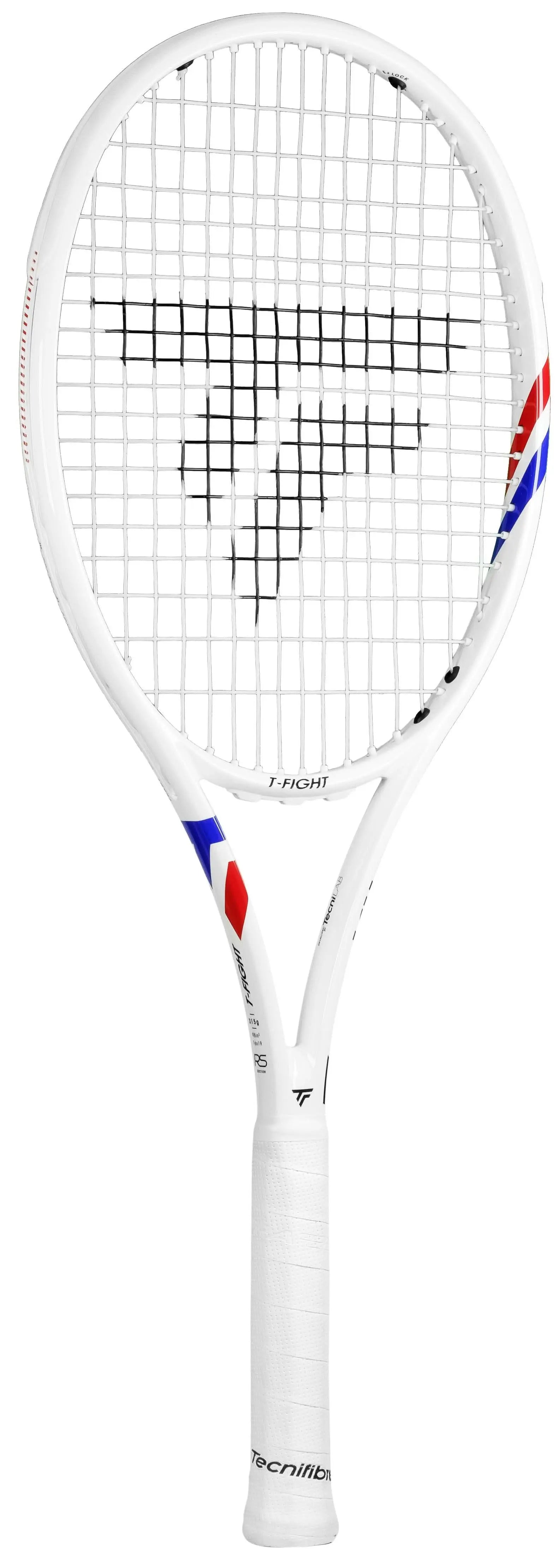
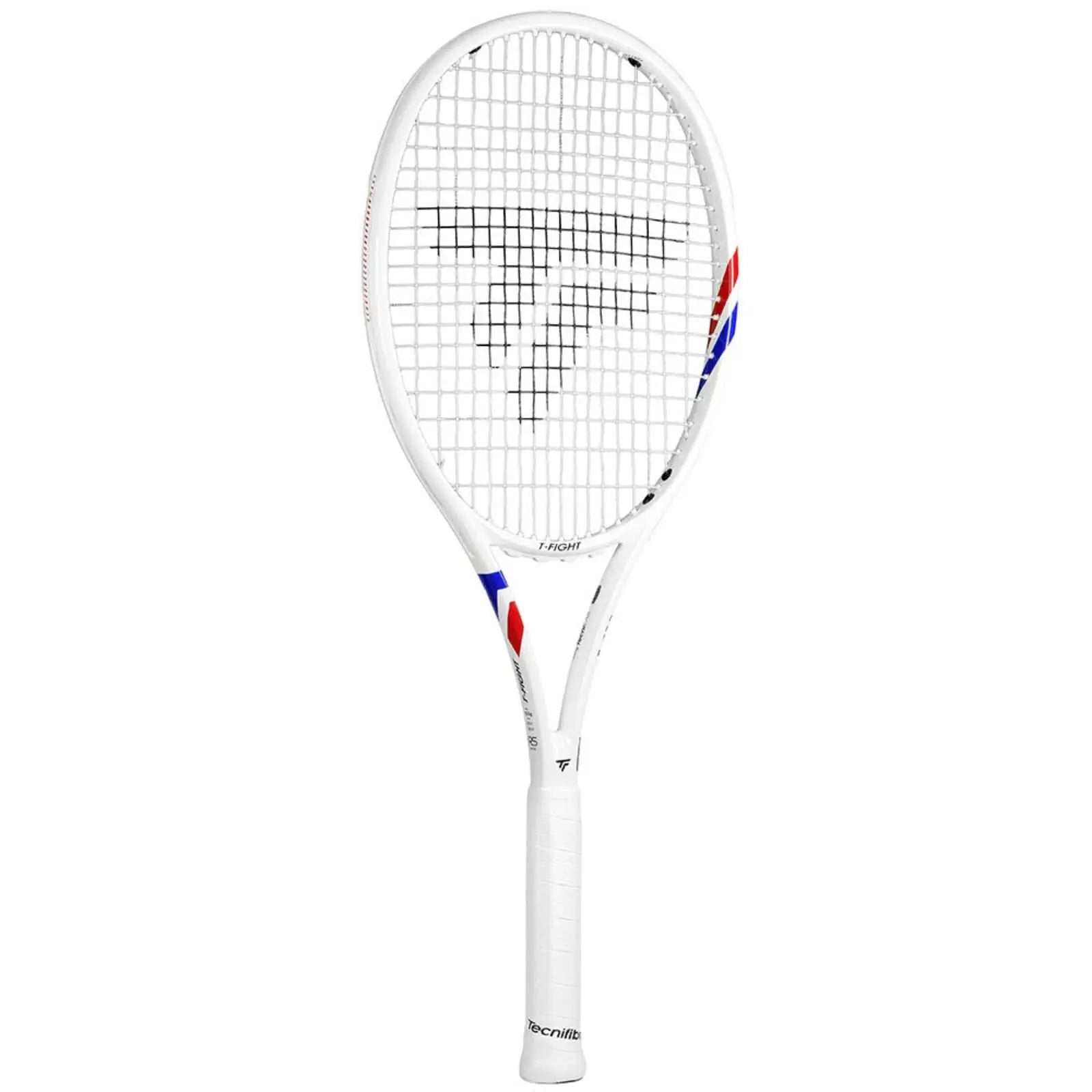
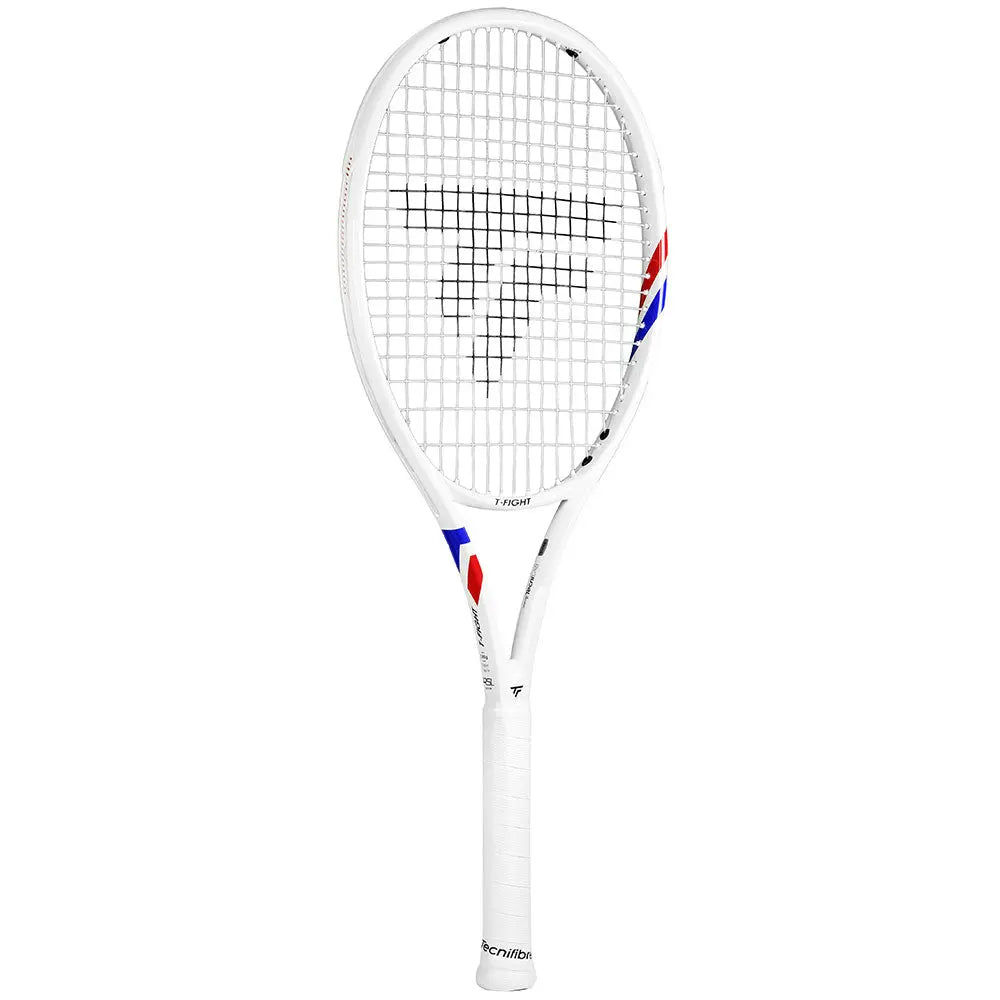
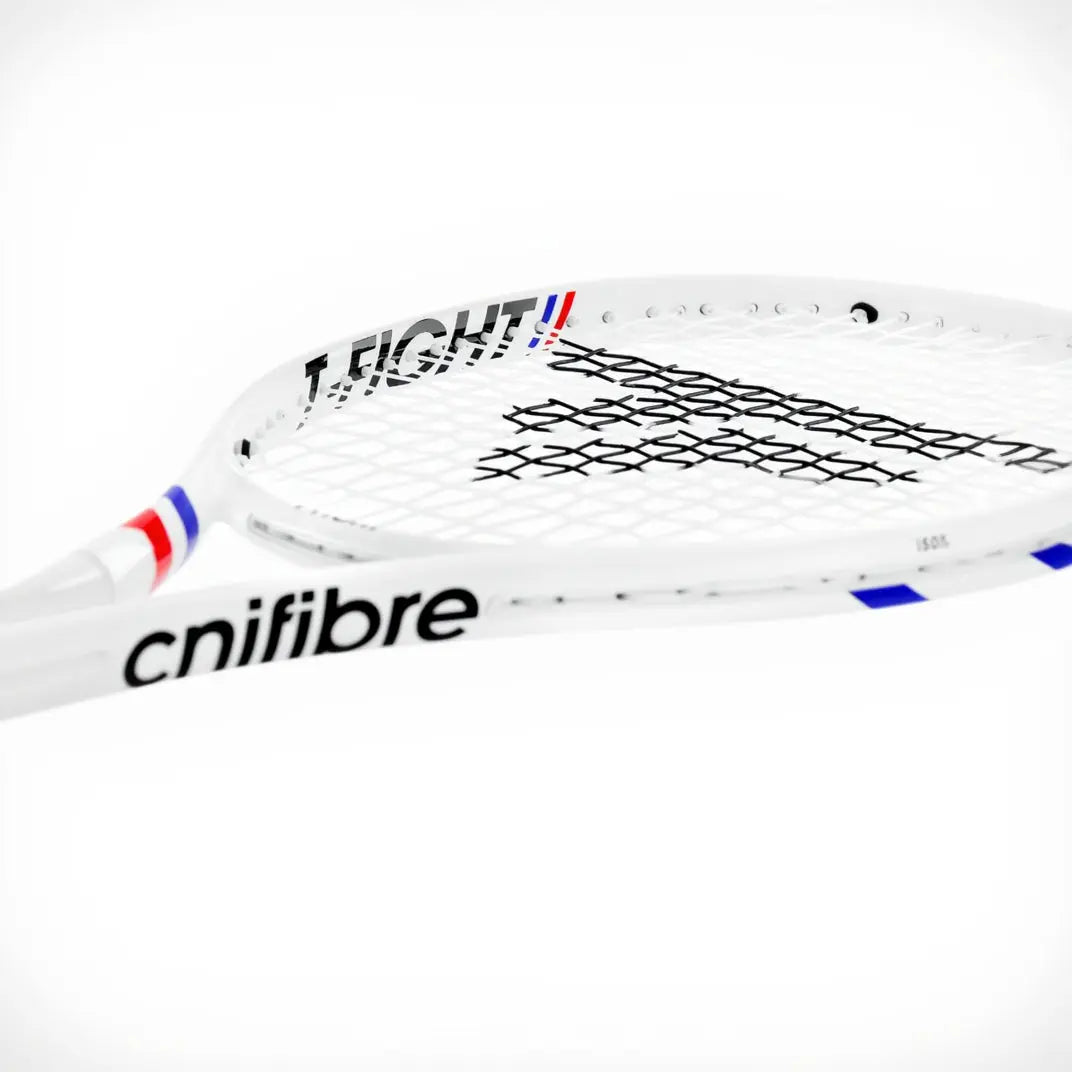
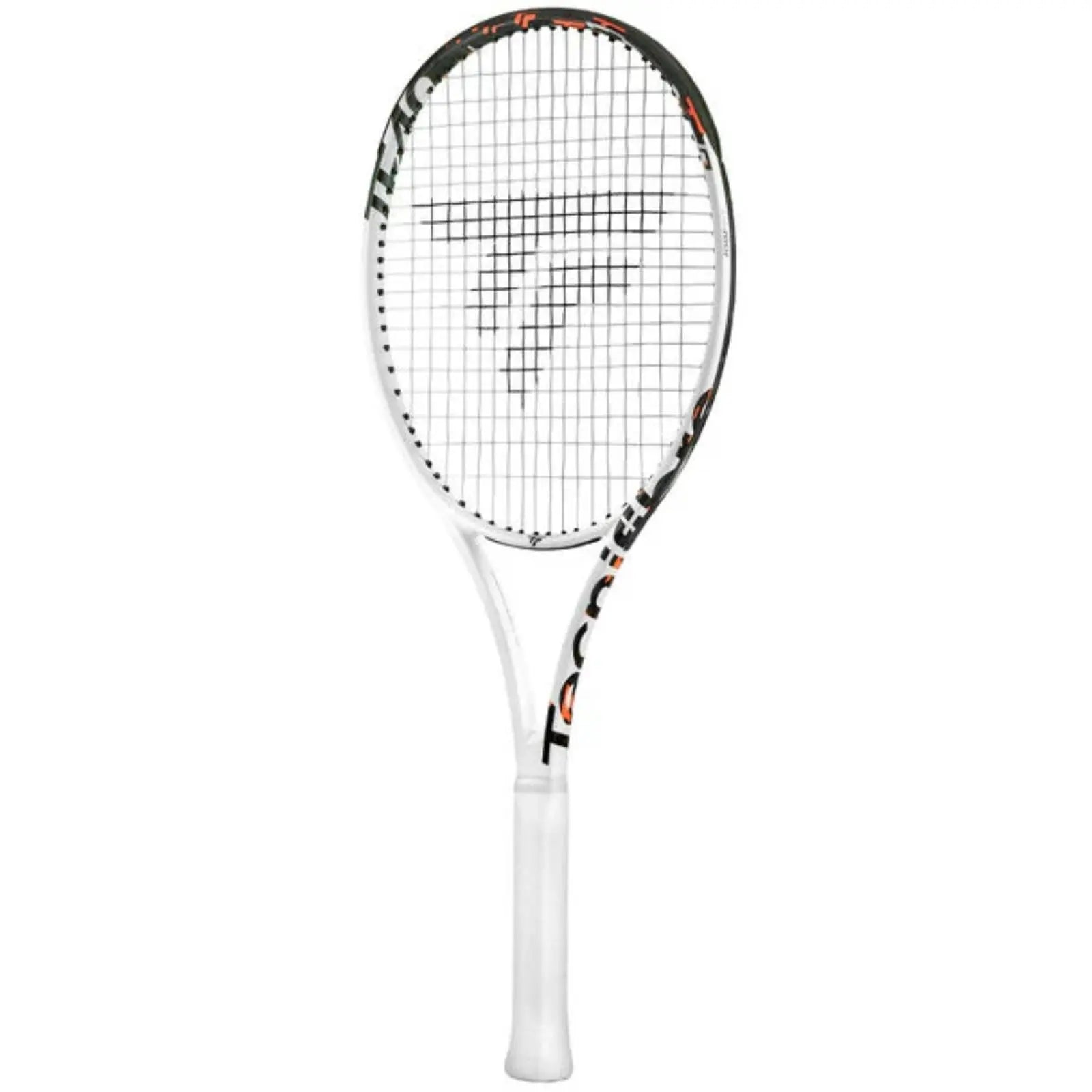
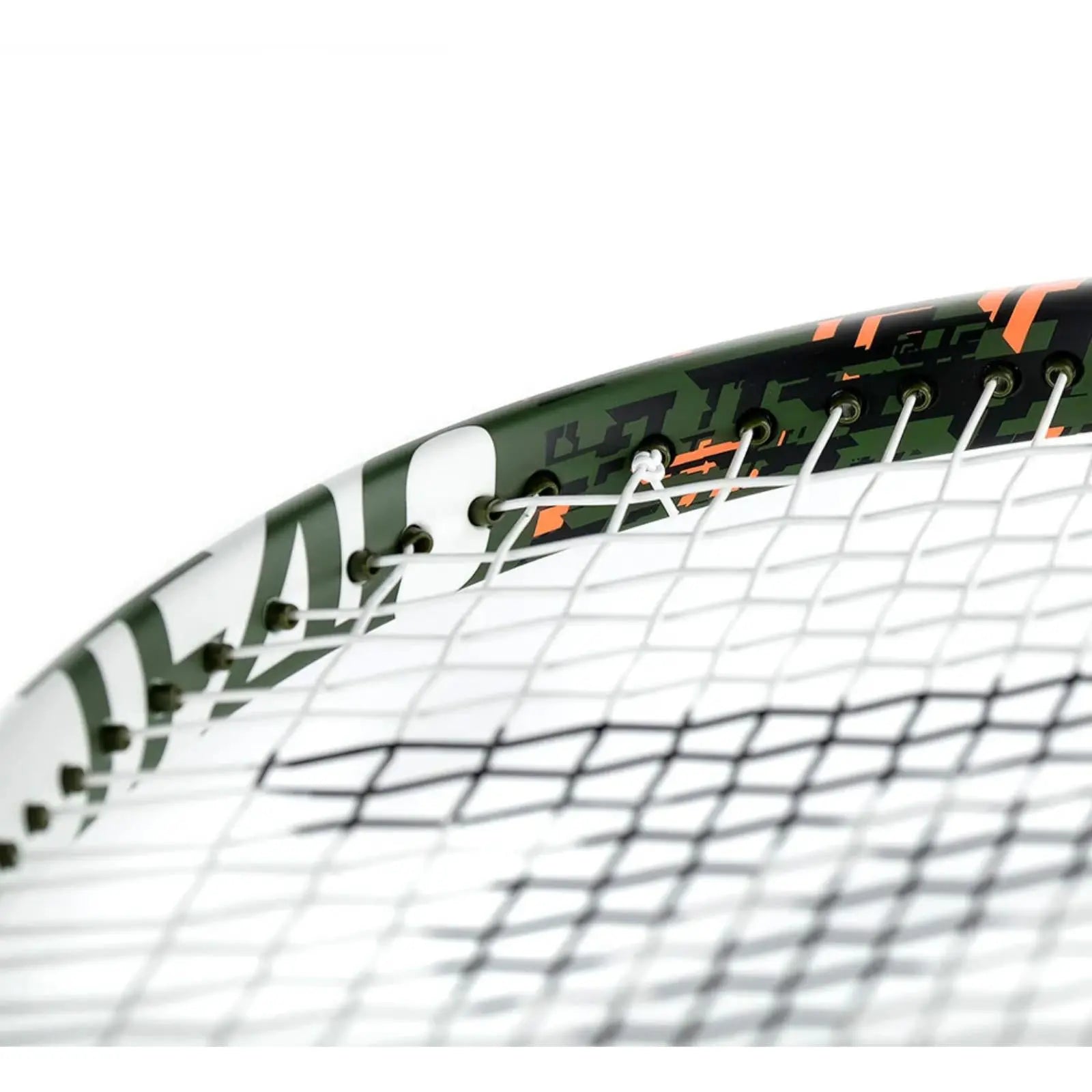
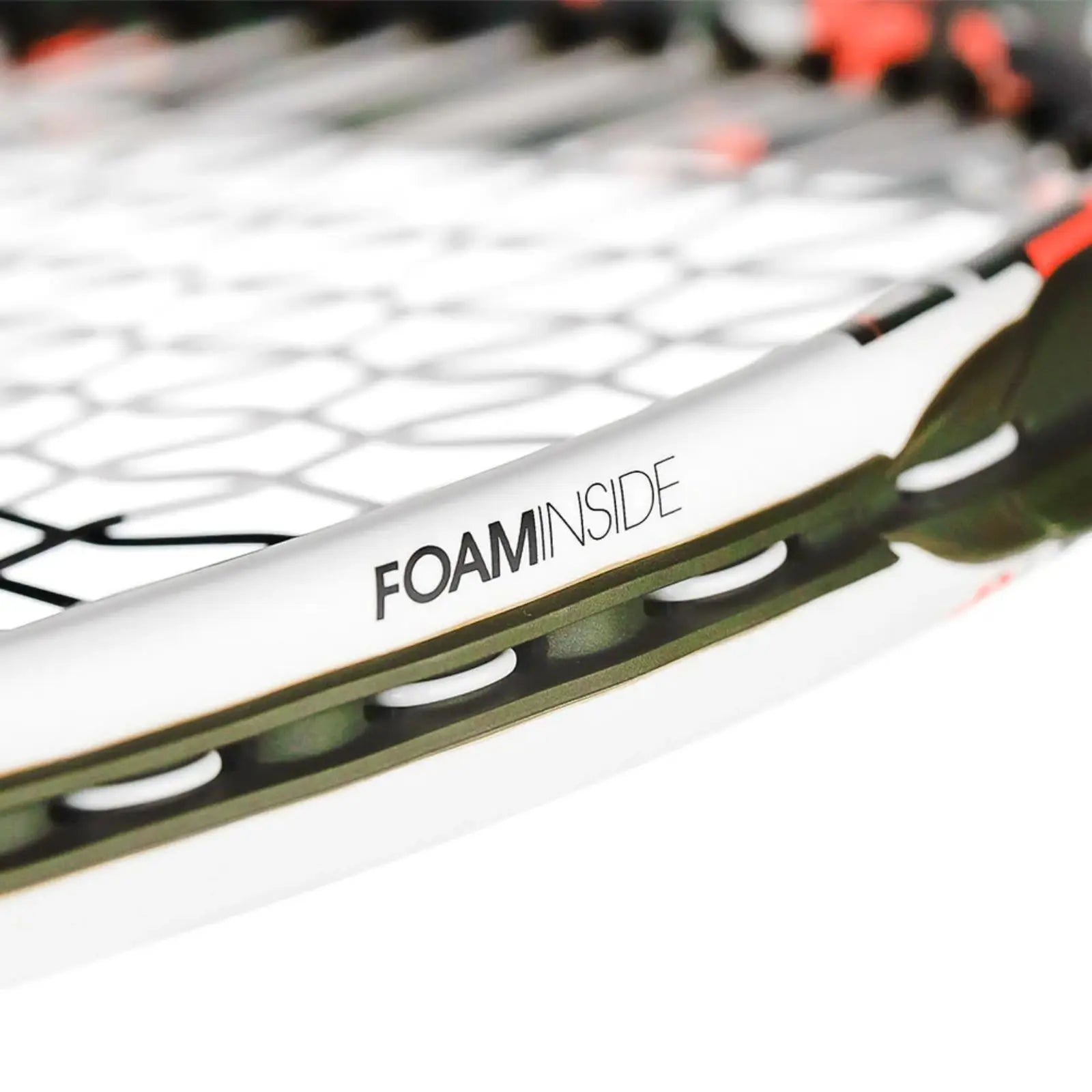
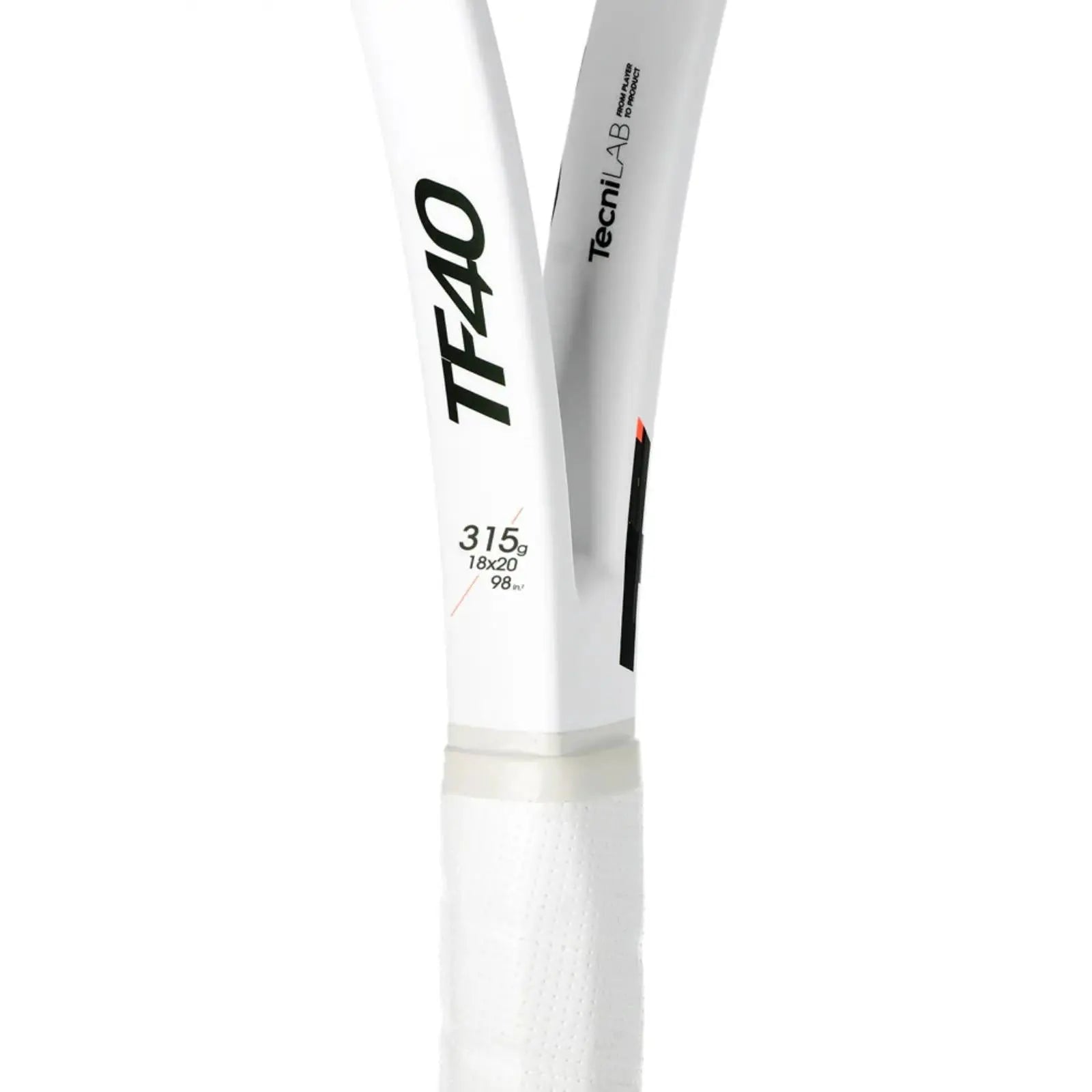
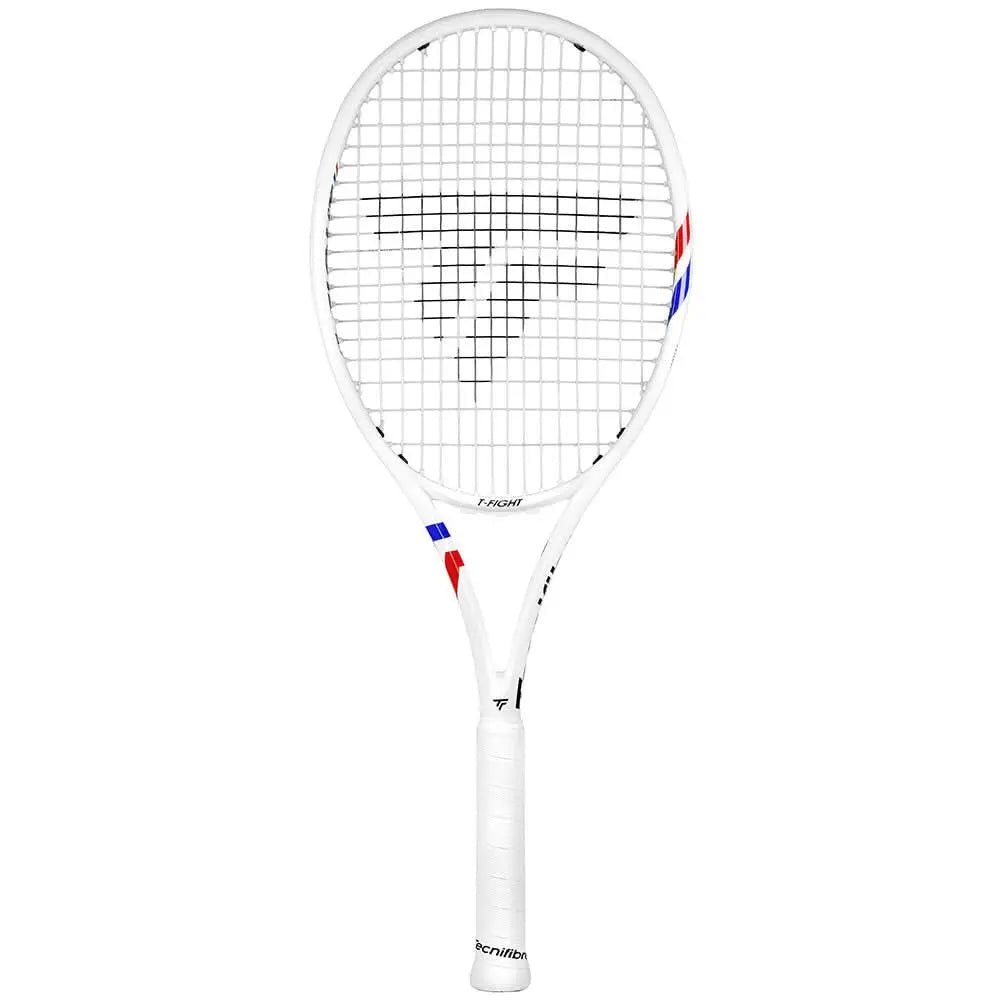
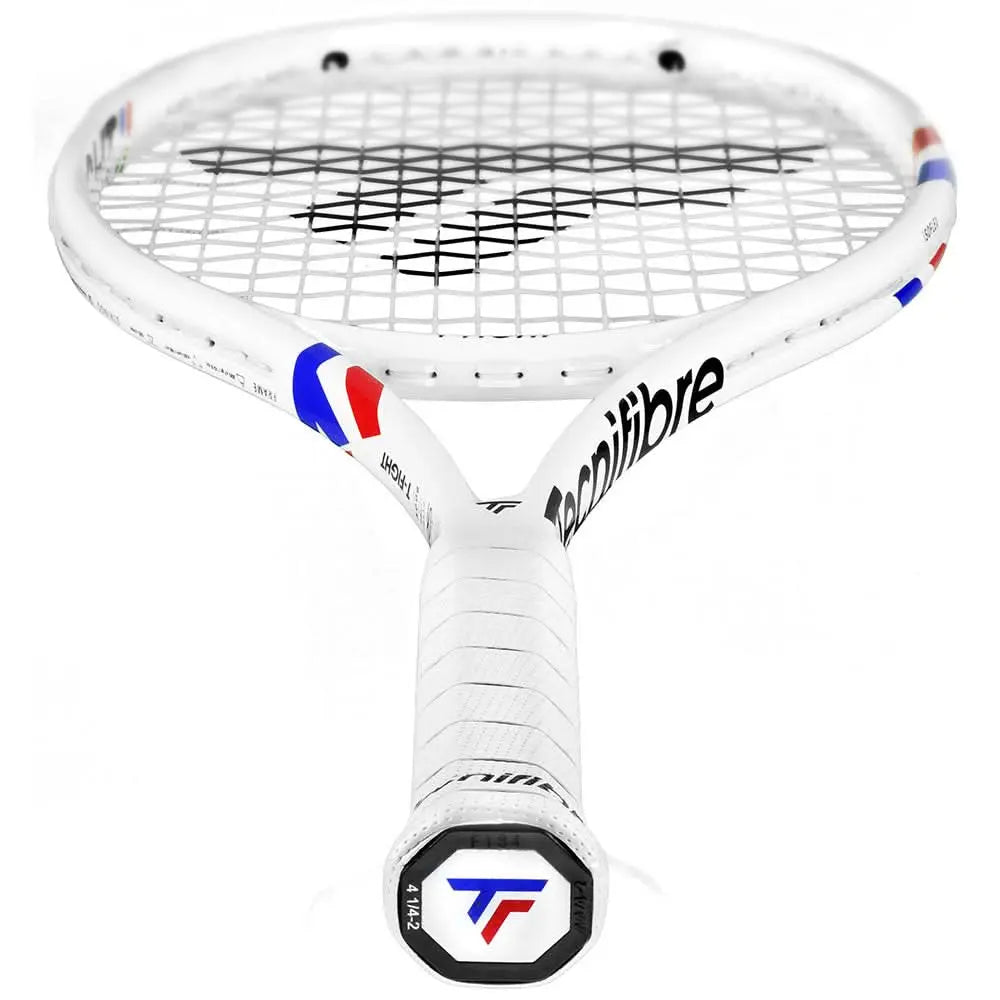
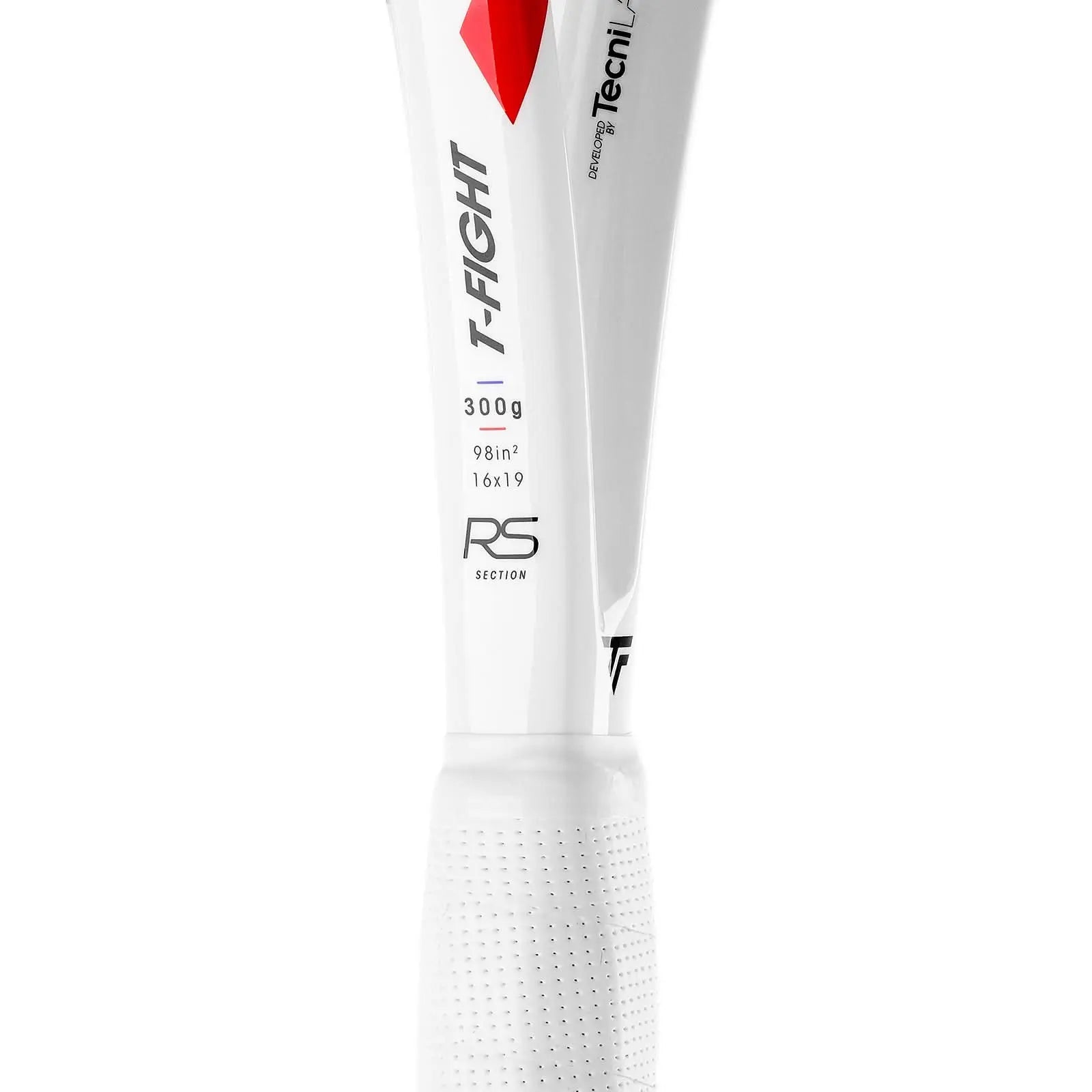
Tecnifibre — T-Fight 305 and TF40 series, super arm-friendly performance frames
Round out your kit
-
Tennis shoes — Performance shoes that can handle quick sprints and stops without falling apart.
-
Tennis strings — Most performance players use polyester or a mix of polyester and natural gut. We can advise on the right setup.
-
Tournament overgrips — Extra-sticky grip tape that lasts through long matches and sweaty sets.
-
Racquet bags — Big thermal bags that hold 6, 9 or 12 racquets — perfect for tournament players who carry backups.
Common questions
How heavy should a performance racquet be?
Most are 305–320 grams without strings. Some “Tour” versions go up to 330–340g. Heavier means more stable but harder to swing all day. Start in the 305–315g range if you’re moving up from intermediate.
Why are performance racquets handle-heavy?
Because the racquet needs to be heavy overall (for stability), but if all that weight sat in the head, it would feel super slow. Putting the weight in the handle keeps the racquet quick to swing — perfect for fast serves, volleys, and grip changes.
What’s the difference between a 95 and a 100 head?
A 95 is the most precise — you have to hit it perfectly clean but the rewards are huge. A 98 is the modern tour standard — great mix of control and a usable sweet spot. A 100 performance racquet adds a bit more forgiveness, mainly for spin players.
Do I need polyester strings?
Most performance players use them. They give amazing spin and control, but they’re stiff and can hurt your arm. String them at a lower tension (48–52 pounds) to make them softer. You can also mix poly with softer strings — called a “hybrid setup”.
Can I add weight to my racquet?
Yes — you can add small strips of lead tape to customise your racquet. Adding lead to the sides of the head (3 and 9 o’clock) gives more stability. Adding it at the top adds power. Pro players almost always customise their racquets this way.
How often should I replace my racquet?
Performance racquets lose their stiffness and feel over time. Most serious players swap to a new one every 1–2 years, or after about 200–300 hours of court time. Many buy two or three identical racquets and rotate them.