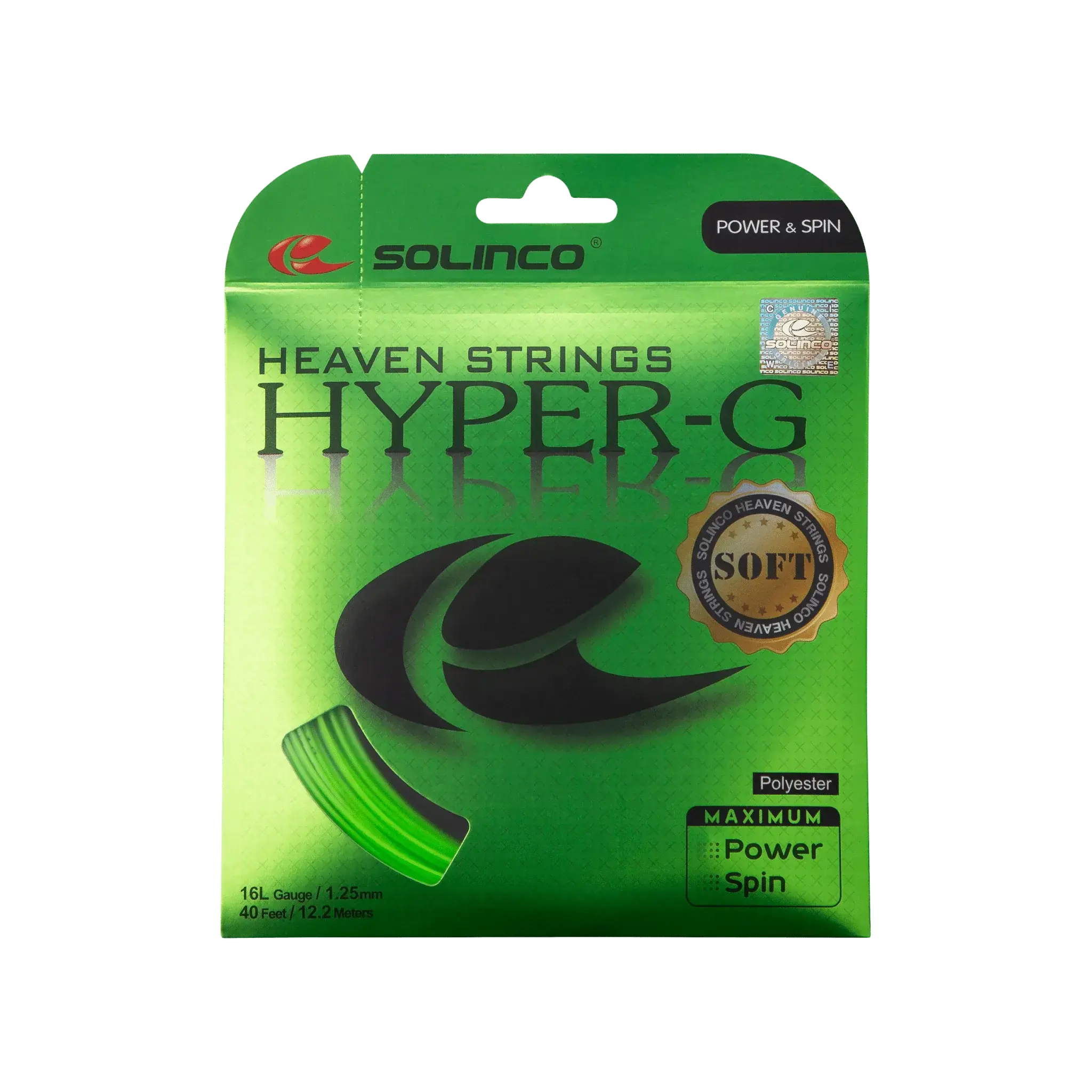
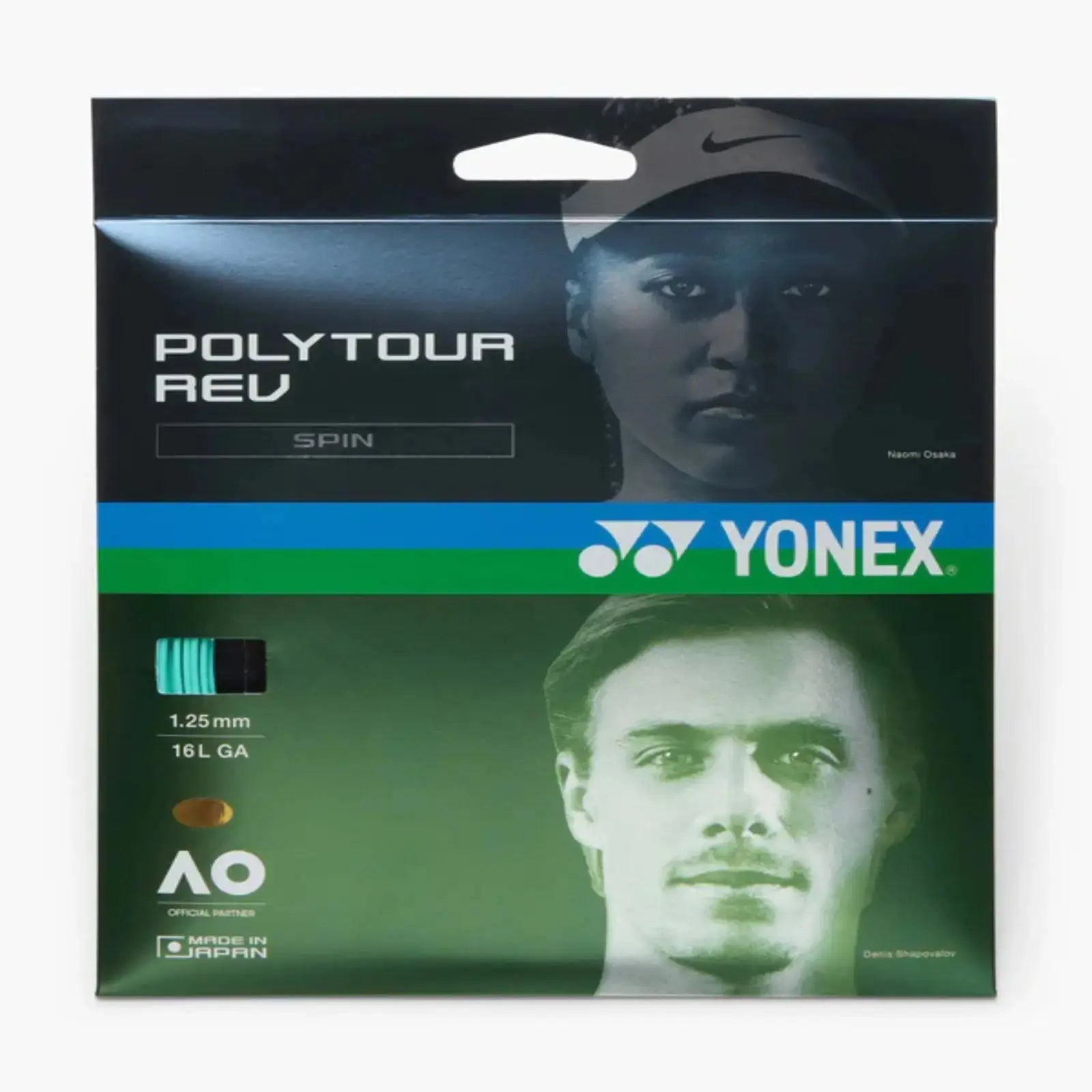
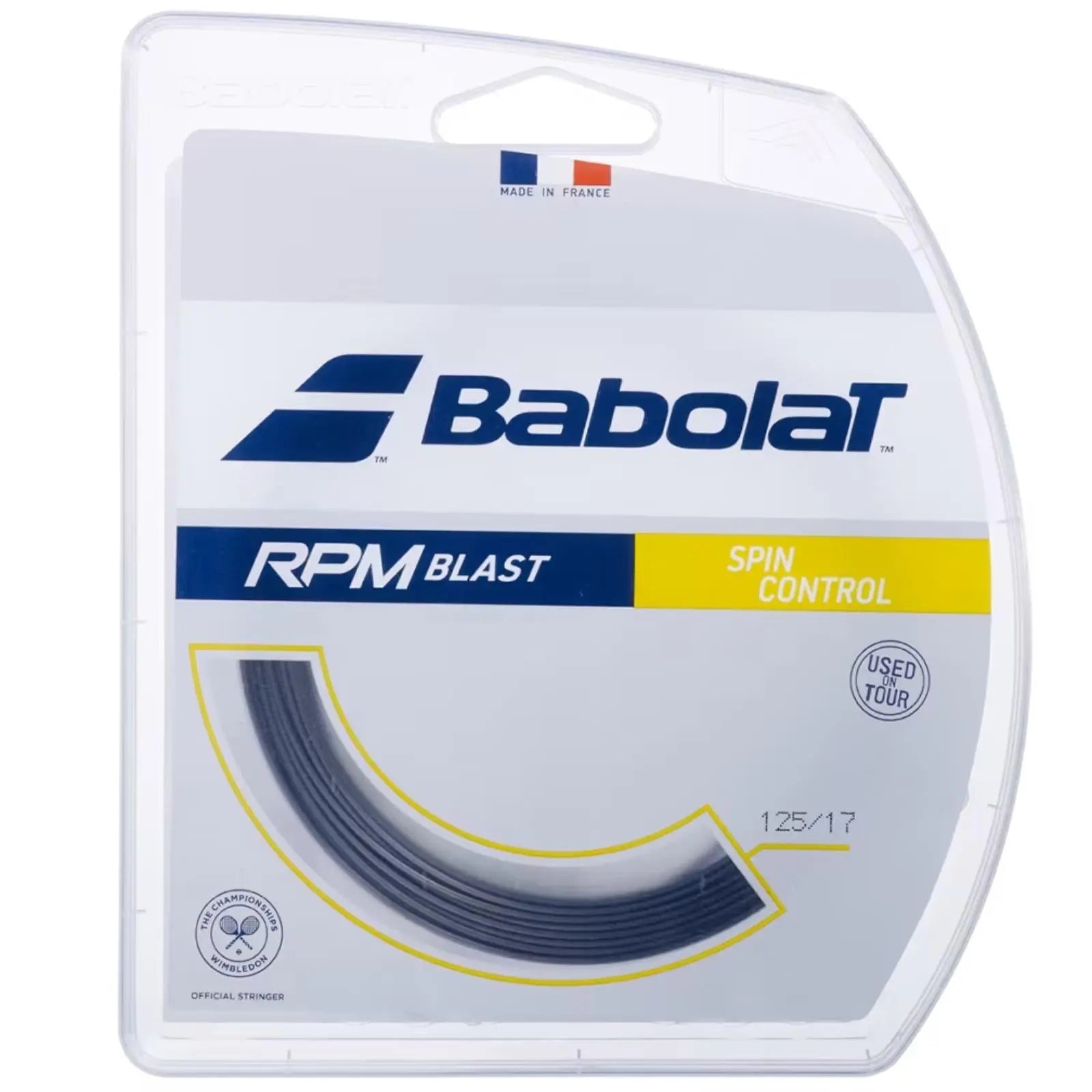
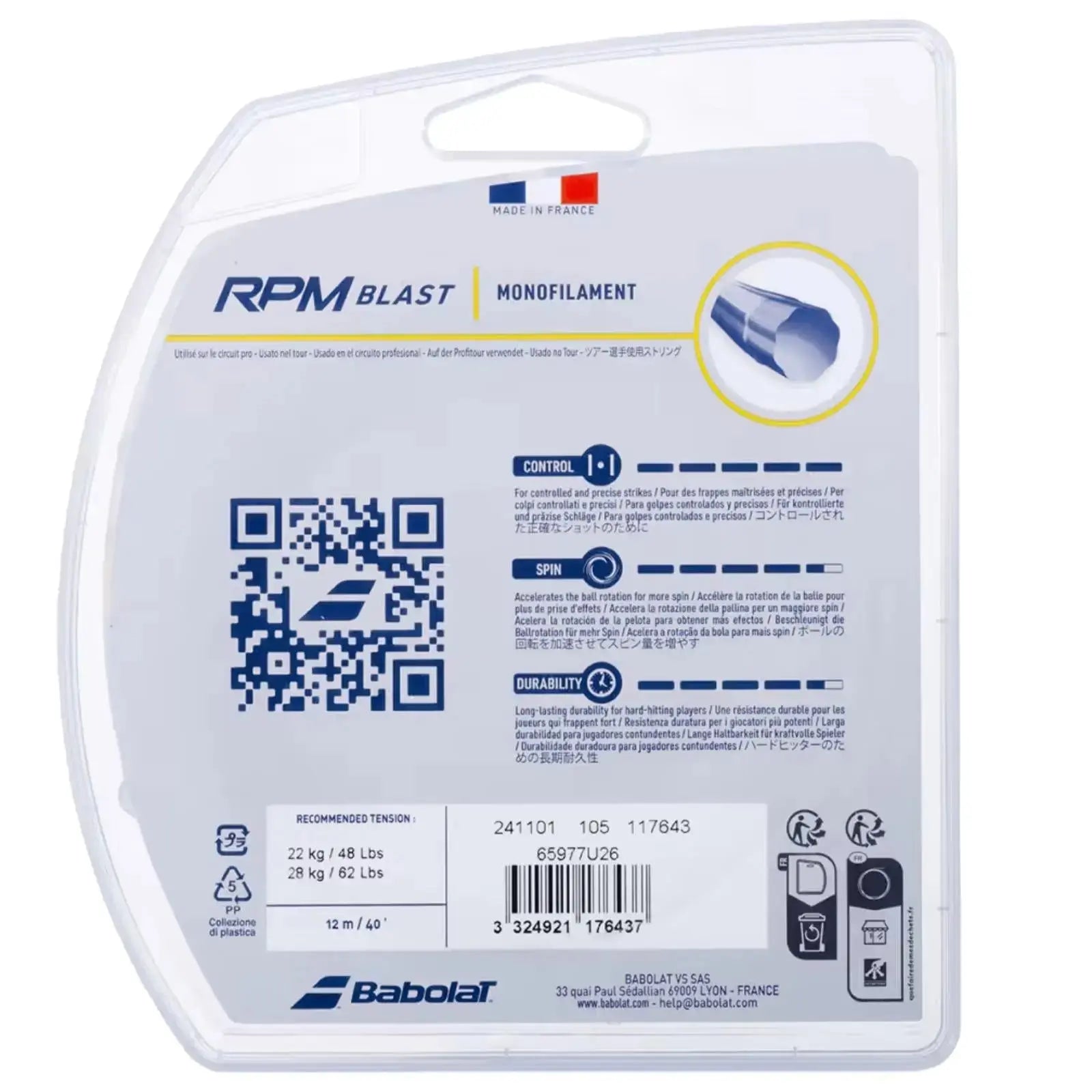
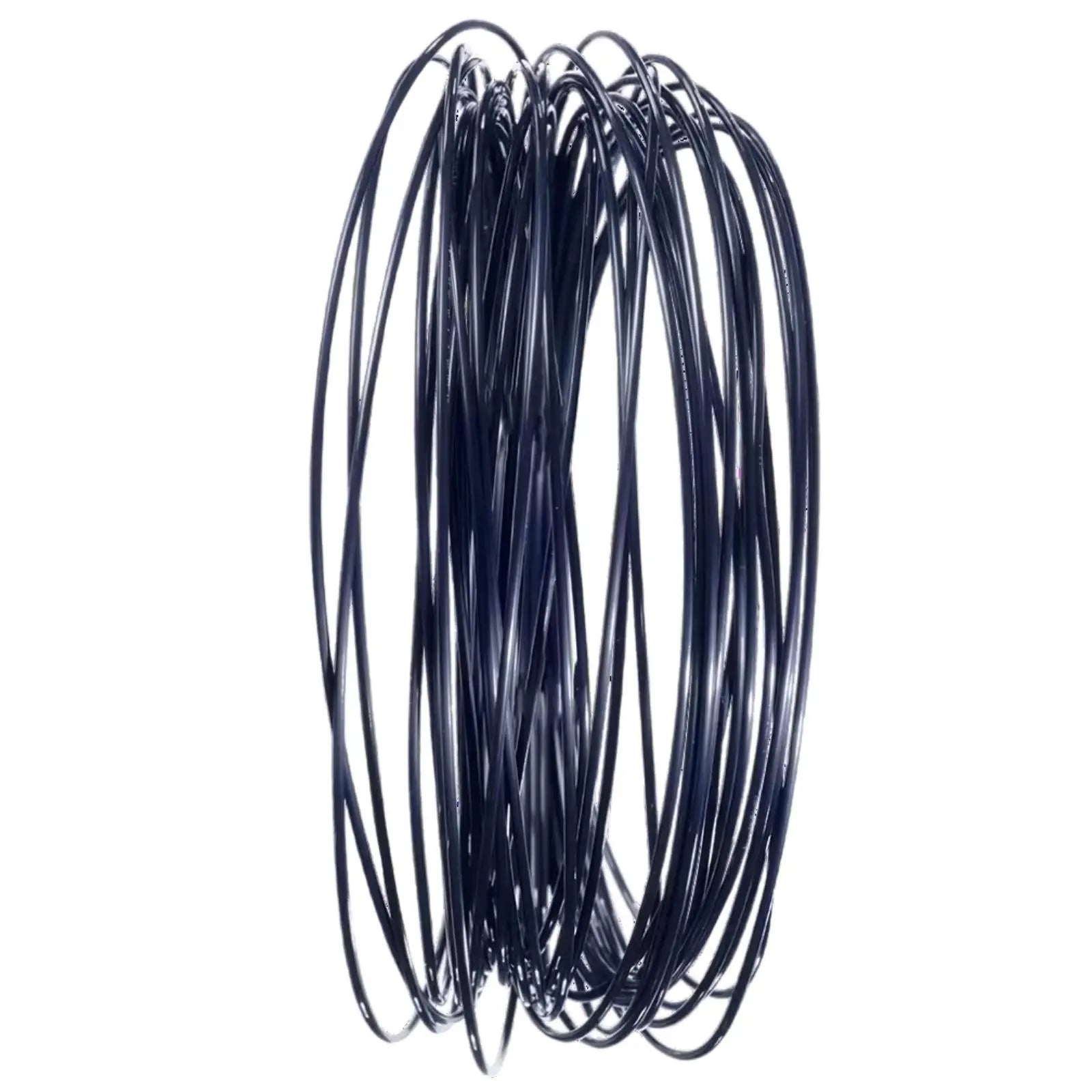
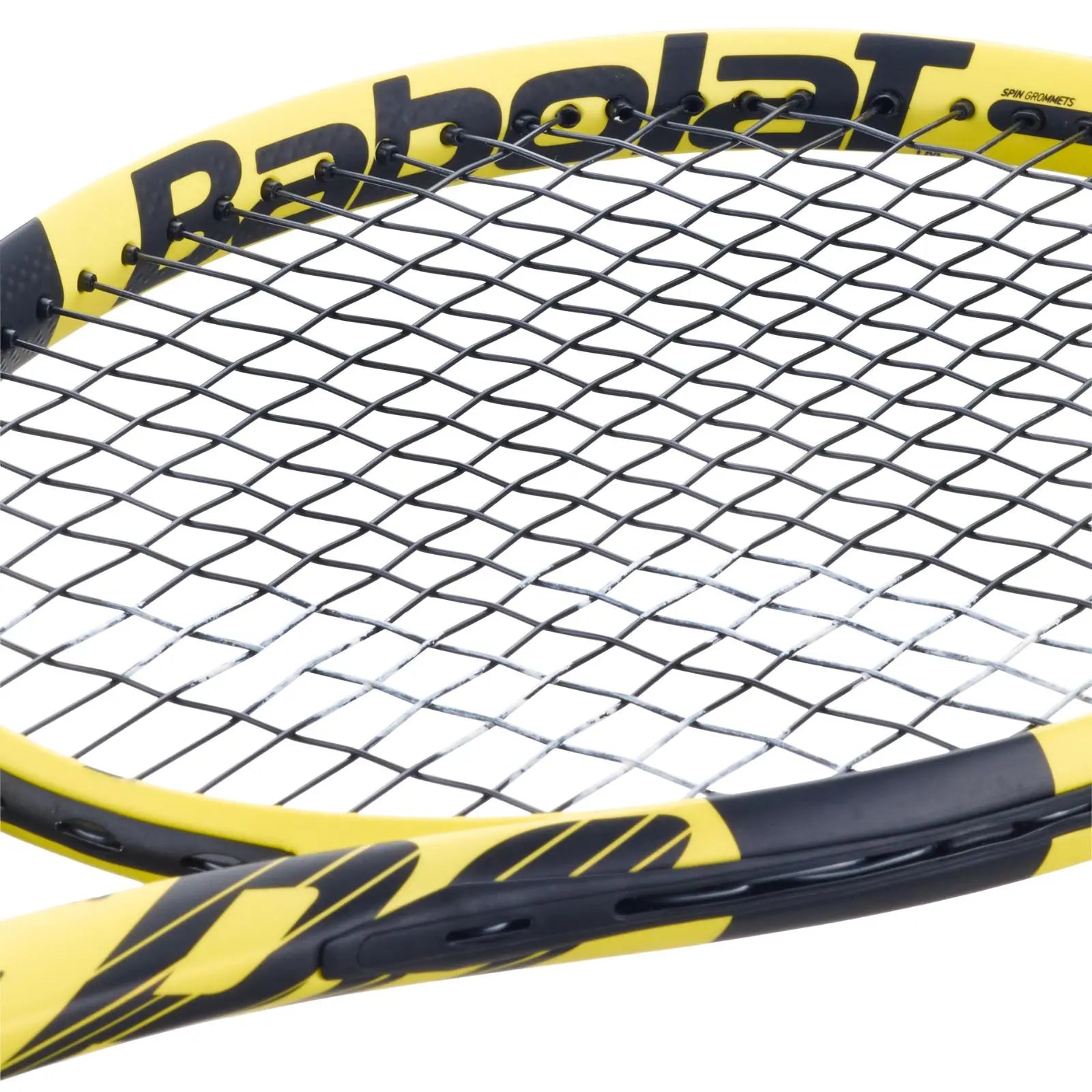
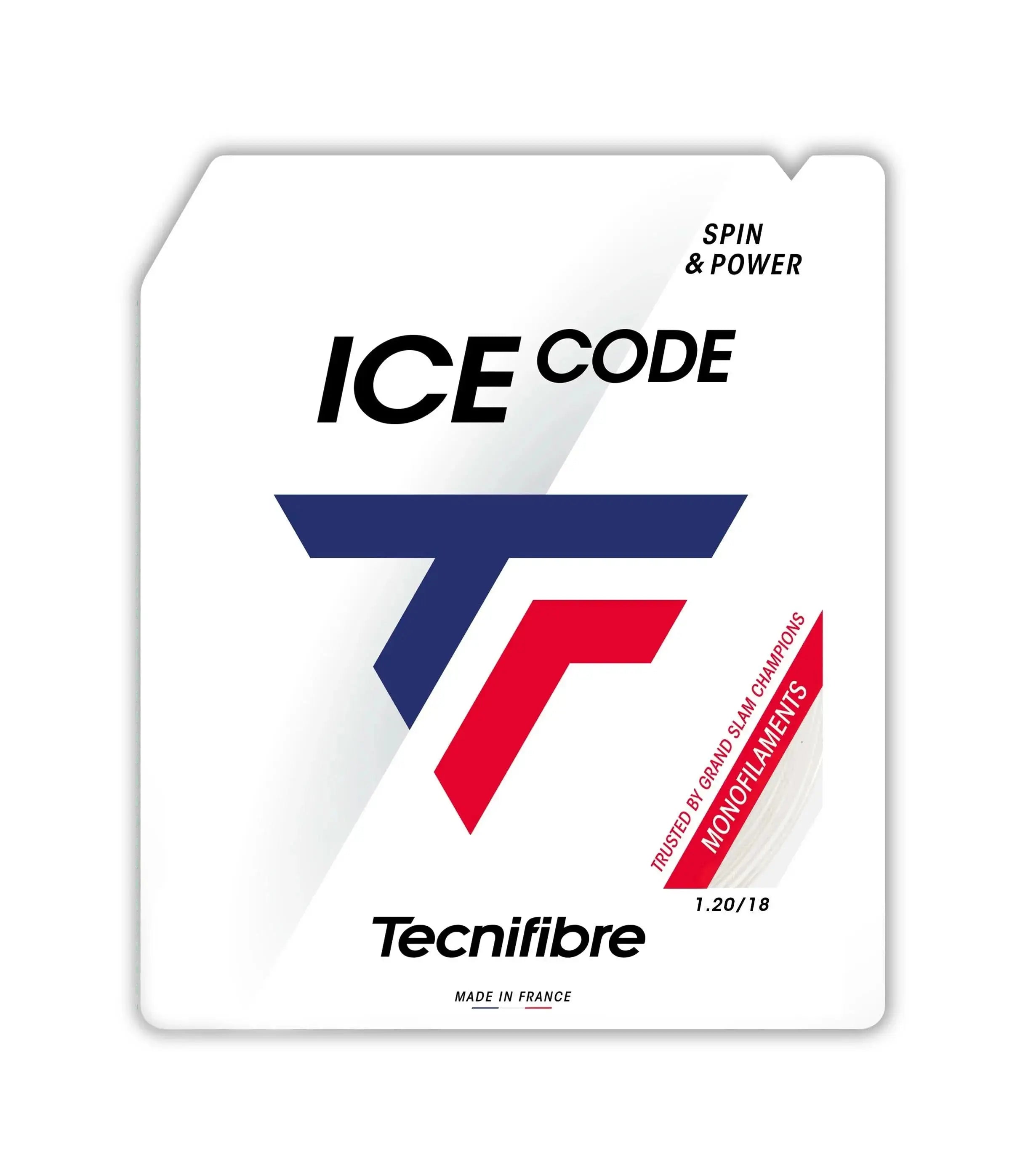
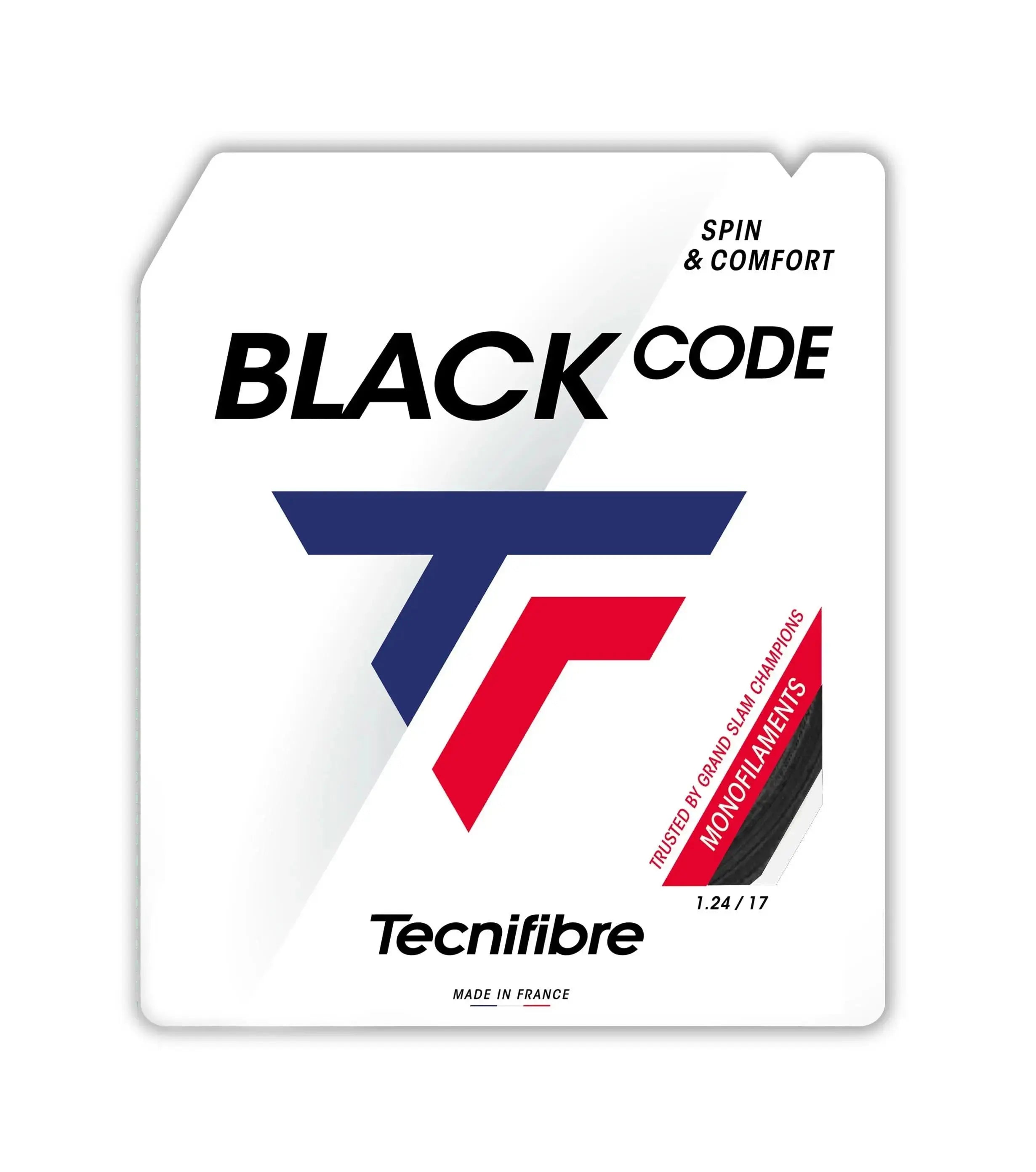
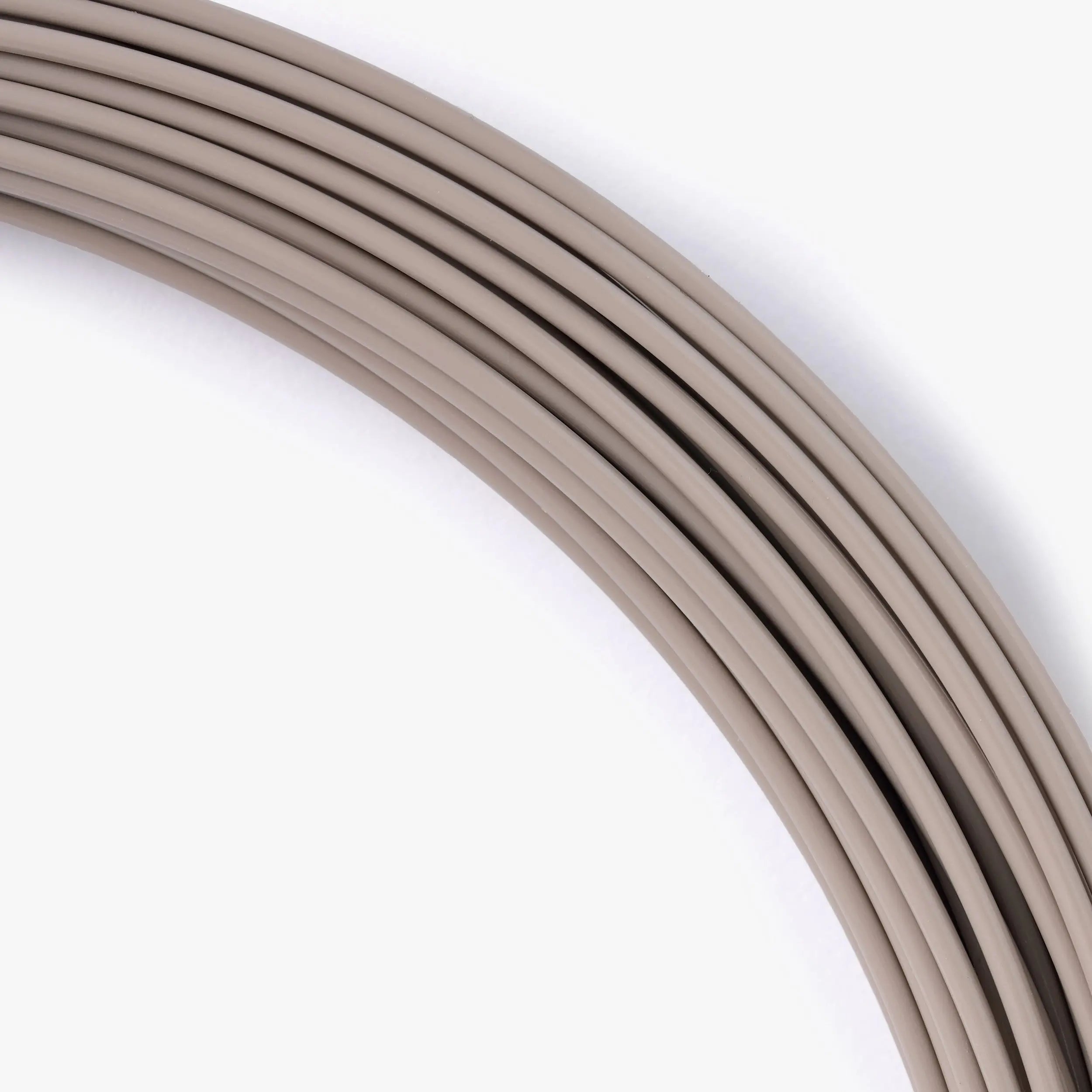
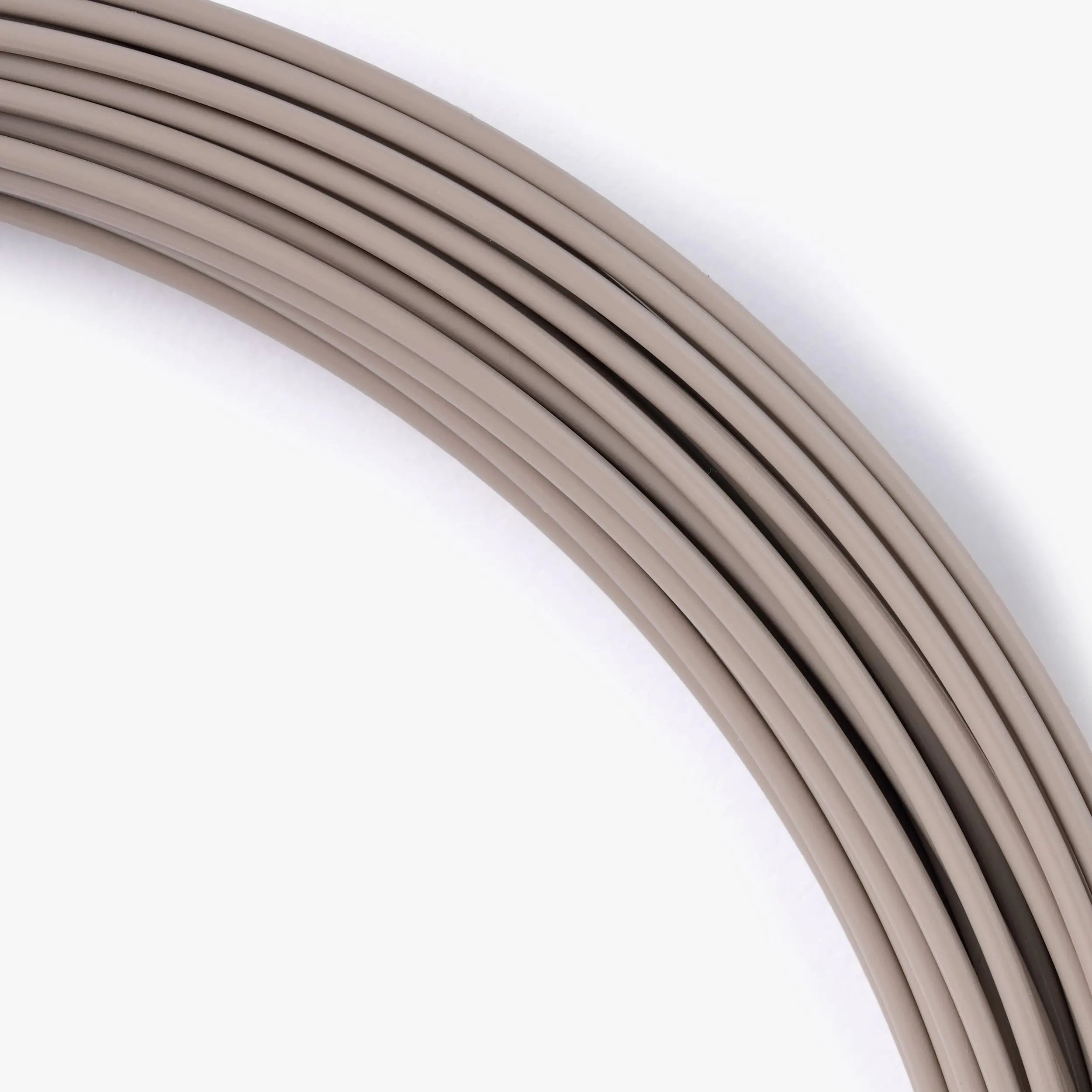
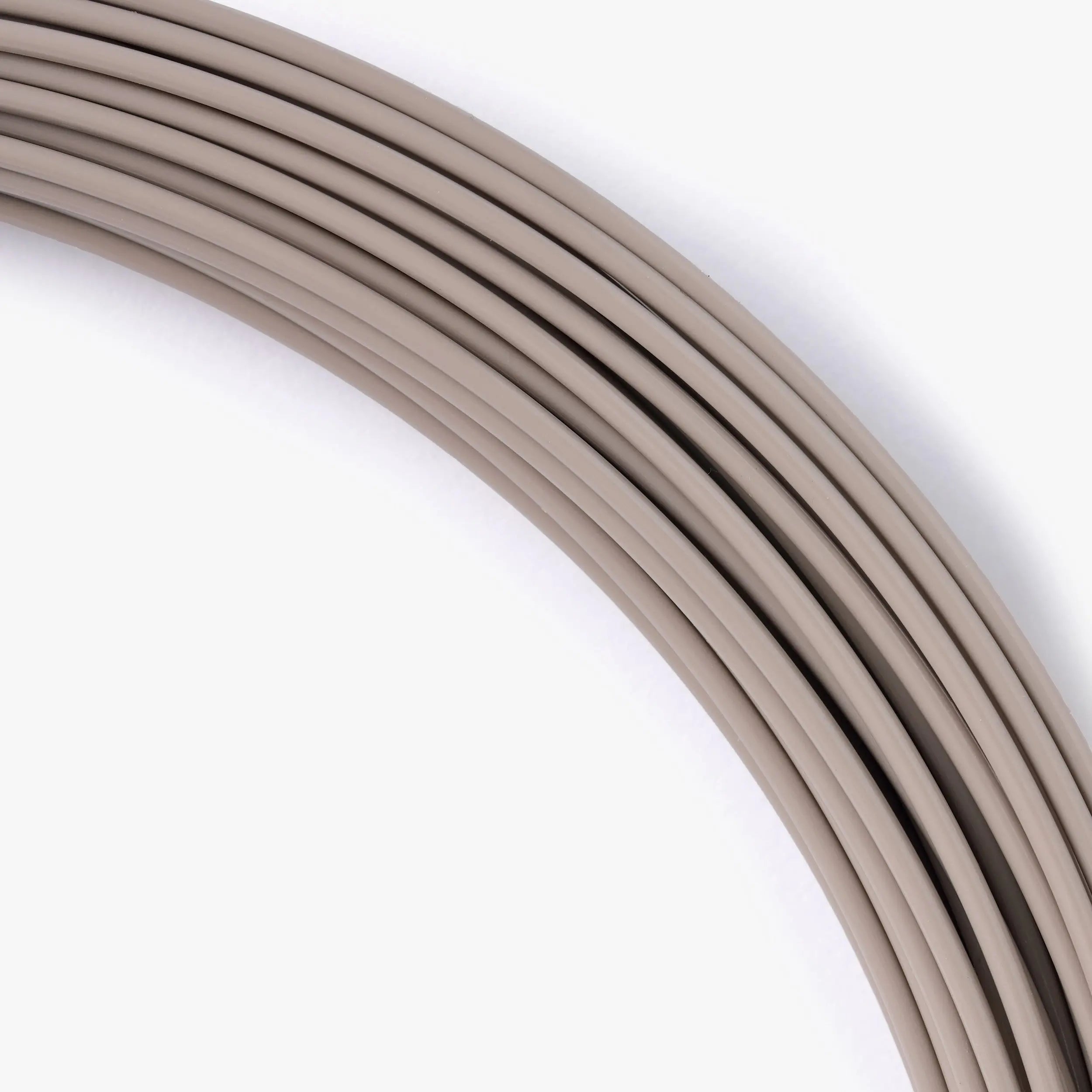
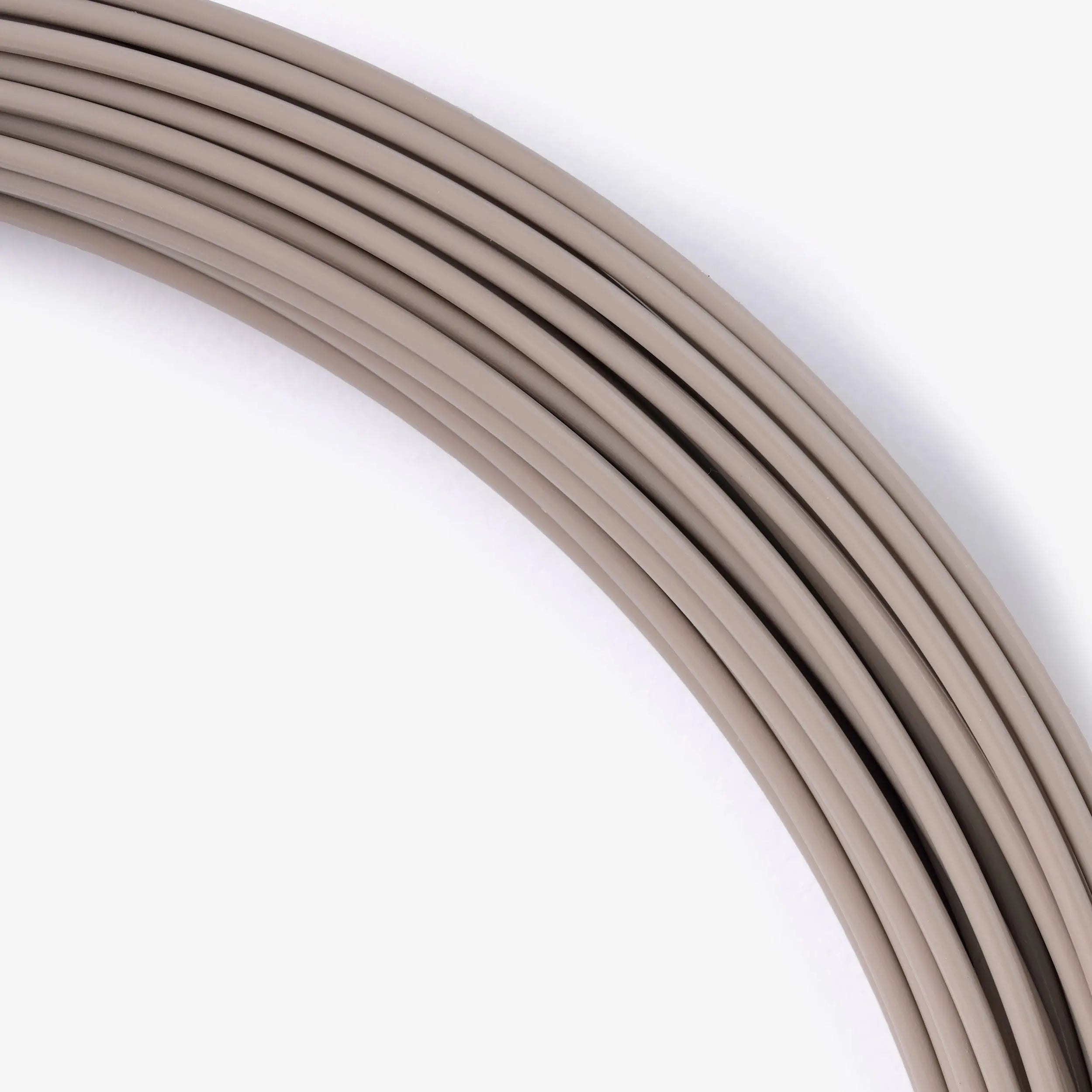
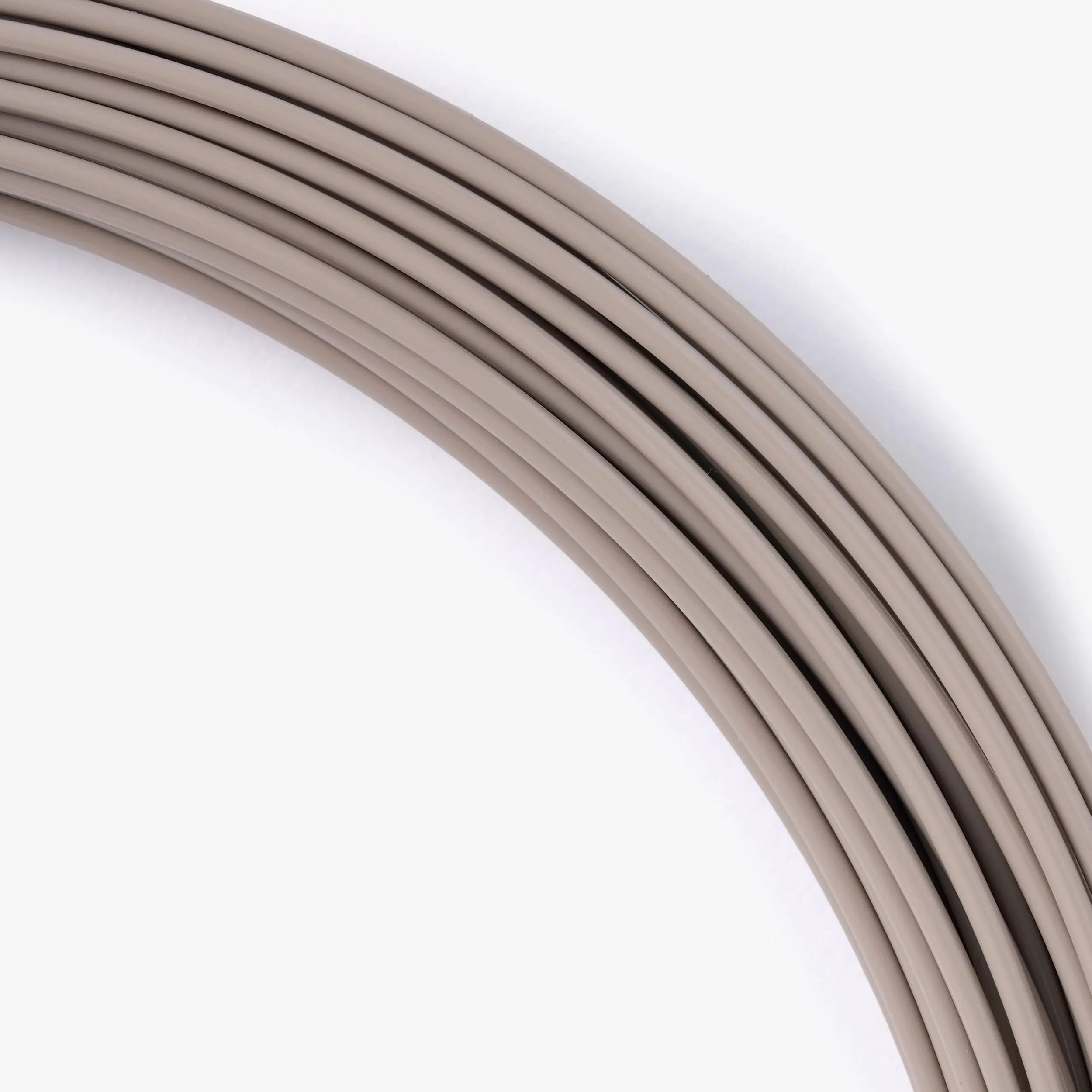
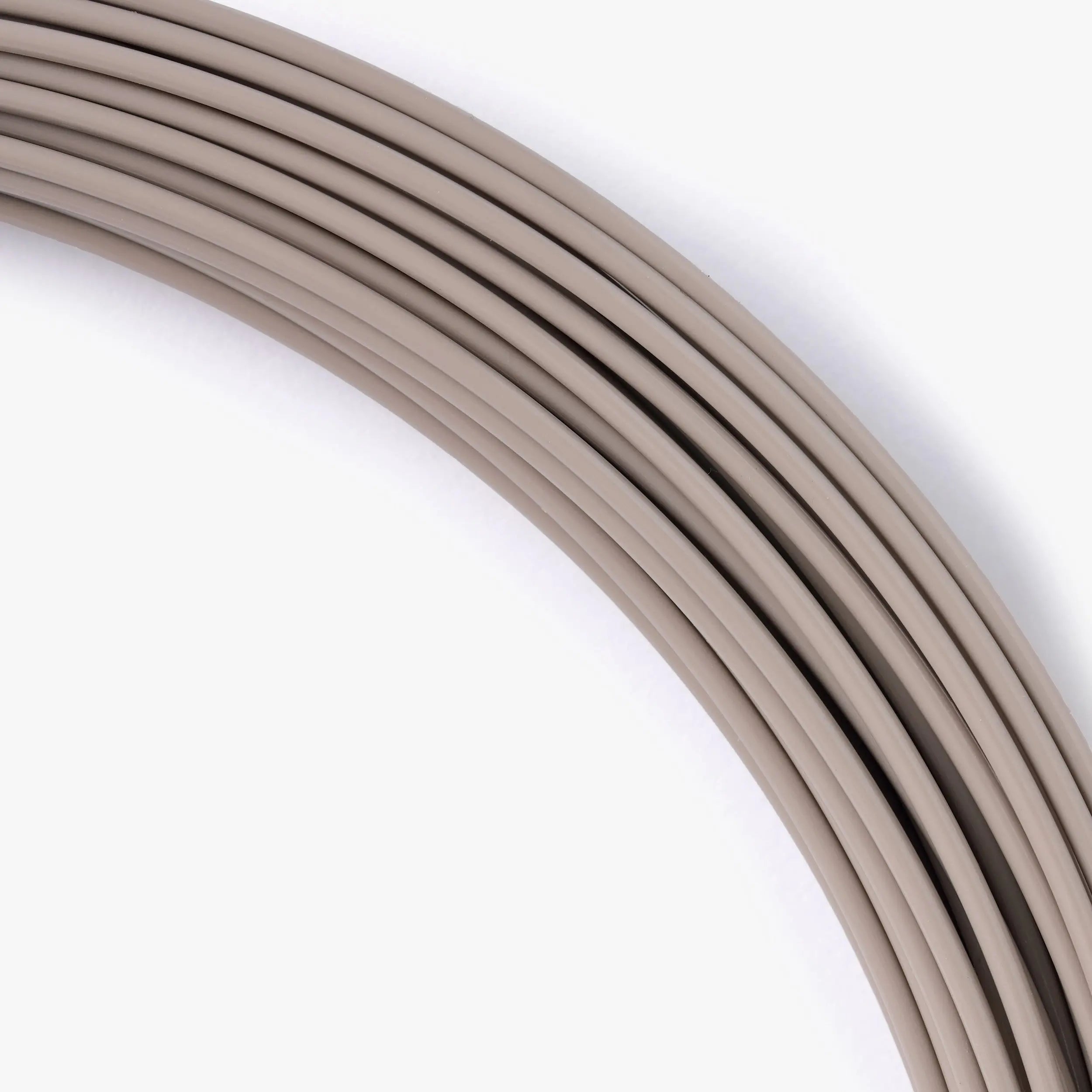
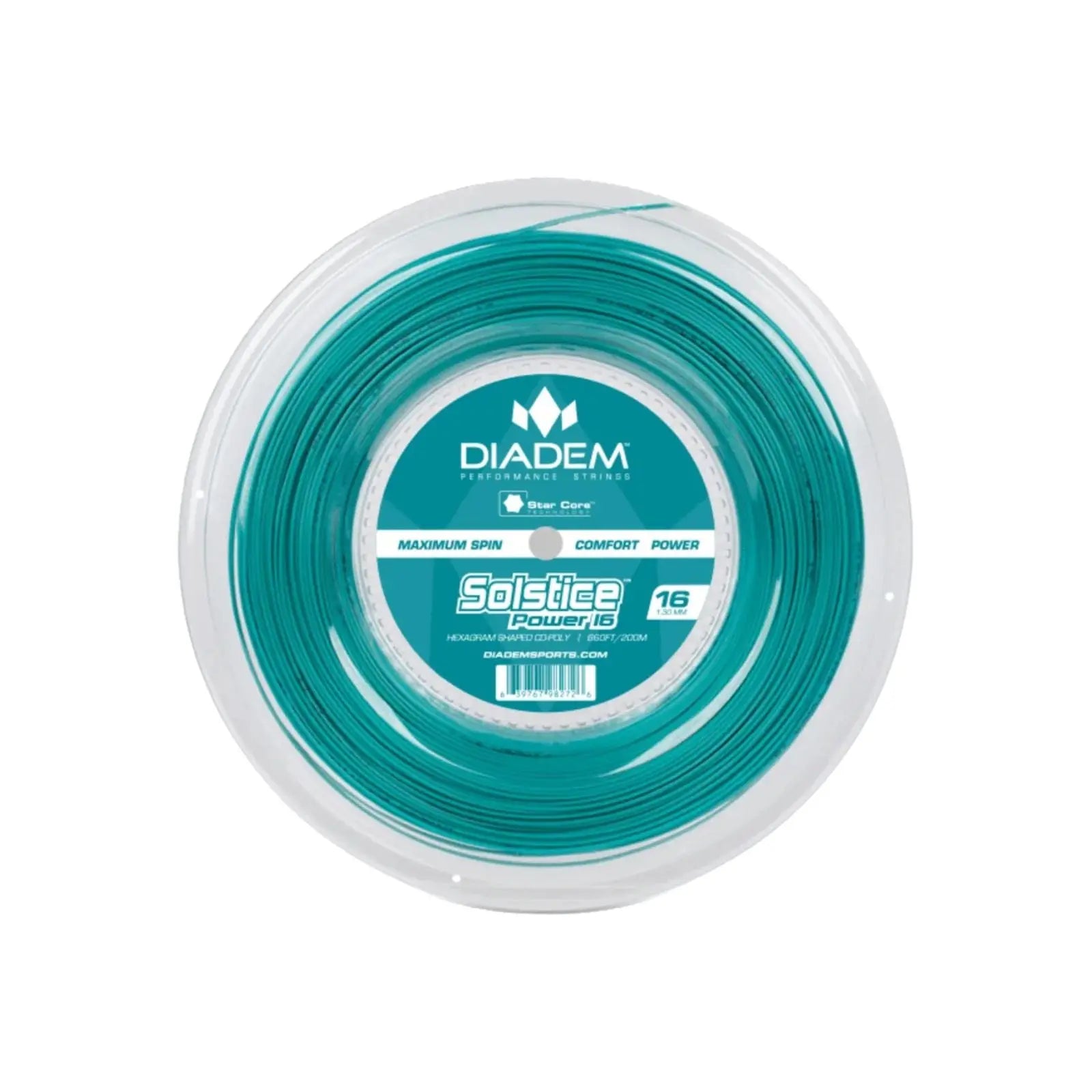
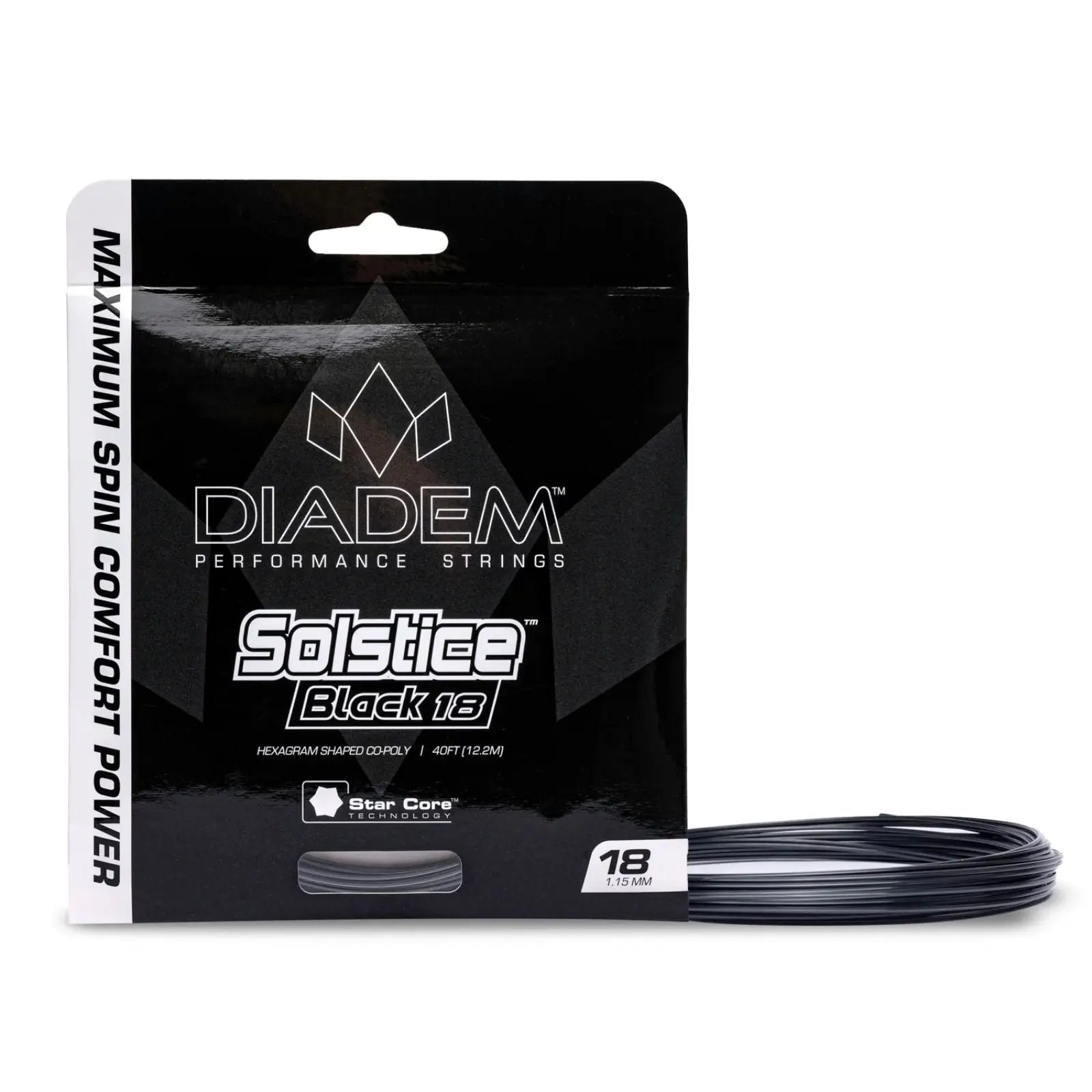
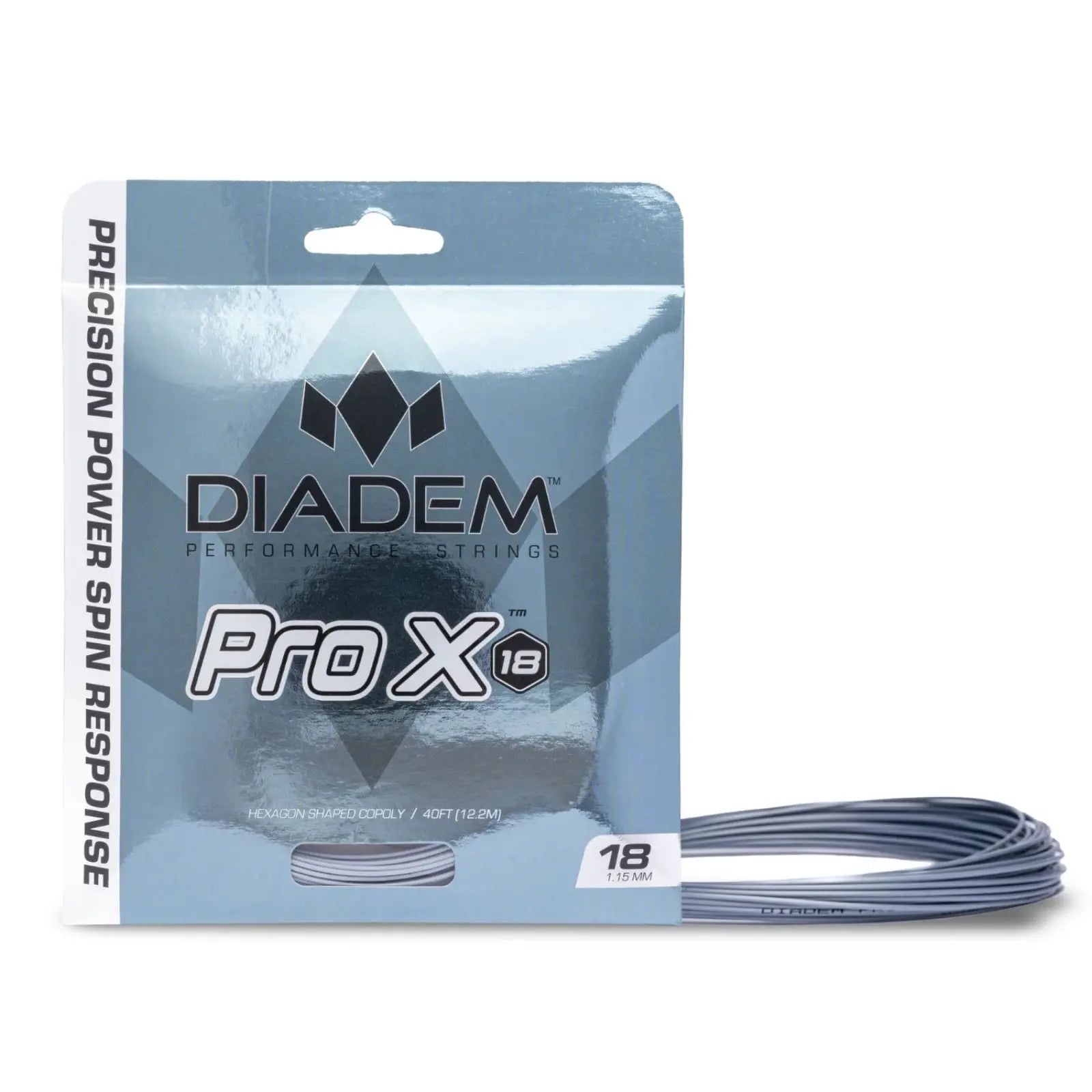
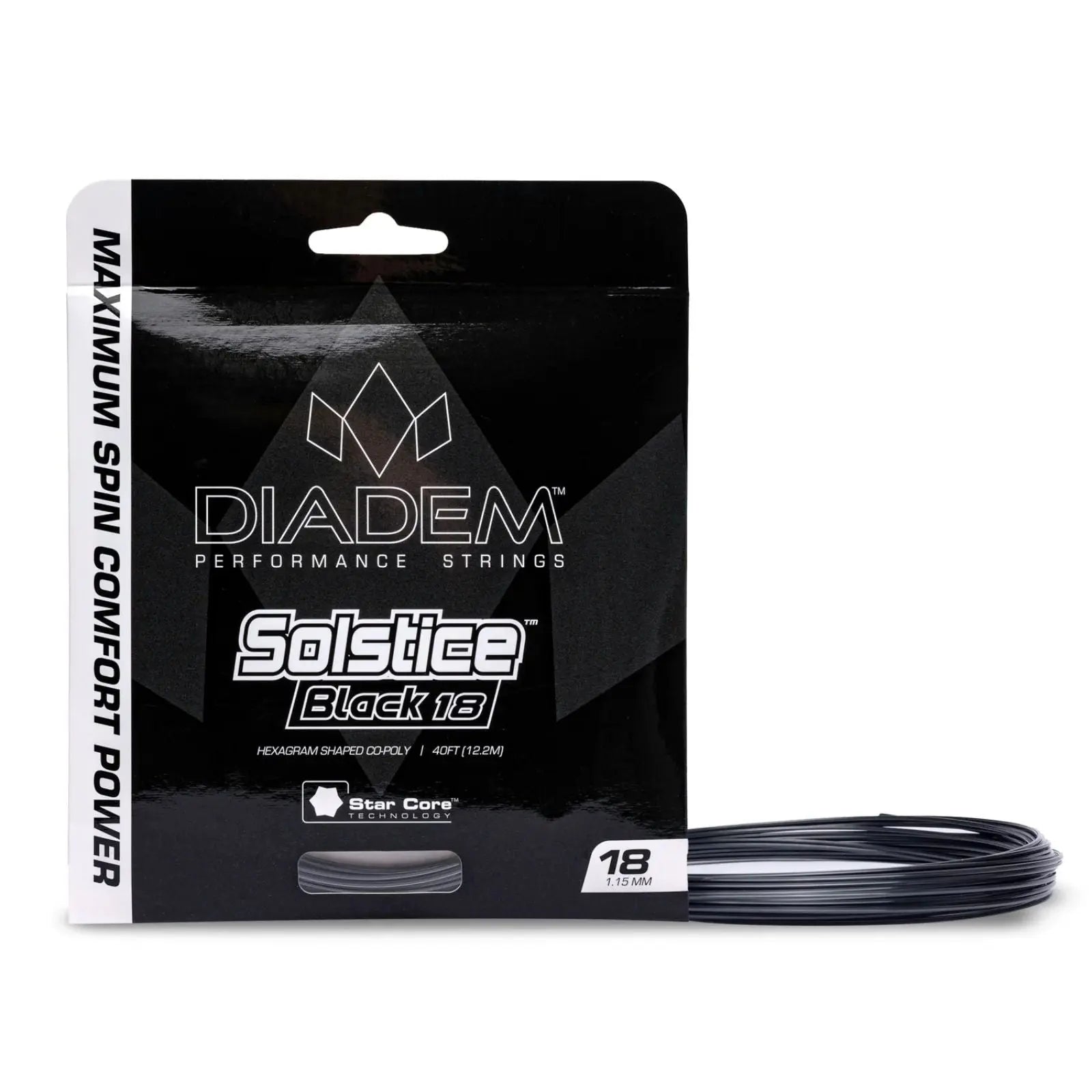
Tennis strings built for durability
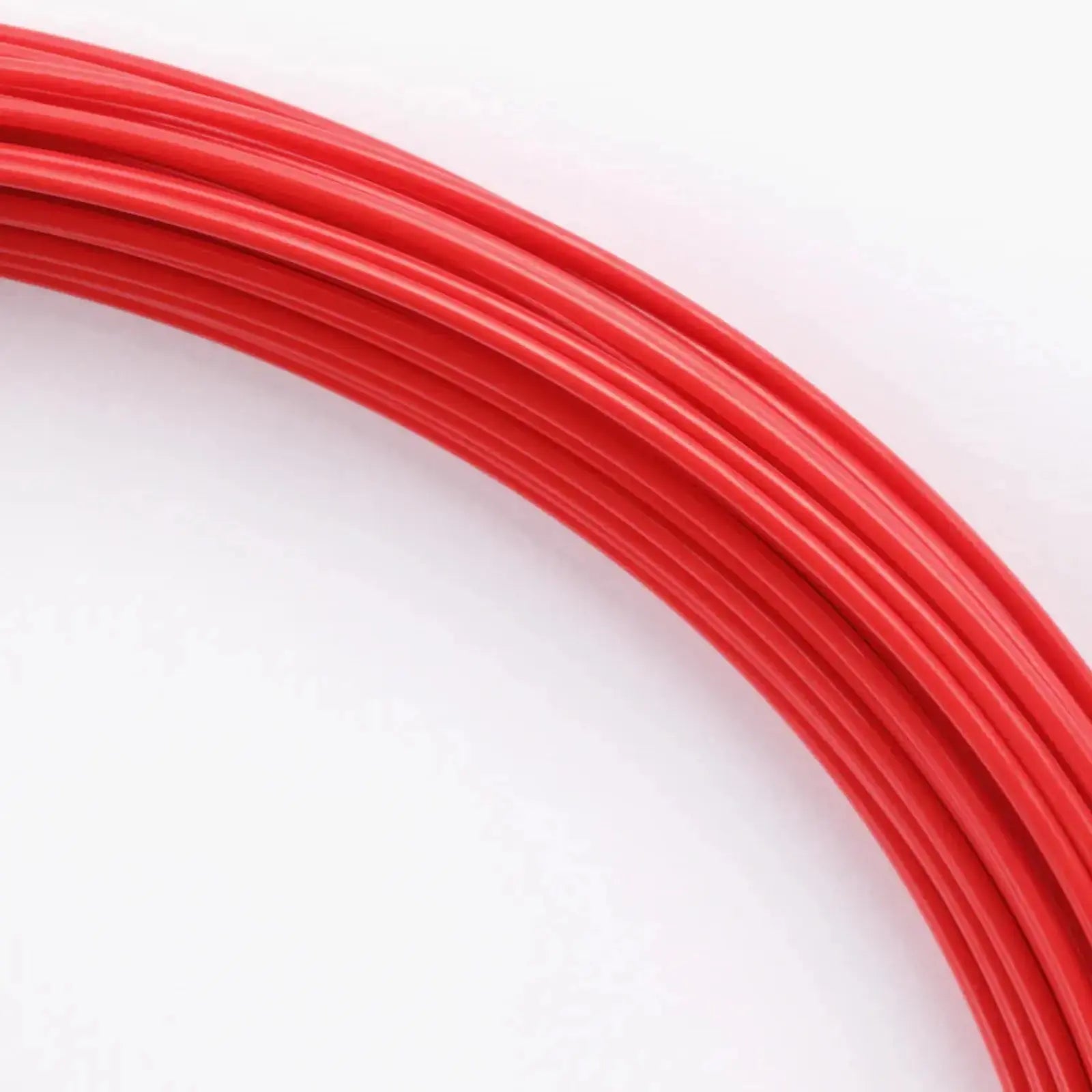
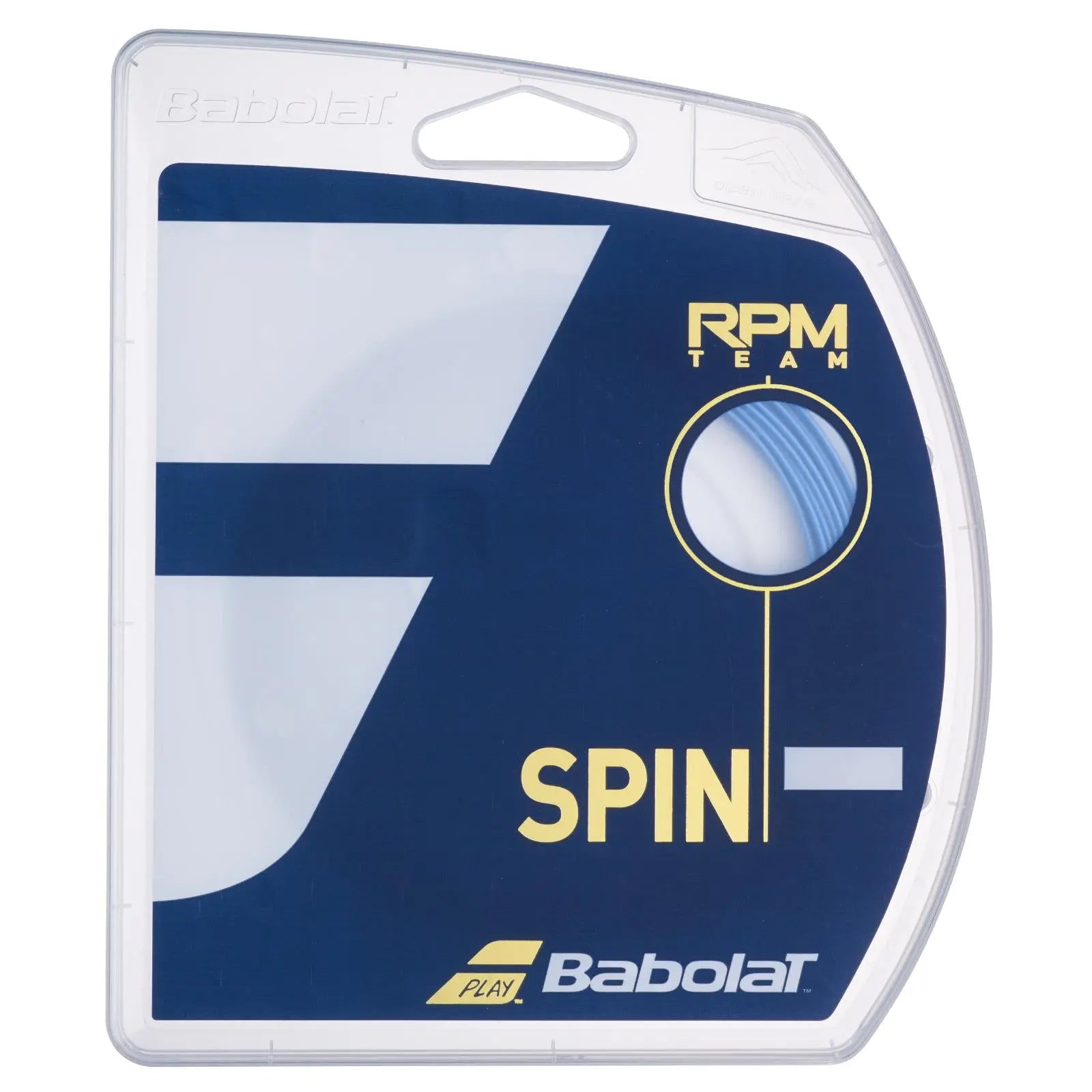
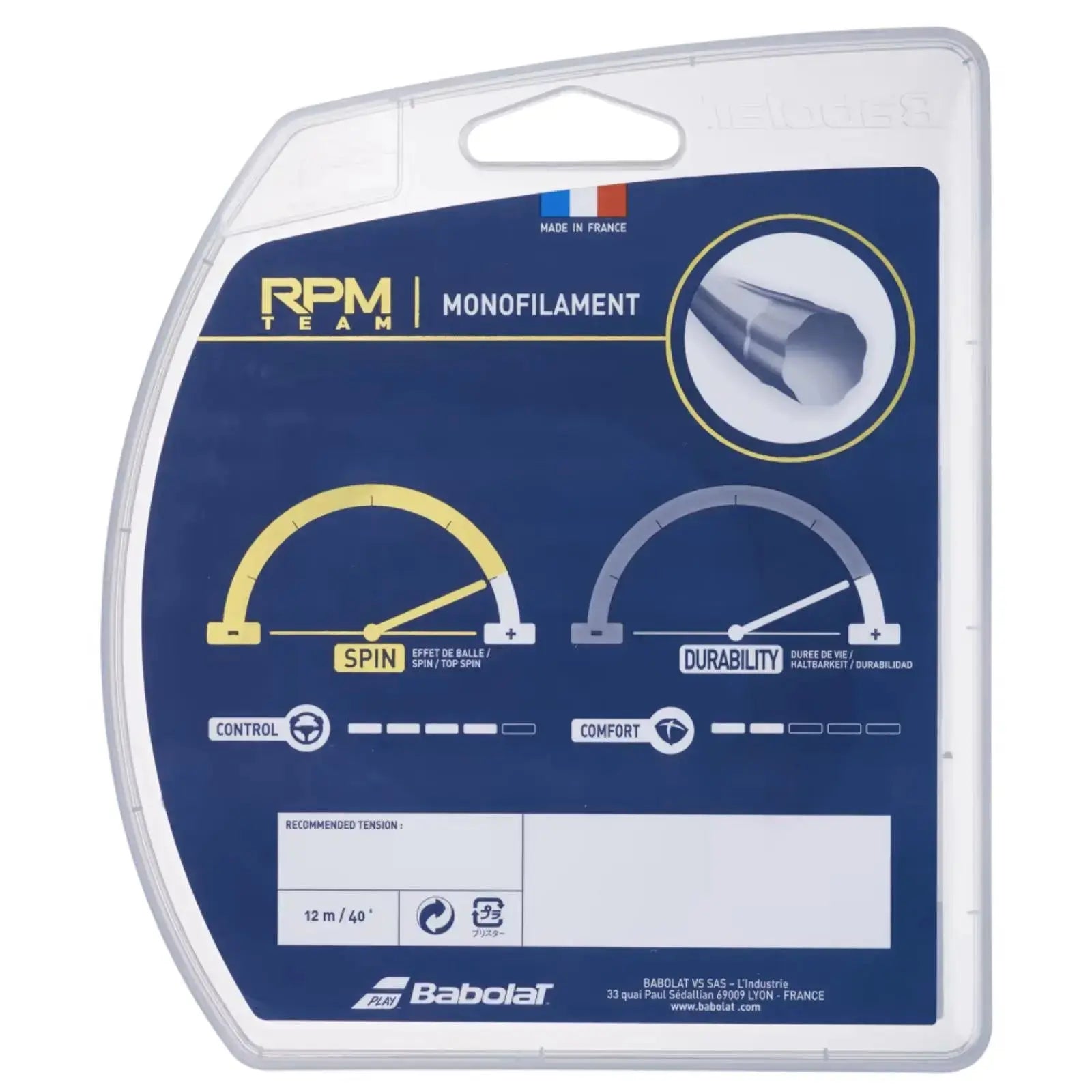
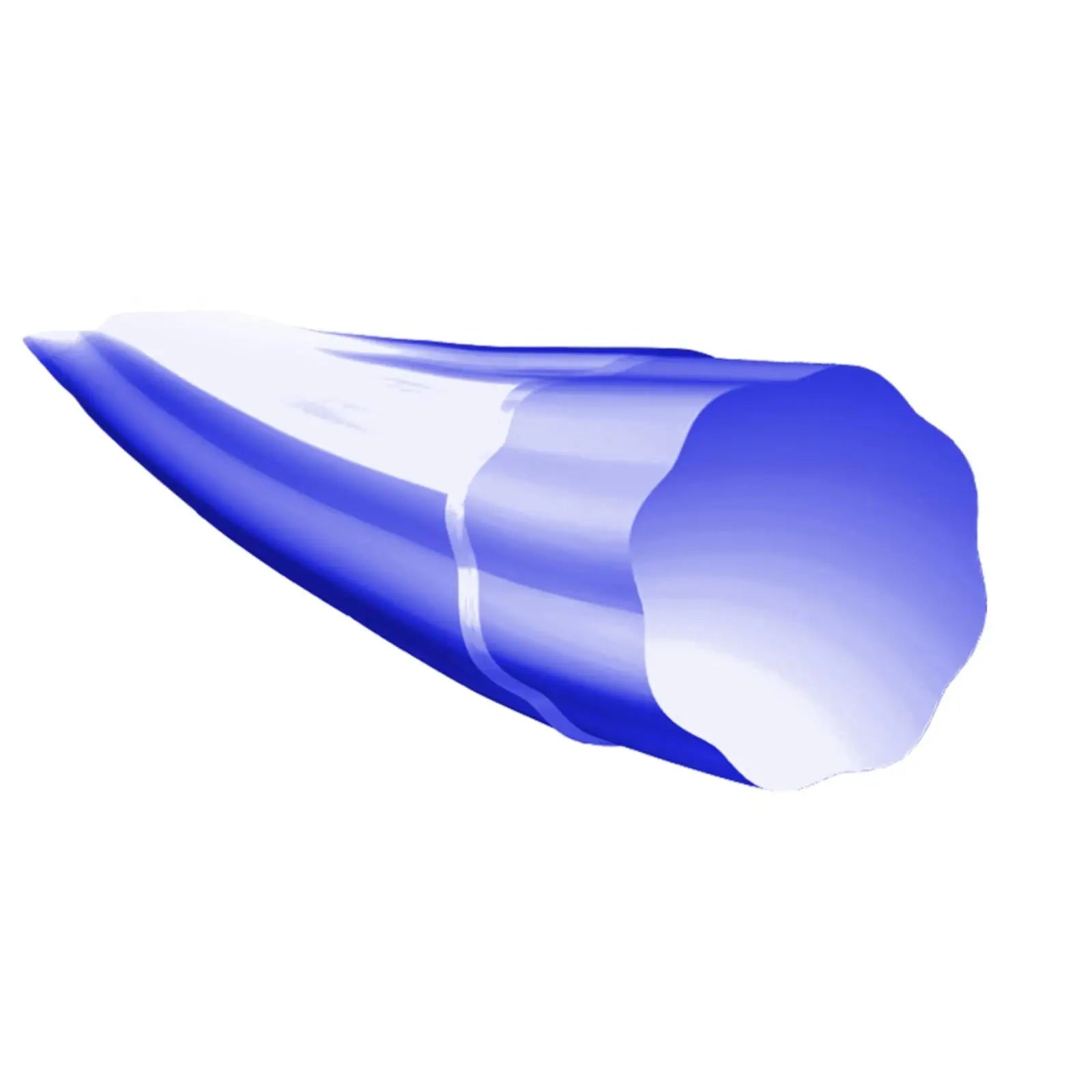
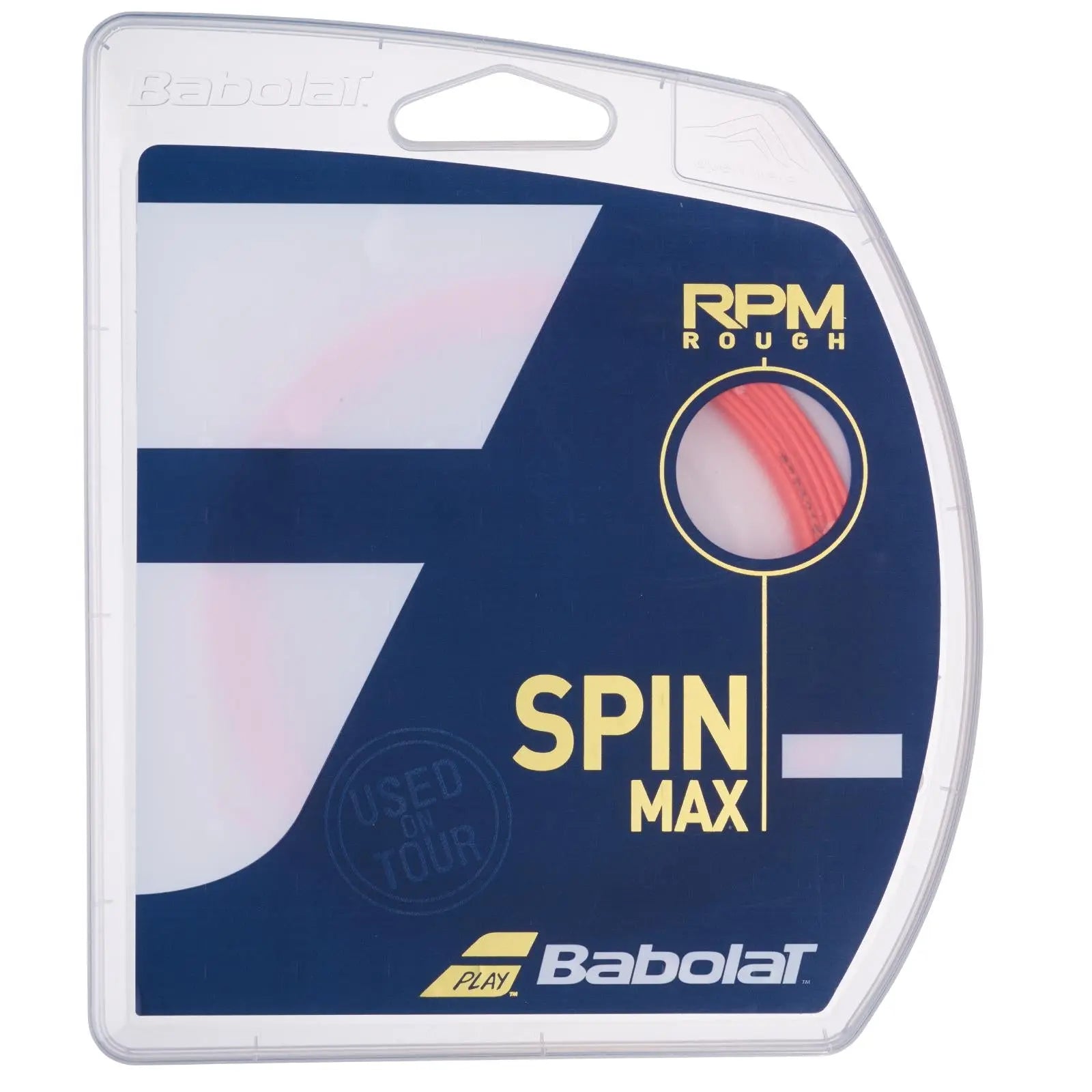
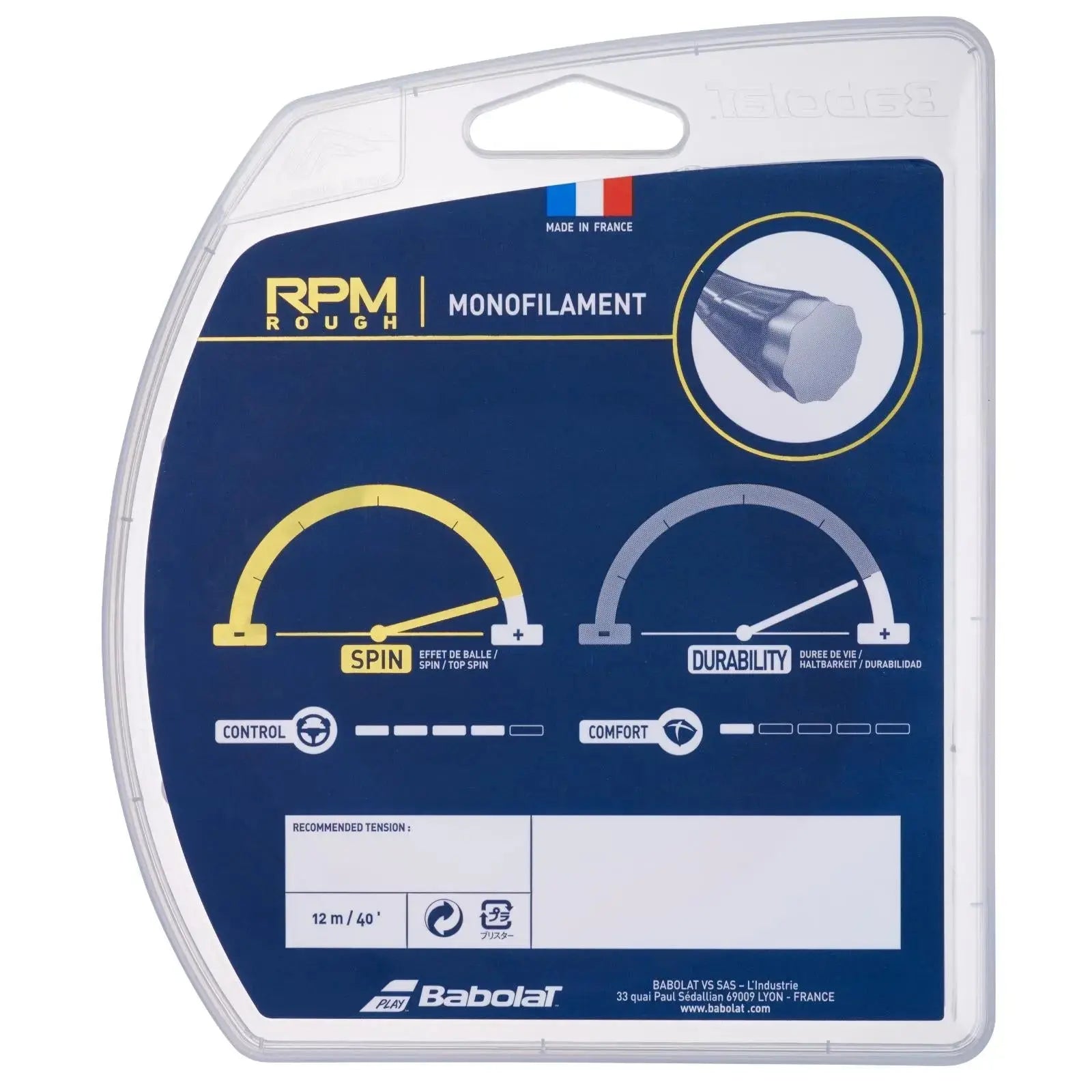
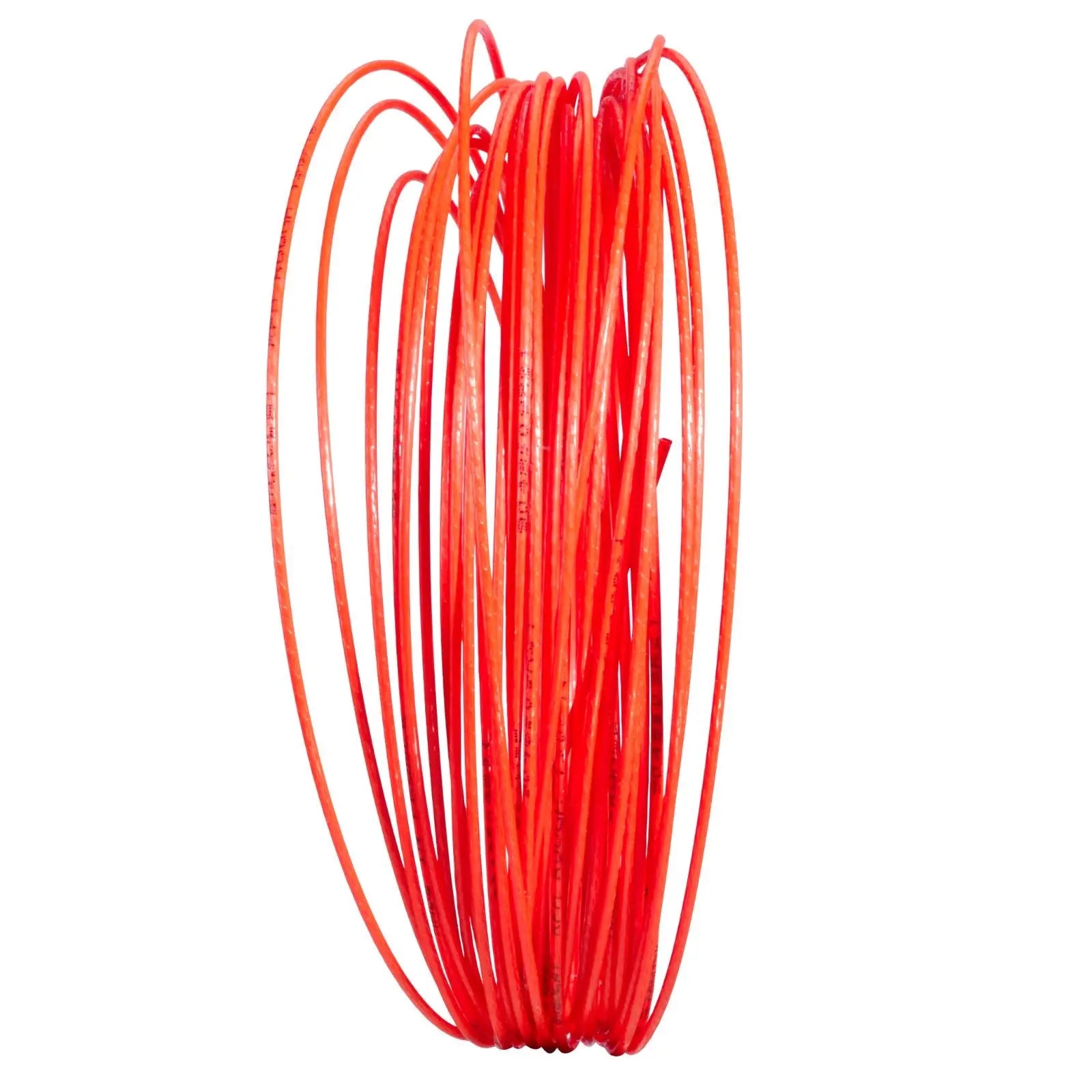
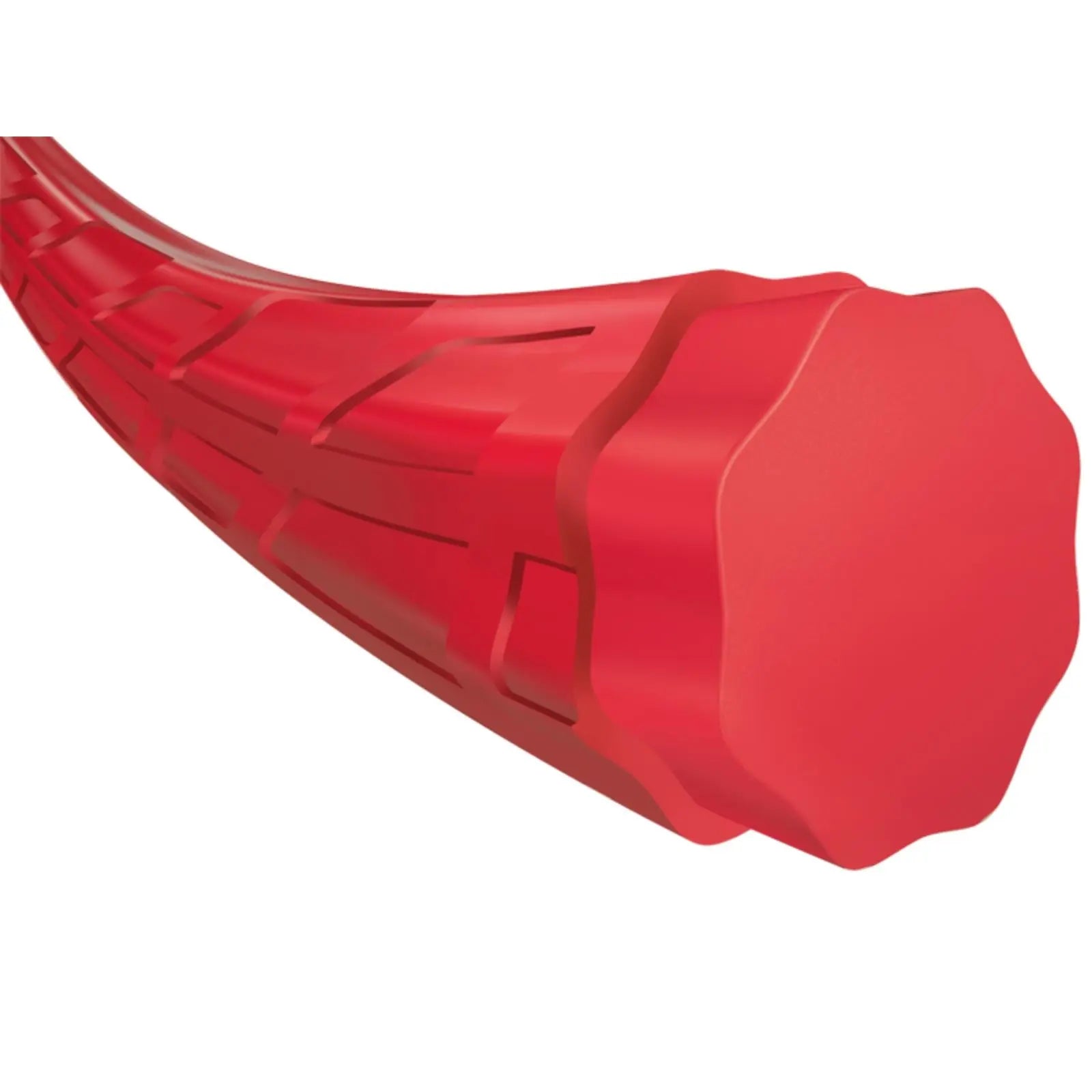
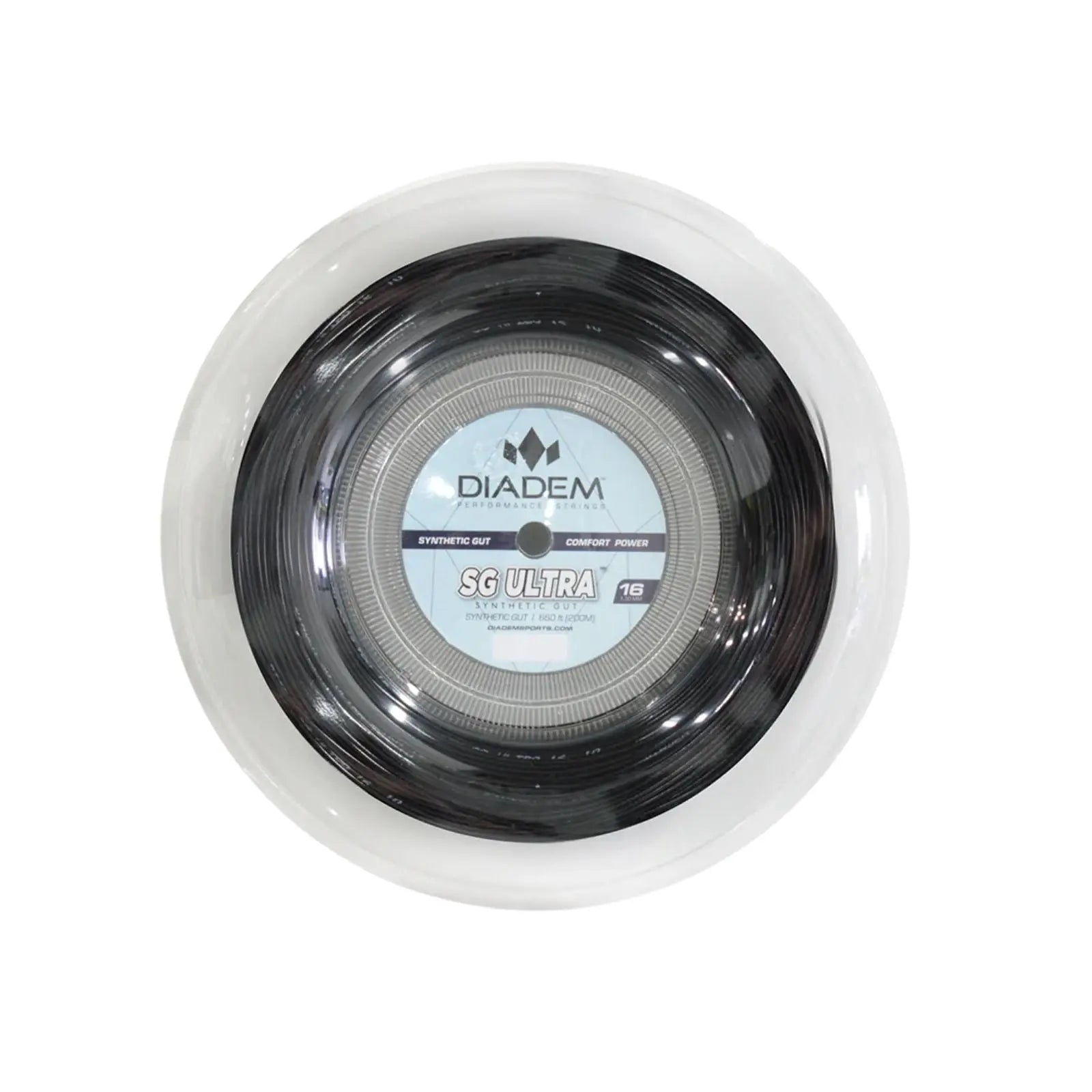
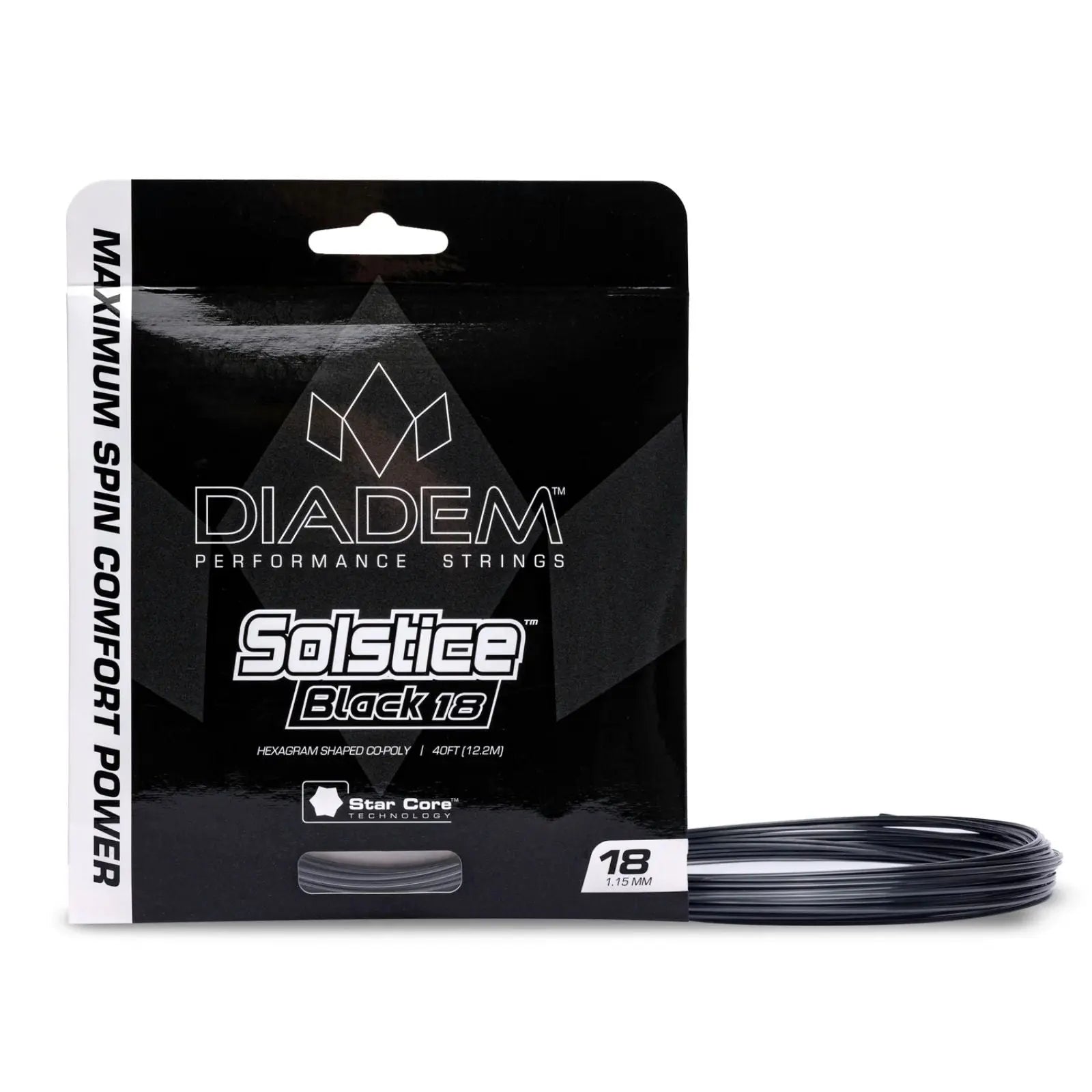
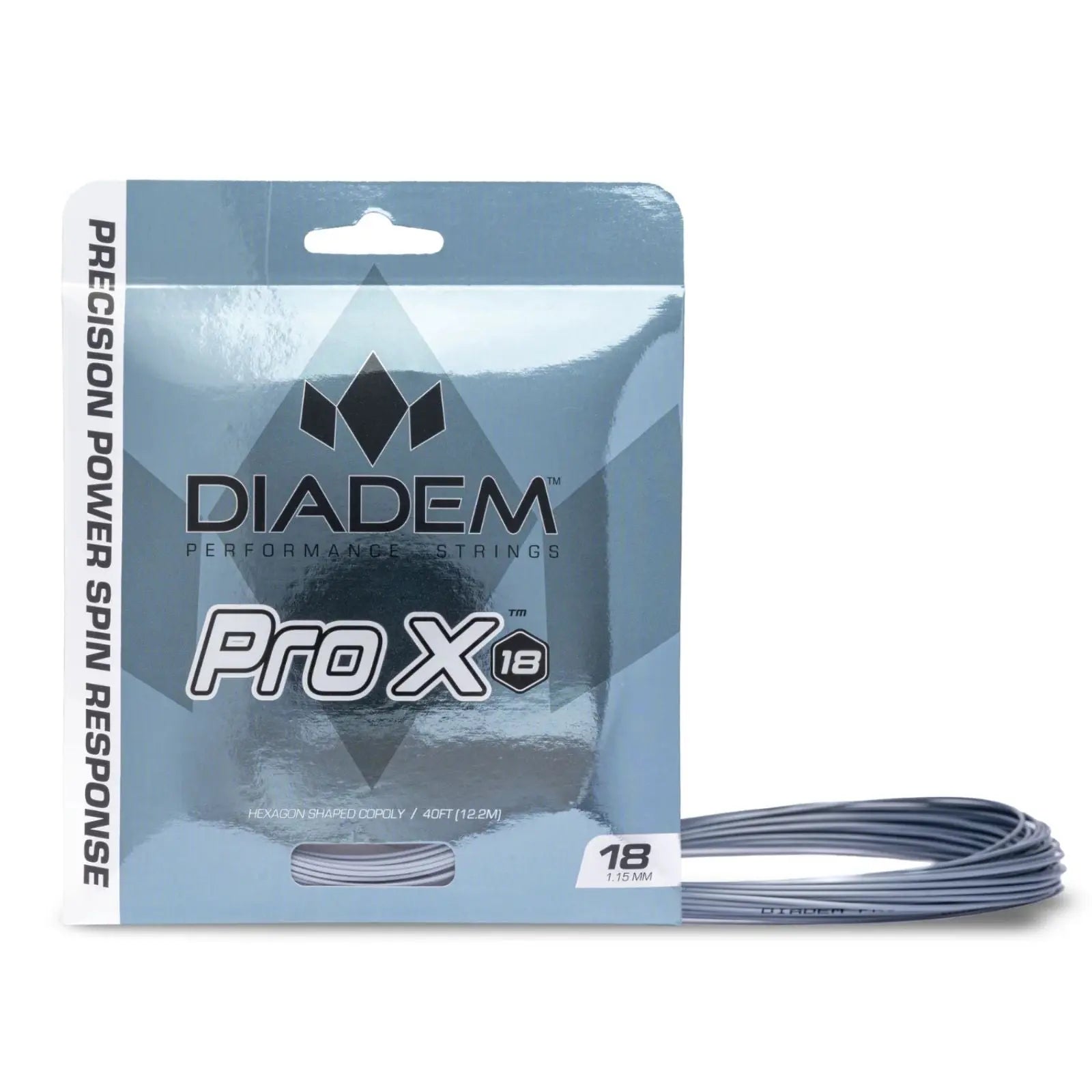
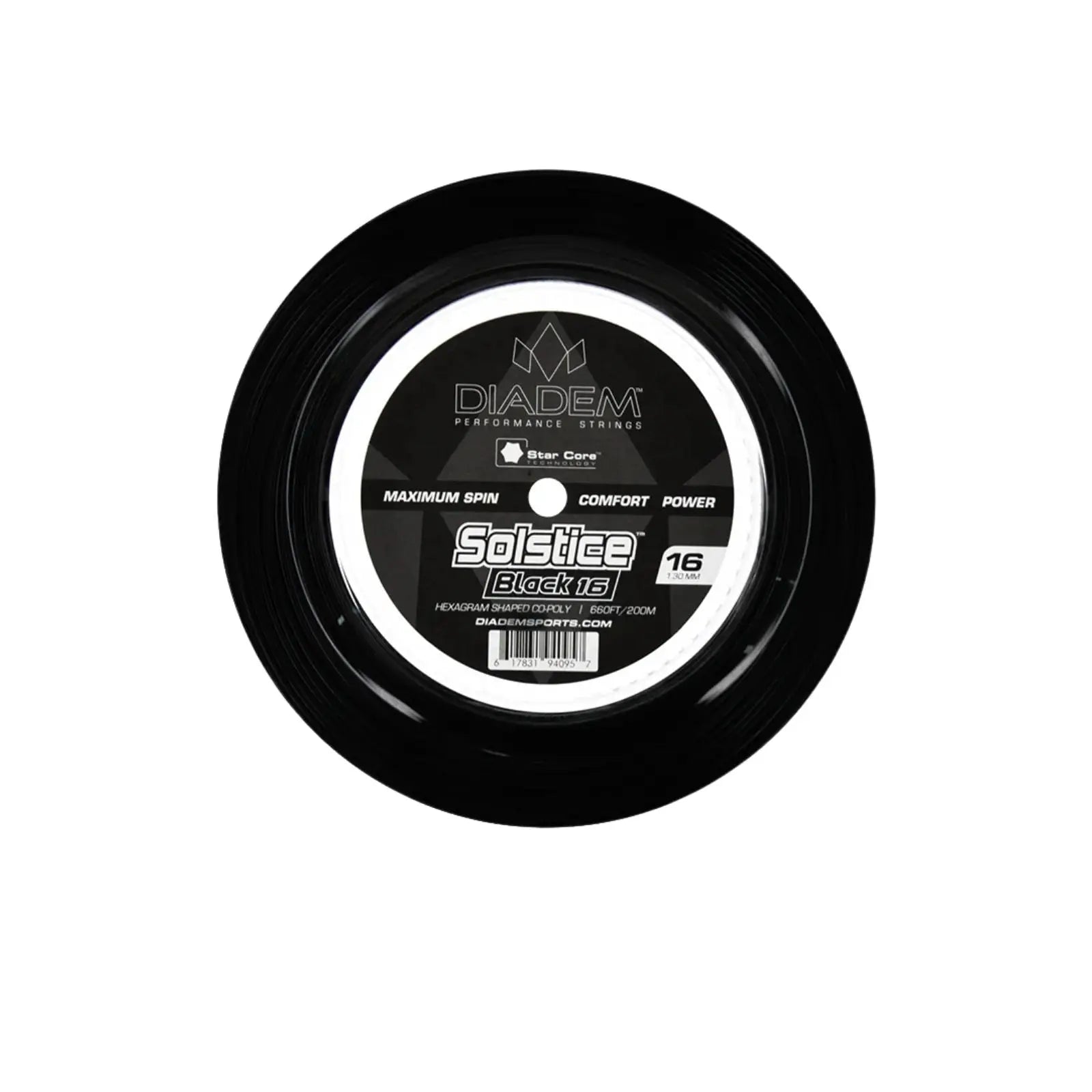
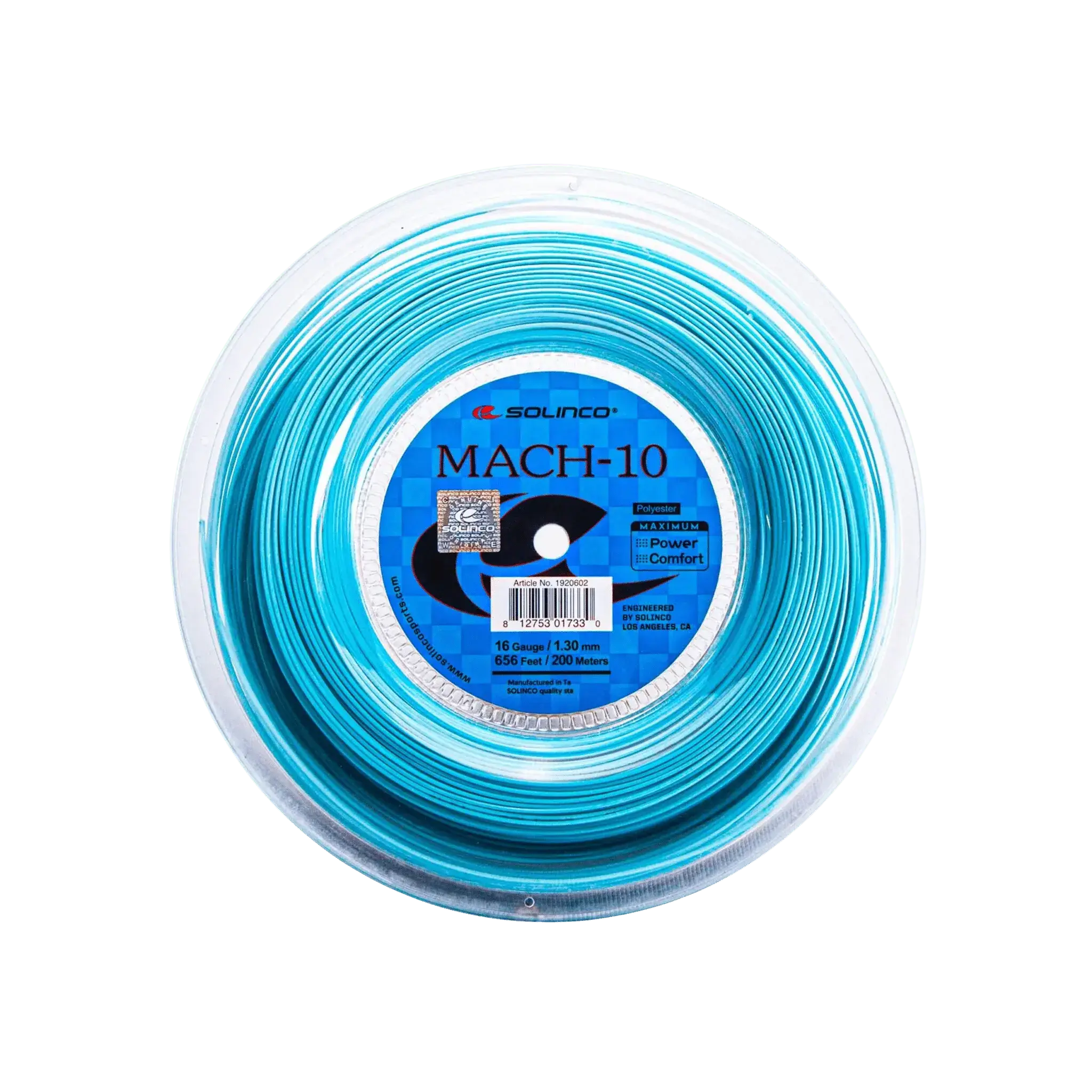
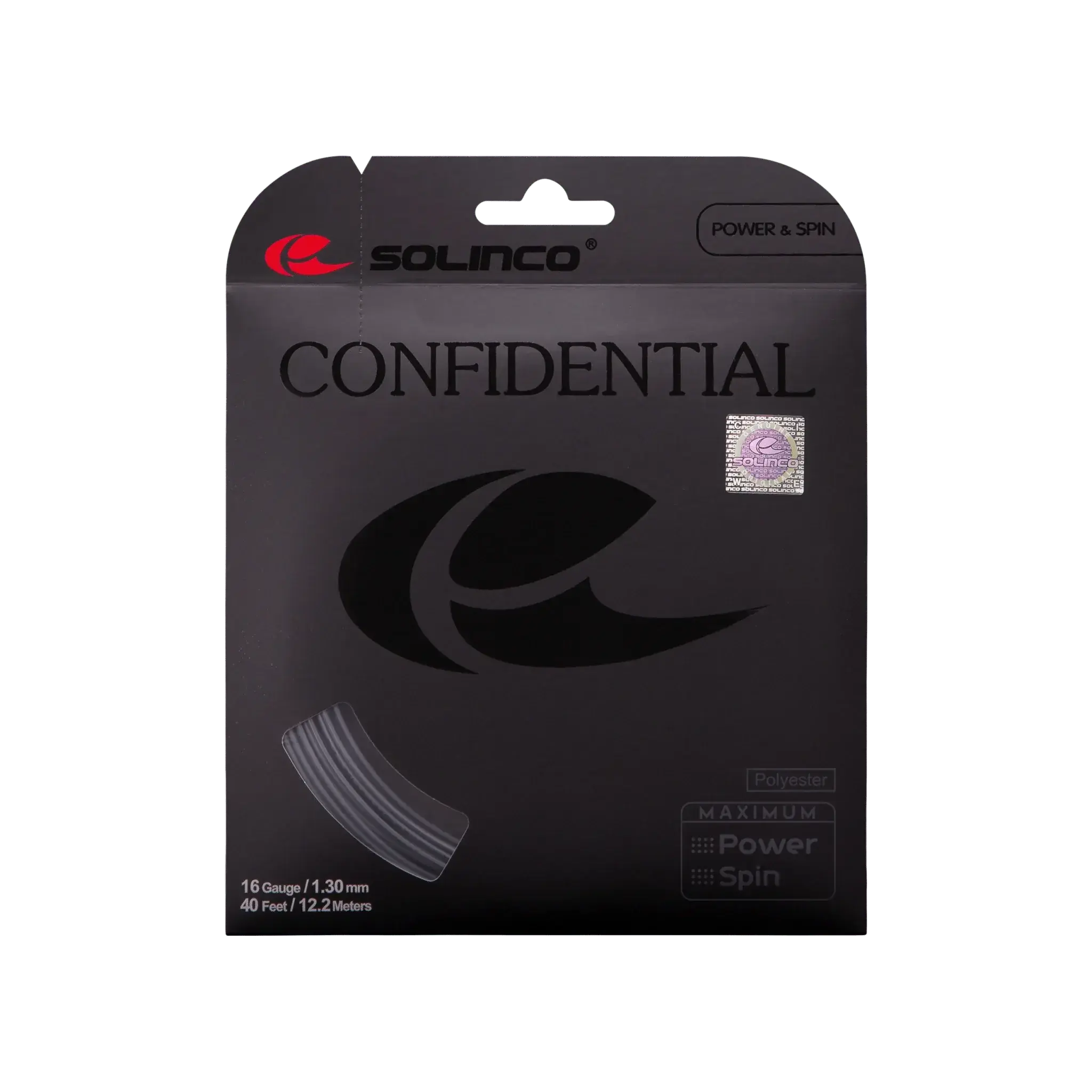
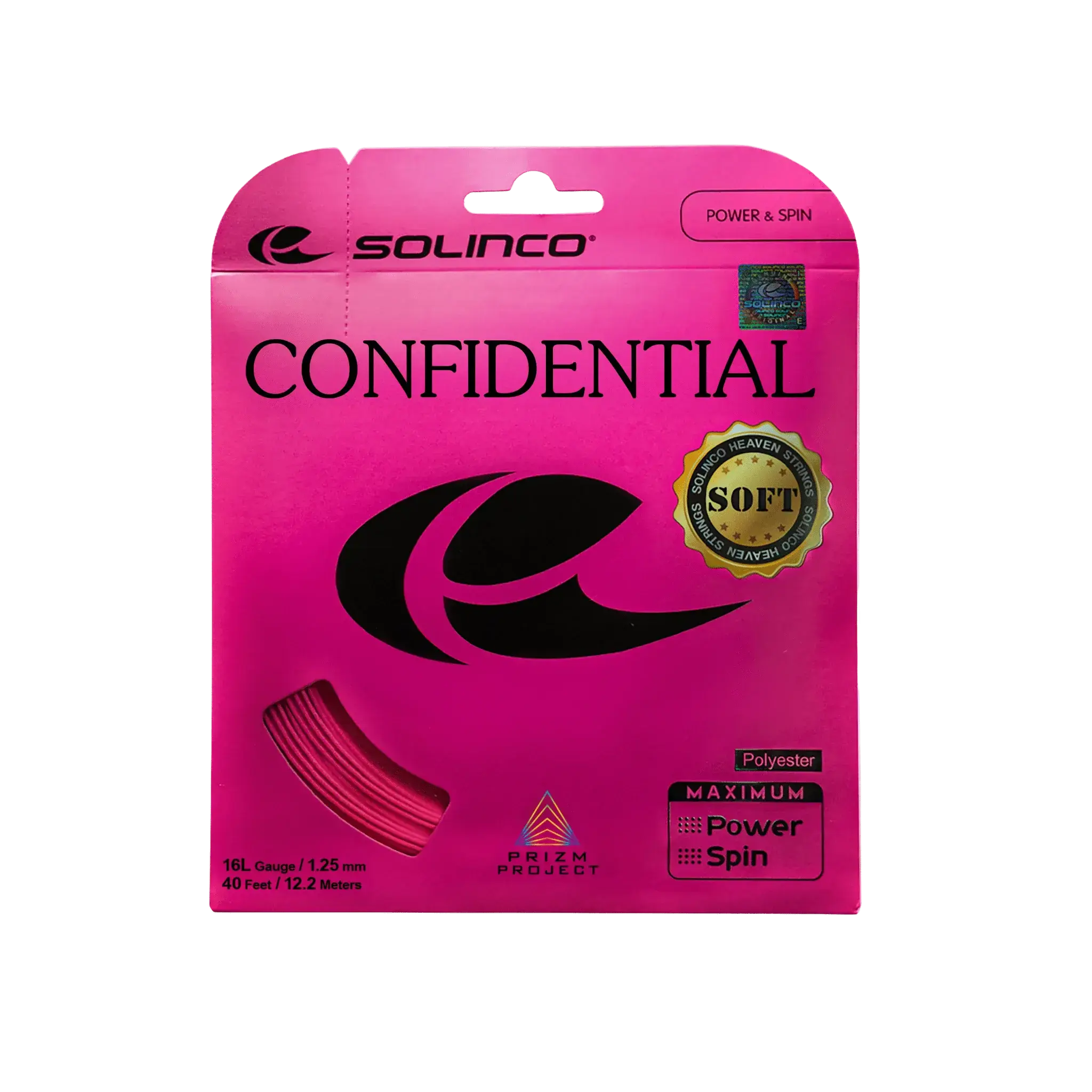
If you keep snapping strings — particularly during high-volume training or coaching — durability matters more than peak performance. Polyester strings are the most durable category overall, but within that there's a hierarchy: round monofilaments (RPM Hurricane, ALU Power) outlast shaped polys; thicker gauges (16, 1.30mm) outlast thinner. Synthetic gut also offers good durability at a much lower price. The strings here are the workhorses — the ones you string in the racquets that actually go on court every day.
How to choose
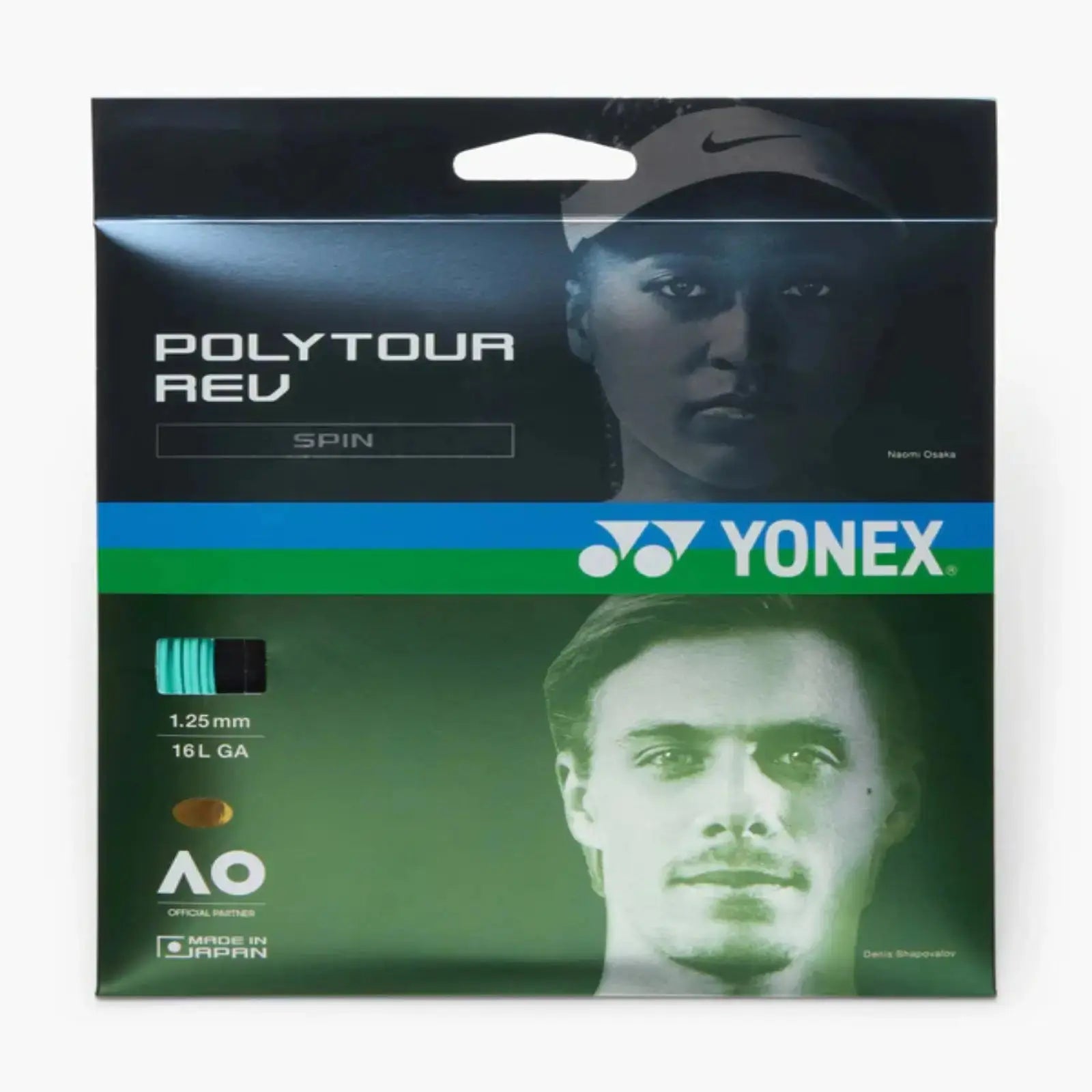
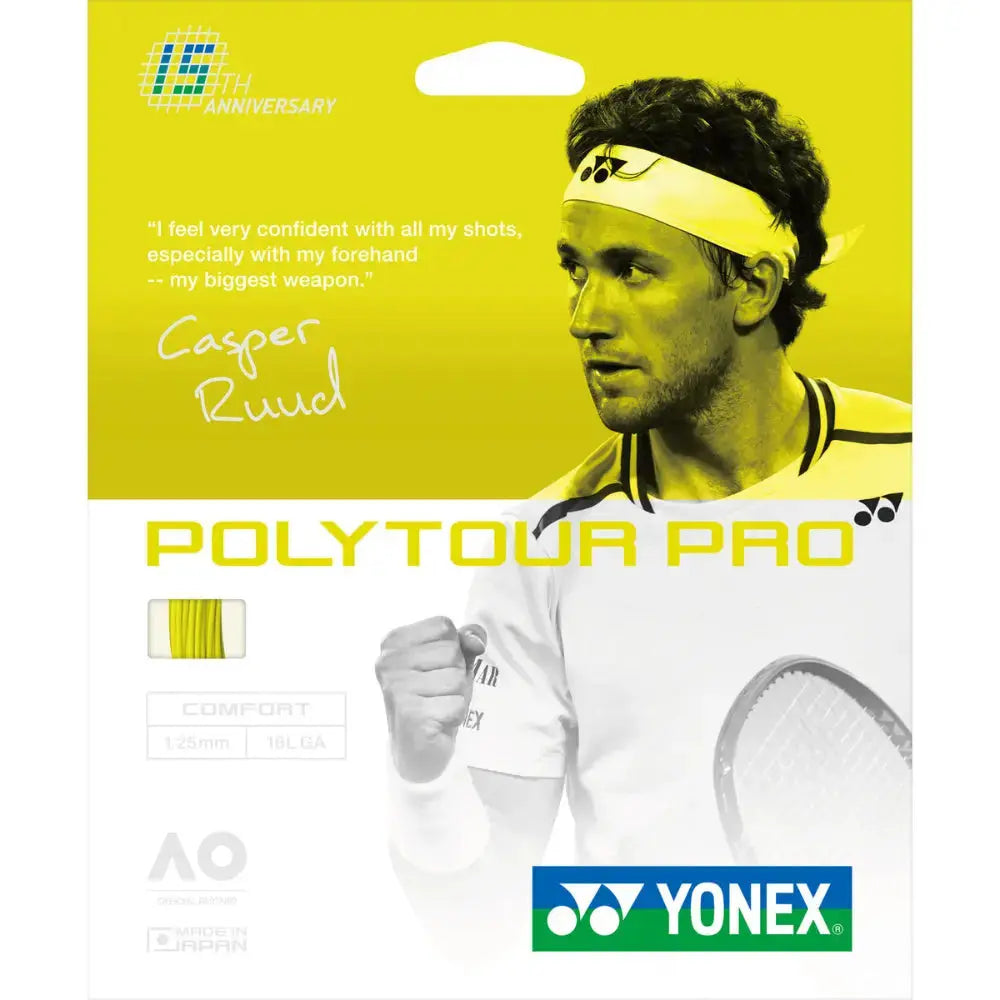
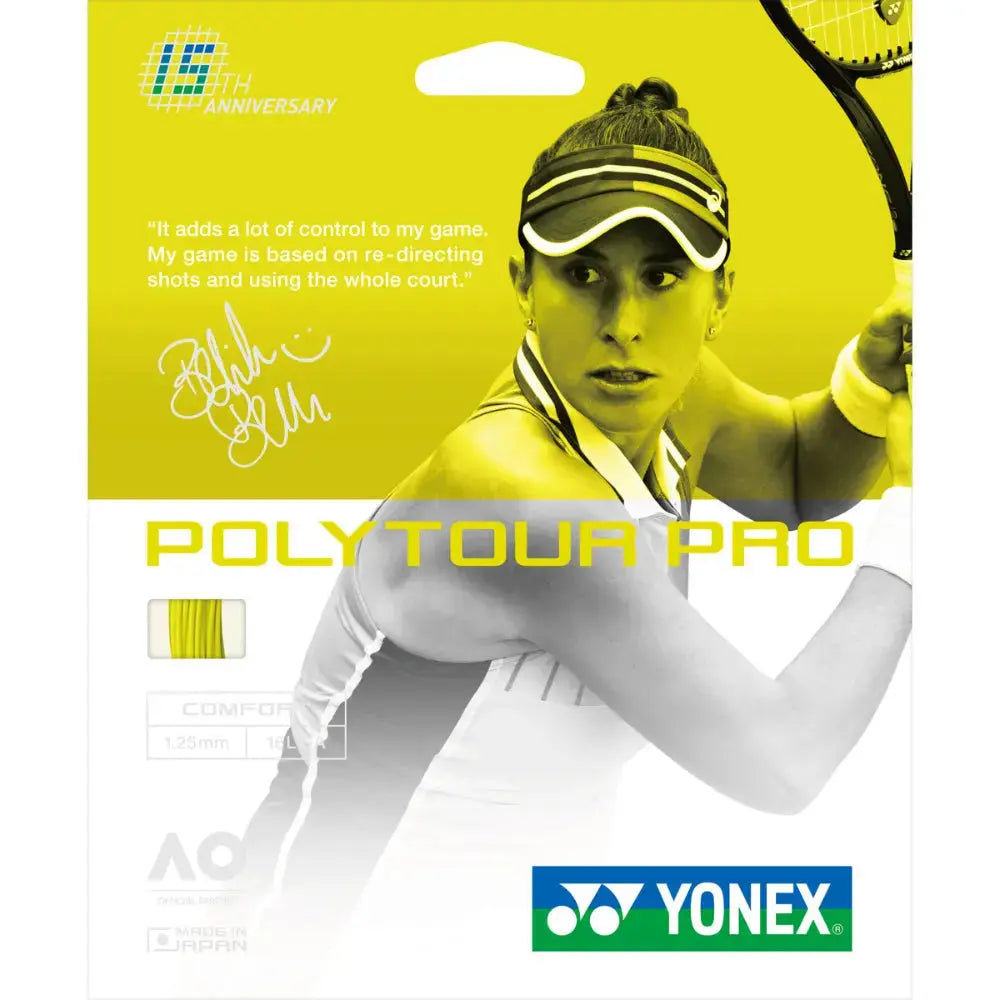
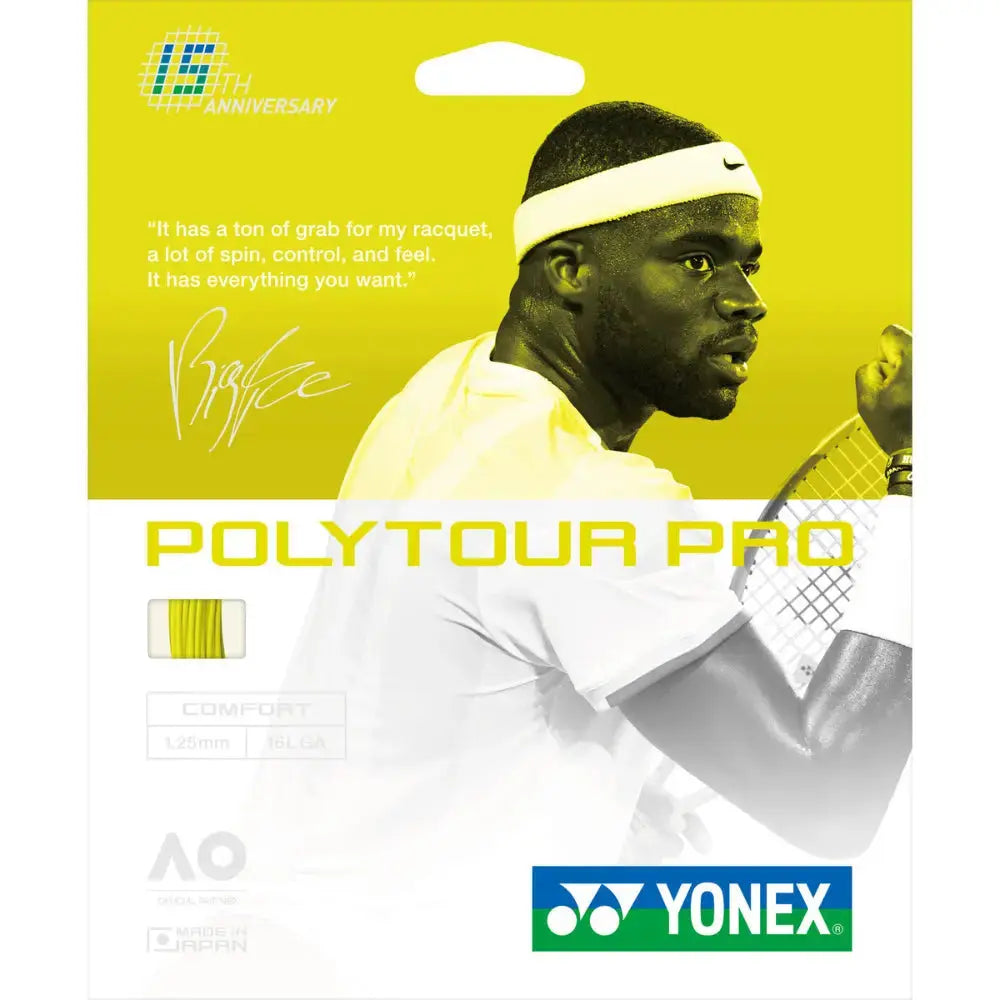
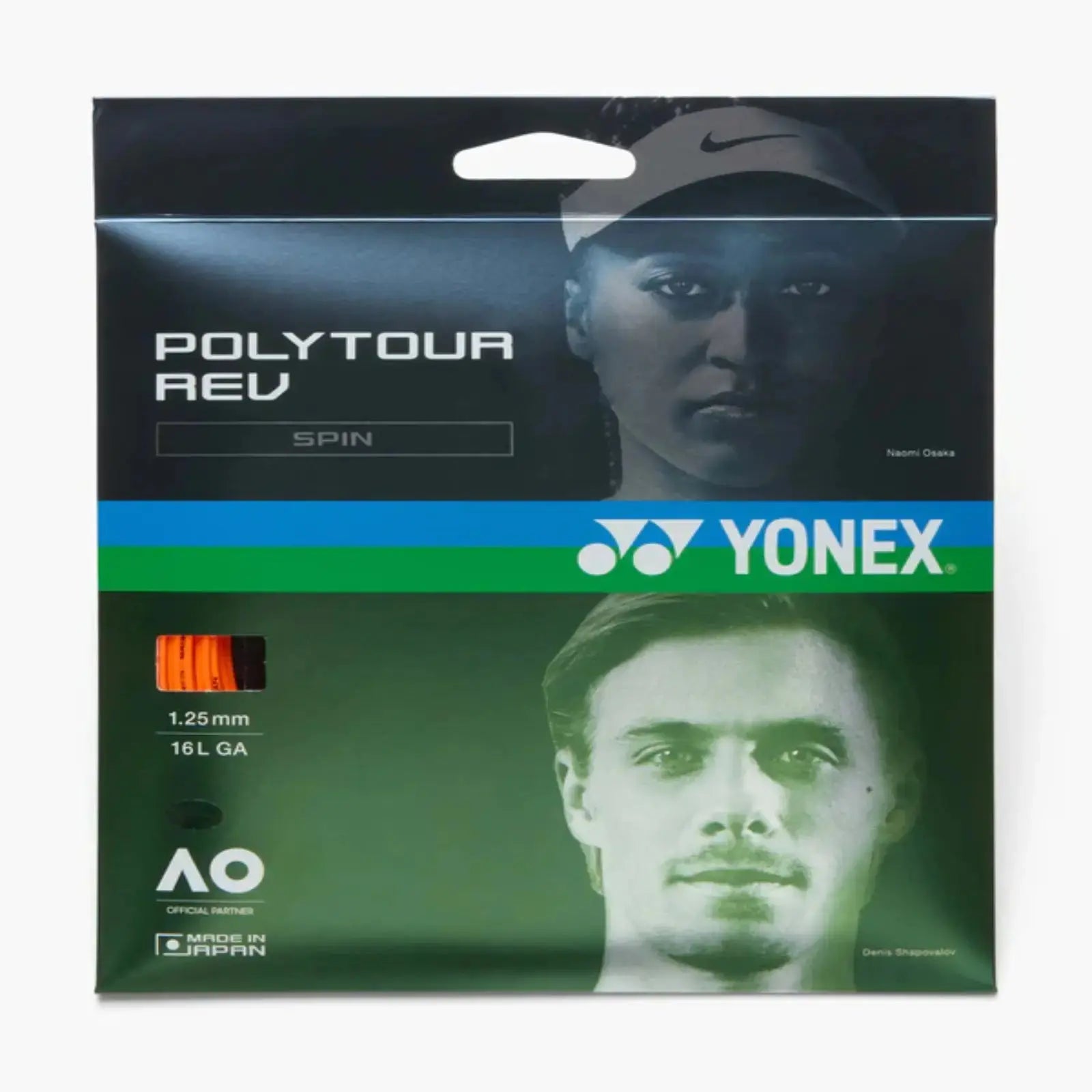
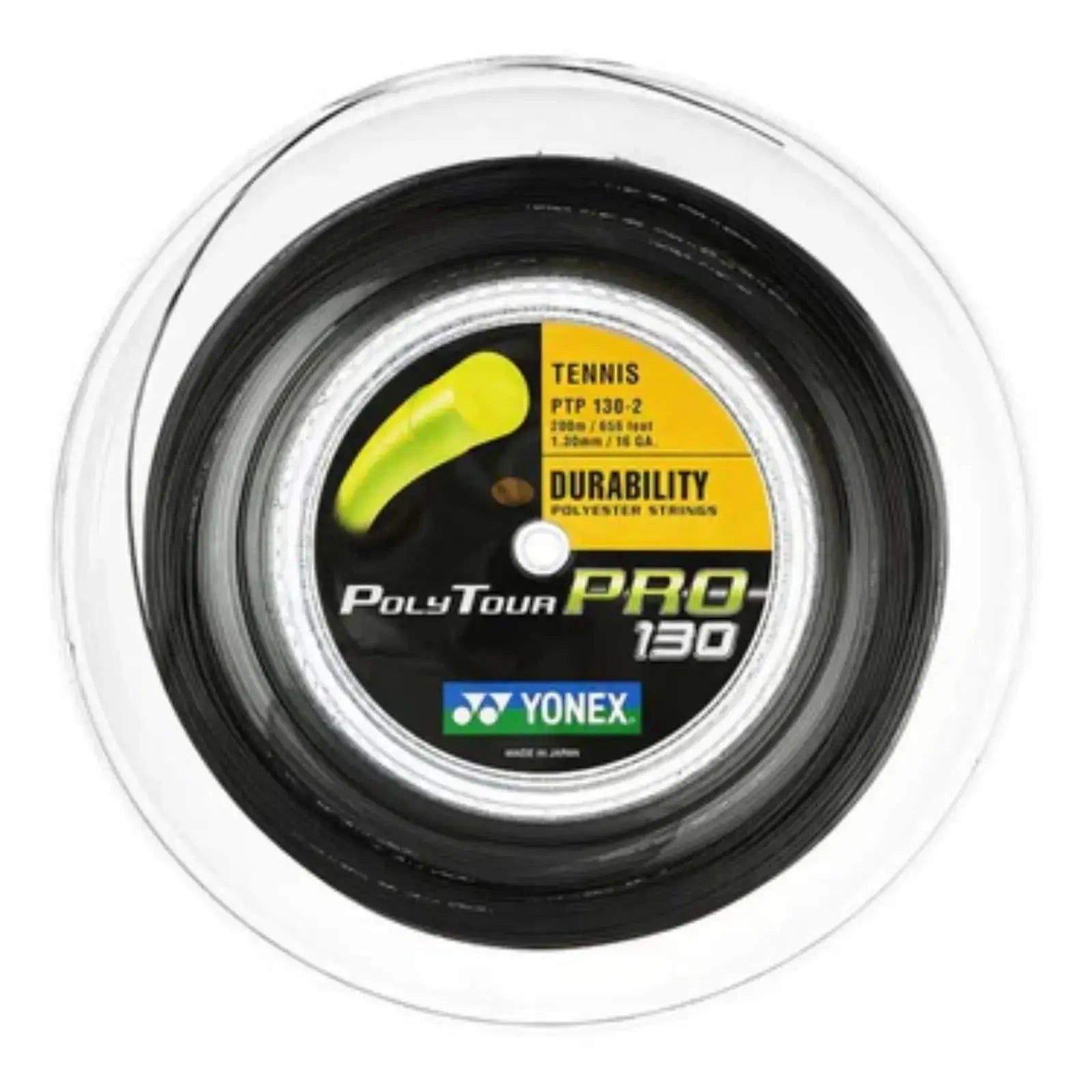
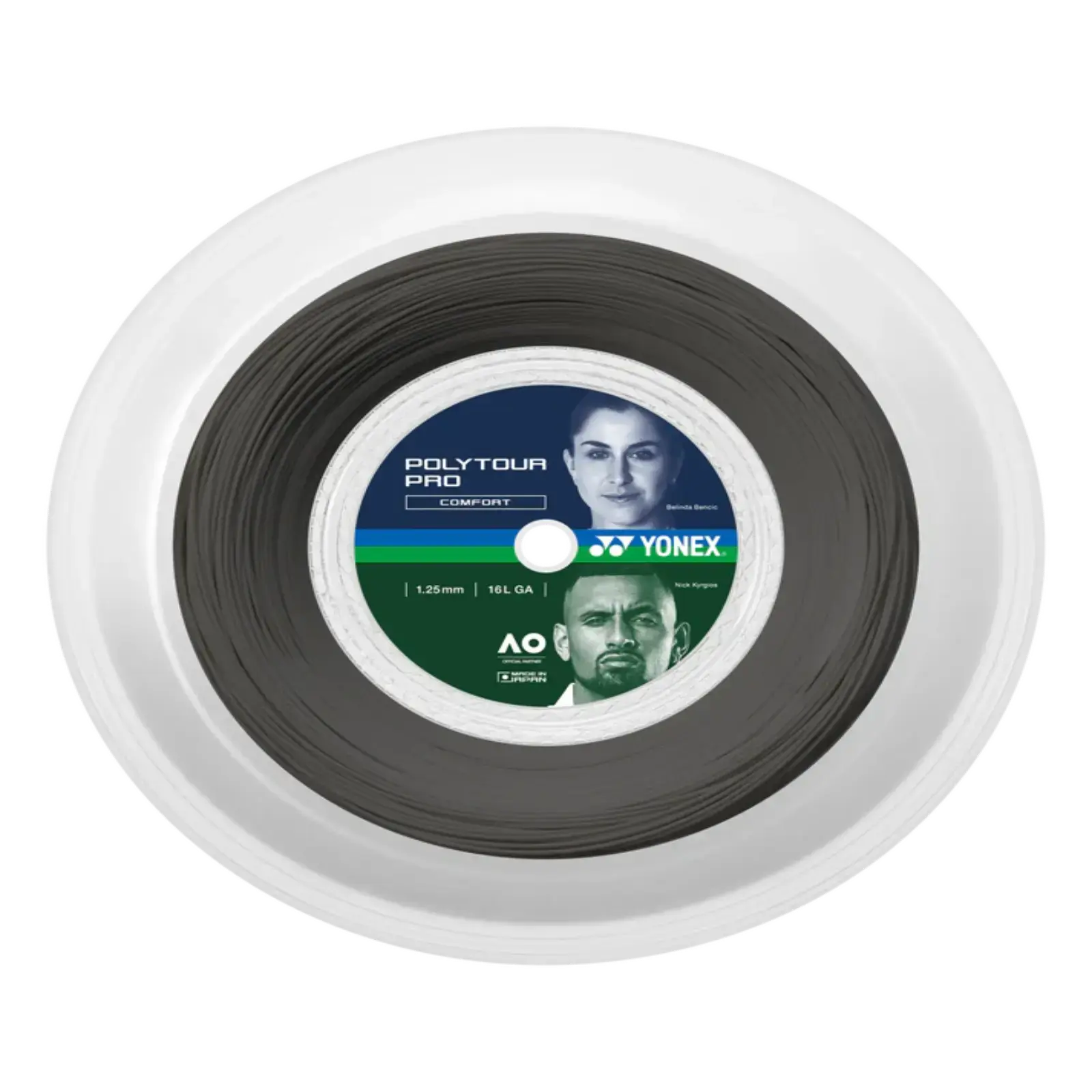
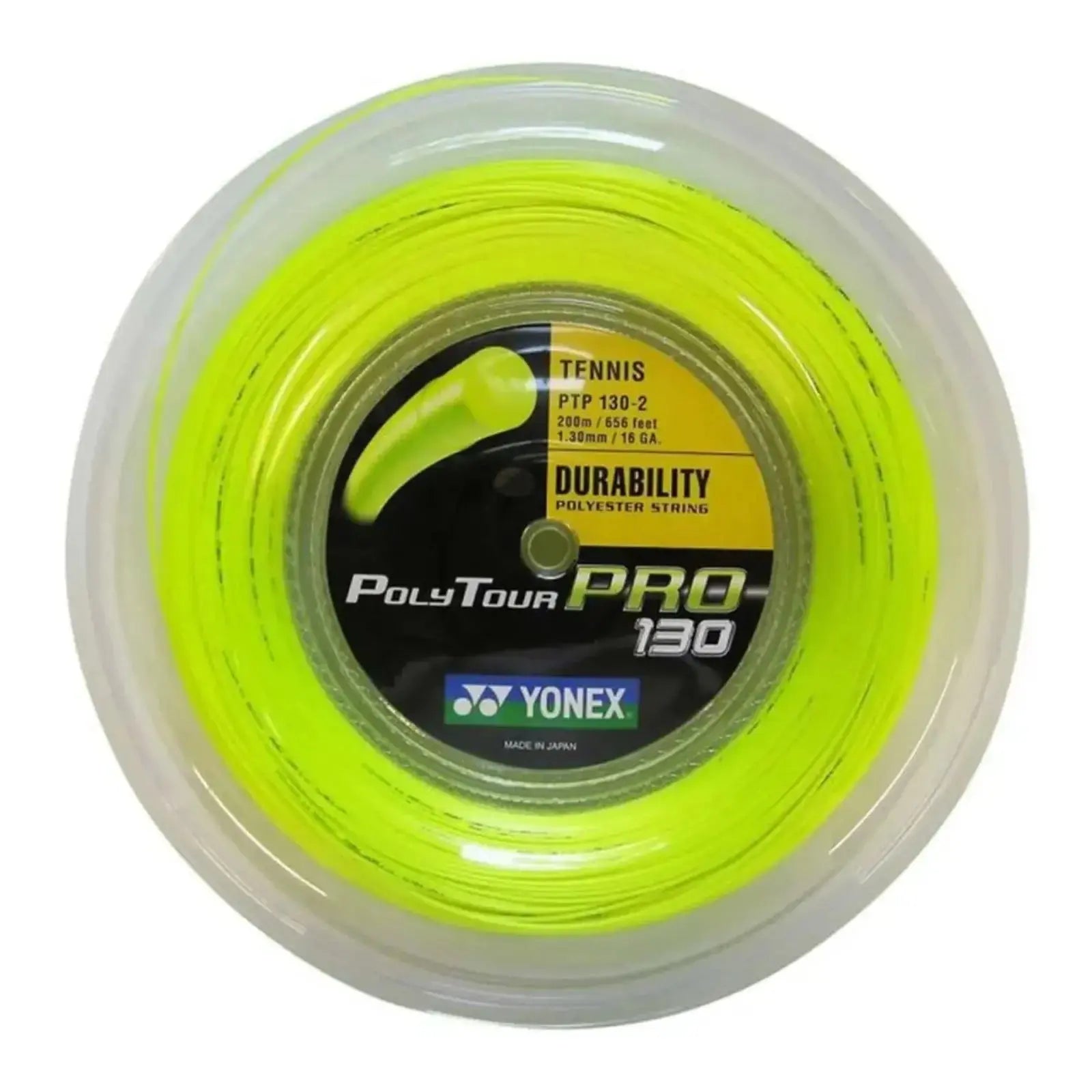
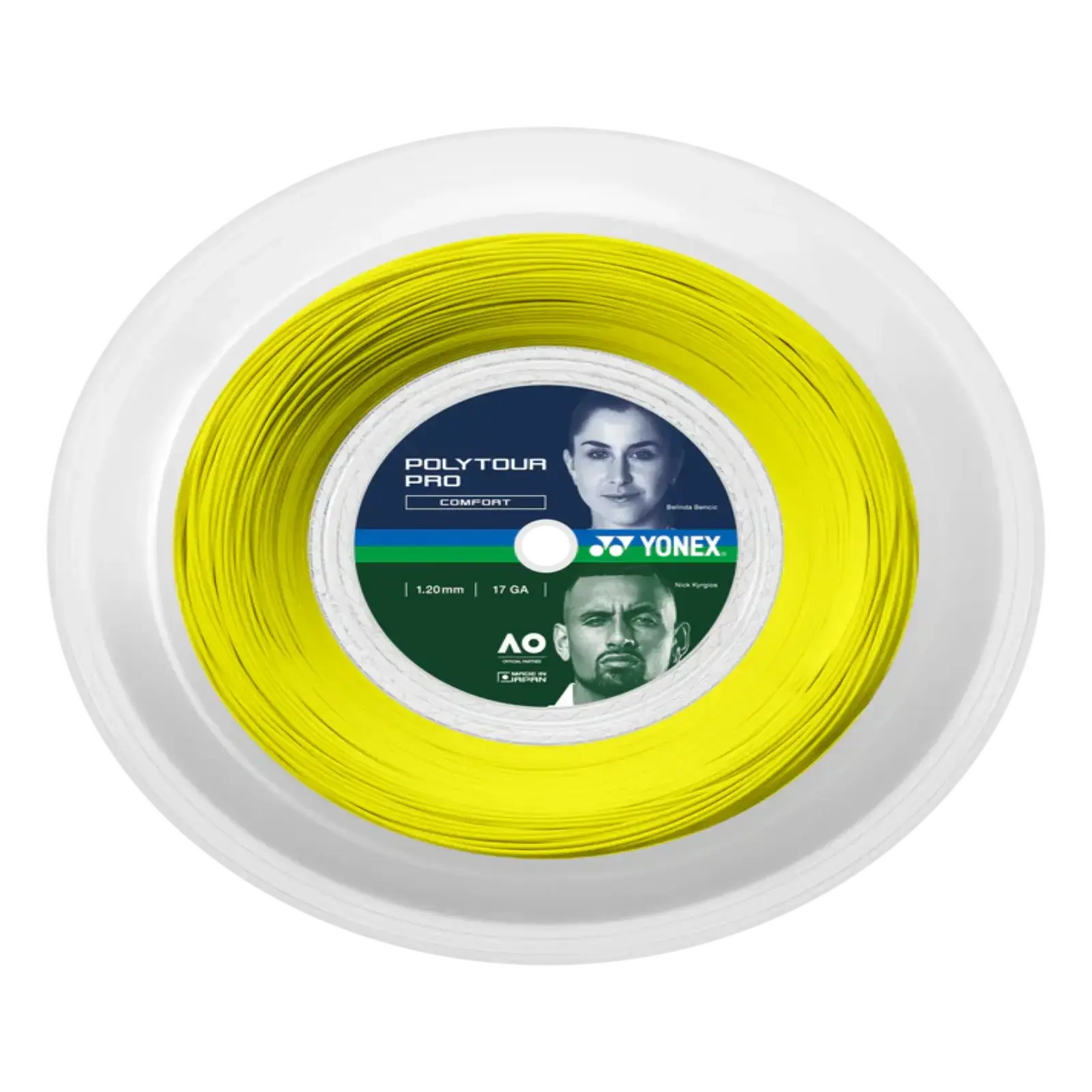
For pure durability, Babolat Synthetic Gut Force or RPM Hurricane in 16 gauge. For poly users, Wilson Luxilon ALU Power or Yonex Poly Tour Pro in thicker gauges. For training and coaching, value-tier strings like 200m reels stretch your budget further. Browse Babolat strings for full durability options.
Frequently asked questions
What's the most durable tennis string?
Round monofilament polyesters in 16 gauge — Babolat RPM Hurricane, Wilson Luxilon ALU Power Round, and Tecnifibre Synthetic Gut.
Why does my string break so often?
Three reasons: thin gauge, heavy spin technique that grinds the strings, and aggressive racquet head speed. Switching to thicker gauge poly often fixes it.
Are durable strings worse for performance?
Marginally — thicker poly grips slightly less than thinner. The trade-off is significantly longer life. Most recreational players don't notice the performance difference.
How long does a durable polyester last?
16-gauge monofilament poly typically lasts 15-25 hours of regular play before noticeable tension loss or breakage.
Is hybrid stringing more durable?
Yes — using poly mains (which break first) and a softer, longer-lasting cross string extends overall life. Common in coaching set-ups.