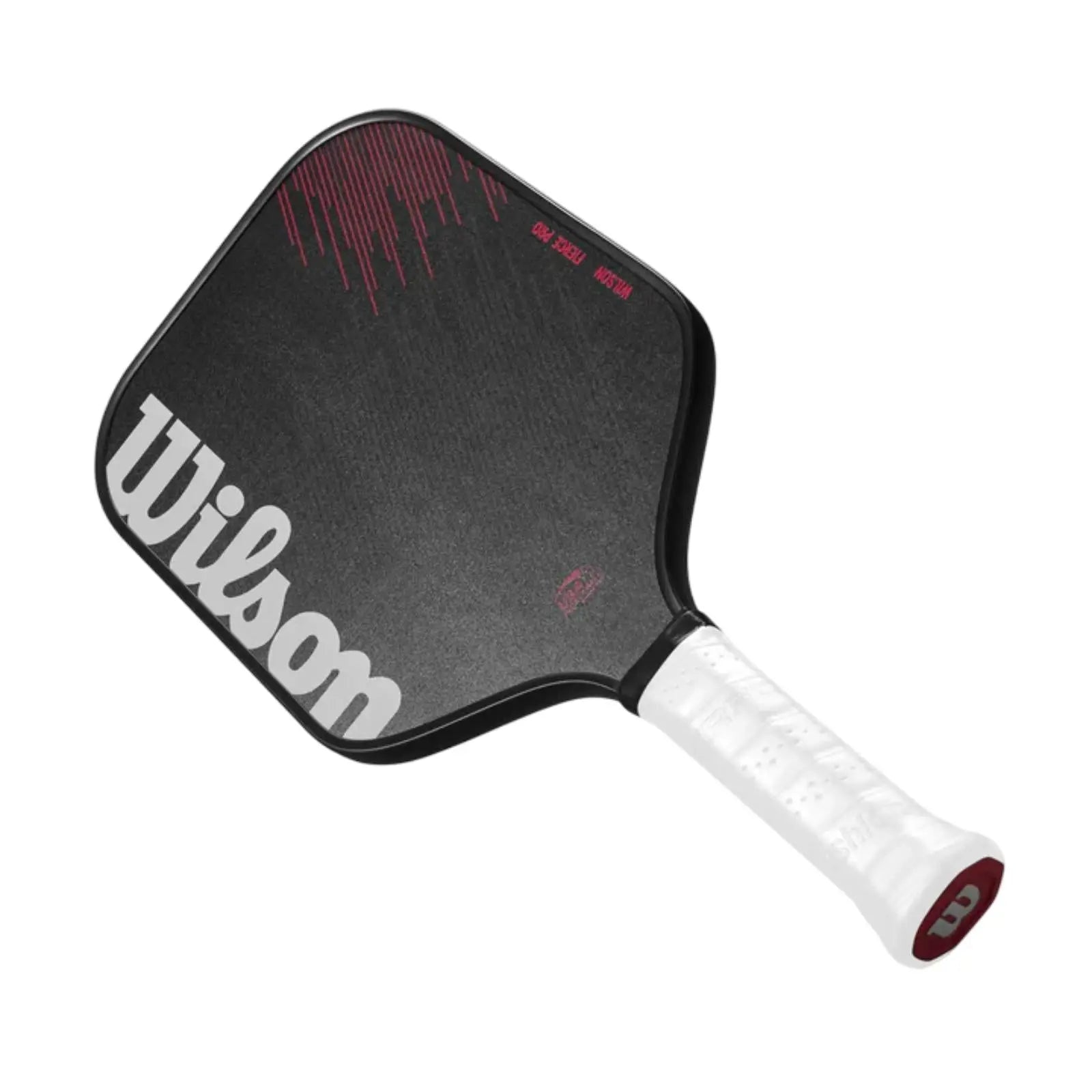
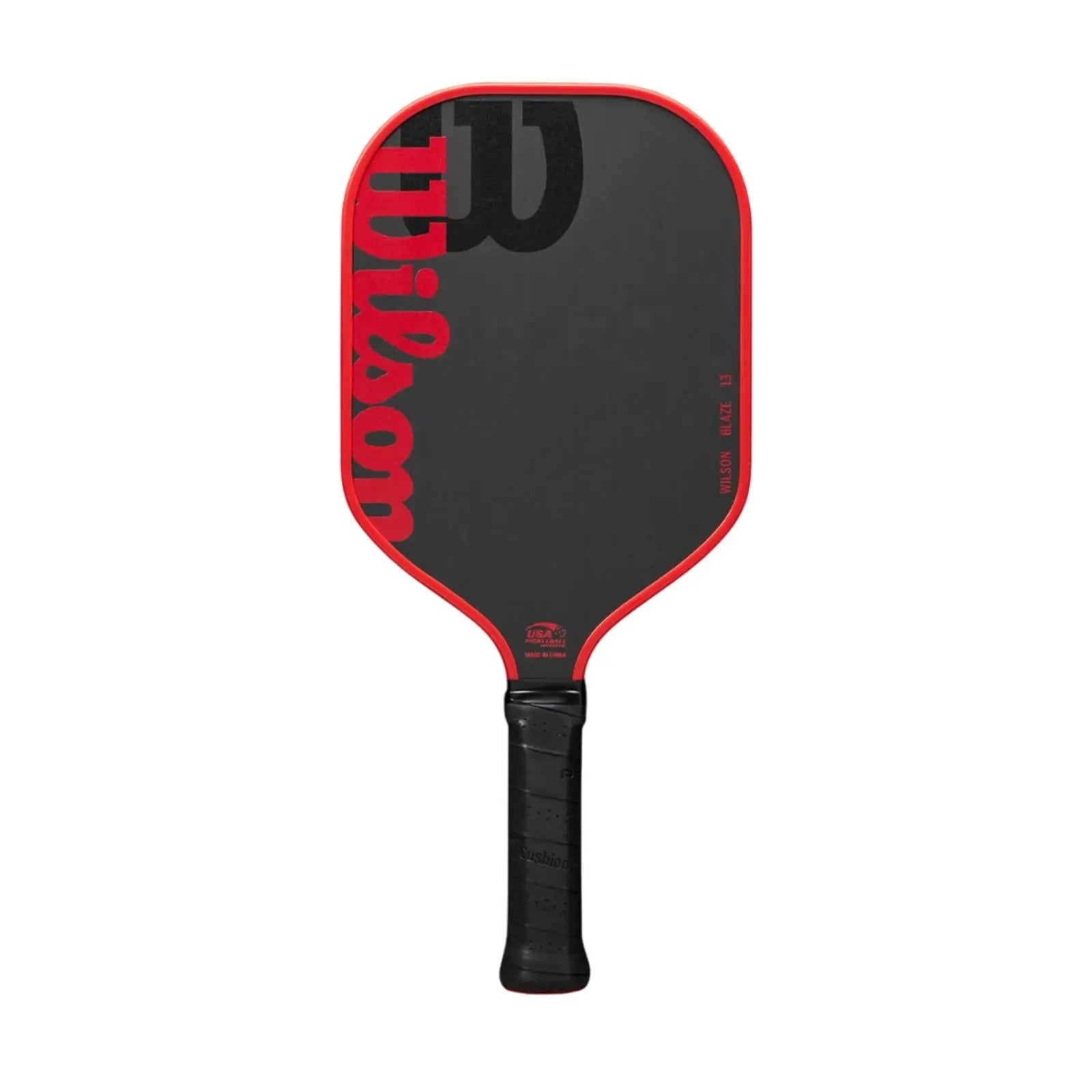
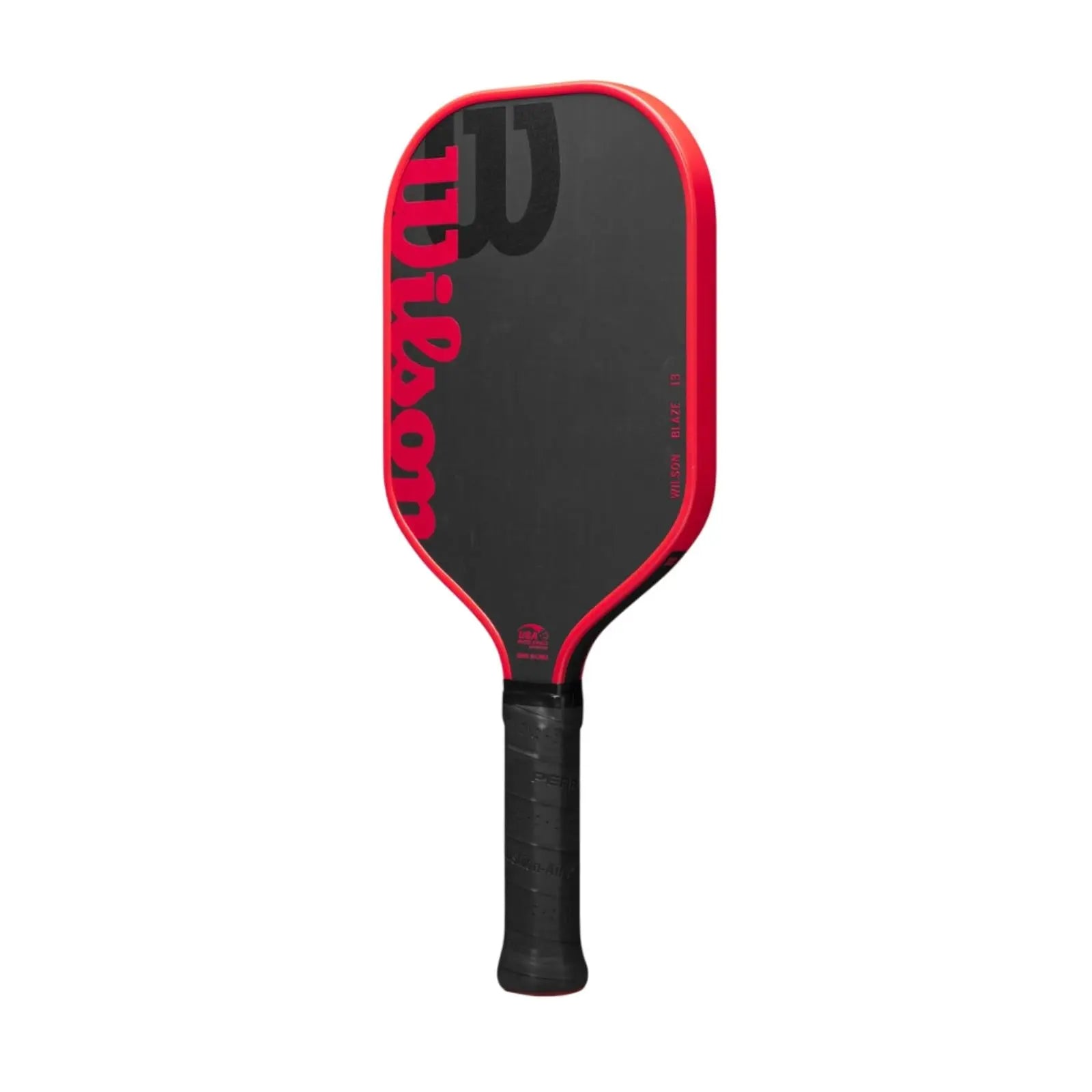
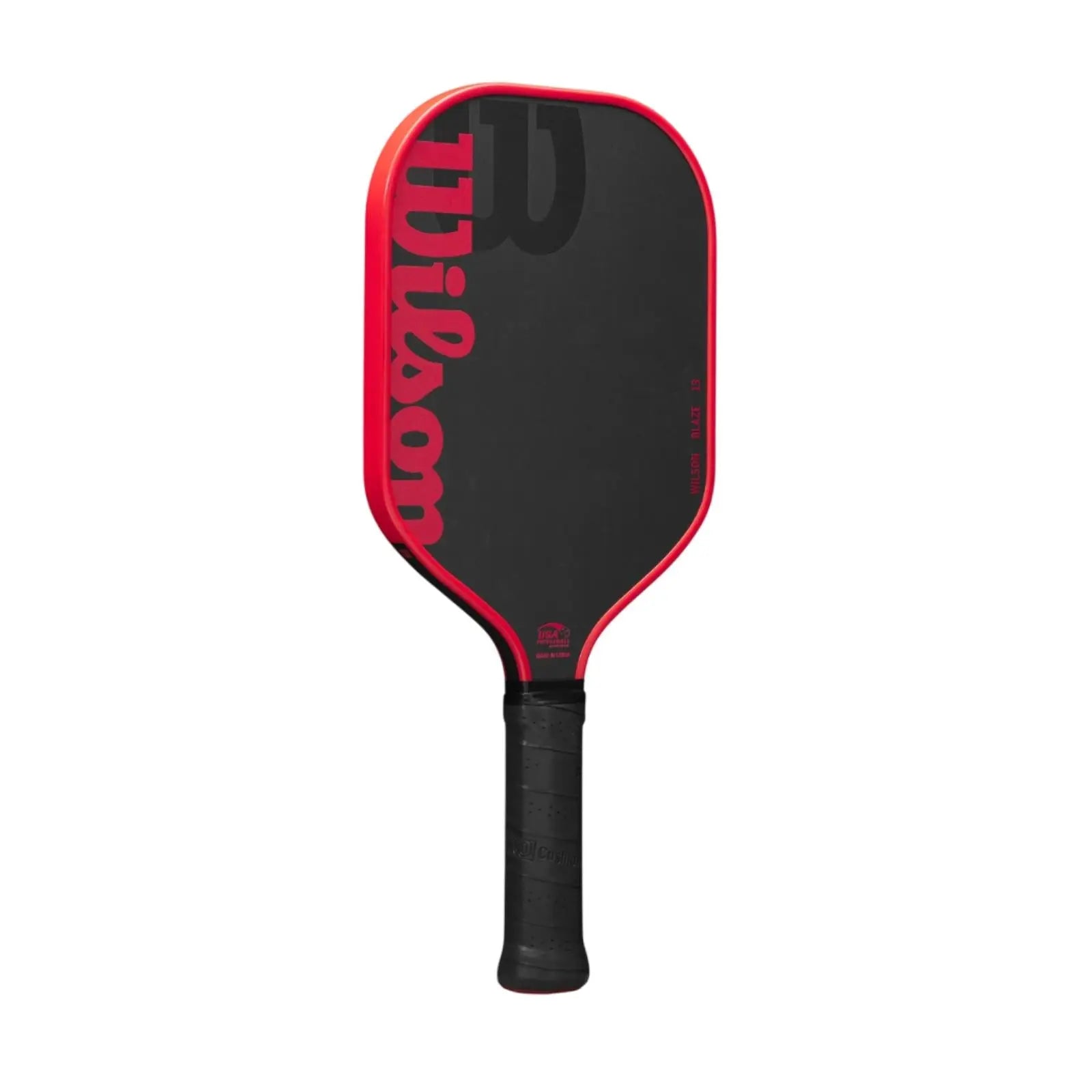
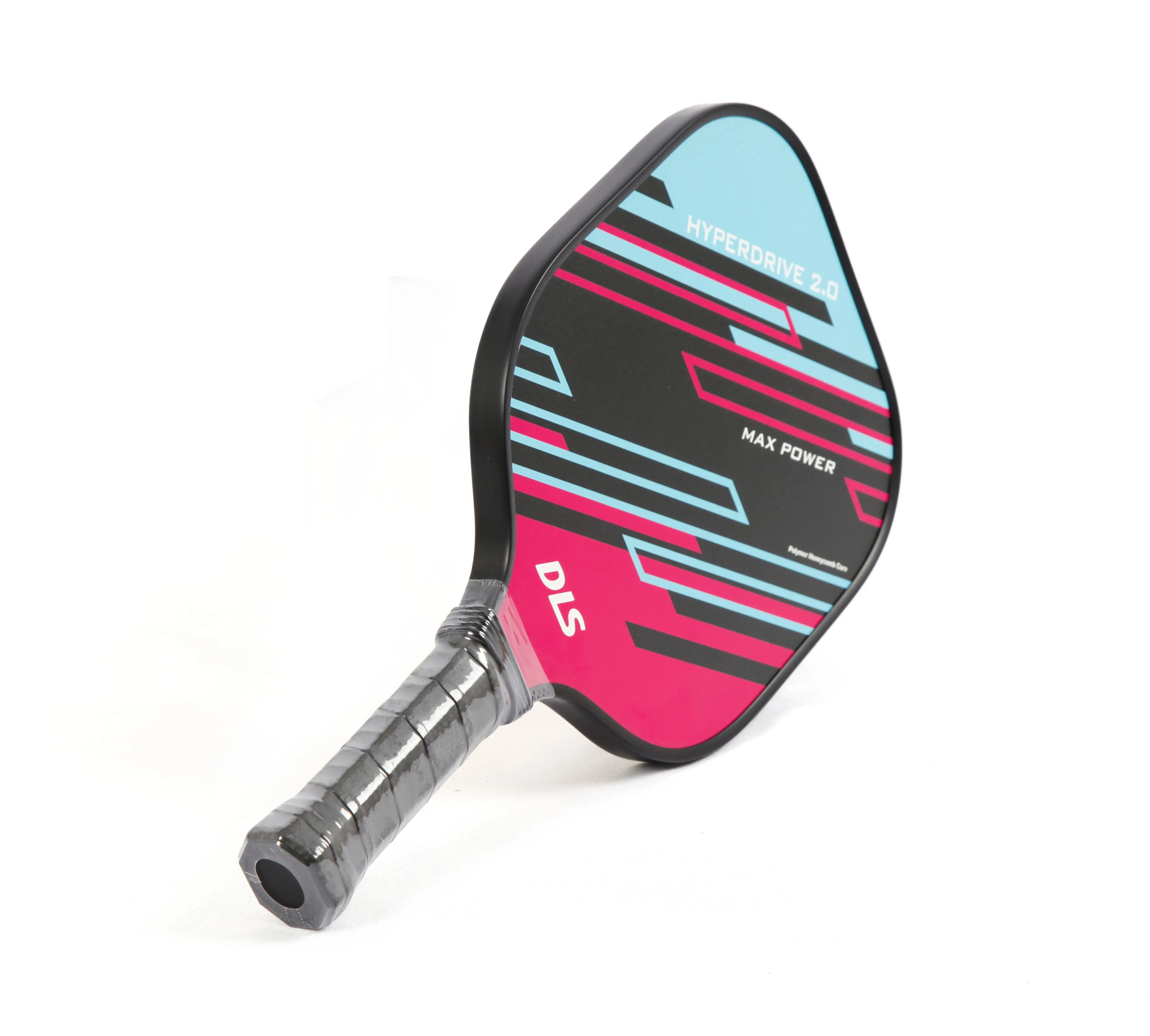
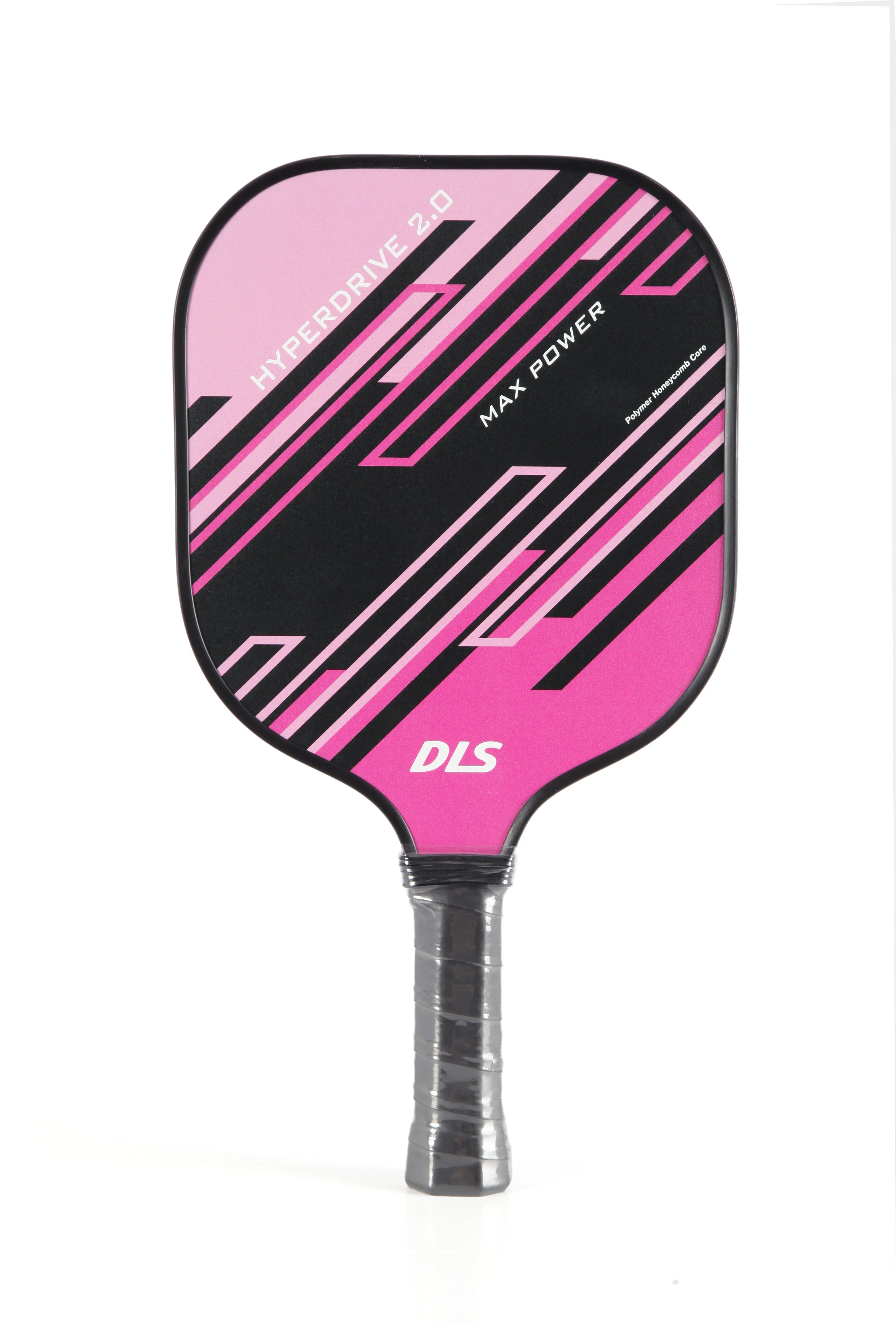
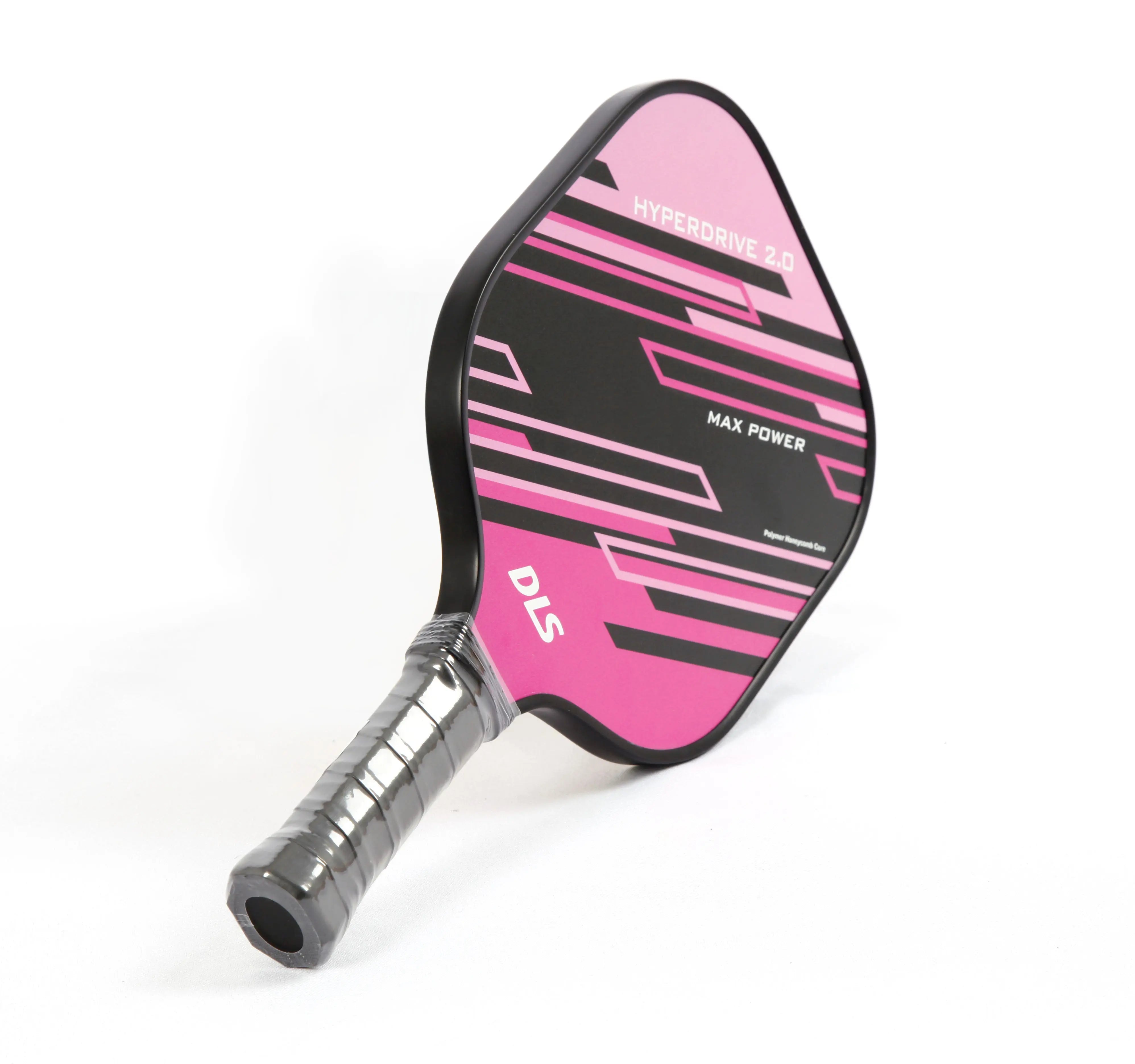
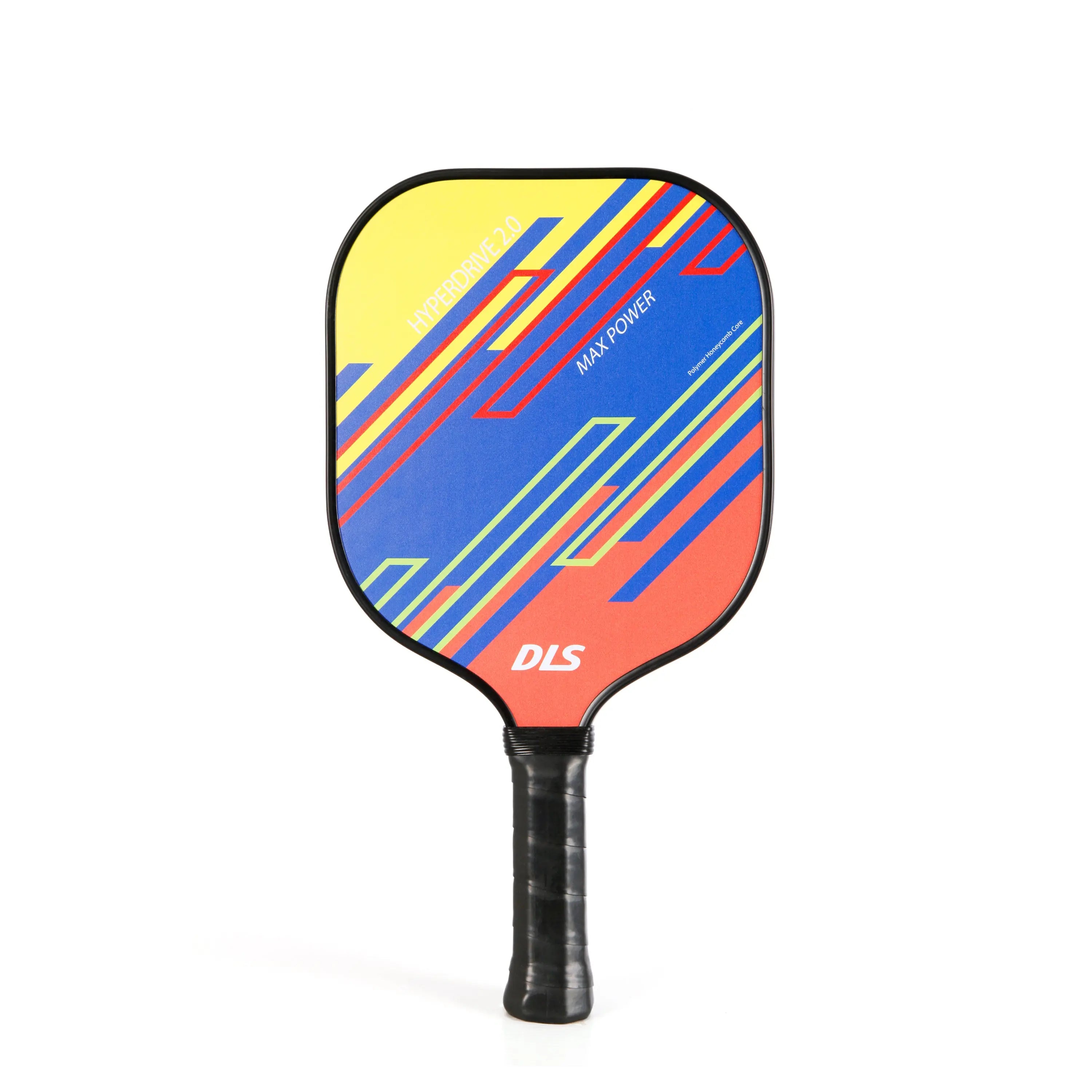
Beginner Pickleball Paddles
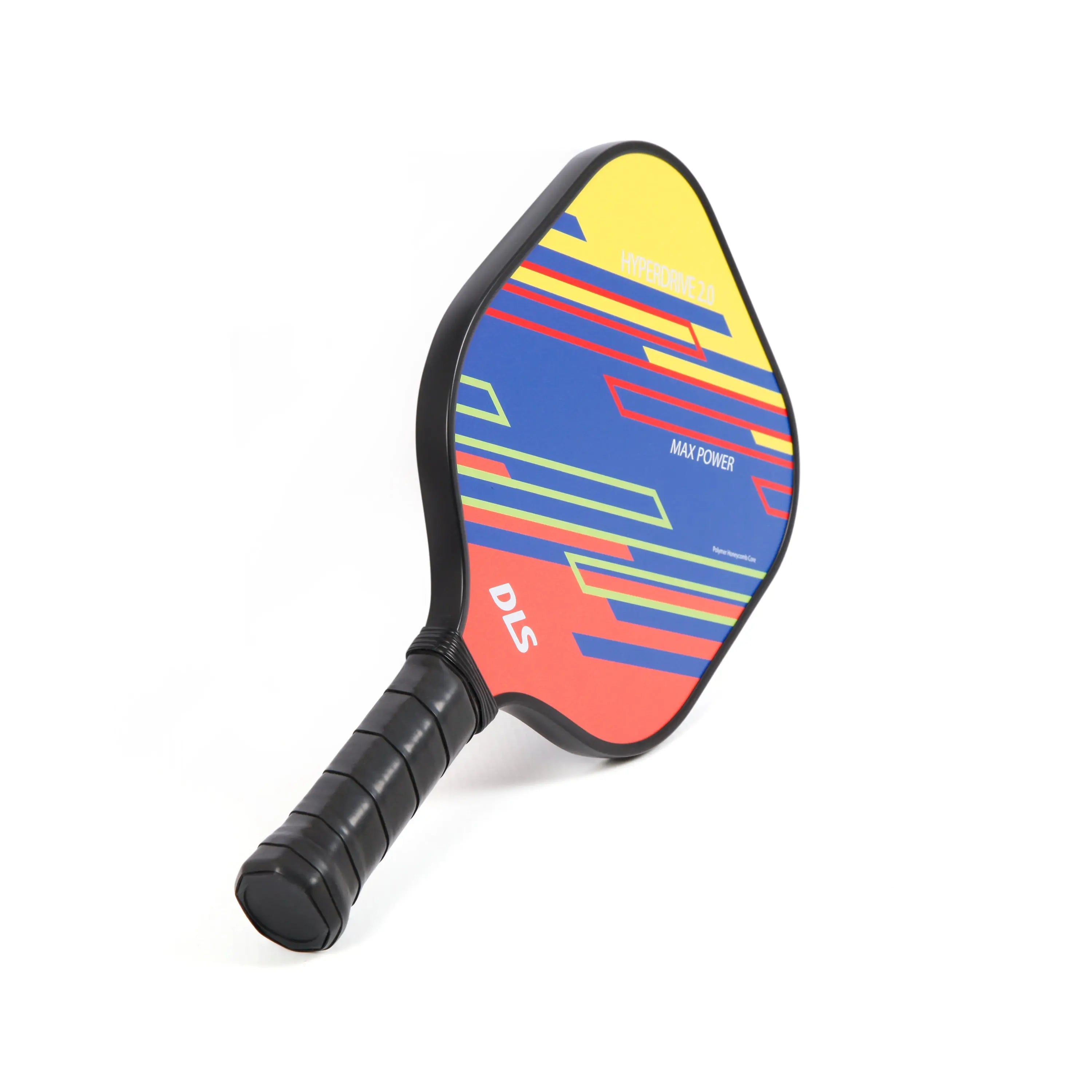
Just getting into pickleball? You’ll want a paddle that helps you learn, not one that gets in the way. Beginner paddles are made to be forgiving — that means they’re easy to hit with, even if your contact isn’t perfect yet. They’re lighter, softer, and have bigger sweet spots than fancier paddles, so you can focus on having fun and learning the game.
What makes a paddle beginner-friendly?
Beginner paddles aren’t the cheapest paddles — they’re the easiest ones to use. The materials and shape are chosen so that even when you don’t hit the ball perfectly in the middle, the paddle still works for you.
Here’s what to look for, and what it means:
-
Soft inside (13–16mm polypropylene honeycomb core): The middle of the paddle is made of a soft honeycomb material. It cushions your shots so you don’t feel a hard jolt when you hit the ball.
-
Soft outer face (fibreglass or composite): The hitting surface has a bit of natural “pop” to it. That means you don’t need to swing hard to get the ball over.
-
Light (7.3–7.8 oz / 207–221g): Easy to swing, easy on your arm. Less chance of getting tired during a long game.
-
Wide shape: A wider paddle gives you a bigger hitting area — more room for mistakes.
-
Standard length (15.5–16 inches): The official size used in most games.
All this means: when you mishit the ball (which everyone does at first), the paddle still does a good job. You don’t have to be perfect.
Is a beginner paddle right for you?
Yes, if you’re:
- Brand new to pickleball
- Playing casually with friends at the local court or in the backyard
- Coming from tennis or table tennis and still adjusting
- Over 50 or returning after time off — the softer cores are easier on the arm
- Anyone with tennis elbow or wrist sensitivity
If you can already win casual games, hit shots from the “kitchen” (the area near the net) with control, and you want more spin or power — you might be ready for an intermediate paddle.
How do these compare to other paddles?
| What to compare |
Beginner |
Intermediate |
Performance |
| Core thickness |
13–16mm (softer) |
14–16mm |
16–20mm (thicker) |
| Face material |
Fibreglass or composite |
Carbon fibre or mixed |
Raw carbon fibre |
| Weight |
7.3–7.8 oz (light) |
7.6–8.2 oz (medium) |
7.8–8.4 oz (heavier) |
| Sweet spot |
Biggest (most forgiving) |
Medium |
Smaller (most precise) |
| Best for |
Just starting out |
Improving players |
Tournament play |
Trusted brands for first paddles
-
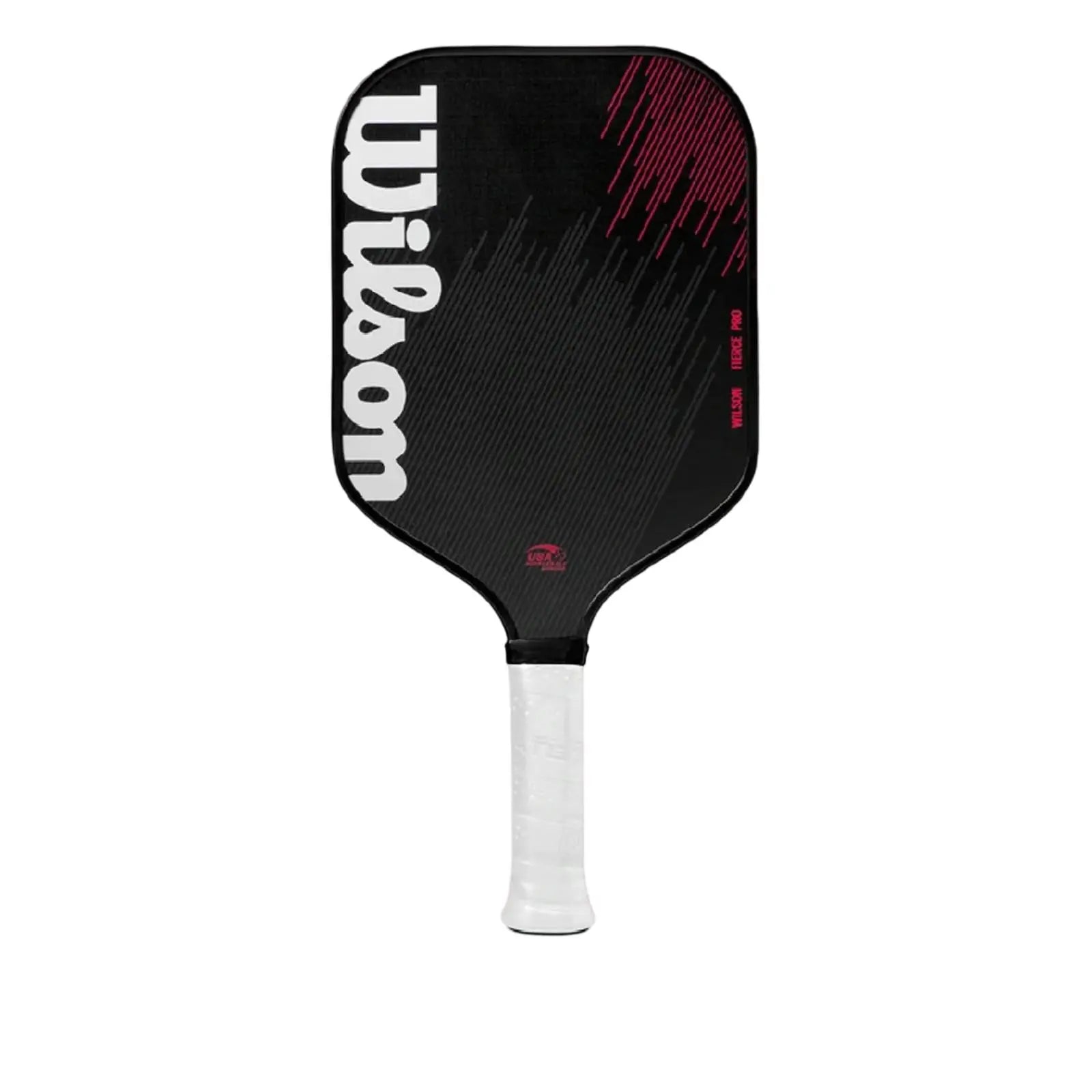
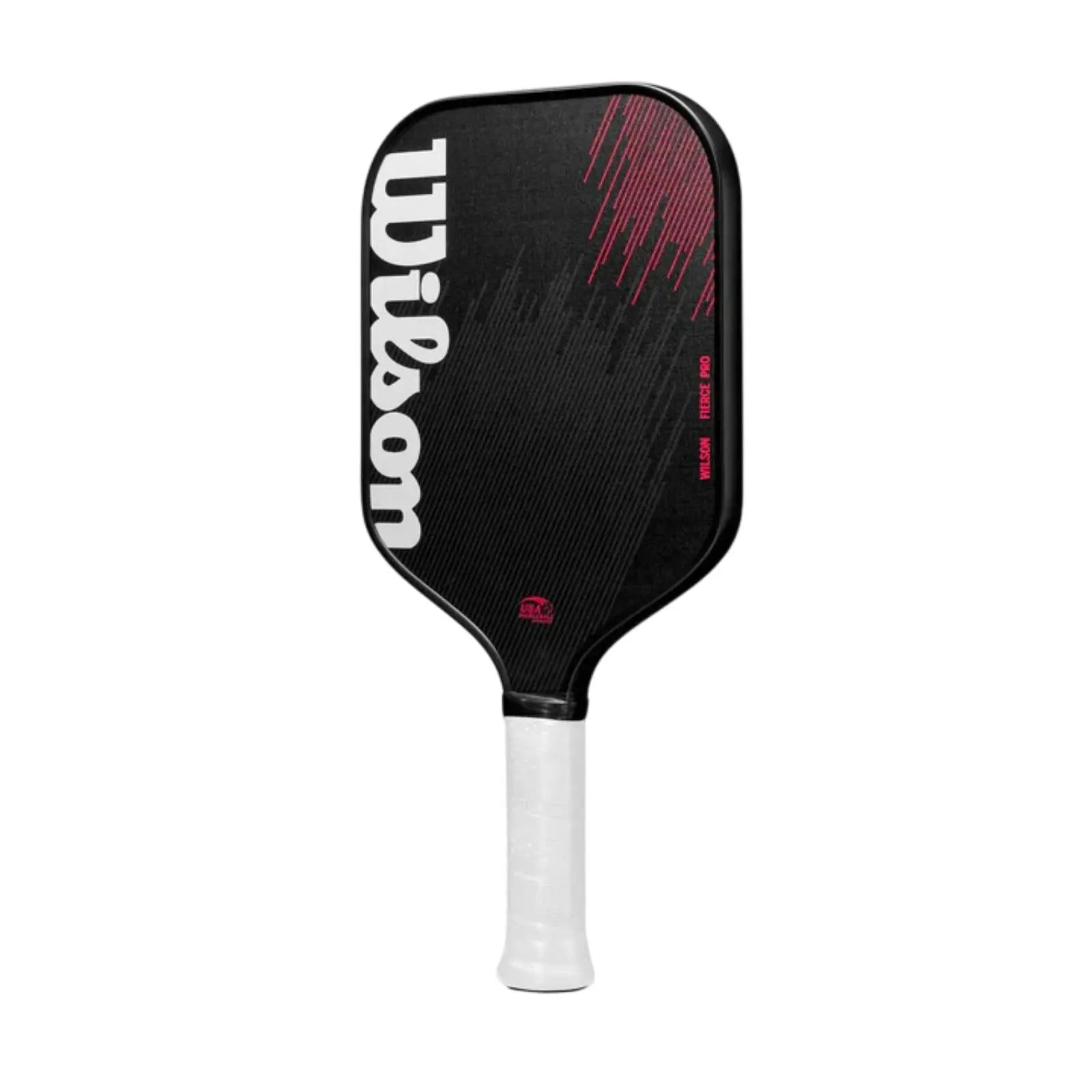
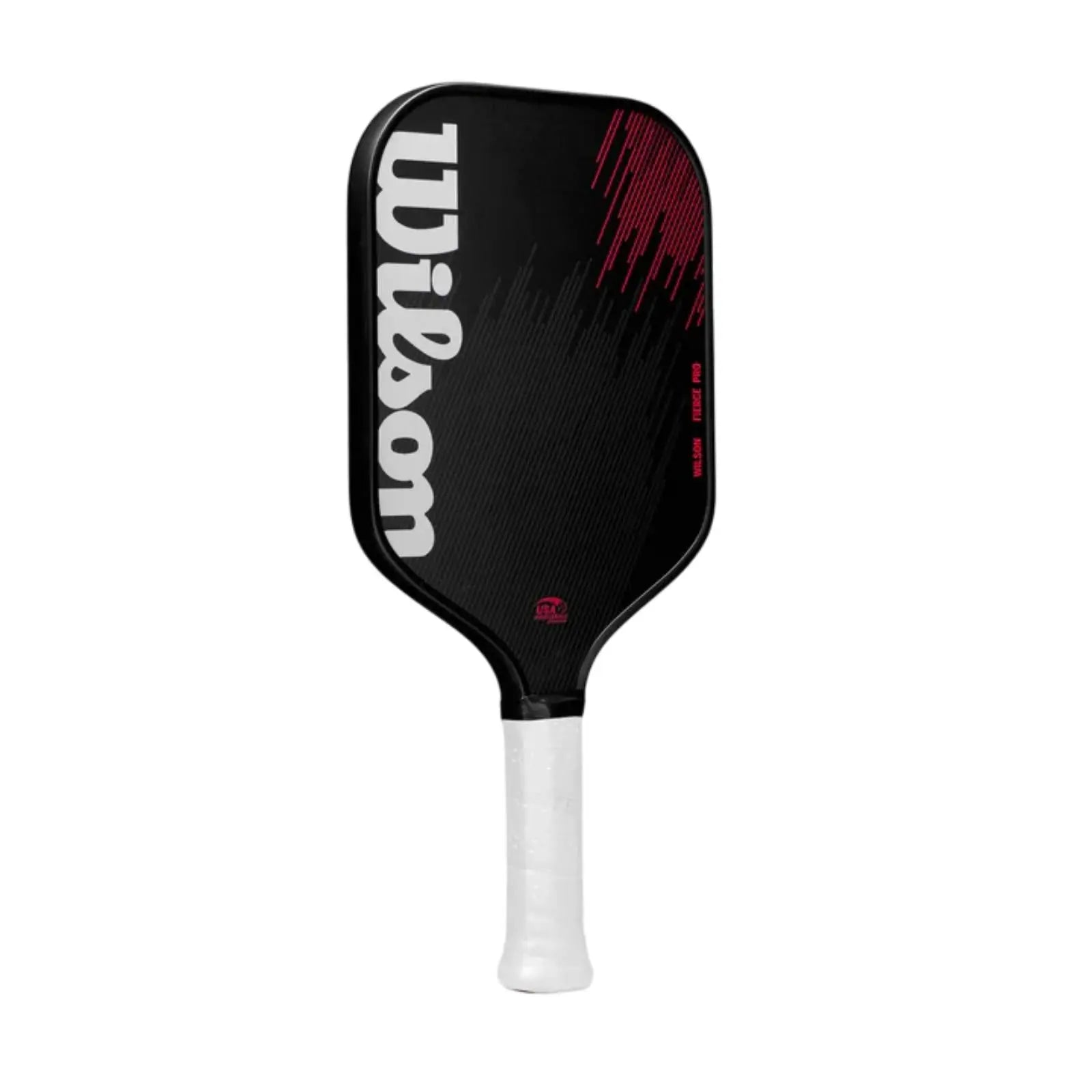
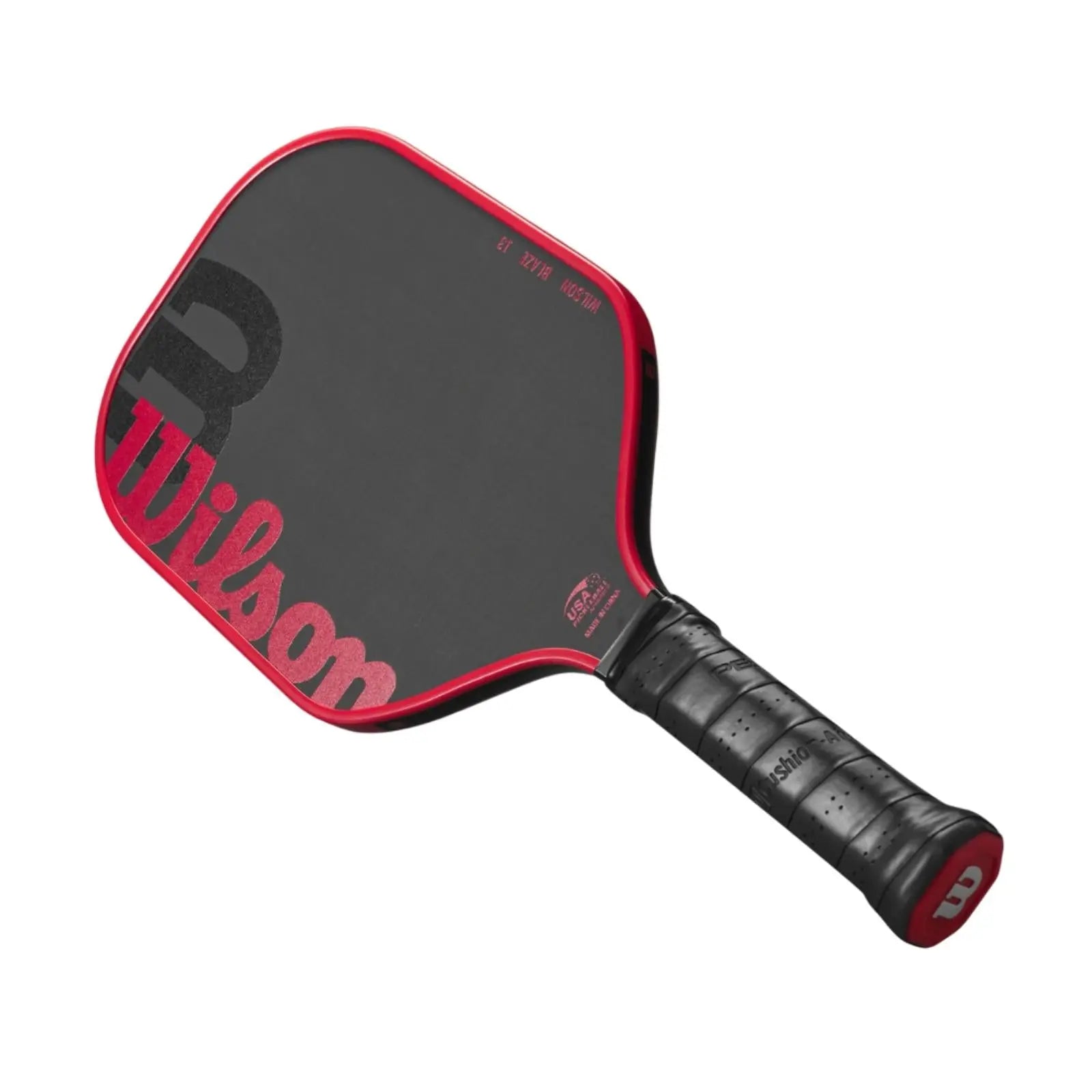
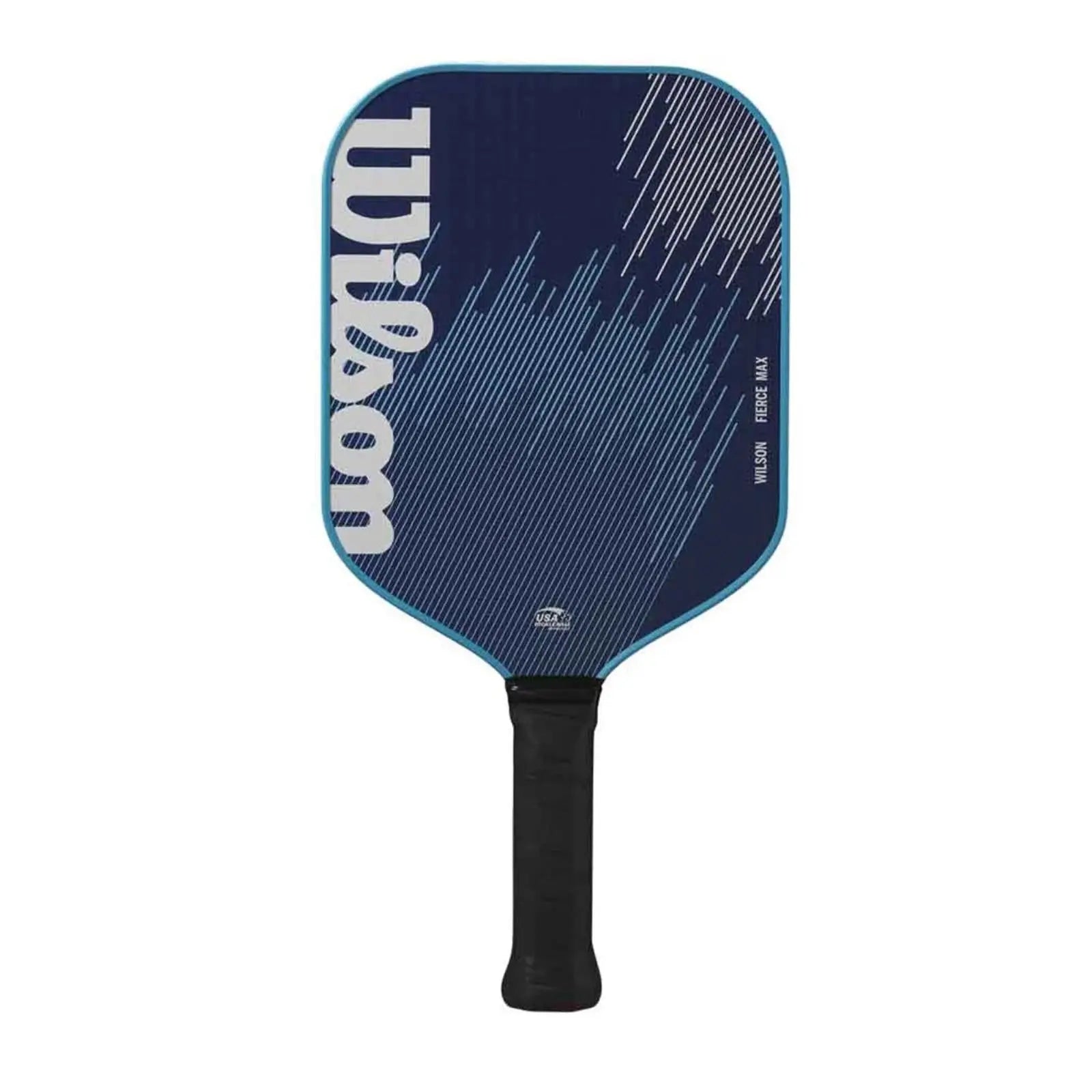
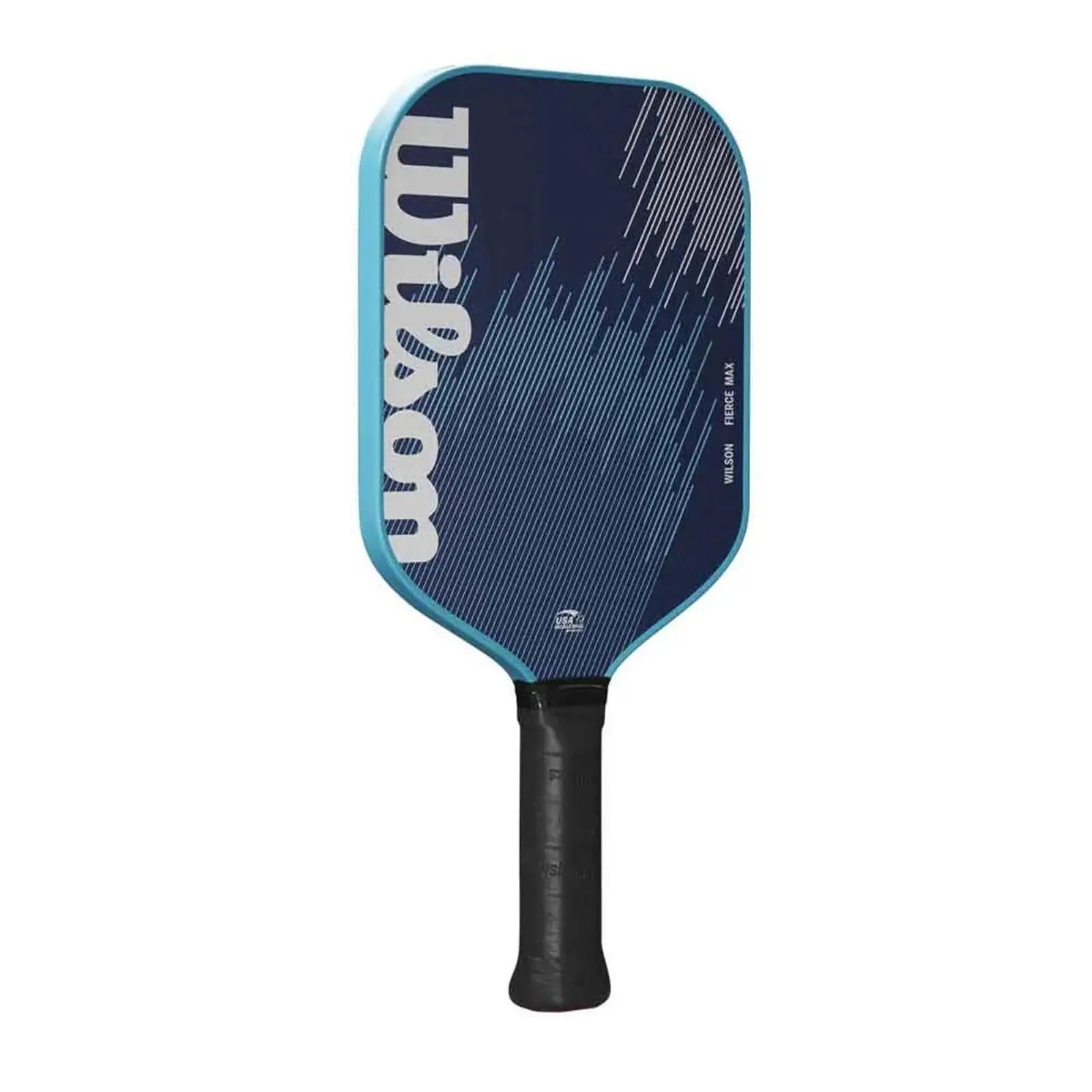
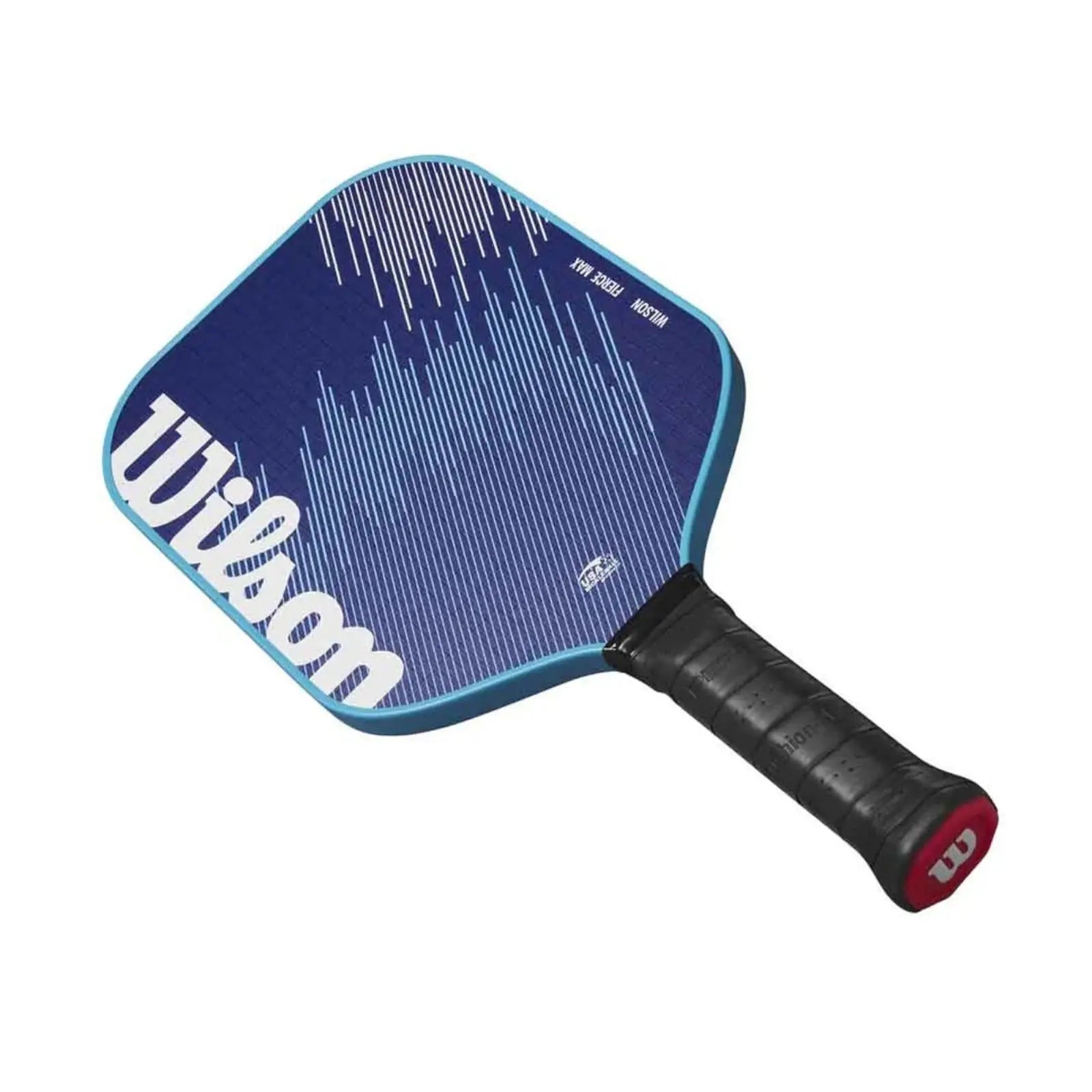
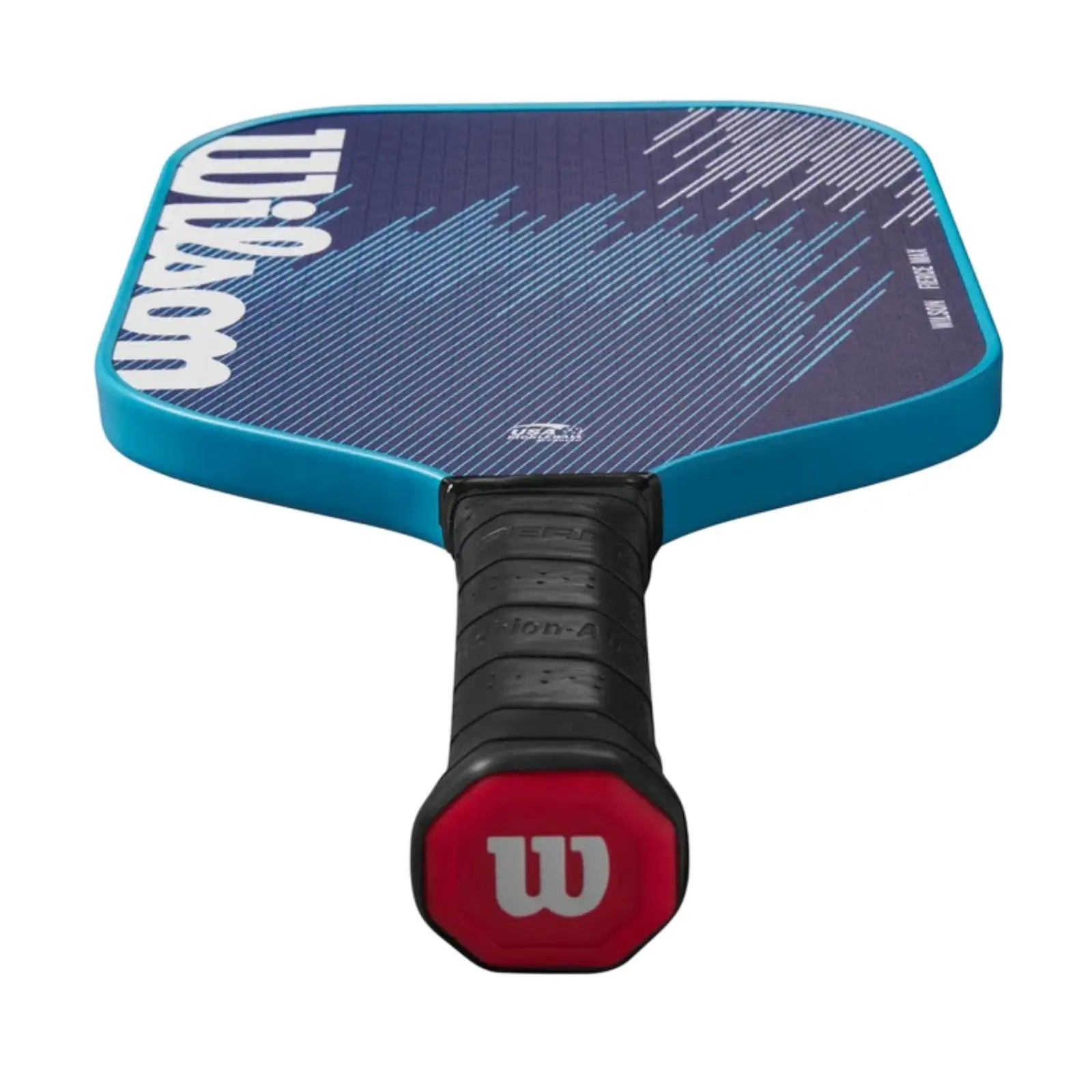
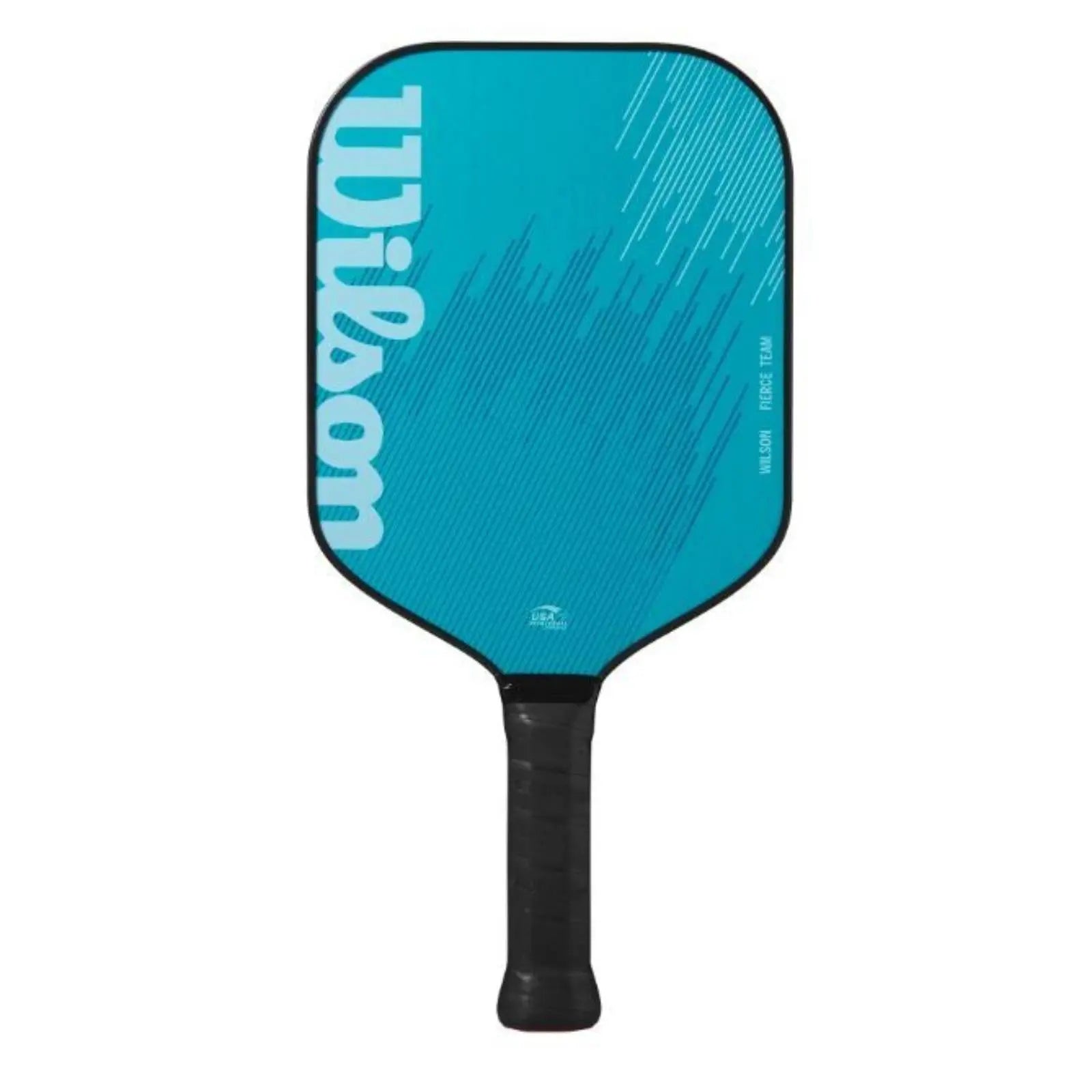
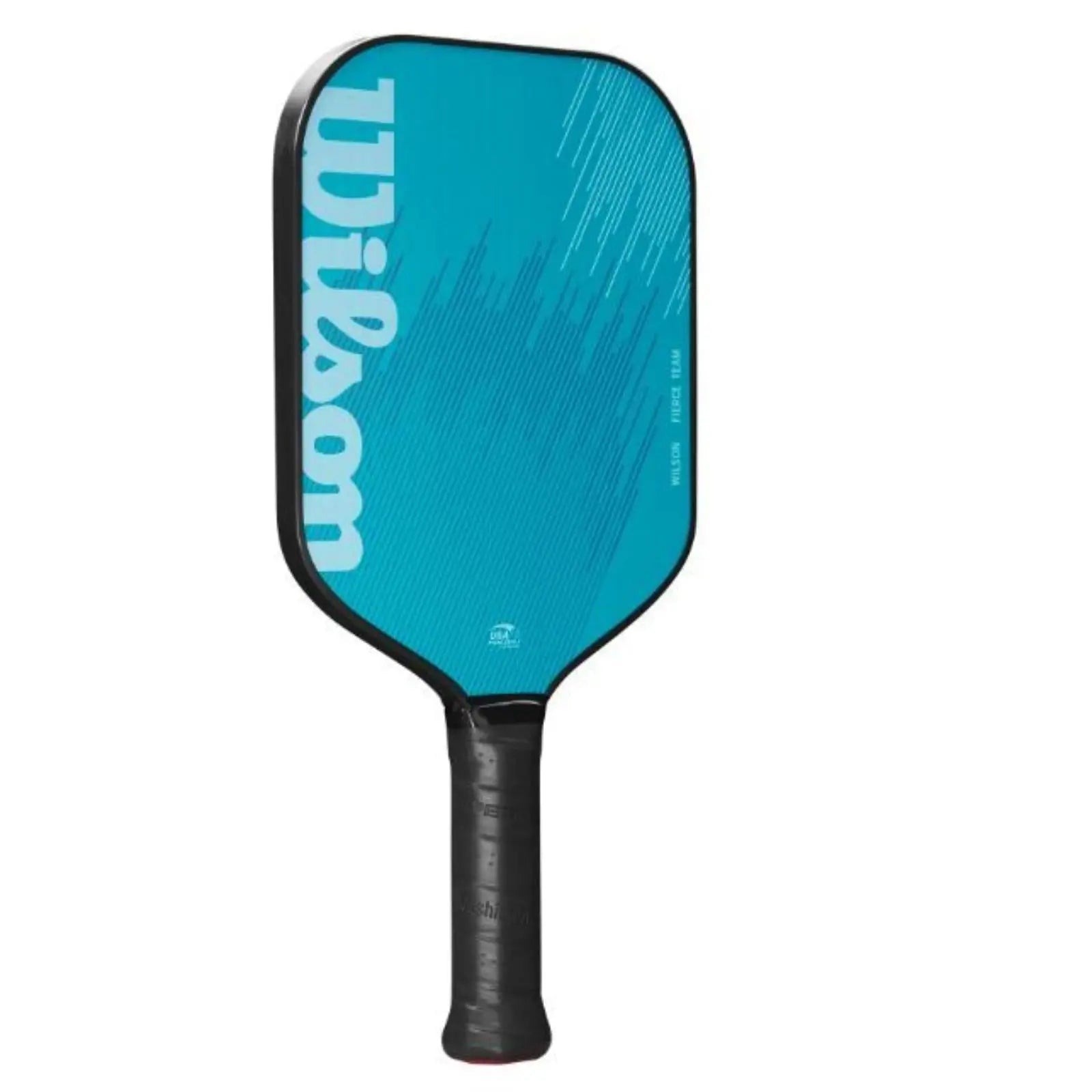
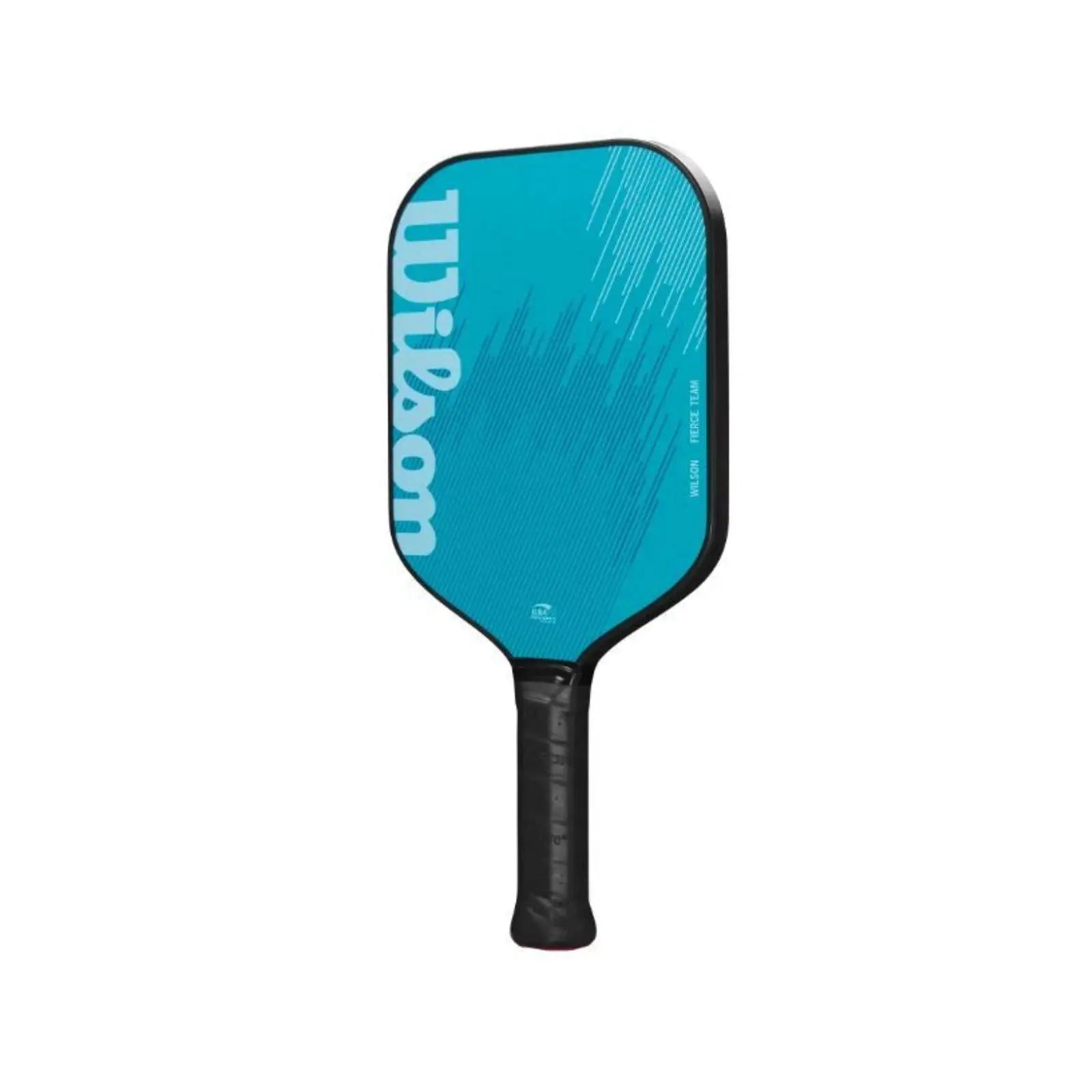
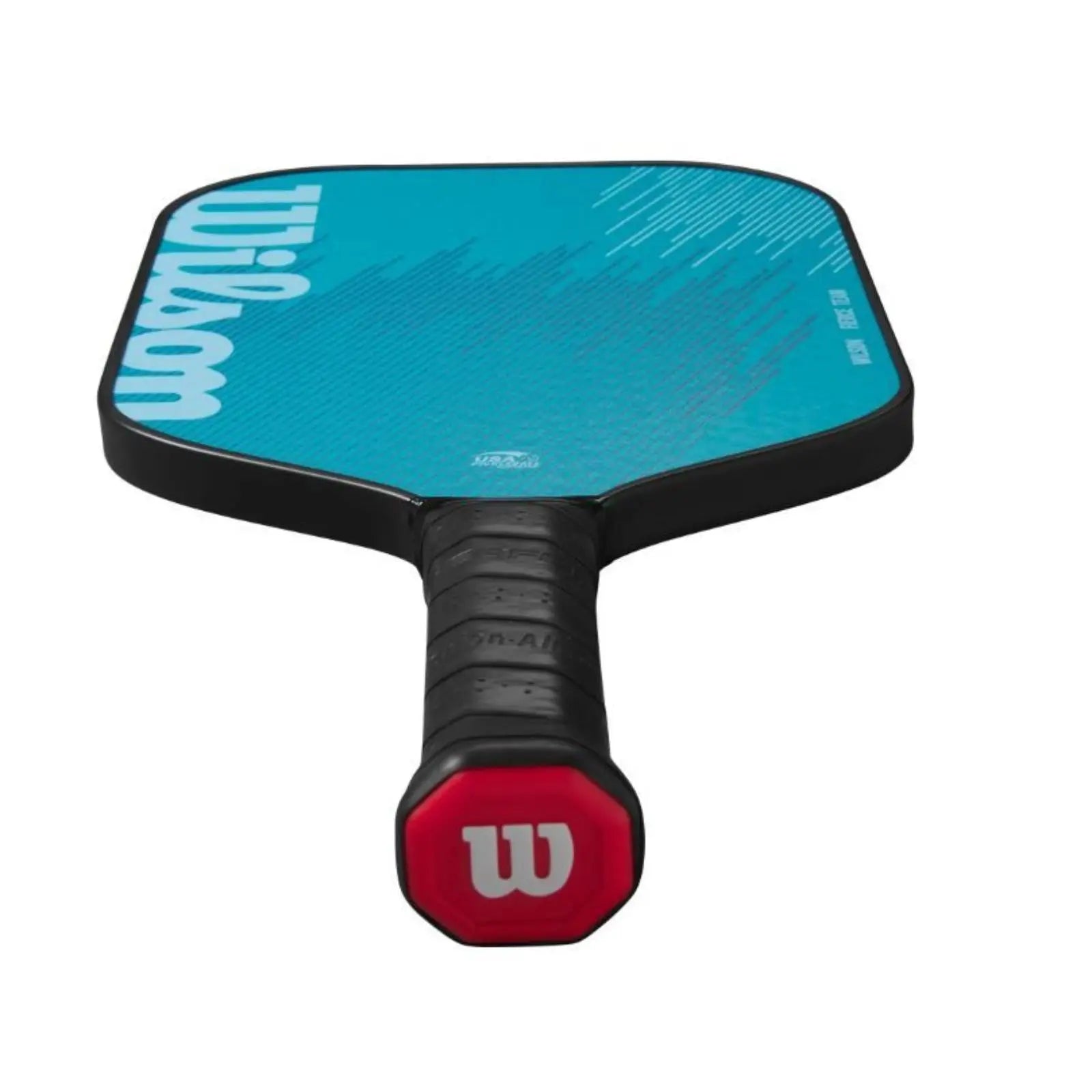
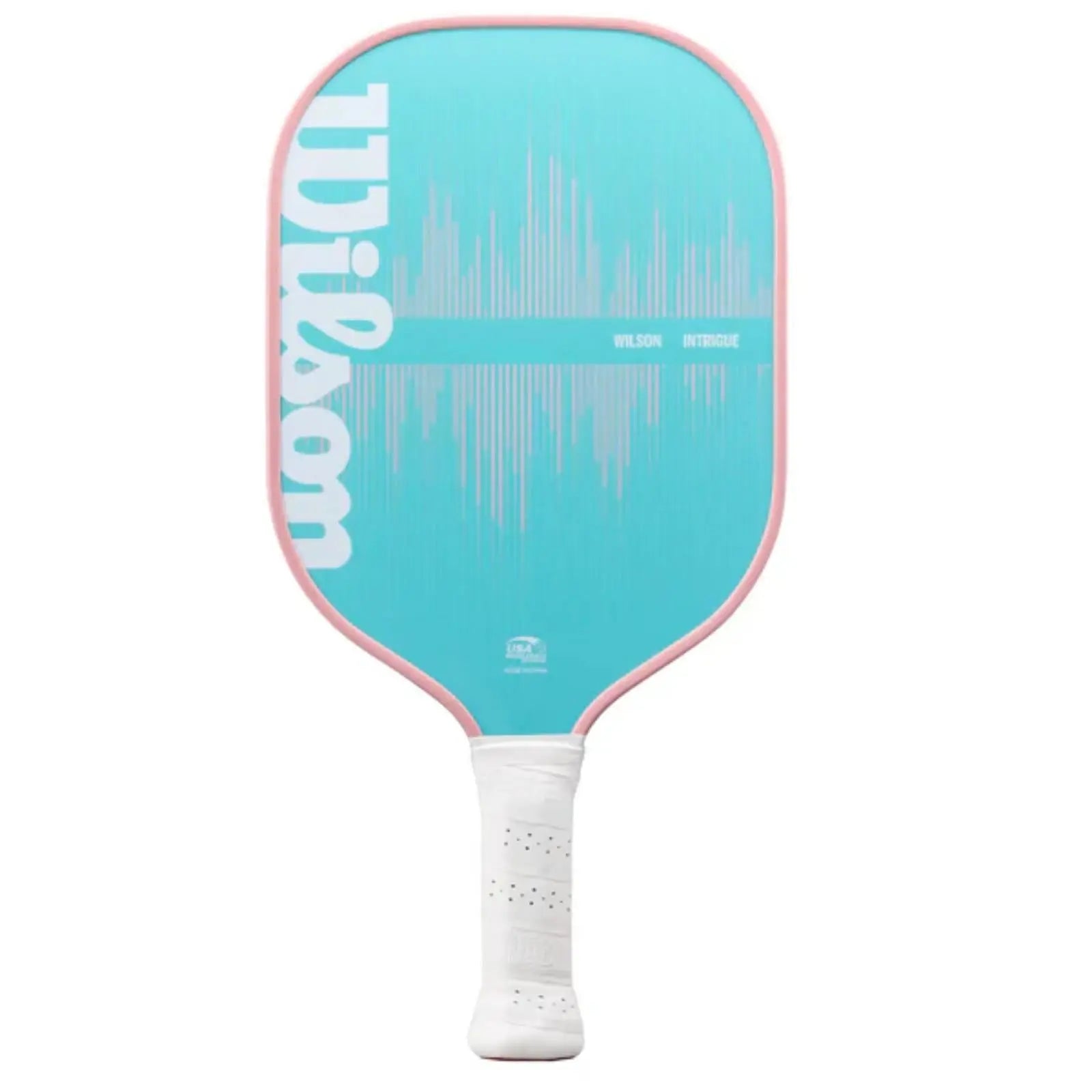
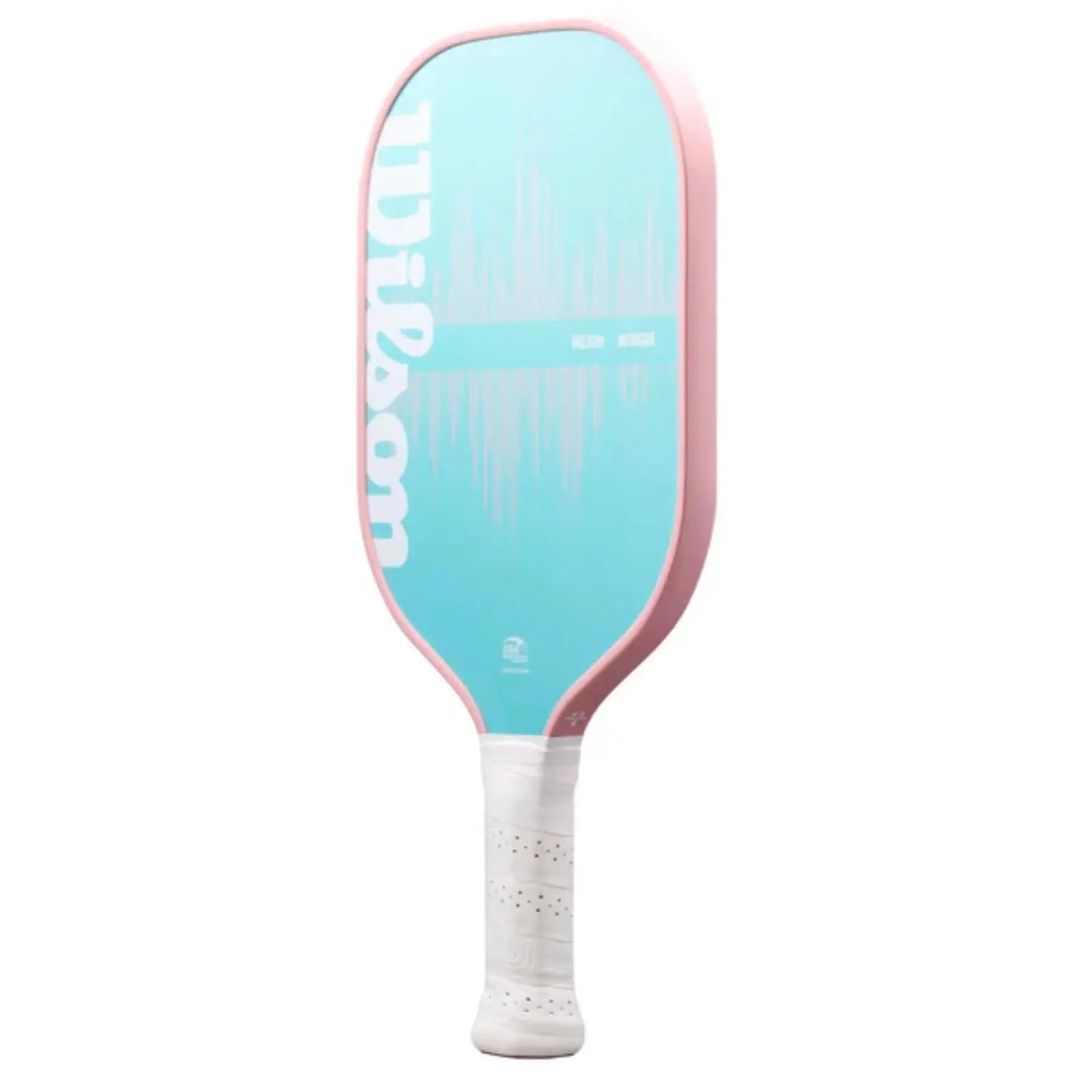
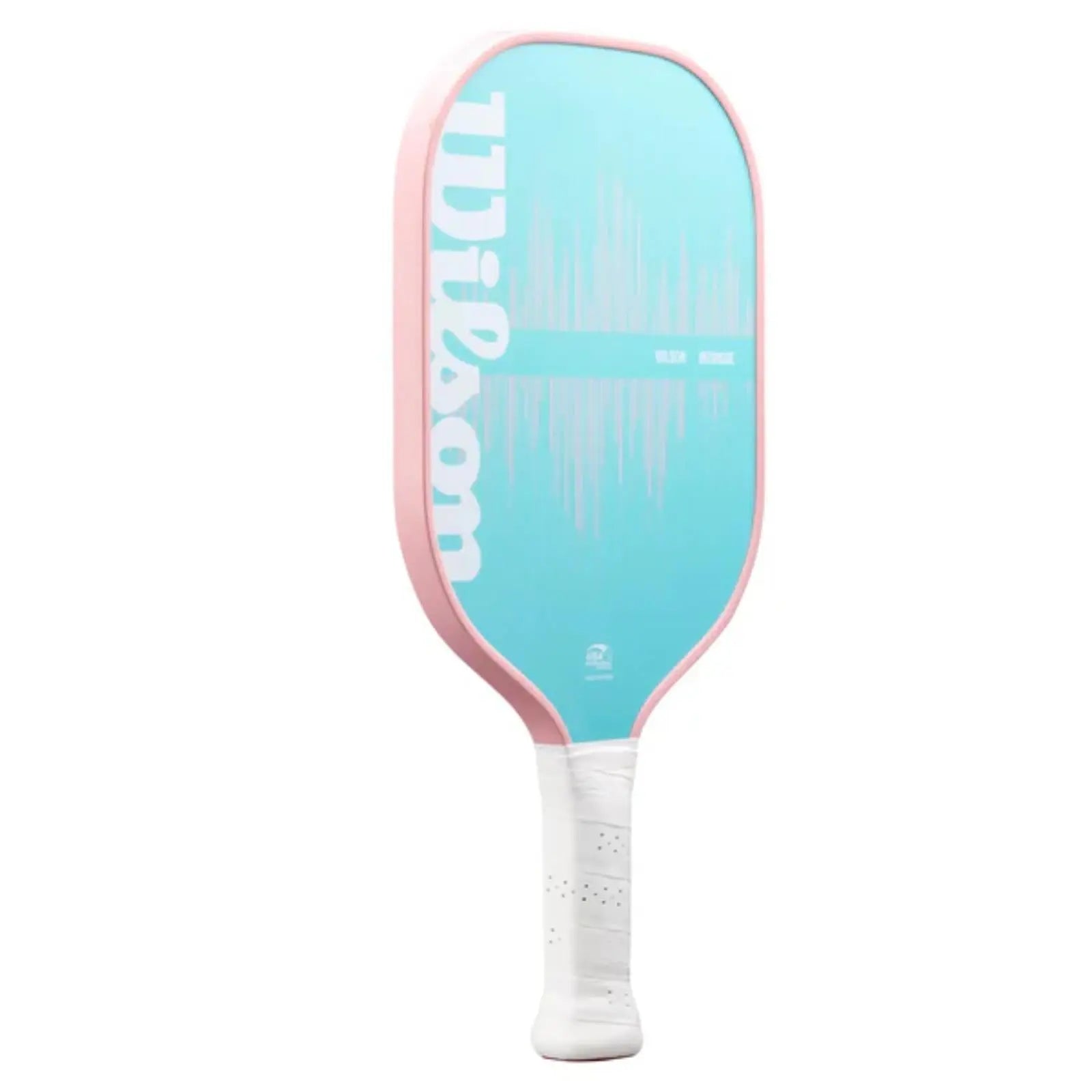
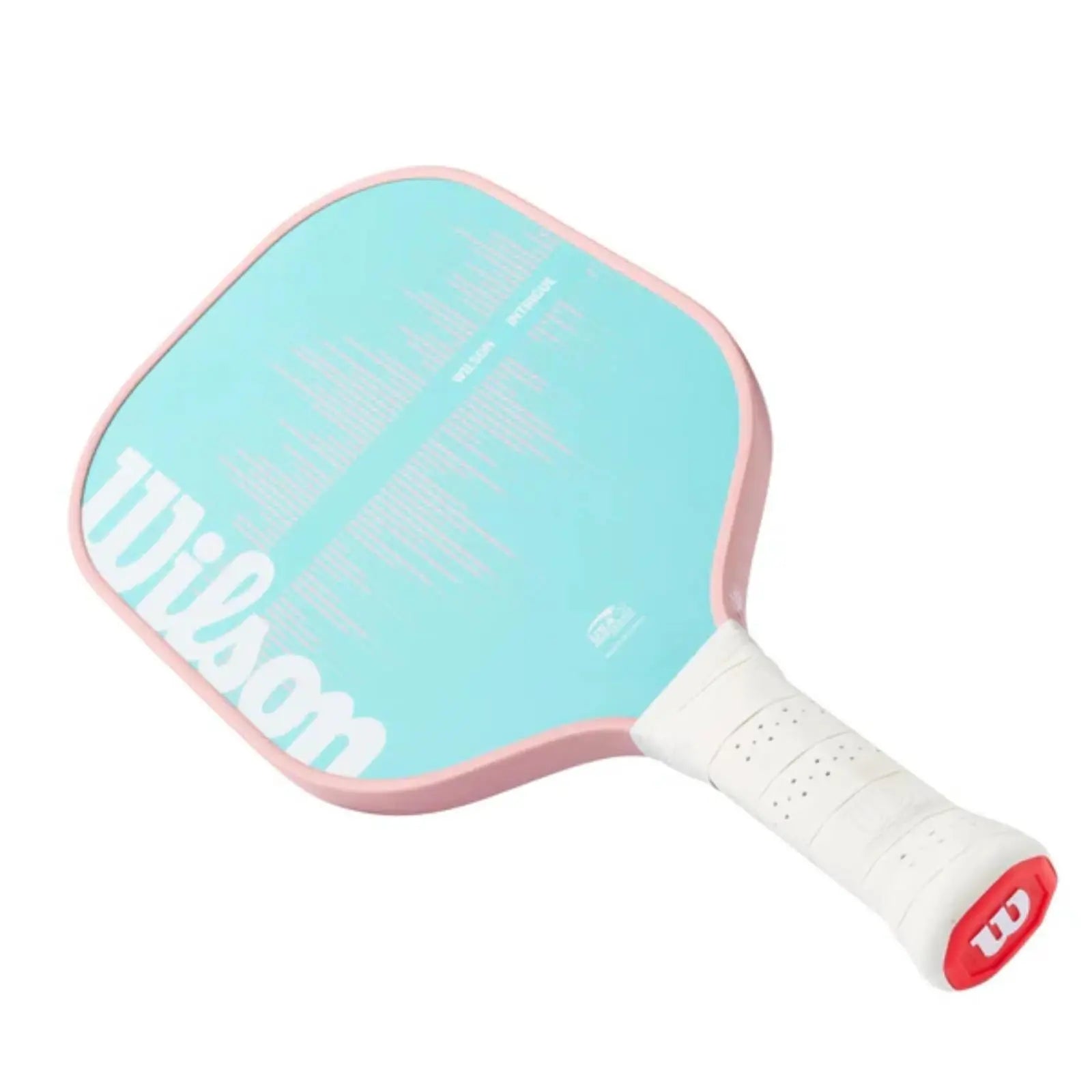
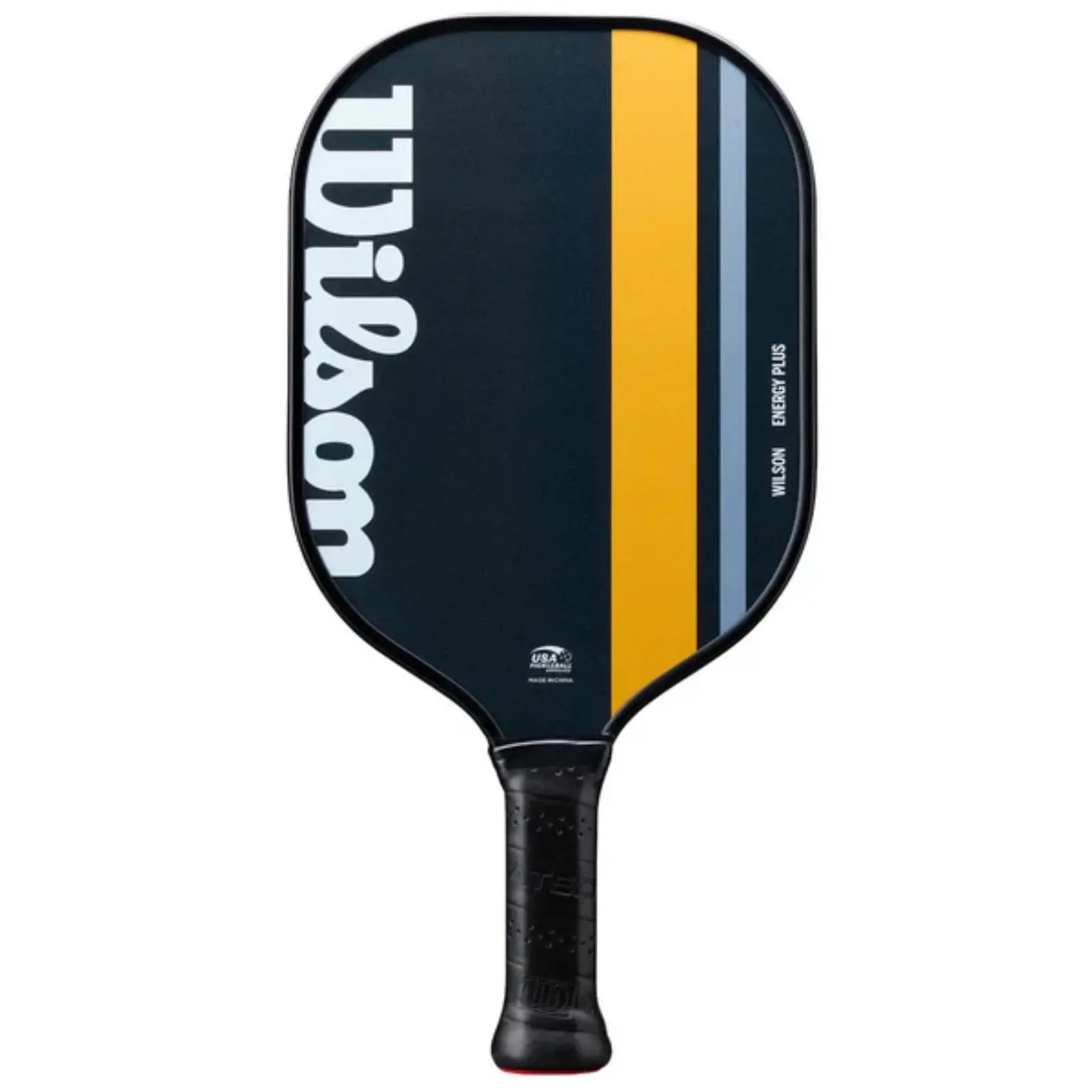
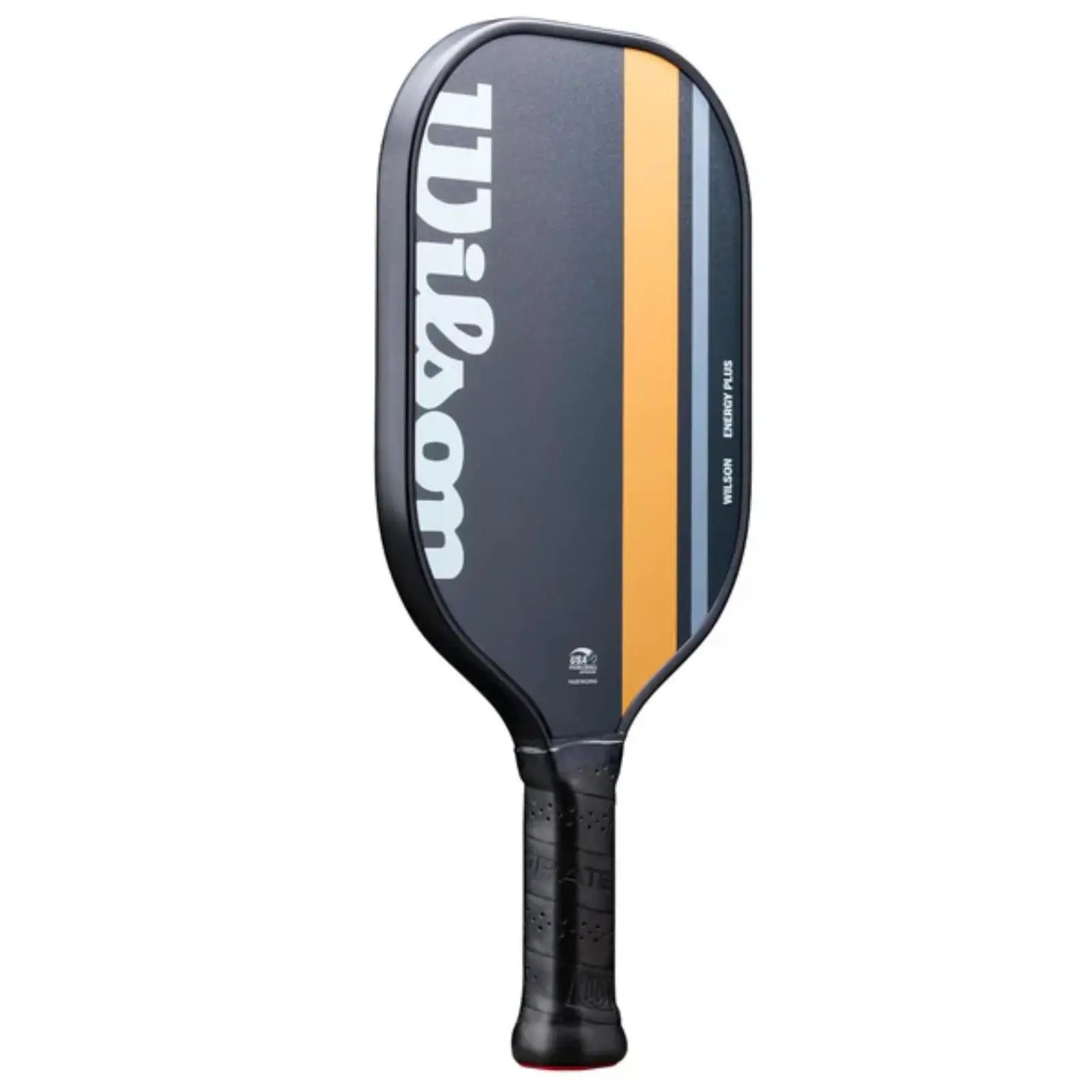
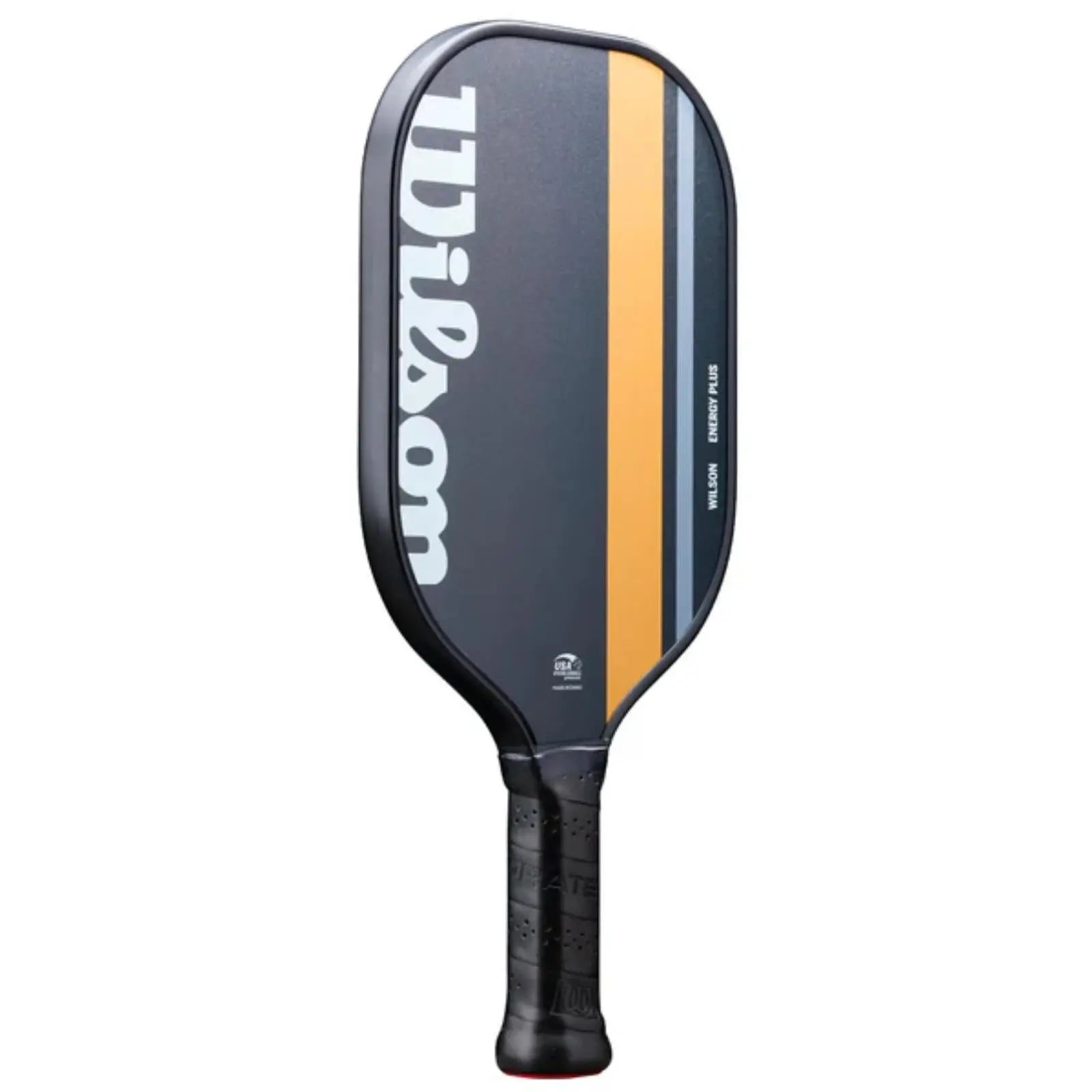
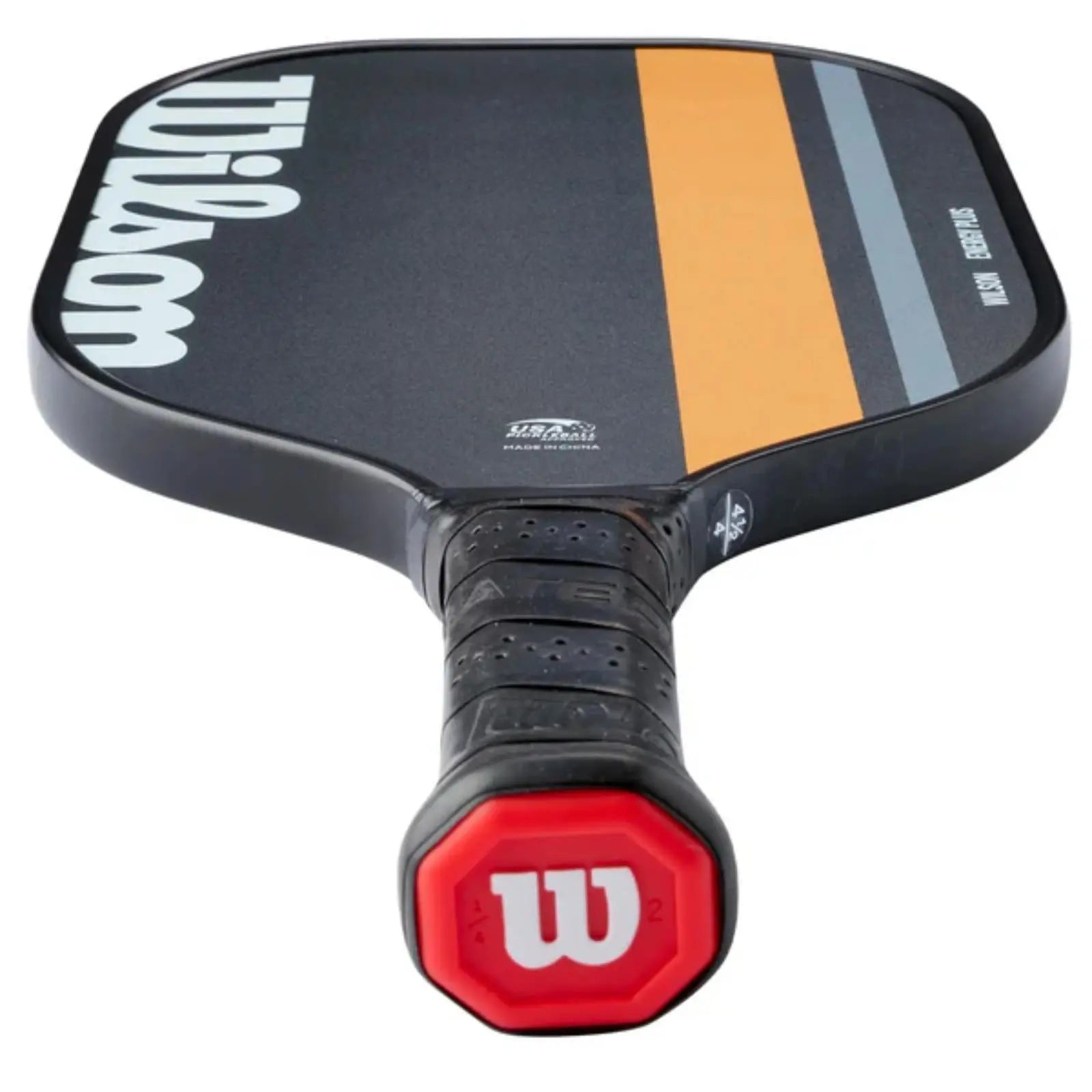
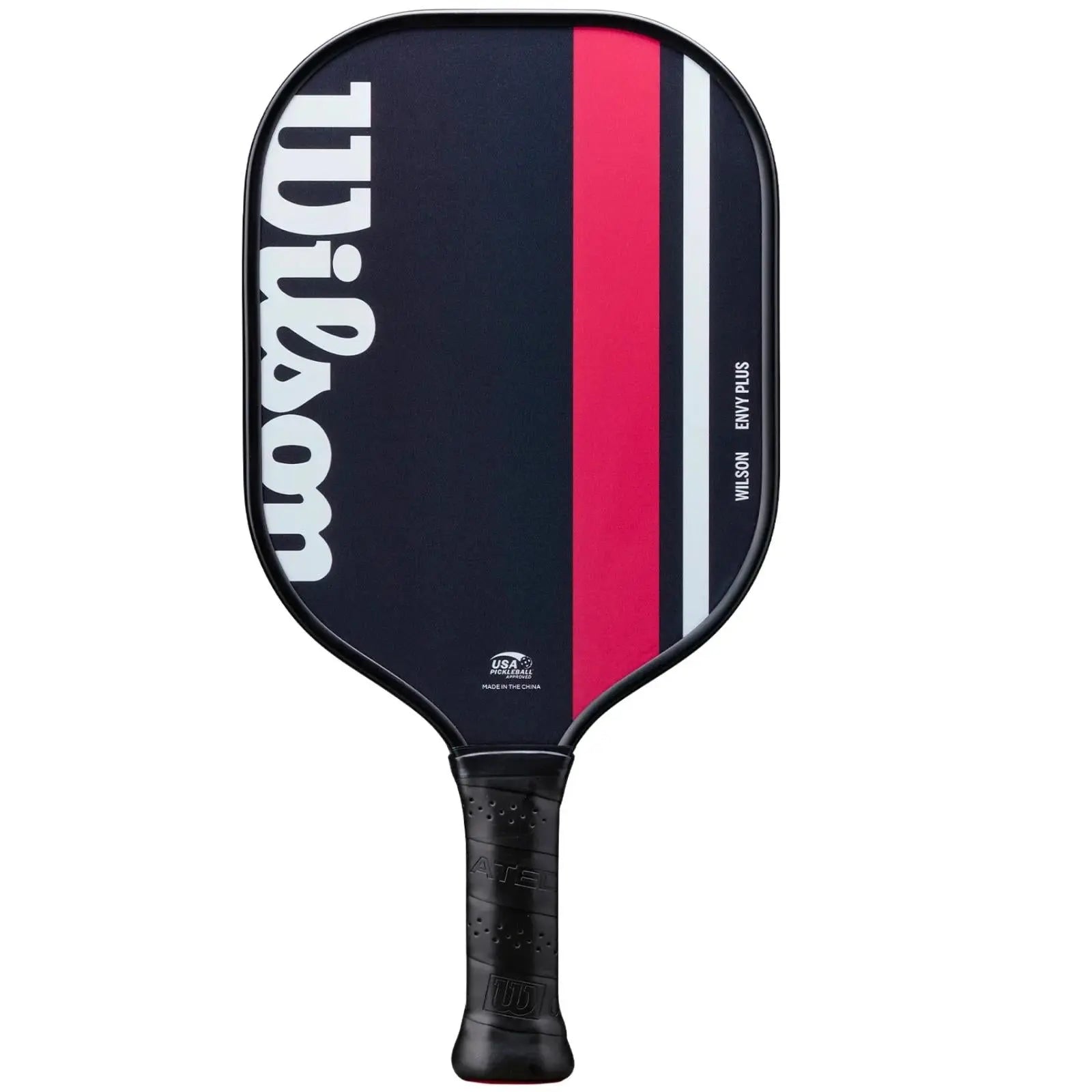
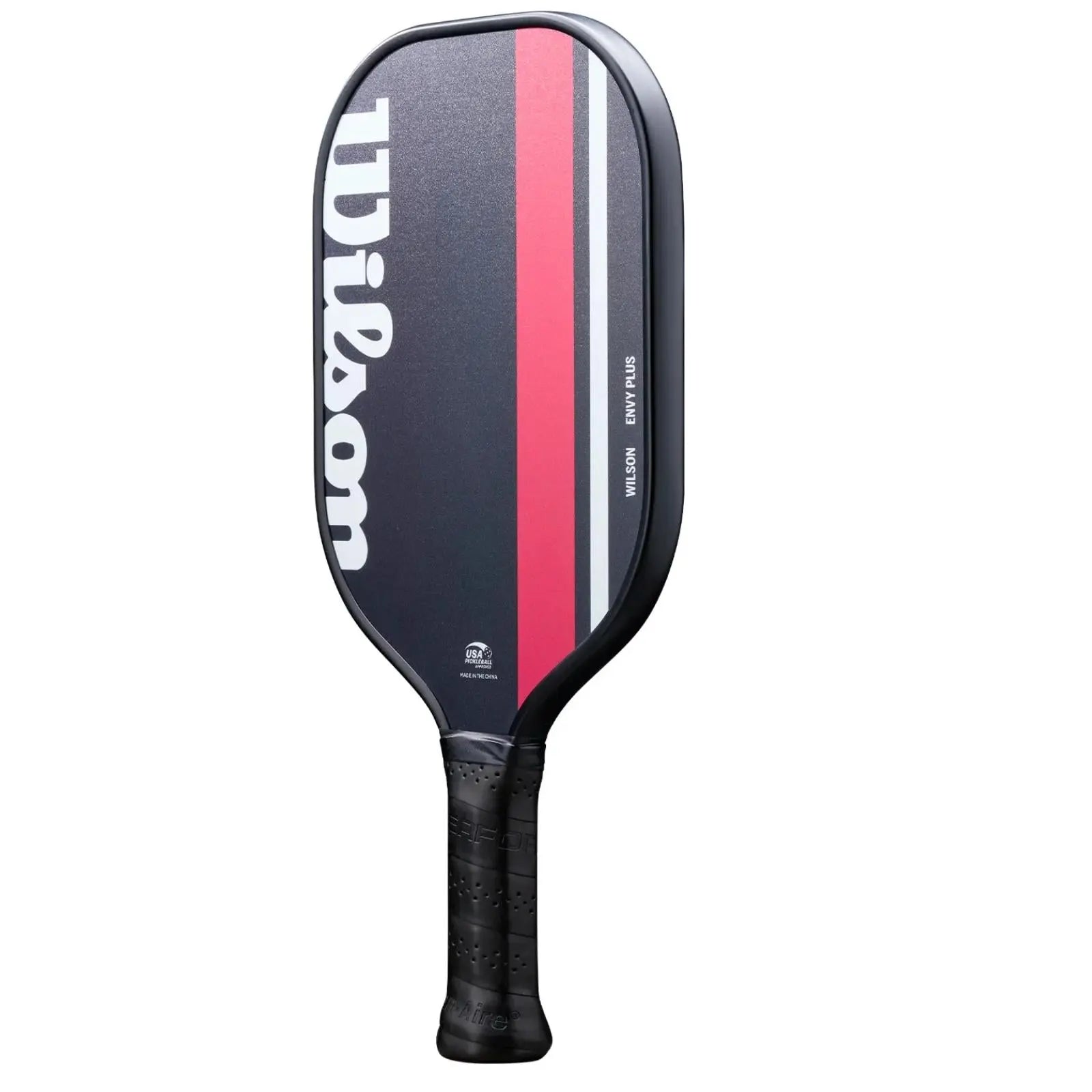
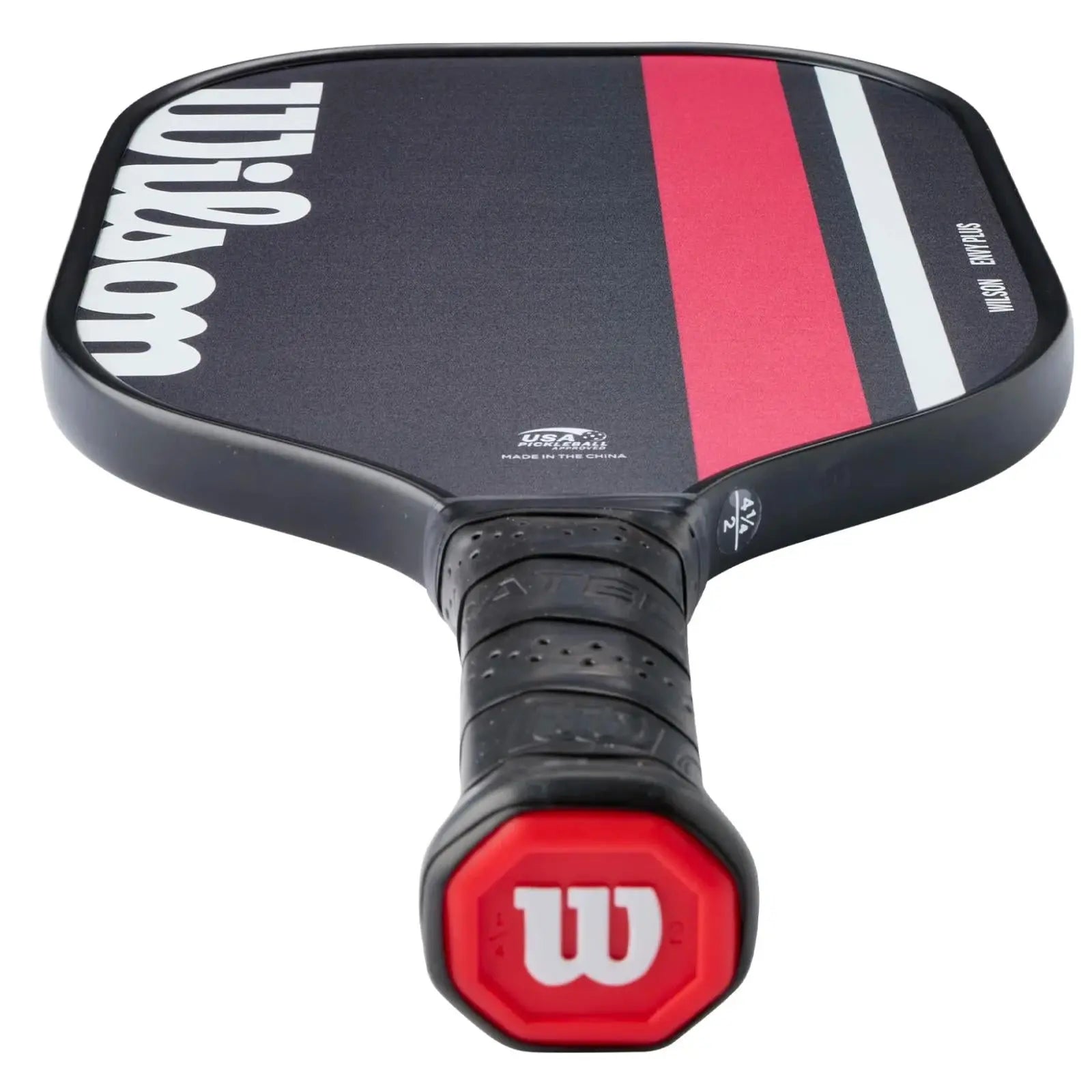
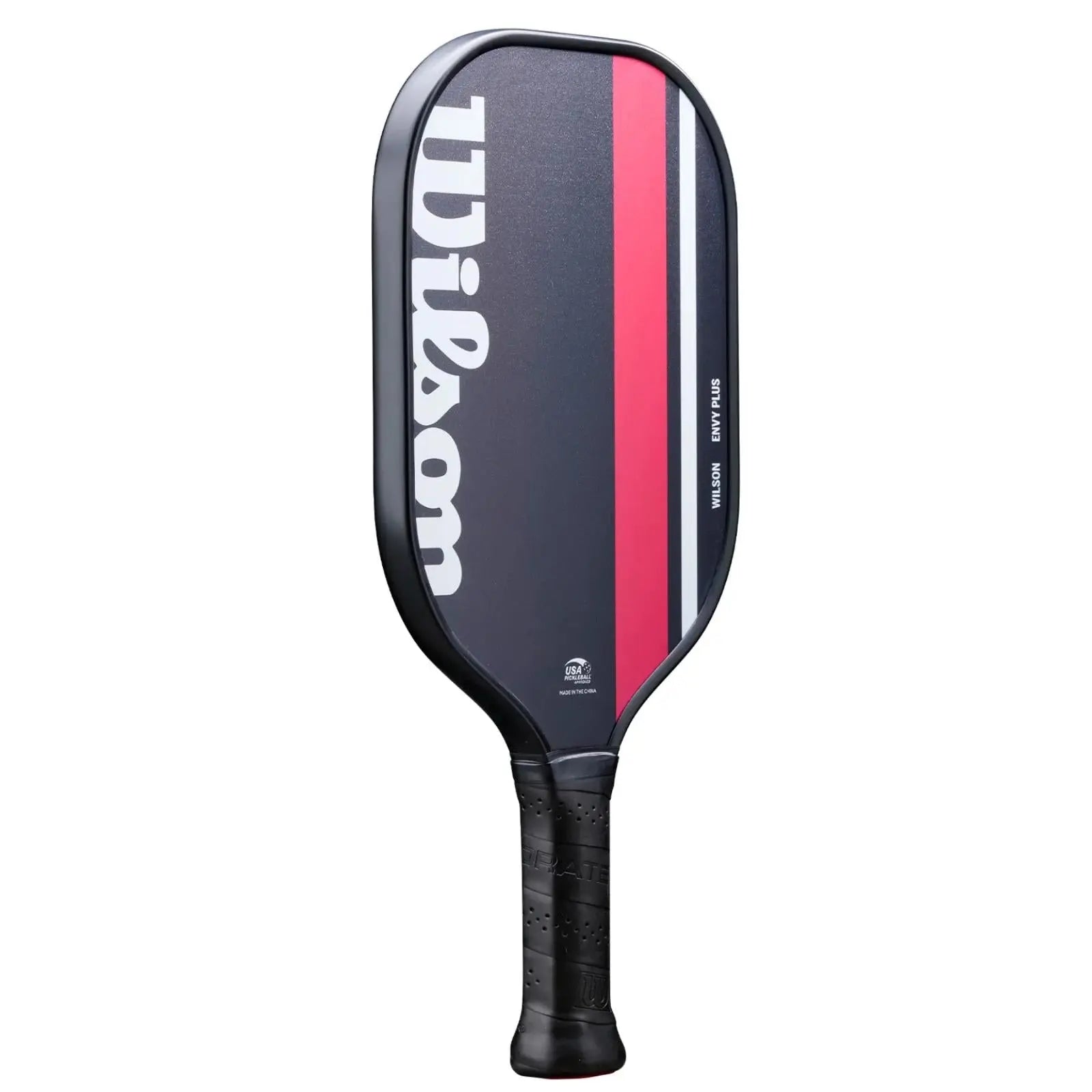
Wilson — Reliable composite paddles from a brand you already know
-
Selkirk — One of the most popular pickleball brands worldwide, with great entry-level options
-
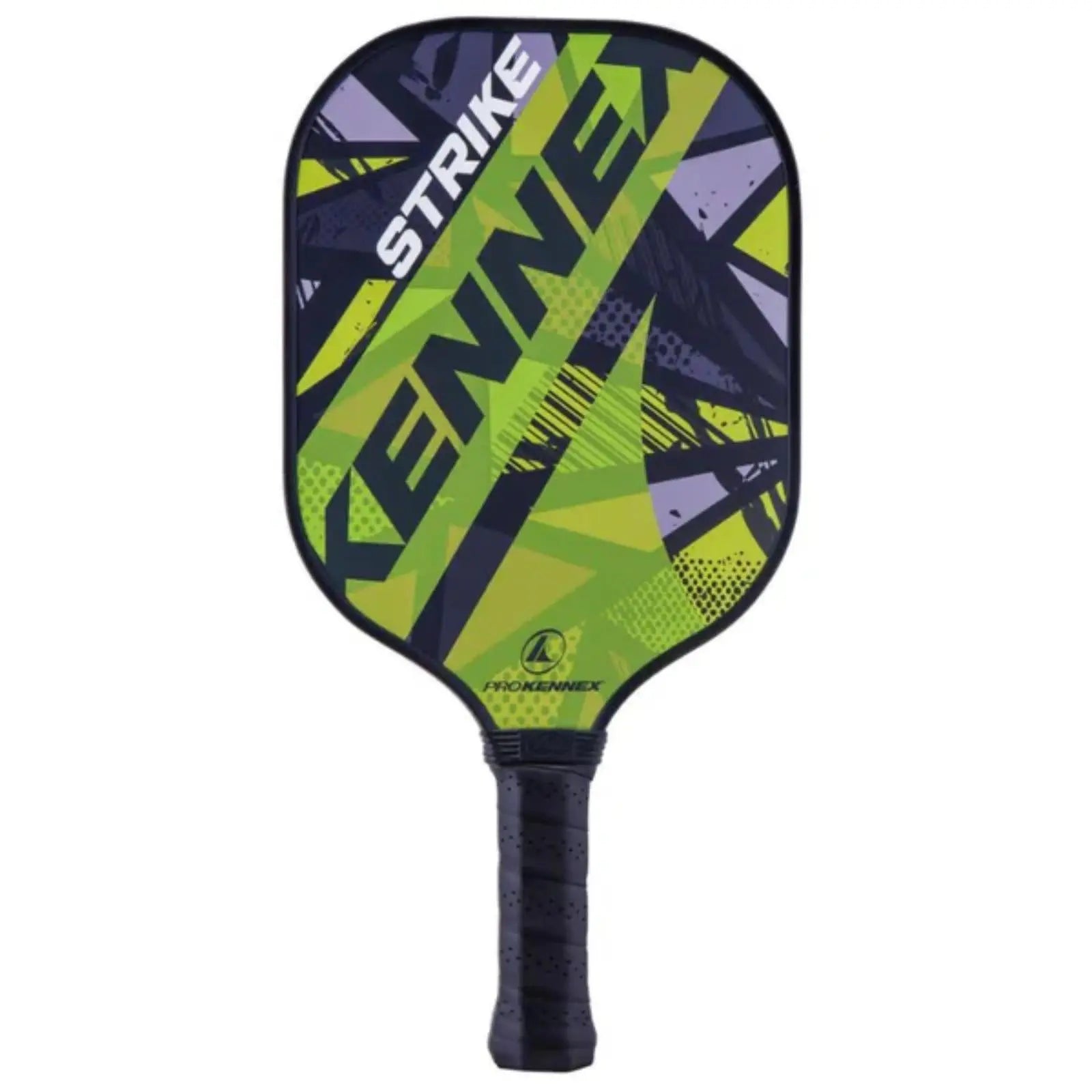
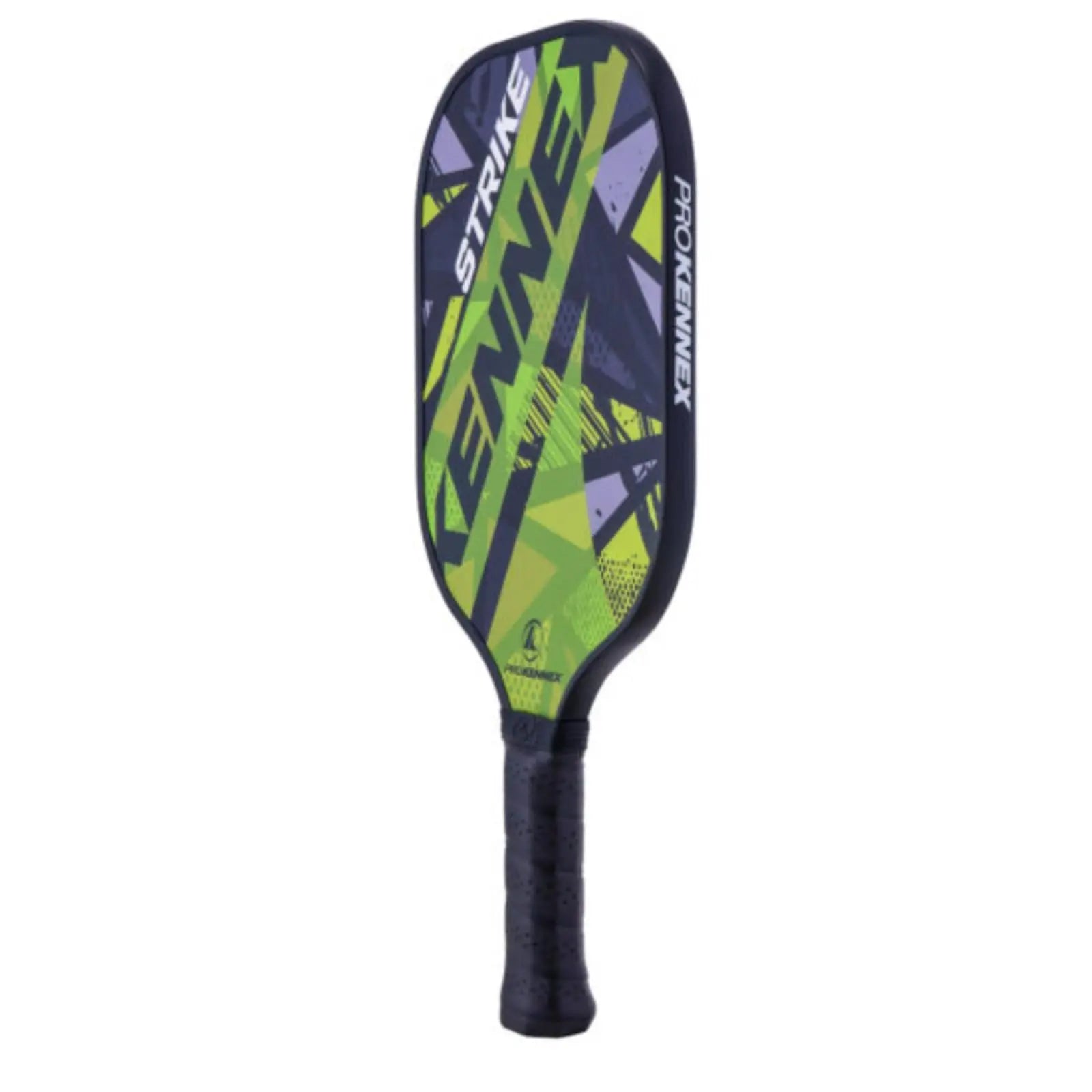
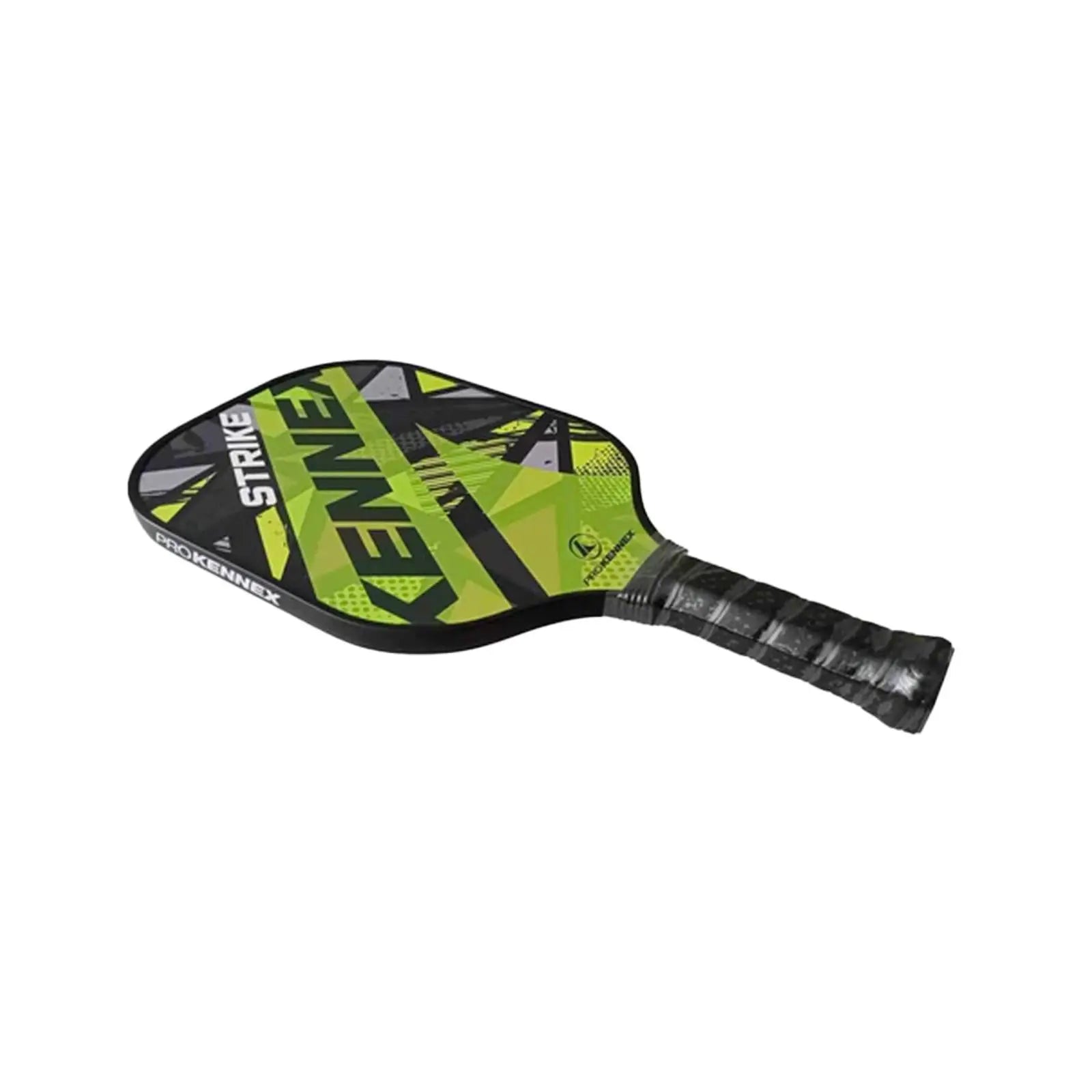
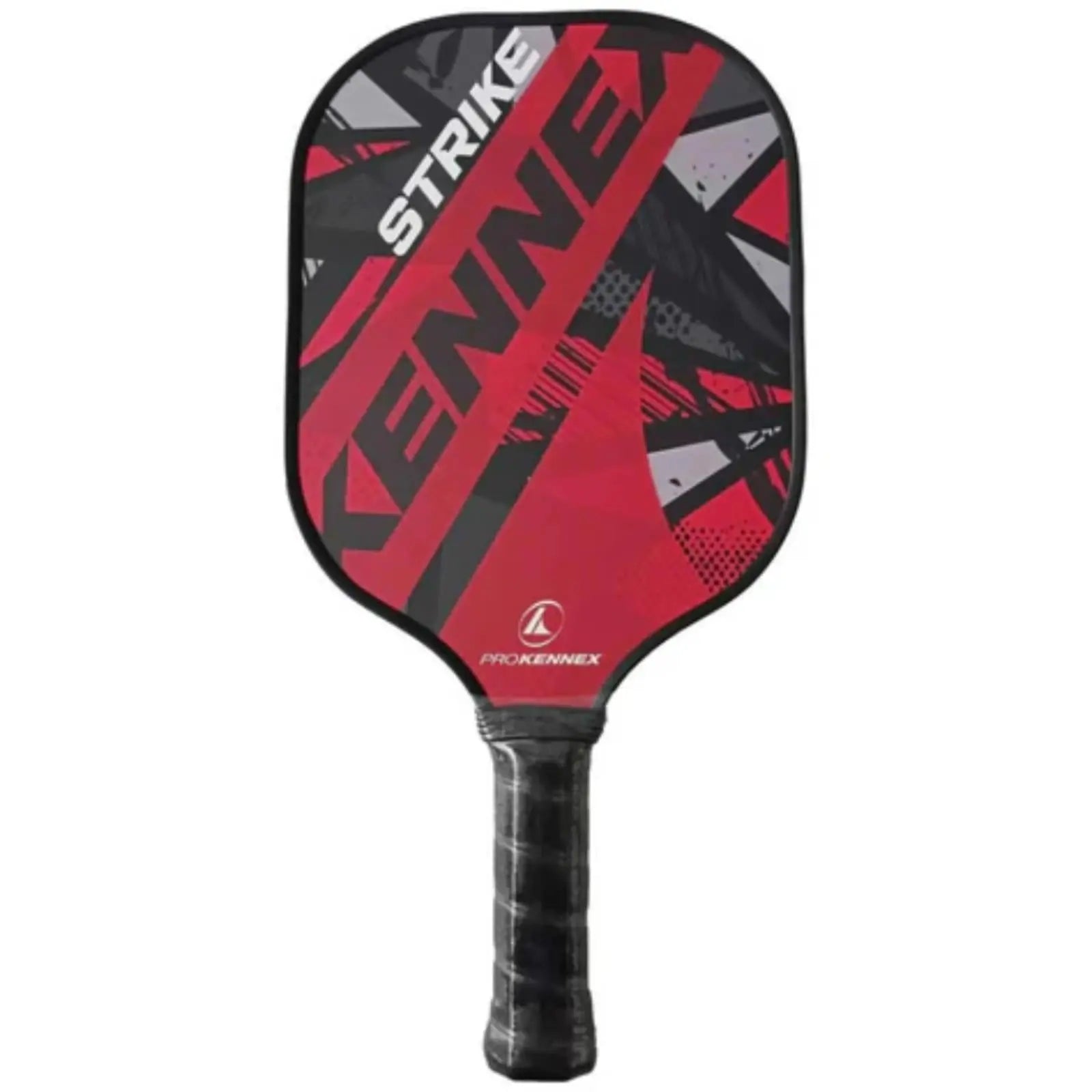
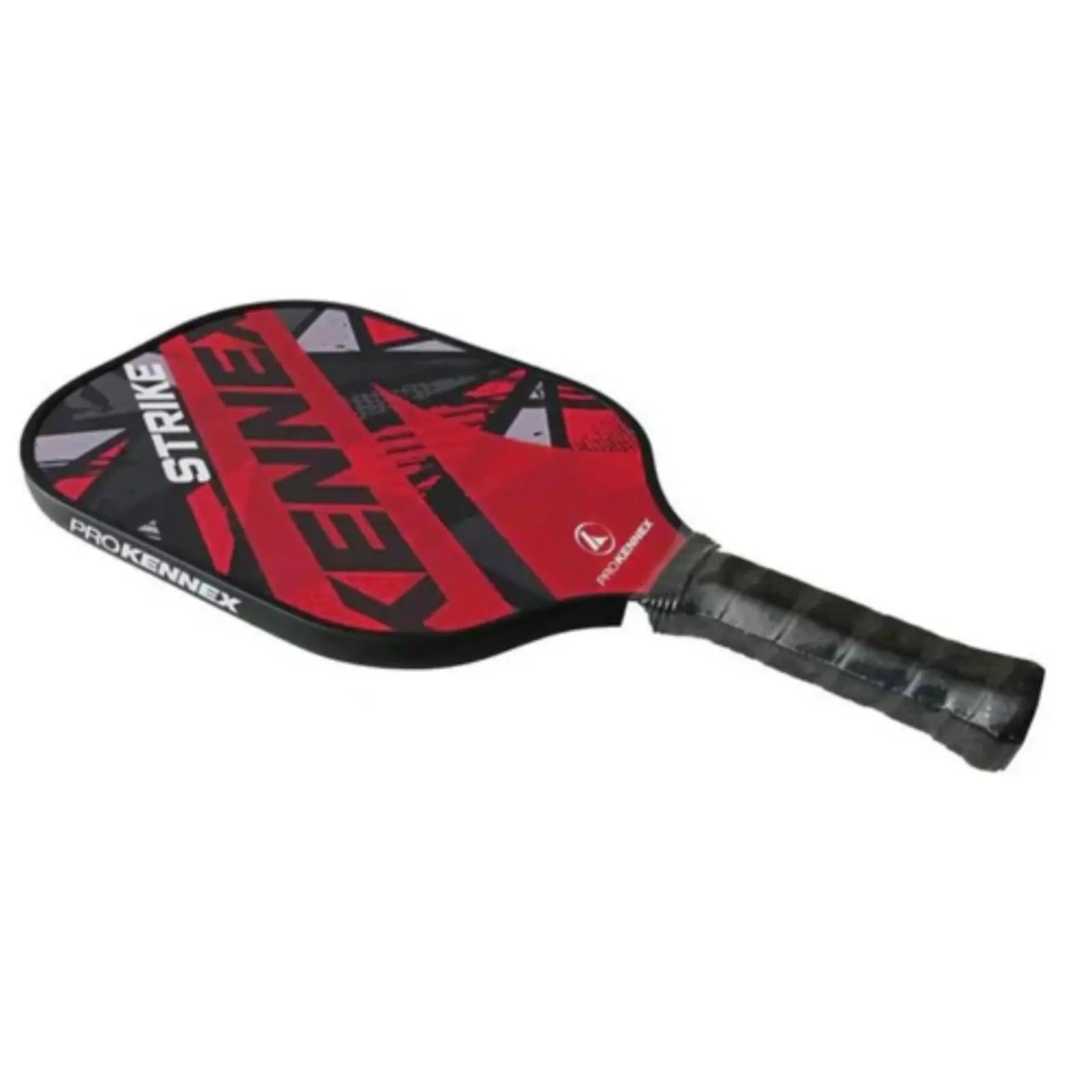
Pro Kennex — Has special tech that reduces vibration — great for sore wrists or arms
-
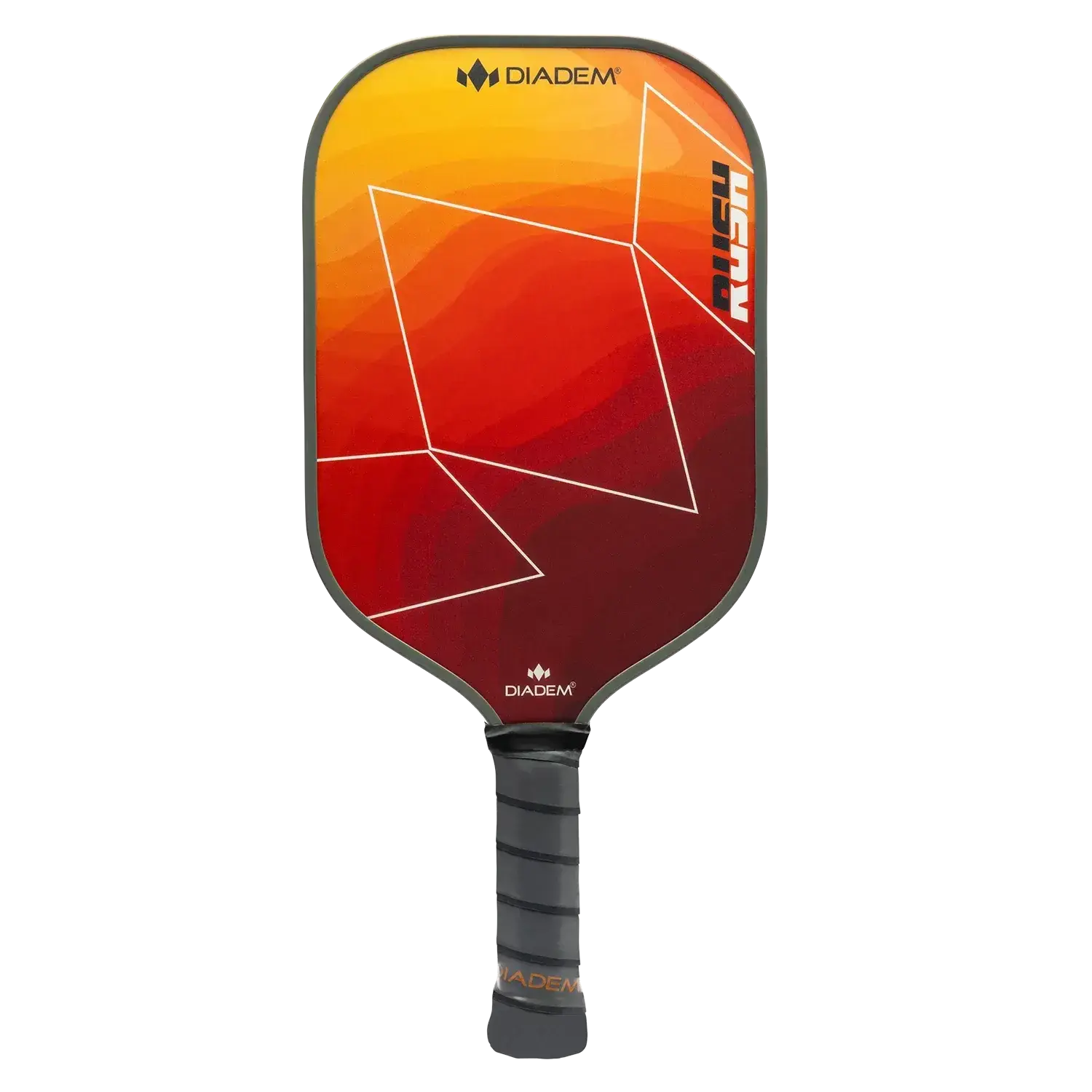
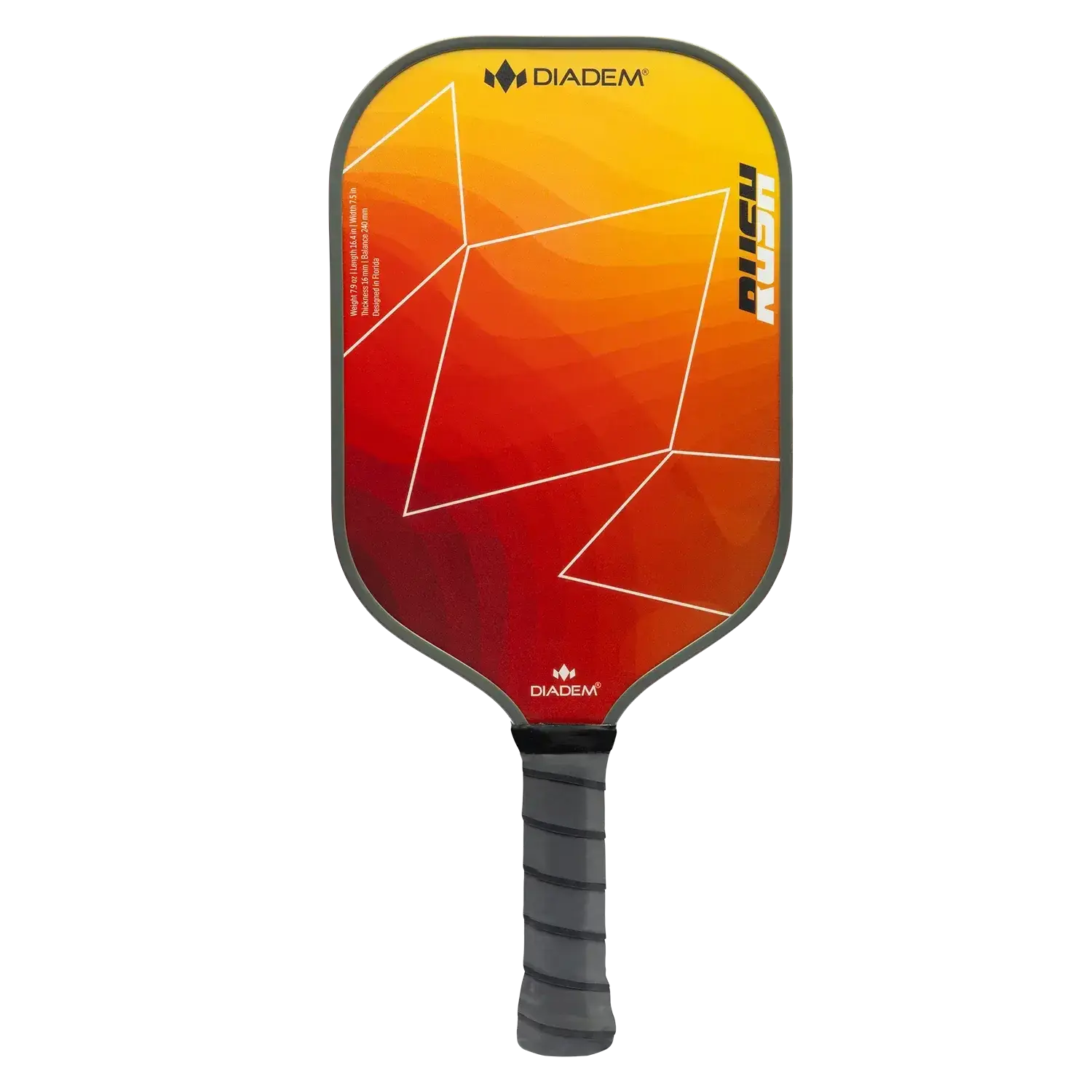
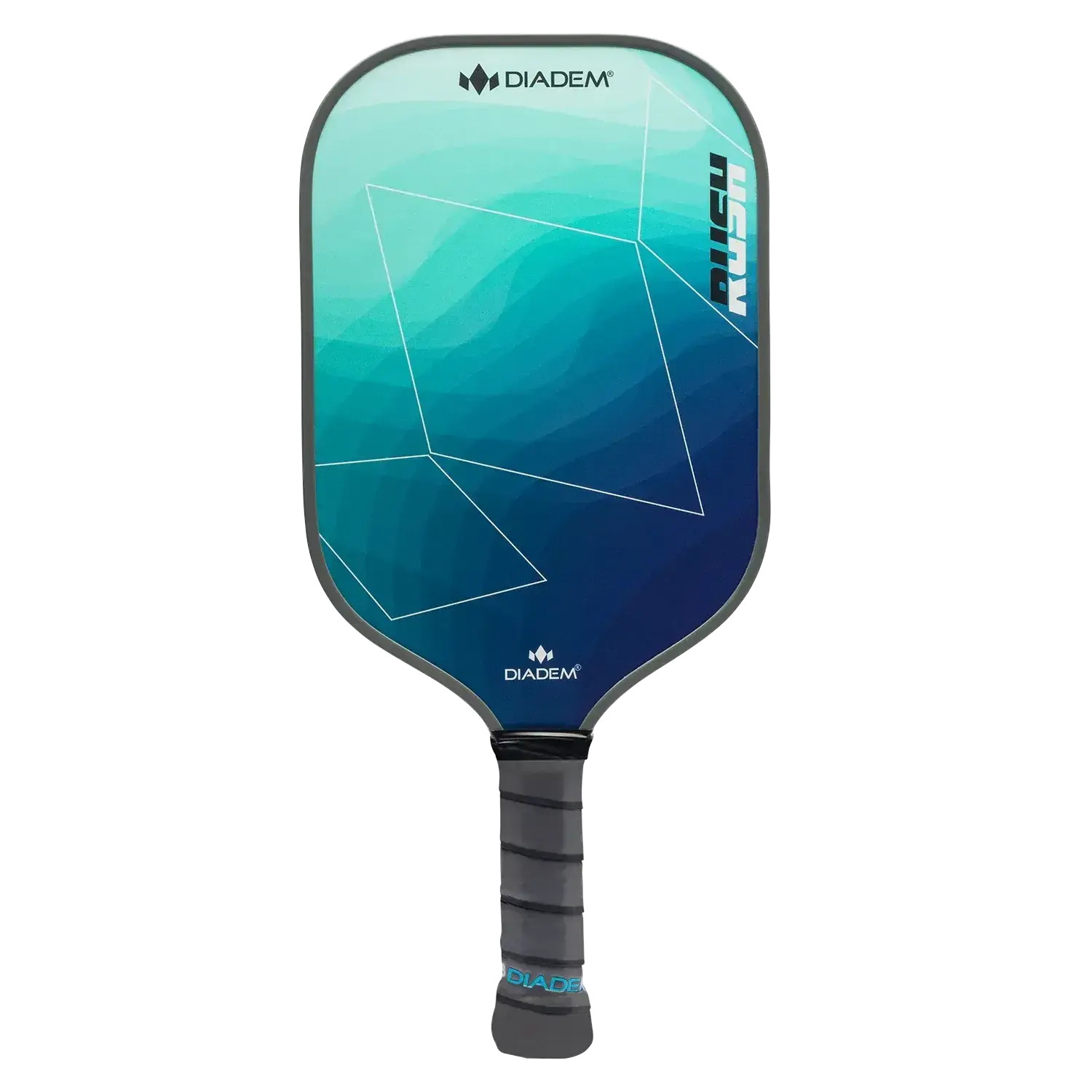
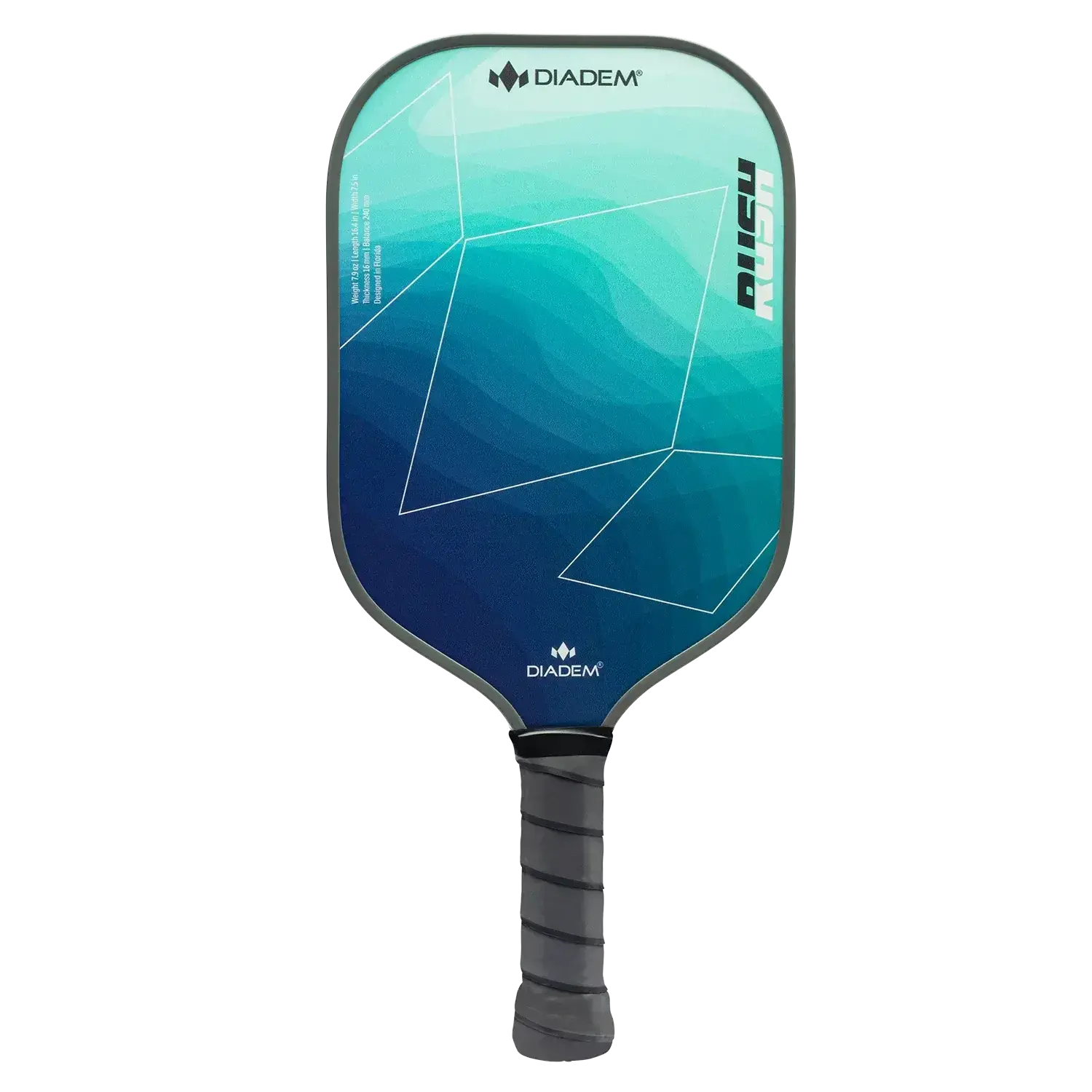
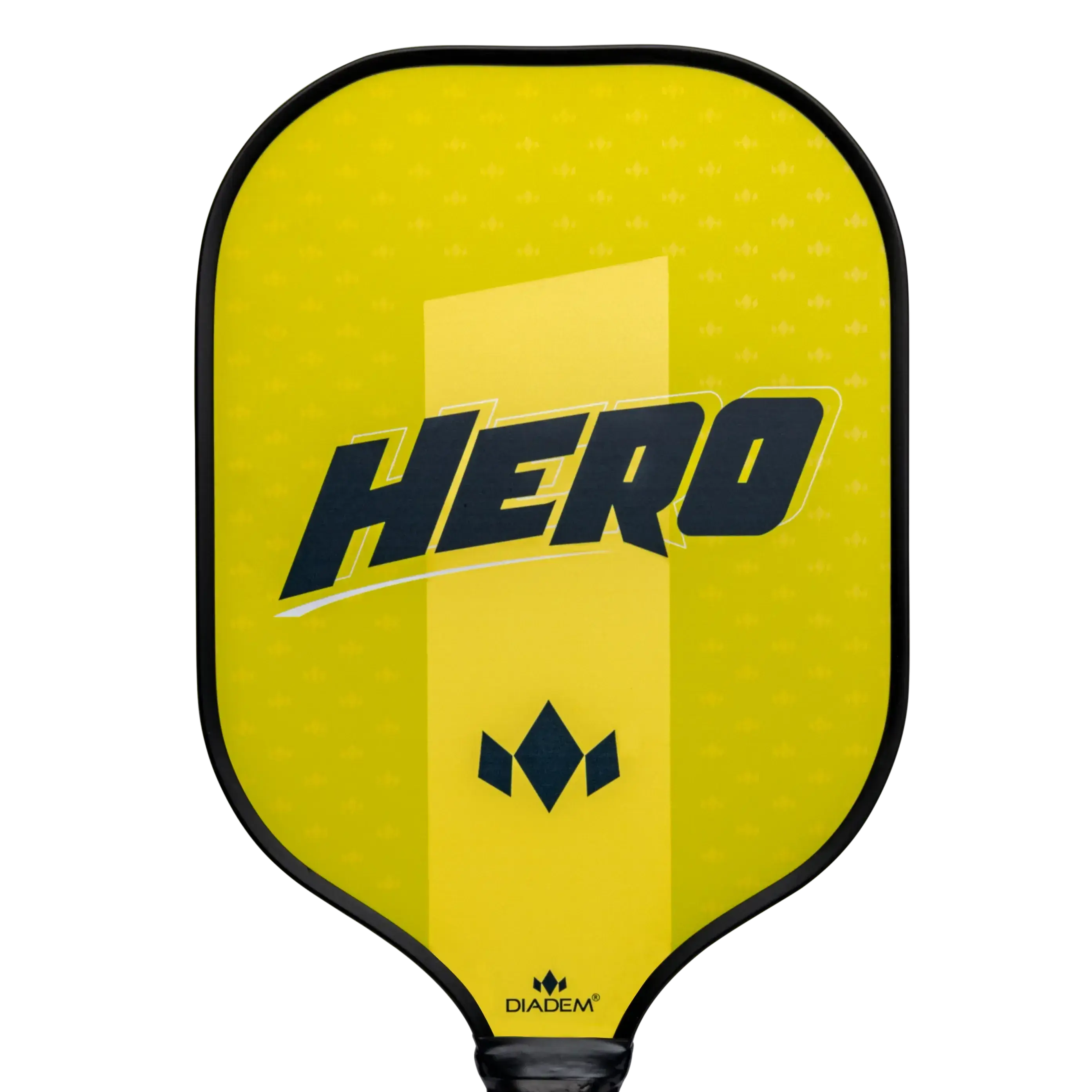
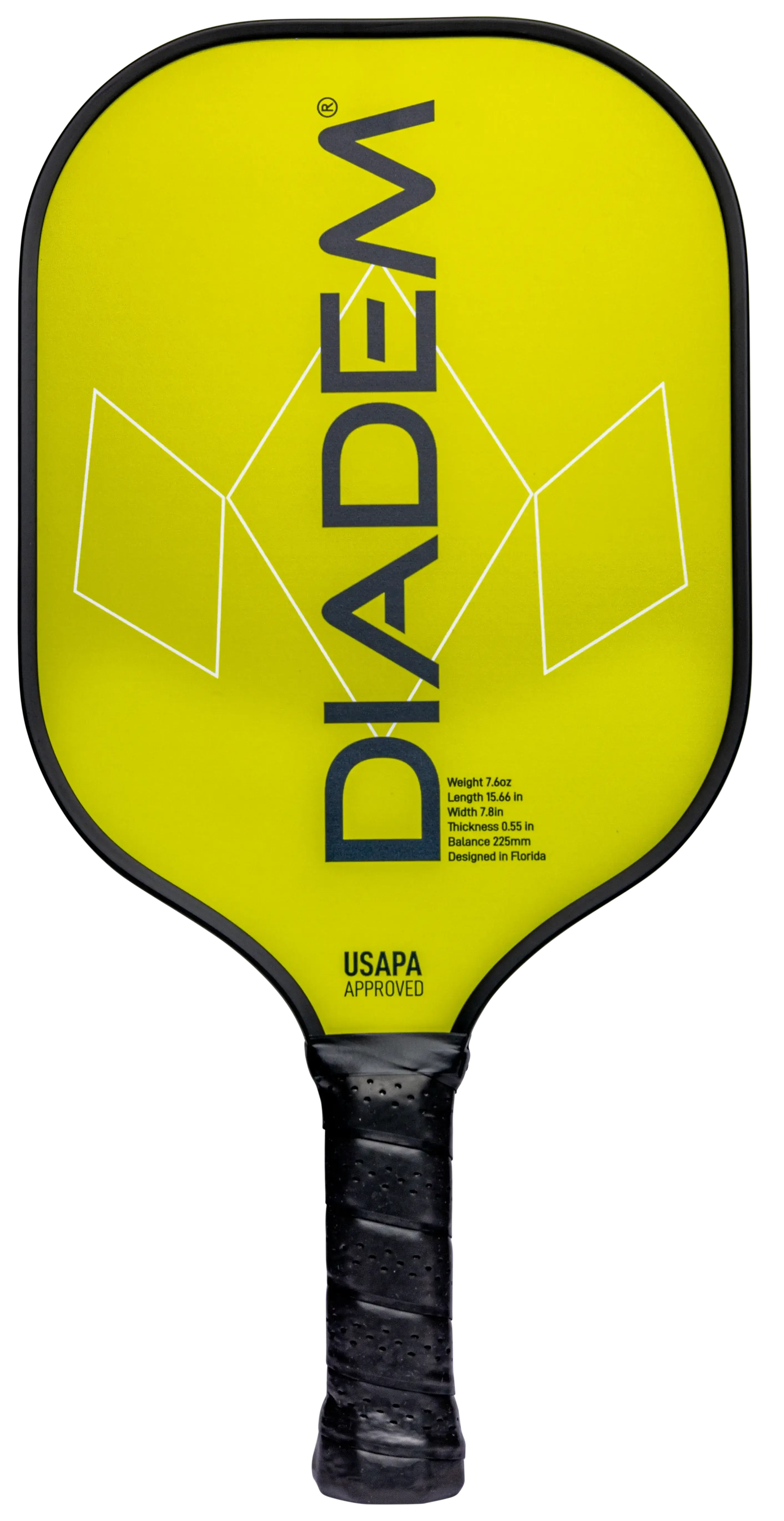
Diadem — Modern, well-balanced paddles for new players
-
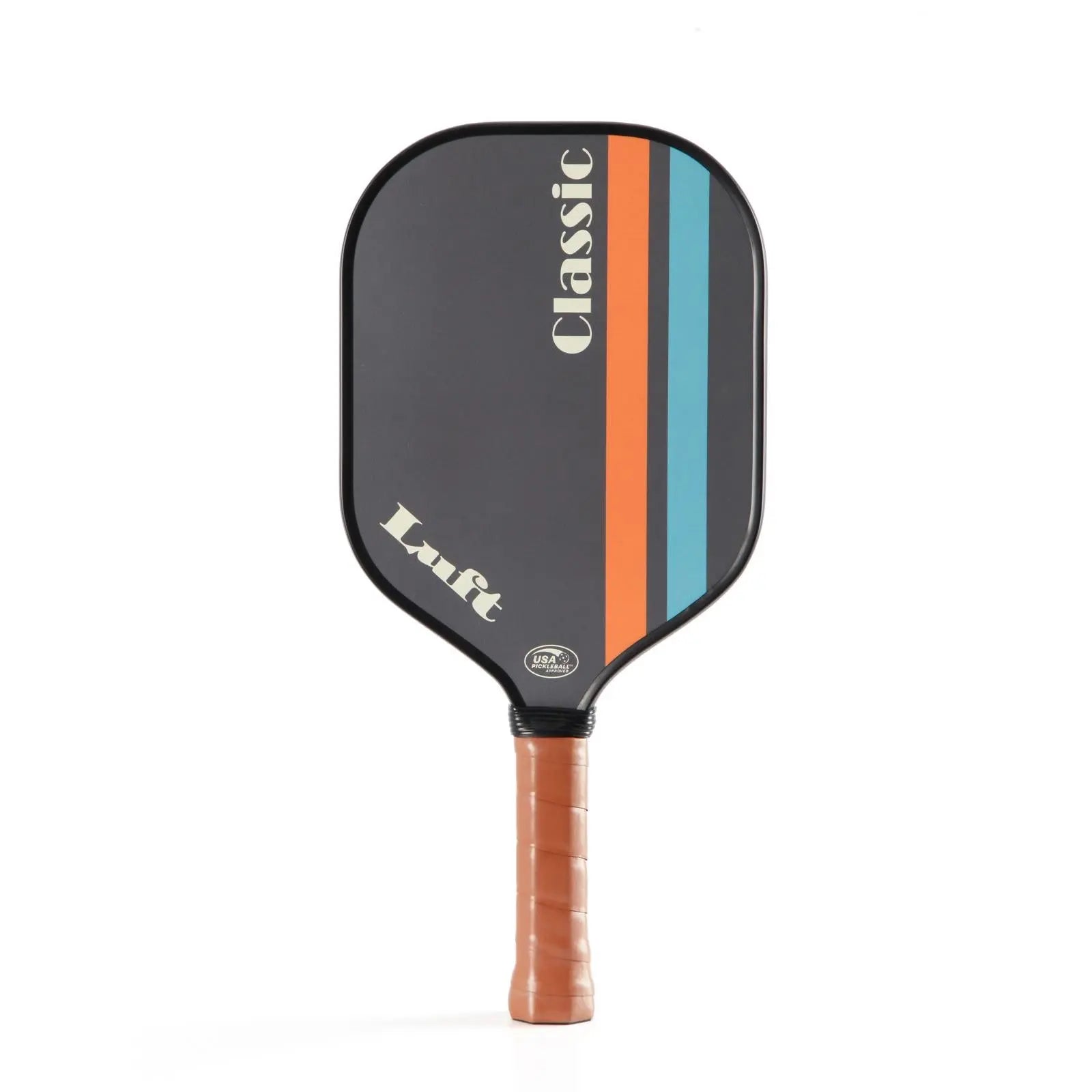
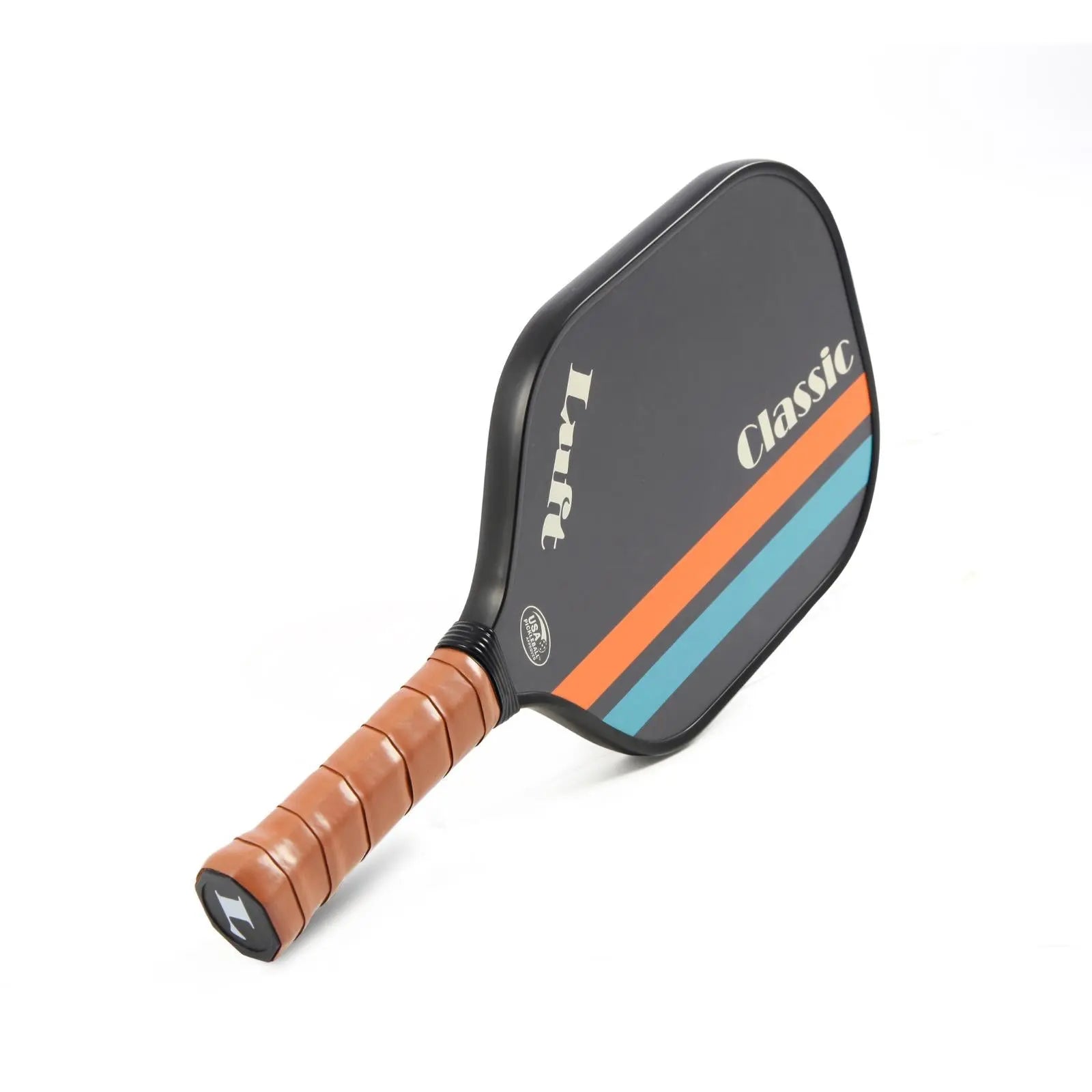
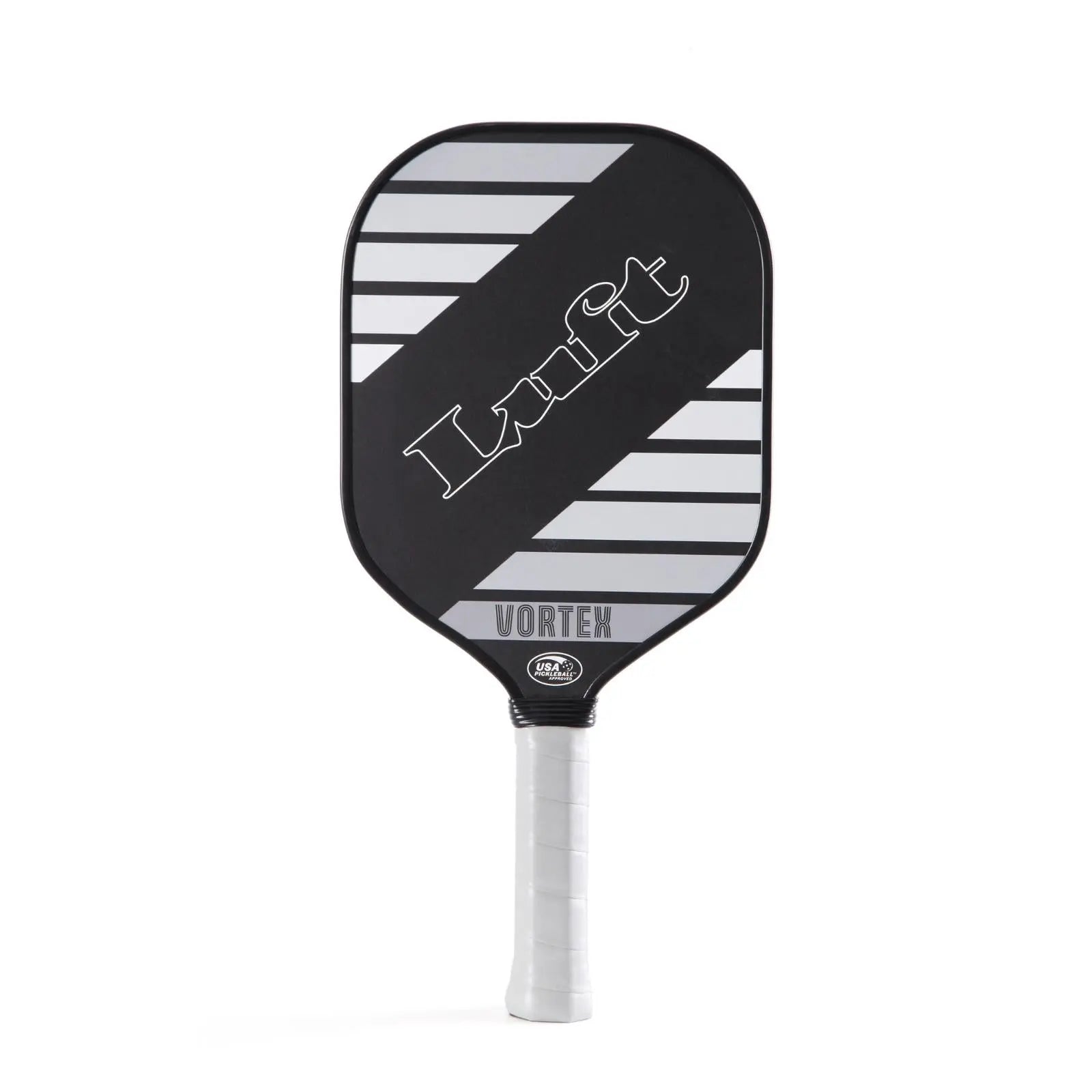
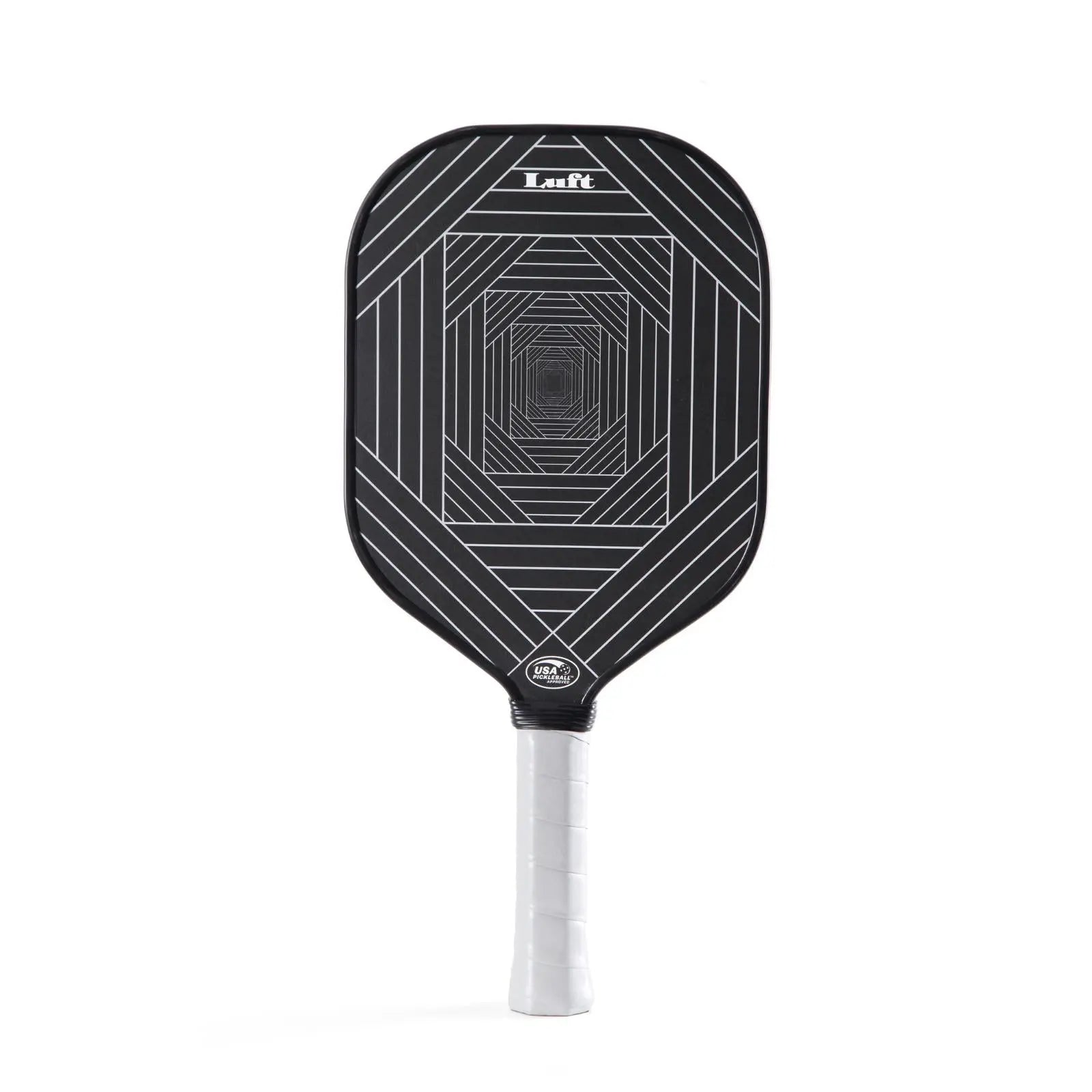
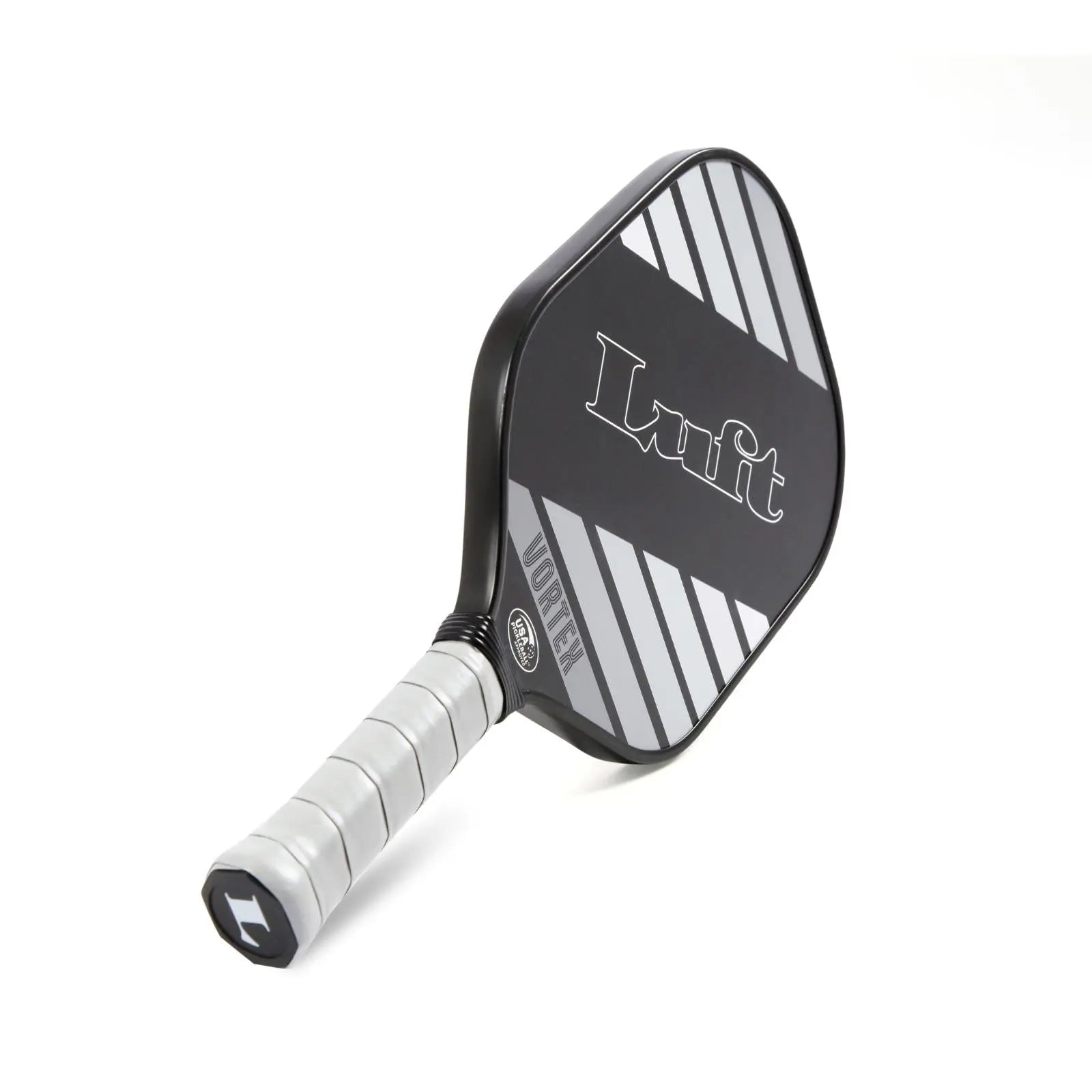
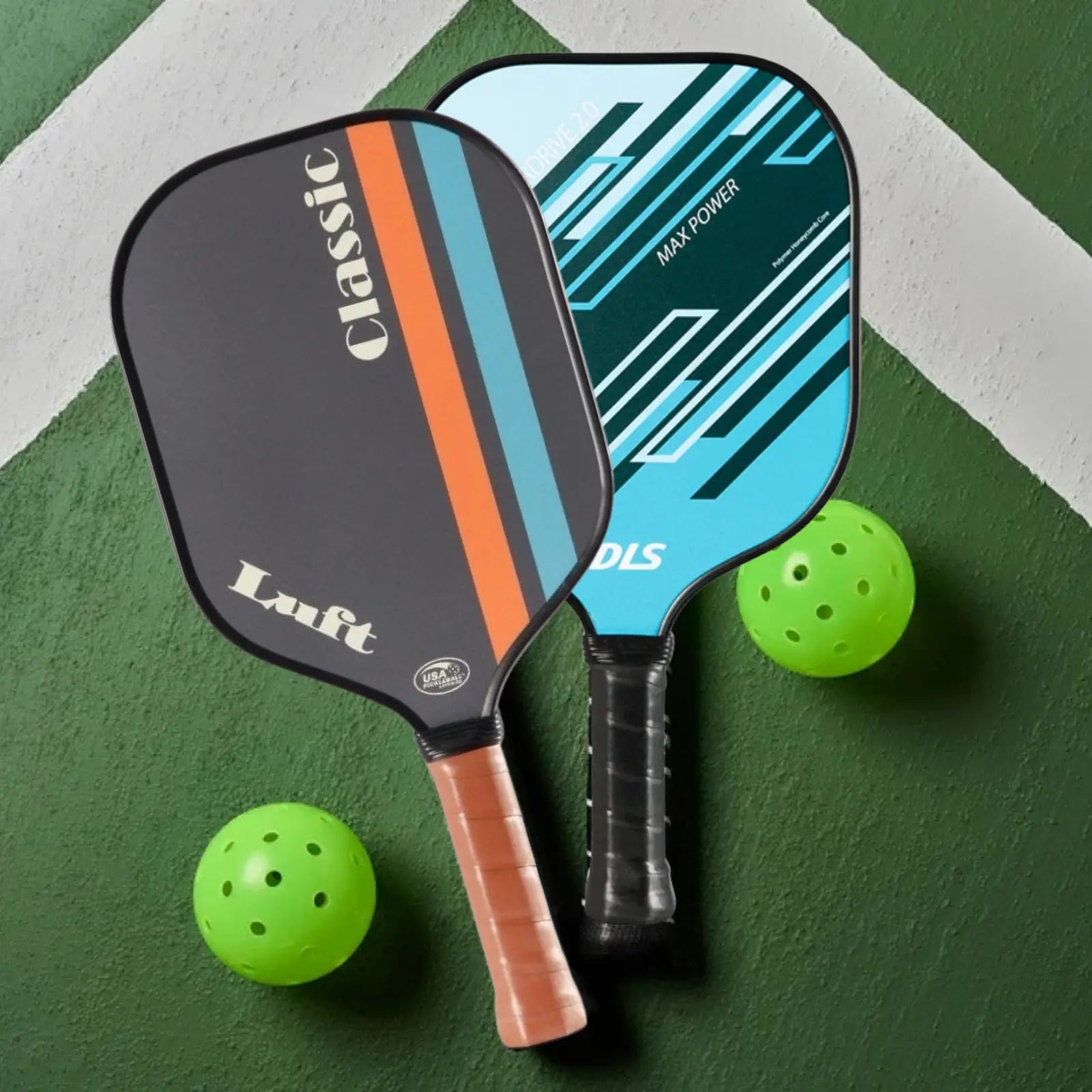
Luft — Budget-friendly paddles that are perfect for first-timers
What else do you need to play?
-
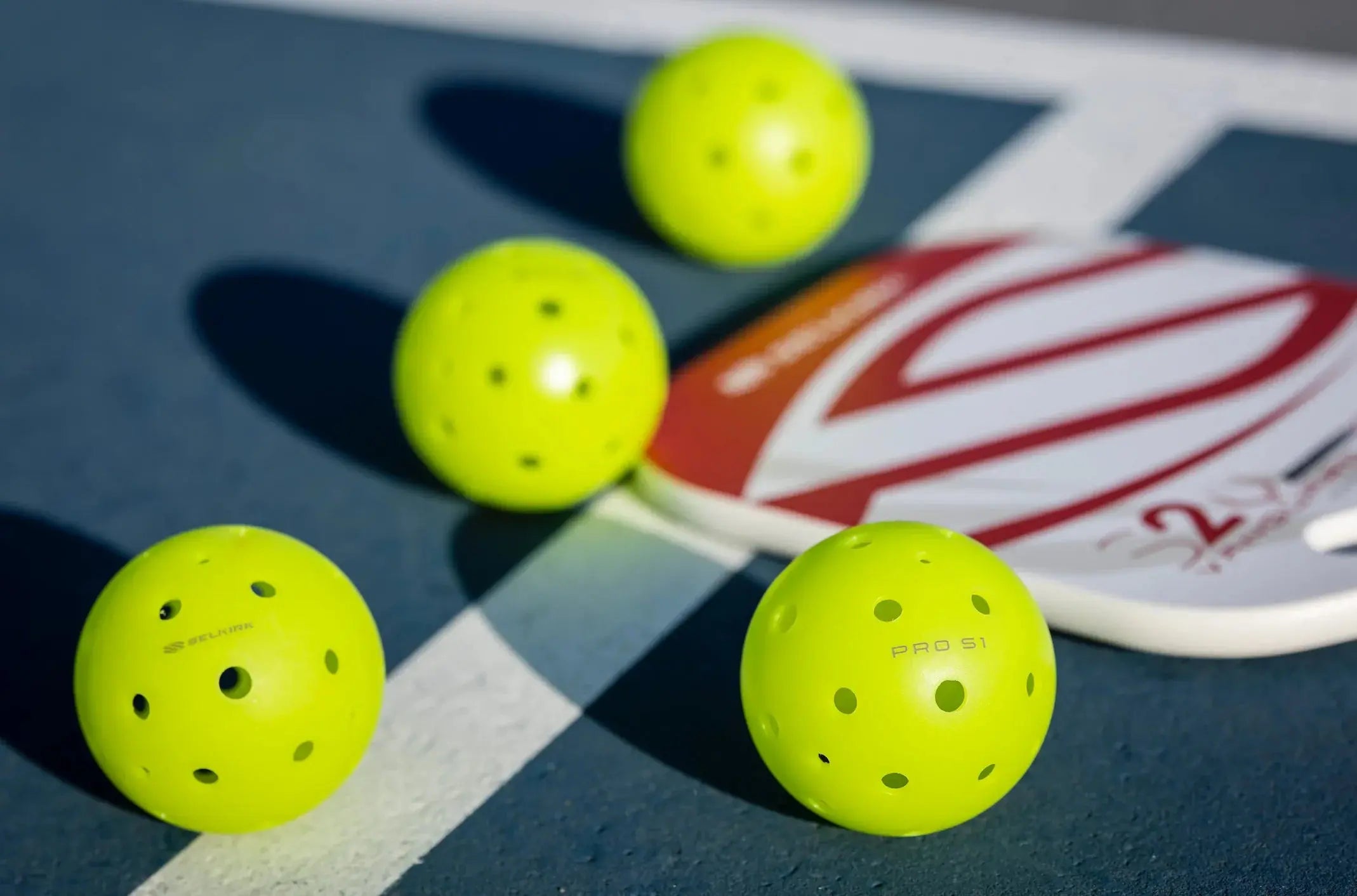
Pickleball balls — There are two kinds. Outdoor balls are harder and have smaller holes. Indoor balls are softer with bigger holes. Make sure you get the right ones for where you play.
-
Court shoes — Running shoes are dangerous on a pickleball court — they’re not built for side-to-side movement. You need actual court shoes.
-
Overgrips — Sticky tape that goes over the handle so your hand doesn’t slip when you sweat.
-
Complete pickleball sets — If you need everything in one go (paddles, balls and a net), check our sets.
Common questions
How heavy should my first paddle be?
Between 7.3 and 7.8 ounces (about 207–221 grams). Lighter than 7.2 oz feels too flimsy. Heavier than 7.8 oz tires out your arm and slows down your reactions.
Fibreglass or carbon — which is better for a beginner?
Fibreglass is the better starting point. It’s softer and gives you more natural pop, which helps you generate power without a hard swing. Carbon paddles are stiffer and made more for spin — better for players who already know how to control the ball.
What does the “core” do?
The core is the soft honeycomb material inside the paddle. Thicker cores (16mm) are softer and give you more control. Thinner cores (13mm) are poppier and faster. For beginners, anything in the 13–16mm range works well.
Should I get a wide paddle or a long one?
Wide paddles are best for beginners. They have a bigger hitting area, so you’ll miss less. Long “elongated” paddles give you more reach but less margin for error.
What’s “thermoformed” and do I need it?
Thermoformed means the paddle is made in one solid piece, like a single sealed bowl. It makes the paddle stiffer and gives more power. As a beginner, you don’t need it — regular paddles are softer and more forgiving, which is what you want.
How long until I outgrow my first paddle?
Most people use their first paddle for 3–9 months if they play a couple of times a week. When you start winning consistently and wanting more spin or power, time to upgrade.
What grip size do I need?
Most beginners use a medium grip (4.125 inches around). If you have small hands, try 4 inches. If you have large hands, try 4.25 inches. You can always wrap an overgrip to make a smaller grip bigger — but you can’t make a grip smaller, so err on the small side.